
PENGUINS APPRECIATION DAY!!!
We’re celebrating everyone’s favorite flightless bird with two coloring sheets!

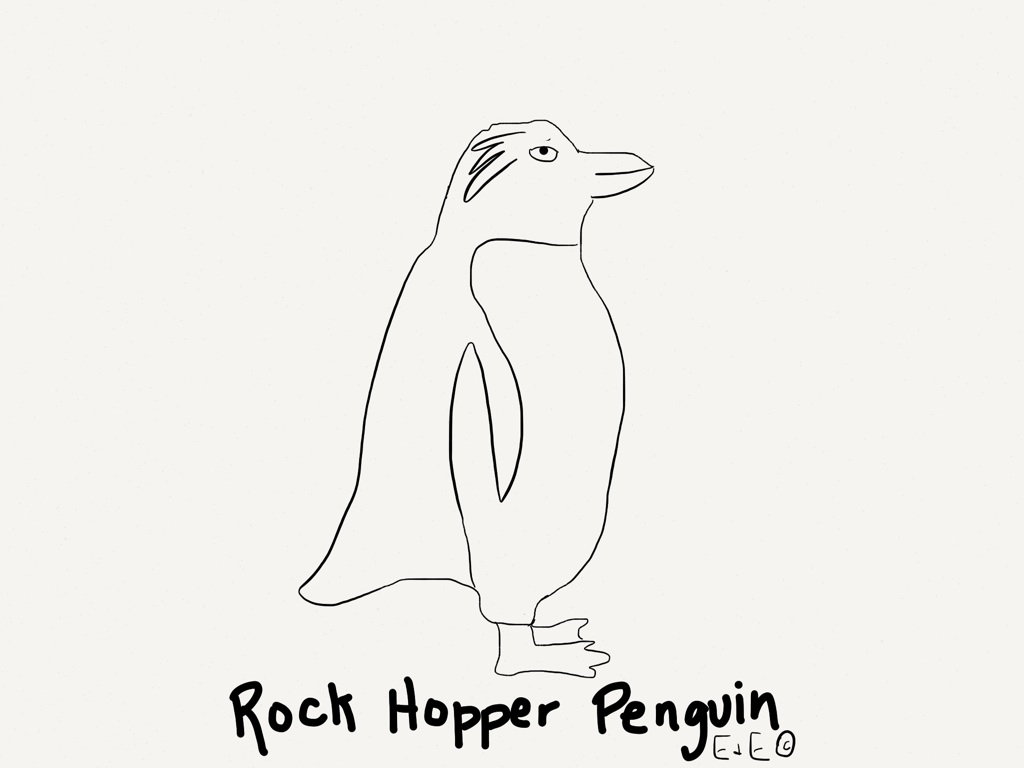
PENGUINS APPRECIATION DAY!!!
We’re celebrating everyone’s favorite flightless bird with two coloring sheets!
Day #10 (1/17/2014) Greater Rhea
We headed to the grasslands of Brazil to meet a relative of the ostrich. We were very excited, but we are getting tired and are ready to head back to HQs. Edmond’s oat and hay stew is yummy, but not after 3 nights. Hahaha! We found one last guide to take us out to meet a large flightless bird! We also saw a giant anteater out on the grasslands! We love anteaters and the Common Rhea!


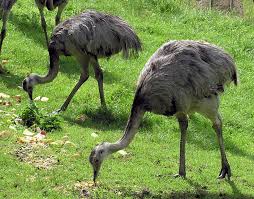
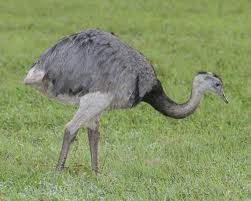
What a wonderful afternoon! We watched a flock eat and rest and peck around! We even saw a male flapping his wings at some ladies. Breeding season must be coming soon! Too bad we will miss it. We’re packing up camp and have to run to catch the E&E plane back to HQs! Look for our new feature- University of E&E and Science Word of the Week on Sunday!
-Ellie and Edmond
SCIENCE WORD OF THE WEEK!
We’re starting our new feature this week! We’ll be featuring a science word of the week with a cartoon!
This week’s word: Endothermic
Endothermic or Warm Blooded refers to animal whose body maintains its own body temperature (usually above the temperature of its surroundings). Endothermic animals must intake calories everyday to help them maintain this body temperature. All mammals and birds are endothermic.

Day #5 (1/10/14) – Meeting the Egyptian Goose
We had a great time watching surfing hippos! We headed back to camp to find a local bird. We decided to stay in our safari vehicle to watch these birds as they are known to be aggressive. Do you have goose where you live? We have the Canadian variety and they can get very cheeky! We were so glad we packed our binoculars and snacks. An afternoon of bird watching can make an elephant and horse very tired.
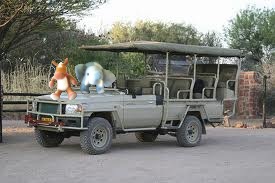
Their range and habitat: lakes, rivers and ponds in Africa-South of the Sahara
Their length/weight: 25-29”/ 5 ½ lb Their status: Common
They are omnivores (they eat seeds, plants, grasses, bugs).

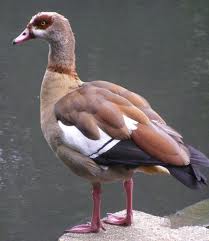

We had such fun watching the Egyptian geese play around, eat and make a raucous. Geese are funny birds. We’re packing our bags after this trip and heading back to HQs for the weekend! Check out the blog on Sunday- as our new feature- Science Word of the Week starts!
-Ellie and Edmond
Day #2- Delayed
Well the bad news is our trip was delayed due to cold weather; the good news is that we decided to bundled up and spend our day talking to some animals in our neighborhood. We went out and met a squirrel, a crow and a cardinal. The cardinal sat down and talked to us about helping out wild animals during the winter!
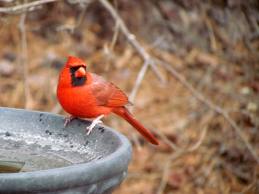
Us: How is your day going Mr. Cardinal?
Mr. Cardinal: It is cold Ellie and Edmond; very very cold. There isn’t much food out.
Us: Oh goodness! Winter must be hard on the wild birds and other animals.
Mr. Cardinal: Oh it is! Not only is there not much food, but we have to find a nice place to keep warm.
Us: A bird’s job is never done! Do you have any tips for our readers on how they can help you get through this cold weather?
Mr. Cardinal: Oh yes! Put out bird food- suet is really good and cheap!
If you have a bird bath that is frozen over, break the ice!
Put out containers of fresh water!
Scatter nuts about for the squirrels, they don’t hibernate!
You can build a habitat with rocks or sticks and leaves.
Leaving your garden in a natural state helps reptiles, birds, insects and
mammals.
You can leave out clean bird feeders with yarn in them. Birds use this to help
build nests and shelters!
Us: Wow! Those are some great tips! We are going to the store right away to get some! We’ll leave it out for you and your bird pals!
Mr. Cardinal: Thank you! So nice chatting with you! I must fly off and find a warm spot for the night!
Us: Good luck!!

We had such fun going to the store and getting bird seed after our chat with Mr. Cardinal! We came back to HQs and put it out! Then had hot cocoa inside! We’re keeping our hooves crossed that the winter weather passes and we can get on with our adventure!
-Ellie and Edmond
HAPPY NATIONAL BIRD DAY!!
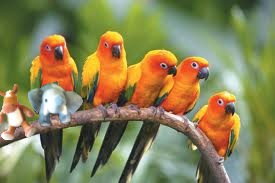
We’re celebrating birds today! Who loves our fine feathery friends? We do! We love the small ones, the big ones and all the ones in between! One our resolutions this year is to do more bird watching. We want to learn as much about them as we can! So what makes a bird a bird?
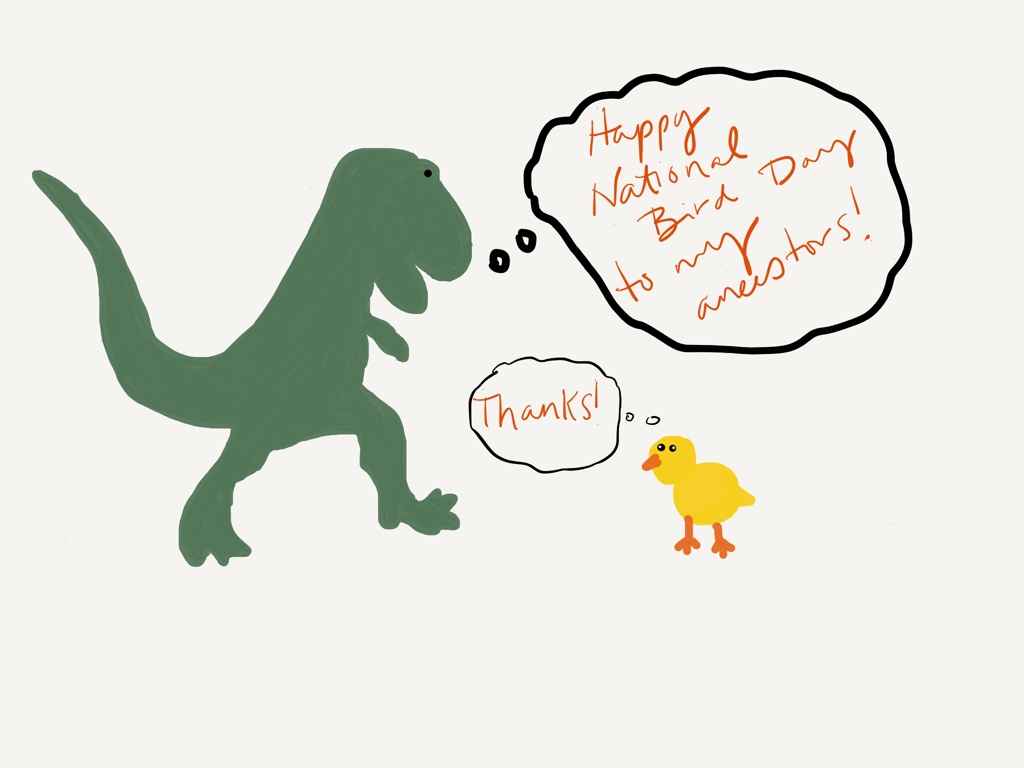
Birds come in bright colors and more muted colors. They can live in large flocks or be solitary. They are very intelligent (just cross a crow and see what happens). There are so many reasons to love birds! Tell us why you love them! We’ve made a coloring sheet for you to enjoy and celebrate National Bird Day! And if it’s winter in your neighborhood- don’t forget the birds! Those little guys will be looking for eats, so throw some out for them :)!

FEATHERY FRIDAY #88
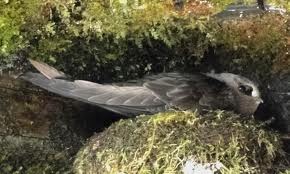
It’s Feathery Friday and we’re going to Central America to meet a bird who is great flier! Let’s grab our binoculars and our backpacks and go to find these flocks!
MEET THE BLACK SWIFT!
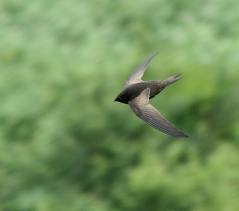 Range/Habitat: Western North America-Central America/forest-
woodland
Diet: carnivore: insects
Length/Weight: 7-8”/ 1 5/8 oz
Conservation Status: common
Fun Facts:
Black swifts are so fun to watch when they fly in their large flocks. They are amazing aerial acrobats!

FEATHERY FRIDAY #87
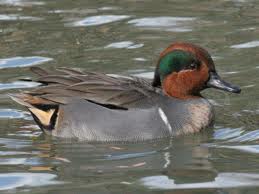
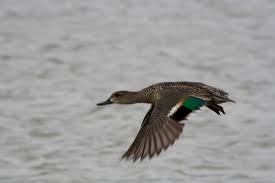
We’re going to meet a lovely little duck today! These guys live in North America, so we’ll be taking a road trip to Michigan to see if we can find this bird! Grab your binoculars, cameras and your best bird watching eyes!

MEET THE GREEN WINGED TEAL!
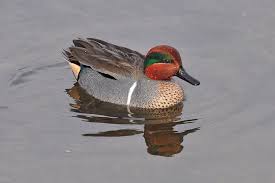 Range/Habitat: Green winged teal/ wetlands, forests, lakes
Diet: omnivore: plants, mollusks, insects
Length/Weight: 13 ½-15”/ 13 oz
Conservation Status: common
Fun Facts:
Green winged teals are gorgeous ducks. We like to watch them feed, because their bums stick out of the water! Hahahaha!
FEATHERY FRIDAY #85
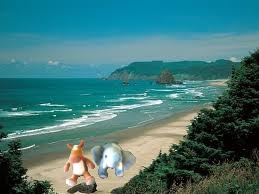
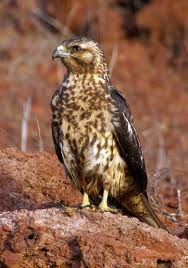
It’s FRIIIIIIDAY and we’re off to some famous islands in the Pacific Ocean! Grab your gear and your adventurous spirit! We’re of the Galapagos Islands today!
MEET THE GALAPAGOS HAWK!
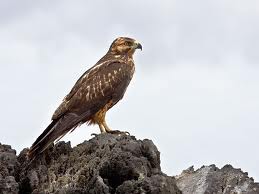 Range/Habitat: Galapagos Islands/ mountains, grasslands, forests
Diet: carnivore: mammals, birds, lizards
Length/Weight: 22”/ 23-30 oz
Conservation Status: vulnerable
Fun Facts:
Galapagos hawks are gorgeous birds of prey! They are a vulnerable species as are other creatures on the islands. Several conservation groups are working to protect this amazing and historical place!

CREEPY ANIMALS WEEK- DAY #5
It’s the last day of our Creepy Animals Week and we hope you had a great time meeting these animals! Today we are meeting a local animal. We’ll need our night vision goggles and hiking boots to go on this adventure through the woods at night! No need to be afraid, these birds are big but not scary! Whooooo do you think it will be?

MEET THE GREAT HORNED OWL!!
 Range/Habitat: North America-South America/wood, fields, suburbs,
swamps
Diet: Carnivore: small mammals, birds
Length/Weight: 18-20″/ 2- 5 1/2 lbs
Conservation Status: Common
Fun Facts:
Great horned owls are one of most favorite owls! They have the best call ever! Every time we hear it, it gives us the chills and makes us want to tell spooky stories around a campfire! Who’s bringing the marshmallows?


 The Adventures of Ellie and Edmond