Posts Tagged With: children

SUPER SURPRISE THURDSDAY # 42

SUPER SURPRISE #42

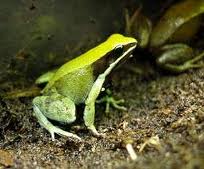
We’re hopping off to the rainforests of Madagascar to find today’s animal! They’re small and green, so everyone keep your eyes peeled and let’s head off on today’s adventure!

MEET THE GREEN MANTELLA!

   Range/Habitat: Madagascar/ rainforest

   Diet: Carnivore: insects, invertebrates

   Length/Weight: ¾-1 ¼ “

   Conservation Status: Endangered


Fun Facts:

  • Green Mantellas are small yellow or pale green frogs with black on their sides.
  • They are diurnal (active during the night).
  • Green mantellas have adhesive disks on their toes.
  • They secrete toxins, similar to poison dart frogs.
  • Male green mantellas use a series of clicks to attract females!

These tiny frogs are gorgeous! They are losing their rainforest homes though, remember you may not think that  recycling cans or paper helps, but it makes a big impact! So keep up the good work!


Categories: adventure, amphibians, Animals, Children, conservation, education, Environment, frogs, nature, rainforests, science, wildlife | Tags: , , , , , , , , | 1 Comment

WATERY WEDNESDAY # 42

WATERY WENESDAY # 42

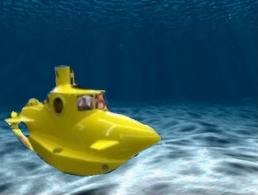
We’re taking the E & E sub down to the bottom of the ocean floor to find a strange and rare member of the shark family! These sharks are harmless to humans, but their skin definitely makes them not snuggly! Come on aboard and let’s go!

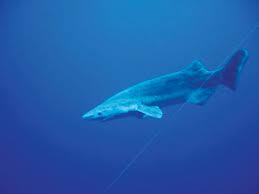
MEET THE BRAMBLE SHARK!

   Range/Habitat: Indo-Pacific & W Atlantic/ deep water ocean

   Diet: Carnivore: sharks, fish, rays

   Length/Weight: up to 13 ft/ up t 490 lbs

   Conservation Status: unknown


Fun Facts:

  • Bramble sharks are deep water, bottom dwelling sharks.
  • They are considered rare.
  • Bramble sharks have thorny denticles all over there body.
  • They get their name because the thorny denticles resemble the thorns on bramble bushes.
  • Bramble sharks are a purplish-brown color.
  • Bramble sharks are slow moving.

Wow! These sharks are amazing! We really think they are kind of creepy and cool! The ocean floor has so much for us to explore and see!

Categories: adventure, Animals, Children, conservation, education, Environment, fish, oceans, science, sharks, wildlife | Tags: , , , , , , , , | Leave a comment

Aesop’s Fables Puppet Style!

Aesop’s Fables Rocks!

We went on Friday to catch the new show at the Center for Puppetry Arts, “The Tortoise, The Hare and Other Aesop’s Fables”. This fabulous puppet show aimed at entertaining the little ones, sure does the trick! You sit down and are immediately drawn into a carnival atmosphere with colorful paintings of some of the most famous fables around! Then the lights go down and here comes Cutie and Patootie, our storytellers for the show! These two ladies sing and dance and tell the fables with all kinds of puppetry and audience participation. That’s right folks we were able to sing and dance along with Cutie and Patootie!

The show tells five fables, including The Mouse and the Lion, Country Mouse/City Mouse and the Fox and The Crane.  Each fable is told through different music and types of puppetry. County Mouse/City Mouse was told using shadow puppets. The country mouse goes to see her city cousin and along the way she meets all kinds of animals, including a horse! The best part of this fable was singing along like a horse! Edmond just loved it!

The Fox and the Crane included a giant crane puppet that looked like it was 10 feet tall! It probably was our most favorite puppet in the whole show! The Mouse and Lion had some excellent dancing and of course we were tapping our toes through the whole number!

We don’t want to give away any more of the show, so that you will be surprised! We really enjoyed ourselves! The music, costumes and puppets make for an interactive and fun show that everyone will enjoy! “The Tortoise, The Hare and Other Aesop’s Fables”, opens Aug 2nd and runs til Sept 7th. For more information about tickets and times check out the Center for Puppetry Arts website!  Grab your dancing shoes and get down to the Center as fast you can!

After you see the show, you can make your own mouse puppet! Look how cute he is!


Categories: Animals, Atlanta, Children, education, entertainment, Puppets | Tags: , , , , | 2 Comments

REPTILIAN TUESDAY # 42

REPTILIAN TUESDAY #42

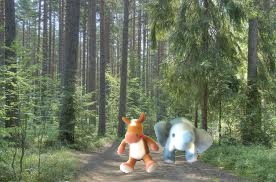
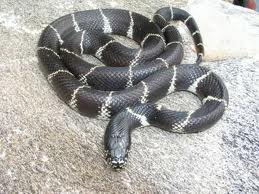
We’re going to the pine forests near our backyard to meet a useful snake! Get your walking stick out and put your hiking boots on! Let’s do this!

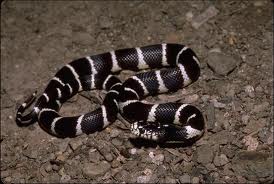
MEET THE COMMON KINGSNAKE!

   Range/Habitat: Western-Eastern Southern US/ forests, scrub, suburbs

   Diet: Carnivore: snakes, birds, rodents

   Length: 3 ¼-6 ½ ft

   Conservation Status: common


Fun Facts:

  • Common Kingsnakes are powerful constrictors.
  • They are excellent swimmers!
  • Common kingsnakes vary in color and pattern depending on where they live.
  • They can live up to 25 years.
  • Common kingsnakes give off a smelly, musky odor when threatened.
  • Common kingsnakes eat venomous snakes. They are immune to the venom!

Snakes shouldn’t be feared. They are an important part of the ecosystem! Kingsnakes even eat venomous snakes, so if you see one, just wave from a distance and let him go on about his merry way!


Categories: adventure, Animals, Children, conservation, education, Environment, nature, reptiles, science, wildlife | Tags: , , , , , , , | Leave a comment

MAMMAL MONDAY # 42

MAMMAL MONDAY #42!

We sure hope everyone enjoyed meeting some amazing Olympic Athletes last week! We’re back to our regular Mammal Monday and we’re off to South Asia today to meet one lazy mammal! Ok, they’re not really lazy, but they are named after a lazy animal! Are you ready?

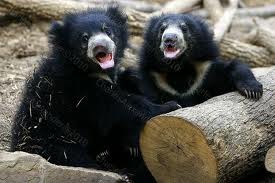
MEET THE SLOTH BEAR!

   Range/Habitat: South Asia/ forests, rainforests, scrub

   Diet: Omnivore: ants, termites, fruits

   Length/Weight: 4 ½-6 ft/120-420 lb

   Conservation Status: vulnerable


Fun Facts:

  • Sloth bears have shaggy fur with a white V pattern on their chest.
  • Sloth bears are nocturnal (active at night).
  • They have non-retraceable claws used for digging up prey.
  • Sloth bears close their nostrils and suck up ants and termites!
  • You can hear a sloth bear suck up bugs up to 100 meters away.
  • They have an excellent sense of smell to locate food!
  • Sloth bears often stand up on their hind legs to look for danger.

Sloth bears are funny looking with their shaggy fur-dos! Can you imagine having to suck up termites for your dinner? Yuck!


Categories: adventure, Animals, Children, conservation, education, Environment, mammals, nature, science, wildlife | Tags: , , , , , , , | Leave a comment

OLYMPIC ANIMALS DAY # 5

OLYMPIC ANIMALS DAY #5

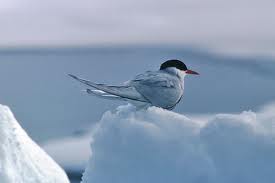
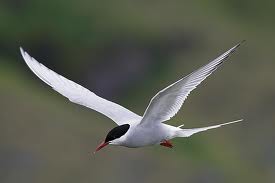
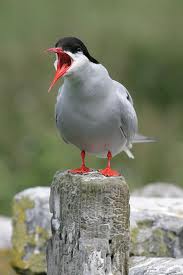
It’s the last day of our Olympic Animals Week and we’re off to the Arctic to meet a bird who knows how to fly! We’ll need a plane to keep up with these birds, because they migrate from one end of the earth to the other! Whew! Are you ready?

MEET THE ARCTIC TERN!

   Range/Habitat: Arctic-Antarctica/ oceans

   Diet: Carnivore: fish, crustaceans

   Length/Weight: 13-14”/ 3 3/8- 4 oz

   Conservation Status: common

Fun Facts:

  • Arctic terns have one of the longest migrations of any bird on the planet.
  • They can fly 10,000-12,000 miles twice a year.
  • Arctic terns spend most of their lives in daylight.
  • They nest in Antarctica in the summer.
  • Arctic terns dive for their food.
  • When they are molting, they cannot fly.
  • They can live up to 20-30 years.

Wowzers! We get tired just thinking about all the flying these amazing birds do in a year! Can you imagine? Arctic terns definitely deserve the gold medal in long distance flying! We hope you’ve enjoyed Olympic Animals Week! Please tell your friends and family about our blog :)!


Categories: adventure, Animals, birds, Children, education, Environment, nature, oceans, Olympics, science, wildlife | Tags: , , , , , , , , | 1 Comment

OLYMPIC ANIMALS DAY # 4

OLYMPIC ANIMALS DAY #4

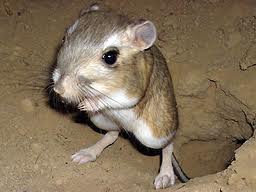
Day four of our Olympic animal week takes us to deserts of the Southwestern U.S. We’re looking for a small rodent that will take on the long jump! Let’s all practice our hoping skills and meet…

MEET THE MERRIAN KANGAROO RAT!

   Range/Habitat: Southwestern U.S.-Northern Mexico/deserts-scrubs

   Diet: Herbivores: seeds, vegetation

   Length/Weight: 3 ¼-5 ½”/ 7/16- 1 5/8 oz

   Conservation Status: Common


Fun Facts:

  • Merrian Kangaroo rats are the smallest member of the kangaroo rat family.
  • They have large back legs and feet.
  • Merrian kangaroo rats have long slender tails that help them balance when they hop or stand!
  • They move much like a kangaroo.
  • Merrian kangaroo rats can jump 7-8ft in one leap!
  • They are neither kangaroos nor rats!
  • Merrian kangaroo rats live in burrows.
  • They’re adapted to survive on little water.


Kangaroo rats are just so cute, with their fat bodies and their kangaroo like features. And man can they leap! We’re going to practice our hopping skills today. Edmond is much better than Ellie for sure!


Categories: adventure, Animals, Children, education, entertainment, mammals, nature, Olympics, science, wildlife | Tags: , , , , , , , | 6 Comments

OLYMPIC ANIMALS WEEK DAY # 3

OLYMPIC ANIMALS DAY # 3

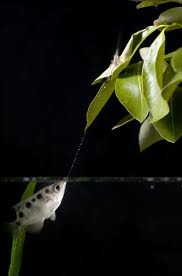
We’re off to Southeast Asia to find a little fish with amazing archery skills! Don’t worry they don’t have a crossbow and arrow, they spit water! Grab your wellies and let’s head out to meet today’s Olympic worthy animal!

MEET THE ARCHERFISH!

   Range/Habitat: Indo-Pacific/ brackish waters & freshwater habitats

   Diet: Carnivore: insects

   Length/Weight: up to 16”/ up to 2 ¼ lbs

   Conservation Status: Common


Fun Facts:

  • Archerfish are silver and black.
  • They have excellent eyesight!
  • Archerfish shoot jets of water out of their mouths. They can shoot it up to 5ft away.
  • They shoot insects off of low hanging vegetation and leaves.
  • Archerfish are very accurate.
  • Young archerfish must practice their shooting skills.


Archerfish have amazing skills! Adults rarely miss their targets! We bet these fish could win any Olympic archery competition, fins down!


Categories: adventure, Animals, Children, education, Environment, fish, nature, Olympics, rivers, science, wildlife | Tags: , , , , , , , , , | Leave a comment

OLYMPIC ANIMALS WEEK DAY #2

OLYMPIC ANIMALS DAY #2

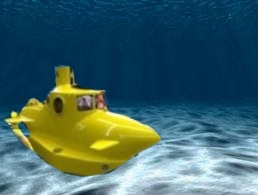
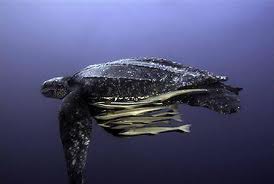
We’re taking the Ellie and Edmond sub down to depths of the ocean to meet one amazing reptile! These turtles can dive deep and swim great distances! There’s plenty of room in the sub for everyone to meet these big reptiles! Let’s go!

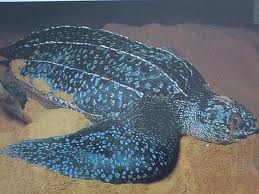
MEET THE LEATHERBACK TURTLES!

   Range/Habitat: Tropical-Subtropical-temperate oceans worldwide

   Diet: Carnivore: jellies, fish

   Length/Weight: 4 ½-6ft/ up to 2000lbs

   Conservation Status: critically endangered


Fun Facts:

  • Leatherback turtles are the largest of all marine turtles.
  • They have the longest migration of any marine turtle, up to 3,700 miles one way!
  • Leatherback turtles can dive down to depths of 1,300 ft!
  • They can hold their breath for up 80 minutes!
  • Leatherback turtles do not have hard carapaces (top shells); instead they have leathery ones.
  • They have large flippers to help them swim.
  • Relatives of the leatherback turtle date back 100 million years!

Wow! We love leatherback turtles! Can you believe that they swim 3,700 miles to get to their feeding & breeding grounds? You thought the 800 meter relay was hard! These turtles can do that in a blink!


Categories: adventure, Animals, Children, education, Environment, nature, oceans, Olympics, reptiles, science, wildlife | Tags: , , , , , , , , | Leave a comment

OLYMPIC ANIMALS WEEK!

OLYMPIC ANIMALS WEEK!

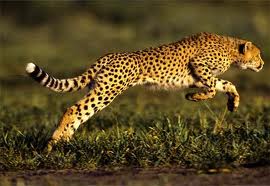
As human athletes gather in London to compete in this year’s Summer Olympic Games, we here at Ellie and Edmond headquarters want to celebrate some amazing animal athletes! And let us tell you these animals can put humans to shame! Our first animal lives in the savannahs of Africa and man are they FAST! Grab your safari outfit and let’s set off to meet…

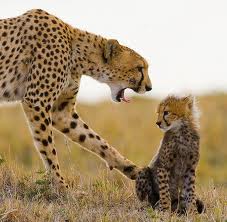
MEET THE CHEETAH!

   Range/Habitat: Africa/ savannas-deserts

   Diet: Carnivore: gazelle, antelopes, hares

   Length/Weight: 3 ½-5 ft/ 46-160 lbs

   Conservation Status: vulnerable


Fun Facts:

  • Cheetahs are the world’s fastest land animal.
  • They can sprint up 62 mph.
  • Cheetahs have a backbone that is flexible and acts like a spring.
  • Cheetahs have semi-retractable claws that help them accelerate.
  • Their tails work as a rudder and help the cheetah turn easily while running.
  • Cheetahs have excellent eyesight.
  • Cheetahs tan color and spots help them camouflage perfectly in the grasslands.

Cheetahs are such graceful and powerful cats! Their long, lean and muscular bodies are definitely amazing adaptations.  Who wants to have a race against a cheetah?


Categories: adventure, africa, Animals, Children, education, Environment, mammals, nature, Olympics, science, wildlife | Tags: , , , , , , , , | Leave a comment

Blog at WordPress.com.