Posts Tagged With: environment

VALENTINE’S FRIDAY

VALENTINE’S FRIDAY!

It’s Friday and the last day of our Valentine Theme Week! We hope you have enjoyed it! We have a found a very special bird for you today! These birds are the garbage men of the wild! Let’s meet this spectacular bird!


MEET THE BLACK VULTURE!

    Range/Habitat: United States-South America/ open land, grasslands, forests

    Diet: Carnivore: carrion, eggs

    Length/Weight: 22-27”/ 3-6 lbs

    Conservation Status: Common


Fun Facts:


  • Black vultures are new world vultures; they inhabit North and South America.
  • They are scavengers and mainly dine on carrion (dead animals).
  • Black vultures lack normal vocal cords, so they hiss and grunt!
  • Both male and female Black vultures take care of the chicks.
  • Black vultures are highly social and form family groups.
  • They most often hunt by sight.

Who doesn’t love vultures? Well, if you don’t you should learn too! These social birds are great at cleaning up! Remember every animal has their place in the ecosystem and each ecosystem needs decomposers and garbage birds J!

If you like our posts- please “LIKE” it or leave us a comment- we LOVE feedback! THANKS A BUNCH!
Categories: Animals, birds, Children, education, Environment, nature, science, wildlife | Tags: , , , , , , , | Leave a comment

VALENTINE’S THURSDAY

VALENTINE’S THURSDAY!

We’ve only got two days of our Valentine’s theme week left and today we have a beautiful bird! You might not have to travel far to see these guys, as they live on every continent except Antarctica! Who is ready to meet these lovelies? We are!

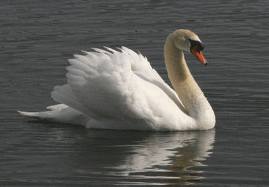
MEET THE MUTE SWAN!

    Range/Habitat: Every continent except Antarctica/ lakes-ponds

    Diet: Omnivore: plants, insects

    Length/Weight: up to 5ft/ 20-25 lbs

    Conservation Status: Common


Fun Facts:

  • Mute Swans are one of the heaviest flying birds on earth and the 2nd largest member of the waterfowl family.
  • Mute swans have pure white feathers.
  • They have webbed feet that help them swim.
  • Their long necks help them reach to deep depths to get food that ducks and other birds cannot reach.
  • Mute swans mate for life.
  • Their chicks are called cygnets and both male and female mute swans take care of the cygnets.
  • Mute swans have up to 25,000 feathers!


You may recognize the Mute Swan from the story of “The Ugly Duckling”. These beautiful birds are so fun to watch.  Did you know that they are the National Bird of Denmark? Pretty cool!


Categories: Animals, birds, Children, education, Environment, nature, science, Valentines, wildlife | Tags: , , , , , , , | Leave a comment

VALENTINE’S WEDNESDAY

VALENTINE’S WEDNESDAY!

We hope everyone had a lovely Valentine’s Day! We sure did! Edmond gave Ellie a lovely package of sweet potatoes and Ellie gave him a big bucket of apples J! We’re still continuing our Valentine’s theme week and since it would normally be Watery Wednesday, we’re diving into the Atlantic Ocean to find a special fish! Who has on their floaties?

MEET THE FRENCH ANGELFISH!

    Range/Habitat: Atlantic Ocean-Gulf of Mexico/ shallow reefs

    Diet: Omnivore: sponges, algae

    Length: 16-24”

    Conservation Status: Common


Fun Facts:

  • French Angelfish are monogamous fish.
  • Pairs of French angelfish are very territorial.
  • As juveniles they hang out at cleaning stations and clean larger fish.
  • French angelfish have small comb like teeth.
  • Juveniles look different than adults; they have broad stripes.


French Angelfish are beautiful! They are known to be very curious and will often come near scuba divers! Just wave back if you see them J!


Categories: Animals, Children, education, Environment, fish, nature, science, wildlife | Tags: , , , , , , , | Leave a comment

VALENTINE’S TUESDAY!

VALENTINE’S TUESDAY!

Happy Valentine’s Day everyone!! We searched high and low for a reptile that mates for life. Man, who knew this would be so hard! But we did find one- sort of J! We’re heading to the land down under, so pack your bags! Let’s go to the outback!

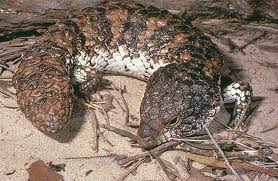
MEET THE SHINGLEBACK SKINK!

   Range/Habitat: Australia/ desert- scrub

   Diet: Omnivore: insects, snails, fruits

   Length: 12-14”

   Conservation Status: Common


Fun Facts:

  • Shingleback Skinks are also called the Stumptailed Skink.
  • Shingelback skinks have short stumpy tails.
  • Their tails store fat.
  • Shingleback skinks are covered in heavy scales that are like armor.
  • They “smell” with their tongue, just like snakes do!
  • Shingleback skinks are slow moving.
  • Mating pairs of shingleback skinks spend 8 weeks together to breed. Then come back together the next year to breed again. Even though they do not spend all year together, they do keep the same mate year after year.


Shingleback skinks are really cool looking. We think their fat tails kind of look like their heads J! We couldn’t find out how the two find each other every year, but it sure is cool that they do! Ah, lizard love!


Categories: Animals, Children, education, Environment, nature, reptiles, science, Valentines, wildlife | Tags: , , , , , , , | Leave a comment

VALENTINE’S MONDAY

VALENTINE’S MONDAY

It’s February theme week and we’re celebrating Valentine’s! We’ll be featuring animals who mate for life all week! So get ready to show some love for some fabulous pairs of animals! We have a lovely primate for Valentine’s Mammal Monday! These apes live in the rainforest of Asia and are known for their songs! Everyone look up, they’re swinging in the trees!

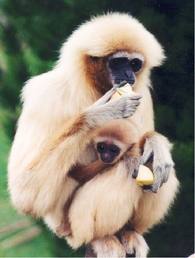
MEET THE WHITE HANDED GIBBON!

    Range/Habitat: Southeast Asia/ mountains-forests-rainforest

    Diet: Omnivore: fruit, leaves, insects

    Length/Weight: 16-23”/ 10-17 lbs

    Conservation Status: Endangered


Fun Facts:

  • White Handed Gibbons are apes. They do not have tails!
  • White handed gibbons are arboreal (live in trees).
  • They truly swing through the trees. This is called brachiation.
  • White handed gibbons have opposable thumbs and toes to help them grip vines and branches!
  • They often pair/mate for life.
  • Each pair of white handed gibbons has an individual song/call that they use to locate each other in the rainforests.
  • White handed gibbons coloration varies from black to brown to tan.
  • White handed gibbons life span is 25-30 years.


White handed gibbons are fabulous! We love their songs and the way they swing through the trees! Wouldn’t it be fun to swing like that? If you were a gibbon what would be the song you shared with your sweetie? We’re still deciding!

Check out this video of a gibbon calling and swinging through his enclosure!

http://www.youtube.com/watch?v=Gzgr2KBaEgY

Categories: Animals, Children, education, Environment, mammals, nature, science, Valentines, wildlife | Tags: , , , , , , , , | Leave a comment

FEATHERY FRIDAY # 24

FEATHERY FRIDAY# 24

We’ve made it through another weekend and that means one thing; it’s Feathery Friday! We’re heading to Africa to meet a beautiful little bird with a brightly colored chest! Are you ready? Let’s do this!

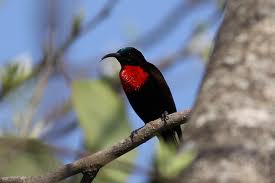
MEET THE SCARLET CHESTED SUNBIRD!

    Range/Habitat: Western-Eastern Southern Africa/woodland-grasslands

    Diet: Omnivore: nectar, insects

    Length/Weight: 6”/12-15 g

    Conservation Status: Common

Fun Facts:

  • Scarlet Chested Sunbirds have long curved bills that help them get nectar from flowers and plants.
  • Male Scarlet chested sunbirds have bright scarlet coloration on their upper breast.
  • Female Scarlet chested sunbirds build the nests. The nests are pear shaped and have a cover over the entrance hole and a lovely welcome sign made of twigs. (Ok, we made that part up J)!
  • Male and female Scarlet chested sunbirds care for the chicks.

These pretty little birds sure are neat! There are so many neat birds out there! What’s your favorite one? We just can’t pick one, because they are all so special!

Categories: Animals, birds, Children, education, Environment, nature, science, wildlife | Tags: , , , , , , , | Leave a comment

SUPER SURPRISE THURSDAY # 24

SUPER SURPRISE THURSDAY# 24

Who’s that mammal with the big antlers? It’s our Super Surprise animal! We’re heading back to Europe to meet a woodland dweller! Are you ready to head into the woods? We are!

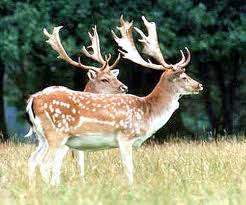
MEET THE FALLOW DEER!

   Range/Habitat: Europe-Asia/ woodland, grassland

   Diet: Herbivore: grasses, acorns

   Length/Weight: 4 ½-6 ¼ ft/ 77-300lbs

   Conservation Status: Common


Fun Facts:

  • Fallow Deer live in large herds of up to 100 individuals.
  • Their coloration varies by where they live.
  • Fallow deer are most active at twilight.
  • Male fallow deer have large broad antlers.
  • They can run up 25 mph.
  • Fallow deer fawn hide in vegetation to protect themselves from predators.  This behavior is called lying-up.


Wow! Aren’t these deer magnificent with their broad antlers? We love them! And how about lying-up? We hadn’t heard that term before! We thought lying-up meant laying around doing nothing- like the cat we live with does all the time!


Categories: Animals, Children, education, Environment, mammals, nature, science, wildlife | Tags: , , , , , , , | Leave a comment

Make Your Own Ellie and Edmond Valentine Cards

We love Valentine’s Day, so we’ve made some great animal valentine cards for you to color and share with your sweetie, mom, dad, brother, sister, cat or dog!

February 2012 Craft:  Valentine Cards

Materials:

  • Our Valentine Printables
  • Card Stock or thick paper
  • Printer
  • Scissors
  • Crayons, Markers or Colored Pencils
  • Optional: construction paper, glitter, glue or stickers

Directions:

          Print and color the Valentine Cards. You can print a bunch of one pattern or all of them! If you don’t have time to color- go ahead and print your very own Ellie and Edmond Valentine picture, cut it out and attach it to construction paper!

This craft is for you to make as fancy as you want! Attach the pictures to construction paper after you color them, put glitter on them or attach a piece of candy to them with tape!

We would love to see your final creations! Post them here or on our Facebook page! Woohoo!

Categories: Animals, Children, crafts, education, Environment, nature, Valentines, wildlife | Tags: , , , , , , | Leave a comment

WATERY WEDNESDAY # 24

WATERY WEDNESDAY# 24

It’s another Watery Wednesday and we’re heading to Europe to take a dip in some freshwater lakes and rivers to find a small fish! Do you have your waders on? Let’s do this!

MEET THE EUROPEAN BULLHEAD!

   Range/Habitat: Western Europe/ freshwater rivers, lakes

  Diet: Carnivore: eggs, larvae, invertebrates

  Length: up to 7”

  Conservation Status: Common


Fun Facts:

  • European Bullheads live on the bottoms of lakes and rivers.
  • They have marbled patterns that help them camouflage with rocks and stones.
  • European bullheads are solitary and highly territorial.
  • European bullheads are crepuscular (active at dusk and dawn).
  • They are territorial.
  • European bullhead males guard the eggs until they hatch!


These little fish are kind of cute! How great is it that the males protect the eggs until they hatch! We love that!


Categories: Animals, Children, education, Environment, fish, nature, science, Watery Wednesday, wildlife | Tags: , , , , , , , | Leave a comment

REPTILIAN TUESDAY # 24

REPTILIAN TUESDAY # 24

We’re heading to the Caribbean to find today’s reptile! Be on the lookout for this member of the boa constrictor family! Slap on some sunscreen and put on your shades, because it’s Reptilian Tuesday!

MEET THE CUBAN WOOD SNAKE!

Range/Habitat: Cuba/rainforest-suburbs

Diet: Carnivore: frogs, lizards, rodents

Length: 32-39”

Conservation Status: common


Fun Facts

  • Cuban Wood Snakes are also known as the Cuban Black-tailed Dwarf Boa.
  • Their colorations vary from gray to brown to orange.
  • Cuban wood snakes are members of the boa family.
  • Like other boas, Cuban wood snakes kill their prey by squeezing it.
  • Cuban wood snakes ball up to protect themselves from predators. They then release a stinky slime near the base of their tail!


Phew!! What is that stinky odor? That’s our friend the Cuban Wood Snake! Animals sure have some amazing ways to protect themselves from predators. Our least favorite is being stinky ;)! If you were an animal, what adaptation would you want to protect yourself from predators? Ellie say she already has hers, it’s being huge! Edmond would like to change his color like a chameleon!


Categories: Animals, Children, education, Environment, nature, reptiles, science, wildlife | Tags: , , , , , , , | Leave a comment

Blog at WordPress.com.