Posts Tagged With: environment

SCIENCE WORD OF THE WEEK!!

SCIENCE WORD OF THE WEEK!

Sketches - 25(6)

We’re buzzing about Shark Week here at the University! Ellie and Edmond have a shark quiz planned, along with a craft and some great shark facts! I’ll get the fun started with today’s word!

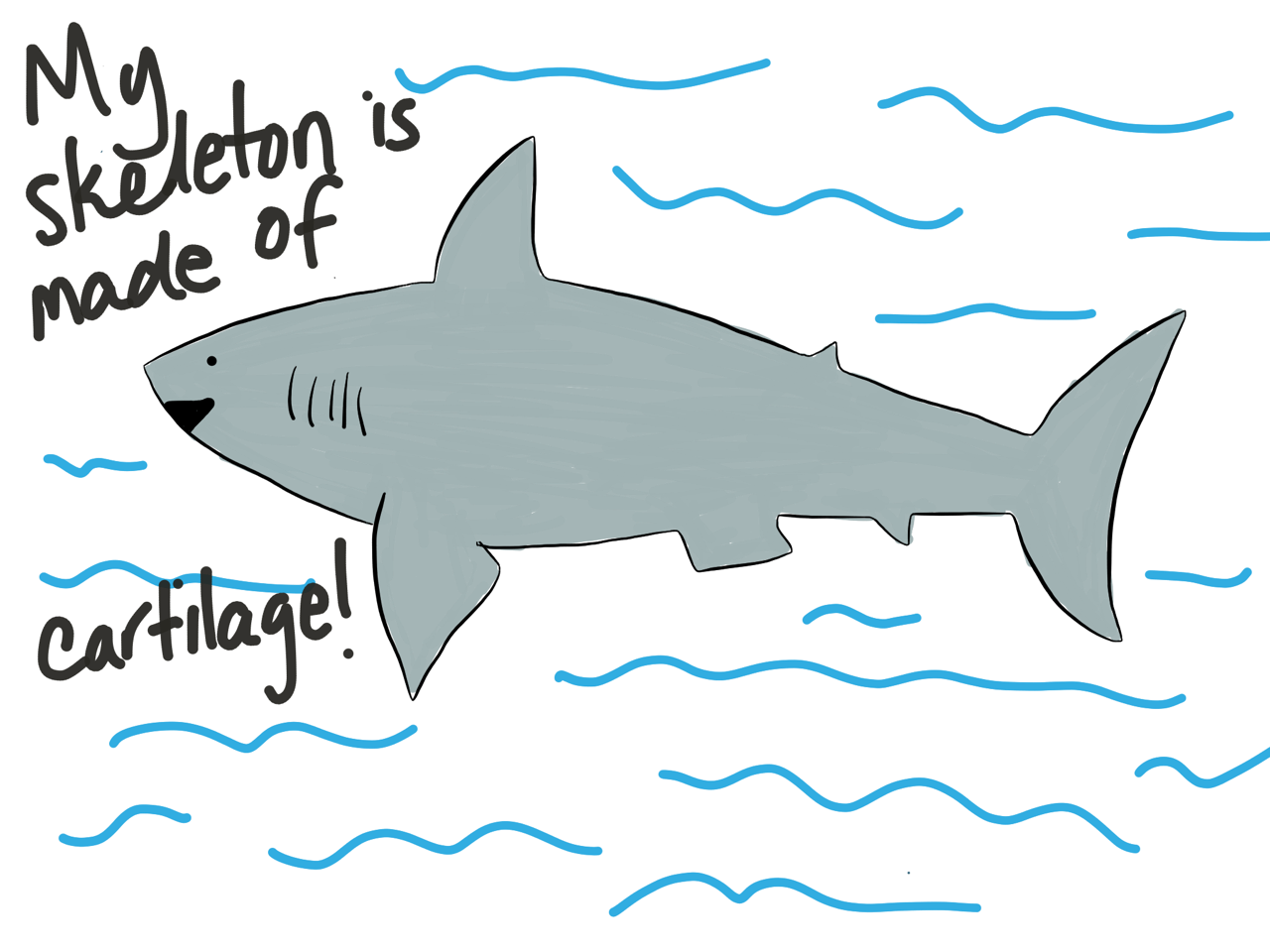
Today’s word is Cartilage: a firm, but flexible connective tissue that is white or yellowish in color. You humans have cartilage in your joints and on your nose and ears! Sharks and rays have skeletons that are made of cartilage! They are vertebrates just like animals with bony skeletons!

Sketches - 44

Categories: adventure, Animals, Children, conservation, education, Environment, nature, science, Uncategorized, wildlife | Tags: , , , , , , , , , , | 1 Comment

HAPPY FOURTH OF JULY!

HAPPY FOURTH OF JULY!!

IMG_4396

We hope everyone has a wonderful and safe holiday weekend!

Keep our wild animal friends safe too!

Remember when having a picnic or cookout to pick up all your trash, our wild animal friends often think it’s tasty and eat it! And please pick up any leftover trash from fireworks! And leave those helium balloons at home :)! And if anyone makes fruit salad or oat bars, we’ll be happy to come by your BBQ!

Categories: adventure, Animals, Children, education, Environment, nature, science, wildlife | Tags: , , , , , , , | 2 Comments

FUN WITH NUDIBRANCHS!

FUN WITH NUDIBRANCHS!

IMG_2466

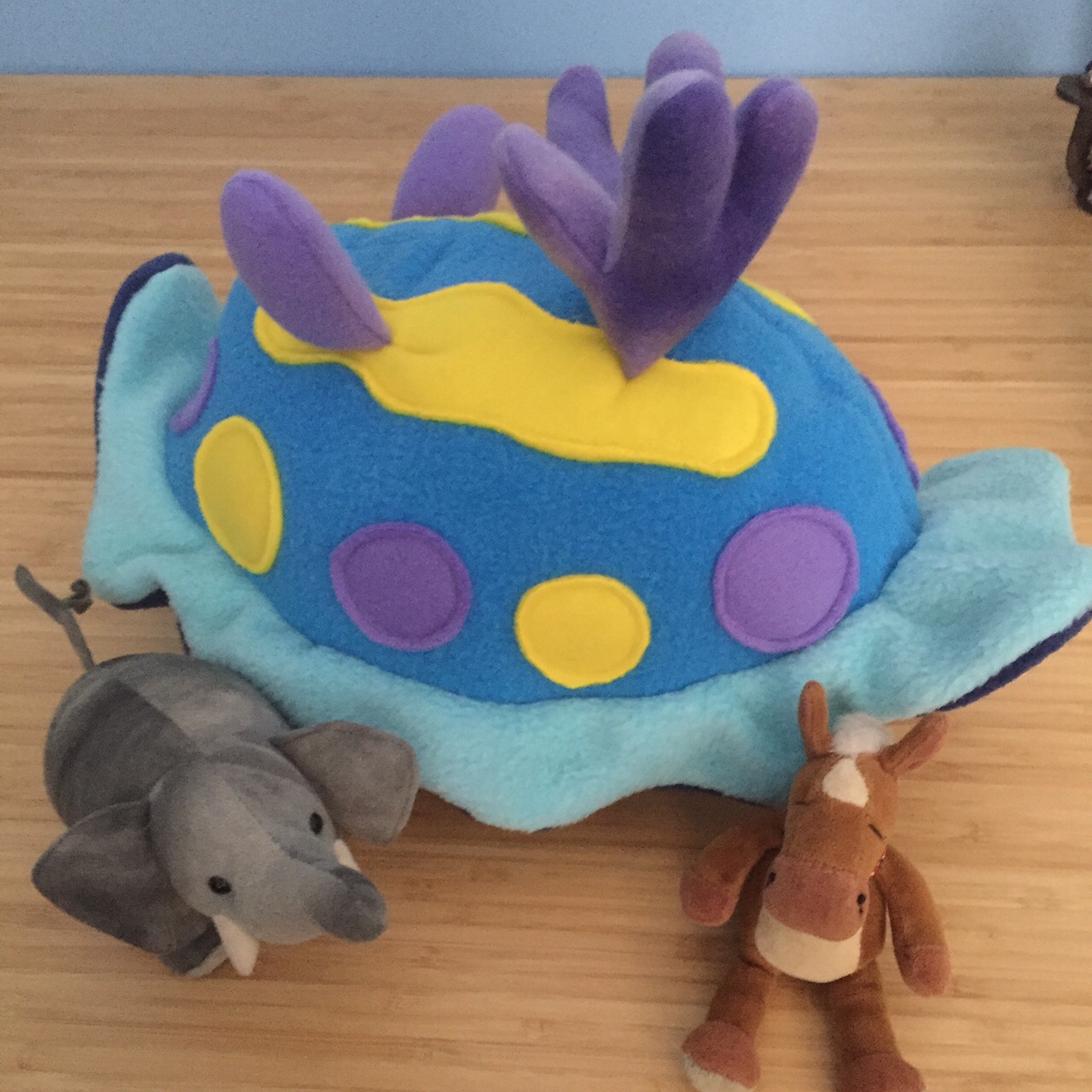
We’ve been playing around with videos at HQs! We made a Nudibranch cheer video! Shout out the letters and you’ll meet our new nudibranch pal at the end!

We also drew a nudibranch coloring sheet for you to enjoy today too!! Want to learn more about Nudibranchs? Check out our post from last year!

IMG_0151

Categories: adventure, Animals, Children, conservation, education, Environment, nature, oceans, science, wildlife | Tags: , , , , , , , , , | 1 Comment

THAT’S REMORA!

THAT’S REMORA!

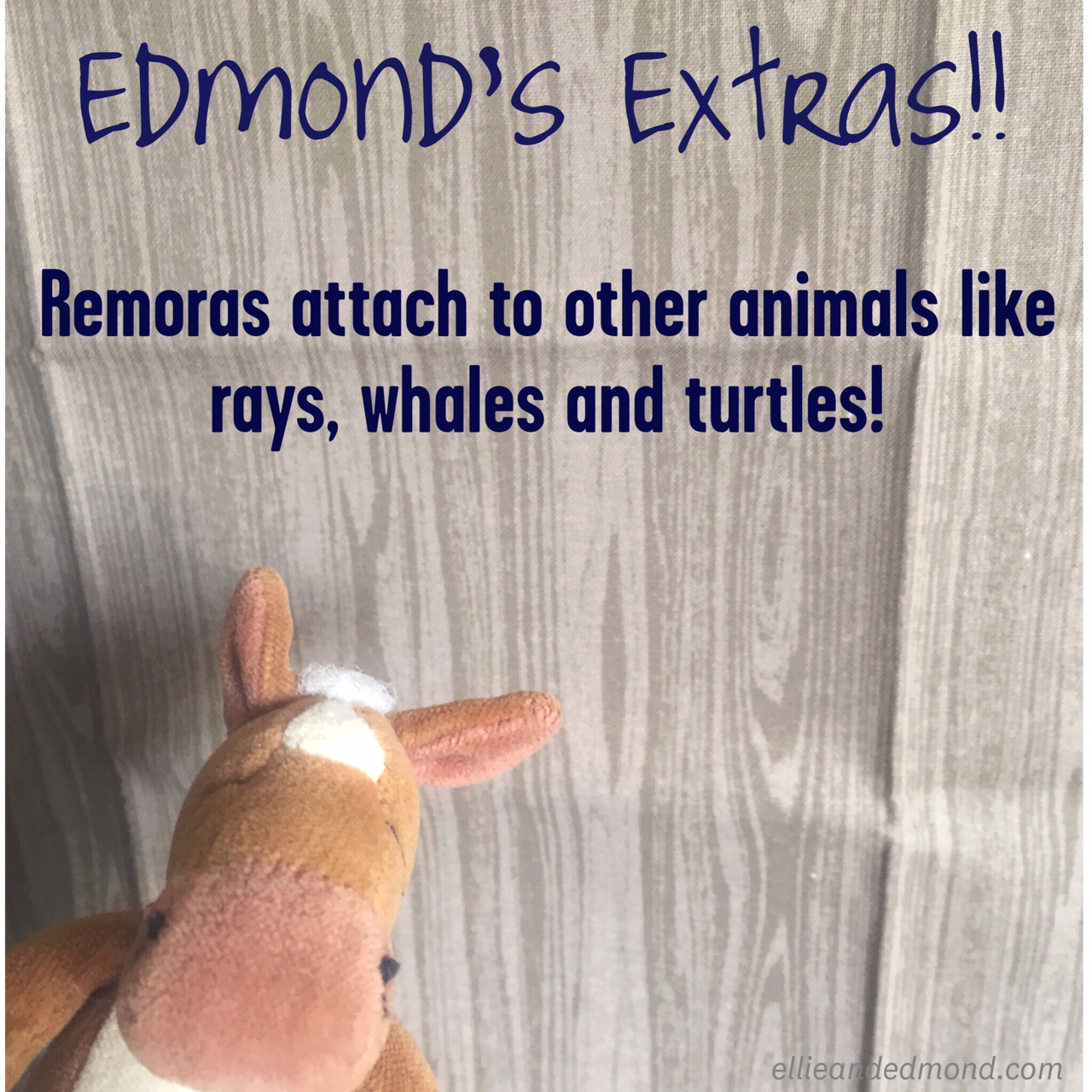
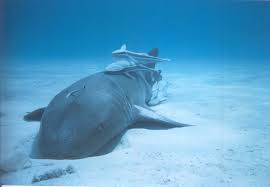
Since we’ve been talking about symbiosis and mutualism this week we’d thought we’d introduce you to a great pair of animals! The shark and the remora!

IMG_8816Remora Fun Facts:

  • Remora’s dorsal fin that sucks on to the shark they are following.
  • They live in tropical ocean waters.
  • There are 8 species of remoras.
  • Some remoras like to attach to specific species.

remora    IMG_2778


  • They must attach to their host to get enough oxygen to pass over their gills.
  • The remoras eat parasites and dead skin off their host and pick up any scraps the host may leave behind.
  • The shark is cleaned of parasites.
  • Some remoras live in the gills of fish.

sharkremoraIMG_2779

Answer: True!

Categories: adventure, Animals, Children, conservation, education, Environment, nature, oceans, science, wildlife | Tags: , , , , , , , , , | 1 Comment

WE SPY!!

WE SPY!!

FullSizeRender

We Spy with our four little eyes this animal with stinging cells, that may share it’s space with colorful fish!

Can you guess who it is?

we spy

Categories: adventure, Animals, Children, conservation, education, Environment, nature, science, wildlife | Tags: , , , , , , , , , | 1 Comment

SCIENCE WORD OF THE WEEK!

SCIENCE WORD OF THE WEEK!

Sketches - 25(4)

Welcome everyone! I’m very excited for today’s lesson! It’s a great word, so let’s get right to it!

Today’s word is: Symbiosis (simbēˈōsəs)  an interaction between two living organisms. There are different kinds of symbiosis; today we will talk about mutualism. Mutualism is when two living organisms interact with each other that benefit each other.

Here are two examples:

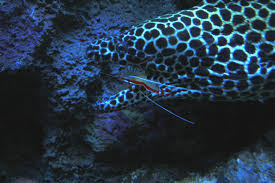
Cleaner shrimp and eel or fish- the shrimp eat parasites off the eels mouth. The eel gets rid of pesky parasites and the shrimp get a meal!

cleaner shrimp

Clownfish and anemones- clownfish spend their time in a host anemone. The stinging cells of the anemone help protect the clownfish from predators, while the anemone eats bits of food that the clownfish drops.

Nature is full of symbiotic relationships- including mutual ones! Can you think of any other mutualistic ones?

Categories: adventure, Animals, Children, conservation, education, Environment, nature, science, vocabulary, wildlife | Tags: , , , , , , , , , | 1 Comment

CEPHALOPOD LOVE!

CEPHALOPOD LOVE!!

octopus

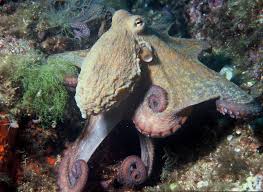
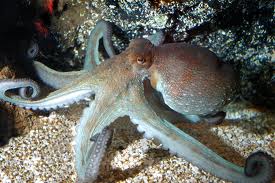
If you’re on social media, you may have noticed the celebration called cephalopod week! We wanted to join in and share the common octopus with you!


   Range/Habitat: Mediterranean- North Atlantic/ rocky bottoms

   Diet: Carnivore: crabs, crustaceans, mollusks

   Length: Head 9” arms up 3 ft

   Conservation Status: Common


Fun Facts:

  • Common octopi are cephalopods.
  • They have no skeleton and four pairs of arms.
  • Common octopi are considered very intelligent.   IMG_2689
  • Common octopus moms lay up to 50,000 eggs in a dark cave.
  • They stay with the eggs while they develop, generally around 2-6 months.
  • Common octopus moms take care of the eggs, by cleaning, holding and blowing oxygen over them.
  • They will not hunt or eat while they are taking care of the eggs.
  • Common octopus moms pass away soon after the babies hatch.
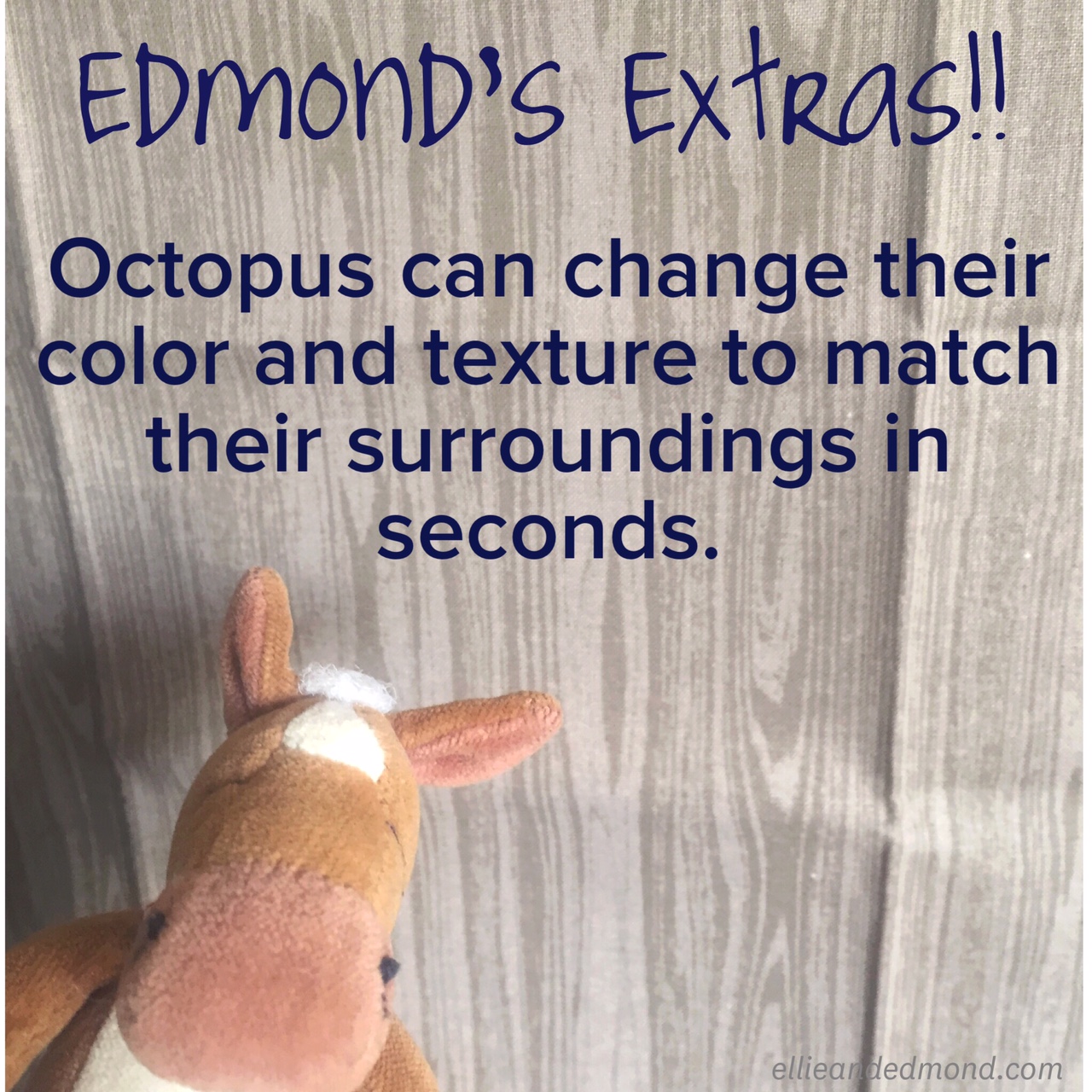
  • Octopus will release ink when threatened.
  • They collect shells of crustaceans and other objects to build a fortress or garden.


octopus2


We just love octopus! They are so intelligent and amazing creatures! There is so much more to learn about them! We’ll revisit them again soon!


IMG_2690


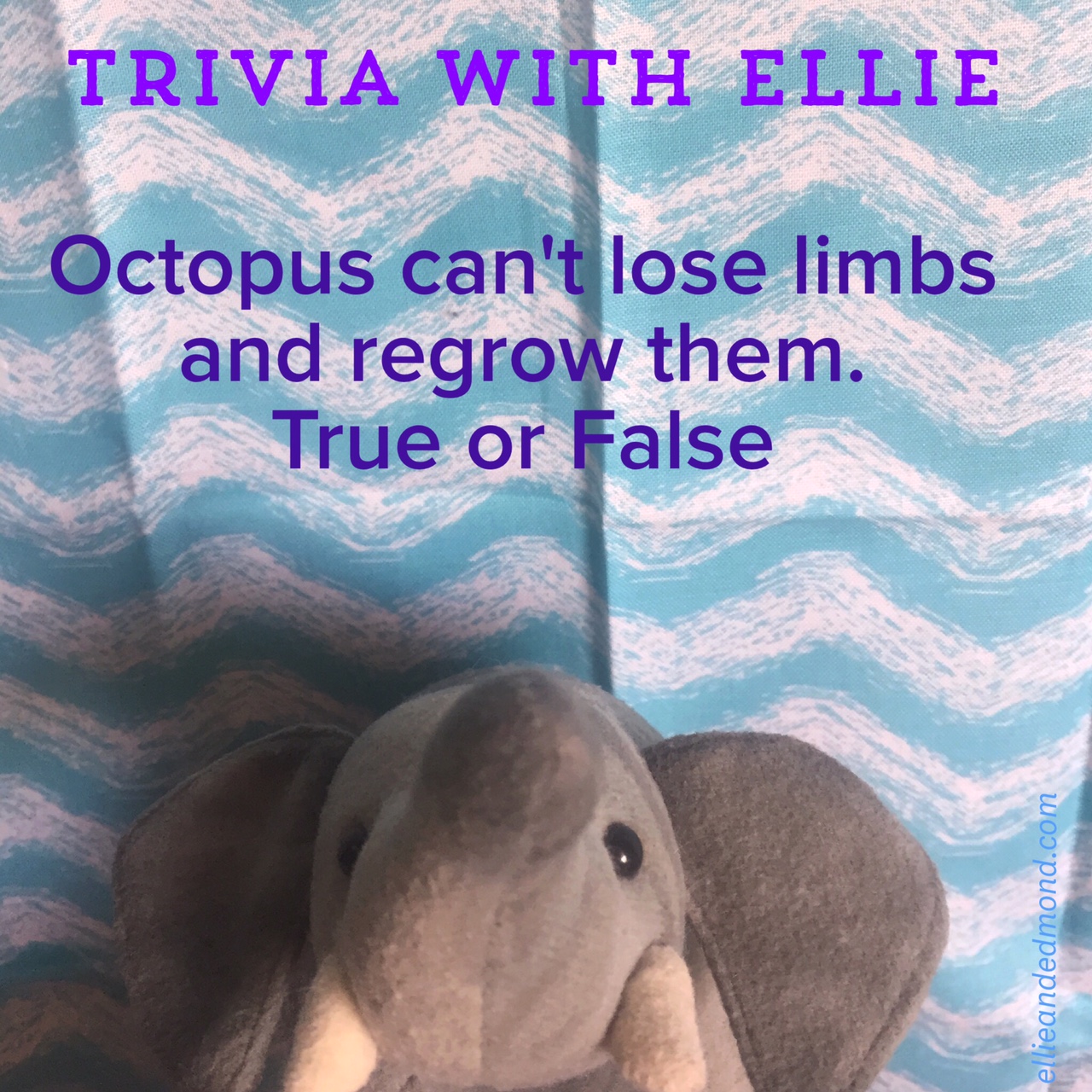
Answer: False- octopus can lose a limb and regrow it!

Categories: adventure, Animals, Children, conservation, education, Environment, nature, oceans, science, wildlife | Tags: , , , , , , , , , | 1 Comment

CORAL!!

CORAL!!

Sketches - 112

Professor Tamandua gave you a simple explanation of coral polyp the other day! Today we’re going to talk more about coral and how they build the reefs that are so amazing!

Coral Fun Facts:

  • Coral are colonies of animals. They are built by tiny little animals called coral polyps!

IMG_8695   IMG_8694


  • Each animal is attached to the next by a hard  exoskeleton.
  • The large coral colonies are fixed to one spot. The individual animals can pull their tentacles into their exoskeleton for protection.
  • They have tentacles with stinging cells that help them catch their prey!
  • Coral are related to jellies and anemones.
  • Coral share their homes with zooxanthella  (zō′ə-zăn-thĕl′ə), a type of algae. The zooxanthella and coral polyp help each other survive.
  • The coral provide a home for the zooxanthella and the zooxanthella provide oxygen and nutrients for the coral.
  • The zooxanthella also give the corals their colors!
  • Because the zooxanthella need sun to make energy (photosynthesis), coral reefs are located in shallow waters.
  • As coral grow, they help build shelter for many kinds of animals in the reef. Those calcium carbonate bodies build the reef.
  • Some fish, like parrotfish eat coral. The fish’s poop then becomes sand. Much of the sand in the Caribbean is parrotfish poop!
  • You can often see new growth on a coral by seeing the white tips!

IMG_8696

Corals are essential for the health of coral reefs. Coral reefs are found mostly in tropical waters around the planet. These delicate ecosystems are important for many animals in the ocean. They are often called the rainforests of the ocean and are the one of the most biodiverse biomes on our planet! Let’s here it for coral!

Categories: adventure, Animals, Children, conservation, education, Environment, nature, oceans, science, wildlife | Tags: , , , , , , , , , | 3 Comments

WE SPY!

WE SPY!

FullSizeRender

We Spy with our four little eyes this animal of the reef! Can you guess who we spotted?

we spy

Categories: adventure, Animals, Children, conservation, education, Environment, nature, science, wildlife | Tags: , , , , , , , , , | 1 Comment

SCIENCE WORD OF THE WEEK!!

SCIENCE WORD OF THE WEEK!

Sketches - 25(3)

Welcome to class on this fine summer Monday! Who’s ready to learn? I know I am!

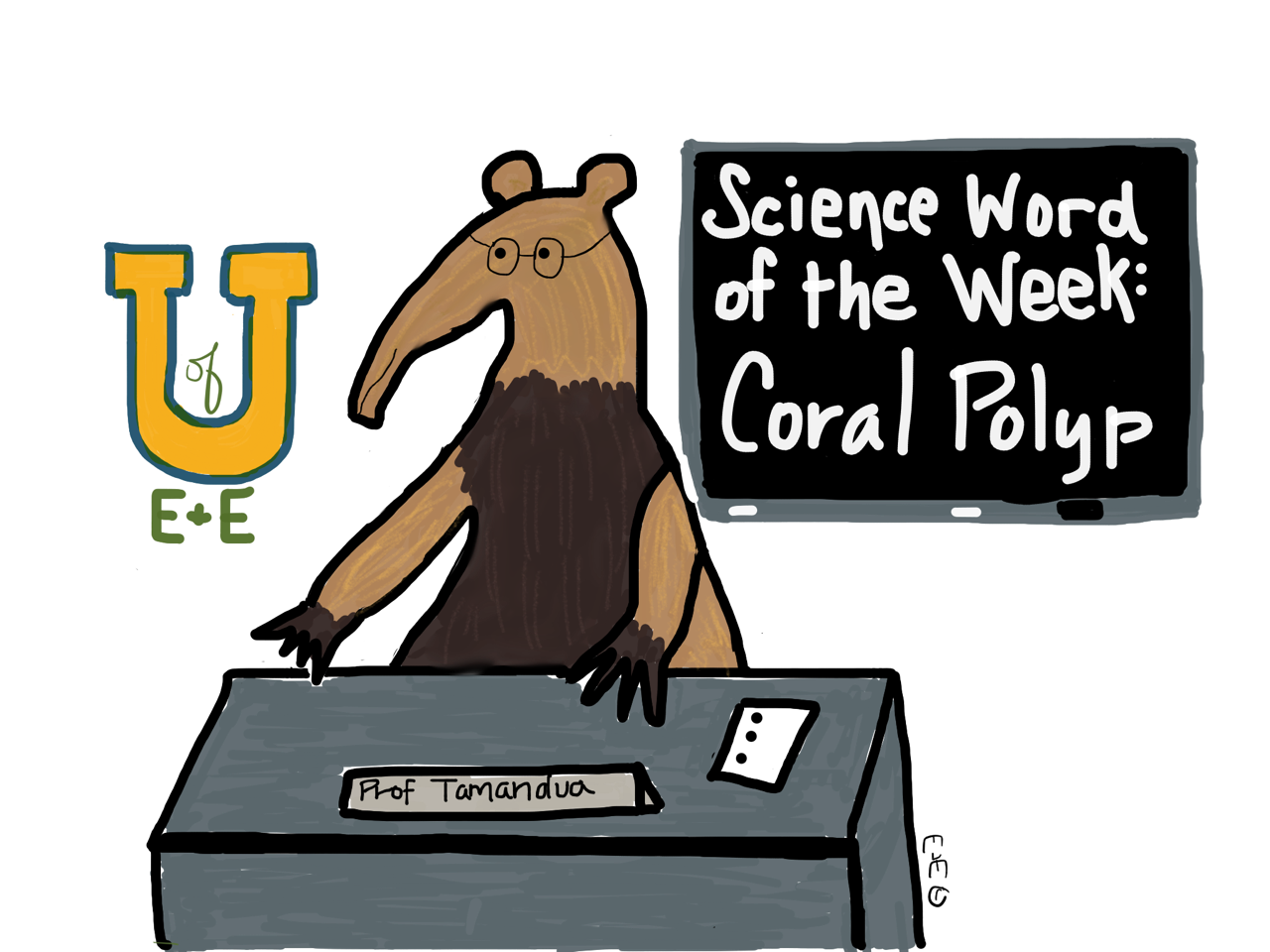
Today’s word is Coral Polyp: coral polyps are soft bodies organisms that live in colonies. Coral polyps are related to jellies and anemones. They have a hard outer skeleton that is made of limestone. Each polyp is attached to the next one by the limestone exoskeleton. Colonies of coral polyps form structures that form the coral reef that is inhabited by many different kinds of animals.

Sketches - 112coral

Categories: adventure, Animals, Children, conservation, education, Environment, nature, science, wildlife | Tags: , , , , , , , , , , | 1 Comment

Blog at WordPress.com.