Posts Tagged With: environment

Day 10- Greater Rhea

Day #10 (1/17/2014) Greater Rhea

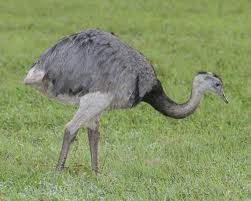
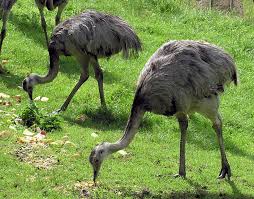
      We headed to the grasslands of Brazil to meet a relative of the ostrich. We were very excited, but we are getting tired and are ready to head back to HQs. Edmond’s oat and hay stew is yummy, but not after 3 nights. Hahaha! We found one last guide to take us out to meet a large flightless bird! We also saw a giant anteater out on the grasslands! We love anteaters and the Common Rhea!

e e grasslands

  • Their range and habitat: East-Southeast South America/ desert, grassland
  • Their length/weight: 3-5 ft/33-66 lbs   Their status: near threatened
  • They are omnivores (seeds, plants, fruits, lizards)

greater rhea3

  • Greater Rheas are large flightless birds.
  • They have 3 toes.
  • They live in groups.
  • Greater rheas are grey/brown in coloration. The males are darker.
  • Males do an impressive wing display during mating season.
  • Male greater rheas take charge of the incubation of the egg.
 greater rheagreater rhea2

What a wonderful afternoon! We watched a flock eat and rest and peck around! We even saw a male flapping his wings at some ladies. Breeding season must be coming soon! Too bad we will miss it. We’re packing up camp and have to run to catch the E&E plane back to HQs! Look for our new feature- University of E&E and Science Word of the Week on Sunday!

-Ellie and Edmond

Categories: adventure, Animals, birds, Children, conservation, education, Environment, nature, science, wildlife | Tags: , , , , , , , , , | 2 Comments

Day 9- Guess the Animal

Day #9 (1/14/14) – Guess the Animal

We stayed in Brazil today. We wanted to find a small, adorable little primate! We were so excited to find a family of them bounding through the trees! Can you guess who it is?

glt


  •          They live in the rainforest.
  •          They are orange in color.
  •          They are named after a large cat!

Who is it?

Ellie and Edmond

Categories: adventure, Animals, Children, conservation, education, Environment, mammals, nature, science, wildlife | Tags: , , , , , , , , , | Leave a comment

Day 8- Arapaima

 Day #8 (1/15/2014) Arapaima

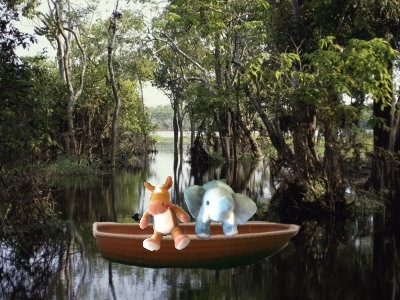
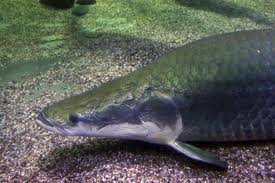
      We packed up camp and headed to Brazil to find a large fish! After a plane ride, we dropped off our stuff and headed straight over to the Amazon River. It didn’t take us long to find the giant we were looking for; they stay near the surface! You see the Arapaima breathes air!

e & e river boat

Their range and habitat: South America/ Amazon River

Their length/weight: 6-8 ft/200-400lbs  Their status: unconfirmed

They are carnivores (fish, crustaceans)

arapiama

  • Arapaimas have long torpedo shaped bodies.
  • They have large scales.
  • Arapaimas’ fins are placed towards the back of their bodies.
  • Arapaimas feed at the surface.
  • They breathe at the surface air. Their swim bladder acts like a lung.

 arapiama2

Watching the arapaimas all day wore us out! We had such fun on the boat. There are so many things to see in the Amazon River. We could spend weeks here! Thank goodness we packed our MUD bug repellant! The insects down here are nuts! Edmond spent his evening scratching his bum on a tree!

-Ellie and Edmond

Categories: adventure, Animals, Children, conservation, education, Environment, fish, nature, science, wildlife | Tags: , , , , , , , , , | Leave a comment

Day 7- Common Boa

Day #7 (1/14/2014) Common Boa

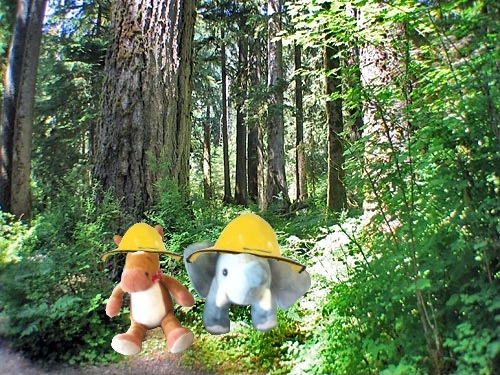
      We spent our day in the rainforest again. This time we had our guide help us find a reptile. Many of us have seen this snake in zoos and nature centers, but we really want to see one in the wild. It took us quite a while to locate this snake because their camouflage is amazing! We finally spotted one late in the afternoon!

e & e rainforest

Their range and habitat: Central-South America/forest, desert, grasslands

Their length:  3 ¼-13 ft  Their status: common

They are carnivores (small mammals, birds)

common boa

Common Boas vary in color depending on their habitat.

They are up to 10 subspecies.

Common boas are excellent climbers.

They are constrictors.

Common boas are nocturnal.

common boa2


It was such a fun adventure to look for the common boa today! Trying to spot an animal who has amazing camouflage made for such a great day. You must be on the lookout at all times! We’re glad we spotted one in a tree and not up close. We’re going to end the day with some apple cider and smores at camp!

-Ellie and Edmond
Categories: adventure, Animals, Children, conservation, education, Environment, nature, reptiles, science, wildlife | Tags: , , , , , , , , , | Leave a comment

DAY #6- Bolivian Squirrel Monkey

Day #6 (1/13/14) Off to South America

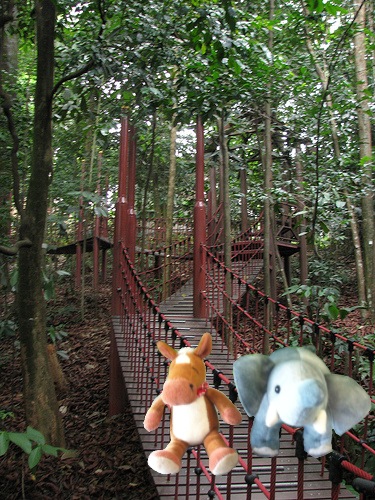
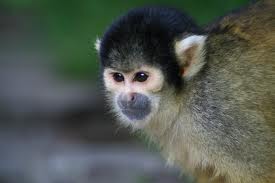
      We had a lovely weekend back at HQs. We decided to spend the second week of our trip in South America. We packed our trunk full of supplies and headed to the rainforest for the day. After we set up camp, we met up with a guide who walked us through the rainforest. We saw so many animals, but we were on the lookout for just one! After much searching we saw the little primates we were looking for! We sat very still and watched the agile Bolivian Squirrel Monkey for hours!

e & e rainforest2

bolivian squirrel monkey3

  • Their range and habitat: West to Central South America/rainforest

bolivian map

  • Their length/weight: 10 ½-12 ½“/ 34 oz Their status: common
  • They are omnivores (insects, fruits, seeds)
  • Bolivian Squirrel Monkeys are subspecies of the black-capped squirrel monkey.
  • Bolivian squirrel monkeys live in large troops (40-50 individuals).
  • Their tails are longer their bodies. They have bushy black tips on those tails.
  • Bolivian squirrel monkeys have furry ears.
  • They have white fur around their eyes.
  • Bolivian squirrel monkeys are arboreal.

   bolivian squirrel monkey2 bolivian squirrel monkey

We had such a blast watching these special monkeys! They are so fast! We could watch the troop for days. Primates are so amazing. They’re social, intelligent and in the case of the Bolivian Squirrel Monkey- amazing and agile climbers! Our first day here in the rainforest has been great. We’re going to wrap up the night at base camp with a game of cards and some oat cookies! See ya tomorrow!

-Ellie and Edmond

Categories: adventure, Animals, Children, conservation, education, Environment, mammals, nature, science, wildlife | Tags: , , , , , , , , , | Leave a comment

Science Word of the Week- #1

SCIENCE WORD OF THE WEEK!

We’re starting our new feature this week! We’ll be featuring a science word of the week with a cartoon!

This week’s word: Endothermic

Endothermic or Warm Blooded refers to animal whose body maintains its own body temperature (usually above the temperature of its surroundings). Endothermic animals must intake calories everyday to help them maintain this body temperature. All mammals and birds are endothermic.

endothermic cartoon

Categories: adventure, Animals, birds, Children, conservation, education, Environment, mammals, nature, science, wildlife | Tags: , , , , , , , , , , | 1 Comment

DAY #5- Egyptian Geese

Day #5 (1/10/14) – Meeting the Egyptian Goose

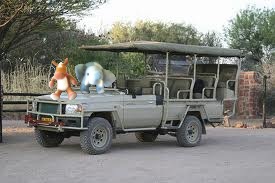
      We had a great time watching surfing hippos! We headed back to camp to find a local bird. We decided to stay in our safari vehicle to watch these birds as they are known to be aggressive. Do you have goose where you live? We have the Canadian variety and they can get very cheeky! We were so glad we packed our binoculars and snacks. An afternoon of bird watching can make an elephant and horse very tired.

e & e safari van

Their range and habitat: lakes, rivers and ponds in Africa-South of the Sahara

Their length/weight: 25-29”/ 5 ½ lb  Their status: Common

They are omnivores (they eat seeds, plants, grasses, bugs).

egyptian goose

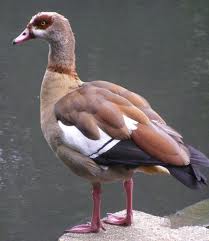
  • Egyptian Geese are the relative of the common ducks.
  • Egyptian geese have bright orange long legs.
  • Egyptian geese have dark coloration around the eye, with a bright orange spot.
  • The males and females look the same, but the geese due vary some in color in different areas.
  • They are very aggressive and territorial. Females can be extra territorial when they have eggs and chicks.

 egyptian goose3 egyptian goose2

We had such fun watching the Egyptian geese play around, eat and make a raucous. Geese are funny birds. We’re packing our bags after this trip and heading back to HQs for the weekend! Check out the blog on Sunday- as our new feature- Science Word of the Week starts!

-Ellie and Edmond
 

Categories: adventure, Animals, birds, Children, conservation, education, Environment, nature, science, wildlife | Tags: , , , , , , , , , | Leave a comment

DAY #4- Guess the Animal

Day #4 (1/9/14) – Guess the Animal

We decided to head over to the coast of Gabon during the evening after dinner to find this famous animal. They are known to surf in the ocean here! We were in luck!! We’ll give you three clues as to who we saw and you tell us who it is!

 hippo

  •          These mammals are very large.
  •          They have large teeth.
  •          Their ears and eyes are on top of their heads.

Who is it?

Ellie and Edmond (check out our Facebook page later for a fun video of this animal surfing)

Categories: adventure, Animals, Children, conservation, education, Environment, mammals, nature, science, wildlife | Tags: , , , , , , , , , | Leave a comment

DAY #3- Off to Africa

Day #3 (1/8/14) Off to Africa

      Well the deep freeze that took over much of the U.S. almost derailed our trip completely! We hopped aboard the E & E plane and made our way to Gabon where will be for a few days. We have set up camp next to a lake. We decided to spend the day looking for a fun little fish. Edmond grabbed his snorkel (Elephants don’t need them) and took a dip. The lake was very murky and dark, but we had such fun looking at all the inhabitants. After swimming for a while we finally found the little fish we were looking for, the elephantnose fish! This little fish is so fun!

E & E lake

Their range and habitat: lakes, rivers and ponds in West and Central Africa.

east west africa map

Their length/weight: up 9” long. Their status: Common

They are carnivores (they eat other small fish).

elephantnose fish

Elephantnose fish have very large brains. They brain body size ratio is almost the same as humans.

Elephantnose fish are very intelligent and playful.

They have a long appendage on their chin that they use to find prey in the mud.

Elephantnose fish have weak electrical system to help them get around the dark waters they live in. (Don’t worry we didn’t touch one).

      They have poor eyesight.

elephantnose fish3   elephantnose fish2

What a wonderful day! I am exhausted. Edmond is cooking up oats and hay stew for our dinner. We had such fun meeting the elephantnose fish! I really wanted to compare my trunk to his barbell, but he didn’t seem to want to do that! It’s time for dinner at our camp! Tomorrow you’ll have to guess the animal we met! See you then!

-Ellie

Categories: adventure, Animals, Children, conservation, education, Environment, fish, nature, science, wildlife | Tags: , , , , , , , , , | 1 Comment

DAY #2- Delayed

Day #2- Delayed

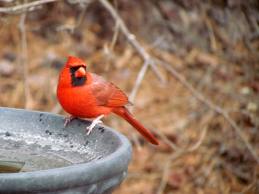
      Well the bad news is our trip was delayed due to cold weather; the good news is that we decided to bundled up and spend our day talking to some animals in our neighborhood. We went out and met a squirrel, a crow and a cardinal. The cardinal sat down and talked to us about helping out wild animals during the winter!

 cardinal

Us: How is your day going Mr. Cardinal?

Mr. Cardinal: It is cold Ellie and Edmond; very very cold. There isn’t much food out.

Us: Oh goodness! Winter must be hard on the wild birds and other animals.

Mr. Cardinal: Oh it is! Not only is there not much food, but we have to find a nice place to keep warm.

Us: A bird’s job is never done! Do you have any tips for our readers on how they can help you get through this cold weather?

Mr. Cardinal: Oh yes! Put out bird food- suet is really good and cheap!

                                    If you have a bird bath that is frozen over, break the ice!

                                    Put out containers of fresh water!

                                    Scatter nuts about for the squirrels, they don’t hibernate!

                                   You can build a habitat with rocks or sticks and leaves.

                                   Leaving your garden in a natural state helps reptiles, birds, insects and    

                                   mammals.

                                   You can leave out clean bird feeders with yarn in them. Birds use this to help

                                   build nests and shelters!

Us: Wow! Those are some great tips! We are going to the store right away to get some! We’ll leave it out for you and your bird pals!

Mr. Cardinal: Thank you! So nice chatting with you! I must fly off and find a warm spot for the night!

Us: Good luck!!

e e ear muffs


We had such fun going to the store and getting bird seed after our chat with Mr. Cardinal! We came back to HQs and put it out! Then had hot cocoa inside! We’re keeping our hooves crossed that the winter weather passes and we can get on with our adventure!

-Ellie and Edmond

Categories: adventure, Animals, birds, Children, conservation, education, Environment, nature, science, wildlife | Tags: , , , , , , , , , , | 2 Comments

Blog at WordPress.com.