Posts Tagged With: environment

GIVE THANKS TO THE ANIMALS WEEK- DAY #2

GIVE THANKS TO THE ANIMALS WEEK- DAY #2

We’re celebrating predators today! Without these great predators the world’s ecosystems would be out of whack! Often these predators get a bad rap or are unnecessarily feared. So let’s give it up for the animals and give them thanks!

SNAKES

snake

Snakes are feared, hated and misunderstood. Snakes are not human killers. They do not seek out people, but they do eat rodents. Without these predators there would be too many rodents around. Snakes also are preyed upon by other animals, like hawks. Snakes are very important part of the food web.

SHARKS

great white shark

Sharks are amazing animals. They have skeletons made of cartilage and mouths full of teeth. They come in all sizes and there is one shark in particular that is most feared- the Great White. These apex predators are not mindless killing machines and they do not seek out humans. They do like fatty seals and fish though. The oceans wouldn’t be the same without these sharks.

WOLVES

wolves

Wolves are gorgeous members are the canine family. Wolves have been portrayed badly in myths and stories for years. These predators are thought to also prey on people- yet another belief that is untrue. Wolves help control deer and rabbit populations. Wolves should be respected not feared!

We love these predators and give them thanks for their place in the natural world! Do you have a favorite predator?

Categories: adventure, Animals, Children, conservation, education, Environment, nature, science, wildlife | Tags: , , , , , , , , | 3 Comments

GIVE THANKS TO THE ANIMALS WEEK!!

GIVE THANKS TO ANIMALS WEEK!!

We’re giving thanks to all the animals this week! We’re going to share some amazing animals that help our planet each day! So let’s give a shout out to the seed dispersing animals out there!

SQUIRRELS!!

squirrelEach fall and winter squirrels gather nuts to eat. They bury their catches to eat during the winter. Often they forget some of the places they bury those acorns and nuts and thus, a new tree is planted! Way to go squirrels!!

FRUIT BATS!!!

fruit bat

Fruit bats are amazing creatures. They are true flying mammals! Unlike their insect eating cousins, fruit bats eat fruit! And when these inhabitants of the forests poop, they disperse the seeds of the fruit! Those seeds then grow into new fruit trees!

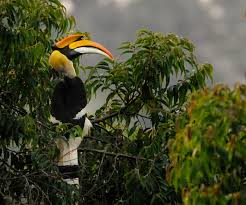
HORNBILLS

hornbills

Hornbills live in the rainforests and like our friends the fruit bats, they eat fruit! They especially like figs! After a full day of eating figs, our friend the hornbill will poop out fig seeds and start the cycle of growing a fig tree all over again!


Wow! Did you know that animals help grow trees? Either through burying those seeds or dropping them around in their poop, these animals help our planet! We say thank you squirrels, fruit bats and hornbills!

Categories: adventure, Animals, Children, conservation, education, Environment, nature, science, wildlife | Tags: , , , , , , , , | 1 Comment

FEATHERY FRIDAY # 87

FEATHERY FRIDAY #87

 We’re going to meet a lovely little duck today! These guys live in North America, so we’ll be taking a road trip to Michigan to see if we can find this bird! Grab your binoculars, cameras and your best bird watching eyes!

E & E lake

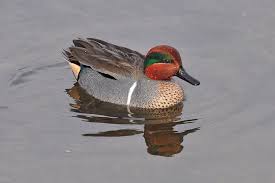
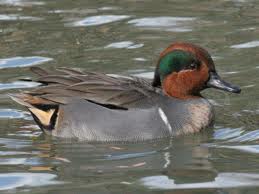
MEET THE GREEN WINGED TEAL!

green winged teal   Range/Habitat: Green winged teal/ wetlands, forests, lakes

   Diet: omnivore: plants, mollusks, insects

   Length/Weight: 13 ½-15”/ 13 oz

   Conservation Status: common


Fun Facts:

  •          Green winged teals are small ducks.
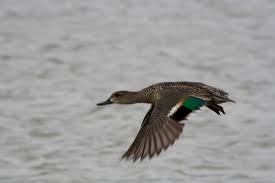
  •          Both male and females have a green patch on their wing.
  •          Male green winged teals are more brightly colored.
  •          Green winged teals nest on the ground.
  •          Green winged teals are dabbler ducks. They feed by submersing their heads in the water.

Green winged teals are gorgeous ducks. We like to watch them feed, because their bums stick out of the water! Hahahaha!

green winged teal2   green winged teal3

Categories: adventure, Animals, birds, Children, conservation, education, Environment, nature, science, wildlife | Tags: , , , , , , , , , | Leave a comment

SUPER SURPRISE THURSDAY # 87

SUPER SURPRISE THURSDAY # 87

It’s that great day of the week where you get to guess the animal! Look at the picture, read the clues and tell us who you think it is!

galapagois tortoise

  • I live on some islands in the Pacific Ocean.
  • I am a large reptile.
  • I was made famous by Charles Darwin’s research!

WHO AM I?

Categories: adventure, Animals, Children, conservation, education, Environment, nature, science, wildlife | Tags: , , , , , , , , | Leave a comment

REPTILIAN TUESDAY # 87

REPTILIAN TUESDAY # 87

We’re off to woods near our headquarters today! We’re in search of a really cool reptile! We’ll be looking in the local rivers, so grab your wellies and your hats and let’s head out on today’s adventure.

e & e wetlands

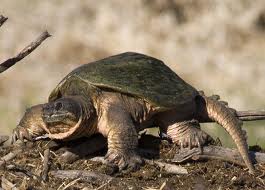
MEET THE COMMON SNAPPING TURTLE!

common snapping turtle3   Range/Habitat: Central-Eastern North America-Central America/

   wetlands, rivers

   Diet: Omnivore: small mammals, fish, plants, invertebrates

   Length: 10-18”

   Conservation Status: common


Fun Facts:

  •          Common snapping turtles have large heads.
  •          Their carapaces are often covered in algae.
  •          Common snapping turtles often lie on the bottom of a body of water buried in the mud.
  •          The actively forage for food or they ambush prey using a small appendage in their mouth as a lure.
  •          Common snapping turtles are very territorial.

Common snapping turtles are smaller than their larger alligator snapping turtle cousins. They are pretty sneaky when they lay on the bottom on the river waiting for prey to come swimming by! SNAP!!

common snapping turtle2   common snapping turtle

Categories: adventure, Animals, Children, conservation, education, Environment, nature, reptiles, science, Uncategorized, wildlife | Tags: , , , , , , , , , | Leave a comment

MAMMAL MONDAY #87

MAMMAL MONDAY #87

It’s off to South America for us today! Are you packed and ready to join us? We’re off to find a large mammal with an extraordinarily looooong tongue! Do you have a guess on who it might be? Grab your gear and let’s head out on today’s adventure!

e e grasslands2

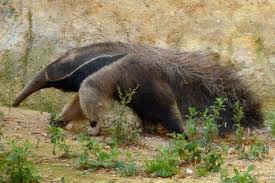
MEET THE GIANT ANTEATER!

giant anteater    Range/Habitat: Central- South America/ grasslands, forests,

   swamps

   Diet: Insectivore: termites, ants

   Length/Weight: 5 ½-7 ¼ ft/ 60-90 lbs

   Conservation Status: vulnerable


Fun Facts:

  •          Giant anteaters have long tubular snouts with tiny mouths.
  •          They have 2 ft long tongues.
  •          Giant anteaters have poor eyesight.
  •          Giant anteaters have an excellent sense of smell.
  •          They have large front claws to dig in termite mounds.
  •          Giant anteaters are excellent swimmers.

Giant anteaters are such great creatures! They are related to sloths! Who knew that? When baby anteaters are born, they ride on their mothers backs!

giant anteater2    giant anteater3

Categories: adventure, Animals, Children, conservation, education, Environment, mammals, nature, science, wildlife | Tags: , , , , , , , , , | Leave a comment

SUPER SURPRISE THURSDAY #85

SUPER SURPRISE THURSDAY #85

Check out the photo, read the clues and then tell us what animal it is! (We are looking for a specific species.)

dromedary

  • I store fat in my hump.
  • I have hooves.
  • My name means “beauty” in Arabic.

WHO AM I?

Categories: adventure, Animals, Children, conservation, education, Environment, nature, science, wildlife | Tags: , , , , , , , | Leave a comment

WATERY WEDNESDAY # 85

WATERY WEDNESDAY # 86

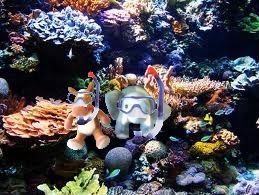
 We’re going scuba diving on this Watery Wednesday! Grab your tanks, suits and masks and come join us in the Pacific Ocean as we go looking for a shark! Are you ready?

e & e snorkeling

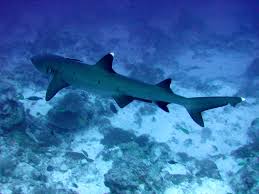
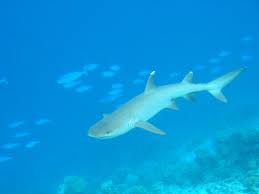
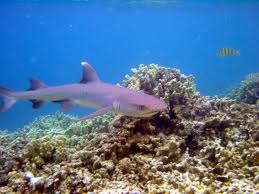
MEET THE WHITETIP REEF SHARK!

whitetip reef sharks   Range/Habitat: Indo-Pacific Oceans/ reefs, oceans

   Diet: Carnivore: fish

   Length/Weight:  up to 5 ½ ft/up to 40 lbs

   Conservation Status: near threatened


Fun Facts:

  •          Whitetip Reef Sharks are also called the blunthead shark.
  •          They do not have to swim to move water over their gills.
  •          Whitetip reef sharks have white tips on their dorsal fins and tails.
  •          You can find whitetip reef sharks often rest on the ocean floor.
  •          They use sound to detect prey.

Whitetip reef sharks are magnificent animals! Like all sharks they have a skeleton made of cartilage! These beauties are also being threatened by humans. Our oceans are home to many beautiful creatures and we all need to work to keep those oceans clean. Make sure to keep plastics and trash in their proper places and not in our oceans!

whitetip reef sharks3  whitetip reef sharks2

Categories: adventure, Animals, Children, conservation, education, Environment, fish, nature, science, wildlife | Tags: , , , , , , , , , , | 1 Comment

REPTILIAN TUESDAY #86

REPTILIAN TUESDAY # 86

We’re off to Africa today to meet a very intimidating snake. Pack your gear and your passport and let’s load up the E & E safari van. Don’t forget your long lens for your camera and your binoculars, because we are staying in the vehicle to find this animal!

e & e safari van

MEET THE RED SPITTING COBRA!

red spitting cobra   Range/Habitat: Northeast Africa/ grasslands, desert

   Diet: Carnivore: small mammals

   Length: 28-47”

   Conservation Status: common


Fun Facts:

  •          Red spitting cobras will shoot venom if they are threatened.
  •          They can shoot the venom up to 6 ½ ft away.
  •          Red spitting cobras’ venom can cause blindness.
  •          Red spitting cobras are nocturnal.
  •          They have narrow hoods.
  •          Red spitting cobras have a black band of color across their necks.

Red spitting cobras are definitely amazing. They are also a snake that needs respect! We’ll give them that respect from at least 20 ft away!

red spitting cobra2   red spitting cobra3

Categories: adventure, Animals, Children, conservation, education, Environment, nature, reptiles, science, wildlife | Tags: , , , , , , , , , | Leave a comment

ORANGUTAN AWARENESS WEEK!!

ORANGUTAN AWARENESS WEEK!

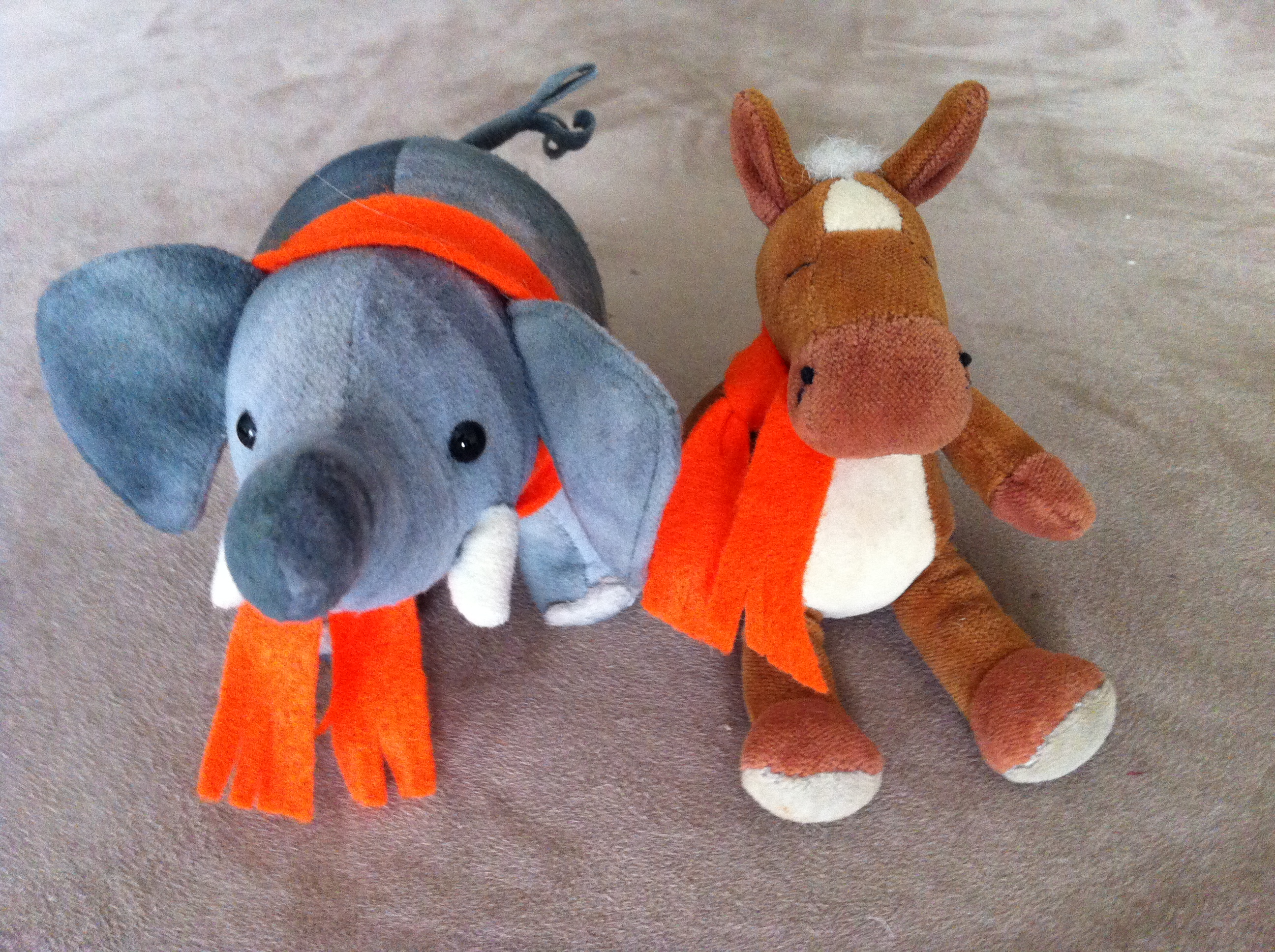
We’re celebrating Orangutans this week! Come learn more about these amazing apes with us! Be sure to sport some orange this week and let them know you support orangutans!

e e orange scarves

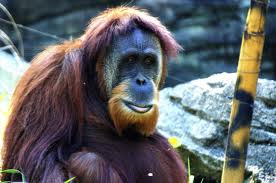
  • Orangutans are the largest fruit eating ape on earth.
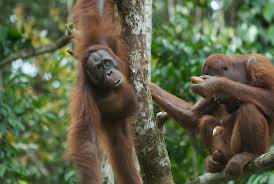
  • They are arboreal.
  • There are two species of orangutans- Bornean and Sumantran, both of which are found in Indonesia.
  • Orangutans are excellent climbers.
  • Orangutans are intelligent.
  • Offspring stay with their mothers for around 8 years.
  • Orangutans are generally solitary.
  • Both species are critically endangered- mainly due to habitat loss.
  • Orangutans can live up to 50 years.
  • Orangutans have long arms- up to 8 feet in males.
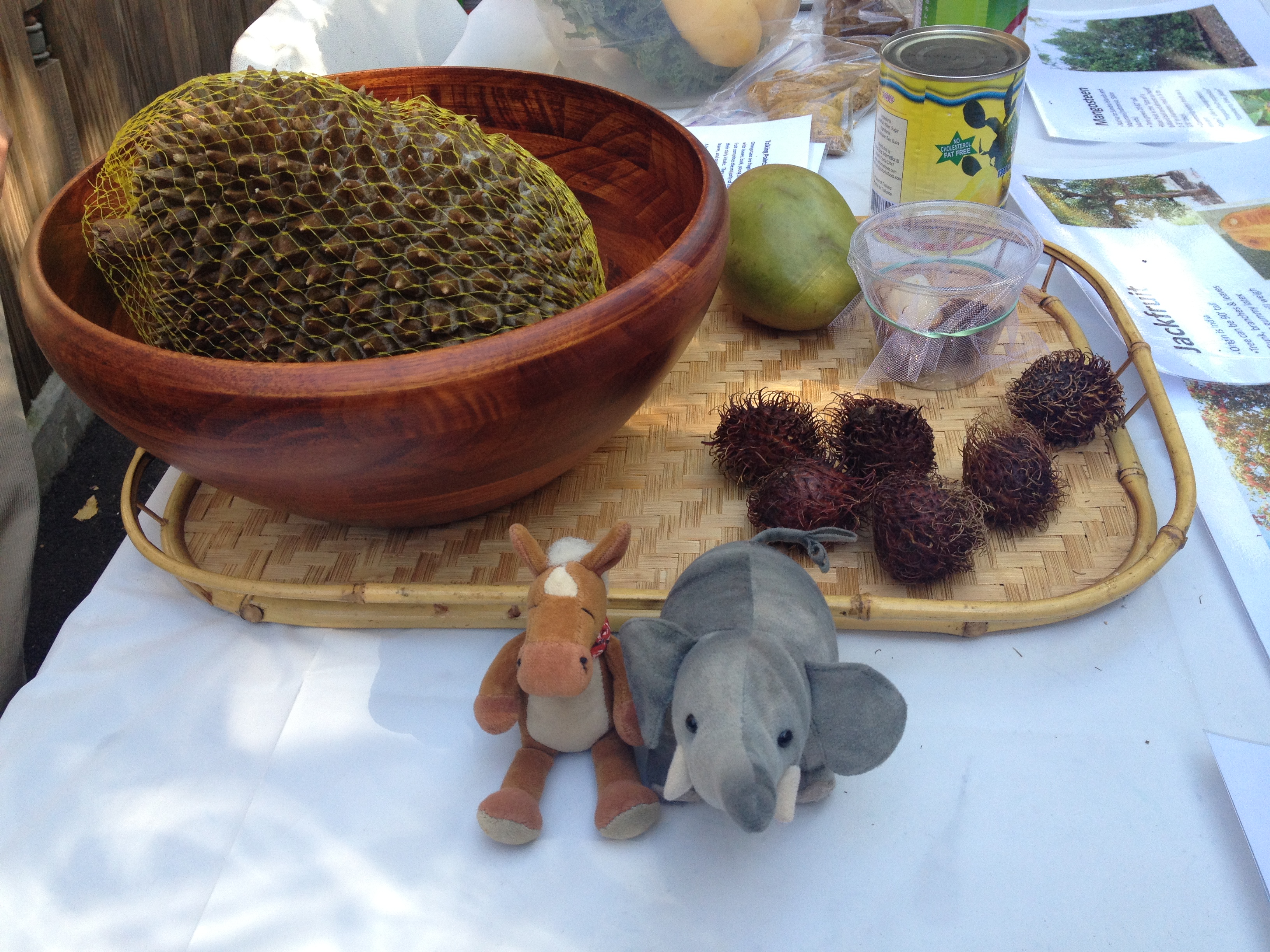
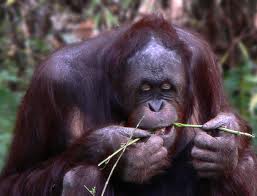
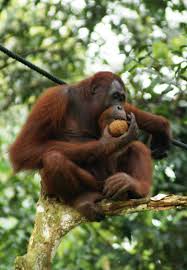
Durian fruit is just one of foods that orangutans like to eat! Durian fruit is SUPER STINKY!

Durian fruit is just one of foods that orangutans like to eat! Durian fruit is SUPER STINKY!

orang6   orang5


orang2orang3orang4


Unfortunately orangutans are losing their homes to palm oil plantations. Palm oil is used in products of all kinds from lotions, to shampoos to food products. There are several groups and zoos that are working to make sure that the palm oil that we use is sustainable. They work with companies so that they are not using products that destroy the orangutan homes. You can read more about it on the Cheyenne Mountain Zoo’s website. Learn how you can help these amazing and wonderful apes!

Categories: adventure, Animals, Children, conservation, education, Environment, mammals, nature, orangutans, science, wildlife | Tags: , , , , , , , , , | Leave a comment

Blog at WordPress.com.