Posts Tagged With: mammals

SCIENCE WORD OF THE WEEK!

SCIENCE WORD OF THE WEEK!
We’re revisiting the Science Word of the Week this time just in time for International Bat Day on Friday! Who knows how insect eating bats locate their prey? Come find out!

swow echolocation

Echolocation is the location of an object or prey using sound to reflect off that object to determine distance, size and shape. Bat can determine an object as thin and fine as human hair using their echolocation.

This is what  Big Brown Bat’s sonar sounds like here! Human ears can not hear these frequencies normally! Ellie and Edmond will talk more about bat echolocation as they introduce a few cool species of these flying mammals!
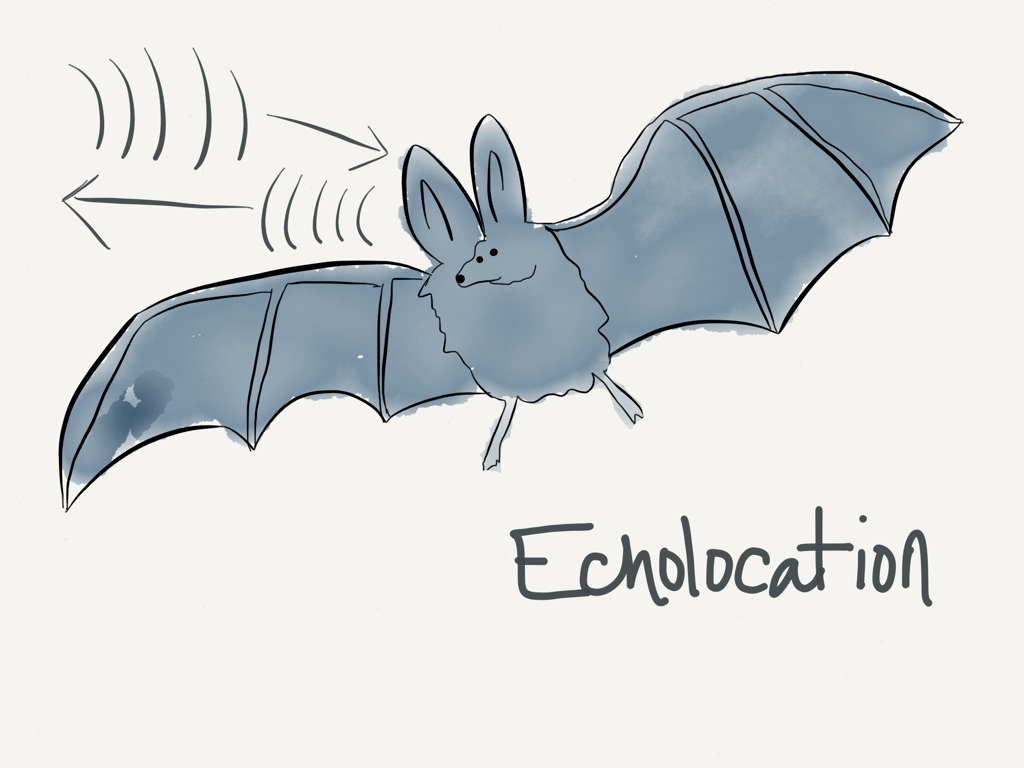
swow echolocation cartoon

Categories: adventure, Animals, Children, conservation, education, Environment, nature, science, vocabulary, wildlife | Tags: , , , , , , , , , , | 1 Comment

Give a Hand for Gibbons!

Give a Hand for Gibbons!

white cheeked gibbon

We’re staying in Southeast Asia today to meet another amazing ape who can swing better than any ape we know! Do you remember what that swinging motion is called? Brachiation is right! We’re so excited for you to meet the White Cheek Gibbon, so let’s get on with it!

Range/Habitat: Southeast Asia/rainforest

Juxtaposer Image(6)


 Diet: Frugivore: fruits

 Length/Weight: 18-25 inches/ 10-12 lbs

 Conservation Status: critically endangered

white cheeked gibbon3

  • White cheeked gibbons are lesser apes.      IMG_1113
  • They are arboreal and live in the canopy of the rainforest.
  • Their arms are 1 1/2 times as long as their legs!
  • Female white cheek gibbons are blonde and males are black.
  • Baby white cheek gibbons are blonde like their mothers. At the age of two they turn black and then females turn blonde again.
  • White cheeked gibbons mate for life.
  • Male and female adult gibbon pairs have a song that is unique to them. They use this song to call to each other and establish territory.

white cheeked gibbon.2


Categories: adventure, Animals, Children, conservation, education, Environment, mammals, nature, science, wildlife | Tags: , , , , , , , , , | 1 Comment

Orange rocks!

Orange Rocks!

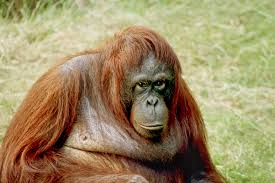
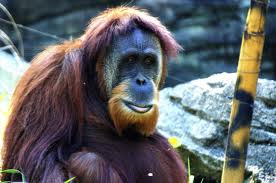
orangutan

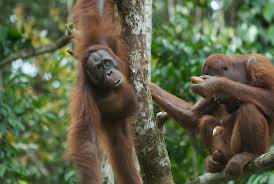
We thought we would visit some ape friends for ApeRil! Professor Tamandua talked about brachiation the other day and we’ve met an arboreal ape who knows how to swing in the trees!

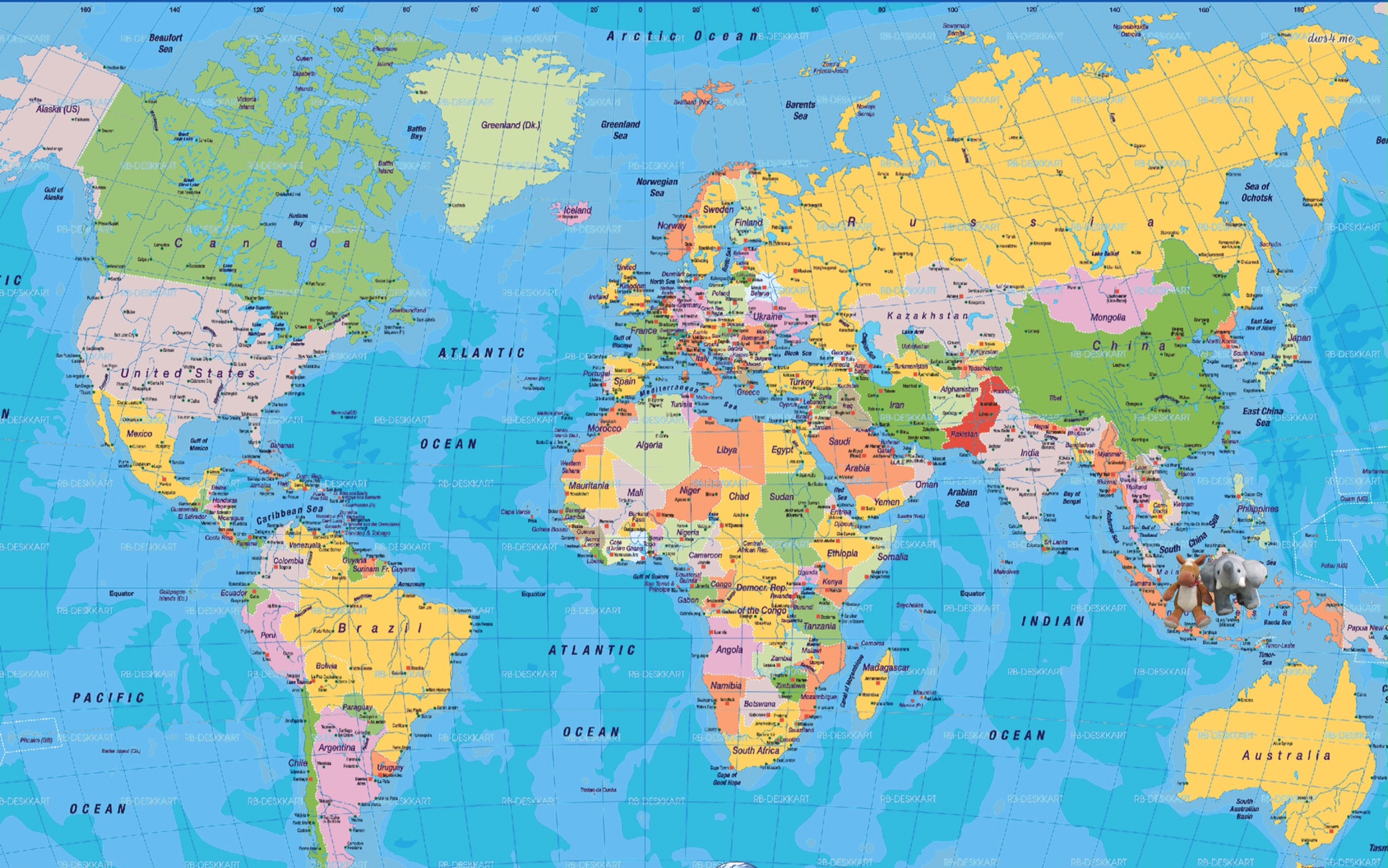
Range/Habitat: Indonesian/rainforest

Juxtaposer Image(6)


 Diet: Frugivore: fruits

 Length/Weight: 4-5 ft/ 70-180 lbs

 Conservation Status: endangered

  • Orangutans are the largest fruit eating ape on earth.
  • They are arboreal.
  • There are two species of orangutans- Bornean and Sumantran, both of which are found in Indonesia.
  • Orangutans are excellent climbers.
  • Orangutans are intelligent.  IMG_1084
  • Offspring stay with their mothers for around 8 years.
  • Orangutans are generally solitary.
  • Both species are critically endangered- mainly due to habitat loss.
  • Orangutans can live up to 50 years.
  • Orangutans have long arms- up to 8 feet in males.
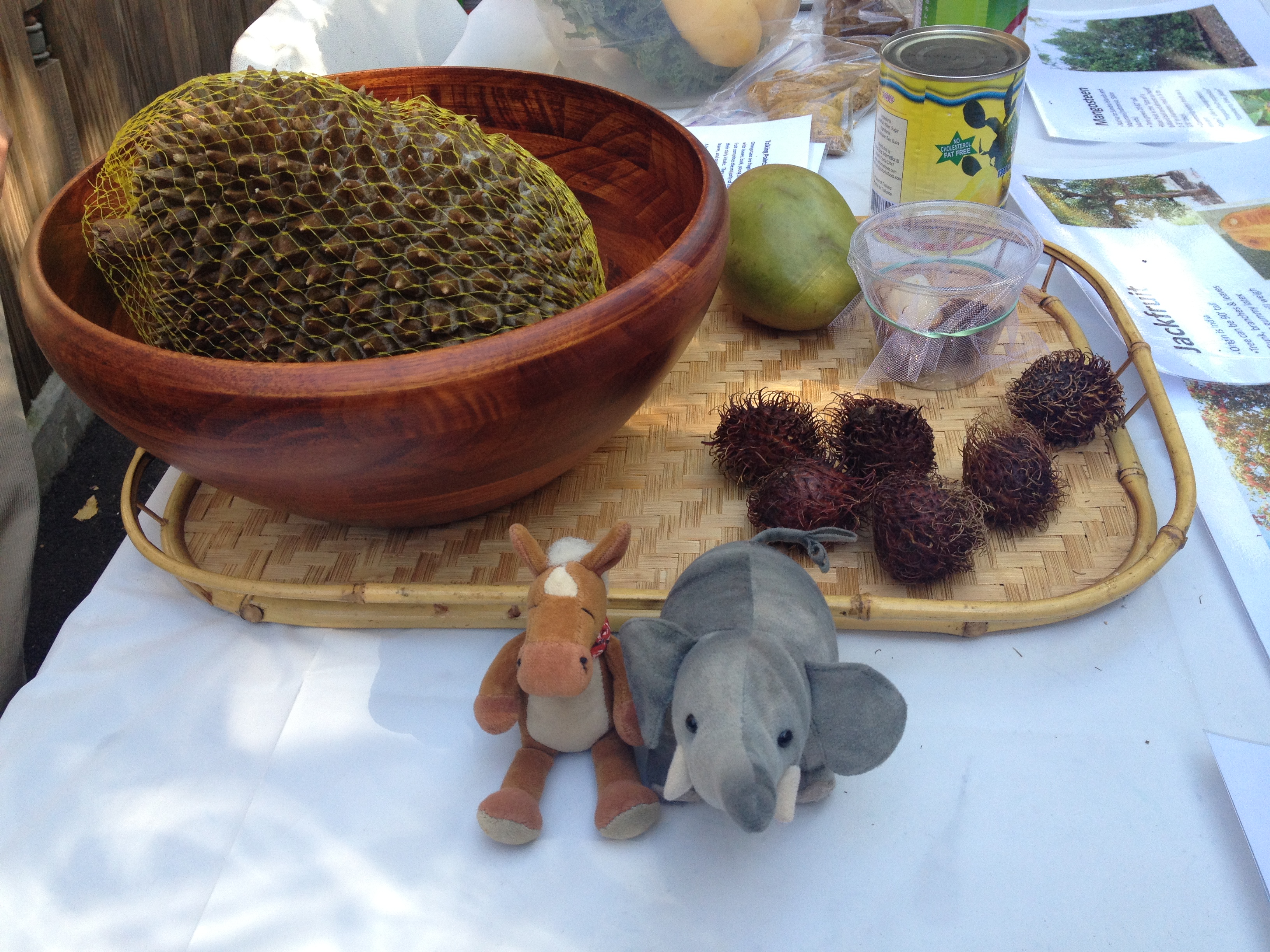
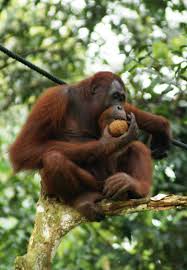
Durian fruit is just one of foods that orangutans like to eat! Durian fruit is SUPER STINKY!

Durian fruit is just one of foods that orangutans like to eat! Durian fruit is SUPER STINKY!

orang6   orang5


orang3orang4


IMG_1085


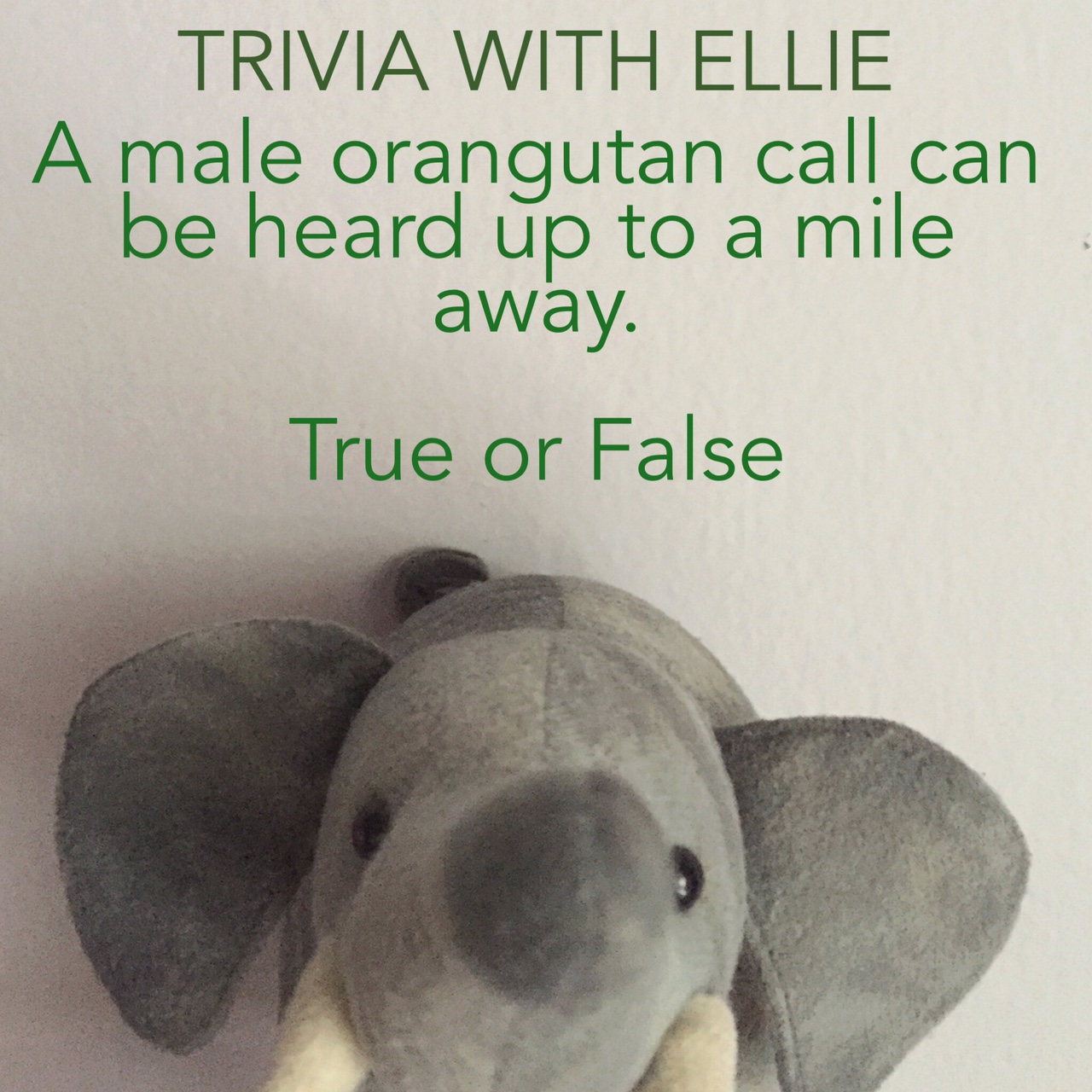
Answer is : True!


Categories: adventure, Animals, Children, conservation, education, Environment, mammals, nature, science, wildlife | Tags: , , , , , , , , , | 1 Comment

WE SPY!

WE SPY!

FullSizeRender

We Spy with our four little eyes this ape who lives in the trees! Can you guess who we spy?

guess

Categories: adventure, Animals, Children, conservation, education, Environment, mammals, nature, science, wildlife | Tags: , , , , , , , , , | 1 Comment

Home, Home on the Prairie!

Home, Home on the Prairie!

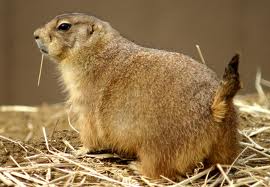
prairie dog

We’re so excited to have found these little rodents on the plains of North America. They have such gregarious personalities and are so fun to observe! Let’s all meet the prairie dog!

Range/Habitat: North America/ prairie

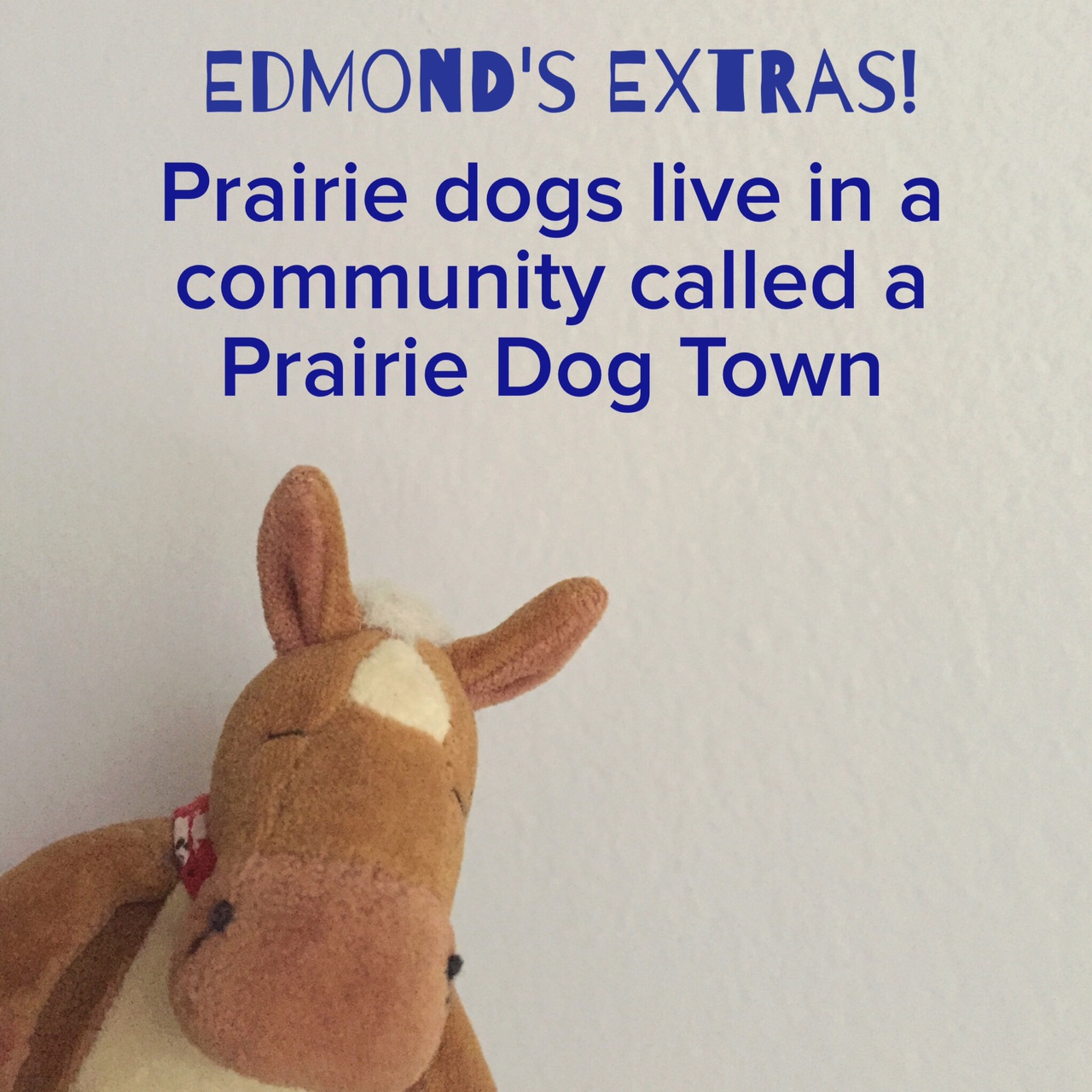
Juxtaposer Image(5)


 Diet: Herbivore: seeds, plants

 Length/Weight:  12-15 inches/ 2-4 lbs

 Conservation Status: lease concern

prairie dog2

Fun Facts:

  • Prairie dogs are burrowers.  IMG_1017
  • They live in family groups.
  • Prairie dogs are diurnal.
  • They are highly social and have complex communication systems.
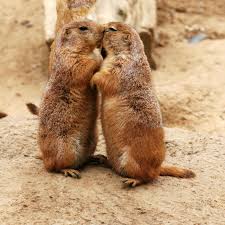
  • They greet each other with kisses and nuzzles.
  • Prairie dogs are member of the squirrel family.
  • Prairie dog burrows are extremely important to prairie. They share these burrows with owls, salamanders and black footed ferrets.


prairie dog3

These rodents have one our hearts! Their chirps and kisses just can’t be beat! Who else is with us? Enjoy our coloring sheet too- there’s a new sheriff in this Prairie Dog Town!

IMG_1018

IMG_1019


Answer: True!


Categories: adventure, Animals, Children, conservation, education, Environment, mammals, nature, science, wildlife | Tags: , , , , , , , , , | 2 Comments

WE SPY!

WE SPY!

FullSizeRender

We Spy with our four little eyes this animal that lives on the prairie! This member of the canine family is found not just on the prairie, but across North America. Can you guess who we spy?

guess

Categories: adventure, Animals, Children, conservation, education, Environment, mammals, nature, science, wildlife | Tags: , , , , , , , , , | 1 Comment

MANATEE APPRECIATION DAY!!

MANATEE APPRECIATION DAY!!

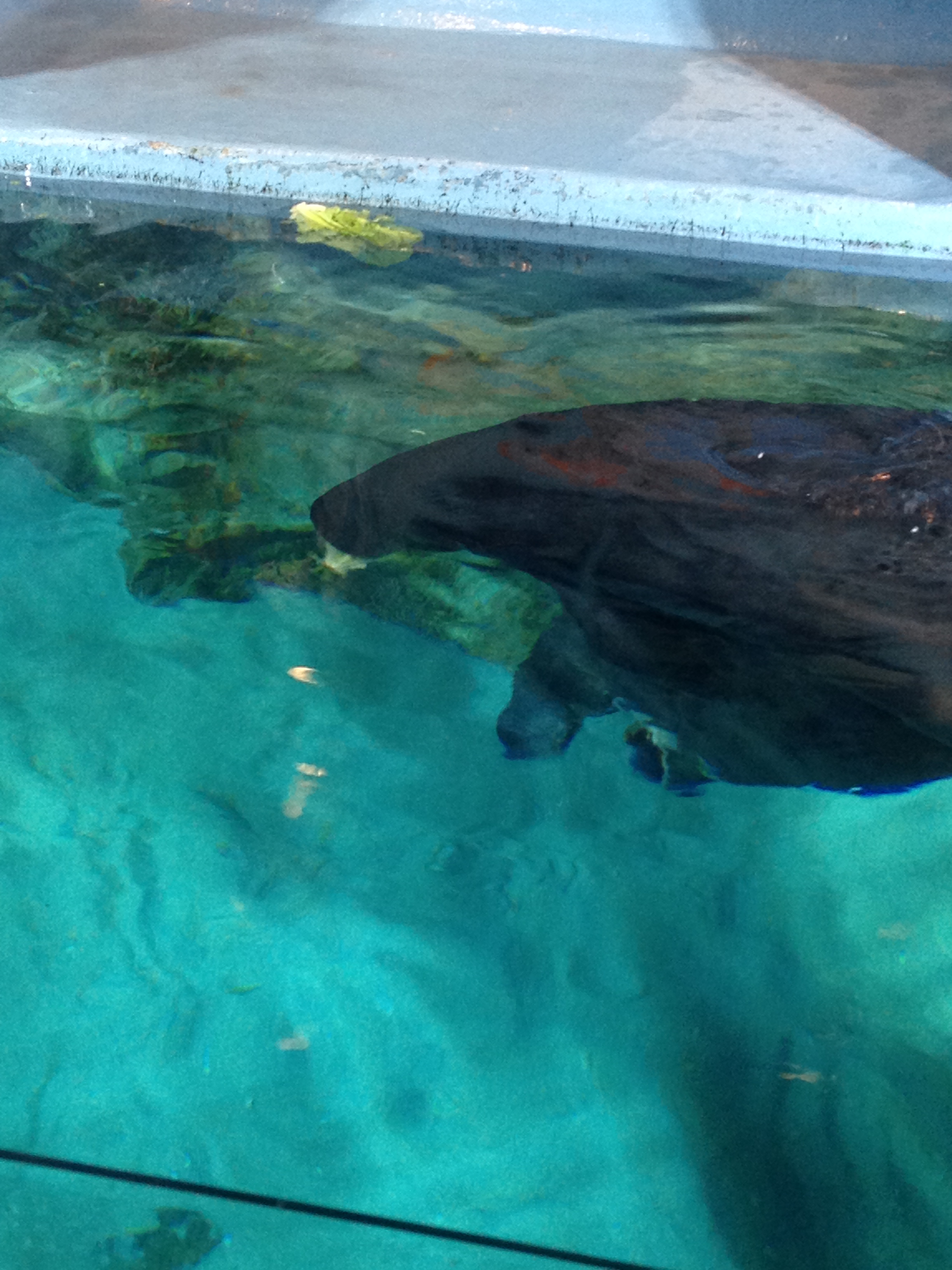
It’s Manatee Appreciation Day! We love these gentle marine mammals! We have visited them in places in Florida before. We’re going to share some fun facts about the fabulous animals and a great craft you can make too!
IMG_6623

  • Manatees are also called sea cows.
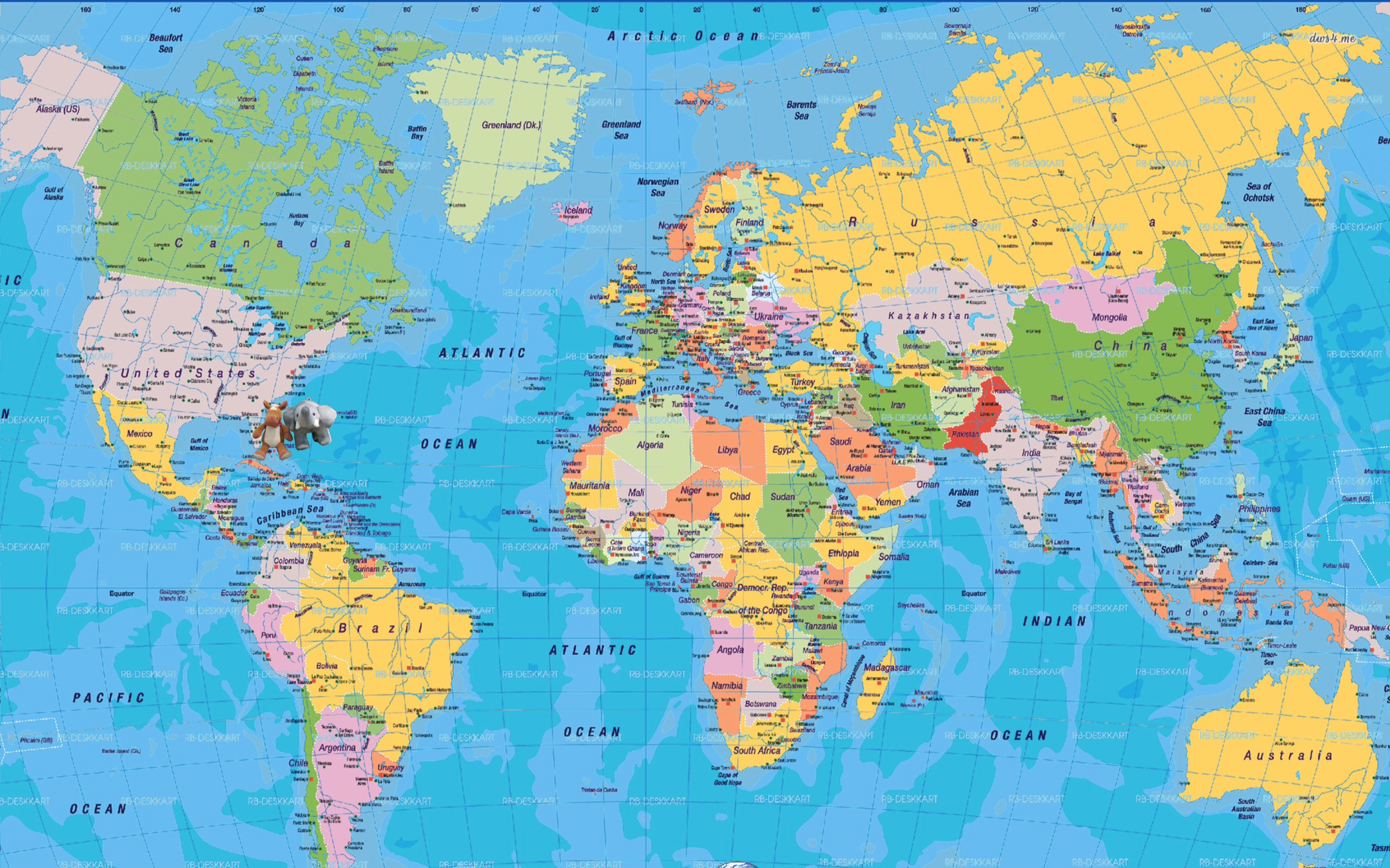
  • They live in coastal waters and rivers in the Southeastern U.S. and Central and South America.

Juxtaposer Image(4)

  • They have strong flat tails.
  • Their nostrils sit on top to help them breathe air.

IMG_0823

  • Manatees are herbivores. They eat algae and grasses.
  • They have no natural predators.
  • Manatees are slow moving.
  • They can weigh up to 1,300 lbs.
  • Manatees are endangered.
  • Their closest relatives are the elephant and the rock hyrax. Hey- they’re related to Ellie!

manatees    manatee2


Manatees are endangered due to things like boat strikes and pollution (they get caught in fishing nets). Many people are working to protect these beautiful gentle giants. A great way to help them- Never put trash in the ocean or rivers! Human’s pollution is devastating on our wild animal friends. Also check out Save the Manatee Club– they work very hard to protect manatees!

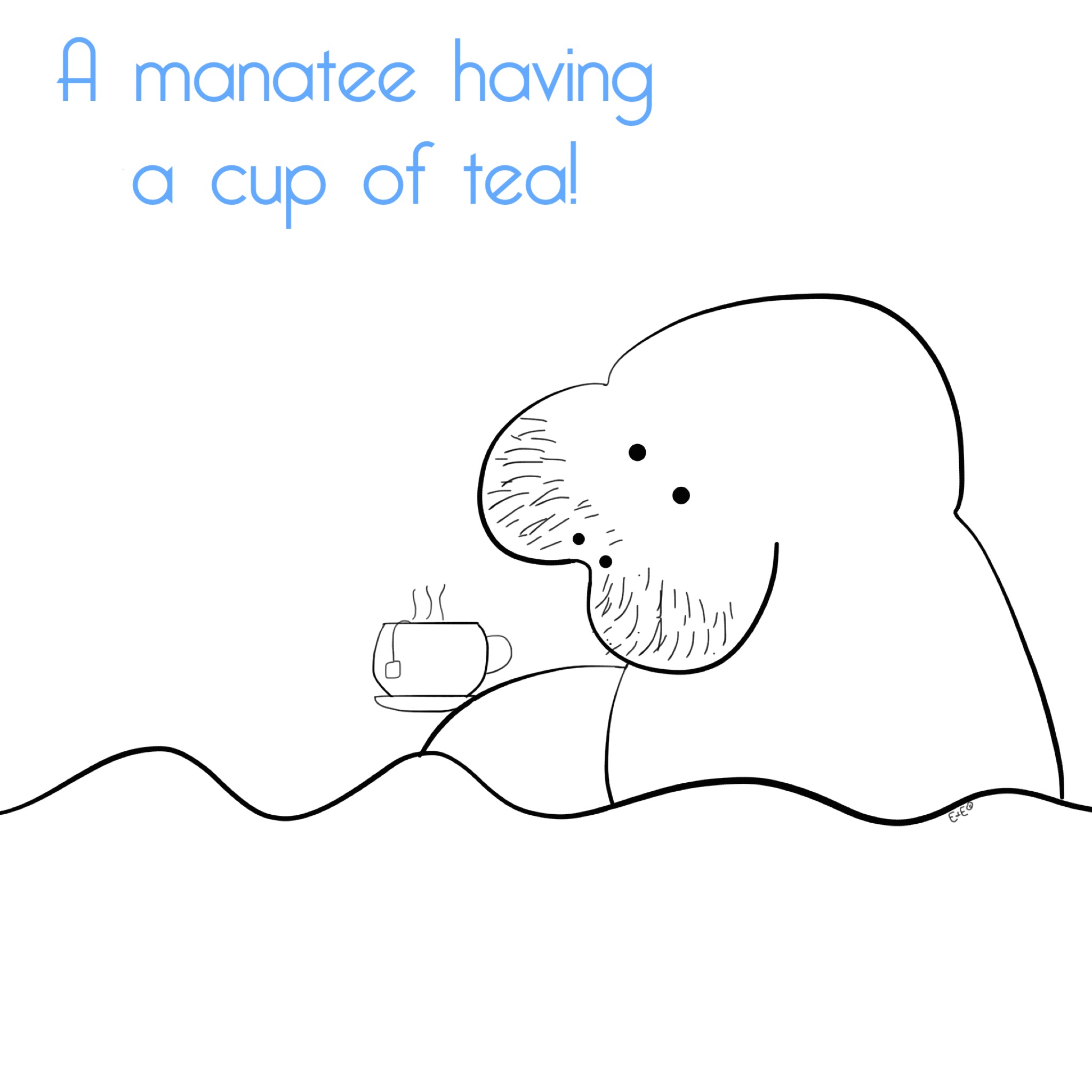
You can also make our great manatee bookmark and share your love of these animals with your friends or color our manatee with a cup of tea coloring page!

IMG_0822


Categories: adventure, Animals, Children, conservation, education, Environment, mammals, nature, science, wildlife | Tags: , , , , , , , , , | 1 Comment

WE SPY!!

FullSizeRender

We’re ready to share the animal we spy this week! We’re just leaving you the picture with no clue! Can you guess who we spy?

guess

Categories: adventure, Animals, Children, conservation, education, Environment, mammals, nature, science, wildlife | Tags: , , , , , , , , , | Leave a comment

WE SPY!!

WE SPY!!

binoculars-we spy

We spy with our own little eyes an animal in Southeast Asia. This animal has a prehensile tail and smells like popcorn! Do you know who we spotted?

guess

Categories: adventure, Animals, Children, conservation, education, Environment, mammals, nature, science, wildlife | Tags: , , , , , , , , , | Leave a comment

SCIENCE WORD OF THE WEEK!

SCIENCE WORD OF THE WEEK!

swow ruminant

Hello and welcome to class! I hope you enjoyed learning about hippos yesterday! Today we are talking about animals with funny stomachs! Let’s get right to it!

Today’s Science Word is Ruminant: an animal that has more than one stomach or a chambered stomach. Ruminants swallow their food and then regurgitate it and chew it again. Ruminants include cows and sheep!

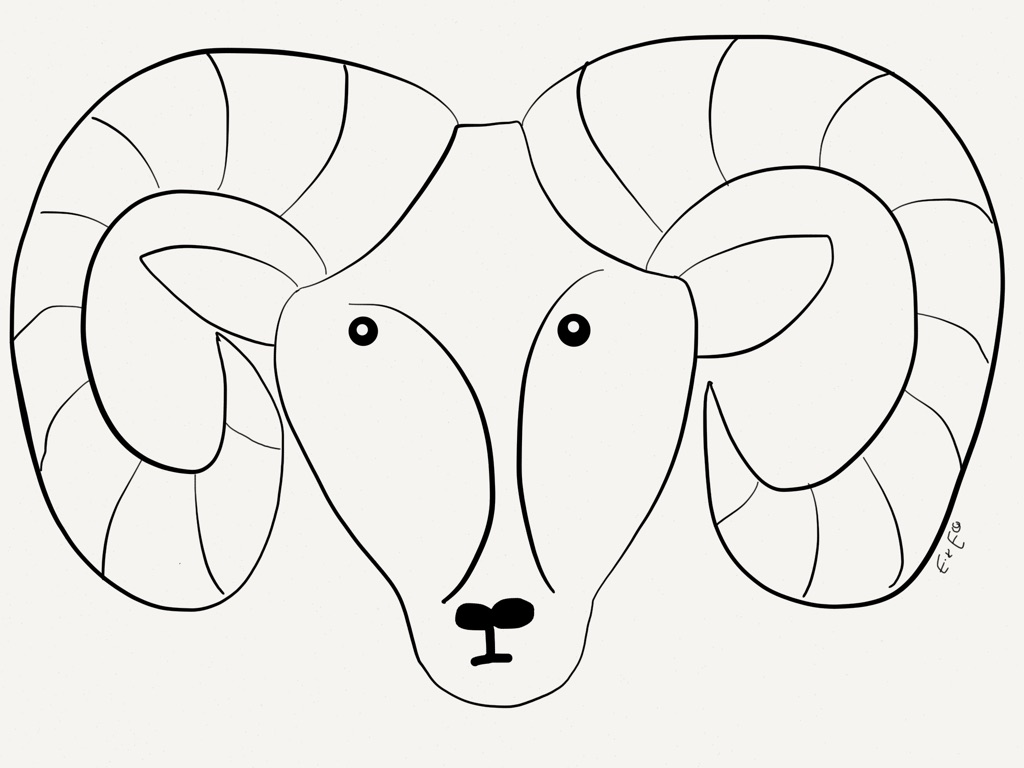
I picked this word because we are quickly approaching the Lunar New Year and it’s the year of the sheep or ram! Ellie and Edmond wanted to celebrate by meeting some wild members of the sheep family- tomorrow they head to Rocky Mountains to meet some Bighorn Sheep- who are ruminants! Until then, enjoy a Bighorn sheep coloring sheet!

bighorn sheep coloring sheet

Can you spot us on the map? We’re heading to the Rocky Mountains tomorrow!

Juxtaposer Image(2)

Categories: adventure, Animals, Children, conservation, education, Environment, mammals, nature, science, vocabulary, wildlife | Tags: , , , , , , , , , , | Leave a comment

Blog at WordPress.com.