Posts Tagged With: mammals

MAMMAL MONDAY # 73

MAMMAL MONDAY # 73

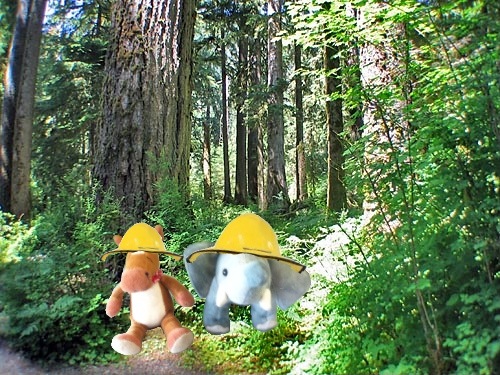
We sure hope you enjoyed Habitat Week! We’re back to going to some of those of one of those habitats to meet today’s mammal! Grab your gear and let’s get ready to go!

e e grasslands

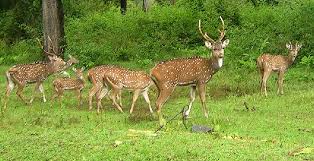
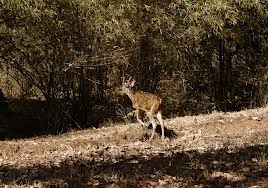
MEET THE CHITAL!

chital   Range/Habitat: South Asia/ grasslands

   Diet: Herbivore: fruit, vegetation

   Length/Weight: 3 ¼-5 ft/ 155-175 lb

   Conservation Status: common


Fun Facts:

  •          Chitals are also called the Axis Deer.
  •          Chitals live in large herds, up to 100 animals.
  •          They share their habitat with langurs, who warn for predators.
  •          Chitals run up to 40 mph.
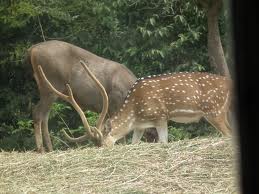
  •          Chital males have antlers!

These members of the deer family are really cool. We love their crazy antlers! Who knew deer came in so many shapes and sizes?

chital2    chital3

Categories: adventure, Animals, Children, conservation, education, Environment, nature, science, wildlife | Tags: , , , , , , , , , | Leave a comment

HUG YOUR CAT DAY!

HUG YOUR CAT DAY!

Today is hug your cat day! We live with a cat named Moe and he is rather large and squishy! Occasionally he tries to eat us, but we’ve made peace and now we’re pals!

moe relaxing

He loves a good nap in the sun!

We also thought Hug Your Cat Day would be a good day to give a virtual hug to all the big cats out there! World wide wild cat populations are dwindling! There are several organizations that are working hard to protect these majestic creatures in the wild and protect them from becoming pets or living in captive situations that are unhealthy!

First Up:

PANTHERA! This amazing group works tirelessly to protect habitat for big cats all around the world and to help to stop poaching and the wild animal black market! We’ve actually been to a lecture given by their president and he was great! Be sure to check out their website and learn more about this great group!

Next Up:

BIG CAT RESCUE! Big Cat Rescue Rescue in Florida is a sanctuary that takes in big cats of all sizes. They work with animals who have often suffered abuse and neglect and give them an amazing place to live out their lives. We love sharing headquarters with Moe, but he is a domestic cat that we found at the local Humane Society. He makes a great companion. Large wild cats on the other hand never make good pets. They are large predators with big teeth and claws and belong in the wild or in accredited zoos. Check out Big Cat Rescue’s website. They have beautiful pictures and fun videos!

Now, we’re going to end Hug Your Cat Day with some great photos of big cats who deserve our love and respect!
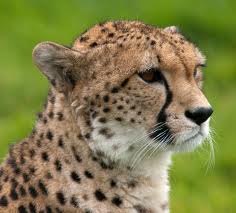
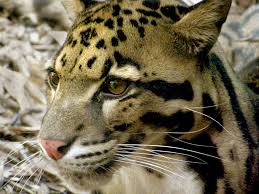
cheetah   clouded leopard

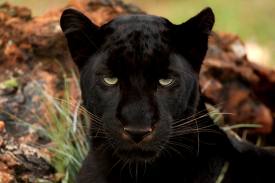
panther

liontiger

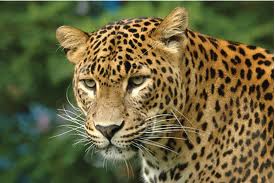
leopard

Moe is given a high paws to all the cats out there!

Moe is given a high paws to all the cats out there!

Categories: adventure, animal rescue, Animals, Children, conservation, education, Environment, mammals, nature, science, wildlife | Tags: , , , , , , , , , , | 6 Comments

MAMMAL MONDAY # 72

MAMMAL MONDAY # 72

It’s Mammal Monday and we’re going to South Africa to meet a member of the rodent family. We’re heading in to the desert so grab your hat, your mud sunscreen and your sunglasses and let’s goooooo…

e e desert

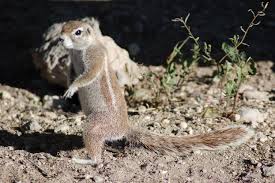
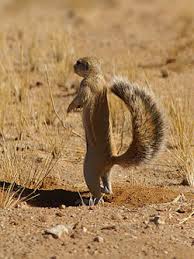
MEET THE CAPE GROUND SQUIRREL!

cape ground squirrel   Range/Habitat: Southern Africa/ desert

   Diet: Omnivore: seeds, bulbs, insects

   Length/Weight: 8-12”/ 12 oz

   Conservation Status: common


Fun Facts:

  •          Cape Ground squirrels live in small colonies.
  •          They have large claws.
  •          Cape ground squirrels burrow underground.
  •          Cape ground squirrels forage for food daily.
  •          They have different calls for predators.

These little rodents are cute! We just love all the squirrels of the world. Do you have a favorite squirrel?

 cape ground squirrel2

Categories: adventure, Animals, Children, conservation, education, Environment, mammals, nature, science, wildlife | Tags: , , , , , , , , , | 1 Comment

WE ARE FANIMALY!!

WE ARE FANIMALY!!!

It’s another installment of We Are Fanimaly! Come learn who’s related to who!

ImageThat’s right everyone- hippos and whales are related to each other. This is recent discovery thanks to DNA. Scientist don’t have a full understanding of this relationship and it’s evolutionary timeline, but we think it is super cool! 

HIPPO FUN FACTS!

  • Hippopotamus means river horse.
  • Hippos have clear membranes that help them see under water.
  • Hippos can not swim. They actually walk along riverbeds.
  • Hippos “sweat” a red/pink mucus that helps keep their skin moist.
  • Hippos spend most of their day in water and their nights on land grazing.
  • Hippos are social animals and live in herds.
  • Hippos have large canine and incisor teeth.
  • Scientist have discovered in recent years that hippos sing songs underwater.

WHALE FUN FACTS!

  • Whales are marine mammals.
  • Blue whales are the largest mammal on earth.
  • Orcas or Killer whales are actually the largest member of the dolphin family.
  • Whales are carnivores.
  • There are toothed whales and baleen whales.
  • Toothed whales are smaller than baleen whales.
  • Some whales, like the humpback sing songs to communicate with each other.
  • Some whales use echolocation to find food.
  • Many whales and dolphins are social animals.
Categories: adventure, Animals, Children, conservation, education, endangered species, Environment, mammals, nature, science, wildlife | Tags: , , , , , , , , , , | 2 Comments

MAMMAL MONDAY #70

MAMMAL MONDAY # 70

We’re going to New Zealand today to meet a native marine mammal. We love pinnipeds and these guys are no exception! Grab your passport and your bags and let’s goooooo…

e & e coast

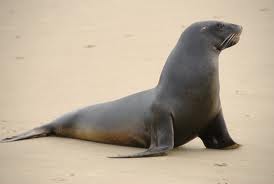
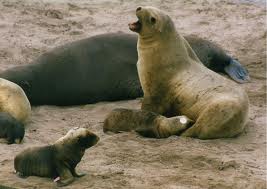
MEET THE NEW ZEALAND SEA LION!

new zealand sea lion   Range/Habitat: New Zealand-surrounding islands/ coasts, oceans

   Diet: Carnivore: fish, squid

   Length/Weight: 5 ¾-11 ft/ 200-1,000 lbs

   Conservation Status: vulnerable


Fun Facts:

  •          New Zealand Sea Lions are also known as the Hooker’s Sea Lion.
  •          They are the rarest sea lion on earth.
  •          New Zealand sea lions have blunt noses.
  •          Male New Zealand sea lions are dark and the females are light gray.
  •          They are pretty agile on land.
  •          New Zealand sea lions have external ears.

These regal looking sea lions are protected in their homeland and there are conservation efforts being made to make sure they will be around for a very long time!

new zealand sea lion2    new zealand sea lion3

Categories: adventure, Animals, Children, conservation, education, Environment, mammals, nature, science, wildlife | Tags: , , , , , , , , , | Leave a comment

ENDANGERED SPECIES- GUESS THE ANIMAL!

ENDANGERED SPECIES WEEK- GUESS THE ANIMAL

WHO AM I?

snow leopard

  • I live in the mountains in Asia.
  • I am able to jump 50 feet in one leap.
  • I am large cat.

WHO AM I?

Categories: adventure, Animals, Children, conservation, education, endangered species, Environment, mammals, nature, science, wildlife | Tags: , , , , , , , , , , | 10 Comments

ENDANGERED SPECIES WEEK- MANATEE BOOKMARK

Endangered Species Week- Craft Day

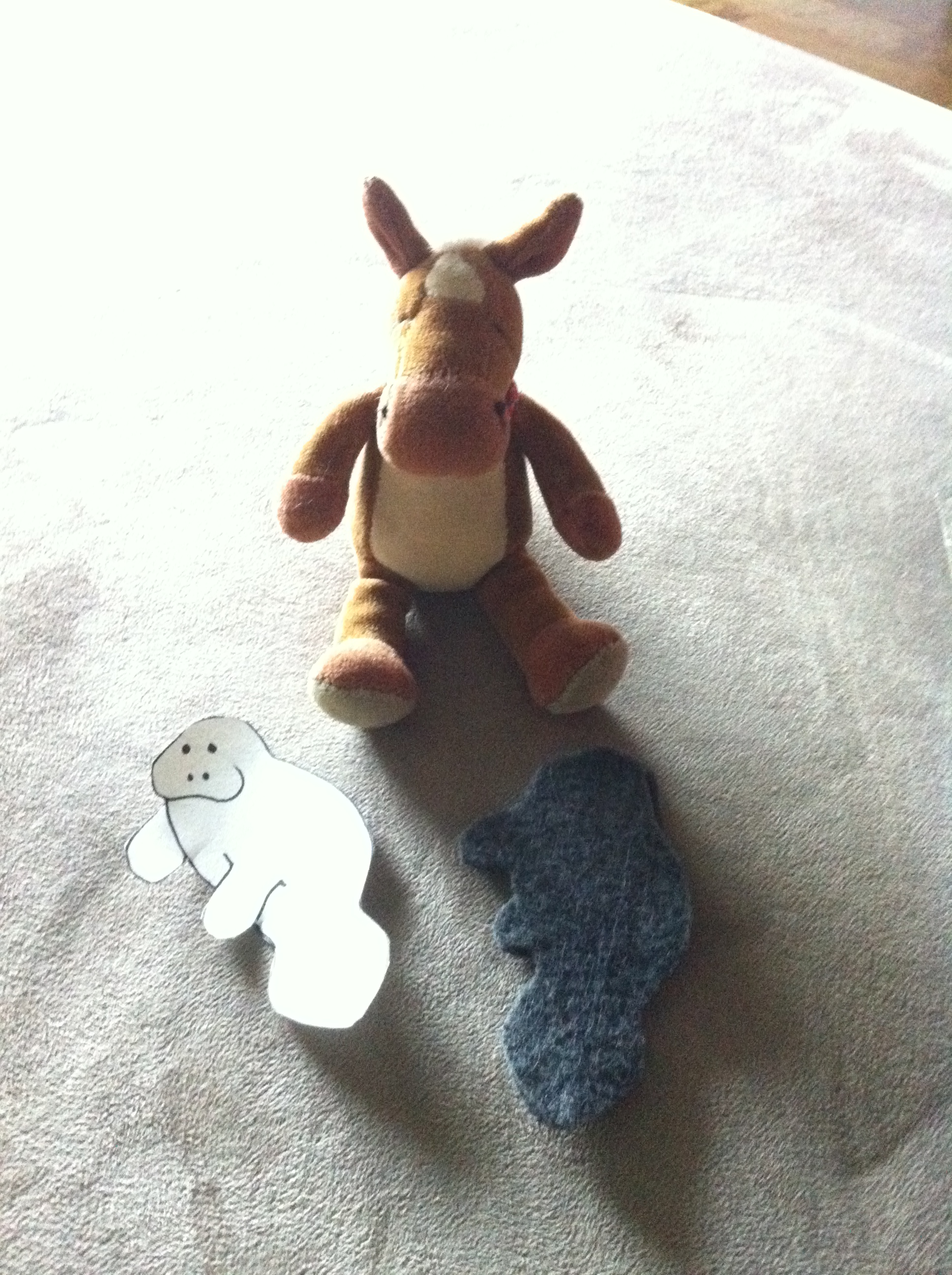
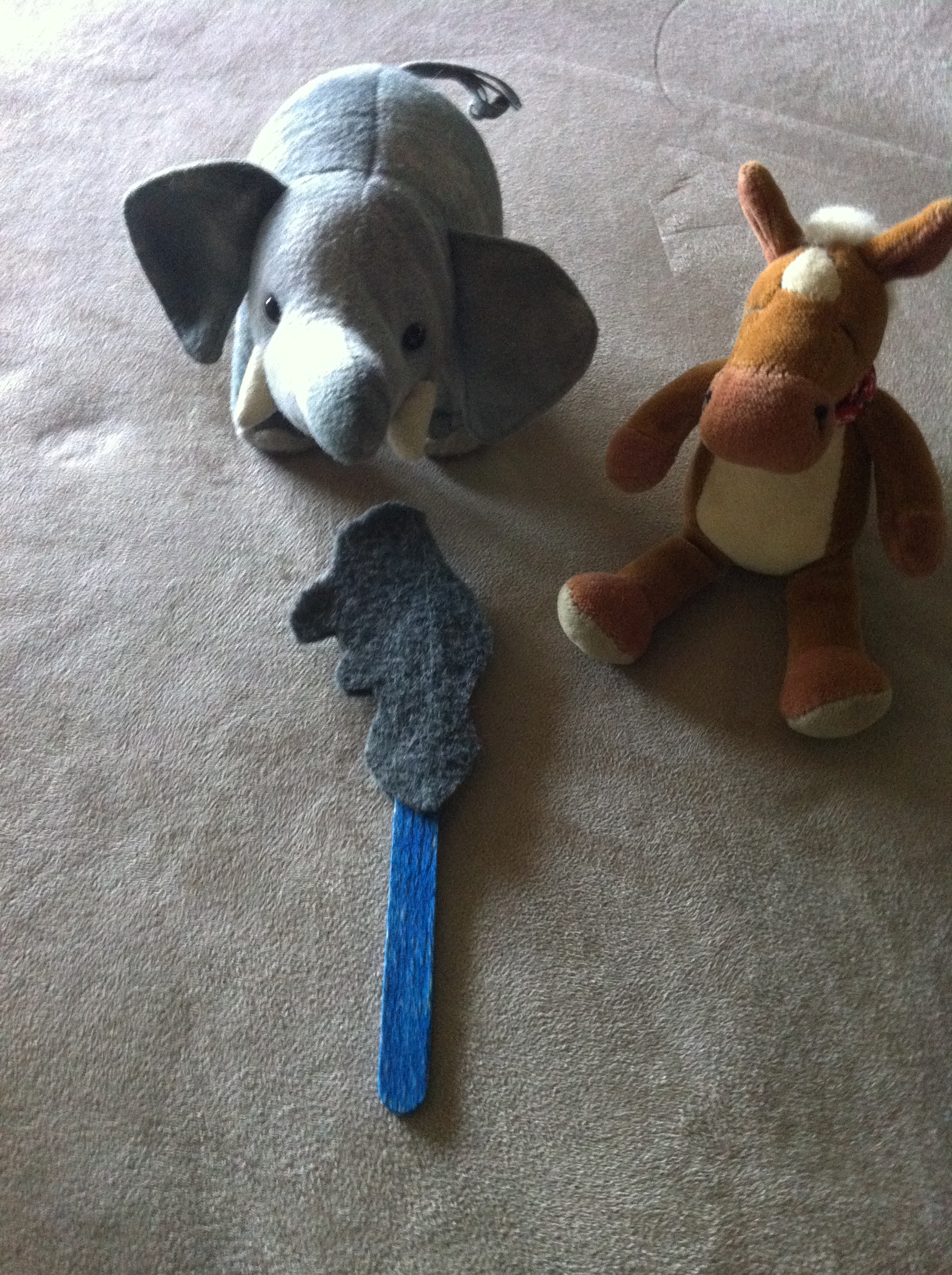
We’re making a manatee bookmark today. These amazing marine mammals are listed as vulnerable and there is much that we can do to help them; like making sure their ocean and river habitats are free of trash. Also making sure if you are boating in their habitat you go slow as not to hurt them. Lastly, help reduce the pollution that goes in our waterways, by using natural cleaning products. Let’s get started on this adorable bookmark that will remind you how neat manatees are!

manatee craft5


Materials:

  • A popsicle stick
  • Gray Felt
  • Hot glue (to be used by an adult)
  • Black marker and blue marker


Instructions:

  • Print pattern (below) and trace on the felt. You’ll need two manatees.
  • Cut out your manatees.

manatee craft4

  • Color your popsicle stick with the blue marker.

manatee craft1

  • Place one manatee down, then the popsicle stick, then the other manatee on top- glue this together.

manatee craft3

  • Add face details to your manatee.

manatee craft

Image

Categories: adventure, Animals, Children, conservation, crafts, education, endangered species, Environment, mammals, nature, wildlife | Tags: , , , , , , , , , | Leave a comment

ENDANGERED SPECIES WEEK!

ENDANGERED SPECIES WEEK

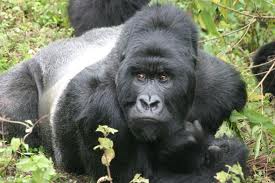
Our theme week this month is focusing on Endangered Species. We’ll spotlight 3 animals and giving you ways in which you can help. We’ll also have a guess the endangered animal post and a craft! We’re going to the mountainous rainforests of Africa to meet today’s endangered species. Grab your raincoats and let’s go meet this great ape.

e & e rainforest

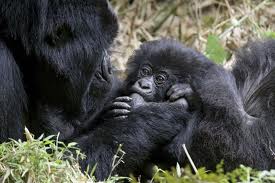
MEET THE MOUNTAIN GORILLA!

mountain gorilla   Range/Habitat: Central East Africa/ mountain rainforest

   Diet: Omnivore: leaves, shoots, fruit, insects

   Length/Weight: 4 ¼-6 /14 ft/ 150-460 lbs

   Conservation Status: critically endangered


Fun Facts:

  •          Mountain Gorillas live in high altitude volcanic mountains.
  •          They live in troops with one dominant male, females and their offspring.
  •          Mountain gorillas are generally very peaceful.
  •          Mountain gorillas make a nest every night.
  •          They have very thick fur to help keep them warm.
  •      Mature adult males are called silverbacks.

Mountain gorillas are such amazing creatures. They are gentle, social and intelligent. Habitat loss is just one reason these gorillas are endangered. The Dian Fossey Gorilla Fund helps these special apes, by tracking them and helping them in the wild. Check out their website. Another great way to help gorillas in the wild is by recycling your cell phone at your local zoo. Our zoo has a program as do many others. Remember everything little thing can help our endangered friends!

   mountain gorilla3

Categories: adventure, Animals, apes, Children, conservation, education, endangered species, Environment, nature, science, wildlife | Tags: , , , , , , , , , , | Leave a comment

MAMMAL MONDAY # 69

MAMMAL MONDAY # 69

We’re going to South America to meet a rodent today! Grab your night vision goggles, backpacks and let’s head out on today’s adventure to meet our mammal buddy!

e & e night rainforest

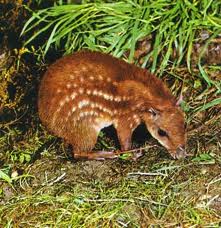
MEET THE PACA!

paca   Range/Habitat: South Mexico-East South America/rainforest, grasslands,

   mangroves

   Diet: Herbivore: flowers, fruits, buds

   Length/Weight: 23 ½-32”/13-26 lbs

   Conservation Status: common


Fun Facts:

  •          Pacas have short bodies and legs.
  •          They are solitary.
  •          Pacas are excellent swimmers.
  •          Pacas have 4 spotty stripes down their sides.
  •          They live in burrows or hollow trees.
  •          Pacas are nocturnal.

Pacas are cute little mammals. There are so many different species of larger rodents in South America. Do you have a favorite?

 paca2  paca3

Categories: adventure, Animals, Children, conservation, education, Environment, mammals, nature, science, wildlife | Tags: , , , , , , , , , | 1 Comment

SUPER SURPRISE THURSDAY # 68

SUPER SURPRISE THURSDAY #68

It’s time to check out the picture, read the clues and guess the animal! Post your answers in the comments below!

nake mole rat

  • I live in colonies.
  • Some say I am ugly.
  • I am a rodent.

WHO AM I?

Categories: adventure, Animals, Children, conservation, education, Environment, mammals, science, wildlife | Tags: , , , , , , , , , | 4 Comments

Blog at WordPress.com.