Posts Tagged With: mammals

MAMMAL MONDAY # 41

MAMMAL MONDAY # 41

We’re off to South Africa desert today to meet a very special member of the canid family! Be on the lookout for a pair of BIG ears! Ssssshhh… we don’t want to scare them!
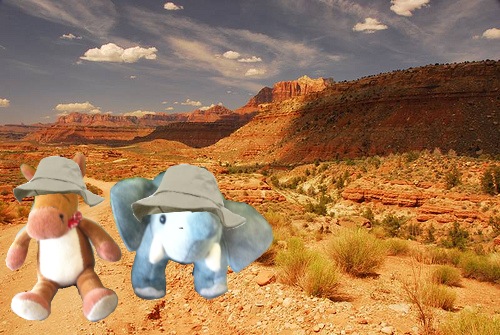
MEET THE BAT EARED FOX!

   Range/Habitat: Eastern-South Africa/ desert-scrub

   Diet: Omnivore: insects, termites, dung beetles

   Length/Weight: 18-26”/ 4 ½-10 lbs

   Conservation Status: common


Fun Facts:

  • Bat eared foxes have HUGE ears, over 5” long!
  • Bat eared foxes have more teeth than any other mammal, up to 48!
  • They are nocturnal (active at night).
  • Bat eared foxes locate their prey by sound.
  • They live in family groups of 2-5 individuals.
  • Bat eared foxes live in dens underground.

Aren’t these foxes so cute with their giant ears? And we thought only Ellie had big ears! Can you imagine being able to hear bugs? That is crazy!


Categories: africa, Animals, Children, education, Environment, mammals, nature, science, wildlife | Tags: , , , , , , , , | Leave a comment

MAMMAL MONDAY # 40

MAMMAL MONDAY # 40

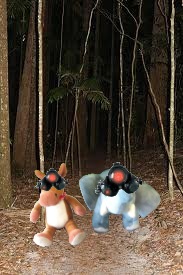
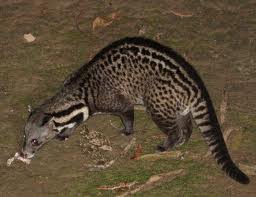
We’re taking a night hike in the Malaysian rainforest today to meet a very neat animal who looks like a cat, but isn’t! Are you ready for another great Ellie and Edmond adventure? Grab your night vision goggles and let’s go!

MEET THE MALAYAN CIVET!

   Range/Habitat: Southeast Asia/ rainforest

   Diet: Carnivores: millipedes, bugs, mice

   Length/Weight: 24-26”/ 7 ¾-10 lbs

   Conservation Status: common


Fun Facts:

  • Malayan civets are covered in dark spots and have a black and white “collar”.
  • Malayan civets have 15 bands on their long tails.
  • They are nocturnal and solitary.
  • Malayan civets are distantly related to cats and hyenas and mongooses.
  • They are mostly ground dwellers.

These cool little civets are so cute. They look like little bandits in the rainforests at night! What’s your favorite thing about them?


Categories: Animals, Children, education, Environment, mammals, nature, rainforests, science, wildlife | Tags: , , , , , , , | 2 Comments

AMERICAN ANIMALS DAY # 4

AMERICAN ANIMALS WEEK DAY # 4

We hope everyone had a lovely holiday yesterday and for those of you in other countries, we hope you had a nice WednesdayJ! We’re taking the RV to the California coast to meet a vocal and social mammal today! Grab your wetsuits because the water is cold!
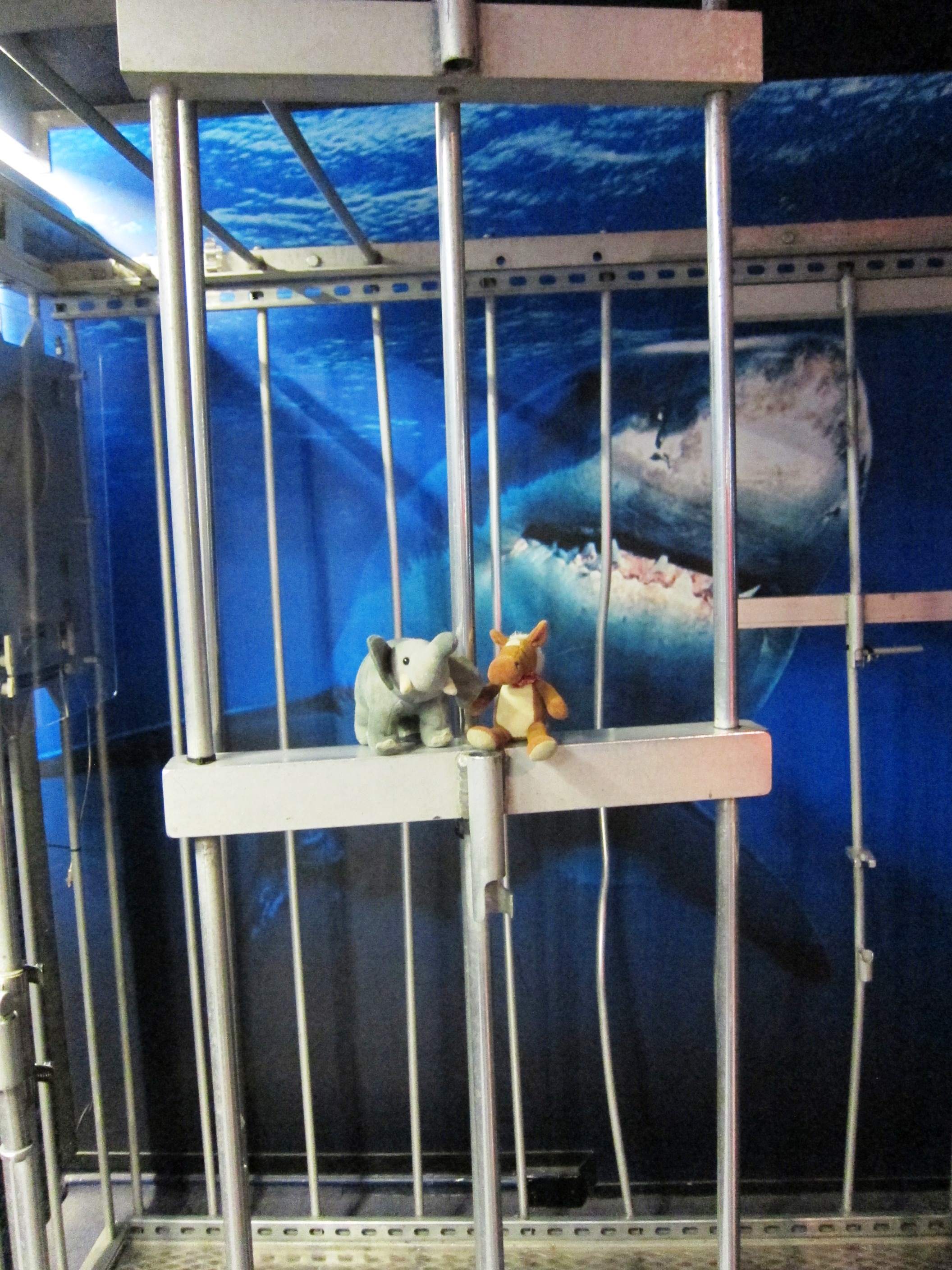
MEET THE CALIFORNIA SEA LION!

   Range/Habitat: Western US-Galapagos islands/ oceans-coastlines

   Diet: Carnivore: fish, squid

   Length/Weight: up to 7 ¾ ft/ 610-860 lbs

   Conservation Status: common


Fun Facts:

  • California Sea lions are large and have a thick layer of blubber.
  • They live in large groups with a dominate male and numerous females.
  • California sea lions are very social and very vocal.
  • They are faster than any other member of the seal or sea lion family and can swim up to 25 mph.
  • California sea lions can rotate their rear flippers.
  • California sea lions can stay under water for up to 10 minutes.
  • Male California sea lions are larger and dark brown, whereas the females and juveniles are tan.
  • They can live up to 30 years.

We just love California Sea lions! They are so full of personality and smarts! We even met a one who knew to stick out his tongue! Do you love sea lions too? Here’s a great video of some divers swimming with them!


Categories: american, Animals, Children, education, Environment, mammals, nature, oceans, science, wildlife | Tags: , , , , , , , , , | 2 Comments

AMERICAN ANIMALS WEEK!

AMERICAN ANIMALS WEEK

We’re celebrating all American animals this week in honor of July 4th! So we’ve packed up our RV and we’ll be driving all around our country looking for animals that are native to our home! We have room for everyone, so join us! Our first stop on this tour in the western plains to meet a very large mammal!

MEET THE AMERICAN BISON!

   Range/Habitat: Western-Northern United States/plains, mountains,

woodlands

   Diet: Herbivore: grasses, buds, shoots

   Length/Weight: 7-11ft/ 770-2000 lbs

   Conservation Status: common


Fun Facts:

  • American Bison are also known as the American Buffalo.
  • They are tall and can reach up to 6 ½ ft high at the shoulder.
  • American bison are very fast and can run up to 37 mph.
  • They have small short horns on their heads.
  • American bison have excellent hearing and sight.
  • American bison migrate to find food.
  • Female American bison live with maternal family groups with a dominate female in charge.
  • Male American bison live in bachelor groups.

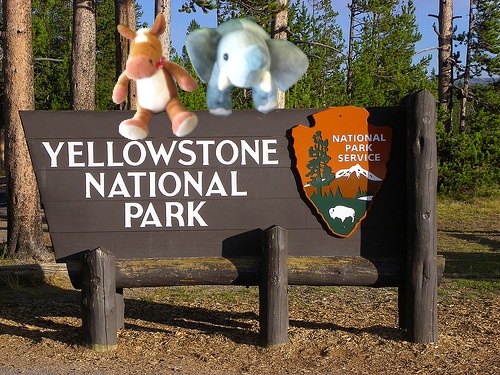
These majestic bison almost went extinct in this country. Efforts were made to save them and they now roam the American West, but there are only two truly wild herds left in Yellowstone National Park and Wood Buffalo Park in Canada. We are so glad that they’re still around! Buffalo are just too cute to miss :)!

Categories: american, Animals, Children, education, Environment, mammals, science, wildlife | Tags: , , , , , , , , | Leave a comment

MAMMAL MONDAY # 39

MAMMAL MONDAY # 39

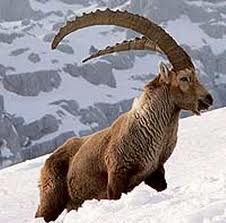
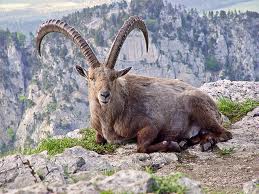
Grab your down coats and mountain climbing gear because we’re going a hike in the Alpine Mountains to meet a member of the goat family! So let’s go on another fabulous adventure!

MEET THE ALPINE IBEX!

   Range/Habitat: Europe-Alps/ mountains

   Diet: Herbivore: grasses, buds, shoots

   Length/Weight: 4- 5 ½ ft/ 77-130 lbs

   Conservation Status:


Fun Facts:

  • Alpine Ibex live in high attitude habitats, up to 20,000 ft.
  • They are members of the goat family.
  • They have wooly beards.
  • Alpine Ibex have large horns on their heads. Males can have horns up to 4 ½ ft and females have smaller ones.
  • Female Alpine females have tan coats and males have rich brown coats with patches.
  • Female Alpine females live in herds. The females and offspring live in groups, while the males live in male only herds.
  • Alpine ibex males compete for females with head tosses and fights.

These amazing goats live in such a spectacular habitat! Can you imagine what it’s like to walk around with those big horns on your head? Now, who’s ready for some apple cider to warm up?


Categories: Animals, Children, education, Environment, mammals, nature, science, wildlife | Tags: , , , , , , , | 2 Comments

MAMMAL MONDAY # 38

MAMMAL MONDAY # 38

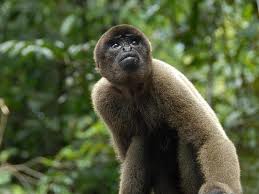
We’re back to our regular programming today after celebrating some great animal dads last week! Today we’re heading to the rainforests of South America to meet one adorable and wooly monkey! Grab your climbing gear because we’re going up!

MEET THE GRAY WOOLY MONKEY!

   Range/Habitat: Central-South America/ rainforest

   Diet: Omnivore: fruit, seeds, flowers, small animals

   Length/Weight: 20-26”/ 8 ¾-22 lbs

   Conservation Status: vulnerable

Fun Facts:

  • Gray Wooly Monkeys are arboreal (they live in the trees).
  • They have thick, soft and curly fur.
  • Gray wooly monkeys have a prehensile tail (they can hang from it). The tail has a bald spot on near the end for better gripping.
  • They live in large troops with a dominant male and lower females and males.
  • Gray wooly monkeys have stocky bodies with strong shoulders and hips. These adaptations are for a life in the trees.
  • They are known to have a gentle nature.

Gray wooly monkeys sure are cute! Don’t you just want to hug one? We sure do, but we won’t because these monkeys are best left in their rainforest home as wild monkeys! Remember though that their home is disappearing, so it’s important that we all work to make sure it is safe!

Categories: Animals, Children, education, Environment, mammals, nature, rainforests, science, wildlife | Tags: , , , , , , , , | Leave a comment

DAD’S WEEK!!

DAD’S WEEK!

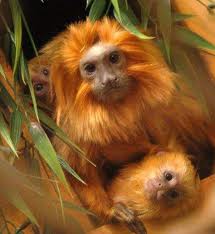
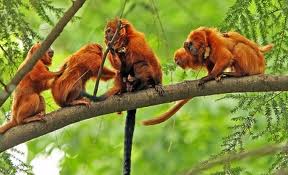
We’re celebrating great animal dads this week in honor of Father’s Day! We bet you thought that animal moms did all the work, but we’ve found some most fabulous dads too! Today we are off to the rainforests of Brazil to meet a tiny little mammal who lives in the trees! These primate dads sure are cute! We’re gearing up to zipline through the rainforest canopy! You ready?

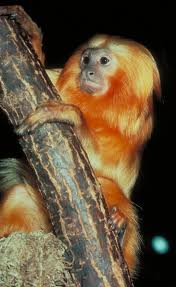
MEET THE GOLDEN LION TAMARIN!

   Range/Habitat: Eastern South America-Brazil/ rainforest

   Diet: Omnivore: fruit, grubs, insects

   Length/Weight: 8-10”/ 14-29 oz

  Conservation Status: critically endangered


Fun Facts:

  • Golden Lion Tamarins have beautiful golden coats and fluffy manes around their faces.
  • They are diurnal (active during the day) and arboreal (live in the trees).
  • Golden Lion Tamarins live in small family groups led by a female-male breeding pair.
  • Mother Golden lion tamarins give birth to 1 or 2 offspring.
  • Father Golden lion tamarins take care of the babies and carry them on their backs. They give them to their mom when it’s time for feeding.

Father Golden Lion Tamarins are excellent dads! They not only carry the babies around on their backs, but they help raise them! Whew, that’s a good thing for mom, because if she gives birth to twins, she has twice the amount of work to do! Way to go dad! These tamarins are critically endangered, but zoos across the country are working very hard to save them. Read about their program here.


Categories: Animals, Children, education, Environment, mammals, nature, rainforests, science, wildlife | Tags: , , , , , , , | 2 Comments

WORLD OCEANS DAY!!

HAPPY WORLD’S OCEANS DAY!!

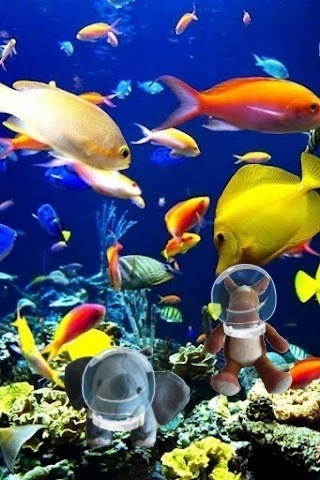
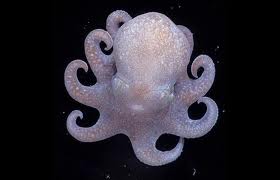
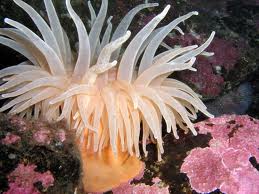
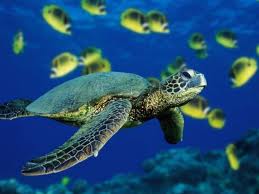
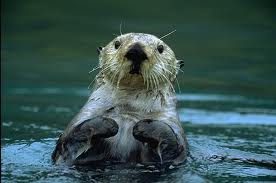
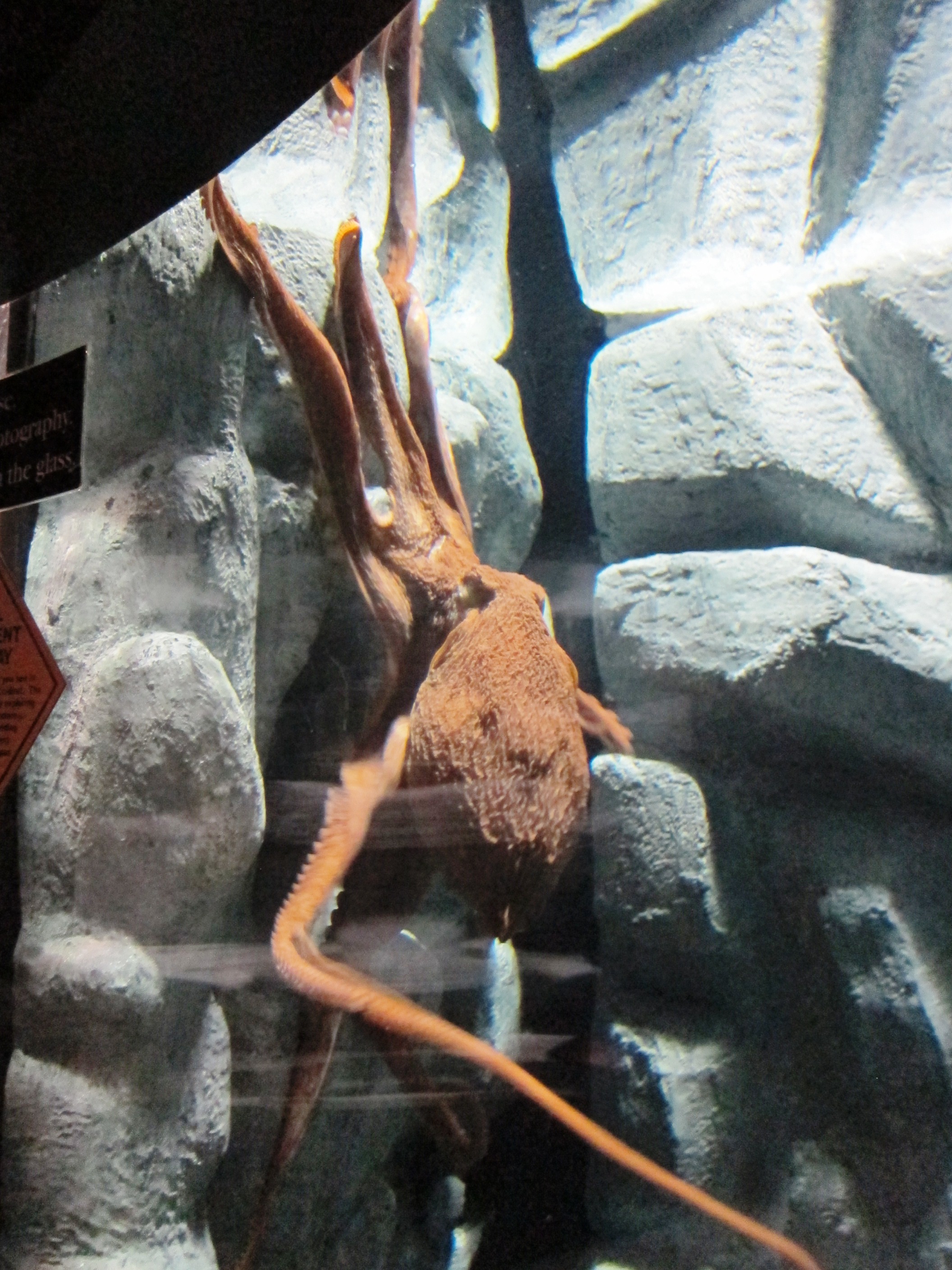
We’re celebrating the world’s oceans and their inhabitants today! The oceans of the world are magnificent in many ways! We land dwelling creatures have a hard time wrapping our heads around the oceans’ size and depth! Today we’re going to celebrate this watery habitat by sharing some fun facts and photos! We’ll also be sharing ways for you to help keep our oceans clean and healthy! And please share with us what you love about the ocean and its animals!

  • It’s estimated that 50-80% of life on earth live in the ocean.
  • The oceans have 99% of living space on the planet!
  • Humans have only explored 5-10% of the world’s oceans.
  • The oceans cover 71% of the earth’s surface!
  • The deepest point in the ocean is the Marianas Trench in the Pacific Ocean!
  • The Great Barrier Reef is the largest living structure on earth!
  • The oceans absorb CO2 to help keep our air clean.
  • The ocean absorbs heat from the atmosphere and distributes that warmth around the planet!

Wow! The ocean is sooo large and strange! Can you believe humans have only explored 10% of them? We have so much to learn! Let’s check out some photos of the some of the wild and wonderful creatures that call the ocean their home!


It is vital that we keep the world’s oceans clean and healthy not just for the animals that call it home, but for the land dwelling animals too! Want to know some easy ways to help? Well, we have those for you right here!

  • Pick up your trash! Trash can float into the ocean and it is often mistaken for food by many animals!
  • Pick up your pet’s waste. Poop is not good for anyone J!
  • Participate in a local beach or river clean-up! Remember that all rivers eventually make their ways to the oceans and so can the trash in them.
  • Use cloth or reusable bags when shopping. Plastic bags are a big killer of ocean life. Sea turtles especially mistake them for their favorite food- jellies.
  •  Eat Sustainable Seafood. We are eating many species in to extinction. Check out Monterey Bay Aquarium’s Seafood Watch Program! They even have a smart phone app that helps you pick out the best seafood to eat!
  • When you fish, make sure you throw away extra line and hooks. The hooks can become embedded in all kinds of creatures and the line can be swallowed or wrap around an animal.
  • Cut up your soda six pack rings.
  • RECYCLE!
  • Join an organization that works to protect the world’s oceans, like the Ocean Conservancy!
  • Visit your local aquarium and learn about some amazing animals! Also learn what your aquarium is doing for conservation! 
Categories: Animals, Children, education, Environment, fish, mammals, nature, oceans, octopus, penguins, science, turtles, wildlife, Worlds Oceans Day | Tags: , , , , , , , , , , | 5 Comments

MAMMAL MONDAY # 37

MAMMAL MONDAY # 37

We’ve found a cute teeny tiny little mammal from North America for Mammal Monday! Ssssshh… be very quiet and step lightly. Grab your night vision goggles because we’re going on a night hike!

MEET THE WHITE FOOTED MOUSE!

   Range/Habitat: Southeast Canada-Mexico/forests, grasslands

   Diet: Omnivore: fruit, berries, seeds, insects

   Length/Weight: 3 ½-4 ½ “/ ½-1 oz

   Conservation Status: common

Fun Facts:

  • White footed mice have white feet and long tails.
  • They are nocturnal (active at night).
  • White footed mice live in pairs or alone.
  • White footed mice live in dens under rocks or near tree roots.
  • They are excellent climbers and swimmers.
  • White footed mice drum their feet when they are alarmed.

Aren’t these little mammals just the cutest? There are so many members of the rodent family and each one has their own niche in the habitat. Cool, huh?


Categories: Animals, Children, education, Environment, mammals, nature, science, wildlife | Tags: , , , , , , , | 2 Comments

MAMMAL MONDAY # 36

MAMMAL MONDAY # 36

Happy Memorial Day! We’re not taking a vacation today, so that another mammal can enjoy the spotlight! Today we’re putting on our diving suits and taking a dip in the cold waters of the subarctic to meet this swimming mammal! Are you ready? Let’s do this!

MEET THE HARBOR PORPOISE!

   Range/Habitat: North Atlantic-North Pacific Ocean/ coasts, rivers

   Diet: Carnivores: fish, herring, capelin

   Length/Weight: 4 ½-6 ½ ft/ 110-200 lbs

   Conservation Status: vulnerable


Fun Facts:

  • The Harbor Porpoise is also called the common porpoise.
  • They prefer temperate and subarctic waters.
  • They generally shy and elusive.
  • Harbor porpoises tend to feed on the bottom.
  • They use echolocation to help them find their prey.
  • Harbor porpoises are black on top and white on the underside.
  • Harbor porpoises have been known to travel into fresh water rivers.


These shy porpoises are wonderful! Scientists don’t know much about these porpoises because of their shy nature. Ocean dwelling animals are very hard to study since humans don’t have gills :)!


Categories: Animals, Children, education, Environment, mammals, nature, oceans, science, wildlife | Tags: , , , , , , , | Leave a comment

Blog at WordPress.com.