Posts Tagged With: mammals

WORLD WHALE DAY!

WORLD WHALE DAY!

whales1

We love the Northern Right Whale! They are state marine mammal of Georgia! They come to our coasts in the winter to have their calves!

We’re having a cetacean celebration today! Woohoo for World Whale Day! We’ll be sharing fun facts and a narwhal coloring sheet! Let’s get this party started!

  • Whales are marine mammals! They live in every ocean on the planet!
  • Being a mammal- whales should have hair, but they don’t! Well, they do have small hairs on their face when they are born and then the hair falls out!
  • The largest animal on earth is a blue whale! Their heart is the size of a VW beetle!

blue whale

  • Sperm whales can dive up to 1 miles below the surface.
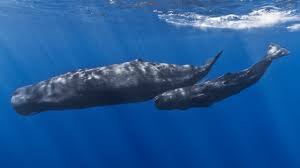
sperm whale

  • Whales are divided in to two groups; toothed whales and baleen whales. Toothed whales have teeth to eat their prey. Baleen whales have long fibers in their mouth to eat plankton.
  • Male narwhals have an elongated tooth that sticks out of their head! They are called the unicorns of the sea!
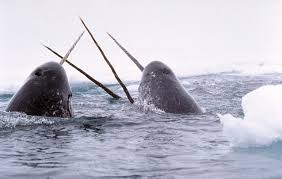
narwhals

  • Bowhead whales are thought to live up to 200 years.

bowhead whale

  • Male humpback whales sing! They sing long and complex songs that can be heard up to 20 miles away.

IMG_0846

  • Killer whales are not actually whales; they are the largest member of the dolphin family!
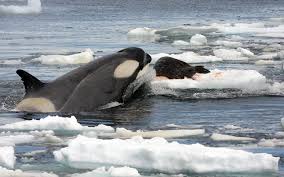
killer whale

  • Gray whales are known to migrate 10,000-12,000 miles a year! They head to cold water to eat and then down to warmer waters to breed and give birth to their calves.

gray whales

Woohoo! We hope you enjoyed our whale facts! We love all 30 species of these giants of the ocean! We have a narwhal coloring sheet for you to enjoy! Share your final coloring sheet with us!

narwhal


Categories: adventure, Animals, Children, conservation, education, Environment, mammals, nature, oceans, science, wildlife | Tags: , , , , , , , , , , | 1 Comment

A BARREL OF MONKEYS!

A Barrel of Monkeys!

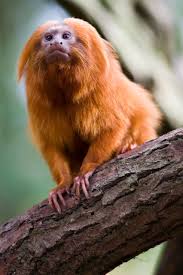
glt

Ok, we don’t have an actual barrel of monkeys, but we have some marvelous monkey facts to share with you! We sure have enjoyed the Year of the Monkey!

  • Monkeys are classified into New World and Old World monkeys. New World monkeys live Central and South America. Old world monkeys live in Africa and Asia.
  • Monkeys vary in size and appearance. They are mostly arboreal, but some monkeys like baboons are terrestrial.
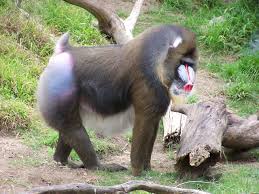
  • The smallest monkey in the world is the pygmy marmoset; they are around 6 inches long. The largest species is the mandrill; they weigh up to 120 lbs.

pygmy marmosetmandrill

  • Only new world (and not all of them) have prehensile tails.
  • Japanese macaques live in most northern habitat of any monkey. These snow monkeys live in the mountains of Japan.

snow monkey

  • Monkeys have hands and feet that are built for gripping. They have opposable thumbs to help them grasp.
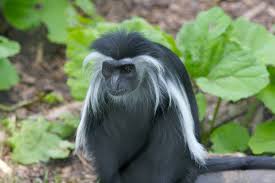
  • Colobus monkeys do not have opposable thumbs.

colobus monkey

  • Monkeys are social animals. They live in troops or small family groups.
  • Monkeys use a variety of communication. They use facial expressions, vocalizations and body language.
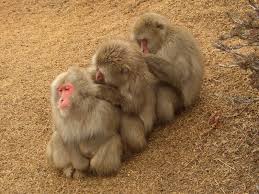
  • They groom each other not only to keep their fur free of parasites, but as a bonding exercise.

monkeys grooming

Monkeys are amazing mammals. There are 260 species of monkeys in the world. They have some characteristics in common, but vary in habitats, diets and appearance. We love these primates!

Categories: adventure, Animals, Children, conservation, education, Environment, mammals, nature, science, Uncategorized, wildlife | Tags: , , , , , , , , , , | 2 Comments

The Monkey Emperor!

The Monkey Emperor!

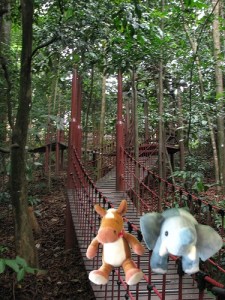
e & e rainforest2

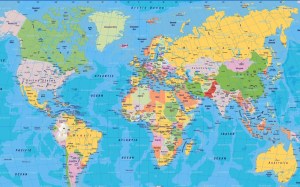
We love to monkey around don’t you! Yesterday we met a monkey from Asia, today we’re heading all the way to South America to meet a very small monkey with great facial hair!

emperor tamarin

  • The Emperor Tamarin lives in South American in rainforest habitats. They live in the canopy of the trees.

IMG_1410

  • Emperor tamarins are 9-10 inches and long and weigh around 1 lb. Their tails can grow as long as 16 inches.
  • Those long tails are not prehensile, but they do help with balance while the emperor tamarins go through the tree tops.
  • Emperor tamarins are listed as Least Concern by the IUCN.
  • These omnivores eat fruit, flowers, insects and small animals.
  • Emperor tamarins spend about 20% of their day foraging for food.
  • They are known to do this with troops of other tamarin species.
  • Female emperor tamarins often give birth to two twins. They can be very labor intensive to raise.

IMG_0007(1)

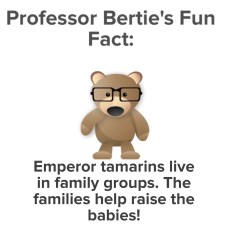
  • Emperor tamarins are very vocal. They use many different sounds to communicate with each other. They have warning calls for predators. They have a warning call for air predators and a different one for ground predators.

emperor tamarin2  emperpor tamarin


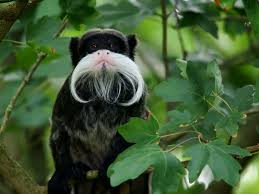
Emperor tamarins are one of our favorites! They are very gregarious primates! And that facial hair makes them so regal looking!

Categories: adventure, Animals, Children, conservation, education, Environment, mammals, nature, science, wildlife | Tags: , , , , , , , , , , | 5 Comments

YEAR OF THE MONKEY!

YEAR OF THE MONKEY!

e & e rainforest2

We’re celebrating Chinese New Year and it’s the Year of the Monkey! So we’re going around the world to meet some monkeys! Today we’re off to Asia. There are Old World monkeys, that live in Africa and Asia and New World monkeys, which live in South and Central America.

h langur - Copy


Fun Facts:

  •          Hanuman langurs live in South Asia in forests, mountains and suburban habitats.
  •          They are herbivores! They eat fruits, buds and shoots.
  •          Hanuman langurs can grow up to 31″ long and weight anywhere from 23 lbs to 44 lbs/
  •          They are the most widespread of all langur species in South Asia.
  •          Hanuman langurs are also called Gray Langurs.
  •          Hanuman langurs color varies by their habitat.
  •          They are diurnal.
  •          Male Hanuman langurs are larger than females.
  •          Hanuman langurs live in troops led by one or two males.

Hanuman langurs are fascinating monkeys. They often live near humans. Can you imagine considered being sacred? We think all animals are considered sacred 🙂 !

h langur3h langur2

Categories: adventure, Animals, Children, conservation, education, Environment, mammals, nature, science, wildlife | Tags: , , , , , , , , , | 1 Comment

THREE CHEERS FOR HEDGIES!

THREE CHEERS FOR HEDGIES!

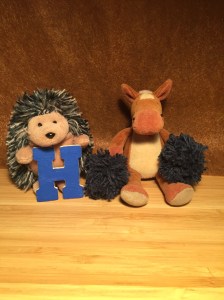
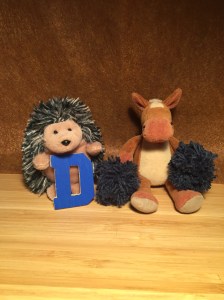
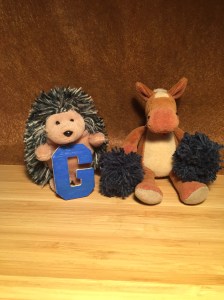
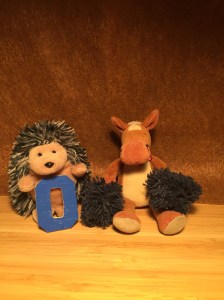
Edmond grabbed his pom poms and a University of Ellie and Edmond student- Henrieta,  to do a cheer for Hedgehogs!

GIVE US AN H! H is Hedge! Hedgehogs root around hedges for food.

                GIVE US AN H!
H is Hedge! Hedgehogs root around hedges for food.


GIVE US AN E! E is for Eats! Hedgehogs eat insects!

             GIVE US AN E!
E is for Eats! Hedgehogs eat insects!


GIVE US A D! D is for Danger! Hedgehogs roll up in a ball when they are in danger!

                GIVE US A D!
D is for Danger! Hedgehogs roll up in a ball when they are in danger!


GIVE US A G! G is for Groundhog! Europeans used hedgehogs for weather predictions, but there were none in North America, so they used the groundhog.

                 GIVE US A G!
G is for Groundhog! Europeans used hedgehogs for weather predictions, but there were none in North America, so they used the groundhog.


GIVE US AN E! E is for Eats! Hedgies are immune to adder venom and we known to occasionally eat them.

              GIVE US AN E!
E is for Eats! Hedgies are immune to adder venom and we known to occasionally eat them.


GIVE US AN H! H is for Hog! We get our name from rooting around hedges and making grunting sounds like a hog.

               GIVE US AN H!
H is for Hog! We get our name from rooting around hedges and making grunting sounds like a hog.


GIVE US AN O! O is for One! Hedgehogs are one of the three animals that hibernate in the UK!

               GIVE US AN O!
O is for One! Hedgehogs are one of the three animals that hibernate in the UK!


GIVE US A G! G is for Ground! We live in shallow burrows in the ground or nest under logs and bushes.

               GIVE US A G!
G is for Ground! We live in shallow burrows in the ground or nest under logs and bushes.


WOOHOO! WHAT DOES THAT SPELL? HEDGEHOG!! WE LOVE HEDGEHOGS!!

Categories: adventure, Animals, Children, conservation, education, Environment, mammals, nature, science, wildlife | Tags: , , , , , , , , , | 2 Comments

GROUNDHOG DAY!!

GROUNDHOG DAY!!

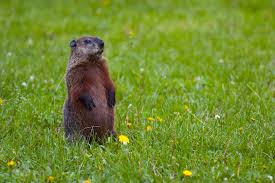
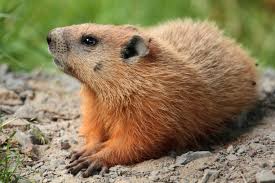
How much wood does a woodchuck chuck? Let’s find out today! It’s Groundhog day in the United States and we’re celebrating these famous animals today! Come learn about these plump critters and all since how much wood does a woodchuck chuck!

groundhog2

  • Groundhogs are also known as the woodchuck or mouse bear.
  • Groundhogs are around 20″ long and weigh up to 20 lbs.
  • Groundhogs live in North America in woodland and grassland habitats.

FullSizeRender(23)

  • They are herbivore and eat seeds, fruits, grasses and the occasional insect.
  • Groundhogs are rodents and are the largest member of the ground squirrel or marmot family.
  • They are excellent at climbing and swimming.
  • Groundhogs dig burrow in the ground. Their burrows average 6 feet deep.
  • They gorge all summer on food to fatten up!
  • Groundhogs are one the true hibernators of the animal kingdom. Their body temperature can drop from 99 degrees to 37 and their hear beat goes from 80 to 5 beats per minute.

IMG_6637

  • They are known to whistle when threatened and during the beginning of mating season.

Groundhog day is always the 2nd day of February! The tradition says if the groundhog sees its shadow then winter will last for 6 more weeks. If the groundhog doesn’t see their shadow, spring will arrive early! Groundhog has been around since the 1880s. There are many famous groundhogs in the U.S., including the most the famous Punxsutawney Phil.

groundhog3 groundhog


Categories: adventure, Animals, Children, conservation, education, Environment, mammals, nature, science, wildlife | Tags: , , , , , , , , , | 2 Comments

SCIENCE WORD OF THE WEEK!

SCIENCE WORD OF THE WEEK!

swow burrow

Hello class! Who’s ready for today’s lesson? I picked a word to go with Groundhog Day tomorrow!

So let’s get to it! Today’s word: Burrow- a hole or tunnel dug by an animal. A burrow serves as a shelter for either the animal who dug it or for an animal that may share that burrow with other animals.

Animals who live in burrows include rabbits, meerkats, gopher tortoises, prairie dogs, wombats and groundhogs!

Categories: adventure, Animals, Children, conservation, education, Environment, nature, science, vocabulary, wildlife | Tags: , , , , , , , , , , | 3 Comments

GET SQUIRRELY!

GET SQUIRRELY!

Happy Squirrel Appreciation Day! Let’s celebrate the gregarious and precocious little critters today!

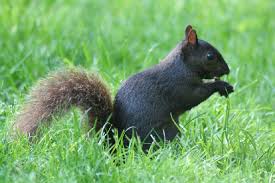
squirrel5

  • There are more than 200 species of squirrel in the world.
  • Squirrels live on every continent except Australia and Antarctica. Wow Australia has all those crazy animals and no squirrels!
  • Squirrels are rodents.

squirrel

  • The African Pygmy Squirrel is the smallest species of squirrel. They are 5 inches long.
  • The Indian Ground Squirrel is the largest at 3 feet long!

squirrel8

  • There are tree squirrels, ground squirrels and flying squirrels.
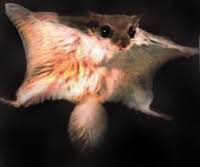
  • Flying squirrels do not actually fly, but glide using a flap of skin on each side.

squirrel9

  • Some squirrels can run as fast as 20 mph.
  • A squirrel’s teeth grow throughout their lifetime.
  • Squirrels are omnivores. They eat bugs, eggs, nuts, seeds and fruit.

squirrel7

  • Squirrels that bury their food for winter, find it by rubbing their scent on it first. They use their keen noses to find it later.
  • When a squirrel forgets part of the winter cache, those seeds can turn into trees. Squirrels are responsible for the growth of many trees!
  • The average squirrel eats about a pound of food a week!

squirrel3squirrel2


Come make a great squirrel to top your pencils or pens!

Categories: adventure, Animals, Children, conservation, education, Environment, mammals, nature, science, wildlife | Tags: , , , , , , , , , | 4 Comments

AMAZING FEET!

AMAZING FEET!

We looked all over the animal world and found some other amazing mammal feet! These feet have some great adaptations! Let’s learn more about feet!

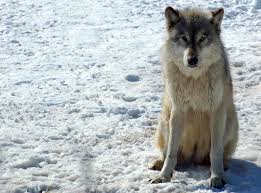
Gray wolves have blood vessels in their paws that act as heating pads keeping their feet warm in cold weather.

Gray wolves have blood vessels in their paws that act as heating pads keeping their feet warm in cold weather. Guess grandma grey wolf doesn’t knit mittens! Haha- no thumbs anyway!

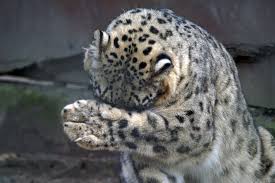
Snow leopard feet are wide and act like snow shoes in their snowy habitat.

Snow leopard feet are wide and act like snow shoes in their snowy habitat. No need to shop at REI for these guys.


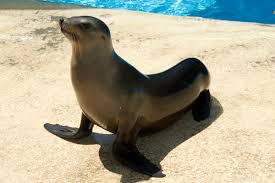
Sea lion "feet" are called flippers. These flippers have 5 digits and are made to swim! Good thing for these marine mammals.

Sea lion “feet” are called flippers. These flippers have 5 digits and are made to swim! Good thing for these marine mammals.


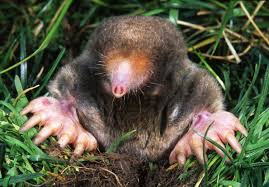
Moles have sideways feet! Their feet are built for digging. A great adaptation for an animal that lives underground.

Moles have sideways feet! Their feet are built for digging. A great adaptation for an animal that lives underground. We wonder if we could hire them out?

Polar bear paws are covered in fur, even on the bottom. This helps these large carnivores keep a good grip on the ice and keep those toes warm!

Polar bear paws are covered in fur, even on the bottom. This helps these large carnivores keep a good grip on the ice and keep those toes warm!


Bear paws are large and have claws that extend two inches from the paw. Bears walk from heal to toe, just like humans!

Bear paws are large and have claws that extend two inches from the paw. Bears walk from heal to toe, just like humans!


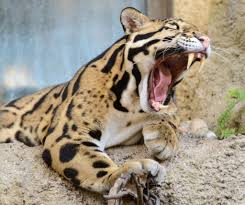
Speaking of hanging upside down, clouded leopards use their incredible feet not just to climb, but those back paws and claws are strong enough to grip a branch while the cat hangs upside down.

Speaking of hanging upside down, clouded leopards use their incredible feet not just to climb, but those back paws and claws are strong enough to grip a branch while the cat hangs upside down. Um, not sure you want to see that in the jungle!

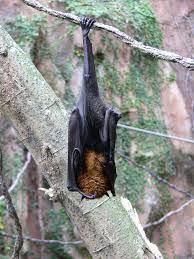
A bat's back feet are super grippers! These feet can hold a bat upside down while they sleep! They have a special tendon that does not require any energy to keep this grip! Bat feet might just be the coolest!

A bat’s back feet are super grippers! These feet can hold a bat upside down while they sleep! They have a special tendon that does not require any energy to keep this grip! Bat feet might just be the coolest!


Wowzers! These are some amazing feet! We love all the incredible foot adaptations! We wonder what the world of reptile and amphibian feet will bring us tomorrow!

Categories: adventure, Animals, Children, conservation, education, Environment, nature, science, wildlife | Tags: , , , , , , , , , | 2 Comments

National Bird Day!

National Bird Day!

e e birds

Professor Baxter is super excited to talk about birds today! He’s going to give you some bird basics, some fun facts and share a great coloring sheet with you!

IMG_6285

Now that you know some of the bird basics; here are some more fun bird facts!

bird6

  • There are 9865 species of birds in the world! Wow! There sure are a bunch of us!
  • There are around 30 families that these 9865 species are divided in to.
  • The first bird live during the Jurassic period, 150 million years ago.
  • It is widely believed that birds are related to a group of dinosaurs known as theropods.
  • Feathers are made of keratin, the same protein that makes up human hair and nails.

bird

  • That same protein makes up our bill or beak! We birds have no teeth!
  • Not all of us can fly, including my penguin and ostrich friends!
  • Bird lungs take up about 1/5 of their body! We must use air efficiently in order to fly!
  • Most bird knees are hidden under our feathers. You see our ankles!
  • Birds live on every continent in the world! There is no escaping us!
bird5bird3


Well I sure have enjoyed sharing some fun stuff about myself and the other birds in the world! Tomorrow we’ll be taking about bird feet! Some feet are made for swimming, some are made for perching and some (like mine) are made for dancing!

Enjoy this coloring sheet of me!

Image

Categories: adventure, Animals, birds, Children, conservation, education, Environment, nature, science, wildlife | Tags: , , , , , , , , , , | 2 Comments

Blog at WordPress.com.