Posts Tagged With: mammals

WORLD ELEPHANT DAY!!

WORLD ELEPHANT DAY!!

IMG_3479

World Elephant Day is here again! We have some great fun facts, photos and resources on how you can help elephants! Tomorrow we’ll learn who the We Spy was and more about the elephants closest relative in a brand new We Are Fanimaly!

IMG_3517

ELEPHANT FUN FACTS:

  • There are two species of elephants- Asian and African (Ellie).
  • Only male Asian elephants have tusks.
  • Both female and male African have tusks.
  • Tusks are modified teeth that are made of ivory.
  • All elephants are herbivores.
  • Elephants are the largest land animal on earth.
  • Elephants walk on their tip toes.
  • African elephants can walk up to 50 miles a day.
  • Elephants live in family groups that are made up of females, their female relatives and their offspring. The group is led by the oldest female.
  • Adult male elephants live a solitary live.
  • Elephants use their ears to cool off.

IMG_3476   IMG_3460


On this World Elephant Day we must remember that 96 elephants are killed everyday for their ivory! We can take a stand! Join us and others at 96elephants.org- the Wildlife Conservation Society’s page dedicated to helping elephants! Lend your voice! Make a video of you stomping for elephants– like ours!

Categories: adventure, Animals, Children, conservation, education, elephants, endangered species, Environment, nature, science, wildlife | Tags: , , , , , , , , , , | Leave a comment

WORLD LION DAY!

WORLD LION DAY!

Happy World Lion Day! We love these big cats and we’re not lion :)! Hahaha!

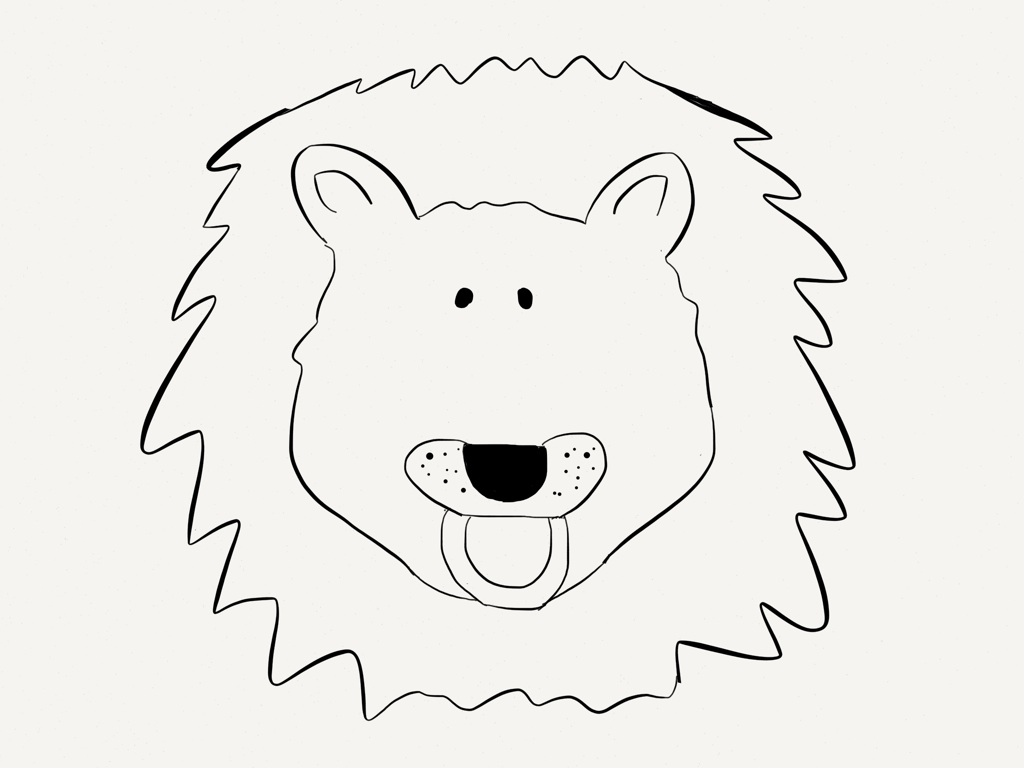
lion

We’re celebrating these gorgeous social cats with a coloring sheet and some fun facts!

LION FUN FACTS:

  • Lions are the only big cat that live in social groups. Those groups are called prides.
  • A pride usually consists of one dominate male (and maybe some siblings of that male) and a group females and their offspring.
  • Lions live in sub-Saharan Africa.
  • Female lions are the primary hunters in a pride. They are smaller and faster than their male counterparts. Lions also hunt in groups usually.
  • Males can weigh up to 550 lbs.
  • Lions are carnivores.
  • Lions are crepuscular- active at dawn and dusk.
  • They can sleep up to 20 hours a day.
  • Tigers are the closest relative to the lion.
  • A male lion’s roar can be heard up to 5 miles away.
  • Lions scratch and urinate on objects to mark their territory.
  • Lions are listed as vulnerable by the IUCN.  We can help the wild lions of Africa. Have a house cat? Load their picture here and donate to $5 to High 5 Give 5 for Big Cats at National Geographic. We had Big Moe the cat at Ellie and Edmond HQs give $5 every  month!IMG_7016

lion coloring sheet

Categories: adventure, Animals, Children, conservation, education, Environment, nature, science, wildlife | Tags: , , , , , , , , , | 2 Comments

WE SPY!!

WE SPY!

FullSizeRender

We Spy with our four little eyes this resident of Lake Salamander! Can you guess who this animal that sounds like a banjo is?

Categories: adventure, Animals, Children, conservation, education, Environment, nature, science, wildlife | Tags: , , , , , , , , , | Leave a comment

WORLD GIRAFFE DAY!!

WORLD GIRAFFE DAY!!

 giraffe2

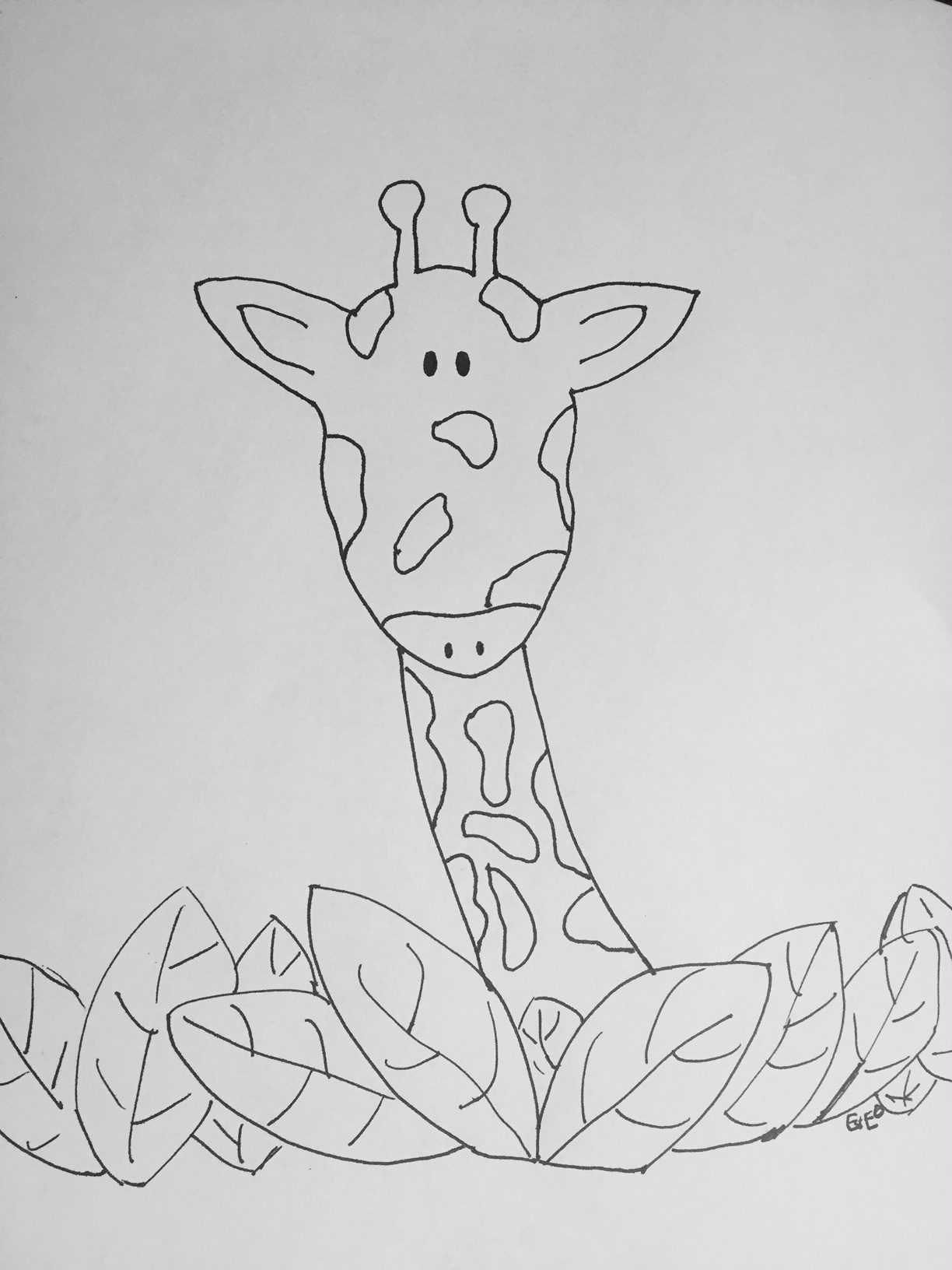
What has four knobby knees, a super long neck and two ossicones on top of their head?  A GIRAFFE!! Today is World Giraffe Day and we’re celebrating the tallest animal on the planet! These spotty funny looking animals are one of favorites! We’re going to share some fun facts and a great coloring sheet for you!

Any guess on why June 21st is World Giraffe Day? It’s because it’s the longest day of the year and they have the longest necks!!

giraffe

  • All giraffes live in Africa, in desert or savannas.
  • Giraffes can grow up to 19ft tall.
  • Their tongues are 21″ long.

IMG_2615

  • Giraffes are herbivores and eat all throughout the day.
  • A giraffe’s heart is the size of a basketball.
  • Giraffes can run up to 35 miles per hour.
  •  A giraffe’s foot is the size of a dinner plate.

IMG_2616

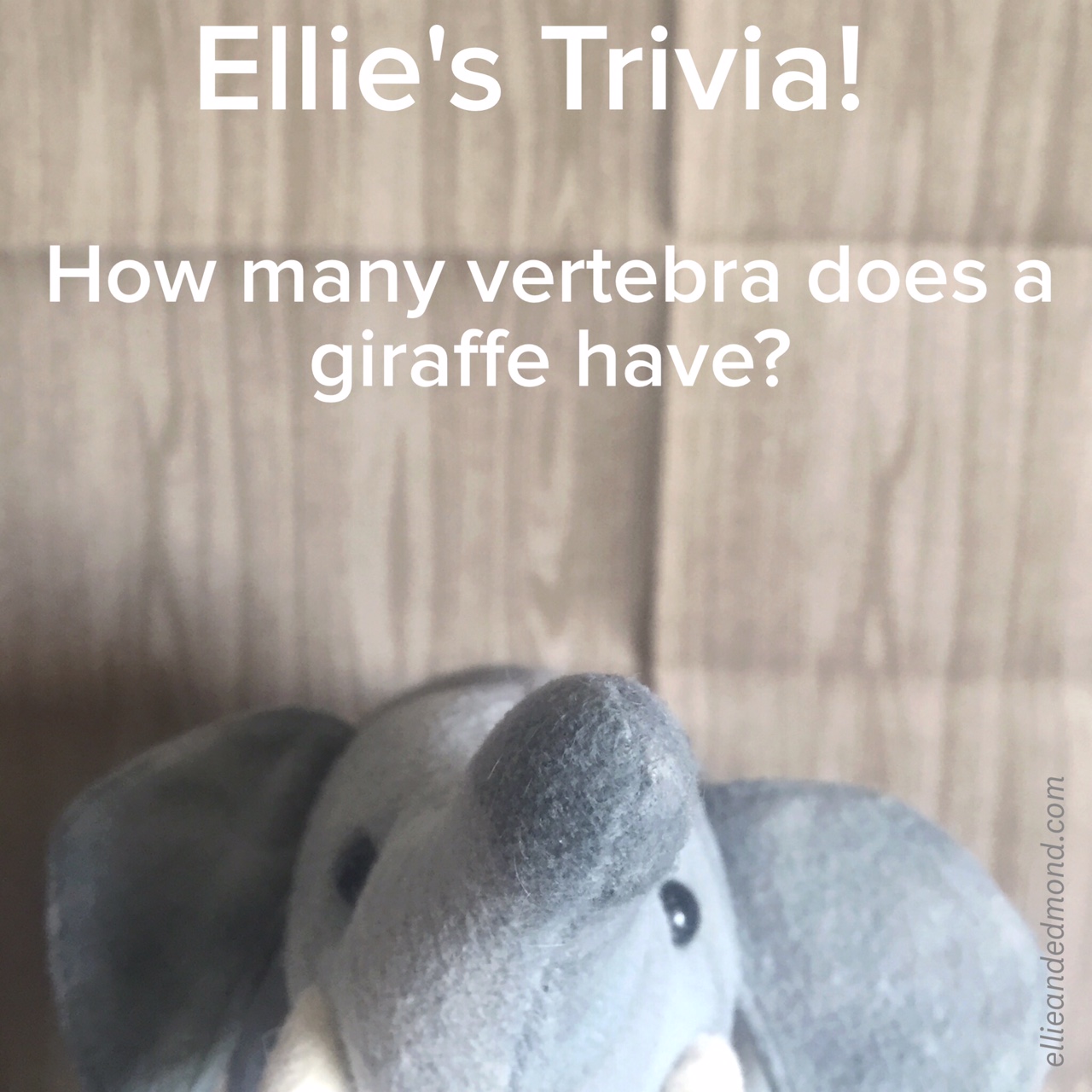
FullSizeRender(7)

Answer:  7

Categories: adventure, Animals, Children, conservation, education, Environment, mammals, nature, science, wildlife | Tags: , , , , , , , , , | 1 Comment

CAT HABITATS

CAT HABITATS!

As we said before we have a little game today! We’re going to put up some pictures of wild cats and you have guess the habitat they live in! Are you ready? (answers are waaaaay below)

cheetah

Where does the cheetah live?

Where does the cougar live?

Where does the cougar live?

Where does the jaguar live?

Where does the jaguar live?

Where does the lynx live?

Where does the Canadian lynx live?

Where does the ocelot live?

Where does the ocelot live?

Where does the sand cat live?

Where does the sand cat live?


Where does the Amur tiger live?

Where does the Amur tiger live?


Amur Tiger: tundra/forest

Canadian Lynx: tundra/forest

Cheetah: savannah

Sand Cat: desert

Ocelot: rainforest/mangroves

Jaguar: rainforest/swamps/grasslands

Cougar: canyons/mountains/ brush areas

Categories: adventure, Animals, Children, conservation, education, Environment, mammals, nature, science, wildlife | Tags: , , , , , , , , , | 1 Comment

WE SPY!!

WE SPY!!

FullSizeRender

Professor Tamandua talked about biomes yesterday, so that inspired us to go to the beautiful rainforest of South America.

We Spied this bird there! Can you guess who it is?

we spy

Categories: adventure, Animals, Children, conservation, education, Environment, mammals, nature, science, wildlife | Tags: , , , , , , , , , , | 3 Comments

Marsupials in Our Backyard!

Marsupials in Our Backyard!

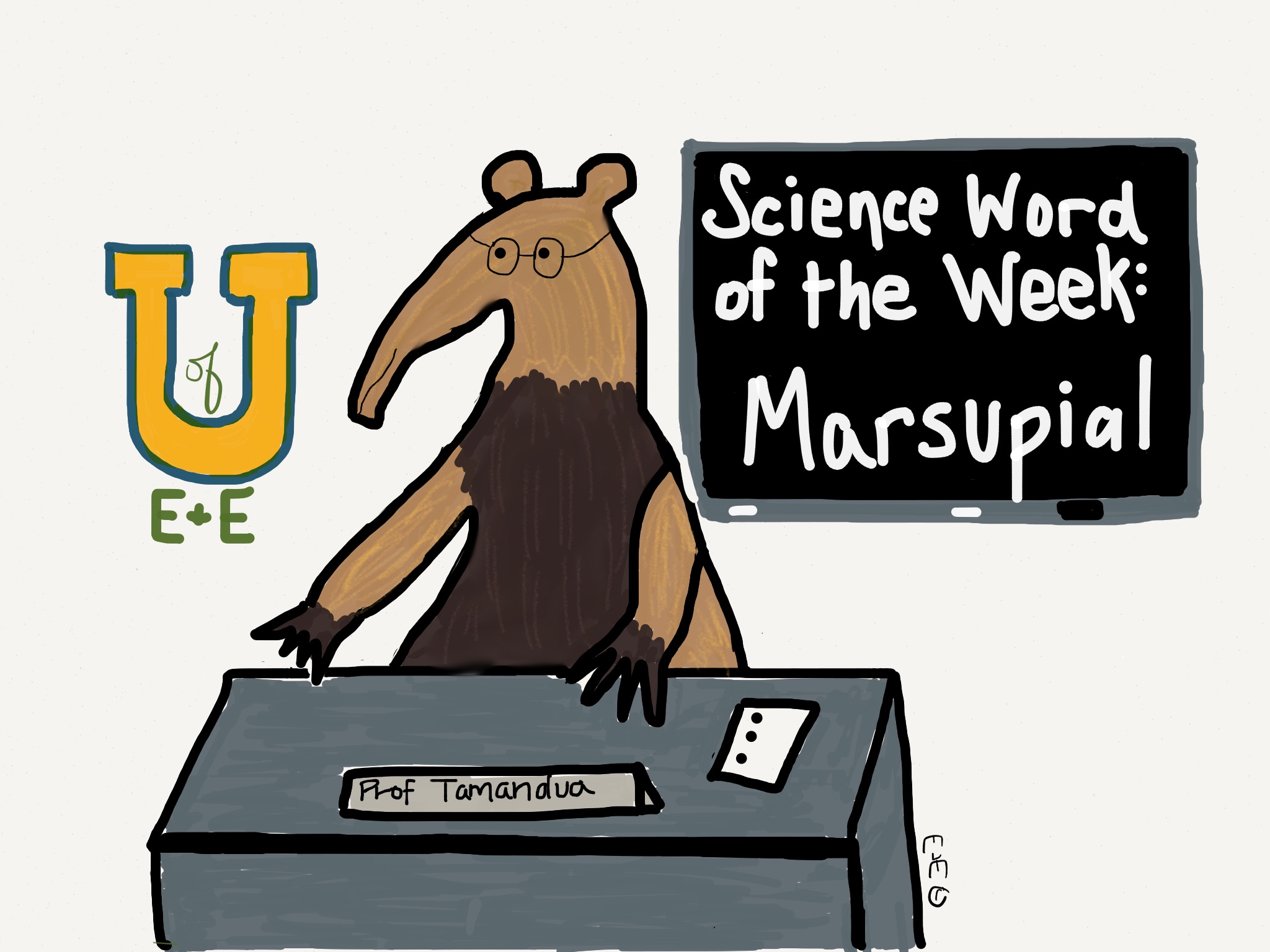
Do you ever just go out in your own backyard or to a local park and notice that there is actually quite a bit of wildlife? Professor Tamanadua’s science word of the week was marsupial and the only marsupial in North America lives right in our backyard! Are you ready to meet them?

MEET THE VIRGINIA OPOSSUM!

   Range/Habitat: North America-Central America/ woodlands, urban,

grasslands

   Diet: Omnivore: grub, eggs, fruit, carrion

   Length/Weight: 13-20”/ 4 ½-12 lbs

   Conservation Status: common

Fun Facts:

  • Virginia Opossums are the only marsupial in North America. (Marsupials are mammals that give birth to very small young. The young then develop and grow in their mother’s pouch.)
  • They are nocturnal (active at night).
  • Virginia Opossums have hairless, prehensile tails. They can hang from their tails, but for only short periods of time.
  • Virginia Opossums have opposable thumbs on their back paws.
  • They have 50 teeth, the most of any North American mammal!
  • Virginia Opossums can carry up to 13 babies in their pouches. They young leave the pouch after 70 days.
  • Their most famous trait is their ability to “play dead” when they are threatened. They lay in a coma like state and can stay that way for up to 6 hours.

opposum2   opposum


Opossums get a bad rap and we admit they aren’t the cutest thing in our back yards, but they are an essential part of the urban ecosystem! Plus, they are our only marsupial and we think that’s pretty cool!

Categories: adventure, Animals, Children, conservation, education, Environment, mammals, nature, science, wildlife | Tags: , , , , , , , , , | 1 Comment

The Devil from Down Under

The Devil from Down Under

e e woods (2)

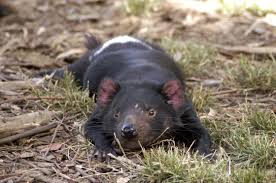
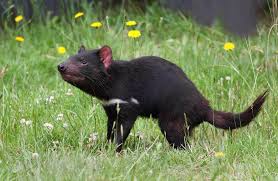
If you guessed Tasmanian Devil yesterday- you were right! We love these tenacious little marsupials and we hope you will too after learning more about them!

td3    Range/Habitat: Island of Tasmanian of coast of Australia/forest, scrub

    Diet: Carnivore: carrion

    Length/Weight: 23-26 inches/ 11-30 lbs

    Conservation Status: endangered


Fun Facts:

  • Tasmanian devils are the largest carnivorous marsupial on earth!
  • They are known for the their creepy loud screams they make when threatened. Check out a video!
  • Tasmanian devils can travel many miles to find food during the night.
  • Tasmanian devils mothers give off a foul odor when threatened!

IMG_2220

  • Tasmanian devil moms have rear facing pouches.
  • They give birth to up to 50 imps, but only 4 will survive.
  • Tasmanian devils have a life span of 5-8 years.
  • They are endangered, but places like the San Diego Zoo are helping protect them.

td2  td


We think these little marsupials with the bad reputation. They are amazing creatures. Do you love them as much as we do?

IMG_2221


Answer: False

Categories: adventure, Animals, Children, conservation, education, Environment, mammals, nature, science, Uncategorized, wildlife | Tags: , , , , , , , , , , | 1 Comment

WE SPY!!

WE SPY!!

FullSizeRender

Today we spy with our four little eyes a marsupial who lives in Australia. Known for their feisty dispositions these carnivores are the opposite of an angel! Guess who we spy!

tasmaninan devil

Categories: adventure, Animals, Children, conservation, education, Environment, mammals, nature, science, wildlife | Tags: , , , , , , , , , | 1 Comment

SCIENCE WORD OF THE WEEK!

SCIENCE WORD OF THE WEEK!

swow marsupial

Welcome back to our summer session! I’m so glad to see everyone here in class! I had a lovely break and Ellie and Edmond had a nice weekend exploring the outdoors. I’m excited for this week’s word! Are you ready to learn today?

This week’s word is Marsupial: a marsupial is a mammal that gives live birth to very small young that climb into the mother’s pouch or marsupium to grow up in. The pouches are mostly on the outside of the mother’s pouch. Most marsupials live in Australia, except for several species of opossums- who live in North, Central and South America.

opossum

The Virginia Opossum lives in North America.

Categories: adventure, Animals, Children, conservation, education, Environment, mammals, nature, science, vocabulary, wildlife | Tags: , , , , , , , , , , | Leave a comment

Blog at WordPress.com.