Posts Tagged With: oceans

GIVE THANKS TO THE ANIMALS WEEK- DAY 3

GIVE THANKS TO THE ANIMALS WEEK- DAY 3

It’s Day 3 of our Give Thanks to the Animals Week and we’re celebrating a really cool fish! If you have traveled to the Caribbean then you have this fish to thank for the white sand beaches there!
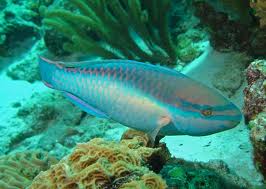
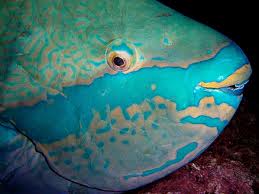
parrotfishparrotfish2

  • Parrotfish live in the Caribbean ocean, around coral reefs.
  • They crush coral with their teeth.
  • Parrotfish eat algae in coral.
  • They crush the coral to get the algae out.
  • The waste that the parrotfish produce makes up a great deal of the sand in the Caribbean.
  • You can hear these amazing fish when snorkeling or diving. They making a clicking sound while eating!
  • Parrotfish vary in color.
  • Some species of parrotfish coat themselves in a mucus every night.
  • Scientists think this mucus coating helps mask the parrotfish’s smell.

WOW!! Who knew that the sand on those beautiful beaches in the Caribbean was actually fish poop!? We have been on several trips to the area and we met some parrotfish! It is so fun to hear their clicking in the water. Thanks for the sand parrotfish!!
Categories: adventure, Animals, Children, conservation, education, Environment, nature, science, wildlife | Tags: , , , , , , , , , | 1 Comment

WATERY WEDNESDAY # 85

WATERY WEDNESDAY # 86

 We’re going scuba diving on this Watery Wednesday! Grab your tanks, suits and masks and come join us in the Pacific Ocean as we go looking for a shark! Are you ready?

e & e snorkeling

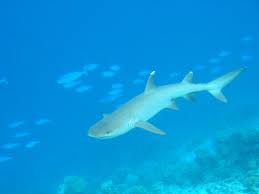
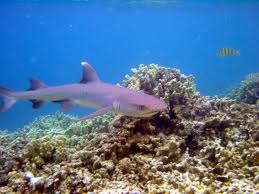
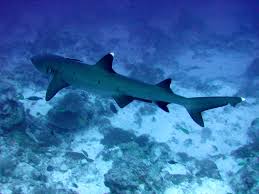
MEET THE WHITETIP REEF SHARK!

whitetip reef sharks   Range/Habitat: Indo-Pacific Oceans/ reefs, oceans

   Diet: Carnivore: fish

   Length/Weight:  up to 5 ½ ft/up to 40 lbs

   Conservation Status: near threatened


Fun Facts:

  •          Whitetip Reef Sharks are also called the blunthead shark.
  •          They do not have to swim to move water over their gills.
  •          Whitetip reef sharks have white tips on their dorsal fins and tails.
  •          You can find whitetip reef sharks often rest on the ocean floor.
  •          They use sound to detect prey.

Whitetip reef sharks are magnificent animals! Like all sharks they have a skeleton made of cartilage! These beauties are also being threatened by humans. Our oceans are home to many beautiful creatures and we all need to work to keep those oceans clean. Make sure to keep plastics and trash in their proper places and not in our oceans!

whitetip reef sharks3  whitetip reef sharks2

Categories: adventure, Animals, Children, conservation, education, Environment, fish, nature, science, wildlife | Tags: , , , , , , , , , , | 1 Comment

WATERY WEDNESDAY # 84

WATERY WEDNESDAY # 84

 It’s time to get aboard the E & E submarine and go looking for little sharks! These little sharks might be aglow with bioluminescence so keep an eye out! It’s time for another fun adventure!  

e e deep sea

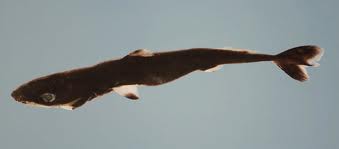
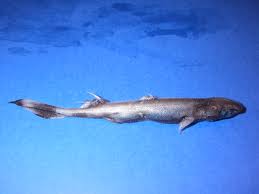
MEET THE PYGMY SHARK!

pygmy sharks   Range/Habitat: North Atlantic, W. Indian Ocean, West Pacific

   Diet: Carnivore: fish

   Length/Weight:  up to 10”

   Conservation Status: common


Fun Facts:

  •          Pygmy sharks are one of the smallest species of sharks.
  •          They have a single dorsal spine.
  •          A pygmy shark’s mouth is on the underside.
  •          Pygmy sharks have light producing organs on their undersides. These are thought to protect them from predators.
  •          Female pygmy sharks have about 8 pups a year.

Pygmy sharks are amazing little creatures. They look so alien and strange with their glowing cells. The ocean always amazes us!

pygmy sharks3

Categories: adventure, Animals, Children, conservation, education, Environment, fish, nature, science, wildlife | Tags: , , , , , , , , , , | Leave a comment

WATERY WEDNESDAY # 83

WATERY WEDNESDAY #83

Happy Watery Wednesday everyone! We hope it’s wonderful so far! Today’s fish is long, lean and full of teeth! But don’t worry they don’t think people are tasty and we’ll be safe in the sub!

e e deep sea

MEET THE GREAT BARRACUDA!

   Range/Habitat: tropical-sub-tropical waters worldwide/ reefs, shallows,

mangroves

   Diet: Carnivore: fish

   Length/Weight: up to 6 ½ ft/ up to 110 lbs

   Conservation Status: Common


Fun Facts:

  • Great Barracuda are long and lean fish.
  • They have powerful jaws full of sharp, knife like teeth.
  • Great barracuda are ambush predators. They stay relatively still and swim forward in one fast move to grab their prey.
  • They’re usually solitary, but juveniles often school together.
  • Great barracudas have few predators, mainly sharks.

Great barracudas are intimidating fish, with their long bodies and mouths full of teeth.  But we think they are pretty awesome! How about you?

barracuda2   barracuda

Categories: adventure, Animals, Children, conservation, education, Environment, fish, nature, science, wildlife | Tags: , , , , , , , , , , | Leave a comment

GREATEST HITS WEEK!!

GREATEST HITS WEEK!

We’re on holiday this week, so we’re sharing some of our greatest hits you may have missed!!

Today we’re putting on our diving suits and taking a dip in the cold waters of the subarctic to meet this swimming mammal! Are you ready? Let’s do this!

e & e coast

MEET THE HARBOR PORPOISE!

   Range/Habitat: North Atlantic-North Pacific Ocean/ coasts, rivers

   Diet: Carnivores: fish, herring, capelin

   Length/Weight: 4 ½-6 ½ ft/ 110-200 lbs

   Conservation Status: vulnerable

Fun Facts:

  • The Harbor Porpoise is also called the common porpoise.
  • They prefer temperate and subarctic waters.
  • They generally shy and elusive.
  • Harbor porpoises tend to feed on the bottom.
  • They use echolocation to help them find their prey.
  • Harbor porpoises are black on top and white on the underside.
  • Harbor porpoises have been known to travel into fresh water rivers.

These shy porpoises are wonderful! Scientists don’t know much about these porpoises because of their shy nature. Ocean dwelling animals are very hard to study since humans don’t have gills :)!


Categories: adventure, Animals, Children, conservation, education, Environment, mammals, nature, science, wildlife | Tags: , , , , , , , , , , | Leave a comment

AMAZING ANIMAL FACTS- WATERY FRIENDS!

AMAZING ANIMAL FACTS- WATERY FRIENDS!

We have some amazing facts about our ocean dwelling animal friends today! Come learn cool stuff!

e & e eco explorers

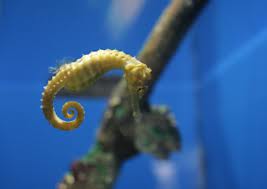
1. SEAHORSES SWIM AT .01 MPH!

Don’t enter these guys in a race.

seahorse

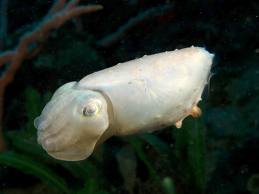
2. A CUTTLEFISH HAS 3 HEARTS.

Does that make Valentine’s complicated for them?

cuttlefish

3. A SAILFISH CAN SWIM UP TO 68 MPH!

Enter this guy in a race!

sailfin

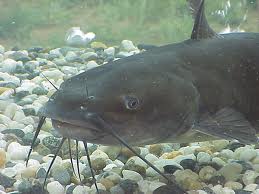
4. CATFISH HAVE OVER 27,000 TASTE BUDS.

These guys would make great food critics.

catfish

5. MUCH OF THE SAND IN PARTS OF THE CARIBBEAN IS ACTUALLY PARROT FISH POOP!

Eeeeeeeeeeeewwwwww!

parrot fish

Categories: adventure, Animals, Children, conservation, education, Environment, fish, nature, science, wildlife | Tags: , , , , , , , , , , | Leave a comment

SUPER SURPRISE THURSDAY #82

SUPER SURPRISE THURSDAY #82

Are you ready to guess the animal? Take a look at the picture, read the clues and tell us who the animal is!

orca

  • I am the largest member of the dolphin family.
  • I have a couple of different names.
  • I am highly social and intelligent.

WHO AM I?

Categories: adventure, Animals, Children, conservation, education, Environment, mammals, nature, science, wildlife | Tags: , , , , , , , , , | Leave a comment

Beach Time!!

BEACH TIME!!

beach

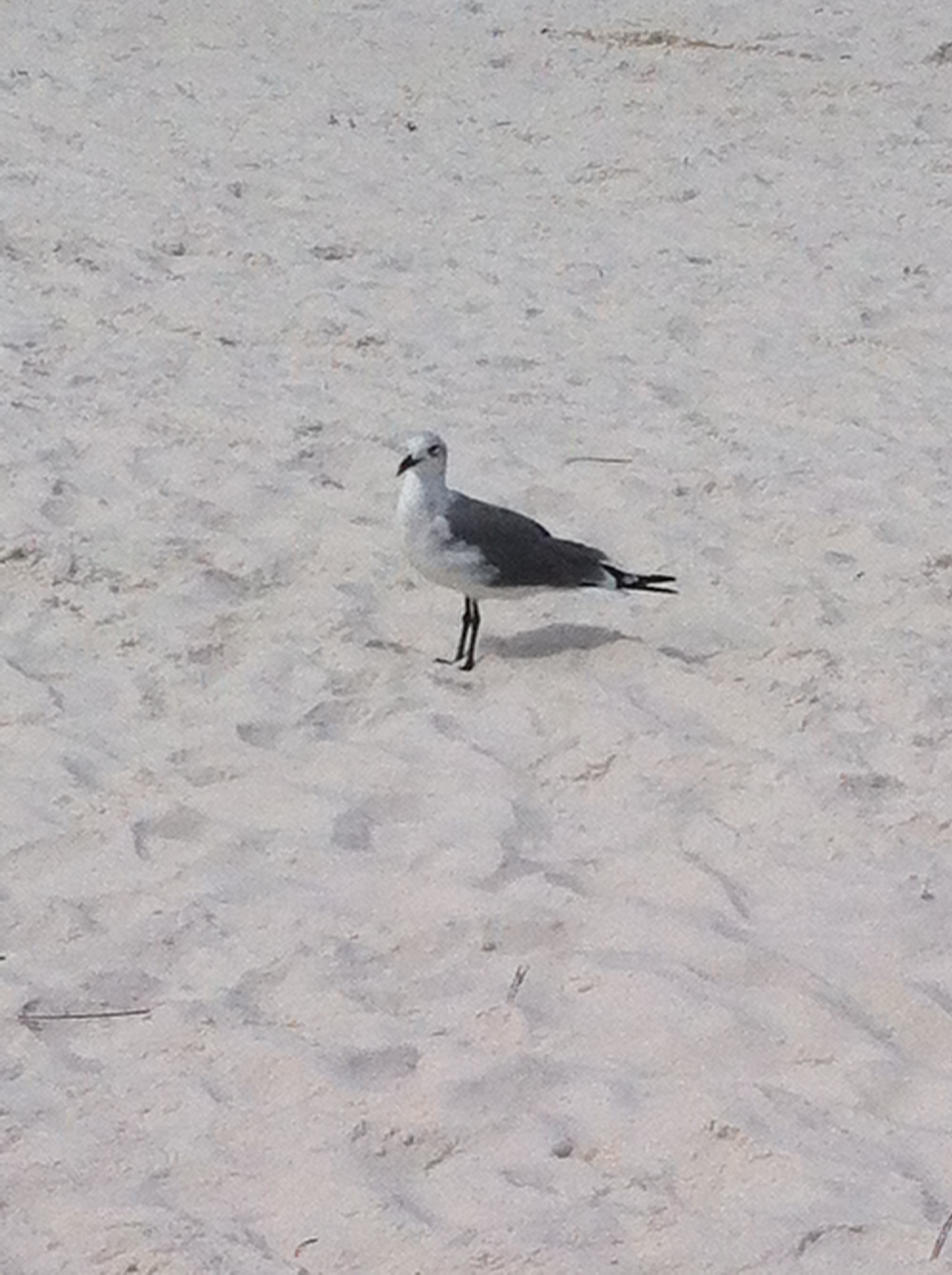
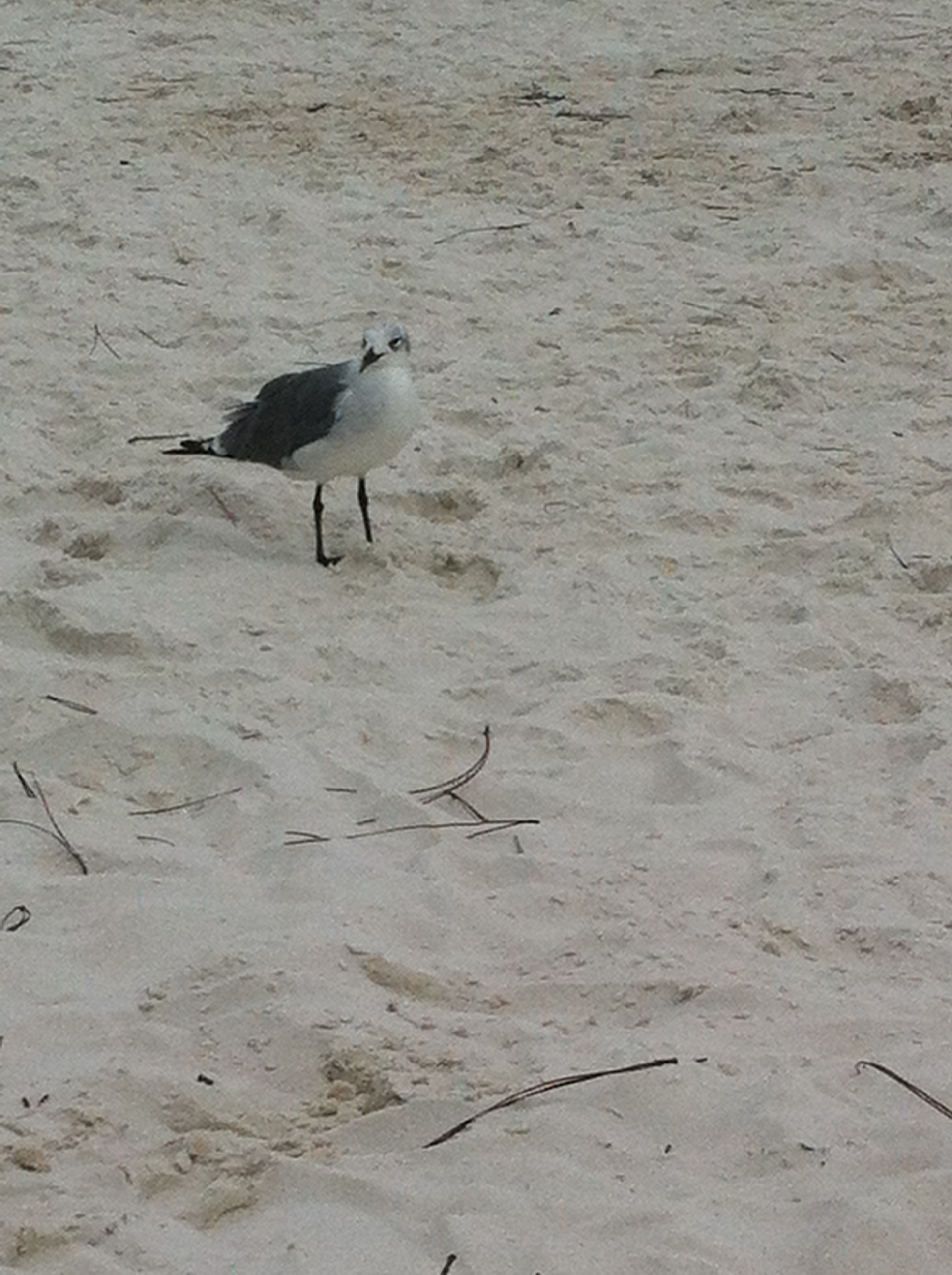
We are back! We spent our holiday on the Gulf coast of Florida to relax on the beach! We found some shells, watched the waves and met some seagulls! Meeting those funny little birds got us to thinking! We don’t know much about seagulls, except for their bad reputation! So we did some research and we’re sharing some fun seagull facts with you!

Hello birdie!

Hello birdie!

FUN FACTS:

  • Seagulls should be called gulls, as some live inland and most rarely venture out to sea.
  • They mate for life and both parents look after the chicks.
  • Gulls can drink salt water. They express the salt through their nostrils!
  • Gulls can move their eyes in the their sockets. This ability gives them excellent vision!
  • Gulls are highly intelligent and have many creative ways of hunting and extracting prey.
  • Adult gulls teach their chicks their own unique ways of hunting.
  • They are highly vocal and have many different calls.
  • The smallest species of gull is the Little gull.
  • The largest species is the Great Black beaked gull.
  • Young gulls live in nursery setting. They are watched after by several male adults.

beach4beach5


We bet you didn’t know that gulls were so cool! They get a bad rap as being annoying and pushy! This reputation is not only undeserved, but is brought on when people feed them. Remember, never feed wildlife, they have everything they need right there and it is not your sandwich! Make sure when you take a trip to the coast, take everything you brought with you. Sea birds can get in big trouble when you leave trash! A clean beach is a happy beach!

Edmond photo bombing a gull!

Edmond photo bombing a gull!


Categories: adventure, Animals, birds, Children, conservation, education, Environment, nature, science, Uncategorized, wildlife | Tags: , , , , , , , , , , | 4 Comments

WATERY WEDNESDAY # 80

WATERY WEDNESDAY # 80

 We’re putting on our scuba gear and we’re going diving in shallow water to find a really wild looking fish! He’s a member of the shark and ray family! Grab your flippers and let’s goooooooo!

e & e snorkeling

MEET THE SHOVELNOSE GUITARFISH!

shovelnose guitarfish2   Range/Habitat: Eastern Pacific Ocean/ocean-near coast

   Diet: Carnivore: fish, crustaceans, worms

   Length/Weight:  up to 5 ft/ 33-40 lb

   Conservation Status: common


Fun Facts:

  •          Shovelnose Guitarfish have a shovel shaped snout.
  •          They have flat, rounded pectoral fins.
  •          Shovelnose guitarfish bury themselves in the sand.
  •          Shovelnose guitarfish are usually found in shallow waters.
  •          They use their flat snouts to find prey buried in the sand.

These shovelnose guitarfish are super duper! They are so cool looking! We love our cartilaginous pals!

shovelnose guitarfish3

Categories: adventure, Animals, Children, conservation, education, Environment, fish, nature, science, wildlife | Tags: , , , , , , , , , | Leave a comment

SHARK WEEK GREATEST HITS DAY #3

SHARK WEEK GREATEST HITS DAY #3

 All aboard the E & E submarine! We’re going to the deep depths of the ocean to find one of the most elusive fish in the ocean. Even though they are large they are hard to spot!

e e deep sea

MEET THE MEGAMOUTH SHARK!

megamouth shark2   Range/Habitat: Atlantic/Pacific/Indian Oceans (limited spots)

   Diet: Carnivore: krill and plankton

   Length/Weight: up to 18 ft/ up to 1,740 lbs

   Conservation Status: unknown


Fun Facts:

  •          Megamouth sharks were discovered in 1976.
  •          Humans have only seen about 13 individuals.
  •          They are filter feeders and eat very small animals.
  •          Megamouth sharks have small dorsal fins.
  •          Megamouth sharks surface at night to eat.
  •          They have a luminescent stripe around their mouth to attract prey.  

Megamouth sharks are amazing! Can you imagine that we’ve only known about them in the last 30 years? The oceans are full of so many animals that we haven’t even discovered! It’s crazy! We need to explore more!

megamouth shark  megamouth shark3


Categories: adventure, Animals, Children, conservation, education, Environment, nature, science, sharks, wildlife | Tags: , , , , , , , , , , | 2 Comments

Blog at WordPress.com.