Posts Tagged With: science

WATERY WEDNESDAY # 59

WATERY WEDNESDAY # 59

We’re getting our snorkeling gear out and heading the coral reefs of the Pacific Ocean today! We’re off to find a fish who lives with another animal who stings! Are you ready? Let’s do this!

e & e snorkeling

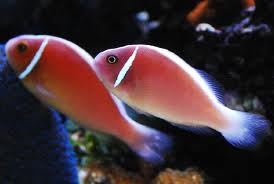
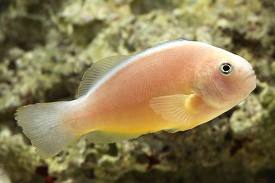
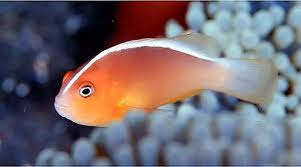
MEET THE PINK SKUNK CLOWNFISH!

pink skunk clownfish   Range/Habitat: Pacific Ocean/ coral reefs

   Diet: Omnivore: plankton, algae

   Length: 4”

  Conservation Status: common


Fun Facts:

  • Pink Skunk Clownfish are also known as the pink skunk anemonefish.
  • They have a symbiotic relationship with anemone and live among their tentacles.
  • Pink skunk clownfish have a long white stripe down their backs.
  • Pink skunk clownfish have a mucus coating that protects them to the toxins of the anemone.
  • They lay their eggs near their anemone hosts.


We bet you didn’t know there other species of clownfish out there! They aren’t all just orange and white! Animals that have mutual symbiotic relationships are so neat! Can you think of any other kinds of symbiotic relationships in the animal world?

pink skunk clownfish2   pink skunk clownfish3


Categories: adventure, Animals, Children, conservation, education, Environment, fish, nature, oceans, science, wildlife | Tags: , , , , , , , , , , | Leave a comment

REPTILIAN TUESDAY # 59

REPTILIAN TUESDAY # 59

We’re going exploring in the US today for an aquatic reptile with a bite! Let’s grab our wellies and your night vision goggles and let’s go exploring near a pond and see if we can find today’s animal!

EE NIGHT MARSH

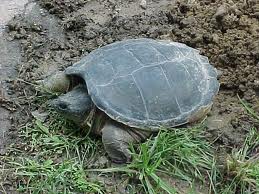
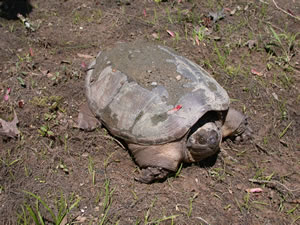
MEET THE COMMON SNAPPING TURTLE!

common snapping turtle   Range/Habitat: South Canada-USA-Mexico/ ponds, lakes & streams

   Diet: Omnivore: fish, frogs, aquatic plants

   Length/Weight: 10-20”/9.5-35 lbs

   Conservation Status: common


Fun Facts:

  • Common Snapping Turtles carapaces (top shell) vary in color, from brown to green.
  • They have long tails.
  • Common snapping turtles are nocturnal.
  • Common snapping turtles spend most of their lives in water.
  • They have webbed feet.
  • Common snapping turtles hibernate in cold weather.
  • Female common snapping turtles lay a clutch of eggs and the sex of the babies is determined by the temperature of the nest.

Common snapping turtles are such amazing creatures. Those snapping beaks are definitely built for eating! We’ll stay away those!

common snapping turtle2  common snapping turtle3

Categories: adventure, Animals, Children, conservation, education, Environment, nature, reptiles, science, turtles, wildlife | Tags: , , , , , , , , , , | 10 Comments

MAMMAL MONDAY #59

MAMMAL MONDAY #59

We sure hope everyone enjoyed the Year of the Snake celebration. We’re back to our regular schedule and it’s off to Central America for us, to meet a member of the rodent family! Can you gopher for that? (Edmond loves puns)

e e grasslands

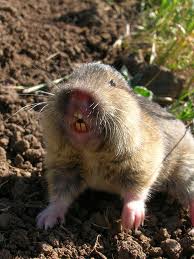
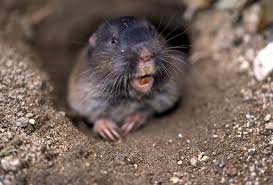
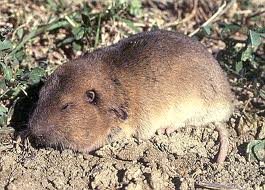
MEET THE GIANT POCKET GOPHER!

giant pocket gopher   Range/Habitat: Central-South America/ grasslands

   Diet: Herbivore: roots, grasses, vegetation

   Length/Weight: 4.7-12”/2.2 lbs

   Conservation Status: common


Fun Facts:

  • Giant Pocket Gophers are the largest member of the pocket gopher family.
  • They have large cheek pouches that go from their mouth to their shoulders; these pouches are where they get their name.
  • Giant pocket gophers live in burrows and tunnels.
  • They have long sharp teeth.
  • Giant pocket gophers have large claws for digging.
  • Giant pocket gophers are also called the Mexican pocket gopher.
  • They are solitary.

Giant pocket gophers are funny looking little creatures with their big teeth and small eyes! They work very hard to dig their burrow homes and hoard the food they eat!

giant pocket gopher2   giant pocket gopher3

Categories: adventure, Animals, Children, conservation, education, Environment, mammals, nature, science, wildlife | Tags: , , , , , , , , | Leave a comment

THE ADVENTURES OF MIGHTY BUG!

THE ADVENTURES OF MIGHTY BUG!

mightbug

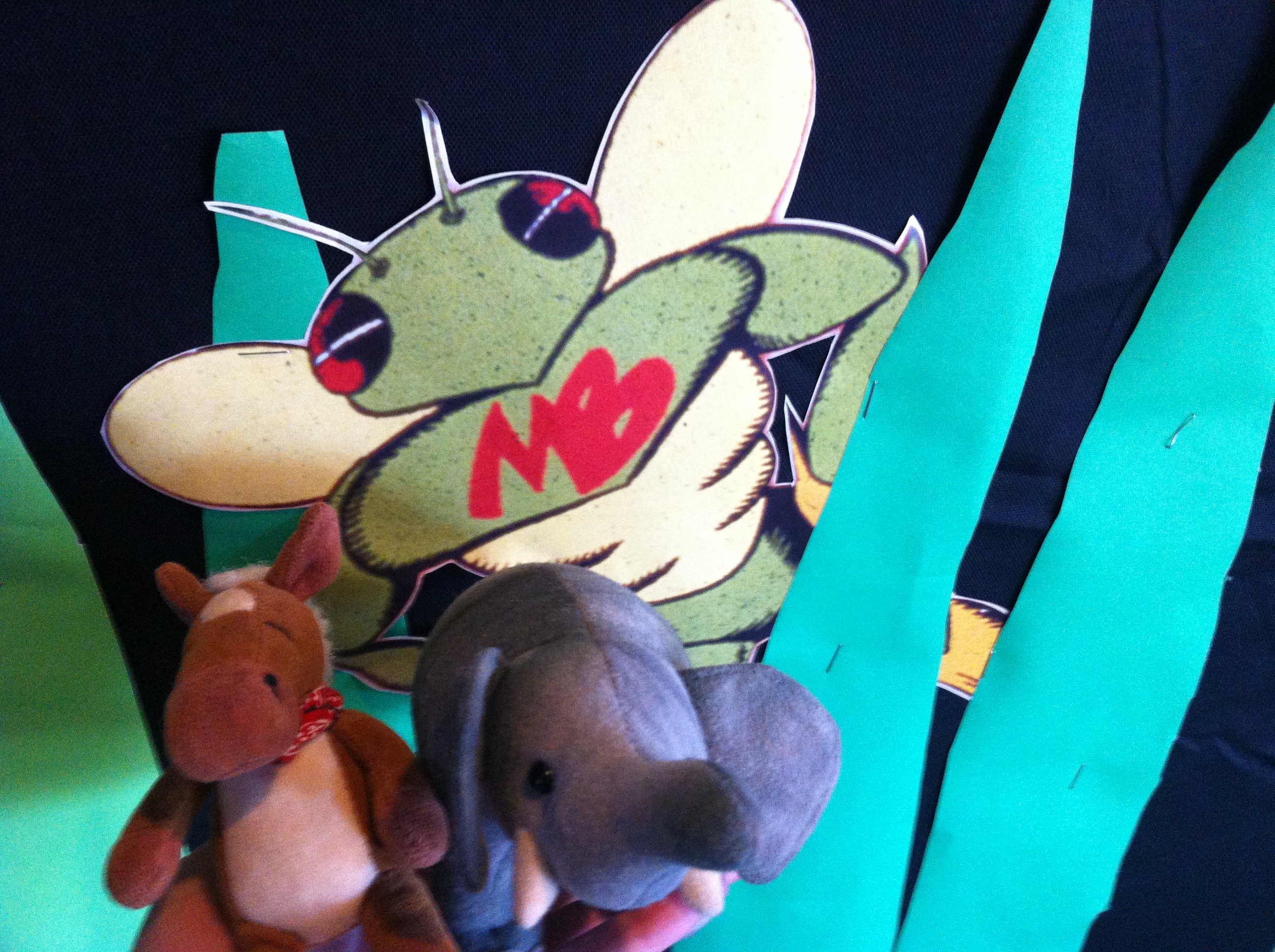
We had the most exciting afternoon at The Center for Puppetry Arts the other day! We sat down and were transported to a lovely garden scene! That garden turned out to be the home of Bugville and the super hero Mighty Bug!

This fantastic comic book like world was full of amazing characters, including Mighty Bug, Professor Rhinoceros Beetle and the villain Scorpiana! We meet Mighty Bug in the morning as he wakes up and goes on his morning jog. Along the way we meet all kinds of bugs. Not only do we get to meet centipedes, butterflies and bees we learn something fun about each one! Did you know that ants can lift 50x their weight? That would be like a human lifting an elephant! WOW! We’re pretty sure a human couldn’t lift Ellie!

Back in Professor Rhinoceros Beetle’s lab, Mighty Bug and the professor taught us all about the parts of an insect! Did you know insects’ skeleton is on the outside? Pretty cool! As we follow Mighty Bug on his adventures we learned about the different types of habitats bugs live in!

We also meet Mighty Bug’s girlfriend Morpha Butterfly, who sang a fantastic little tune about a butterflies! Edmond was dancing the whole time! Soon though the tale takes a turn for the worse when the villain Scorpiana enacts her evil plan to take over Bugville with her gang!  Whew, the story gets interesting from there! We won’t spoil the ending for you! This fun and fantastic show is not to be missed! They use shadow puppets and human sized ones! It is full of color, laughter and intrigue! Plus you learn throughout the show! What’s better than learning while you have fun? NOTHING!

mightbug3

Grab your running shoes and your enthusiasm and make a trip to The Center for Puppetry Arts to see “The Adventures of Mighty Bug”! Check out the center’s website for tickets and times! Don’t forget to make a lightening bug puppet to take home with you when you are there!

mightbug2

Categories: adventure, Animals, backyard, Children, conservation, nature, Puppets | Tags: , , , , , , , , , | 4 Comments

YEAR OF THE SNAKE DAY # 5

YEAR OF THE SNAKE DAY #5

It’s the last day of Snake week and we’re going to the Mediterranean to meet one cool snake! In fact these snakes are quiet popular! Are you ready for our last adventure of the week? Let’s do this!

e e grasslands2

MEET THE LEOPARD SNAKE!

leopard snake   Range/Habitat: Southern Europe- Mediterranean/forests, suburbs

   Diet: Carnivore: rodents

   Length/Weight: 28-39”

   Conservation Status: common


Fun Facts:

  • Leopard Snakes are also known as the European Ratsnake.
  • They are constrictors.
  • Leopard Snakes are cream with red and black blotches.
  • Leopard Snakes are shy and secretive.
  • They are crepuscular (active at dusk and dawn).

Leopard snakes are often considered the most colorful of the ratsnake family. In Greece, people often invite these snakes into their homes and gardens because they are so could as pest control! We love hearing about people and wildlife sharing space in harmony! See, snakes aren’t so bad after all!

leopard snake2  leopard snake3

Categories: adventure, Animals, Children, conservation, education, Environment, nature, science, snakes, wildlife | Tags: , , , , , , , , , | 2 Comments

YEAR OF THE SNAKE- GUESS THE SNAKE!

YEAR OF THE SNAKE- GUESS THE SNAKE!

It’s time to guess the animal again and we’ve already given you a head start today since you know it’s a snake! So look at the picture, read the clues and give us your best guess!

green tree boa

  • I live in South America.
  • I have a prehensile tail to help me hang on tree branches.
  • I have pits in my snout to detect heat.

WHO AM I?


Categories: adventure, Animals, Children, conservation, education, Environment, nature, science, snakes, wildlife | Tags: , , , , , , , , , | 4 Comments

YEAR OF THE SNAKE DAY # 2

YEAR OF THE SNAKE DAY #2

The second snake we are meeting this week can be found right in our own back yard! We’re off to find this very common snake here in North America. Let’s go exploring!

e e grass yard

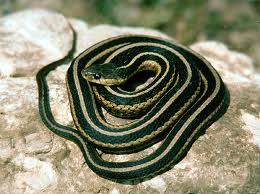
MEET THE COMMON GARTER SNAKE!

garter snake   Range/Habitat: North America/ forests, grasslands

   Diet: Carnivore: earthworms, amphibians, fish

   Length: 26-51”

   Conservation Status: common


Fun Facts:

  • Common Garter Snakes normally live near water.
  • They hibernate in mass groups in the northern most part of their habitats.
  • Common garter snakes are often prey for birds of prey.
  • Common garter snakes have red strips along their backs.
  • They live farther north than any other snake in North America.
  • Common garter snakes have rough scales.
  • They are constrictors.

Common garter snakes are all over North America. Have you ever seen one in your backyard? Remember if you do, they are an important part of the ecosystem and they’re not dangerous to humans, so just let them be :)!

garter snake3  garter snake4

Categories: adventure, Animals, Children, conservation, education, Environment, nature, science, snakes, wildlife | Tags: , , , , , , , , , | 5 Comments

YEAR OF THE SNAKE!

YEAR OF THE SNAKE

We are celebrating the Chinese New Year this week and it’s the Year of the Snake! We know that these infamous reptiles get a bad rap, but we respect and admire these amazing animals. We’ll be meeting a few different species, you’ll get to guess the species and we’re making a sock snake! So let’s get this party started with a trip to Southeast Asia to meet one royal snake!

e & e rainforest

MEET THE KING COBRA!

king cobra   Range/Habitat: Southeast Asia/rainforest-grasslands

   Diet: Carnivore: snakes

   Length: 9 ¾-16 ft

   Conservation Status: common


Fun Facts:

  • King Cobras are the longest venomous snake on earth.
  • They have smooth brown scales.
  • King cobras raise the front of their body up when threatened and spread out a hood to look bigger.
  • King cobras are excellent swimmers.
  • They usually live deep in the forest.
  • Both male and female king cobras guard the eggs.

King cobras are quite fierce looking when they stand up in the pose that they are famous for. Luckily they normally do not have much contact with humans, since they like the deep parts of the forests! We respect these predators and we’ll do it from a good distance.

king cobra3

Categories: adventure, Animals, Children, conservation, education, Environment, nature, science, snakes, wildlife | Tags: , , , , , , , , , | 5 Comments

SUPER HORSE TO THE WILDLIFE RESCUE- NOAH’S ARK!!

SUPER HORSE TO THE WILDLIFE RESCUE!

super horse to rescue

Noah’s Ark Animal Sanctuary!

We went to a very special animal sanctuary for the first Super Horse to the Wildlife Rescue spotlight! We took a short road trip just south of Atlanta, Georgia to find a 250 acre heaven for wildlife that has not always had it easy!

IMG_0074   IMG_0075


We met Allison, the Animal Husbandry Manager, who was so very kind to take us around the property! Allison works tirelessly seven days a week at Noah’s Ark to make sure that the animals have great habitats, proper diets and a comfortable life. Whew, that is a lot of work! Luckily Allison has co-workers to help. There are five people who also work in the husbandry department and seven people who work in the office. The sanctuary has around 250 volunteers who help too! It takes loads of dedicate people to make sure these animals are happy!

When we first arrived at Noah’s Ark we saw a woman drop off a rooster who had been injured. We were so happy to see this nice lady help him and bring him to a place that can help!

We met some of the residents of Noah’s Ark on our tour with Allison! First up were the emus!

IMG_0064


There are over 80 of them! Apparently during the 90s people kept emus for eggs and oil and when they decided the birds weren’t so profitable, they released them into the neighborhoods around Atlanta. Noah’s Ark now houses these big flightless birds!


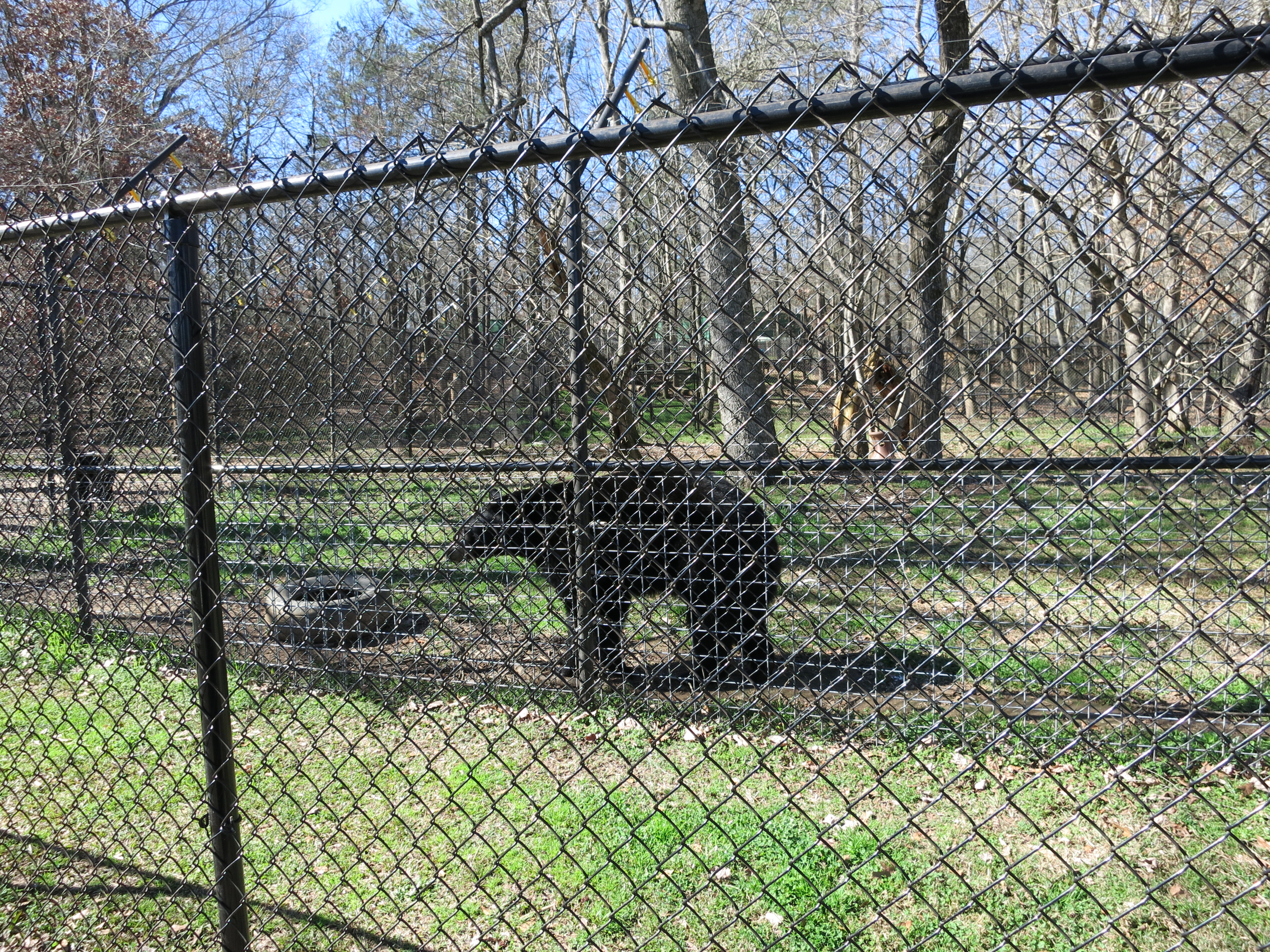
As we rode on we came upon big cats and bears! Each animal has its own story of abuse and neglect. Noah’s Ark gets the animals from sieges and rescues from the Department of Natural Resources, The US Department of Agriculture, US Department of Interior and the US Fish and Wildlife. Some of these animals have been kept as pets, some were kept in circuses and some are rescues from the wild.

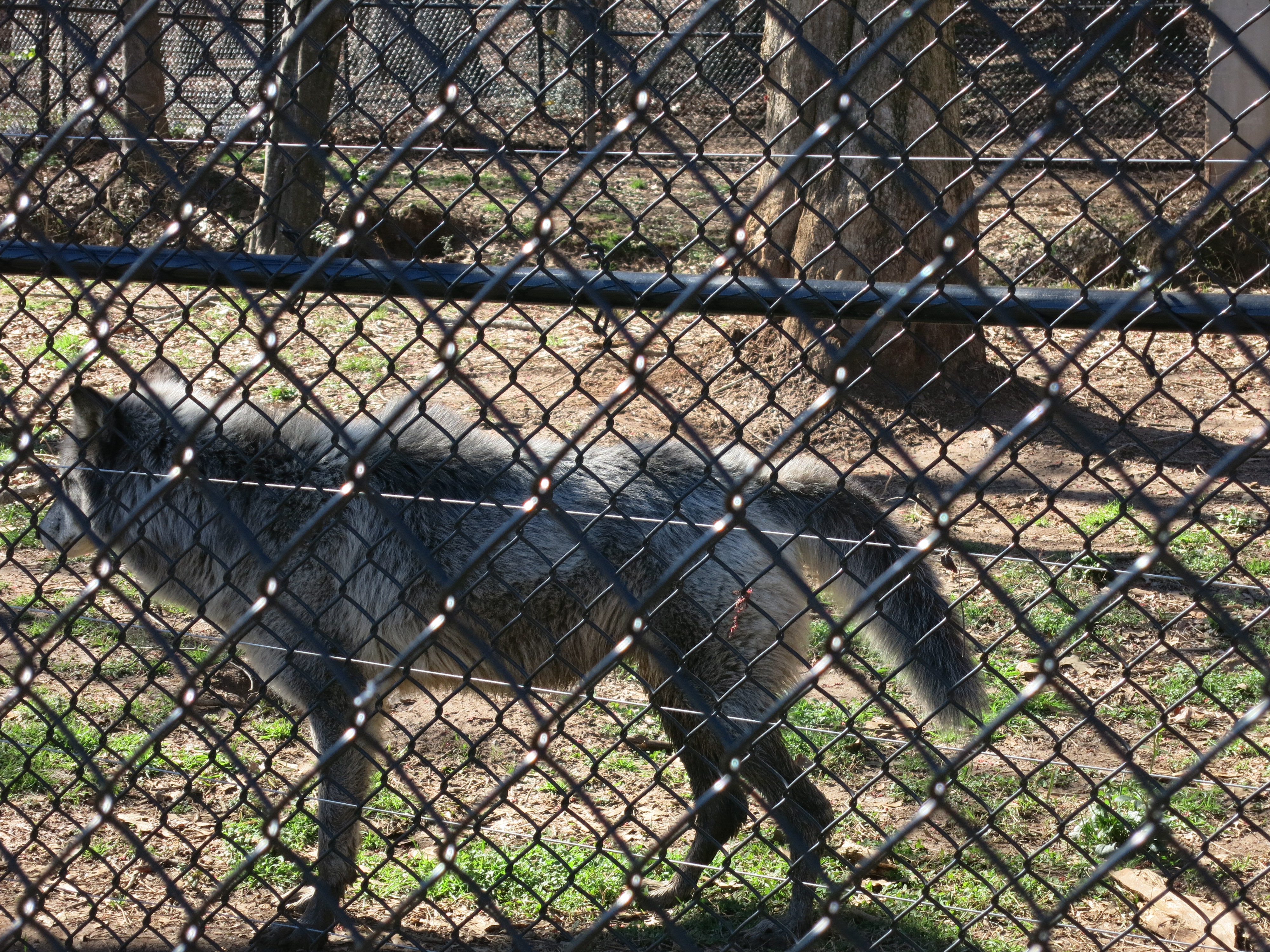
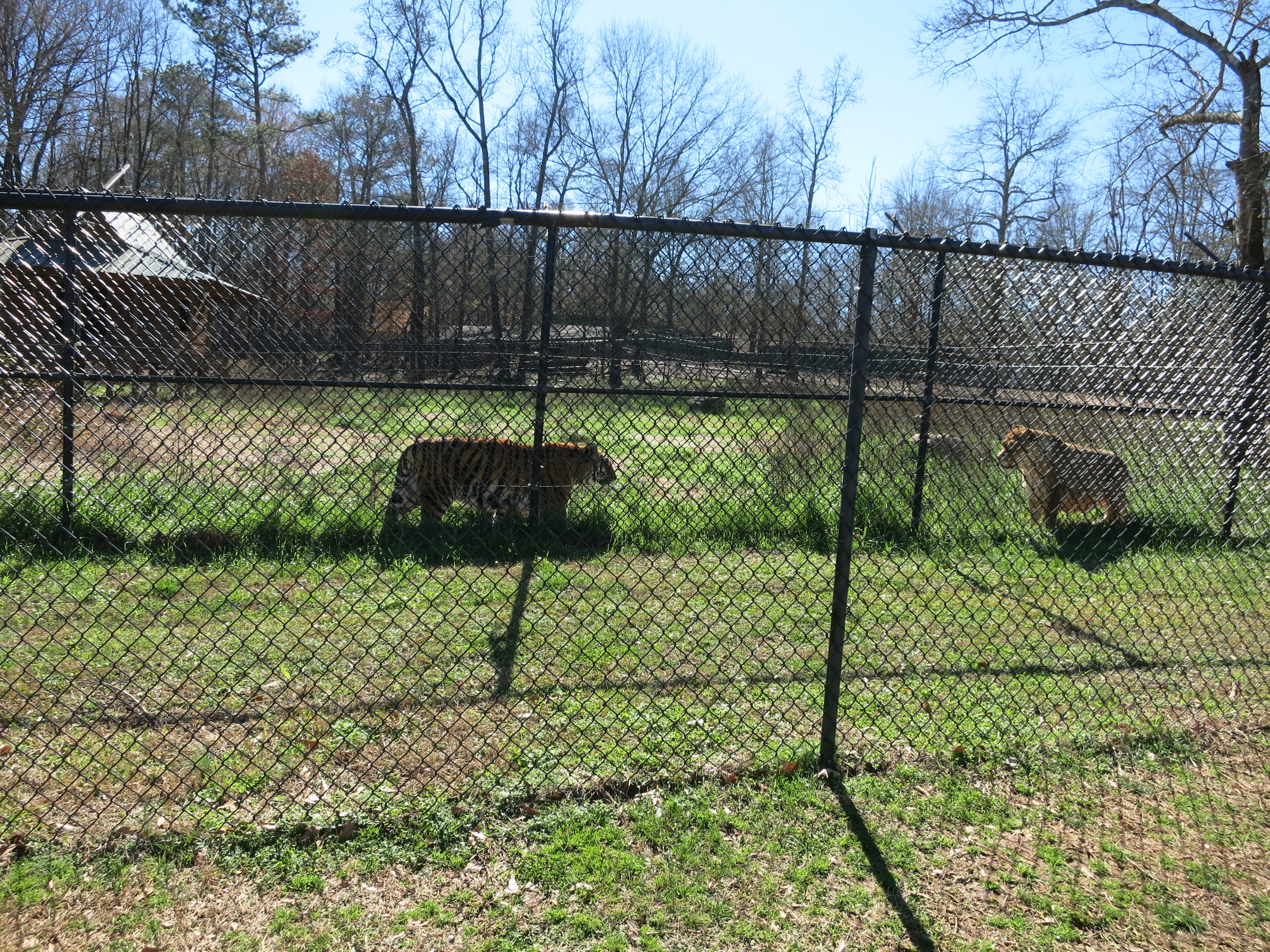
We met all kinds of tigers and bears and wolves.

These ladies came from a circus, where they lived in a tiny enclosure! They have a HUGE enclosure now!

These ladies came from a circus, where they lived in a tiny enclosure! They have a HUGE enclosure now!


Bear!

Bear


Meet Doc!

Meet Doc!

Doc the tiger came to Noah's Ark as a cub at the same time Ann the bear did. They were raised together for company and now are best friends!

Doc the tiger came to Noah’s Ark as a cub at the same time Ann the bear did. They were raised together for company and now are best friends!

Doc and Ann having fun!
Doc and Ann having fun!


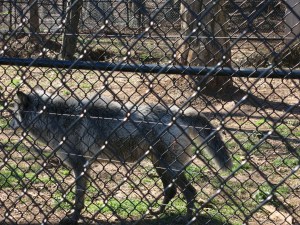
Thunder- one of a pair of wolves confiscated at the airport.

Thunder- one of a pair of wolves confiscated at the airport.

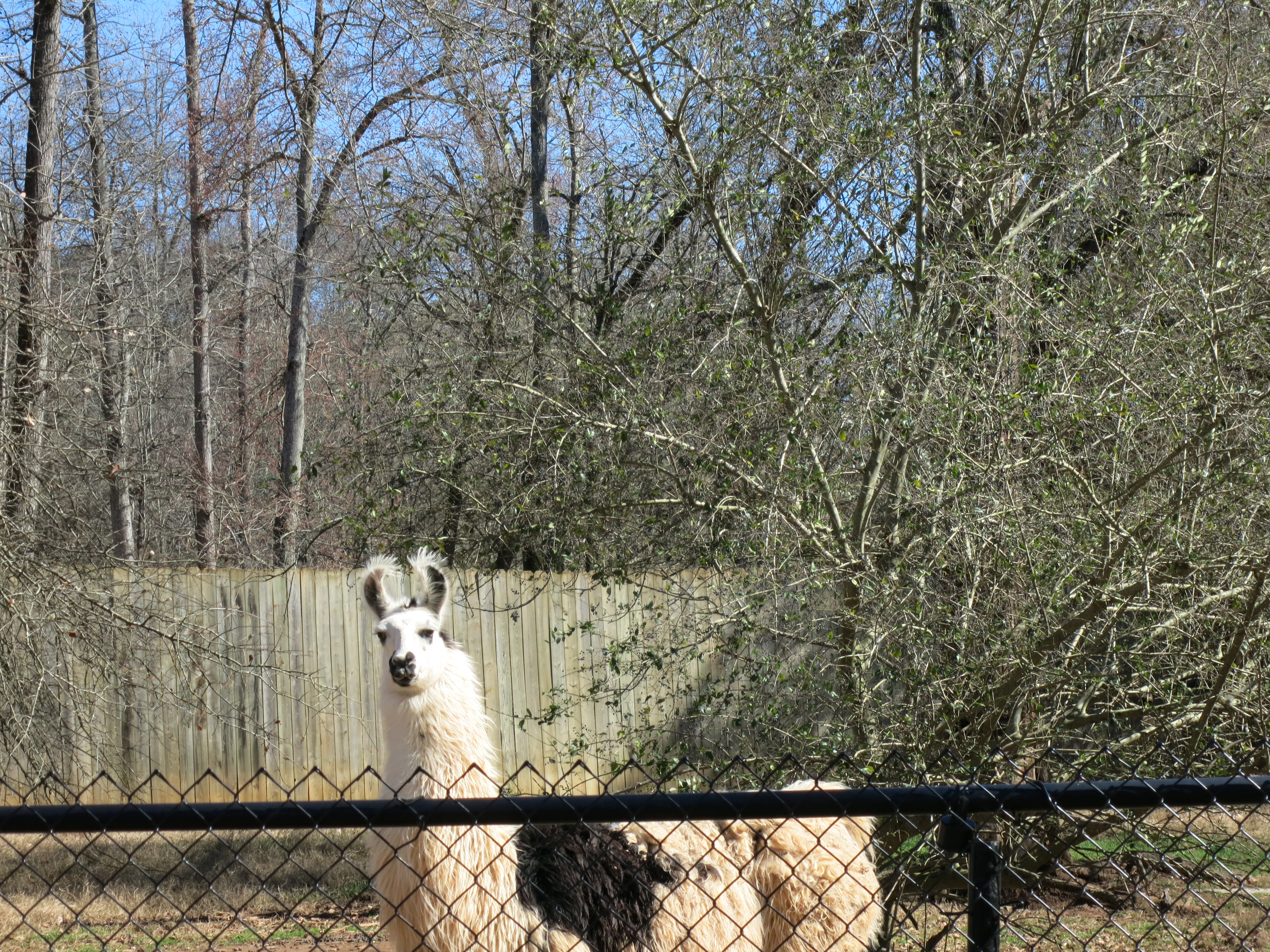
We then met a herd of Llamas! Llamas are funny with their big ears!

Llamas!

Llamas!


Matriarch of the Llama heard. They get to free range around the property too.

Matriarch of the Llama heard. They get to free range around the property too.


We love Llamas!

We love Llamas!

Noah’s Ark also has monkeys, 20 of them, of several different species. Often monkeys are kept as pets and then people realize that is a bad idea. Monkeys definitely belong in the wild and do not make good pets. They are messy, aggressive and destructive.

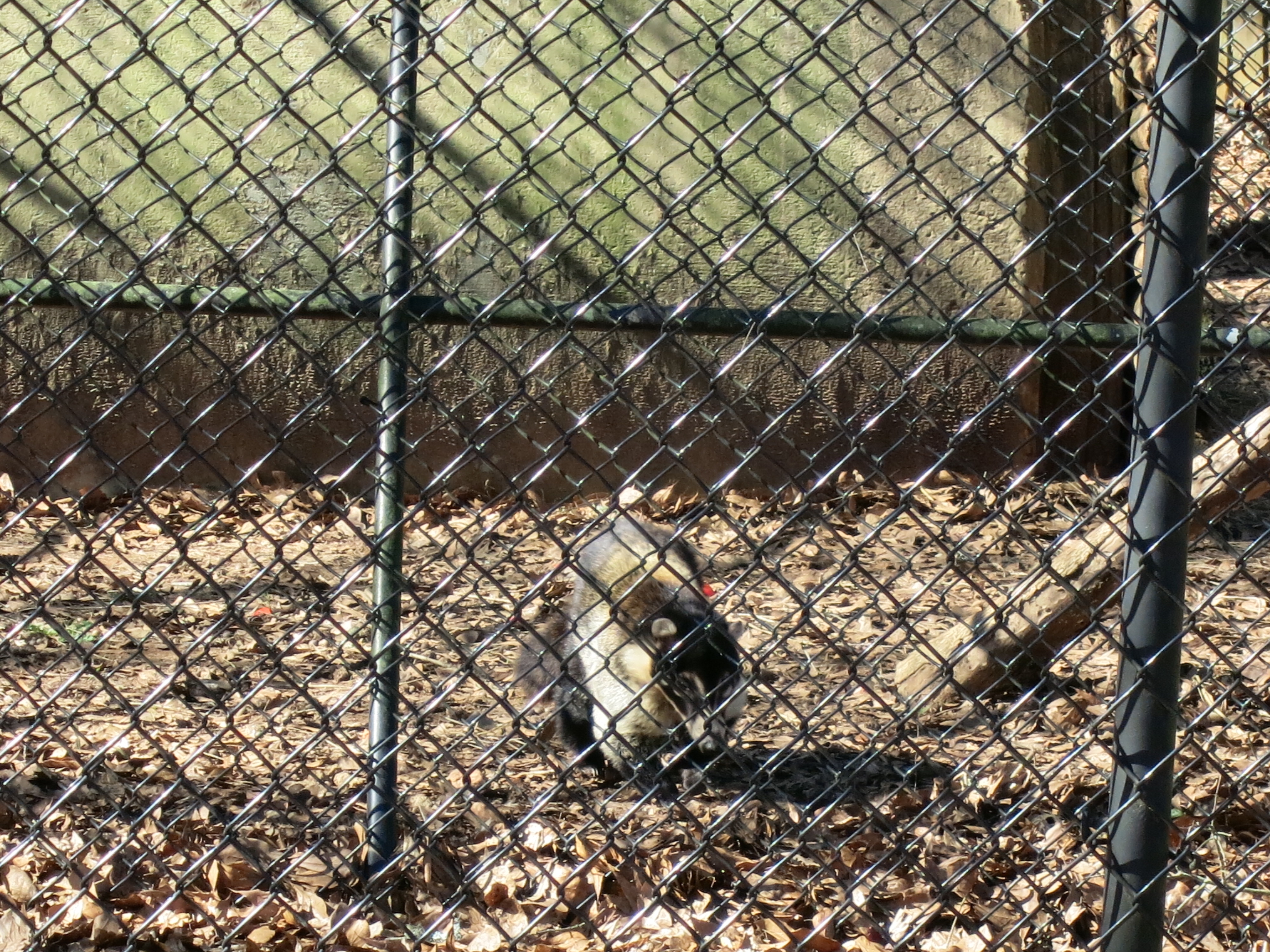
We met a coati! These South American relative of the raccoon are also kept as pets and man are they cute, but they do not belong at your house. If you think your cat is bad to your couch imagine  what a wild animal can do! No thank you!

Coati!

Coati!

Noah’s Ark’s most famous residents are a trio of friends! It’s Leo the Lion, Shere Khan the Tiger and Baloo the Bear.
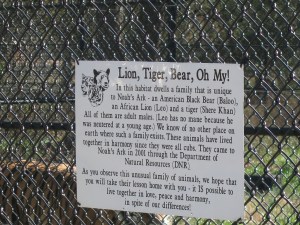
The trio's story!

The trio’s story!

These three were found in a basement together and our now inseparable.  They are quiet the trio.
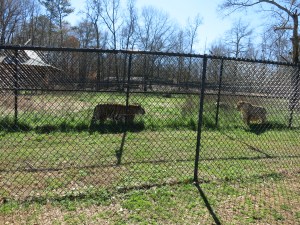
Shere Khan and Leo!

Shere Khan and Leo!

Unfortunately when we were there we only met Leo and Shere Khan because Baloo was napping in their house.

Noah’s Ark also houses 350 parrots! That’s right folks, 350! Parrots and birds are a popular pet, but often people do not do their homework when getting a bird. These feathery friends are very high maintenance and require special food, housing and tons of attention. It is so important that people read, learn and educate themselves before getting a bird. The parrots at Noah’s Ark are super lucky birds because they have great aviaries to live in and many friends. It is not easy integrating a new bird in with the flock. Caregivers at the sanctuary work hard to get a new bird introduced.
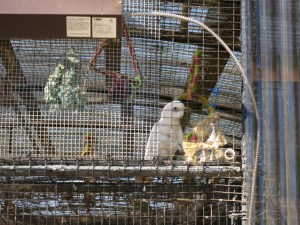
What a cutie!
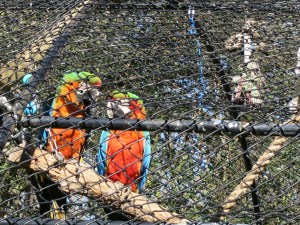
What a cutie!


What a pair!

What a pair!


Noah’s Ark does not just take care of exotic animals, they are home to 100 peacocks , 100 sheep and goats and 100 horses . They also do rehabilitation and release of local wildlife like birds and deer. Wow, these guys must be busy, busy!

We found one of the peacocks!
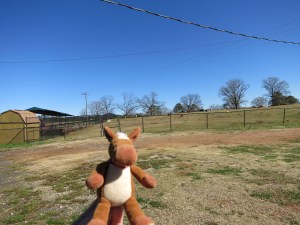
We found one of the peacocks!

Edmond said this is one great places for horses!

Edmond said this is one great places for horses!


Check out some of the horses & ponies!

Check out some of the horses & ponies!

After our tour with Allison, we sat down with her to ask her a few more questions.

Us: How many animals do you have and how many different species?

Allison: We have over 1,000 animals and 100-150 different species.

Us: Who requires the most care?

Allison: The parrots and the monkeys.

Us: What animal has been here the longest?

Allison: Suzie Q the Himalayan Black Bear has been here since 1989.

Us: Can people sponsor an animal?

Allison: We have a sponsor program starting.

Us: Which animal has been your toughest case?

Allison: We have a blue and gold macaw that was afraid of everything. It took us a year to get him acclimated.

Us: What message would you like to send about wild animals?

Allison: Keep the wild in your heart and not in your home! Wild animals are never good pets.

Us: What can we do to protect and prevent the exotic animal trade?

Allison: You can educate yourself and others about these animals. Learn about them and their plights in the wild and share your passion and knowledge!

Us: Tell us about a typical day here. What is your favorite thing about working here?

Allison: I arrive at 8am and check on the animals, prep the food, feed the animals and then clean. After all that we work on enrichment for the animals. Being with the animals is my favorite part of the job. I really enjoy being with them and giving them the best life they can have.

Us: Excellent! Thank you so much for taking time to show us this special place! And Thank You for working so hard to take care of these special animals! You and the staff are doing amazing work here!


To learn more about Noah’s Ark Animal Sanctuary check out their website! They are also on Facebook! Noah’s Ark doesn’t charge any admission, but they do take donations! Take a road trip to visit this special place just outside of Atlanta!


Categories: adventure, animal rescue, Animals, Children, conservation, education, Environment, nature, science, wildlife | Tags: , , , , , , , , , | 2 Comments

HAPPY GROUNDHOG DAY!!

HAPPY GROUNDHOG DAY!!

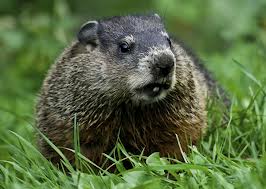
HAPPY GROUNDHOG DAY! Every year on February 2nd legend has it that if a groundhog comes out of his burrow and sees his shadow then there will be six more weeks of winter. If he doesn’t see his shadow then spring will come early! Neat! We’re celebrating these weather predicting rodents with fun facts, photos and an original coloring sheet drawn by Ellie herself!


Fun Facts:

  • Groundhogs are also known as the Woodchuck.
  • Groundhogs live in North America in woodland and grassland habitats.
  • They are herbivore and eat seeds, fruits, grasses and the occasional insect.
  • Groundhogs are rodents and are the largest member of the ground squirrel or marmot family.
  • They are excellent at climbing and swimming.
  • Groundhogs burrow in the ground.
  • They gorge all summer on food to fatten up!
  • Groundhogs hibernate in the winter.
  • They are known to whistle when threatened.

We love groundhogs and not just for their ability to predict the weather! These cool rodents get to hibernate all winter! Who wouldn’t love a long winter’s nap? Groundhogs are also pretty cute if you ask us!

groundhog   groundhog2

Click here for more history on Groundhog Day.

Image

Categories: adventure, american, Animals, Children, conservation, education, Environment, groundhog day, mammals, nature, science, wildlife | Tags: , , , , , , , , , , | 2 Comments

Blog at WordPress.com.