Posts Tagged With: science

SUPER SURPRISE THURSDAY # 36

SUPER SURPRISE  THURSDAY# 36

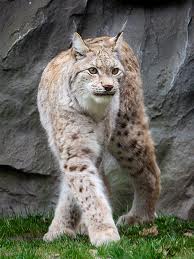
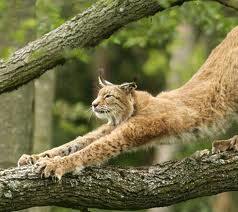
We’re traveling to Europe today to meet a beautiful predator today! These mammals have tufts on their ears and gorgeous coats of fur! Grab your camping gear because we’re going into the woods! Oh yeah and don’t forget the marshmallows!

MEET THE EURASIAN LYNX!

   Range/Habitat: Northern Europe-East Asia/ forests, mountains

   Diet: Carnivore: deer, goats, hares

   Length/Weight: 2 ½-4 ¼ ft/ 18-70 lbs

  Conservation Status: Common


Fun Facts:

  • Eurasian Lynx have one of the widest ranges of all cats.
  • They are the largest of the lynx species.
  • Eurasian lynx have tufts of fur on their ears!
  • They can have stripes or spots or plain colored fur.
  • Eurasian lynx can take down prey that are 4 times their size.
  • Eurasian lynx make a wide range of vocalizations. They will “chatter” at prey like domestic cats.
  • They are crepuscular (active at dawn and dusk).

The Eurasian lynx is a really neat cat! We especially love their ears. Did you know that their cousins to the bobcat? Tufted ears all around!


Categories: Animals, Children, education, Environment, mammals, nature, science, wildlife | Tags: , , , , , , | 4 Comments

WATERY WEDNESDAY # 36

WATERY WEDNESDAY# 36

We are off to Africa today to meet a small but extraordinary fish! These little fish have been on the planet for a very long time! Let’s gear up and head out to meet these little animals!

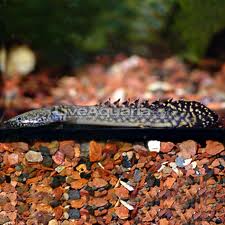
MEET THE ORNATE BICHIR!

   Range/Habitat: Western-Central Africa/ lakes, rivers

   Diet: Carnivore: fish, crustaceans

   Length/Weight: up to 16”/ up to 18 oz

   Conservation Status: Common

Fun Facts:

  • Ornate bichirs are considered to be the most beautiful member of the bichir fish family.
  • They are beige with black markings.
  • Ornate bichirs are small and oblong.
  • They have armor like scales.
  • Ornate bichirs stalk and ambush their prey.
  • They can stay out of water and breathe regular air for short periods of time.

What? There’s a fish that can breathe air? That is some crazy stuff! We can tell you that this small elephant and horse cannot breathe under water, although Ellie can stick her trunk out of the water :)!


Categories: africa, Animals, Children, education, Environment, fish, nature, rivers, science, Uncategorized, wildlife | Tags: , , , , , , , | Leave a comment

REPTILIAN TUESDAY # 36

REPTILIAN TUESDAY # 36

North Africa is the place to be today! We’ve backed our bags, sunscreen and hats to find this desert dwelling reptile! These little guys like to burrow so let’s get on our hands and knees and see what we can find!

MEET THE BERBER SKINK!

   Range/Habitat: North Africa- West Asia/ desert

   Diet: Omnivore: insects, spiders, snails, plants

   Length: 16-18”

   Conservation Status: common


Fun Facts:

  • Berber skinks are also known as the Schneider’s skink.
  • They are the largest member of the skink family.
  • Berber skinks have orange scales on blue-gray backs.
  • They dig burrows under shrubs and bushes.
  • Berber skinks have long tails and short legs.
  • Female berber skinks lay 3-20 eggs. She then wraps herself around the eggs til they hatch.

These skinks sure are pretty with their colorful scales! We are such huge fans of all lizards! They are so diverse! They live in all kinds of habitats, come in all sizes and colors and have amazing adaptations! Do you have a favorite lizard?


Categories: africa, Animals, Children, education, Environment, lizards, nature, reptiles, science, wildlife | Tags: , , , , , , , | 2 Comments

MAMMAL MONDAY # 36

MAMMAL MONDAY # 36

Happy Memorial Day! We’re not taking a vacation today, so that another mammal can enjoy the spotlight! Today we’re putting on our diving suits and taking a dip in the cold waters of the subarctic to meet this swimming mammal! Are you ready? Let’s do this!

MEET THE HARBOR PORPOISE!

   Range/Habitat: North Atlantic-North Pacific Ocean/ coasts, rivers

   Diet: Carnivores: fish, herring, capelin

   Length/Weight: 4 ½-6 ½ ft/ 110-200 lbs

   Conservation Status: vulnerable


Fun Facts:

  • The Harbor Porpoise is also called the common porpoise.
  • They prefer temperate and subarctic waters.
  • They generally shy and elusive.
  • Harbor porpoises tend to feed on the bottom.
  • They use echolocation to help them find their prey.
  • Harbor porpoises are black on top and white on the underside.
  • Harbor porpoises have been known to travel into fresh water rivers.


These shy porpoises are wonderful! Scientists don’t know much about these porpoises because of their shy nature. Ocean dwelling animals are very hard to study since humans don’t have gills :)!


Categories: Animals, Children, education, Environment, mammals, nature, oceans, science, wildlife | Tags: , , , , , , , | Leave a comment

We Get the Scoop on Poop!

Scoop on the Poop!

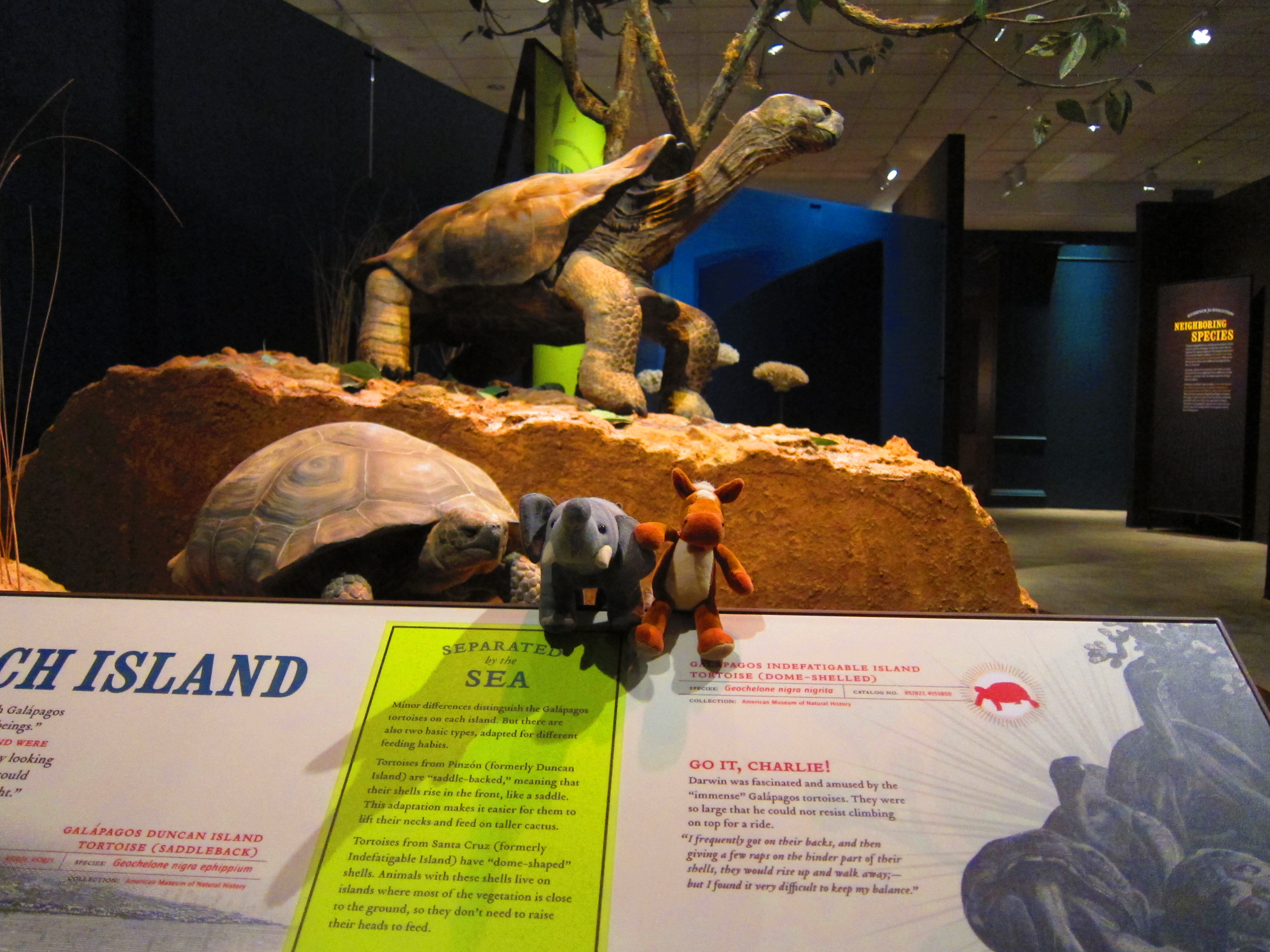
That’s right folks you read the headline right, we’re talking poop today! We took a field trip one of our most favorite places, Fernbank Museum of Natural History. We went to check out their new exhibit “Scoop on the Poop” that opens Saturday May 26th.  We had such fun learning all kinds of fun poop facts! We giggled, we cringed and we were amazed! Be prepared to the same with 10 Great Moments in Poop!


10 GREAT MOMENTS IN POOP!

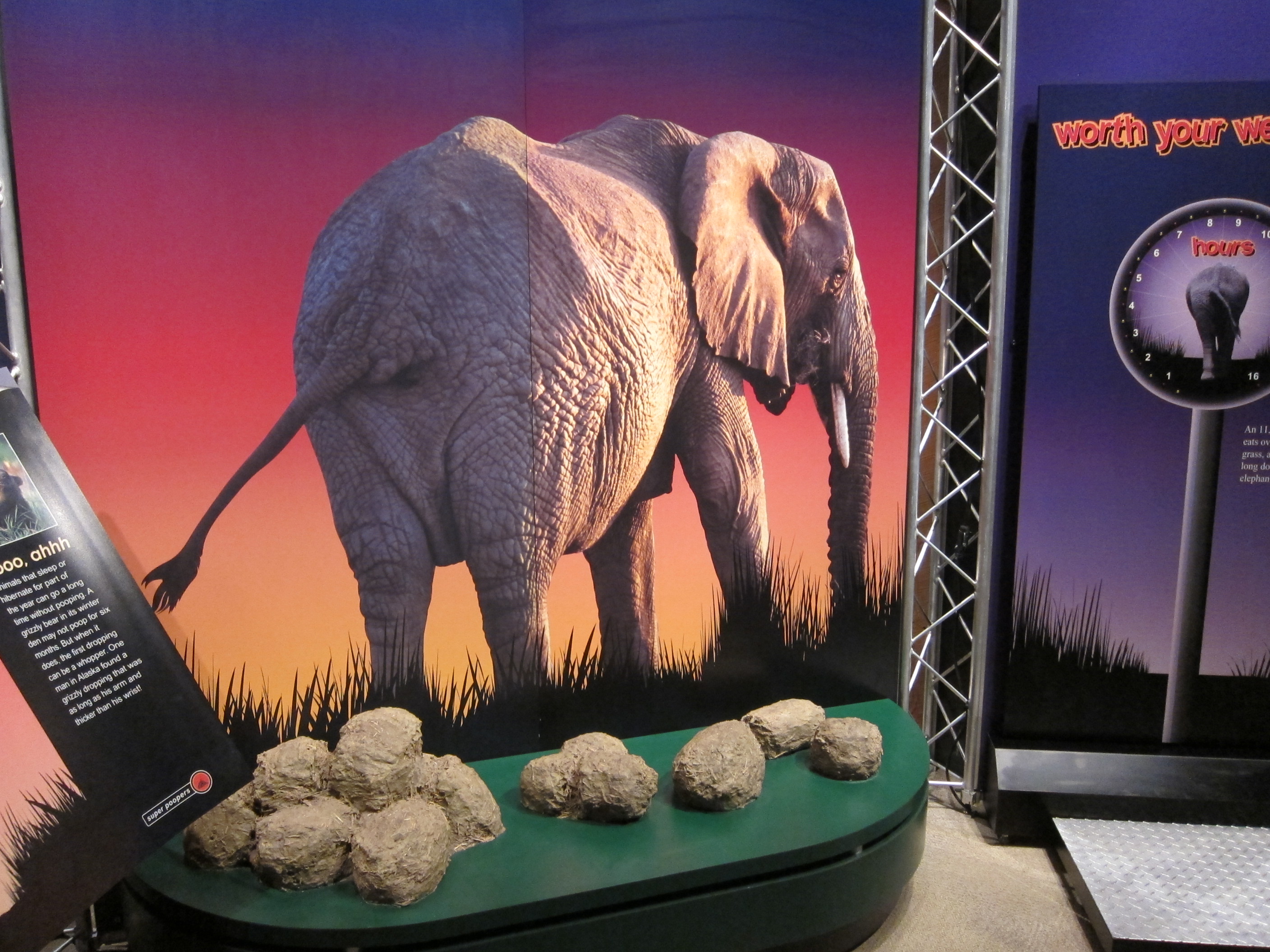
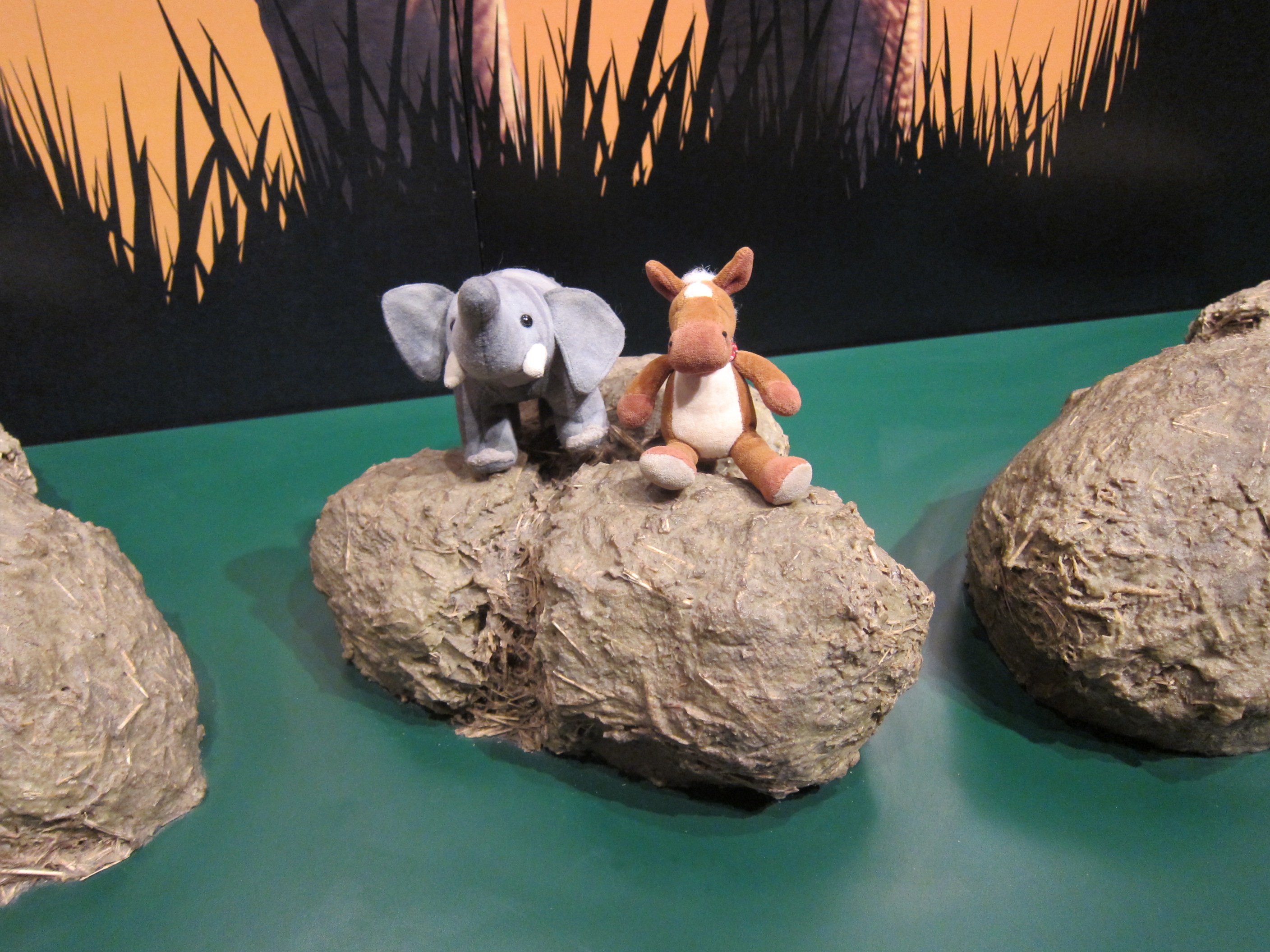
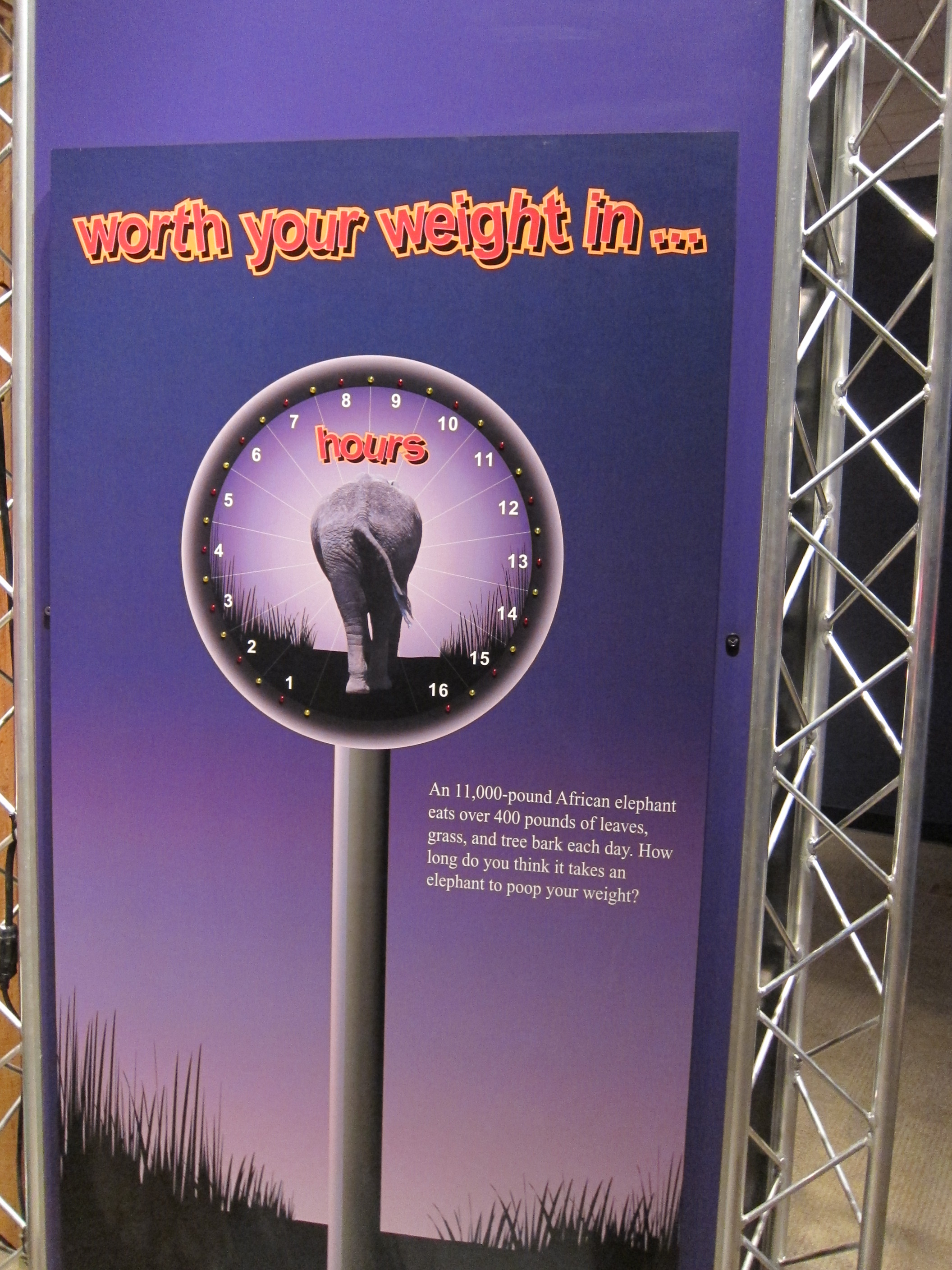
1)    Elephants are super duper poopers! One elephant can poop up to 80 lbs of waste a day! Wowzers!

Ellie is a Super Dooper Pooper!

Elephant Poo!
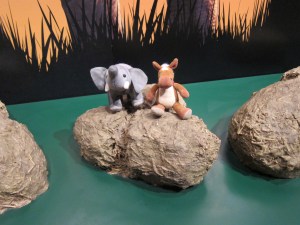


Yep! We’re sitting on fake poop!

Guess your weight in poop!

2)    Caterpillars throw poop to ward of predators! Yuck!

Whaaa?


3)    Poop makes great fertilizer! People have used it for thousands of years to help them grow their crops!

Poop helps crops grow!


4)    Sloths only poop once a week! What????

Sloths are fascinating!


Check out this cutie!

5)    Poop trivia steals the show!
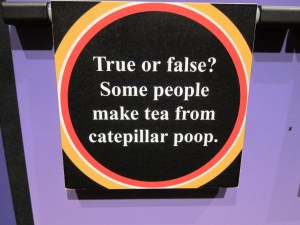
It’s true!

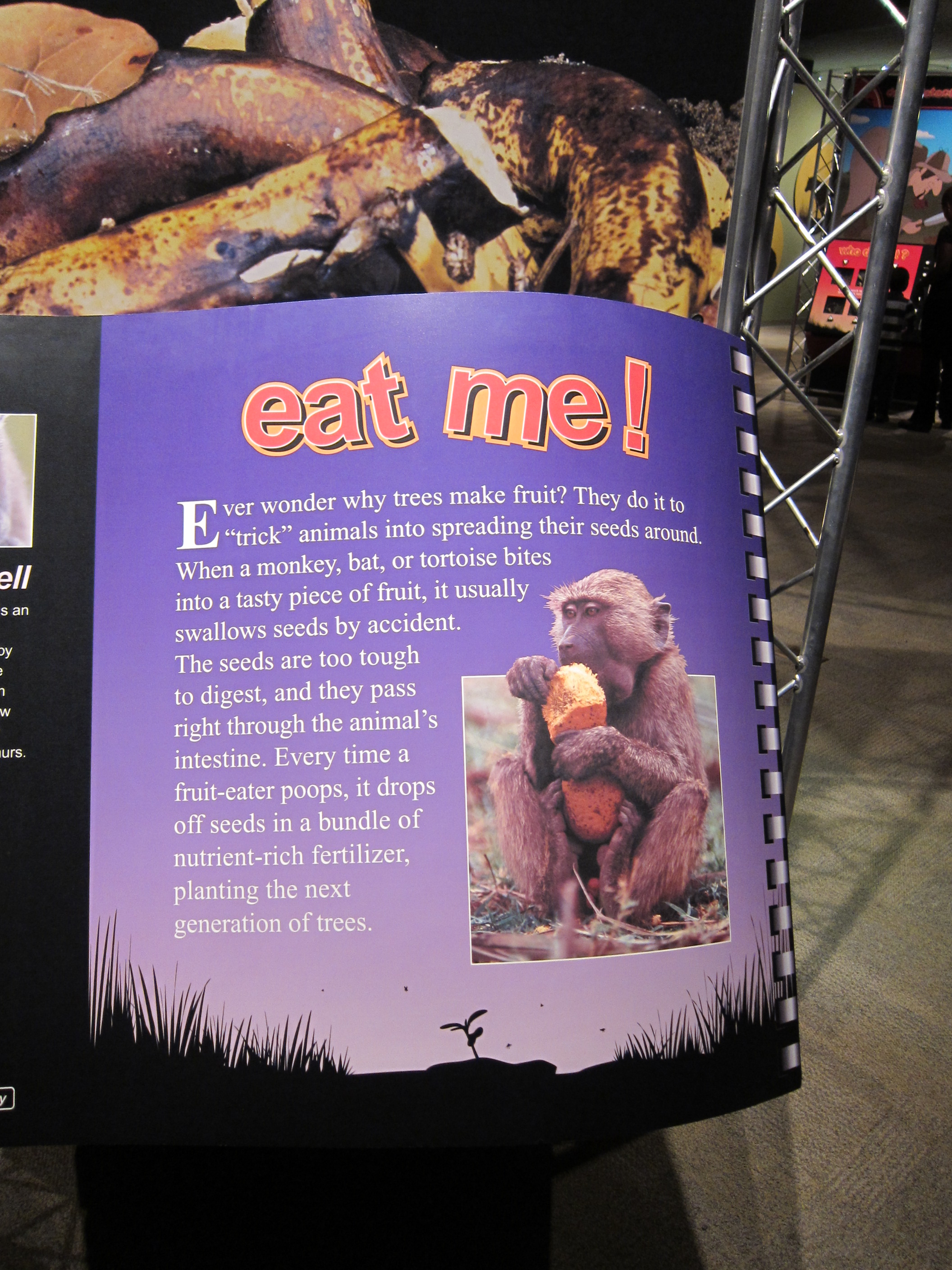
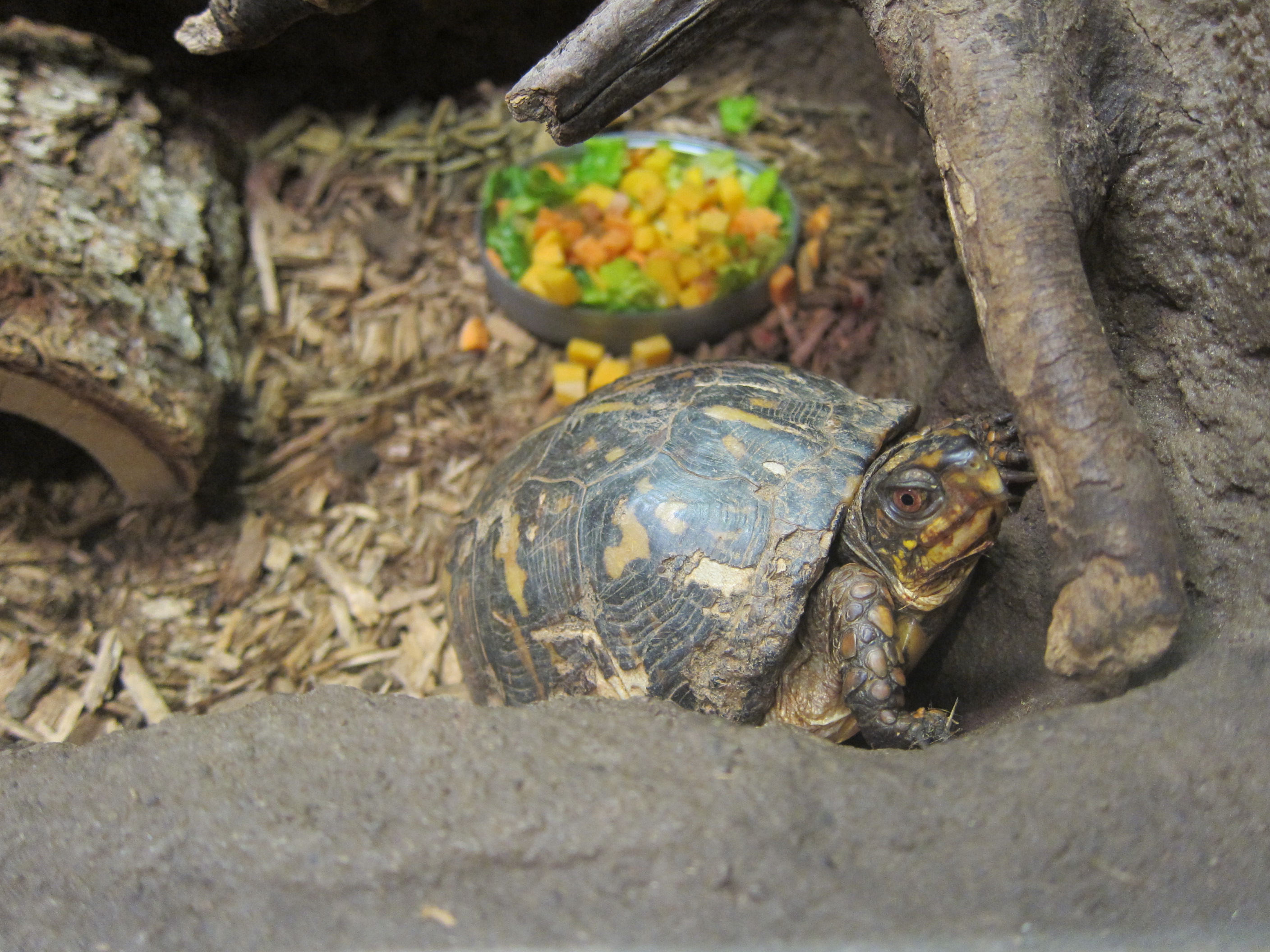
6)    Tree seeds are dispersed through animal poop!
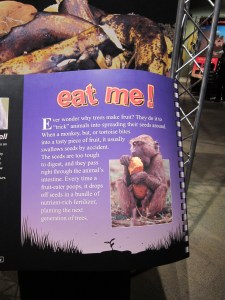
Cool! Animal poop makes new trees!

This Box Turtle dispenses seeds in it’s poop! They especially love berries!


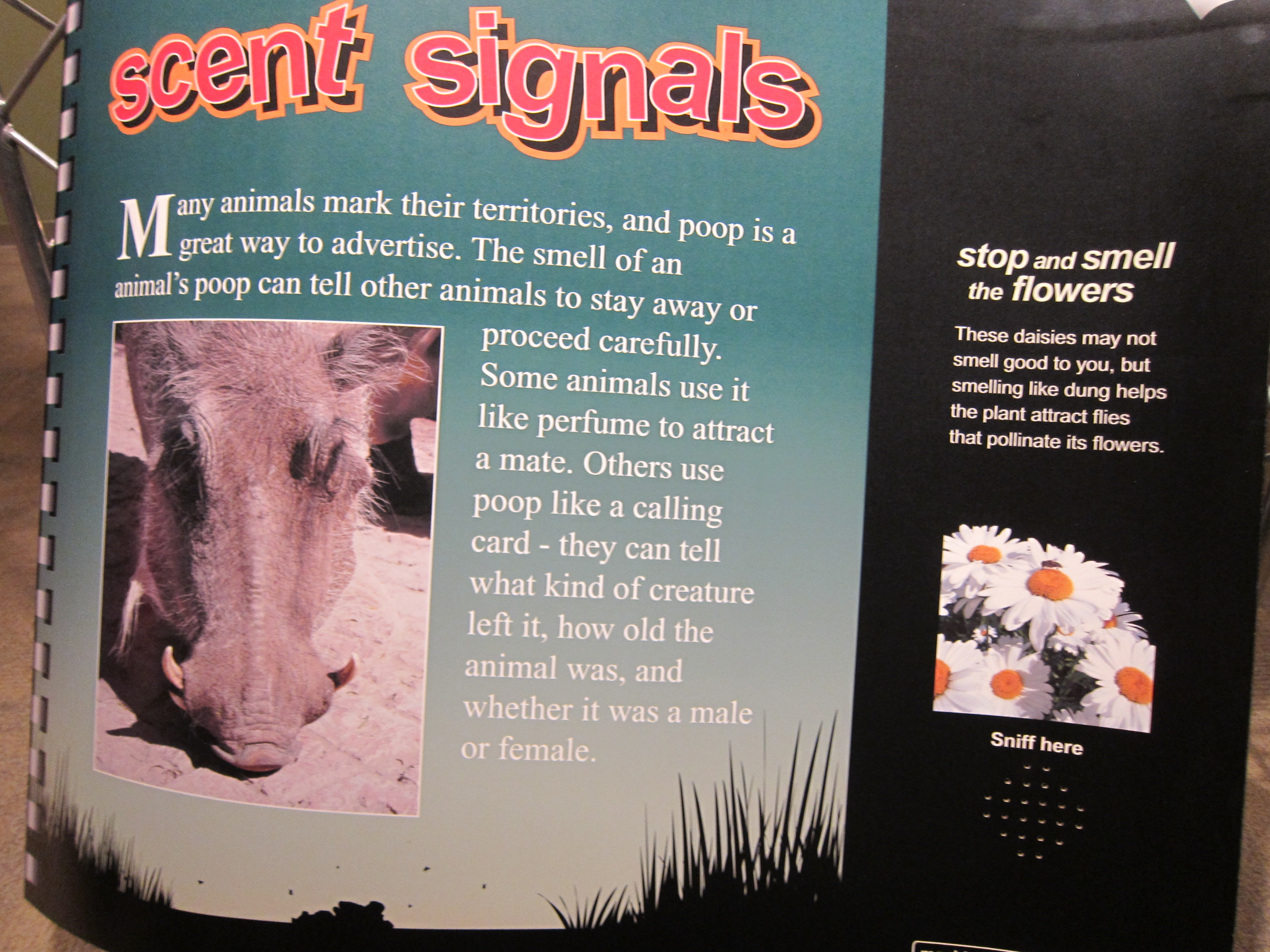
7)    Poop is a great way to mark your territory!
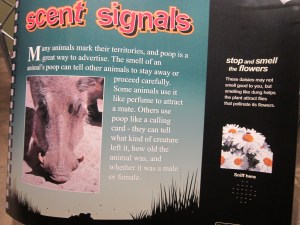
Spread your poop- mark your territory!

8)    Scientist use poop to learn about animal’s lives!

Scientist tract scat to learn about animals!

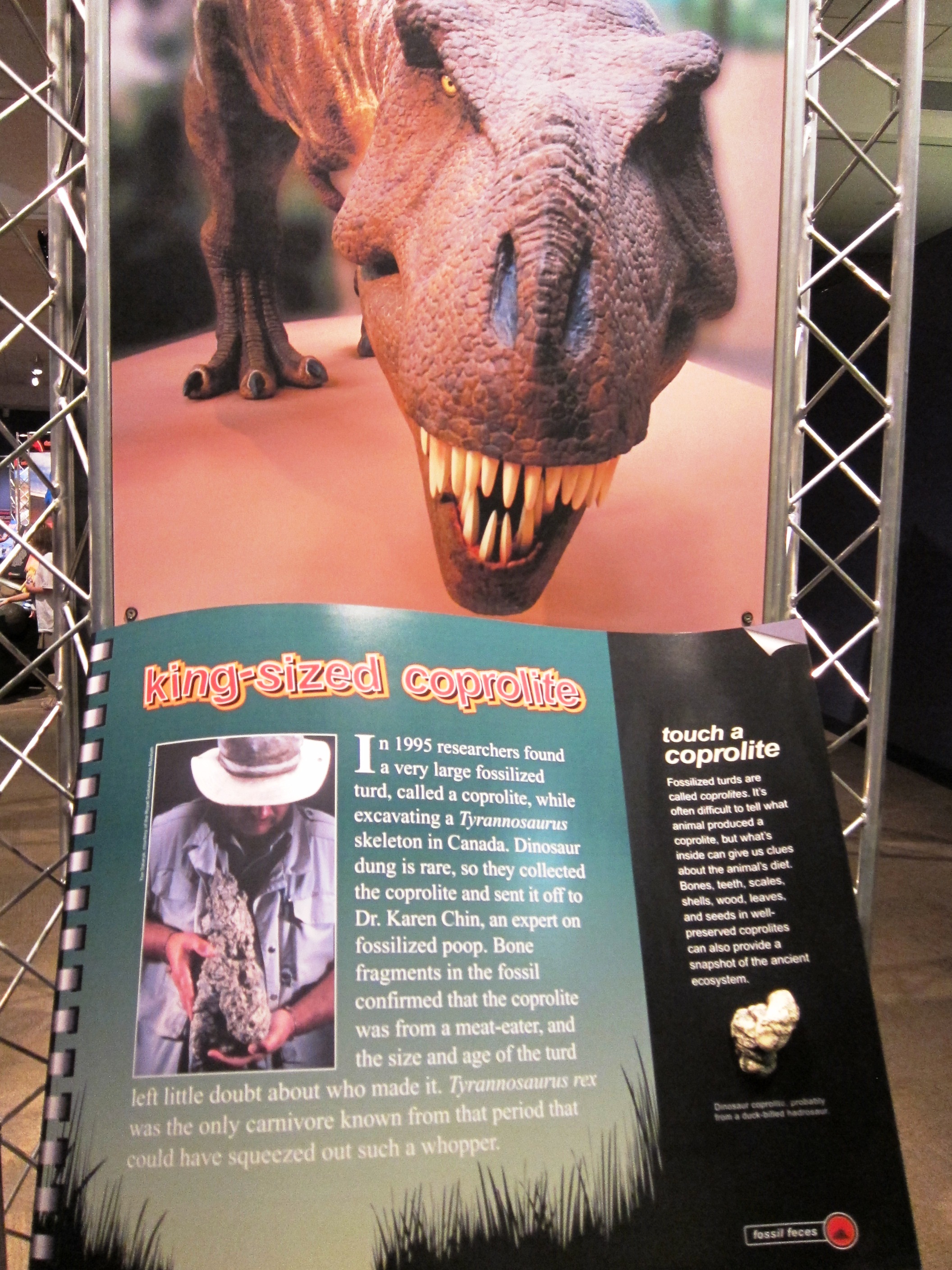
9)    Yes Edmond, there is fossilized dinosaur poop!

Dinosaur fossilized poop!

Edmond is touching real poop!


10) You can make paper out of poop! Who knew?

Cute paper products made from poop!


We’ve just hit the highlights of this fun and sometimes gross exhibit! There is so much more to see and do! You can meet live animals during encounters; pretend you’re a dung beetle and learn how to track scat (that’s another word for poop). If you ask us, learning about poop is a great way to spend a day!
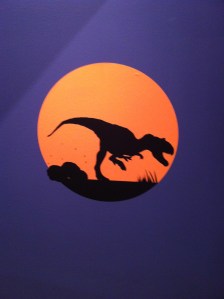
Dino poop!

We met a Blue Tongue Skink named Sydney!


Hanging with our pal Giggy! Don’t worry he’s super nice!

Fernbank is also starting their 97 days of play this weekend! They have all kinds of fun stuff planned throughout the summer including Reptile Day (a personal favorite of ours), Claws and Paws Weekend and the Scoop on Dinosaurs event! Check out their website for all the fantastic details!

Categories: Animals, Atlanta, Children, education, Environment, Local, nature, science, wildlife | Tags: , , , , , , , , , | 2 Comments

FEATHERY FRIDAY # 35

FEATHERY FRIDAY# 35

We haven’t featured an owl in a while, so we traveled to the grasslands of Africa to find a very cute and little owl with exceptional talons! Get your sunscreen because this little owl hunts during the day!

MEET THE PEARL SPOTTED OWL!

   Range/Habitat: Africa-South of the Sahara/ grasslands, woodlands

   Diet: Carnivore: mice, bats, insects

   Length/Weight: 6 ½-8”/ 1 ¾- 5 oz

   Conservation Status: Common


Fun Facts:

  • Pearl Spotted Owls are one of the smallest owls in Southern Africa.
  • They are mostly diurnal (active during the day).
  • Pearl spotted owls have two false eye marks on the back of their heads. These markings confuse and deter predators.
  • They have very strong talons that enable them to catch prey that is larger than them.
  • Both female and male Pearl spotted owls incubate the eggs and take care of the chicks.
  • Check out their call!


These little owls are super neat! And you thought all owls were nocturnal didn’t you? Our bird friends just never cease to amaze us with their diversity!

Categories: Animals, birds, Children, education, Environment, nature, science, wildlife | Tags: , , , , , , , , | 2 Comments

SUPER SURPRISE THURSDAY # 35

SUPER SURPRISE  THURSDAY# 35

It’s Super Surprise Thursday and we’re celebrating another watery animal friend. Today we are jetting off to the waters of Pacific and Indonesian oceans to meet a very beautiful and helpful fish! It’s time everyone learned how sand is really made J! Let’s go!

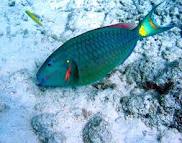
MEET THE BICOLOR PARROTFISH!

   Range/Habitat: Indian-Pacific Oceans/ coral reefs

   Diet: Herbivore: algae

   Length: up to 32”

   Conservation Status: Common


Fun Facts:

  • Bicolor parrotfish have fused molar teeth that resemble a parrot’s beak.
  • Bicolor parrotfish are brightly colored.
  • Their beak like mouths and coloration gave them the name parrotfish!
  • Juvenile bicolor parrotfish are white with orange on their head.
  • They eat algae off the coral.
  • When bicolor parrotfish chew up the coral and algae, they crush the coral. The coral that is not digested is then pooped out in sand form.
  • One large bicolor parrotfish can produce up to 2,200 lbs of a sand year.

Well, who knew that the beautiful white sand beaches of the Pacific were really fish poop? Hehe! There are other species of parrotfish in the Caribbean too, so you cannot escape the fish poop! Actually these fish are amazing and they do help build the ocean floor and the beaches that animals rely on for habitats and that humans love to relax on!


Categories: Animals, Children, education, Environment, fish, nature, oceans, science, wildlife | Tags: , , , , , , , , , | 2 Comments

WORLD TURTLE DAY!!

WORLD TURTLE DAY!

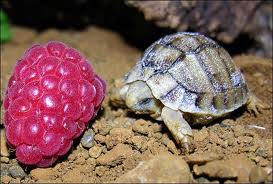
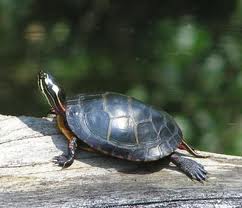
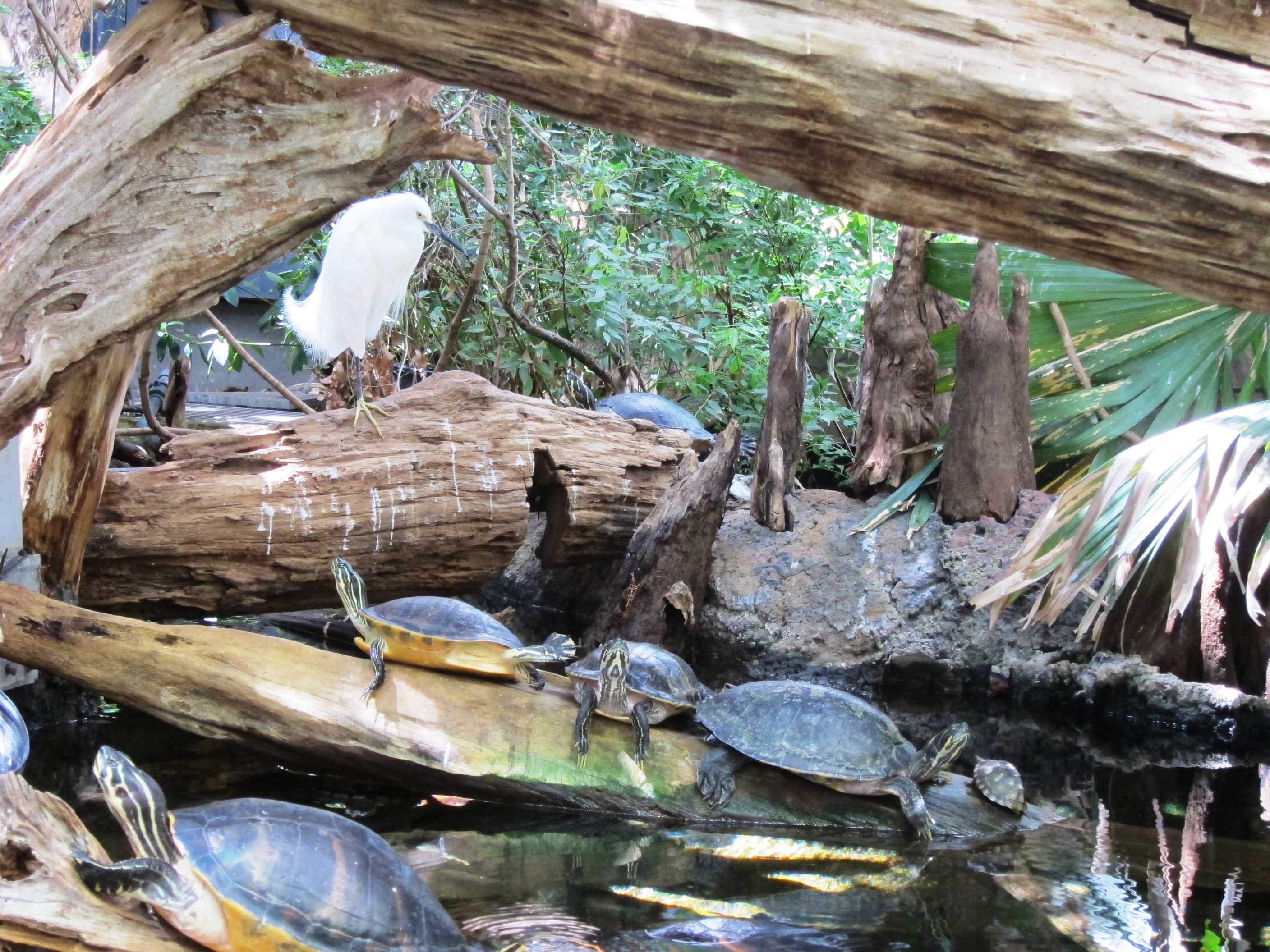
Happy World Turtle Day! We’re celebrating our favorite reptilian four legged friends! Turtles, tortoises and terrapins come in all shapes and sizes! We’ve met all kinds of turtles including a Leatherback Sea turtle who was laying her eggs and a Green sea turtle while snorkeling! Turtles and tortoises are just fantastic!
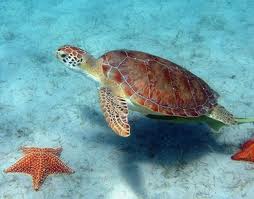
They all have shells that are part of their skeletons! In fact if you could look inside a turtle’s shell you would see their spinal vertebrates and rib cage!

The difference between turtles, tortoises and terrapins mainly is their habitat. Generally turtles spend their lives in water or near water and tortoises live on land. Terrapins also live near water, but prefer brackish habitats (water that is a mix of fresh and salt). Turtles generally have webbed feet and tortoises have flat stumpy feet.
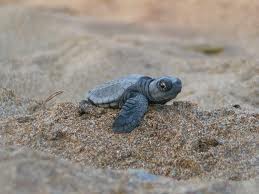
The individual plates on a turtles shell are called scutes! These are made of keratin, the same protein that makes up your hair and nails!

Turtles and tortoises live all over the world except in the Arctic and Antarctic. They even live in the world’s oceans! Turtles and tortoises are also kept as pets. They can be wonderful additions to one’s home, but they do require special housing and food. It is very very important that you do your homework before getting a turtle. Make sure you get them from a reputable breeder.  Releasing your pet into the wild because they get too big or they seem boring is bad for the turtle and the natural habitat.

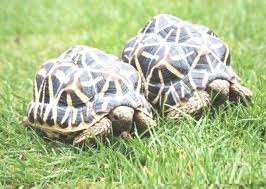
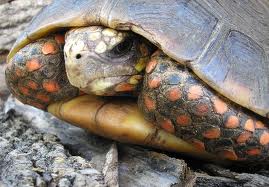
So let’s celebrate turtles with some great pictures! You can also check out our posts that featured turtles and tortoises including the Hawksbill Sea Turtle, African Helmeted Turtle, Twist Necked Turtles, African Spur-Thighed Tortoise, Indian Star Tortoise and the Red Footed Tortoise.

Many species of turtles or tortoises are threatened or endangered, especially our sea turtle friends. You can help them by picking up your trash (often sea turtles mistake plastic bags for jellies). You can also provide a good back yard habitat for wild turtles. If you see a turtle crossing the road, remember to put them on the side they were heading too. Remember if you find a turtle in your yard, leave it there. Turtles are fun to watch, but wild ones do not make good pets. Check out a great organization that is working hard to save sea turtles  The Sea Turtle Conservancy!


Categories: Animals, backyard, Children, education, Environment, nature, oceans, reptiles, science, wildlife | Tags: , , , , , , , , , | 2 Comments

REPTILIAN TUESDAY # 35

REPTILIAN TUESDAY # 35

We’re heading to Southeast Asia to meet a really big and we mean BIG reptile! We shall watch this giant reptile from a distance as they are big enough to take down a human and we are but a small elephant and horse! Are you ready to head out on this most excellent adventure? Let’s do it!

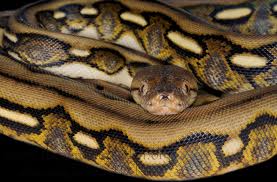
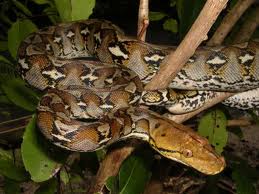
MEET THE RETICULATE PYTHON!

   Range/Habitat: Southeast Asia/ rainforest, grasslands

   Diet: Carnivore: birds, mammals

   Length/Weight: 21-33ft/ up to 400 lbs

   Conservation Status: common


Fun Facts:

  • Reticulated pythons are the world’s longest snake.
  • They are excellent swimmers.
  • Reticulated pythons have large heat pits in their jaws.
  • Reticulated pythons can live up to 30 years.
  • They do have 100 teeth, but are constrictors.
  • Female reticulated pythons lay anywhere from 30-100 eggs. She will wrap herself around them until they hatch.
  • The word reticulated comes from Latin and means “net-like”. It describes their pattern.

Wow, these snakes are not just big, but HUGE! They are spectacular and so beautiful! We’ll just make sure that we watch them from a distance :)!


Categories: Animals, Children, education, Environment, nature, rainforests, reptiles, science, wildlife | Tags: , , , , , , , | 1 Comment

MAMMAL MONDAY # 35

MAMMAL MONDAY # 35

We’ve found a cute teeny tiny little mammal from North America for Mammal Monday! Ssssshh… be very quiet and step lightly. Grab your night vision goggles because we’re going on a night hike!

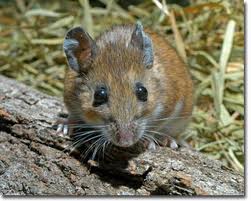
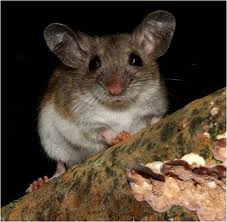
MEET THE WHITE FOOTED MOUSE!

   Range/Habitat: Southeast Canada-Mexico/forests, grasslands

   Diet: Omnivore: fruit, berries, seeds, insects

   Length/Weight: 3 ½-4 ½ “/ ½-1 oz

  Conservation Status: common


Fun Facts:

  • White footed mice have white feet and long tails.
  • They are nocturnal (active at night).
  • White footed mice live in pairs or alone.
  • White footed mice live in dens under rocks or near tree roots.
  • They are excellent climbers and swimmers.
  • White footed mice drum their feet when they are alarmed.

Aren’t these little mammals just the cutest? There are so many members of the rodent family and each one has their own niche in the habitat. Cool, huh?


Categories: Animals, Children, education, Environment, mammals, nature, science, wildlife | Tags: , , , , , , , | 2 Comments

Blog at WordPress.com.