Posts Tagged With: science

LEMUR MANIA- PART 1

LEMUR MANIA- PART 1!

We’re celebrating lemurs all week with some Lemur Mania! We’re off to the island of Madagascar to meet some of the crazy prosimians!
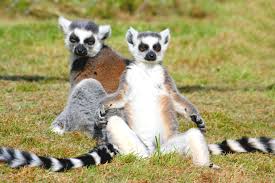
lemur1Some species of lemurs, like these ring tailed lemurs sun themselves during the day.
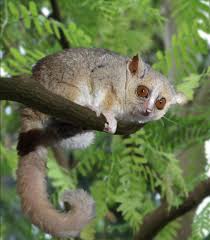
lemur2The gray mouse lemur only reaches a weight of up to 3oz. That is one small lemur!
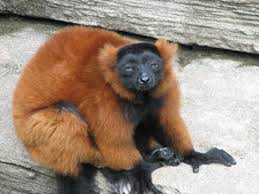
lemur4Red ruffed lemurs have alarm calls they use to warn others about predators.

lemur3Sifaka lemurs move by jumping vertically! It is super fun to watch- check it out!

lemur5The golden bamboo lemur eats, you guessed it, bamboo. They are critically endangered due to habitat loss.

lemur6Black and white ruffed lemurs, like other lemurs, have a row of bottom teeth that are similar to a comb- in fact it is called a toothcomb. This toothcomb helps the lemur groom itself.
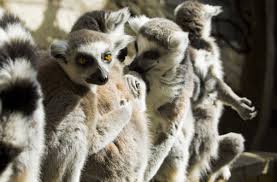
lemur7A group of lemurs is called a troop!

We’ll be back tomorrow with more lemur mania! Do you have any lemur facts you’d like to share?

Categories: adventure, Animals, Children, conservation, education, Environment, mammals, nature, science, wildlife | Tags: , , , , , , , , , , | Leave a comment

WE SPY!

WE SPY!!

FullSizeRender

We Spy with our four little eyes an animal that lives on one island in the world. Their tails are black in white. Who do we spy?

wespy

Categories: adventure, Animals, Children, conservation, education, Environment, nature, science, wildlife | Tags: , , , , , , , , | Leave a comment

SCIENCE WORD OF THE WEEK!

SCIENCE WORD OF THE WEEK!

swow prosimian

Welcome to this week’s class everyone! We’ve got an exciting week planned here at the University! Today we’re kicking off Lemur Week! Are you ready to learn today’s word?

Today’s word is Prosimian: prosimians are a type of primate, the name means pre-monkey. These primates usually have long wet snouts, whiskers and large eyes and ears. Prosimians include lemurs, bush babies and loris.

Ellie and Edmond will be meeting some types of prosimians this week!

Categories: adventure, Animals, Children, conservation, education, Environment, mammals, nature, science, wildlife | Tags: , , , , , , , , , | Leave a comment

HAPPY OWL-O-WEEN!

HAPPY OWL-O-WEEN!

IMG_5242

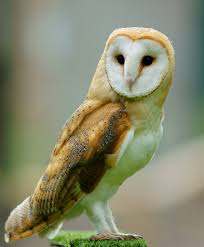
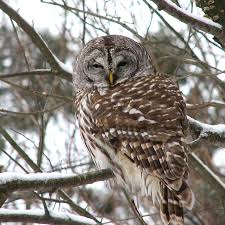
Happy Owl-O-Ween everyone! Today on Halloween we are talking owls! Those gorgeous birds of the night with their haunting calls can send chills up the spine, but we know these birds of prey are amazing! So on this Owl-O-Ween we’ll share some reasons why we love them so!

owl2

Owly Fun Facts:

  • There are 216 species of owl. They live on every continent except Antarctica.
  • Owl ears are not symmetrical. This helps owls hear “all around” them.
  • All owls are carnivores. They swallow their prey whole and then throw up the undigested parts. These thrown up parts are called owl pellets.

owl4

  • Owls have two front facing toes and two back facing toes. This helps them grasp branches and prey.
  • Like other birds of prey, most female owls are larger than males.
  • Humans have 7 vertebrae in their necks, owls have 14! They can turn their heads 270 degrees.
  • Owl eyes are so large they take up most of their brain cavity.
  • Owls have special feathers that help them keep silent while they fly.

owl5

  • Baby owls are called owlets.
  • A group of owls is called a parliment.
  • The smallest owl is the Elf Owl and the largest is the Eurasian Eagle Owl.
  • Not all owls hoot. Some owls screech.

owl3owl6


Owls are one of favorite kinds of birds. These majestic birds with their gorgeous camouflage feathers and their wise old faces have captured the hearts of humans for centuries. They have been worshiped and feared and written about over the years. We can certainly see why they are so popular!

Categories: adventure, Animals, Children, conservation, education, Environment, nature, owls, science, wildlife | Tags: , , , , , , , , , , | 1 Comment

HORSES AND BATS!

HORSES AND BATS!

We’re off to meet a bat who has horseshoe in its name! We wonder if they make them? Edmond can always use a new pair! Grab those night vision goggles and let’s head off on today’s adventure.

e & e night rainforest

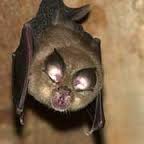
MEET THE LESSER HORSESHOE BAT!

lesser horseshoe bat


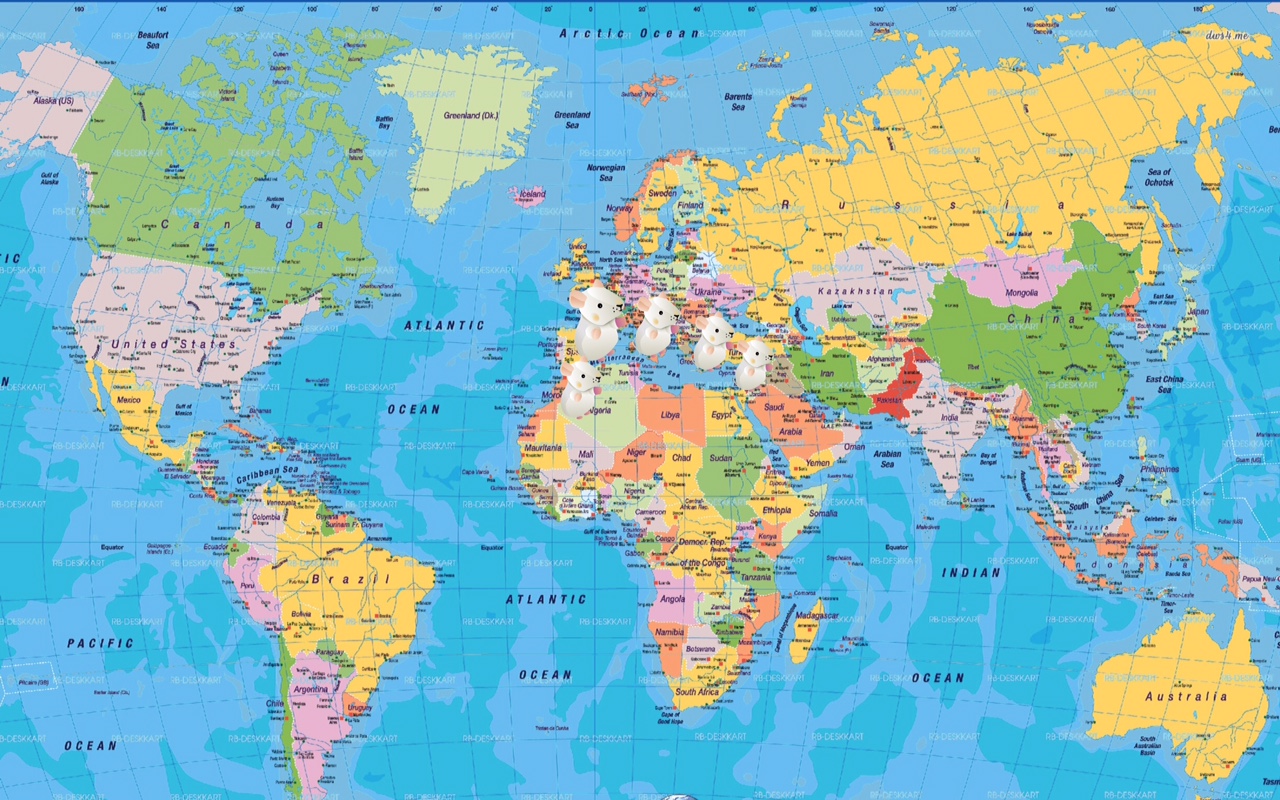
  • Lesser horseshoe bats live in Europe and Northern Africa.

IMG_0208

  • Lesser Horseshoe bats are one of the smallest bats in the world.
  • They have a horseshoe shaped nose.
  • Lesser horseshoe bats are insectivores.
  • Lesser horseshoe bats live in colonies.

IMG_5247

  • Lesser horseshoe bats are smaller than a human thumb.
  • They hibernate underground in the winter.
  • Lesser horseshoe bats usually fly close to the ground.
  • They are listed as common by the IUCN.

These tiny little flying mammals are ugly and cute and the same time. Bats come in all shapes and sizes and they are all beneficial! Bats rock!

lesser horseshoe bat2   lesser horseshoe bat3

Categories: adventure, Animals, Children, conservation, education, Environment, mammals, nature, science, wildlife | Tags: , , , , , , , , , | Leave a comment

GOING BATTY!

GOING BATTY!

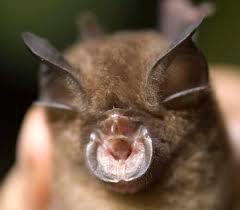
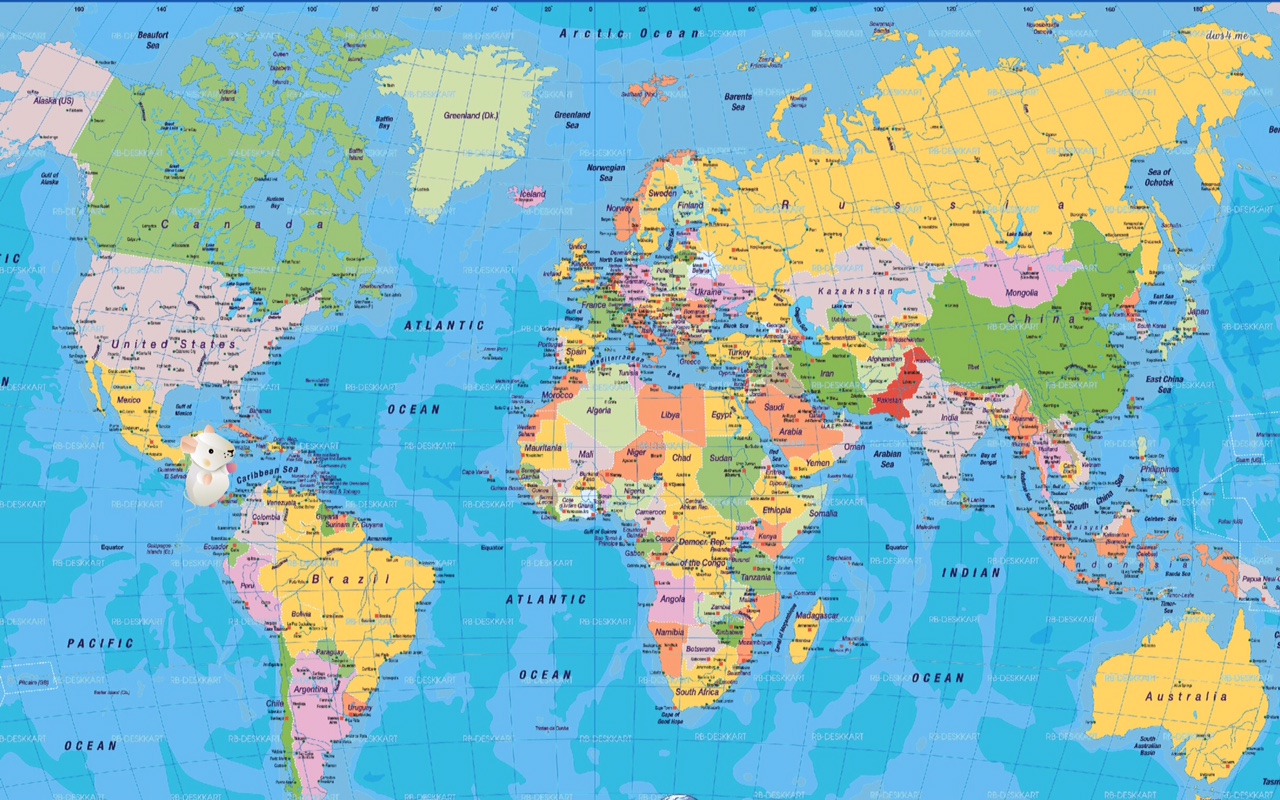
We’re going batty around the University this week! Today we’re off to Honduras in Central America to meet a super cute bat!

honduran bat

  • Honduran white bats live in tropical forests.IMG_0207
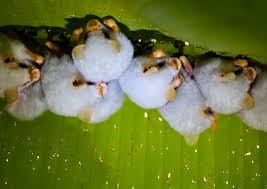
  • Honduran white bats make their homes by cutting leaves to create an upside down tent.
  • Honduran white bats have unusual white fur.
  • When the sunlight hits their tent it casts a green light on the bat helping camouflage!
  • Like other bats, they are nocturnal.
  • They are 1-2 inches long and weigh around .2 oz.
  • These small bats have no tails.
  • Honduran white bats eat fruit, unlike most other small bats.IMG_5220
  • These bats are listed as Near Threatened, mainly due to habitat loss.

honduran bat2

These adorable little bats have funny faces. They make us smile. Who knew that bats came in other colors besides brown and black?

Categories: adventure, Animals, Children, conservation, education, Environment, mammals, nature, science, wildlife | Tags: , , , , , , , , , | Leave a comment

WE SPY!!

WE SPY!!

FullSizeRender

We have a great animal for you today! We spied this mammal in South America. They have a bad reputation but they aren’t nearly as scary as they seem! Can you guess who this flying animal who doesn’t eat insects or fruit is?

we spy

Categories: adventure, Animals, Children, conservation, education, Environment, nature, science, wildlife | Tags: , , , , , , , , | Leave a comment

SCIENCE WORD OF THE WEEK!

SCIENCE WORD OF THE WEEK!

swow bat

Hello and welcome to class! We’re gearing up for Bat Week here at the University and then Ellie and Edmond will be celebrating Owl-O-Ween! So who’s ready to learn a super cool word today?

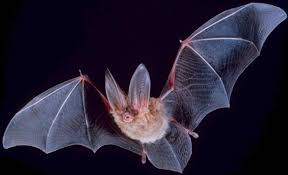
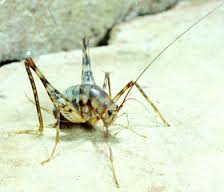
Today’s word is Trogolophile: trogolophiles are animals that live just inside the entrance of a cave. Light can be abundant and the animals don’t have adaptations to survive in complete darkness. The word trogolophile comes from greek words (troglos- cave) and (phileo- love). Some trogolophiles include bats, rats, insects and salamanders.

batsalamander

cave cricket 

Categories: adventure, Animals, Children, conservation, education, Environment, nature, science, vocabulary, wildlife | Tags: , , , , , , , , , | Leave a comment

INTERNATIONAL SNOW LEOPARD DAY

INTERNATIONAL SNOW LEOPARD DAY!

e e ear muffs

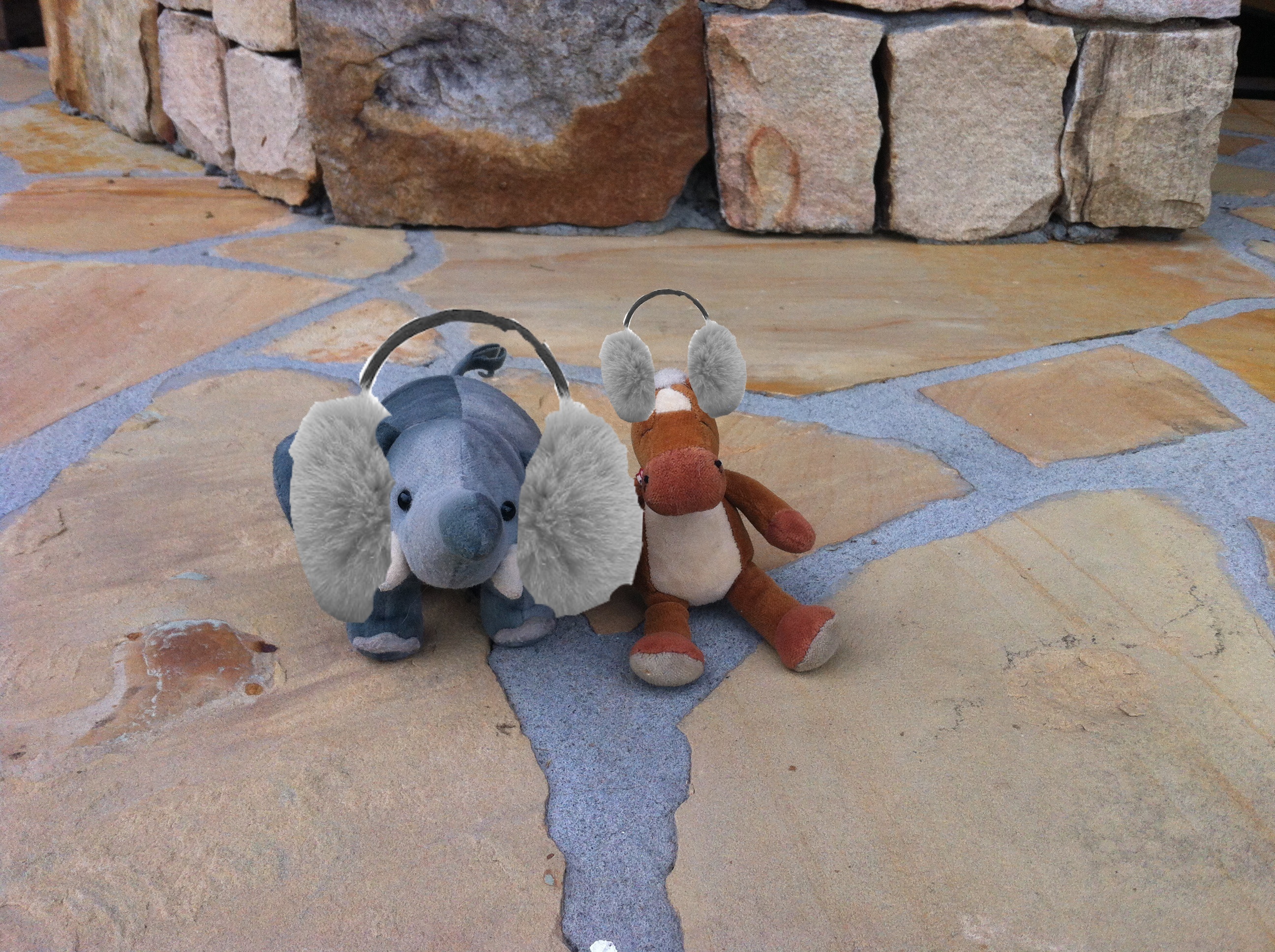
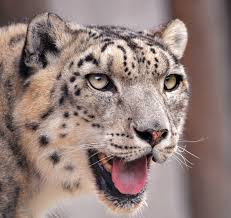
Woohoo! We’re heading to the chilly mountains of Asia to meet one of the more gorgeous and elusive big cats on earth! Happy International Snow Leopard Day! We’re going to celebrate with some fun facts about these neat cats!

snow leopard2

  • Snow leopards live in the mountains of Central Asia.

IMG_0199

  • They have some of thickest fur of any animal on earth, up to 5 inches thick.
  • Snow leopards can jump up to 50 feet in on leap.
  • Snow leopards are carnivores, they eat blue sheep and small mammals.
  • Their long tails can grow up to 36 inches, almost as long as their bodies. Their tails help the snow leopard with balance and warmth.

snow leopard

  • Snow leopards are endangered.
  • Snow leopards are known to be shy and solitary.
  • Their feet are built like snow shoes.

snow leopard3

Categories: adventure, Animals, Children, conservation, education, Environment, mammals, nature, science, wildlife | Tags: , , , , , , , , , | Leave a comment

World Wombat Day!

World Wombat Day!!

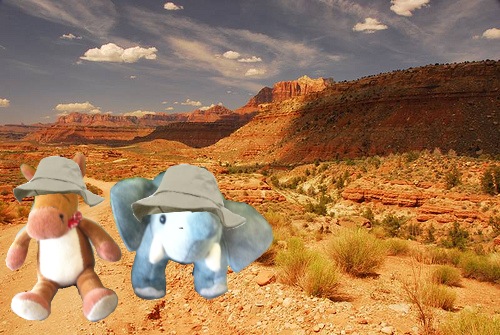
e e desert

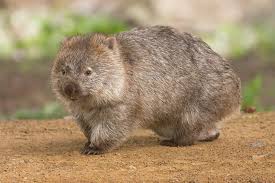
Come celebrate the wonderful wombat with us today! We love these marsupials from the land down under! Hopefully you will too after you learn some cool stuff about them!

wombat4wombat2

  • Wombats live in Australia.

IMG_0201

  • They are marsupials.
  • Wombat pouches face toward the rear instead of towards the mother’s head. This is to make sure the mother doesn’t get dirt in the pouch when digging burrows.
  • They live in burrows that they dig. Some species of wombats share their burrow and some live alone.
  • Wombats are herbivores; they eat grasses, roots and barks.

IMG_4470

  • It can take up to 14 days for a wombat to digest its food.
  • Wombat teeth never start growing.
  • Wombats are nocturnal.

wombat

  • Wombats can run up to 25 mph.
  • A wombat’s bum is primarily made up of cartilage.
  • During the ice age, wombats were giant sized! They were the largest marsupial known to have ever lived.

giant wombat

Categories: adventure, Animals, Children, conservation, education, Environment, mammals, nature, science, Uncategorized, wildlife | Tags: , , , , , , , , , | 1 Comment

Blog at WordPress.com.