
WE SPY!!

Today we spy with our four little eyes a marsupial who lives in Australia. Known for their feisty dispositions these carnivores are the opposite of an angel! Guess who we spy!

WE SPY!!
Today we spy with our four little eyes a marsupial who lives in Australia. Known for their feisty dispositions these carnivores are the opposite of an angel! Guess who we spy!
SCIENCE WORD OF THE WEEK!
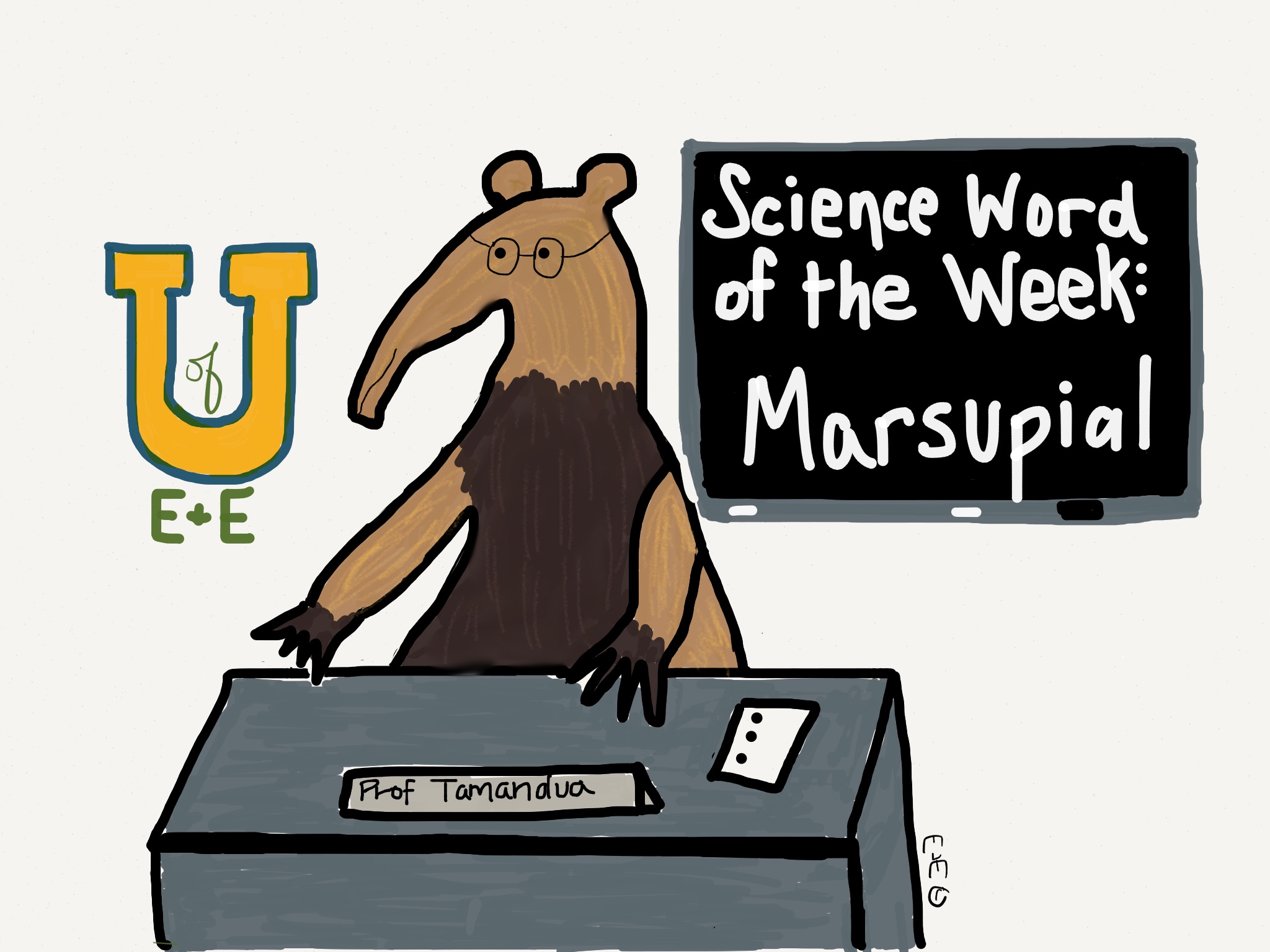
Welcome back to our summer session! I’m so glad to see everyone here in class! I had a lovely break and Ellie and Edmond had a nice weekend exploring the outdoors. I’m excited for this week’s word! Are you ready to learn today?
This week’s word is Marsupial: a marsupial is a mammal that gives live birth to very small young that climb into the mother’s pouch or marsupium to grow up in. The pouches are mostly on the outside of the mother’s pouch. Most marsupials live in Australia, except for several species of opossums- who live in North, Central and South America.

The Virginia Opossum lives in North America.
INTERNATIONAL BIODIVERSITY DAY!
Today we celebrate Biodiversity on our planet! 
We’re super excited to celebrate International Biodiversity Day! Not sure what biodiversity is? Check out Professor Tamandua’s explanation here!
Each habitat on earth is made up of many different living organisms and all of those organisms (plants, animals and fungus) rely on each other. If we loose the biodiversity in many habitats, then we could lose most of the species there.
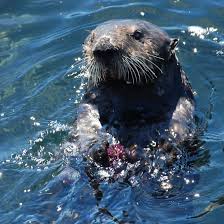
Here’s a great example: Southern Sea Otters live off the coast of California. They live near kelp forests. When sea otter numbers dropped, the purple sea urchin (an otter’s favorite food) population grew. Purple sea urchins then began to eat the kelp and it began to disappear. Many other fish, crustaceans and other animals are dependent on that kelp for shelter and food. So see, without the otters the habitat is out of balance. As otter populations have come back so have the health of the kelp forest.
To learn more about what you can do to celebrate this important day- Check out the Convention of Biological Diversity Website. When we think of our earth’s habitats as whole living organisms we can not just protect one species, but many!
BEAR NECESSITIES!

We’re still celebrating Bear Appreciation Week with some fun bear facts and a coloring sheet!

BEAR FUN FACTS:


 We love bears! Each species is so different and amazing! Do you have a favorite bear species? Print our bear coloring sheet and show us your favorite!
HERE COMES THE SUN!
It’s Bear Appreciation Week and we thought we would spotlight this super cute bear! We’re traveling to Southeast Asia today to meet a very handsome bear with a funny long tongue! Grab your gear we’re heading into the rainforest!

MEET THE SUN BEAR!
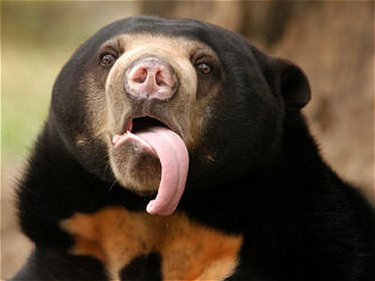 Range/Habitat: Southeast Asia/ rainforest
Diet: Omnivore: fruit, shoots, eggs, honey, termites
Length/Weight: 3 ½-4 ½ ft/ 110-145 lbs
Conservation Status: endangered
Fun Facts:
Sun bears are just so adorable. They are endangered mainly due to habitat loss. There are lots of things that we can do to ensure our rainforests are kept intact. We love The Rainforest Site, because all you have to do is click once a day and money goes to save habitat for great animals such as our Sun Bear pal!


WE SPY!!
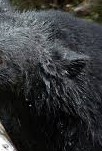
We are back from vacation, but still playing a bit of catch-up! It’s bear appreciation week and we wonder if you can guess which species we spotted on vacation! We were in Florida is your only clue!
ENDANGERED SPECIES DAY!
We’re on vacation- so we wanted to share a post from a few years ago with you!
We want to explain a bit more about endangered species and have you meet a few animals who have success stories!

First, what is an endangered species? Well, that is a complicated answer. The IUCN (International Union for Conservation of Nature) is an International group that is made up of scientist, conservation organizations and governments from all over the world. They work on conservation issues all around the globe and help determine populations of animals. They have ranking system that starts at Data Deficient and goes to Critically Endangered to Extinct. Individual countries sometimes have their own ranking system and that here in the U.S. started with the Endangered Species Act. It lists animals who need protection or help due to low populations. When an animal is put on the endangered species list, it helps people protect their habitat and their population.
We often hear so many negative stories when it comes to endangered species and we wanted to share some success stories! We can make a difference and we can help protect critical habitats and the animals who live there!
Peregrine Falcons
At one time there were just 324 pairs of these fast fliers left, but now there are over 1,700 pairs*!

Sea Otters
These adorable otters have gone from 1,700 individuals to over 2,700 due to protecting their habitat and rehabilitation efforts by places like the Monterey Bay Aquarium!

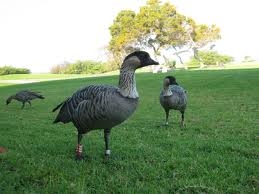
Hawaiian Goose
The state bird of Hawaii has gone from just 400 birds to several thousand due to captive breeding programs that reintroduce the birds in their habitats!
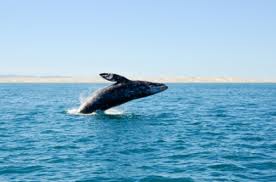
Gray Whale
These giants of the ocean are protected from hunting internationally and have seen their numbers grow under that protection. They now number in the 30,000s!
*Numbers from biologicaldiversity.org
We love sharing animal success stories! You can make a difference when it comes to helping endangered species. You can get involved with local and global conservation organizations. You can participate in a habitat clean up. You can recycle, reduce your trash and reuse items. You can take a trip to your local AZA accredited zoo or aquarium, all of which not only work with the animals they house, but with wild populations. Lastly, share your passion and love of animals with everyone you know!
ENDANGERED SPECIES WORD SCRAMBLE!
Come enjoy a little brain test and see if you can unscramble these words to reveal the endangered species!
ENDANGERED SPECIES WORD SCRAMBLE
1. nhroi ___________________________________________
2. thlerabeakc eas urtlte ______________________________
3. oncdro___________________________________________
4. danlwol orgiall____________________________________
5. nasai teelhpan____________________________________
6. wons padreol_____________________________________
7. inatg anpad______________________________________
8. olinpan_________________________________________
9. umhpkcab lahwe_________________________________
10. yerg lwof_____________________________________
Answers down below:
WE SPY!
We spy with our four little eyes this endangered species! Can you guess just with the picture?

SCIENCE WORD OF THE WEEK!

It’s time for the Science Word of the Week! Friday is Endangered Species Day so we’ll be sharing information, puzzles and some great success stories all week! We promise to have E & E’s Chicago picks up too. It was a busy week at the University and we fell a bit behind.
Today’s Word is Endangered- when an animal is on the brink of extinction. Animals that are at risk of being endangered are listed by the IUCN as vulnerable, endangered and critically endangered. We here at the University work hard to share how we can all help endangered species! We look forward to sharing that all week!

 The Adventures of Ellie and Edmond