Posts Tagged With: science

INTERNATIONAL BAT DAY!!

INTERNATIONAL BAT DAY!!

e & e bat

Happy International Bat Day!! We’re celebrating this fun flying mammals with great fun facts and photos! Make sure to check out our Instagram account tomorrow for a fun How to Draw a Bat video!

bat4

  • Fruit bats are essential for seed dispersal. When they eat fruit, the seeds are pooped out and that helps forests grow.
  • Bats make up 25% of all mammal species.
  • The largest known colony of bats is Texas. Millions of Mexican free tailed bats roost from May to October.
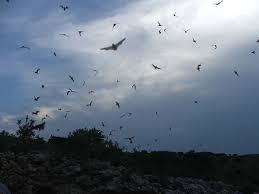
bat6   bat5


  • Mother bats can find their pups in large colonies by scent and sound.
  • Bat poop (guano) is used as fertilizer.
  • Bat fossils have been found that are 33 million years old. bat2
  • Bats have five toes on each food.
  • Don’t like mosquitoes? A brown bat can eat up to 1,000 mosquitoes an hour!
  • The smallest bat is the Bumblebee bat and it weighs less than a penny.

Wow! Bats are soooo amazing! They can eat pests and provide seeds for forest growth! We just love all of these flying mammals! Do you have a favorite bat species? We see the brown ones near the University of E&E!

Categories: adventure, Animals, bats, Children, conservation, education, Environment, mammals, nature, science, wildlife | Tags: , , , , , , , , , | 1 Comment

I Want to Drink Your Blood….

I WANT TO DRINK YOUR BLOOD!!
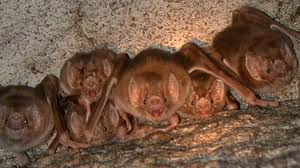
People often get so scared of our animal friends and they get a bad reputation.  Sometimes they may even be a little scary, but we love all animals! Sometimes we just love them from a distance! Today’s animal is a bat with sharp pointy teeth and a really bad reputation.


MEET THE COMMON VAMPIRE BAT!

Pretty cute!

I   Range/Habitat: Mexico-South America/roost in caves, mines, trees

   Diet: Hematophagy: blood of mammals such as cattle, pigs and tapirs

   Length/Weight: 2 ¾”-3 ¾”/ around 1 oz

   Conservation Status: common

vampire bat2

Fun Facts:

  • Common Vampire Bats are one of three bats that’s only source of food is the blood of other animals.IMG_1264
  • They have sharp thin-pointed teeth they use to bite animals.
  • Their teeth are so sharp that often the animals do not feel the bite.
  • Common vampire bats are strong fliers.
  • They have strong forelimbs and legs that help them get around on the ground. In fact they are very agile and speedy.
  • Common vampire bats have heat seeking receptors in their nose to help them locate veins closest to the skin.
  • Common vampire bats are nocturnal.
  • Common vampire bats live in large groups of usually several hundred individuals. They are known to have strong family bonds. There is even evidence of females adopting young bats that are orphaned.

vampire bat

We’ll admit these bats are a little creepy. But all animals have a place in this world. So we respect them all, again from a distance!

IMG_1265


Answer: True

Categories: adventure, Animals, Children, conservation, education, Environment, mammals, nature, science, wildlife | Tags: , , , , , , , , , , | 1 Comment

NATIONAL DOLPHIN DAY!

NATIONAL DOLPHIN DAY!

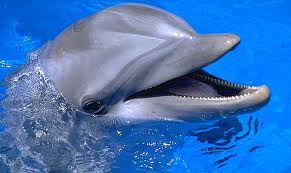
Ok, we’re a day late celebrating these amazing aquatic mammals, but better late than never! Dolphins are members of the toothed whale family and their largest member is the Orca- we bet you didn’t know that! We’re celebrating dolphins by featuring one of the better known dolphins- the Bottlenose Dolphin! Come learn about these amazing and intelligent creatures!

beach

Have you ever spotted dolphins at the beach?

MEET THE BOTTLENOSE DOLPHIN!

   Range/Habitat: Oceans worldwide, except for the polar regions

   Diet: Carnivore: fish, mollusks, crustaceans

   Length/Weight: 6 ¼- 13 ft/ up to 1,110 lbs

   Conservation Status: common


Fun Facts:

  • Bottlenose dolphins are very social and live in complex groups.
  • Bottlenose dolphins use echolocation to catch prey- similar to our bat friends!
  • They make many different whistles and clicks to communicate with each other. These vocalizations are still be studied and understood by scientists.
  • Each dolphin has a signature or individual whistle that identifies them, like we have names.
  • They use tools. One group of dolphins has been seen using sponges to protect their noses from stingrays and stonefish as they look for prey.
  • Bottlenose dolphins are able to recognize themselves in a mirror.
  • They learn behaviors from their mothers and other dolphins.
  • Bottlenose dolphins have been taught to understand sign language.
  • They also use many different cooperative hunting techniques.

Researchers are really just beginning to understand the depths of their intelligence, both in institutions and in the wild. We sure wish we knew how to speak dolphin! Squeak, click, whistle!


Categories: adventure, Animals, Children, conservation, education, Environment, mammals, nature, oceans, science, wildlife | Tags: , , , , , , , , , , | 1 Comment

WE SPY!!

WE SPY!

FullSizeRender

We Spy with our four little eyes a flying mammal that has a bad reputation for sucking blood.

guess

Categories: adventure, Animals, Children, conservation, education, Environment, mammals, nature, science, wildlife | Tags: , , , , , , , , , | 5 Comments

SCIENCE WORD OF THE WEEK!

SCIENCE WORD OF THE WEEK!
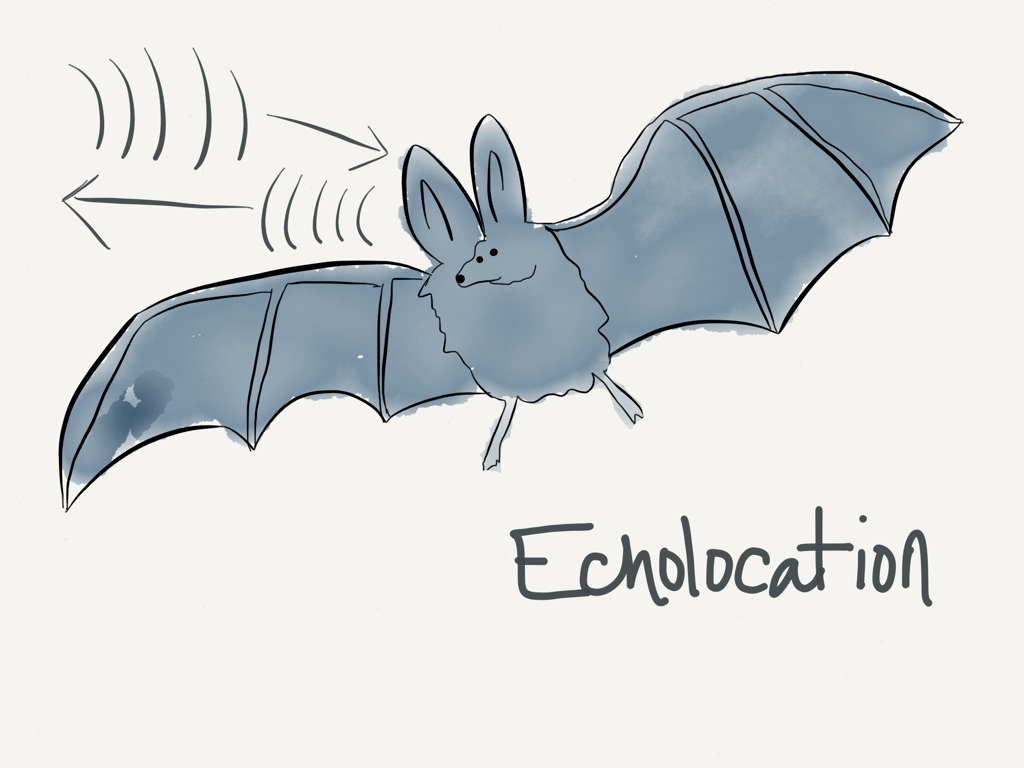
We’re revisiting the Science Word of the Week this time just in time for International Bat Day on Friday! Who knows how insect eating bats locate their prey? Come find out!

swow echolocation

Echolocation is the location of an object or prey using sound to reflect off that object to determine distance, size and shape. Bat can determine an object as thin and fine as human hair using their echolocation.

This is what  Big Brown Bat’s sonar sounds like here! Human ears can not hear these frequencies normally! Ellie and Edmond will talk more about bat echolocation as they introduce a few cool species of these flying mammals!

swow echolocation cartoon

Categories: adventure, Animals, Children, conservation, education, Environment, nature, science, vocabulary, wildlife | Tags: , , , , , , , , , , | 1 Comment

Give a Hand for Gibbons!

Give a Hand for Gibbons!

white cheeked gibbon

We’re staying in Southeast Asia today to meet another amazing ape who can swing better than any ape we know! Do you remember what that swinging motion is called? Brachiation is right! We’re so excited for you to meet the White Cheek Gibbon, so let’s get on with it!

Range/Habitat: Southeast Asia/rainforest

Juxtaposer Image(6)


 Diet: Frugivore: fruits

 Length/Weight: 18-25 inches/ 10-12 lbs

 Conservation Status: critically endangered

white cheeked gibbon3

  • White cheeked gibbons are lesser apes.      IMG_1113
  • They are arboreal and live in the canopy of the rainforest.
  • Their arms are 1 1/2 times as long as their legs!
  • Female white cheek gibbons are blonde and males are black.
  • Baby white cheek gibbons are blonde like their mothers. At the age of two they turn black and then females turn blonde again.
  • White cheeked gibbons mate for life.
  • Male and female adult gibbon pairs have a song that is unique to them. They use this song to call to each other and establish territory.

white cheeked gibbon.2


Categories: adventure, Animals, Children, conservation, education, Environment, mammals, nature, science, wildlife | Tags: , , , , , , , , , | 1 Comment

Orange rocks!

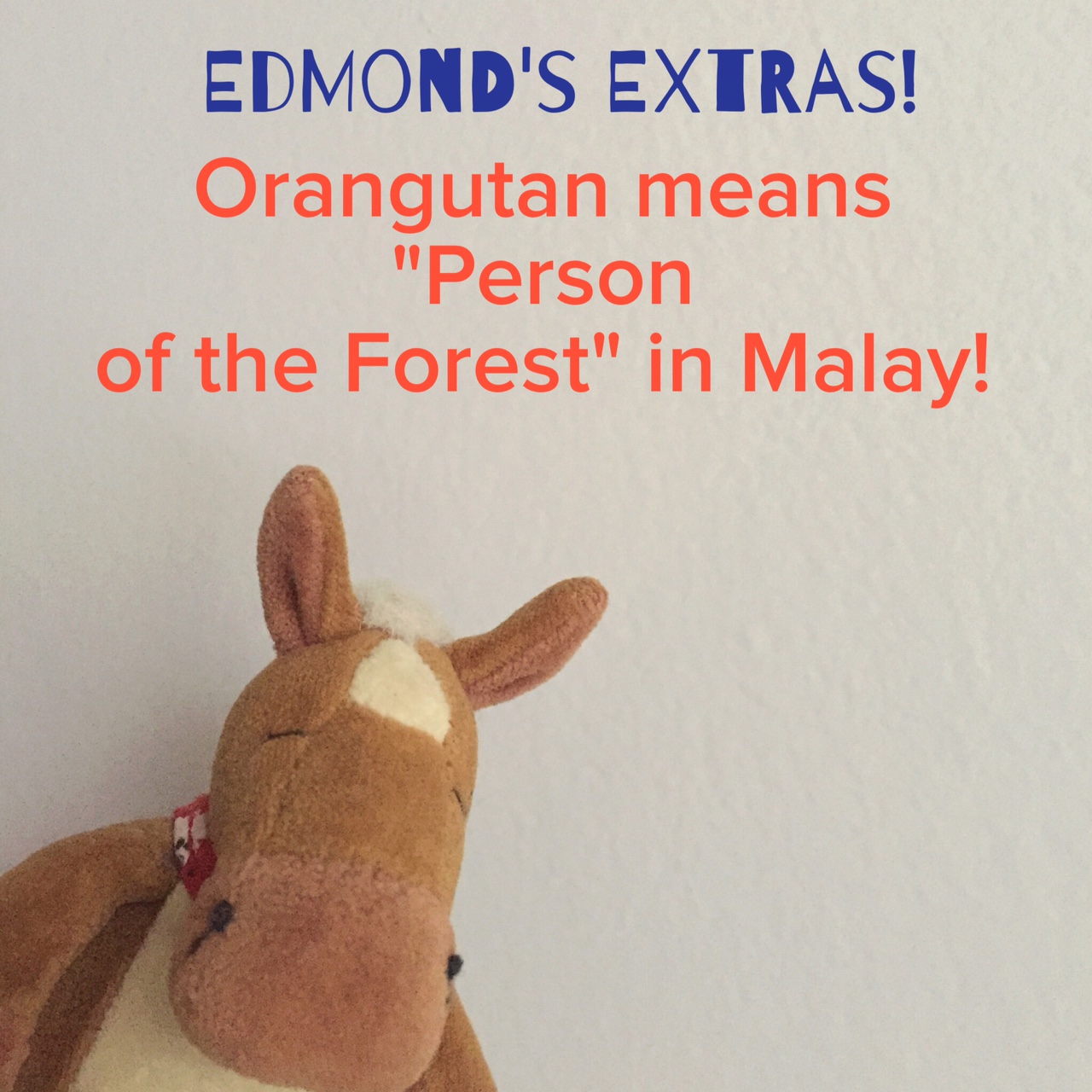
Orange Rocks!

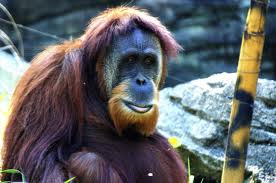
orangutan

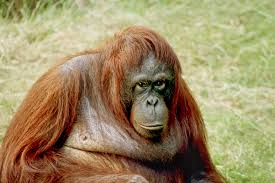
We thought we would visit some ape friends for ApeRil! Professor Tamandua talked about brachiation the other day and we’ve met an arboreal ape who knows how to swing in the trees!

Range/Habitat: Indonesian/rainforest

Juxtaposer Image(6)


 Diet: Frugivore: fruits

 Length/Weight: 4-5 ft/ 70-180 lbs

 Conservation Status: endangered

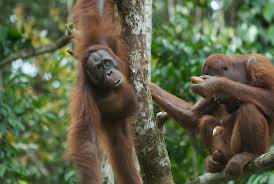
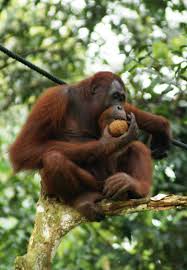
  • Orangutans are the largest fruit eating ape on earth.
  • They are arboreal.
  • There are two species of orangutans- Bornean and Sumantran, both of which are found in Indonesia.
  • Orangutans are excellent climbers.
  • Orangutans are intelligent.  IMG_1084
  • Offspring stay with their mothers for around 8 years.
  • Orangutans are generally solitary.
  • Both species are critically endangered- mainly due to habitat loss.
  • Orangutans can live up to 50 years.
  • Orangutans have long arms- up to 8 feet in males.
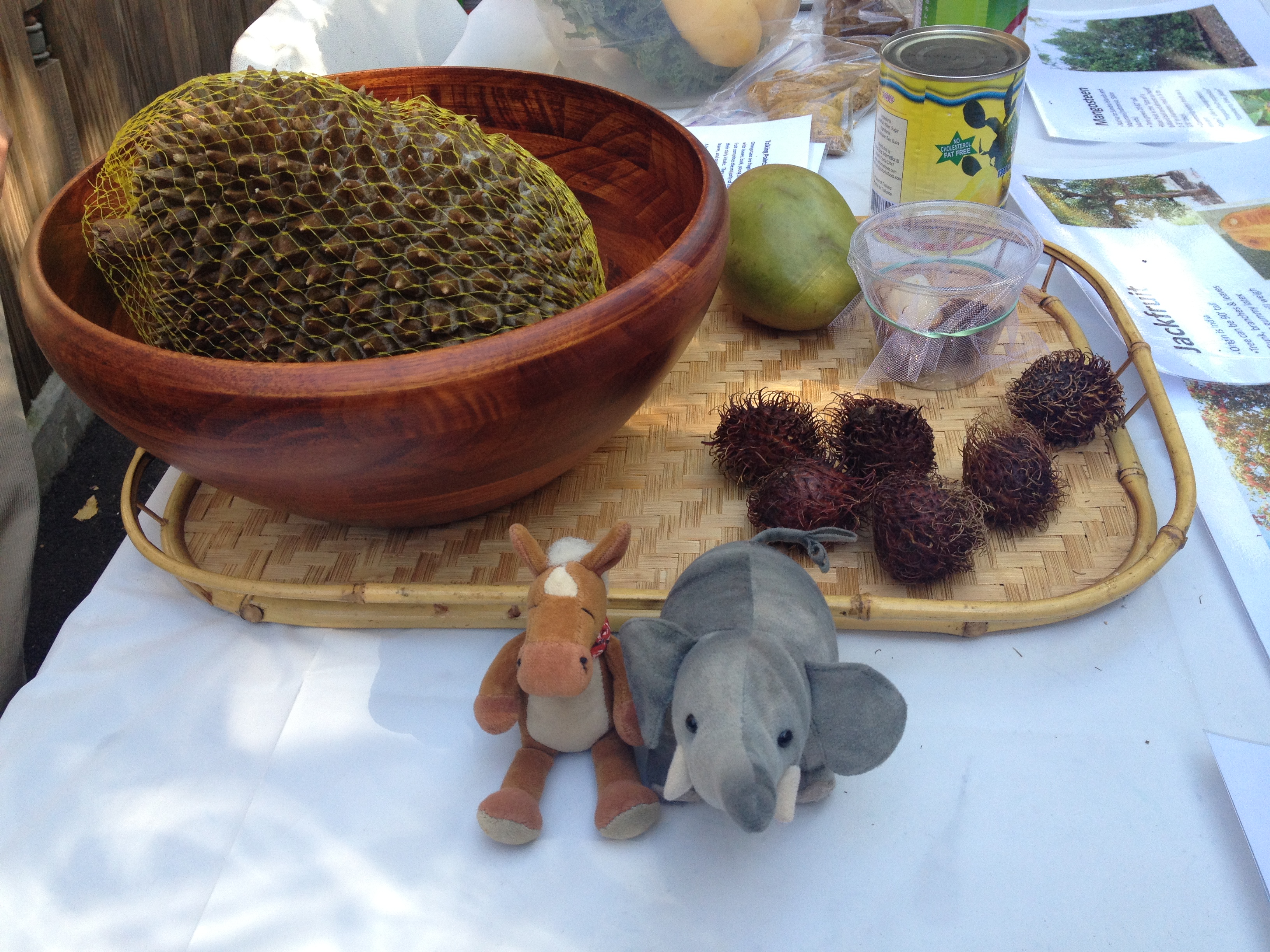
Durian fruit is just one of foods that orangutans like to eat! Durian fruit is SUPER STINKY!

Durian fruit is just one of foods that orangutans like to eat! Durian fruit is SUPER STINKY!

orang6   orang5


orang3orang4


IMG_1085


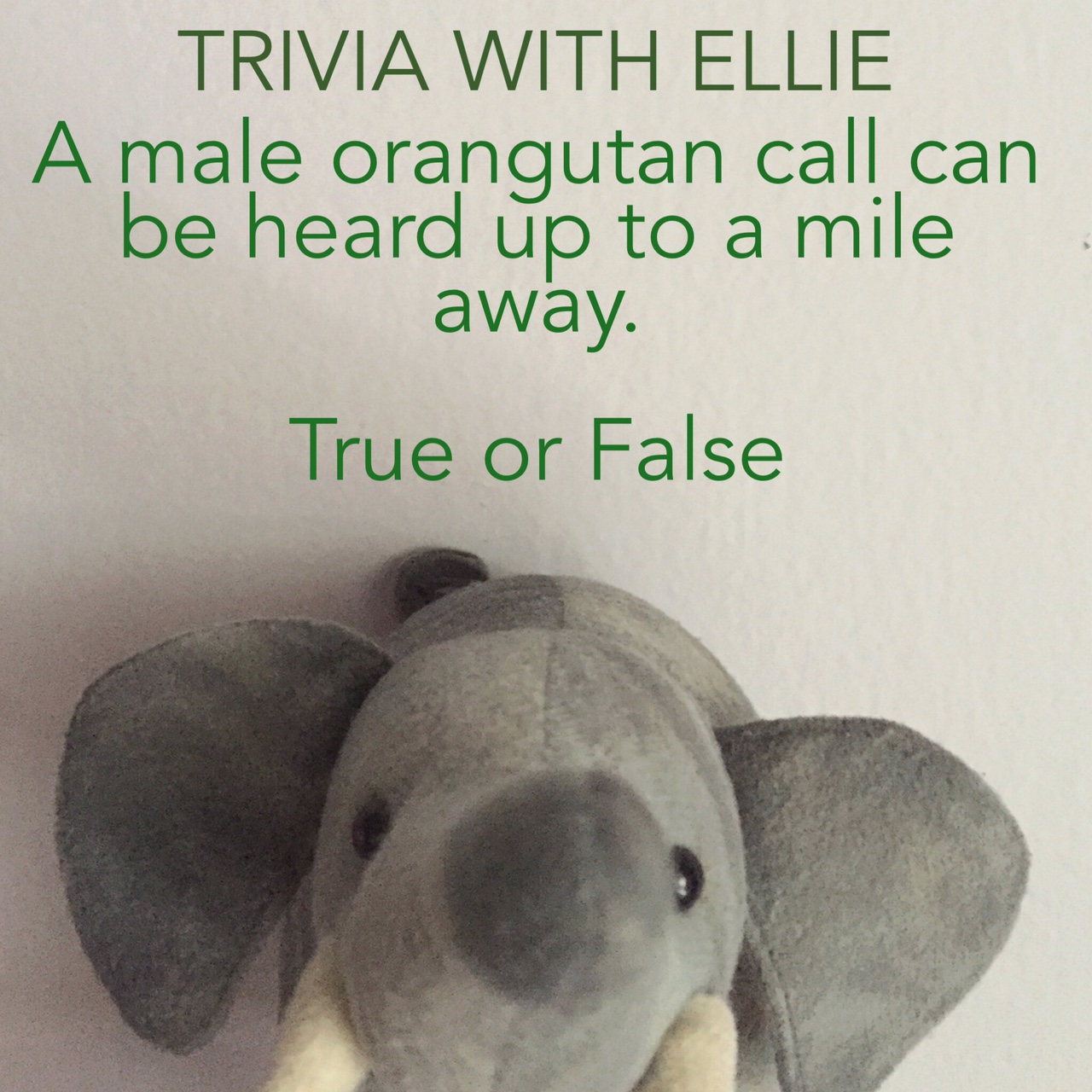
Answer is : True!


Categories: adventure, Animals, Children, conservation, education, Environment, mammals, nature, science, wildlife | Tags: , , , , , , , , , | 1 Comment

WE SPY!

WE SPY!

FullSizeRender

We Spy with our four little eyes this ape who lives in the trees! Can you guess who we spy?

guess

Categories: adventure, Animals, Children, conservation, education, Environment, mammals, nature, science, wildlife | Tags: , , , , , , , , , | 1 Comment

SCIENCE WORD OF THE WEEK!

SCIENCE WORD OF THE WEEK!

swow brachiation

Welcome to class this week! We have a big word this week, so let’s get right to it!

Today’s word is Brachiation: to brachiate \ˈbrā-kē-ˌāt\ or swing using one arm at a time. Lesser apes such as gibbons brachiate through the trees. Humans are capable of this, but not like apes or monkeys! Apes and monkeys use this form of movement to get through trees quickly and efficiently.

brachiate2brachiatebrachiate3

Categories: adventure, Animals, Children, conservation, education, Environment, nature, science, vocabulary, wildlife | Tags: , , , , , , , , , | 1 Comment

REPTILES ARE HERE!!

REPTILES ARE HERE!!

IMG_0884

We had a special opportunity to spend the night at Zoo Atlanta in their new reptile house Scaly Slimy Spectacular! This great new space open today! If you’re in the Atlanta, Zoo Atlanta needs to be top on your list of places to visit! We’re giving you our top ten reasons to check out Scaly Slimy Spectacular!

IMG_0931(1)

TOP TEN REASONS TO VISIT SCALY SLIMY SPECTACULAR!

  1. There are cool reptile and amphibian benches! Seriously- we love a good spot to rest and take in the views!IMG_0899
  2. Speaking of views, this is one amazing one! This dome is 45 ft tall and is covered in white squares to protect feathery friends from flying into it!IMG_0946
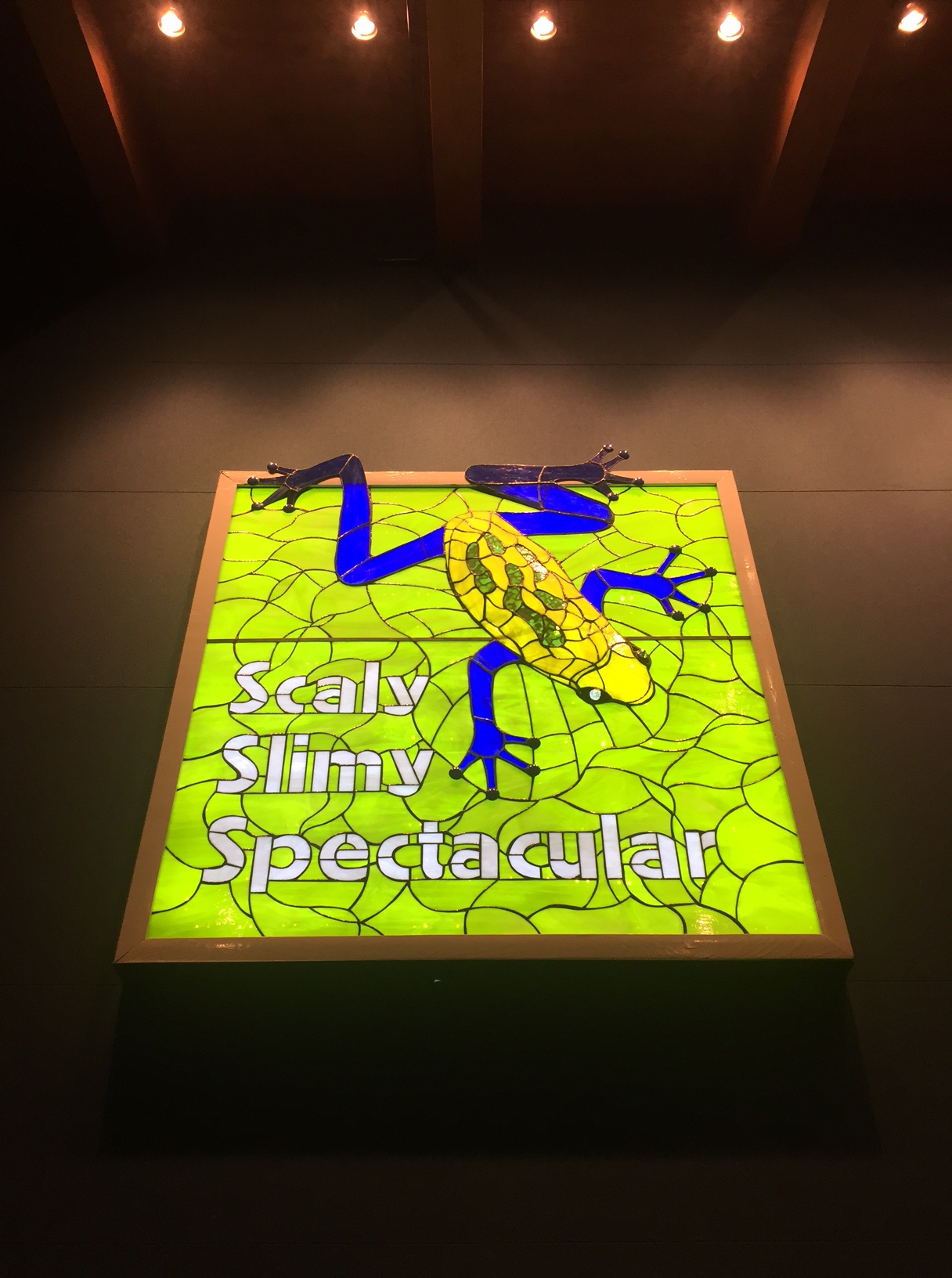
  3. An education supervisor made this beautiful sign as you enter the building! Wowee!IMG_0904
  4. There’s a whole room dedicated to Georgia animals called Georgia Extremes!IMG_0889
  5. Sleepy Caiman Lizard- ssssshhhh!IMG_0921
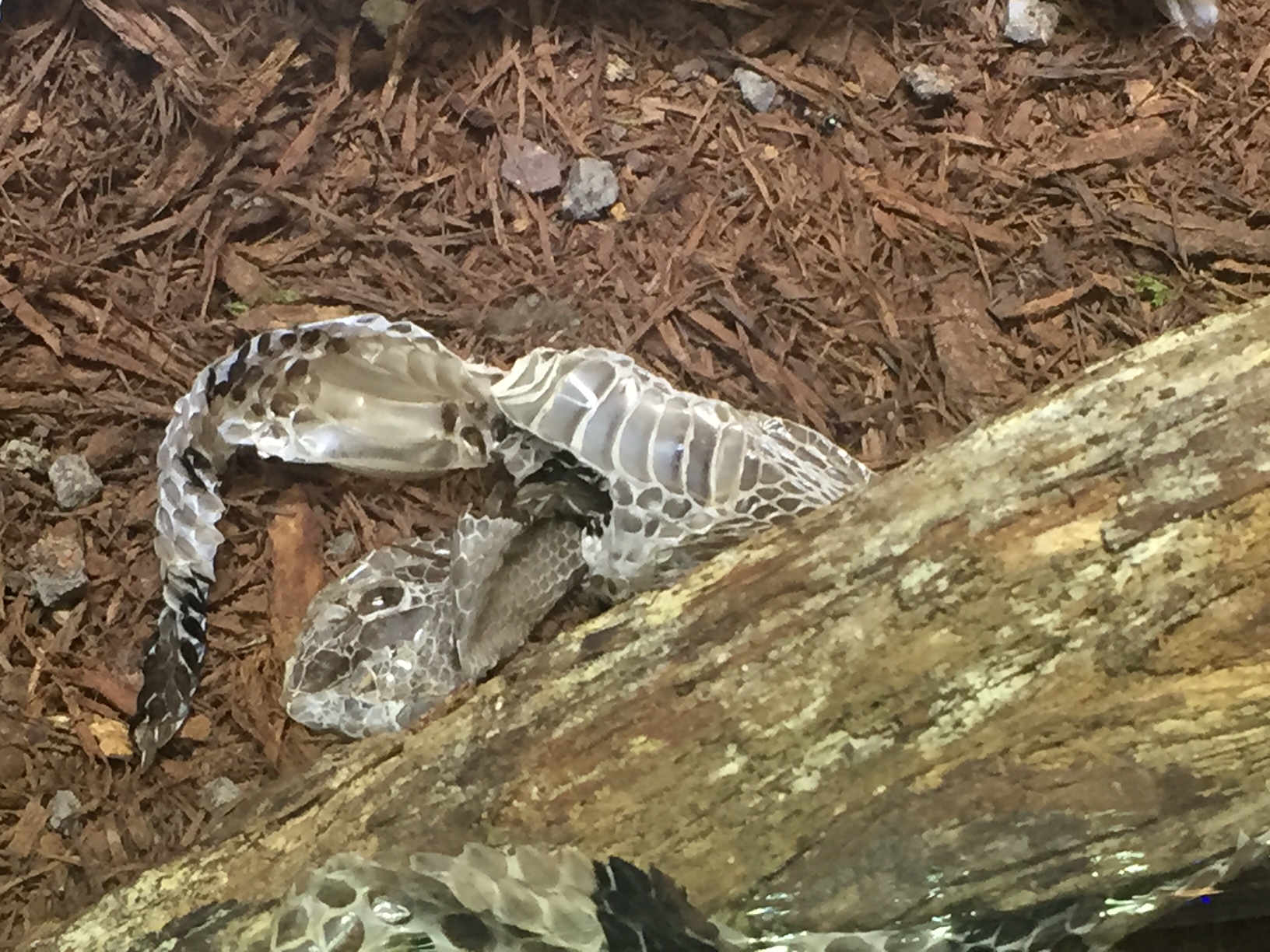
  6. You might find someone has lost their scales! IMG_0944
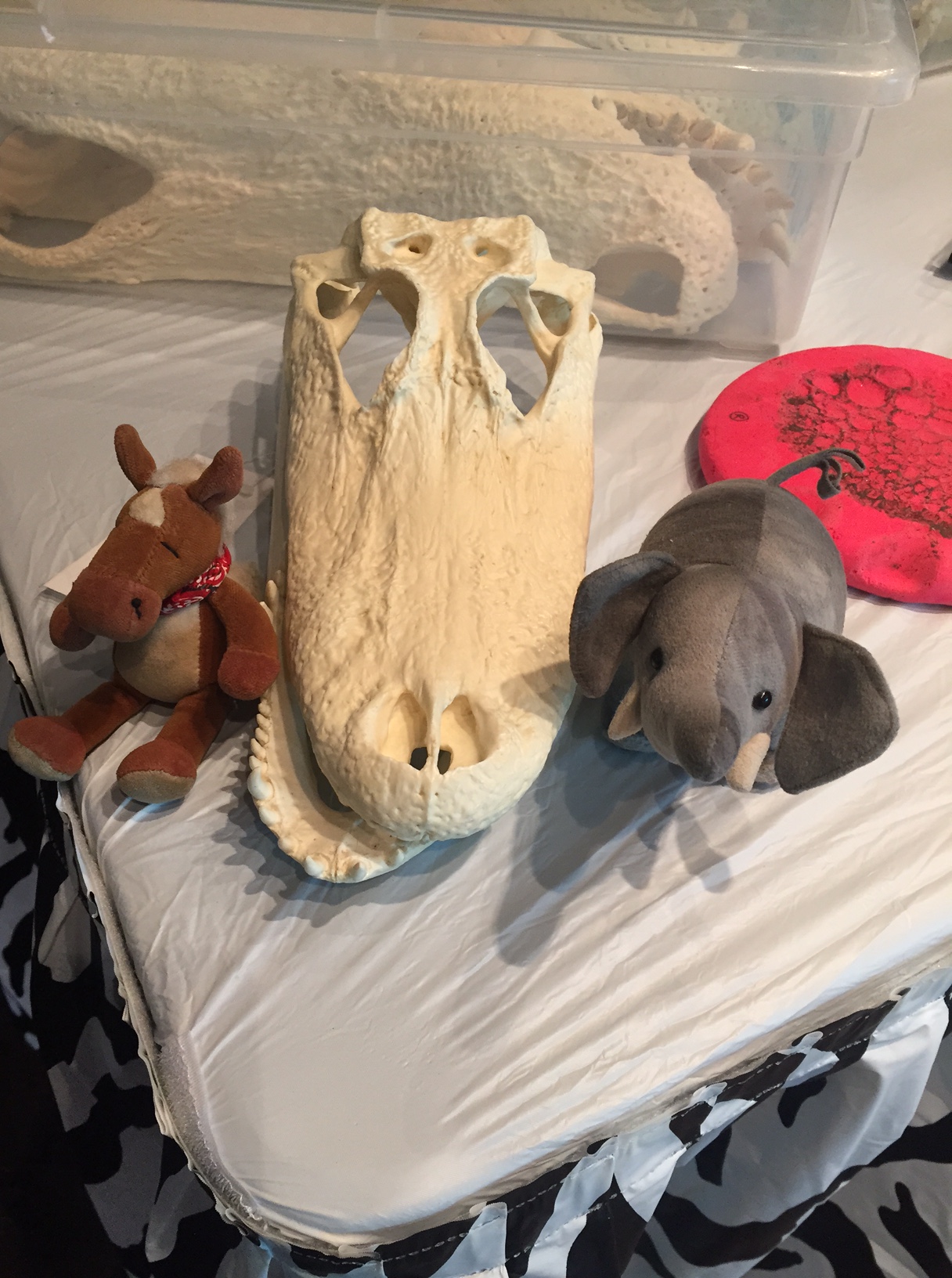
  7. Biofacts! Have you ever seen an alligator skull?IMG_0887
  8. Who’s hungry for pancakes after meeting a pancake tortoise? Hehehe!

IMG_0915

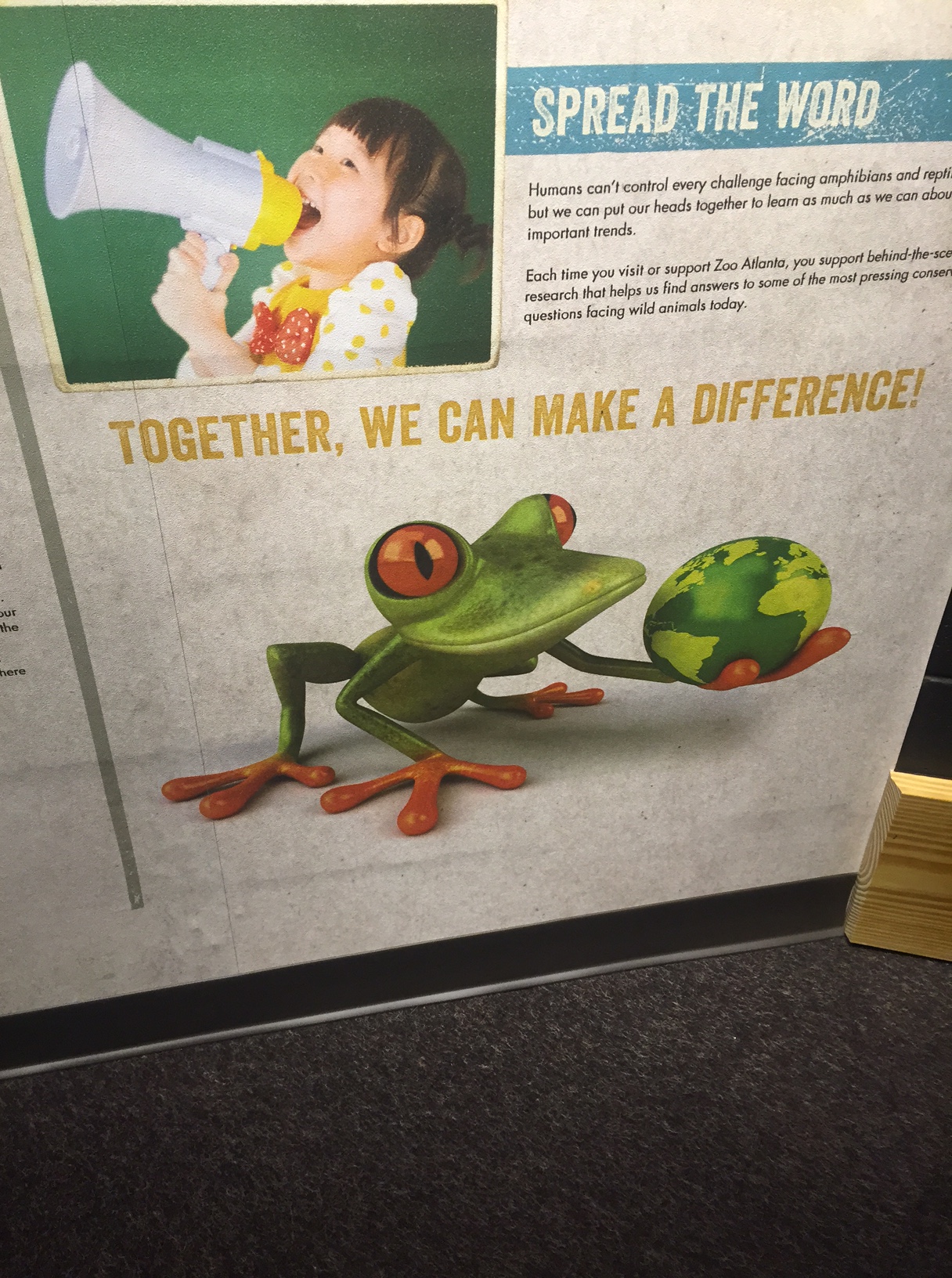
9.You can learn how to make a difference! Reptiles and amphibians need love too!

IMG_0919

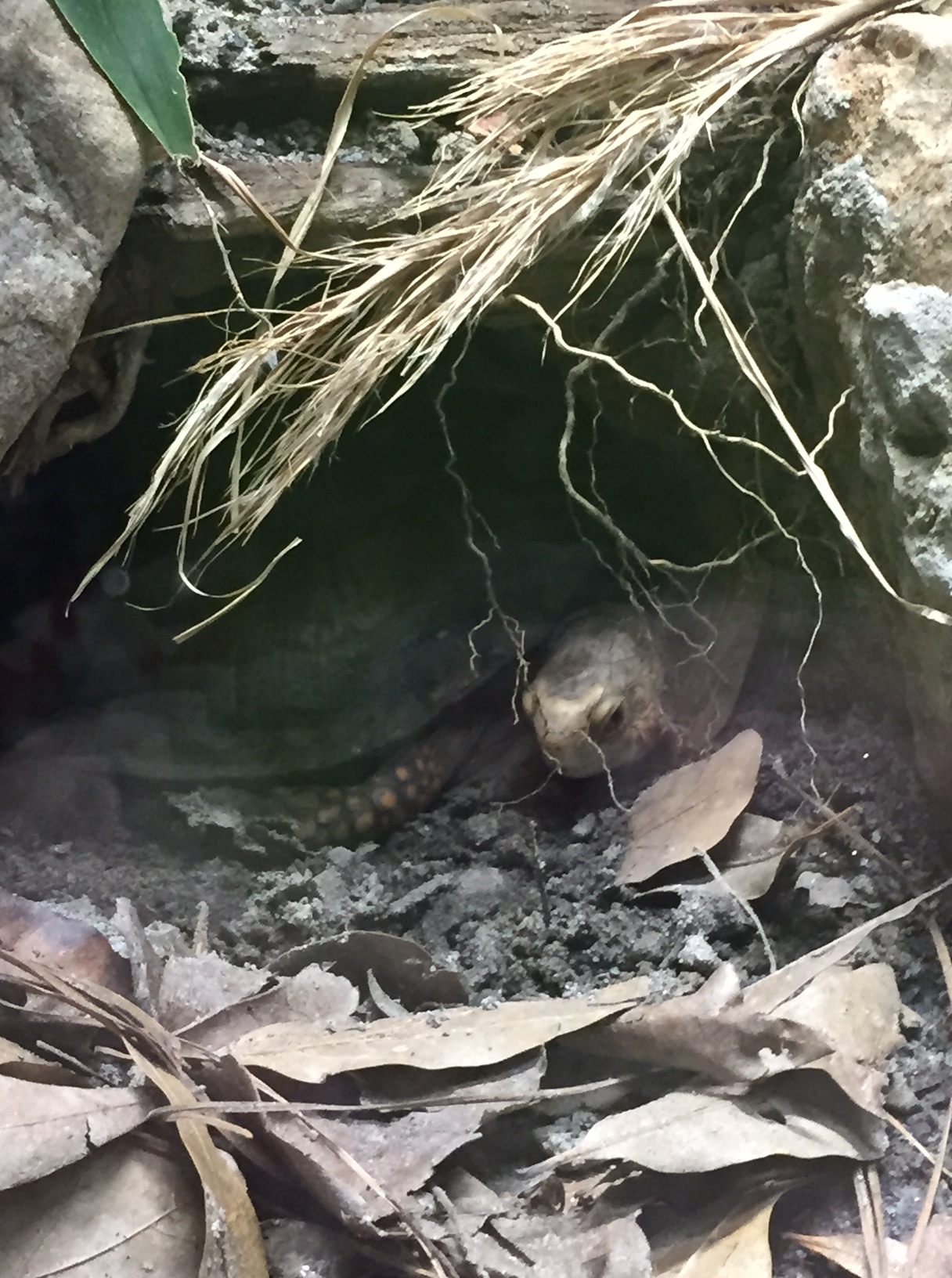
10.Mexican Box Turtle! We slept next to his habitat and he’s very quiet! 🙂

IMG_0940

Scaly and slimy animals often don’t get the same respect and love that their mammal and bird friends do! But we think they are great! Come explore this state of the art exhibit with 67 habitats and 100 different species of reptiles and amphibians to enjoy! It is Ssssssssssspectacular!! Learn more about Zoo Atlanta and the Scaly Slimy Spectacular check out the zoo’s website!

Categories: adventure, Animals, Children, conservation, education, Environment, nature, reptiles, science, wildlife | Tags: , , , , , , , , , , | 1 Comment

Blog at WordPress.com.