Posts Tagged With: science

SCIENCE WORD OF THE WEEK!!

SCIENCE WORD OF THE WEEK!

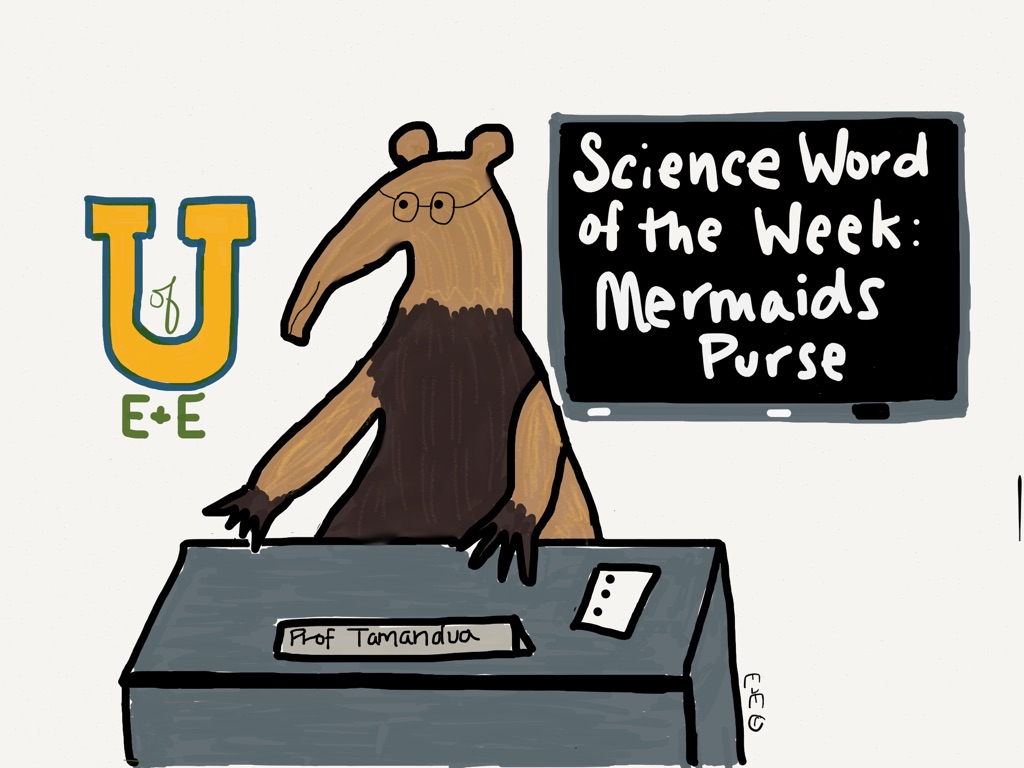
swow mermaids purse

Hello and Happy Monday! I’m so happy to see everyone here at the University! We have a great science word for you today! Today’s word is Mermaid’s Purse!

A Mermaid’s purse is the egg that some ray and shark species lay. The casing is made of protein and surrounds a fertilized egg. Mermaid’s purses are laid by the female and left until the egg hatches. Often people find the empty casings on the shore.

Have any of you seen a real mermaid’s purse?

mermaids purse

Mermaids purses- not sure of the species

Categories: adventure, Animals, Children, conservation, education, Environment, nature, science, vocabulary, wildlife | Tags: , , , , , , , , , | Leave a comment

WE ARE FANIMALY!

WE ARE FANIMALY!!!

We have a whole new We Are Fanimaly for you today! It’s been a while since we did one and we’re super excited to talk about these animal relatives! Come meet these ocean dwelling relatives!

  • Coral and Jellies (often called jellyfish) are members of the cnidarian (the c is silent) family.
  • Corals are invertebrates (they lack a backbone).
  • Corals are mostly found in warm tropical ocean waters.
  • Corals live in a colony that is made of calcium carbonate. Each coral has it’s own skeleton that helps make one large coral.
  • The coral animal itself has a soft body that protects itself with that hard outer skeleton.
  • Coral come in all shapes, sizes and colors.
  • Corals build large reefs that then become a habitat for many other ocean animals, including fish, octopuses and sea turtles.
  • Corals have tiny stingy cells called nematocytes.
  • Jellies are also invertebrates.
  • Jellies are found in oceans around the earth.
  • Jellies are carnivores.
  • Jellies have thousands of stinging cells (also called nematocytes) along their tentacles.
  • A jellie’s tentacles can be very short or very long.
  • Jellies have no left or right side, only a top (called the bell) and a bottom.
  • Jellies have no brain or blood.


Wow! Who knew that corals and jellies were related? We sure will be wary around both creatures and those stinging cells! Jellies are one of the leatherback sea turtles favorite food! And without corals and their reefs, many ocean creatures would not have a habitat to live in! These two creatures are just another reason we should help protect our oceans!

Categories: adventure, Animals, Children, conservation, education, Environment, nature, oceans, science, wildlife | Tags: , , , , , , , , , | 2 Comments

GOING BATTY!

GOING BATTY!

e & e bat

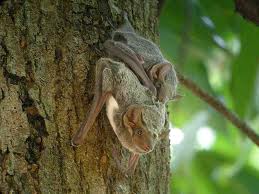
We’re going batty today! We thought it would be fun to talk bats- what makes a bat a bat? Do you have any guesses?

Let’s find out!

  • Bats are the only true flying mammal on earth!
  • There are over 1,000 different species on earth.
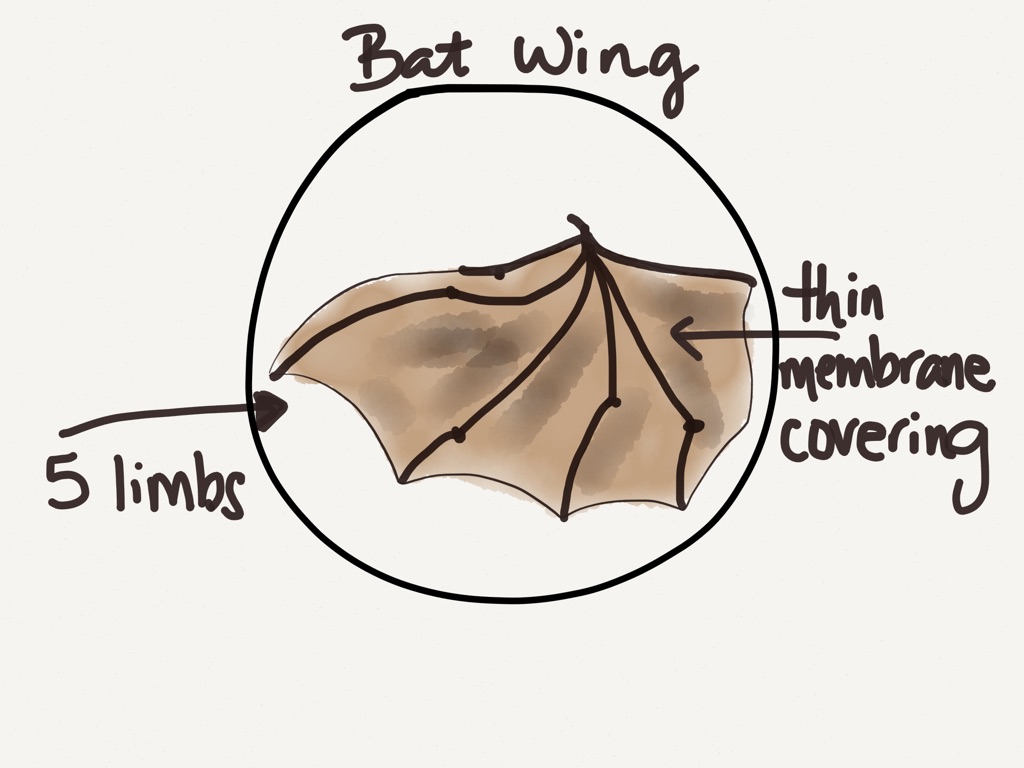
  • Bats have specialized wings that help them fly- bat wings have five appendages- including a thumb on top to help them climbs.
  • Bat wings are covered in a thin membrane called the patagium.

  • Scientists believe that bats evolved around 100 million years ago.
  • Bats are nocturnal.
  • There are around 1,000 different species of bats.
  • Some bats eat insects, some eat fruit and a few species- drink blood.
  • Fruit bats are also called flying foxes. They are important as they disperse seeds in their tropical habitats.
  • Bats use echolocation to detect prey, especially flying insects.
  • Most bats are very social and live in large groups.
  • Bat do sleep upside down!
  • Bats come in small and large sizes.

We sure do love bats! Now you know a few things that make a bat a bat! They are often feared, but without them we would be in big trouble! We need bats to disperse seeds and to help keep insect populations in check- one brown bat can eat 1,200 mosquitoes an hour! Keep up the good work our flying mammal friends! What do you love about bats?


Categories: adventure, Animals, Children, conservation, education, Environment, mammals, nature, science, wildlife | Tags: , , , , , , , , , | 2 Comments

GUESS THE ANIMAL!!

GUESS THE ANIMAL!!

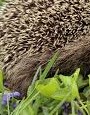
Think you know who this animal is? We have given you one clue!

These prickly animals live in Europe!

WHO IS IT?

Categories: adventure, Animals, Children, conservation, education, Environment, nature, science, wildlife | Tags: , , , , , , , , | 3 Comments

SCIENCE WORD OF THE WEEK!

SCIENCE WORD OF THE WEEK!!

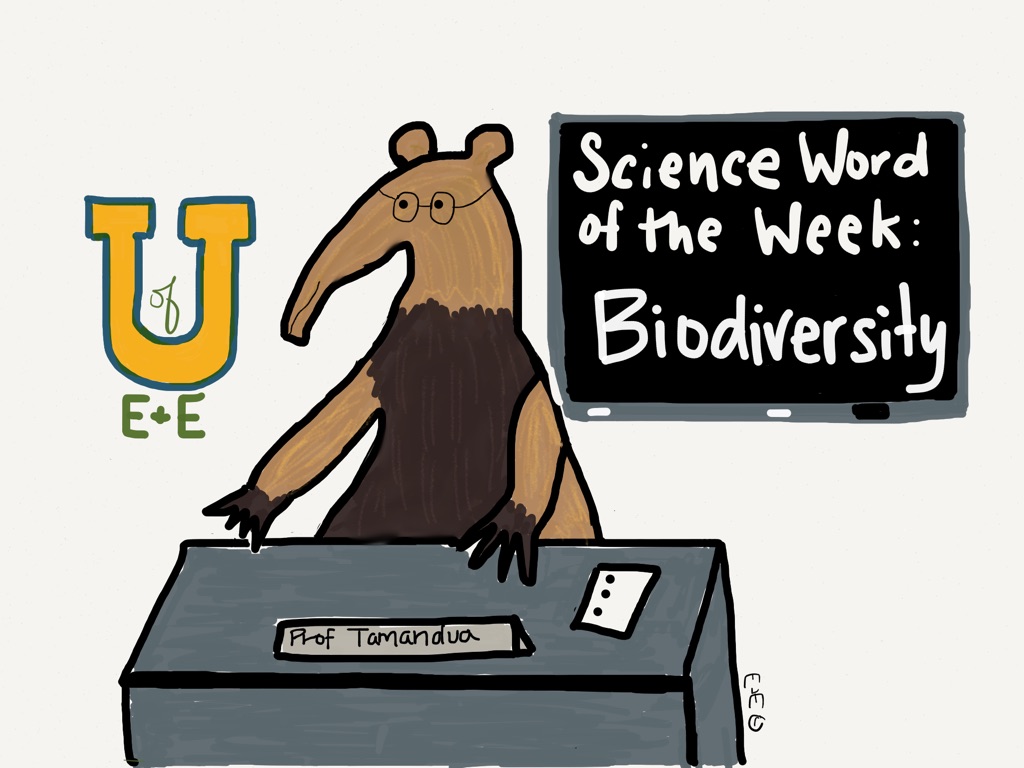
swow biodiversity

Welcome back to class everyone! We had a great fall break here at the University! I’m excited to get to this week’s word though!

This week’s word is Biodiversity! Biodiversity is the variety of life on earth. Biodiversity exists on many different levels and in many different habitats. Biodiversity can include giraffes, elephants and all the gazelles on the savannas in Africa. Biodiversity can also include the small animals in a tide pool. We could go on on about biodiversity. When scientists study habitats they often look at the biodiversity of that habitat. If a habitat has many kinds of animals and plants, it can mean that habitat is healthy. Ellie and Edmond have made you a biodiversity coloring sheet!

Image

Categories: adventure, Animals, Children, conservation, education, Environment, nature, science, vocabulary, wildlife | Tags: , , , , , , , , , | Leave a comment

GUESS THE ANIMAL!!

GUESS THE ANIMAL!!

Who’s ready for a Friday Guess the Animal?

Your clues: largest bird of its species and I live in Europe!

WHO IS IT?

Categories: adventure, Animals, Children, conservation, education, Environment, nature, science, wildlife | Tags: , , , , , , , , | 2 Comments

GUESS THE ANIMAL!!

GUESS THE ANIMAL!!

Hi everyone! We apologize for the lack of posts this week- we had some issues at HQs, but we’re all straighten out and ready to do a few Guess the Animal posts this week! We’ll be back to full posts next Monday! Woot! Woot!

Here’s the picture- and your clue: I’m super fast!

WHO IS IT?

Categories: adventure, Animals, Children, conservation, education, Environment, nature, science, wildlife | Tags: , , , , , , , , | 4 Comments

CREEPY ANIMALS WEEK- DAY 4!!

CREEPY ANIMALS WEEK- DAY 4!

e & e wetlands

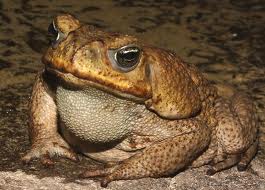
Who’s excited to meet another creepy animal? We think this amphibian is kind of cute with their warty skin! But watch out, these toads are quiet toxic just like their rough skinned newt friends!

THE MARINE TOAD!


Range/Habitat: Central-South America/ wetlands, rivers, lakes

Diet: Carnivore: ants, beetles, invertebrates

Length: 4-6”

Conservation Status: common

Fun Facts:

  • Marine toads are also known as cane toads.
  • Marine toads are world’s largest toads.
  • They have a tough warty skin.
  • Marine toads are nocturnal (active at night).
  • They are very hardy and can survive in many different habitats.
  • Marine toads have large glands that secret a very toxic poison.

Marine toads are big bad dudes! They will eat almost anything too! We do think it’s best if we just let them hang out by themselves, you know with their toxic skin and all!


Categories: adventure, amphibians, Animals, Children, conservation, education, Environment, nature, science, wildlife | Tags: , , , , , , , , , | Leave a comment

CREEPY ANIMAL WEEK-DAY 3

CREEPY ANIMAL WEEK- DAY 3

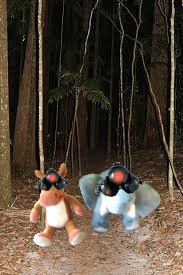
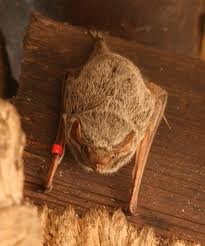
We’ve exploring in the dark to find today’s creepy flying mammal! That’s right we’re off to find a bat! Can you guess which one?

e & e night rainforest

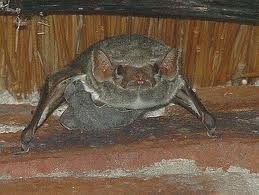
MEET THE MAURITIAN TOMB BAT!

   Range/Habitat: Central- South Africa/ scrub-savannas

   Diet: Insectivore: insects

   Length/Weight: 2 ¾-3 ½”/ 1 1/16 oz

  Conservation Status: common


Fun Facts:

  • Mauritian Tomb Bats make a variety of vocalizations (not all audible are to humans).
  • They use echolocation to find prey.
  • Mauritian Tomb Bats roosts in trees and buildings.
  • They roost in small groups instead of large colonies.
  • Mauritian Tomb Bats have good eyesight.
  • They are nocturnal (active at night).

Mauritian Tomb Bats are really cool. Well, all bats are really cool if you ask us. Most bats eat insects, some eat fruit and yes there are a few who drink blood! Wow! What’s your favorite thing about bats?

Categories: adventure, Animals, bats, Children, conservation, education, Environment, nature, science, wildlife | Tags: , , , , , , , , | 1 Comment

CREEPY ANIMALS -DAY 2!

CREEPY ANIMALS WEEK- DAY 2!

We’re excited for everyone to meet this creature of the night! When you’re all alone in the woods at the night, this bird’s haunting calls can seed a shiver up your spine! Whoooooo doe you think it is?

e & e night rainforest

MEET THE GREAT HORNED OWL!!

  great horned owl  Range/Habitat: North America-South America/wood, fields, suburbs,

   swamps

   Diet: Carnivore: small mammals, birds

   Length/Weight: 18-20″/ 2- 5 1/2 lbs

   Conservation Status: Common


Fun Facts:

  • Great horned owls have feathery tufts on their heads.
  • They are the most abundant owl in the Americas.
  • Great horned owls have no sense of smell. They are one of the only predators of skunks!
  • Great horned owls are nocturnal.
  • Male great horned owls are smaller than the females.
  • Great horned owls form monogamous pairs.
  • Great horned owls have amazing calls!

Great horned owls are one of most favorite owls! They have the best call ever! Every time we hear it, it gives us the chills and makes us want to tell spooky stories around a campfire! Who’s bringing the marshmallows?

Categories: adventure, Animals, birds, Children, conservation, education, Environment, nature, science, wildlife | Tags: , , , , , , , , , | 1 Comment

Blog at WordPress.com.