Posts Tagged With: science

Day 30- Guess the Animal

Day #30 (3/20/14) – Guess the Animal

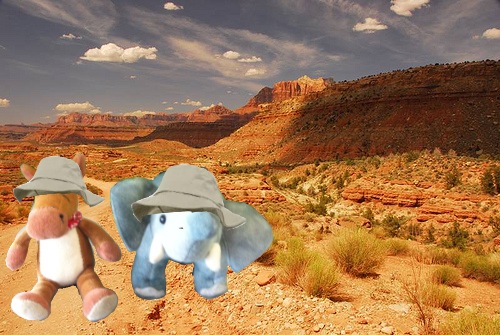
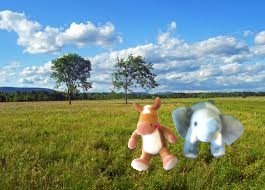
We had a great time in the desert on Tuesday looking for lizards! We headed out to the savanna today to find a special animal! We watched for hours and finally caught one of these amazing creatures! Can you guess who it is?

 cheetah

·        They live in Africa.

·        They are fast.

·        They have spots.

Who is it?

Ellie and Edmond


Categories: adventure, Animals, Children, conservation, education, Environment, nature, science, wildlife | Tags: , , , , , , , , | 4 Comments

GET THOSE ENTRIES IN!!

SPRING PHOTO CONTEST!

We don’t know about you guys, but it seems that winter has dragged on in the Northern Hemisphere! So to inspire spring to hurry up we decided to have a Spring Photo Contest! We want to see your best photos of spring! That can be flowers, baby animals, blooms, color or anything that you think of as spring!

ellie flower

Rules:

  • All pictures must be taken by the person who enters the photo.
  • You may enter up to 3 photos per person.
  • You can submit photos on our Facebook page, Tweet it to us or post it to our Google Plus page!
  • Deadline for entries is April 6th, 2014!
  • There will be a 1st, 2nd and 3rd place prize!

Get out those cameras, get outside and share those photos!

Categories: adventure, Animals, Children, conservation, education, Environment, nature, photography, science, wildlife | Tags: , , , , , , , , , | Leave a comment

Day 29- Web Footed Gecko

Day #29 (3/18/2014) Web Footed Gecko

      We decided to head to Africa for the week! We headed to the Sahara desert on our first day to find a special little reptile. After settling in to camp and making sure all our stuff was bagged up to keep it sand free. We grab our hats, mud sunscreen and binoculars and headed out on today’s adventure! It took us a while to find the Web Footed Gecko, but we did find it!

e e desert

       Their range/habitat: Western Southern Africa/desert

      Their length/weight: 4 ¾ -5 ½”  Conservation Status: common

      Their diet: Carnivore: insects

web footed gecko

  • Web Footed Geckos are pink with dark markings.
  • They have webbed feet that helps them run across the sand.
  • Web Footed Geckos have large eyes.
  • They dig long tunnels in the sand for shelter.
  • They drink water that condenses on their skin overnight.
  • Web footed geckos have wide range of vocalizations.

web footed gecko2

These teeny little geckos were hard to spot! They blend right in to their desert homes! They have such amazing adaptations for living in a harsh habitat. We sure were tired after spending the day in the hot desert. We were happy that we bought plenty of water and hay snacks.

-Ellie  and Edmond

Categories: adventure, Animals, Children, conservation, education, Environment, nature, reptiles, science, wildlife | Tags: , , , , , , , , , | 2 Comments

SCIENCE WORD OF THE WEEK!!

SCIENCE WORD OF THE WEEK!

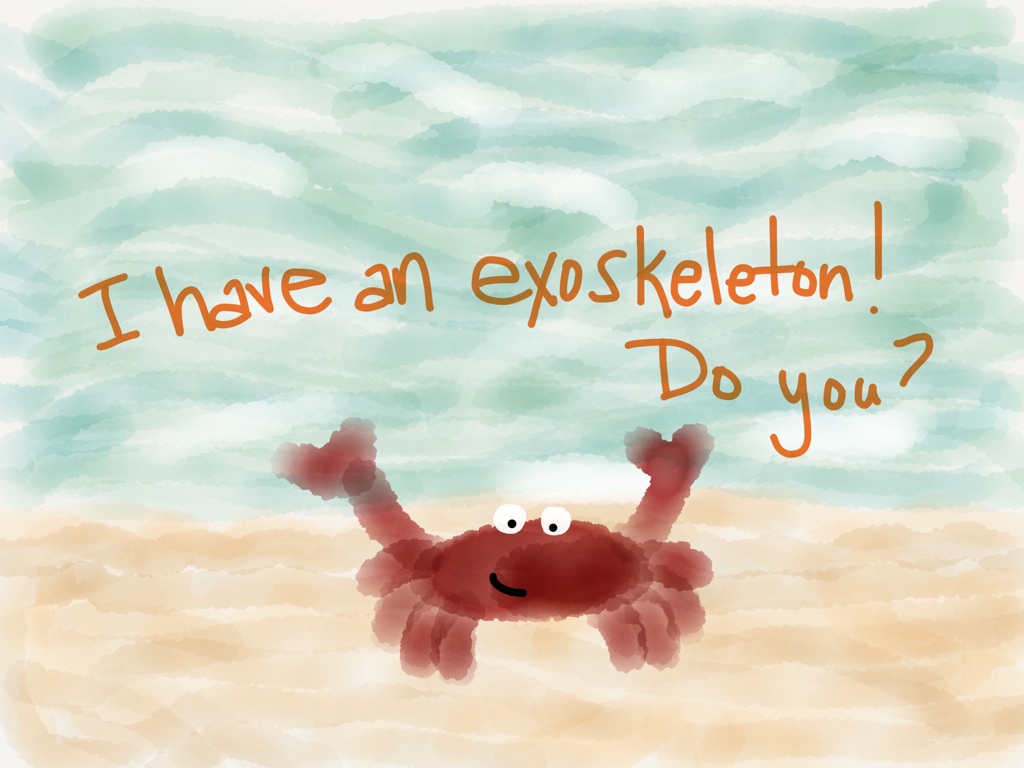
Welcome to class this week! We’re going to learn about the covering that invertebrates have. Do you remember what an invertebrate is? It’s animals with no skeleton!

exoskeleton swow

An exoskeleton is the hard outer covering or external skeleton of an animal. Animals such as arthropods, insects and crustaceans have exoskeletons. Exoskeletons help protect the soft bodies of these animals. Shells are considered exoskeletons.

exoskeleton

Categories: adventure, Animals, Children, conservation, education, Environment, nature, science, vocabulary, wildlife | Tags: , , , , , , , , | 2 Comments

Learn About Butterflies Day!!

Learn About Butterflies Day!

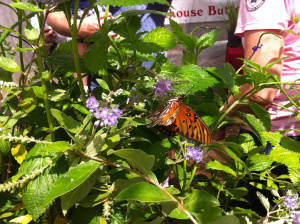
It’s one of our favorite days of the year- Learn About Butterflies Day! We’ve got some fun facts, a great link on what plants butterflies love and a coloring sheet for you! Tell what you love about these amazing insects!

e e butterfly

  • Butterflies are insects.
  • They live on all continents but Antarctica.
  • There are around 24,ooo species of butterflies.
  • Butterflies eat nectar.
  • They can not fly if their body temperature is below 85 degrees.
  • Butterflies can see red, green and yellow.
  • Monarch butterflies have one of the longest migrations of any animal on the planet.
  • Skipper butterflies can fly up to 37 miles per hour.
  • Butterflies taste with their feet.
  • The largest butterfly is the Queen Alexandra’s Birdwing.
  • The smallest butterfly is the Blue Pygmy.
  • Butterflies have a unique life cycle! We found this great video explaining it!

butterfly8

We just love spring because that means that butterflies will soon start appearing around gardens and parks! Don’t have any butterflies dropping by your place? Here are 12 plants they love!


butterflu


Categories: adventure, Animals, Children, conservation, education, Environment, nature, science, wildlife | Tags: , , , , , , , , | 4 Comments

Day 27- Guess the Animal!

Day #27 (3/13/14) – Guess the Animal

We just had to snorkel at the Great Barrier Reef while we were in Australia! We spotted this little fish! Can you guess?

clownfish


  •          This fish lives in coral reefs.
  •          They live with an anemone.
  •          They are brightly colored.

Who is it?

Ellie and Edmond


Categories: adventure, Animals, Children, conservation, education, Environment, fish, nature, science, wildlife | Tags: , , , , , , , , , , | Leave a comment

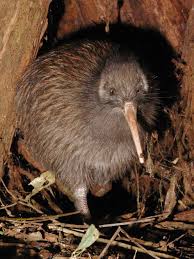
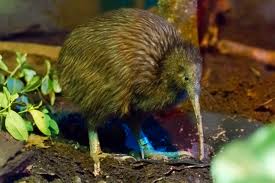
Day 28- Brown Kiwi

Day #28 (3/14/2014) Brown Kiwi

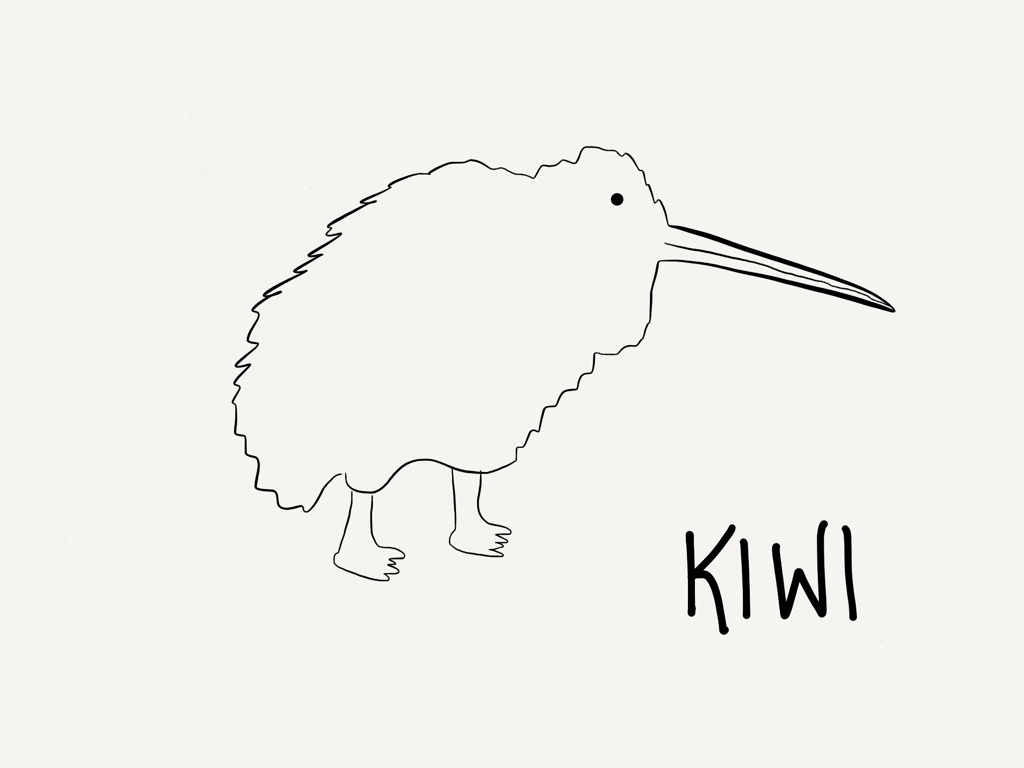
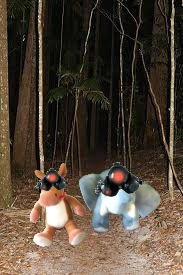
      We just loved snorkeling yesterday! We hoped a plane to New Zealand to find an iconic bird that everyone knows and loves. We have never seen a one in person, or elephant and horse as you may have it. We spent the afternoon with our binoculars and Edmond almost passed out when we spotted our bird! He is just excitable sometimes! Seeing the brown kiwi inspired me to draw!

e e grasslands

       Their range/habitat: New Zealand/ forest-grassland

      Their length/weight: 20-26”/ 3 ¼-8 ¾ lb  Conservation Status: Endangered

      Their diet: Omnivore:  insects, fruits

kiwi

  • Brown Kiwis are flightless.
  • Brown kiwis have very tiny wings.
  • They have long skinny bills, up to 6”.
  • Brown kiwis use their bills to get food from the ground.
  • Brown kiwis lay very large eggs.
  • They are related to cassowaries and emus.

kiwi2    kiwi3

How adorable are these funny looking little birds! That’s right animals can be funny looking and cute at the same time! Did you know that native New Zealanders call themselves kiwis?  Sadly kiwis are endangered. There is a great organization called Kiwis for Kiwi that are working to protect these iconic birds!

-Ellie

 kiwi coloring

Categories: adventure, Animals, birds, Children, conservation, education, Environment, nature, science, wildlife | Tags: , , , , , , , , , | 2 Comments

Day 25- Back to Australia

Day #25 (3/11/2014) Back to Australia

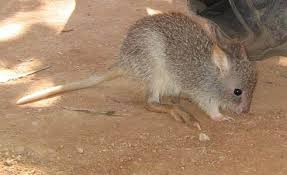
      We had such a lovely week at HQs last week celebrating aardvarks and announcing our spring photo contest, but we were ready to hit the road. We packed up and headed out for a short stay in the land down under! We set today to find one of the many marsupials that live on this island country. Marsupials are so cool with their pouches! We were so excited when we did spot the animal we were looking for… the Rufous Bettong!

e & e night rainforest

       Their range/habitat: Eastern Australia/forest-rainforest

      Their length/weight: 14 ½-20 ½”/5 ½-7 ¾ lbs  Conservation Status: Common

      Their diet: Omnivore: seeds, fungi, flowers and invertebrates

rufus bettong

  • Rufous bettongs are also called the Rufous rat kangaroo.
  • They have reddish brown fur.
  • Rufous bettongs are nocturnal.
  • Rufous bettongs build cone shaped nests. One animal can have up to 5 of these nests.
  • They can grasp things with their tails.
  • Rufous bettongs babies leave their mom’s pouch at 16 weeks.

rufus bettong2 

These amazing little marsupials are so cute! They can hope like a kangaroo but look like a rodent! We just loved watching them hop around the forest looking for fungi to eat! Time for bed for us! Tomorrow brings a new adventure- we’ll be looking for a flightless bird in New Zealand!

-Ellie and Edmond

Categories: adventure, Animals, Children, conservation, education, Environment, mammals, nature, science, wildlife | Tags: , , , , , , , , , | 2 Comments

SCIENCE WORD OF THE WEEK

SCIENCE WORD OF THE WEEK!

It’s Monday and you know what that means- it’s a new week here at the University of E&E! Today we have a great science word of the week for you!

swow habitat

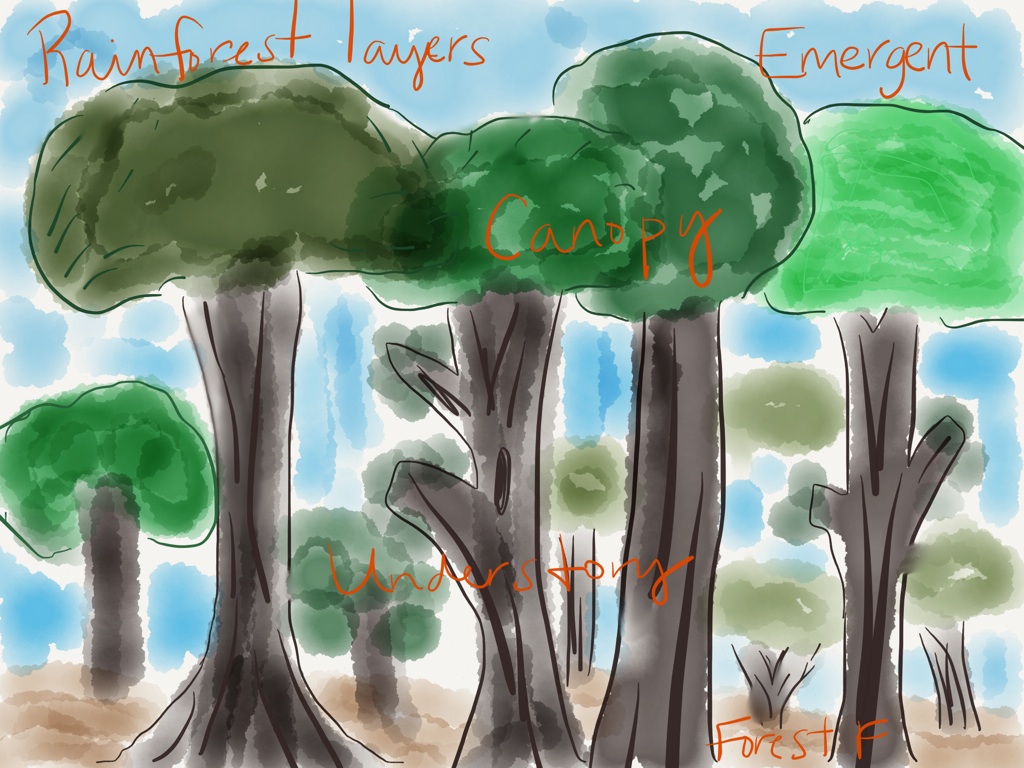
This week’s word is Habitat: is the natural home of animal, plant or other organism. Habitats come in many different sizes, climates and landscapes. Habitats can be small or large! One of my favorite habitats is the rainforest, that’s where we tamanduas live! Every animal and plant has a specific place in its habitat. They fill a need in that area. Do you have a favorite habitat?

rainforest

Categories: adventure, Animals, Children, conservation, education, Environment, nature, science, vocabulary, wildlife | Tags: , , , , , , , , , | 4 Comments

SPRING PHOTO CONTEST!

SPRING PHOTO CONTEST!

We don’t know about you guys, but it seems that winter has dragged on in the Northern Hemisphere! So to inspire spring to hurry up we decided to have a Spring Photo Contest! We want to see your best photos of spring! That can be flowers, baby animals, blooms, color or anything that you think of as spring!

ellie flower

Rules:

  • All pictures must be taken by the person who enters the photo.
  • You may enter up to 3 photos per person.
  • You can submit photos on our Facebook page, Tweet it to us or post it to our Google Plus page!
  • Deadline for entries is April 13th, 2014!
  • There will be a 1st, 2nd and 3rd place prize!

Get out those cameras, get outside and share those photos!


Categories: adventure, Animals, Children, conservation, education, Environment, nature, photography, science, wildlife | Tags: , , , , , , , , , | 4 Comments

Blog at WordPress.com.