Posts Tagged With: vocabulary

SCIENCE WORD OF THE WEEK!

SCIENCE WORD OF THE WEEK!
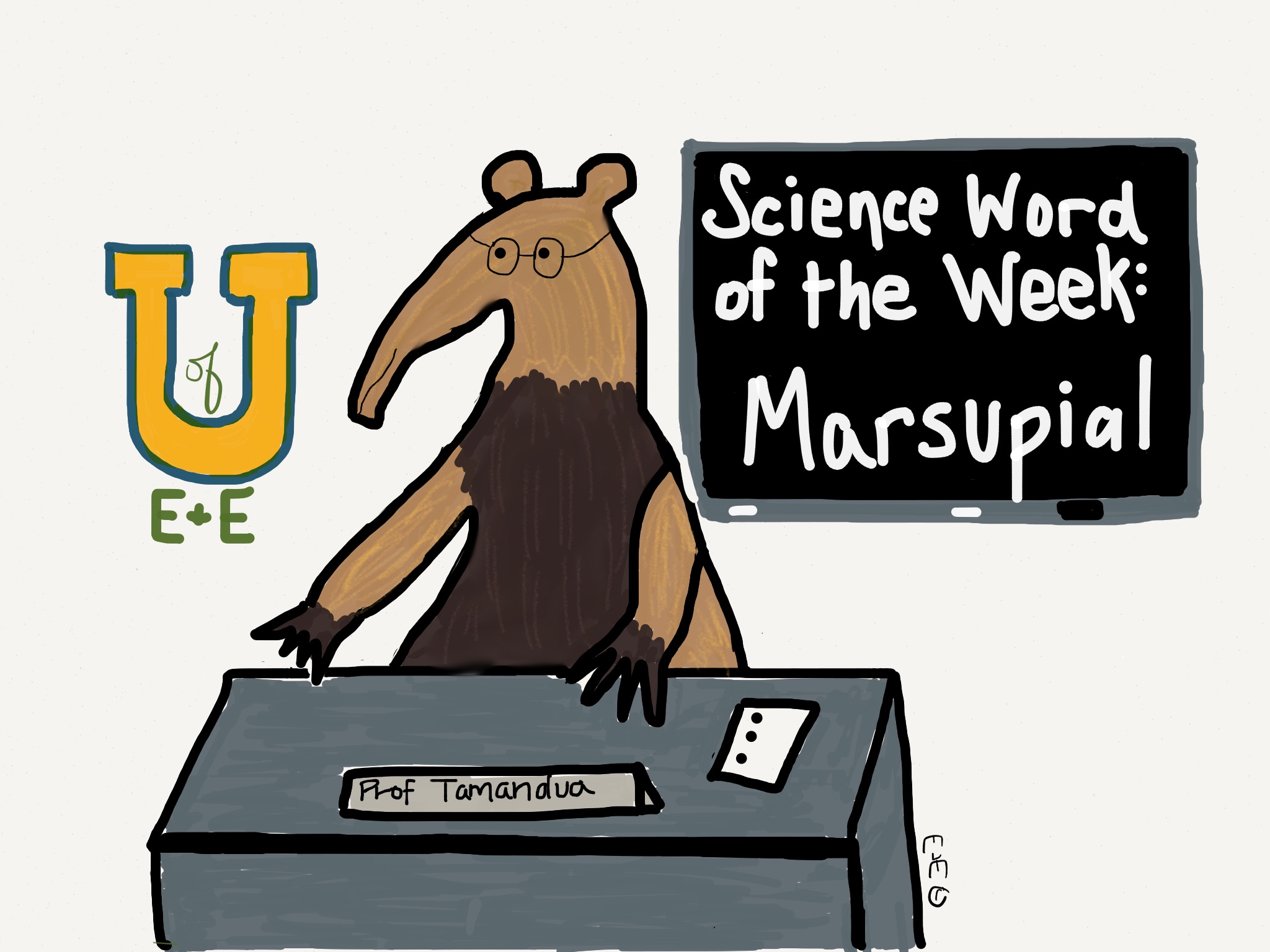
swow marsupial

Welcome back to our summer session! I’m so glad to see everyone here in class! I had a lovely break and Ellie and Edmond had a nice weekend exploring the outdoors. I’m excited for this week’s word! Are you ready to learn today?

This week’s word is Marsupial: a marsupial is a mammal that gives live birth to very small young that climb into the mother’s pouch or marsupium to grow up in. The pouches are mostly on the outside of the mother’s pouch. Most marsupials live in Australia, except for several species of opossums- who live in North, Central and South America.

opossum

The Virginia Opossum lives in North America.

Categories: adventure, Animals, Children, conservation, education, Environment, mammals, nature, science, vocabulary, wildlife | Tags: , , , , , , , , , , | Leave a comment

ENDANGERED SPECIES WORD SCRAMBLE

ENDANGERED SPECIES WORD SCRAMBLE!

Come enjoy a little brain test and see if you can unscramble these words to reveal the endangered species!

ENDANGERED SPECIES WORD SCRAMBLE

1. nhroi ___________________________________________
2. thlerabeakc eas urtlte ______________________________
3. oncdro___________________________________________
4. danlwol orgiall____________________________________
5. nasai teelhpan____________________________________
6. wons padreol_____________________________________
7. inatg anpad______________________________________
8. olinpan_________________________________________
9. umhpkcab lahwe_________________________________
10. yerg lwof_____________________________________


Answers down below:


  1. rhino
  2. leatherback sea turtle
  3. condor
  4. lowland gorilla
  5. Asian elephant
  6. snow leopard
  7. giant panda
  8. pangolin
  9. humpback whale
  10. grey whale
Categories: adventure, Animals, Children, conservation, education, Environment, nature, science, wildlife | Tags: , , , , , , , , , , | Leave a comment

SCIENCE WORD OF THE WEEK!

SCIENCE WORD OF THE WEEK!

swow ungulate

Welcome back to class everyone! We had a little hiatus while Ellie and Edmond took a vacation in Chicago! I heard they had a fantastic time and they’ll be posting pictures later in the week! Today let’s get to the Science Word of the Week!

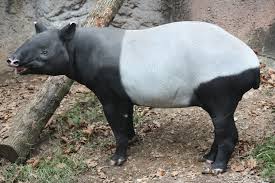
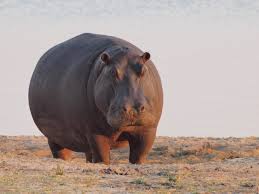
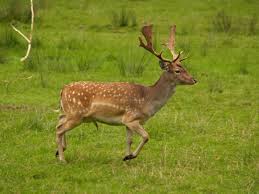
Today’s word is Ungulate: an animal with hooves. Ungulates are mammals. They often walk on the tips of their toes that are covered with a hoof. Ungulates can have one or more toes. Their are many ungulates in the world. Here are just a few, including Edmond and rhinos! Tomorrow we’ll be celebrating Cinco De Rhino!

IMG_3563rhino

tapir3hippo

giraffe

deercamel

Categories: adventure, Animals, Children, conservation, education, Environment, mammals, nature, science, vocabulary, wildlife | Tags: , , , , , , , , | 2 Comments

SCIENCE WORD OF THE WEEK!

SCIENCE WORD OF THE WEEK!
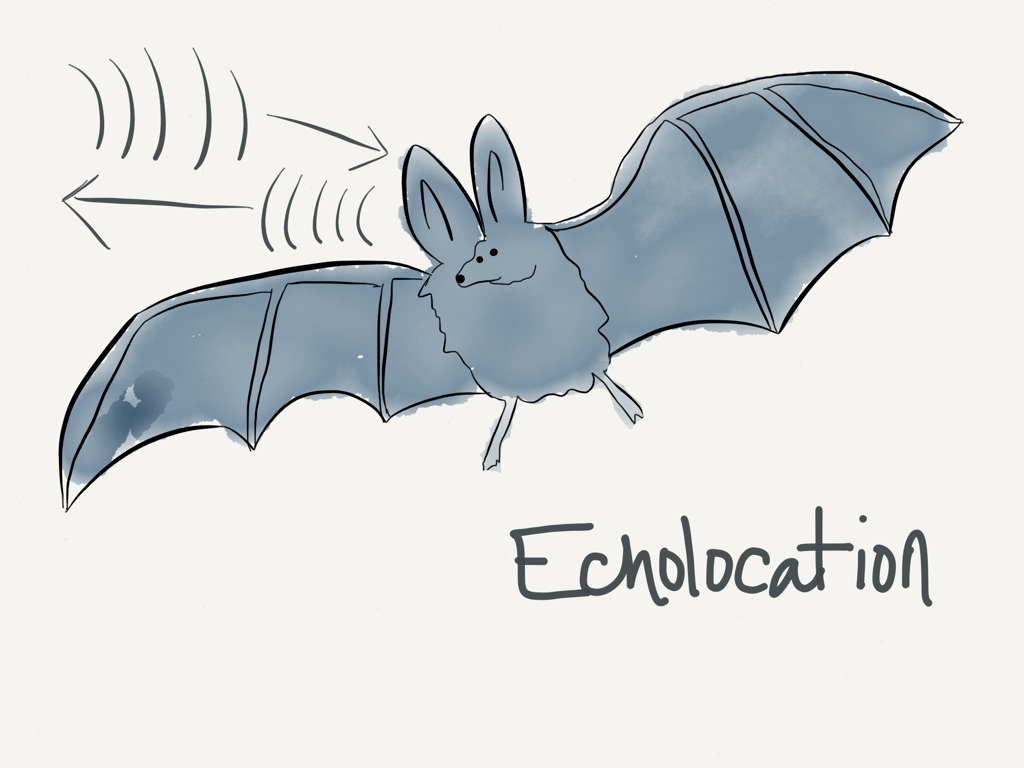
We’re revisiting the Science Word of the Week this time just in time for International Bat Day on Friday! Who knows how insect eating bats locate their prey? Come find out!

swow echolocation

Echolocation is the location of an object or prey using sound to reflect off that object to determine distance, size and shape. Bat can determine an object as thin and fine as human hair using their echolocation.

This is what  Big Brown Bat’s sonar sounds like here! Human ears can not hear these frequencies normally! Ellie and Edmond will talk more about bat echolocation as they introduce a few cool species of these flying mammals!

swow echolocation cartoon

Categories: adventure, Animals, Children, conservation, education, Environment, nature, science, vocabulary, wildlife | Tags: , , , , , , , , , , | 1 Comment

SCIENCE WORD OF THE WEEK!

SCIENCE WORD OF THE WEEK!

swow brachiation

Welcome to class this week! We have a big word this week, so let’s get right to it!

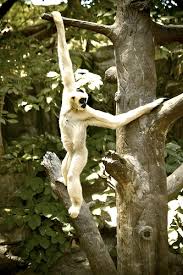
Today’s word is Brachiation: to brachiate \ˈbrā-kē-ˌāt\ or swing using one arm at a time. Lesser apes such as gibbons brachiate through the trees. Humans are capable of this, but not like apes or monkeys! Apes and monkeys use this form of movement to get through trees quickly and efficiently.

brachiate2brachiatebrachiate3

Categories: adventure, Animals, Children, conservation, education, Environment, nature, science, vocabulary, wildlife | Tags: , , , , , , , , , | 1 Comment

SCIENCE WORD OF THE WEEK!

SCIENCE WORD OF THE WEEK!
swow prairie

Welcome to class and Happy Monday! We’ve had a big week here at the University! Ellie and Edmond will be posting some fun posts about their adventure sleeping at Zoo Atlanta and meeting an amphibian scientist! We’ll also be meeting an animal that is associated with today’s Science word! Are you ready to learn it?

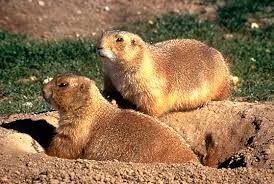
Today’s Science Word is Prairie: a large tract of grassland. There are prairies found in North America. They have a temperate climates. These prairies are flat. They have a great diversity of life too.

prairie

prairie dog

prairie dog

elk

elk


Coyote

Coyote

Burrowing owl

Burrowing owl

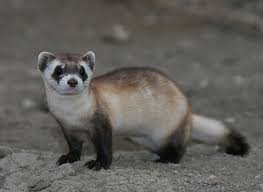
Black Footed Ferret

Black Footed Ferret

Juxtaposer Image(5)

Categories: adventure, Animals, Children, conservation, education, Environment, nature, science, vocabulary, wildlife | Tags: , , , , , , , , , | 3 Comments

SAVE THE FROGS DAY!

SAVE THE FROGS DAY!

We’re celebrating frogs today! We usually would share some fun frog facts with you, but we learned of this excellent frog the other day and decided to feature it on Save The Frogs Day! Come meet the frog that is often called the Jaba the Hut of frogs! Hahaha!

WAXY MONKEY FROG!

waxy monkey tree frog3

Range/Habitat: South America/dry scrub forests

Juxtaposer Image(3)


 Diet: Insectivore: insects

Length:  2-3 inches

 Conservation Status: least concern

waxy monkey tree frog2

Fun Facts:

  • Females are larger than males.
  • They are also called the painted monkey frog or grasping frog.IMG_0782
  • Waxy monkey frogs hunt at night and bask in the sun during the day.
  • Waxy monkey frogs walk rather than jump in the trees where they live.
  • They get their name from the waxy coating on their skin that help keeps them from drying out.
  • Waxy tree frogs make a nest for their eggs with a leaf that they fold over.

waxy monkey tree frog


We love these amazing an odd looking frogs! They are a great species to help us Save The Frogs Day! Amphibians have been on the earth for millions of years and many ecosystems would not survive without them! Our frog friends are very important! GOOOOO FROGS!!! Can you answer Ellie’s trivia question? (answer below)

IMG_0783


Answer: True

Categories: adventure, amphibians, Animals, Children, conservation, education, Environment, nature, science, wildlife | Tags: , , , , , , , , , , | 2 Comments

DRAGONS ARE REAL!!

DRAGONS ARE REAL!!
IMG_7098(1)

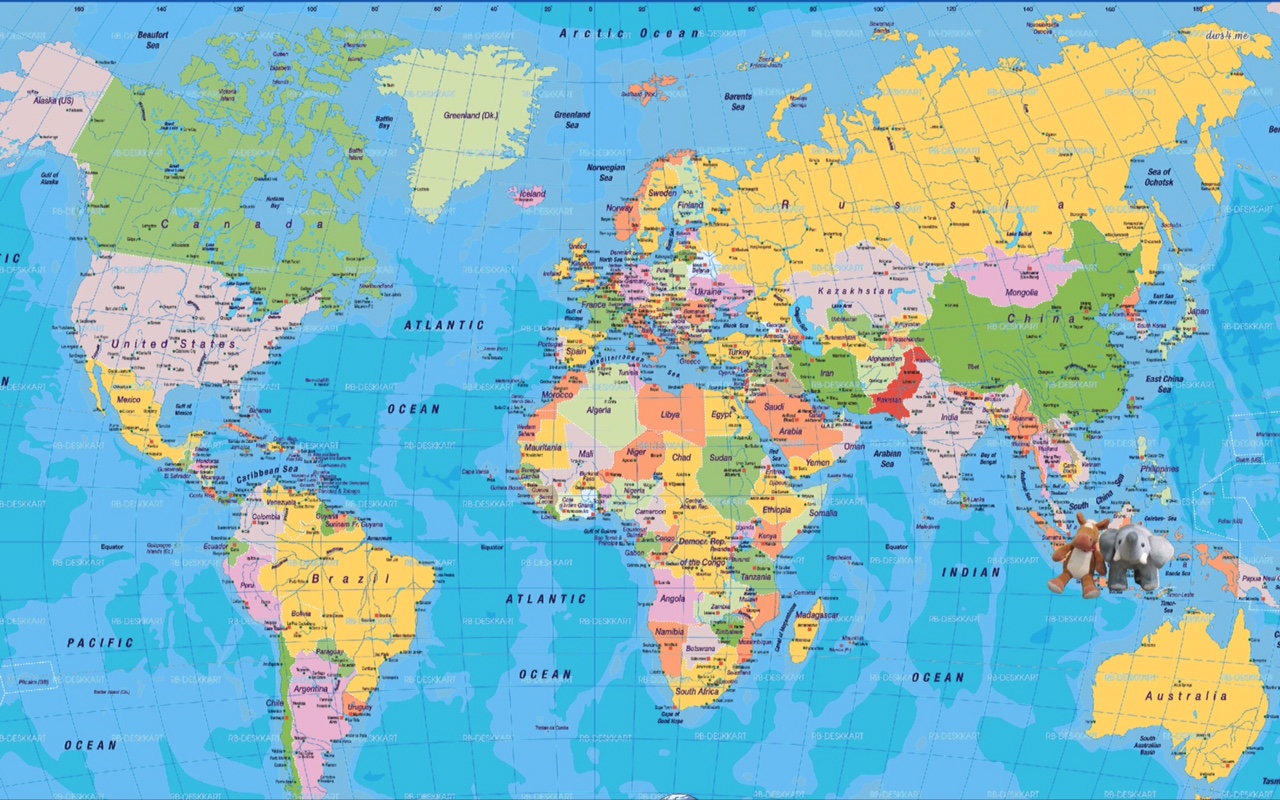
If you guessed yesterday’s animal correct then you’ll be excited to meet them today! We had to travel all the way to the island of Komodo to find this large reptile! That is no easy task! It is a beautiful place though! Are you ready to learn about the amazing Komodo dragon?


komodo3

Range/Habitat: Komodo island and other islands in Indonesia

IMG_7097


 Diet: Carnivore: pigs, deer, buffalo

 Length/Weight:  up to 10ft / 330 lbs

 Conservation Status: vulnerable

komodo2

Fun Facts:

  • Komodo dragons are the largest lizard on earth! IMG_0774
  • Their ancestors have been on earth for 100 million years.
  • Komodo dragons were not discovered by humans until 1912!
  • Komodo dragons are solitary.
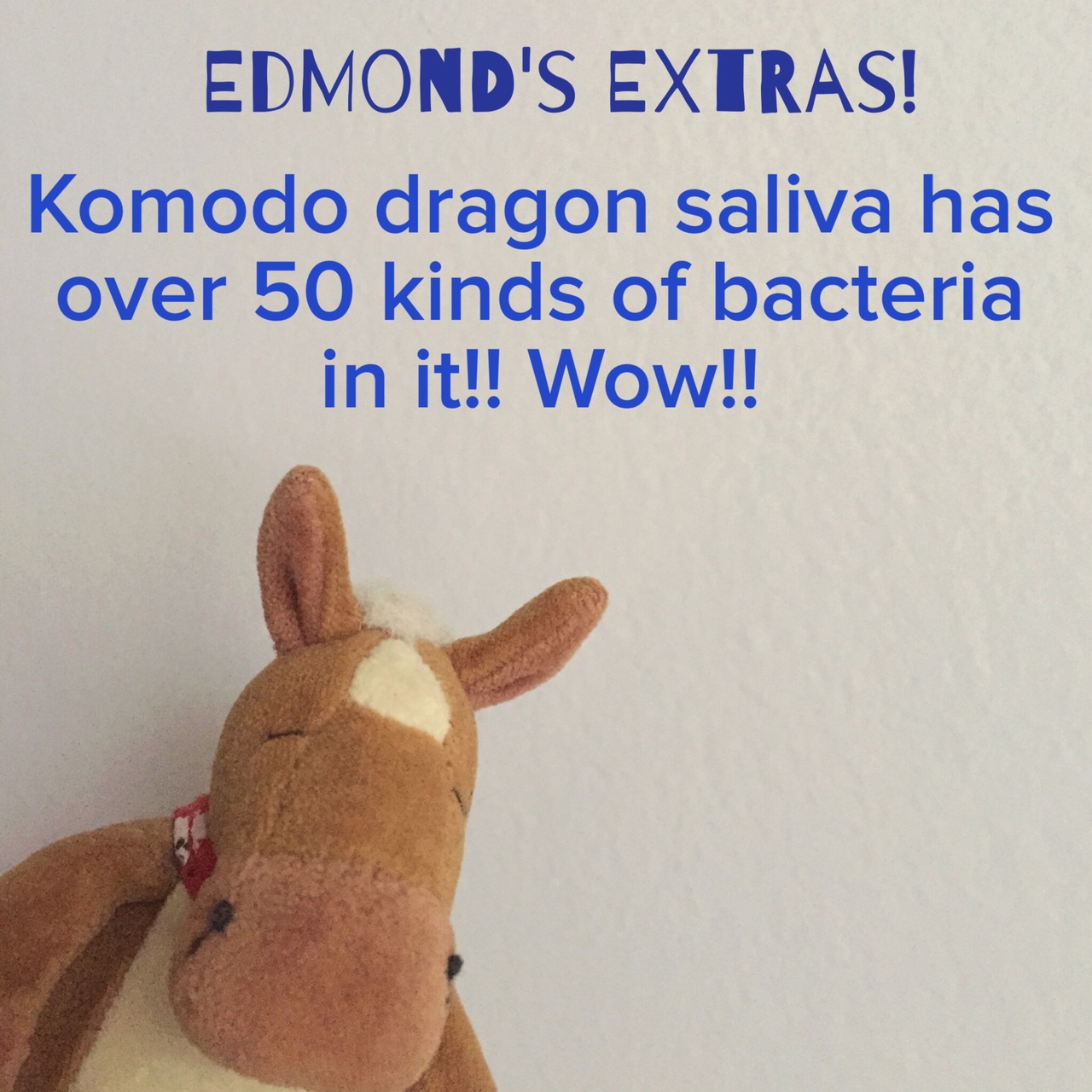
  • Known for their deadly bites, a komodo dragon’s saliva is not poisonous.
  • Komodo dragons have forked tongues.
  • They can use those forked tongues to help them “smell” particles in the air up to a mile away!
  • Komodo dragons can eat up to 5 lbs in just a few minutes!

komodo

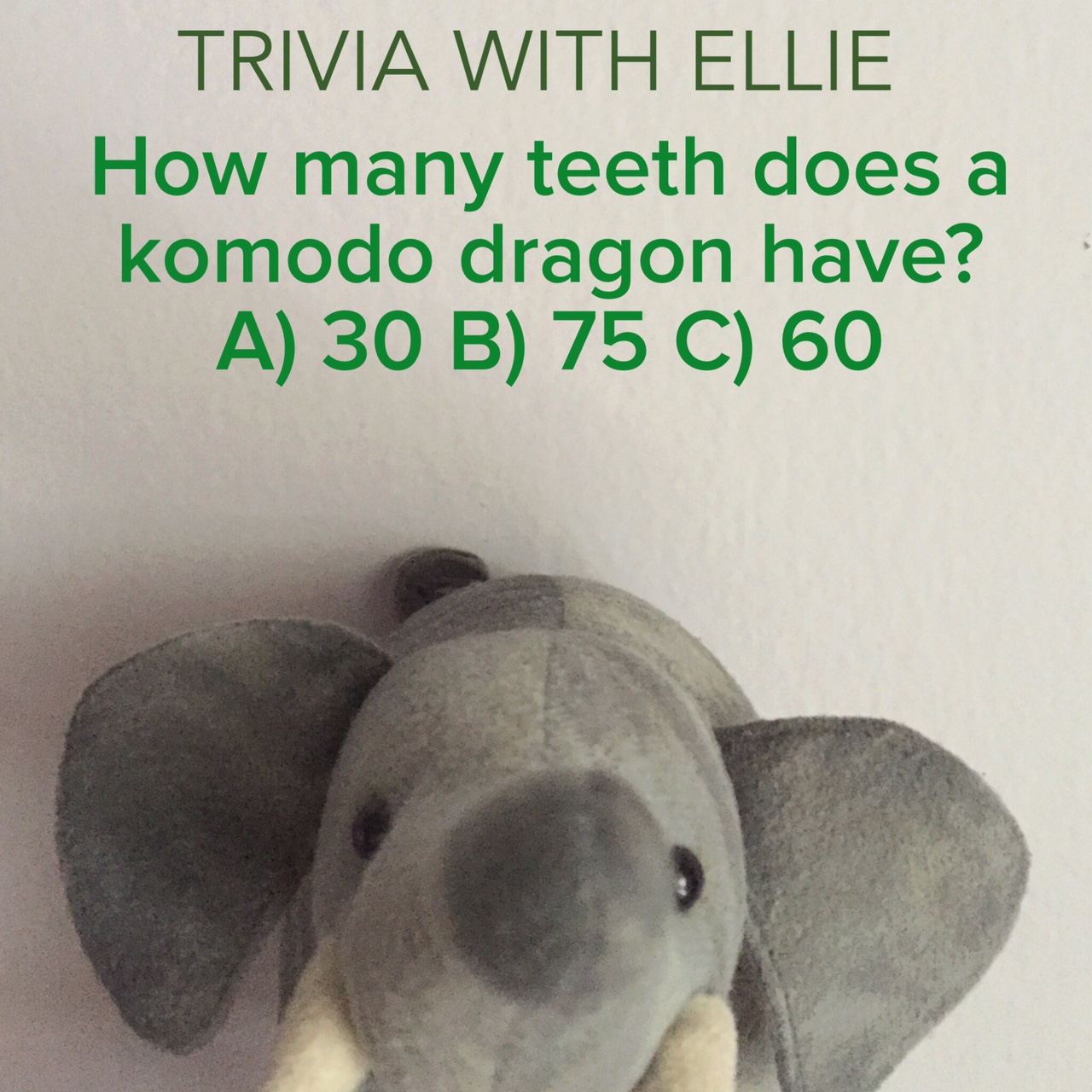
These real life dragons are amazing! Luckily, places like the San Diego Zoo are working in Komodo National Park to protect these ancient and magnificent lizards! Think you know the answer to Ellie’s trivia question? (answer down below)

IMG_0775


-Answer is 60!

Categories: adventure, Animals, Children, conservation, education, Environment, nature, reptiles, science, vocabulary, wildlife | Tags: , , , , , , , , , , | 6 Comments

SCIENCE WORD OF THE WEEK!

SCIENCE WORD OF THE WEEK!

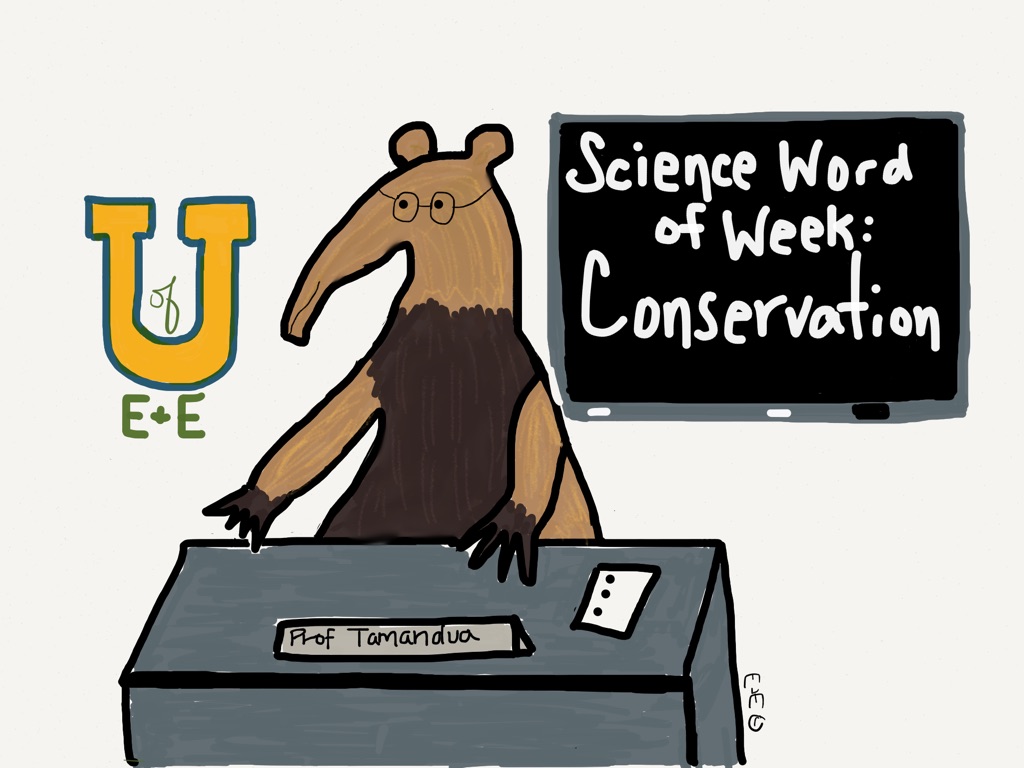
swow conservation

Welcome to class everyone!! We’ve got a big week planned here at the University and today we’re starting off with a great science word for the week!

Today’s word is Conservation: protection of animals, habitats and the earth. Conservation includes setting aside land to keep it in a natural state, conserving resources like fresh water and protection animals from poachers. Conservation includes many issues and activities. Ellie and Edmond work very hard to conserve animals and their habitats!

Tomorrow they will be participating in World Animal Day and talking about protecting African elephants!

Categories: adventure, Animals, Children, conservation, education, Environment, nature, science, vocabulary, wildlife | Tags: , , , , , , , , , | Leave a comment

SCIENCE WORD OF THE WEEK!

SCIENCE WORD OF THE WEEK!

 swow prehensile

Hello and welcome back to class! We have a great word today that even applies to me! Is everyone ready to learn?

Today’s word is Prehensile: a body part of an animal that has the ability to grasp something by wrapping around it. Often we think of prehensile tails with monkeys, but very few monkeys have that adaptation. Only monkeys that live in South and Central America have prehensile tails.

The tips of Ellie’s trunk are prehensile! She can use them to grasp even one blade of grass. Other animals that have prehensile tails include; spider monkeys, howler monkeys, opossums, binturongs and me!

tamanduaspider monkey

opossum

howler monkeyBinturong

Categories: adventure, Animals, Children, conservation, education, Environment, nature, science, vocabulary, wildlife | Tags: , , , , , , , , , | Leave a comment

Blog at WordPress.com.