Posts Tagged With: wildlife

REPTILIAN TUESDAY # 60

REPTILIAN TUESDAY # 60

It’s that most wonder day where we meet a reptile and we’re going to Southeast Asia to meet a small and cute lizard! Who’s ready to meet….?

e e grass yard

MEET THE GARDEN LIZARD!

garden lizard   Range/Habitat: Western-Eastern South Asia/ farmland, urban

   Diet: Omnivore: insects, small animals

   Length: 12-14”

   Conservation Status: common


Fun Facts:

  • Garden lizards have long tails.
  • Garden lizards’ color varies.
  • The males have red throats and mouths during breeding season.
  • Garden lizards are excellent climbers.
  • Garden lizards are ambush predators.

We sure wouldn’t mind having these little Garden lizards in our garden! They really can help keep the insect population in check and that can be good for your plants!

 

Categories: adventure, Animals, Children, conservation, education, Environment, gardens, nature, reptiles, wildlife | Tags: , , , , , , , , , | 2 Comments

MAMMAL MONDAY # 60

MAMMAL MONDAY #60

We are off to meet a mammal who lives in a watery habitat in South America! So hop aboard our boat as we float down a river to find one cool mammal!

e & e river boat

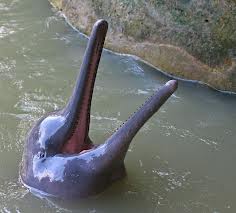
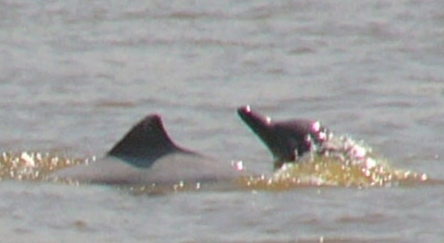
MEET THE GREY RIVER DOLPHIN!

grey river dolphin   Range/Habitat: Central America-Northern South America/rivers,

estuaries, coasts

   Diet: Carnivore: fish, squid

   Length/Weight: 4 ½-6 ½ ft/ 77-88 lb

   Conservation Status: data deficient


Fun Facts:

  • Grey River Dolphins live in freshwater habitats and estuaries.
  • They have long prominent beaks.
  • Grey river dolphins are very acrobatic.
  • They are small and stocky.
  • They have large dorsal fins.
  • Grey river dolphins are solitary or live in pairs.

Grey river dolphins are amazing animals! Did you know that there were dolphins that live in rivers? We had no idea! We continue to be surprised by all the different animals on our planet!


grey river dolphin2   grey river dolphin3


Categories: adventure, Animals, Children, conservation, education, Environment, mammals, nature, rainforests, rivers, science, wildlife | Tags: , , , , , , , , , | 2 Comments

FEATHERY FRIDAY # 59

FEATHERY FRIDAY #59

We’re jumping on a plane and heading to New Zealand to meet a one of kind bird on this fine Feathery Friday! Are you ready for an adventure down under?

e e stream

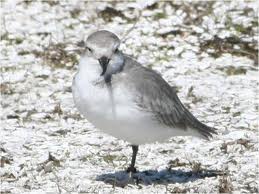
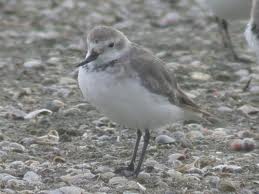
MEET THE WRYBILL!

wrybill   Range/Habitat: New Zealand/rivers-estuaries

   Diet: Carnivore: insects, insect larva

   Length/Weight: 7.9-8.3”/ 1.5-2.5 oz

   Conservation Status: vulnerable


Fun Facts:

  • Wrybills have grey and white feathers.
  • They have long black bills.
  • Wrybills are curved to the right and sideways. They are the only birds in the world with this type of beak.
  • They perform aerial ballets during mating and migration.
  • Wrybills are a wading bird.

These funny little birds are so neat! You must get up close to see their unusual sideway bent beaks! We sure do love meeting such amazing birds!

wrybill2   wrybill3

Categories: adventure, Animals, birds, Children, conservation, education, Environment, nature, rivers, science, wildlife | Tags: , , , , , , , , , | 2 Comments

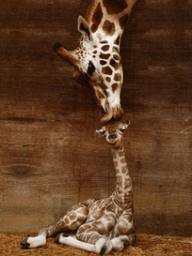
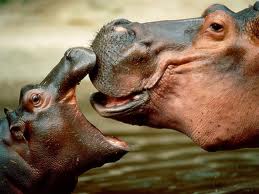
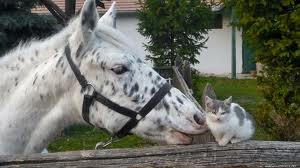
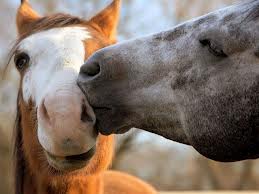
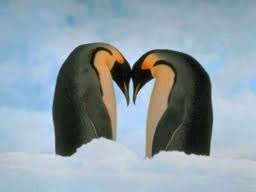
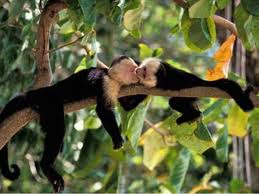
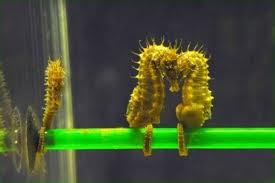
VALENTINES FOR THE ANIMALS!!

HAPPY VALENTINE’S DAY EVERYONE!

Today we are sharing some love- the love of animals with you! Have a great day!

E E Valentine

giraffevalbirdval

hippoval

horsecatvalhorseval

pandaval

penguinsval

monkeyval

seahorsesval

tamanduaval  tortoiseval

Categories: adventure, Animals, Children, conservation, education, Environment, nature, science, Valentines, wildlife | Tags: , , , , , , , , , | 4 Comments

WATERY WEDNESDAY # 59

WATERY WEDNESDAY # 59

We’re getting our snorkeling gear out and heading the coral reefs of the Pacific Ocean today! We’re off to find a fish who lives with another animal who stings! Are you ready? Let’s do this!

e & e snorkeling

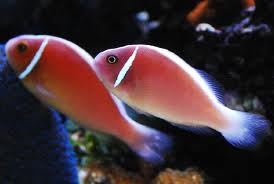
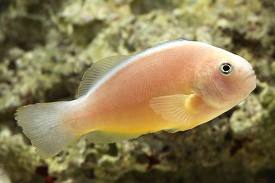
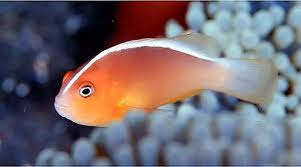
MEET THE PINK SKUNK CLOWNFISH!

pink skunk clownfish   Range/Habitat: Pacific Ocean/ coral reefs

   Diet: Omnivore: plankton, algae

   Length: 4”

  Conservation Status: common


Fun Facts:

  • Pink Skunk Clownfish are also known as the pink skunk anemonefish.
  • They have a symbiotic relationship with anemone and live among their tentacles.
  • Pink skunk clownfish have a long white stripe down their backs.
  • Pink skunk clownfish have a mucus coating that protects them to the toxins of the anemone.
  • They lay their eggs near their anemone hosts.


We bet you didn’t know there other species of clownfish out there! They aren’t all just orange and white! Animals that have mutual symbiotic relationships are so neat! Can you think of any other kinds of symbiotic relationships in the animal world?

pink skunk clownfish2   pink skunk clownfish3


Categories: adventure, Animals, Children, conservation, education, Environment, fish, nature, oceans, science, wildlife | Tags: , , , , , , , , , , | Leave a comment

REPTILIAN TUESDAY # 59

REPTILIAN TUESDAY # 59

We’re going exploring in the US today for an aquatic reptile with a bite! Let’s grab our wellies and your night vision goggles and let’s go exploring near a pond and see if we can find today’s animal!

EE NIGHT MARSH

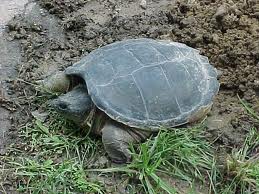
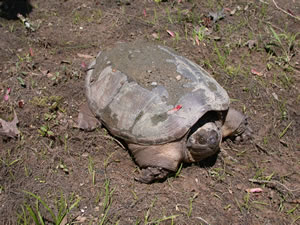
MEET THE COMMON SNAPPING TURTLE!

common snapping turtle   Range/Habitat: South Canada-USA-Mexico/ ponds, lakes & streams

   Diet: Omnivore: fish, frogs, aquatic plants

   Length/Weight: 10-20”/9.5-35 lbs

   Conservation Status: common


Fun Facts:

  • Common Snapping Turtles carapaces (top shell) vary in color, from brown to green.
  • They have long tails.
  • Common snapping turtles are nocturnal.
  • Common snapping turtles spend most of their lives in water.
  • They have webbed feet.
  • Common snapping turtles hibernate in cold weather.
  • Female common snapping turtles lay a clutch of eggs and the sex of the babies is determined by the temperature of the nest.

Common snapping turtles are such amazing creatures. Those snapping beaks are definitely built for eating! We’ll stay away those!

common snapping turtle2  common snapping turtle3

Categories: adventure, Animals, Children, conservation, education, Environment, nature, reptiles, science, turtles, wildlife | Tags: , , , , , , , , , , | 10 Comments

MAMMAL MONDAY #59

MAMMAL MONDAY #59

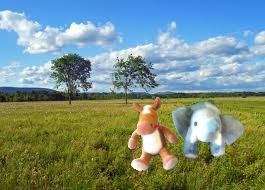
We sure hope everyone enjoyed the Year of the Snake celebration. We’re back to our regular schedule and it’s off to Central America for us, to meet a member of the rodent family! Can you gopher for that? (Edmond loves puns)

e e grasslands

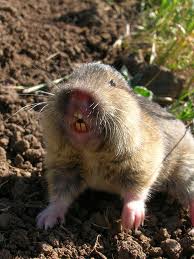
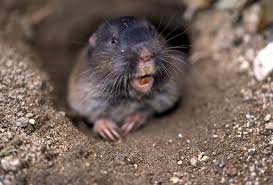
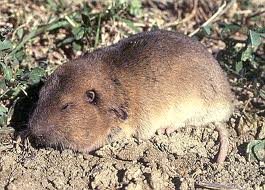
MEET THE GIANT POCKET GOPHER!

giant pocket gopher   Range/Habitat: Central-South America/ grasslands

   Diet: Herbivore: roots, grasses, vegetation

   Length/Weight: 4.7-12”/2.2 lbs

   Conservation Status: common


Fun Facts:

  • Giant Pocket Gophers are the largest member of the pocket gopher family.
  • They have large cheek pouches that go from their mouth to their shoulders; these pouches are where they get their name.
  • Giant pocket gophers live in burrows and tunnels.
  • They have long sharp teeth.
  • Giant pocket gophers have large claws for digging.
  • Giant pocket gophers are also called the Mexican pocket gopher.
  • They are solitary.

Giant pocket gophers are funny looking little creatures with their big teeth and small eyes! They work very hard to dig their burrow homes and hoard the food they eat!

giant pocket gopher2   giant pocket gopher3

Categories: adventure, Animals, Children, conservation, education, Environment, mammals, nature, science, wildlife | Tags: , , , , , , , , | Leave a comment

Make Your Own Ellie & Edmond Valentines!

MAKE YOUR OWN ELLIE AND EDMOND ORIGINAL VALENTINES!

Valentine’s Day is soon approaching and Ellie has been hard at work making some great Valentines that you can print, color and share with your friends and family!

All you have to do is click on the link and print them out! There’s a frog, an owl and a moose! Glue them to a blank card or construction paper, color them and add your own pizazz! (Edmond loves to add glitter to his handmade cards!)  As always please share your artwork with us! We love to see your creativity!

Ellie & Edmond Valentines!

Categories: adventure, Animals, Children, crafts, education, Environment, nature, owls, Valentines, wildlife | Tags: , , , , , , , , | Leave a comment

YEAR OF THE SNAKE DAY # 5

YEAR OF THE SNAKE DAY #5

It’s the last day of Snake week and we’re going to the Mediterranean to meet one cool snake! In fact these snakes are quiet popular! Are you ready for our last adventure of the week? Let’s do this!

e e grasslands2

MEET THE LEOPARD SNAKE!

leopard snake   Range/Habitat: Southern Europe- Mediterranean/forests, suburbs

   Diet: Carnivore: rodents

   Length/Weight: 28-39”

   Conservation Status: common


Fun Facts:

  • Leopard Snakes are also known as the European Ratsnake.
  • They are constrictors.
  • Leopard Snakes are cream with red and black blotches.
  • Leopard Snakes are shy and secretive.
  • They are crepuscular (active at dusk and dawn).

Leopard snakes are often considered the most colorful of the ratsnake family. In Greece, people often invite these snakes into their homes and gardens because they are so could as pest control! We love hearing about people and wildlife sharing space in harmony! See, snakes aren’t so bad after all!

leopard snake2  leopard snake3

Categories: adventure, Animals, Children, conservation, education, Environment, nature, science, snakes, wildlife | Tags: , , , , , , , , , | 2 Comments

YEAR OF THE SNAKE- GUESS THE SNAKE!

YEAR OF THE SNAKE- GUESS THE SNAKE!

It’s time to guess the animal again and we’ve already given you a head start today since you know it’s a snake! So look at the picture, read the clues and give us your best guess!

green tree boa

  • I live in South America.
  • I have a prehensile tail to help me hang on tree branches.
  • I have pits in my snout to detect heat.

WHO AM I?


Categories: adventure, Animals, Children, conservation, education, Environment, nature, science, snakes, wildlife | Tags: , , , , , , , , , | 4 Comments

Blog at WordPress.com.