adventure

MAMMAL MONDAY # 45

MAMMAL MONDAY #45!

We’re off to the rainforests of Central Africa to meet one cute rodent! That’s right folks, we said cute rodent! Grab your gear and let’s head out!

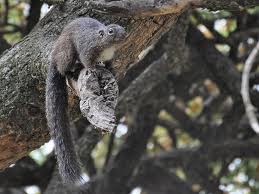
MEET THE GAMBIAN SUN SQUIRREL!

   Range/Habitat: Central Africa/ rainforest, grasslands

   Diet: Omnivore: eggs, insects, seeds

   Length/Weight: 6-8”/ 9-13 oz

   Conservation Status: common


Fun Facts:

  • Gambian Sun Squirrels have olive-brown-yellow banded fur.
  • They have 14 rings down their tail.
  • Gambian Sun Squirrels bask in the sun (that’s where they get their name).
  • Gambian sun squirrels are primarily arboreal (spend most of their time in the trees.
  • They reline their nests with new leaves each night.

Gambian sun squirrels are adorable. We love that they spend their time basking in the sun to keep warm! We wonder if they use sunscreen.


Categories: adventure, africa, Animals, Children, conservation, education, Environment, mammals, nature, science, wildlife | Tags: , , , , , , , , | Leave a comment

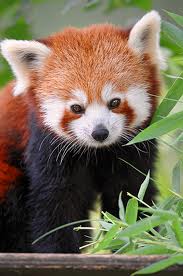
INTERNATIONAL RED PANDA DAY!

INTERNATIONAL RED PANDA DAY!

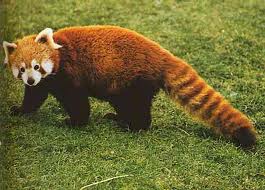
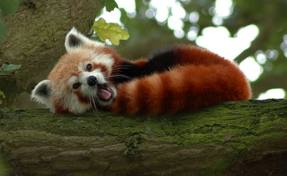
We’re celebrating the adorable and furry red panda today with a few fun facts and pictures!

  • Red Pandas are arboreal (they spend most of their lives in the trees).
  • They are nocturnal (active at night).
  • Red Pandas live in high altitude, cold climates in China and Nepal.
  • They are covered in a thick red fur. It even covers the pads of their feet.
  • Red Pandas have a pseudo thumb (fake thumb) on their wrists to help them hold bamboo.
  • They eat bamboo, fruit, nuts and eggs.
  • Red pandas nickname is the Fire Fox!
  • Recent studies show they are not related to bears or racoons! They are a member of their own family! Neat!

Red Pandas are so adorable and they endangered as their habit is disappearing. To find some cool ways to help these cuties, check out the Red Panda Network website!  You can even adopt your own panda! Woohoo!


Categories: adventure, Animals, Children, conservation, education, Environment, mammals, nature, science, wildlife | Tags: , , , , , , , | 2 Comments

FEATHERY FRIDAY # 44

FEATHERY FRIDAY #44

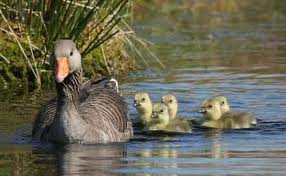
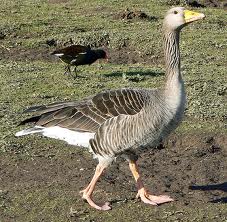
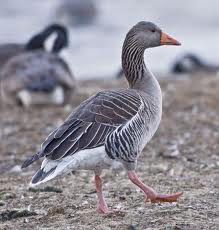
We’re off to the UK to meet the ancestor of all domestic geese! These gorgeous birds are large and in charge! So let’s out together to meet this fine feathery friend!

MEET THE GRAYLAG GOOSE!

   Range/Habitat: Europe-Asia/ wetlands, lakes

   Diet: Herbivore: grains, vegetation

   Length/Weight: 30-35”/ 6 ½-8 ¾ lbs

   Conservation Status: common


Fun Facts:

  • Graylag geese are the wild ancestor of domestic geese.
  • They get their name because they migrate late in the year or lag behind other birds.
  • Graylag geese are large birds; in fact they are the largest goose species in Europe.
  • They live in large flocks and are very social.
  • Graylag geese are very vocal. Check out their calls!
  • Graylag geese mate for life.
  • Male and females raise the chicks.

We just love geese and these Graylag geese are gorgeous with their gray and brown feathers. It is cool to meet the wild cousins of our domestic friends too! Can you make a goose sound? Honk! Honk!

Categories: adventure, Animals, birds, Children, conservation, education, Environment, nature, science, wildlife | Tags: , , , , , , , , | 1 Comment

SUPER SURPRISE THURSDAY # 44

SUPER SURPRISE THURSDAY  #44

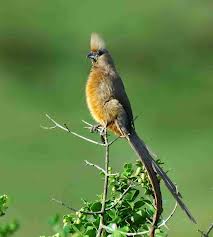
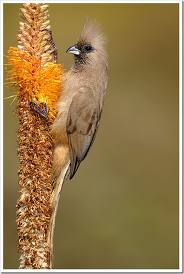
We’re jetting to Central Africa today to meet one gorgeous feathery friend. These very social birds can be found in large flocks and are named after a mammal. Grab your binoculars and let’s head out on the savanna!

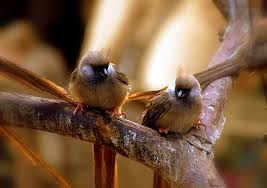
MEET THE SPECKLED MOUSEBIRD!

   Range/Habitat: Central-Eastern Africa/ savannas, grasslands

   Diet: Frugivore: fruits, seeds

   Length/Weight: 12-16”/ 1 5/8- 2 5/8 oz

   Conservation Status: common


Fun Facts:

  • Speckled Mousebirds are considered living fossils and are related to long line of ancient birds.
  • They get the name mousebird from their long tails and furry like feathers.
  • Speckled Mousebirds have a crest of feathers on their head.
  • Speckled Mousebirds are very social and live in family flocks of 4-20 individuals.
  • They sleep in a cluster at night to keep warm.
  • Male and female speckled mousebirds take care of chicks, as do older offspring.
  • They are very flexible and acrobatic and can be seen eating upside down!

Wow, these funny looking birds sure are fun! They are so social! You can see them puff up their feathers and get a little sun bath too to warm themselves during the day! Now that is our kind of bird!


Categories: adventure, africa, Animals, birds, Children, conservation, education, Environment, nature, science, wildlife | Tags: , , , , , , , , | 2 Comments

WATERY WEDNESDAY # 44

 WATERY WENESDAY # 44

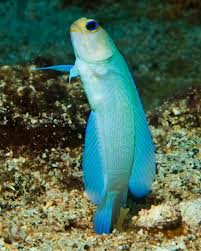
We’re going diving today to meet one cute and little fish! Look carefully because they may be hard to spot as often it is only their heads that are visible in the sea bed! Do you have your gear? Let’s dive in!

MEET THE YELLOWHEAD JAWFISH!

   Range/Habitat: Caribbean-Northern South American oceans/reefs-

coastal waters

   Diet: Carnivore: plankton, small fish

   Length: up to 4”

   Conservation Status: common


Fun Facts:

  • Yellowhead Jawfish have yellow heads and translucent blue bodies.
  • They are very small.
  • Yellowhead jawfish live in sandy ocean bottoms.
  • Yellowhead jawfish build burrows in the sand or coral.
  • They are very territorial.
  • Male yellowhead jawfish incubate the eggs in their mouths. They place the eggs in their burrow when they feed.

Yellowhead jawfish are so funny and cute! It is super cool to meet a fish dad who incubates the eggs! Fish are so amazing and different, from the very small to the very big!

Categories: adventure, Animals, Children, conservation, education, Environment, fish, nature, oceans, science, wildlife | Tags: , , , , , , , , , | Leave a comment

REPTILIAN TUESDAY # 44

REPTILIAN TUESDAY #44

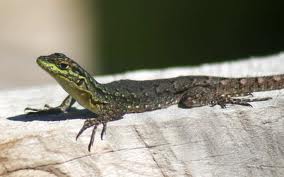
We’re off to the Southwestern area of South America to today to find a small reptile up in the trees! Let’s get on our tree climbing gear and head up to find this lizard!

MEET THE CHILEAN SWIFT LIZARD!

   Range/Habitat: Southwestern South America/ forests, suburbs

   Diet: Insectivore: flies, insects

   Length: 7 ½-12”

   Conservation Status: common


Fun Facts:

  • Chilean Swift Lizards are arboreal (spend most of their time in trees).
  • They are also known as the Thin Lizard.
  • Chilean swift lizards have scales that overlap one another.
  • They are often found in higher elevations.
  • Chilean swift lizards live in small groups that are made up of one male and several females in one tree.

These cute little lizards sure are neat! We wish would could spend some time at the tops of the trees, there are so many cool creatures living up here!


Categories: adventure, Animals, Children, conservation, education, Environment, lizards, nature, reptiles, science, wildlife | Tags: , , , , , , , , | 1 Comment

MAMMAL MONDAY # 44

MAMMAL MONDAY #44!

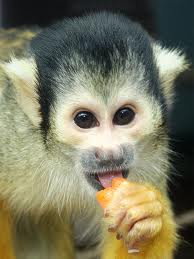
We hope you enjoyed learning about some of smarties of the animal kingdom last week! We sure had fun! It’s back to our regular scheduled programming and that means it is Mammal Monday and we’re off to the rainforests of South America to meet one cute little primate! So grab your binoculars and let’s do this!

MEET THE BOLIVIAN SQUIRREL MONKEY!

   Range/Habitat: West-Central South America/ rainforest

   Diet: Omnivore: insects, fruits, seeds

  Length/Weight: 10 ½-12 ½”/ 34 oz

  Conservation Status: common


Fun Facts:

  • Bolivian Squirrel Monkeys live in large troops, with up to 40-50 individuals.
  • The troops have sub groups, males, females and juveniles.
  • They are very social and vocal.
  • Bolivian squirrel monkeys’ tails are longer than their bodies and heads combined.
  • Bolivian squirrel monkeys are arboreal (spend most of their lives in trees).
  • They spend half of their days foraging for insects.

Goodness these Bolivian squirrel monkeys adorable. Can you imagine hearing a whole troop of these monkeys in the trees? That would be so fun!


Categories: adventure, Animals, Children, conservation, education, Environment, mammals, nature, rainforests, science, wildlife | Tags: , , , , , , , , | Leave a comment

ANIMAL INTELLIGENCE WEEK DAY # 3

ANIMAL INTELLIGENCE

 DAY # 3

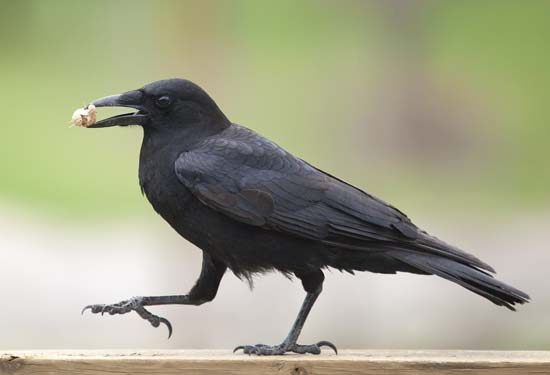
Today’s smarty is a dark and mysterious bird. They can be found all over the world in your backyard and ours. These amazing feathery friends have some astonishing intelligence capabilities! Let’s take a stroll in our backyard to meet the dark and lovely bird!

MEET THE CROW!

   Range/Habitat: Worldwide/ farmland, parks, woodlands, suburbs

   Diet: Omnivore: insects, carrion, seeds, eggs

   Length/Weight: 16-21”/11-22 oz

   Conservation Status: Common


Fun Facts:

  • New Caledonian Crows use tools. They have also been known to make tools.
  • One group of crows has learned to place nuts in the street and have cars crush open the nuts. They wait til the red light appears and then get their prize.
  • They hide and store food and must remember where they stored it.
  • Crows have a variety of calls and vocalizations. These calls vary by the region that the crows live in.
  • Crows have been known to answer the calls of other species of birds.
  • They can recognize human faces and remember them years later.
  • Crows almost always live near humans.
  • They can be very sneaky. One group of crows will even pull up fishing lines left by ice fishermen.


Crows are super smart! We can’t believe that they even recognize human faces, check out the study here! Not only could these birds remember the researchers, they eventually taught other crows that those researchers posed a threat! Wow! Remind us not to make any crows in our neighborhood mad! Here’s a video of the crows in Japan using cars to crack nuts!


Categories: adventure, Animals, birds, Children, conservation, education, Environment, nature, science, wildlife | Tags: , , , , , , , , | Leave a comment

ANIMAL INTELLIGENCE DAY #2

ANIMAL INTELLIGENCE DAY #2

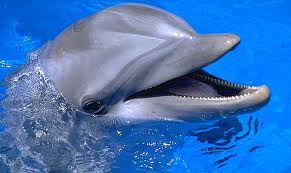
We’re going for a dip in the big blue ocean to meet today’s intelligent animal. These sleek, fast and smart mammals have adapted big brains that scientists are just beginning to understand. Just how smart these mammals are is still undetermined, but what we know about them now is pretty cool! Grab your goggles and let’s go!

MEET THE BOTTLENOSE DOLPHIN!

   Range/Habitat: Oceans worldwide, except for the polar regions

   Diet: Carnivore: fish, mollusks, crustaceans

   Length/Weight: 6 ¼- 13 ft/ up to 1,110 lbs

   Conservation Status: common


Fun Facts:

  • Bottlenose dolphins are very social and live in complex groups.
  • They make many different whistles and clicks to communicate with each other. These vocalizations are still be studied and understood by scientists.
  • Each dolphin has a signature or individual whistle that identifies them, like we have names.
  • They use tools. One group of dolphins has been seen using sponges to protect their noses from stingrays and stonefish as they look for prey.
  • Bottlenose dolphins are able to recognize themselves in a mirror.
  • They learn behaviors from their mothers and other dolphins.
  • Bottlenose dolphins have been taught to understand sign language.
  • They also use many different cooperative hunting techniques.

Bottlenose dolphins have earned a reputation for being cute show animals, but they are so much more than that. Researchers are really just beginning to understand the depths of their intelligence, both in institutions and in the wild. One dolphin Kelly, is amazing researchers at the Institute for Marine Mammal Studies, check them out!  Too bad we don’t know how to speak dolphin! Squeak, click, whistle!


Categories: adventure, Animals, Children, conservation, education, Environment, mammals, nature, oceans, science, wildlife | Tags: , , , , , , , , , | Leave a comment

FISHING FOR ANTS CRAFT!!

SEPTEMBER CRAFT/ACTIVITY!!

We’re celebrating Back to School this week and we’re featuring some super smart animals, including chimpanzees! Chimps are known to take sticks and use them to fish out termites or ants for a nice protein rich snack! So we thought it would be fun to make a craft so you can pretend to be a chimpanzee! Are you ready?
 

Materials:


  • Empty clean 1 Liter soda bottle
  • Scissors
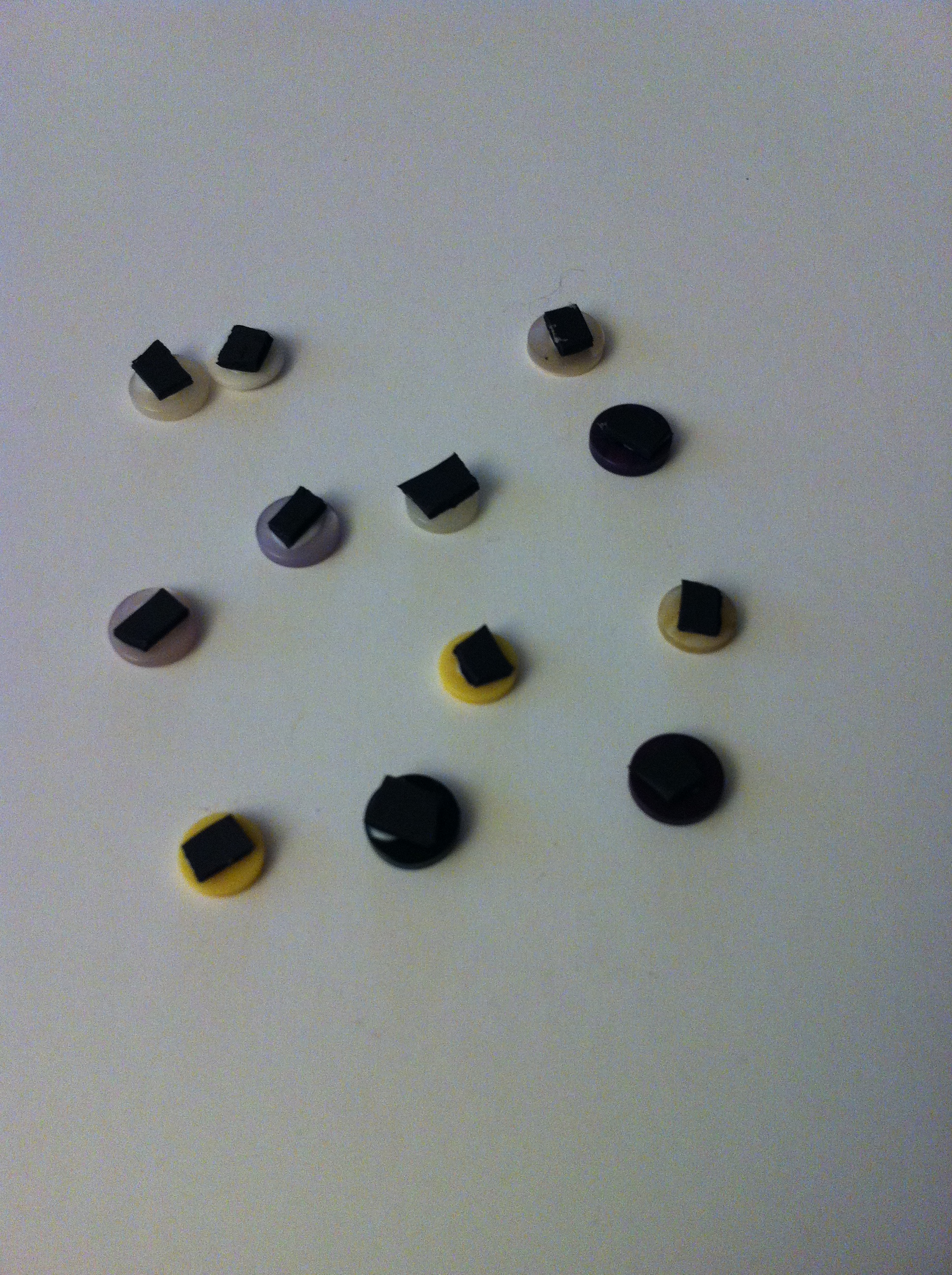
  • 12 small buttons
  • One strip of magnet (we found ours at Michael’s)
  • Small dowel or chopstick
  • Tacky glue
  • Brown or green marker
  • Brown or green paint & brush
  • Exacto or craft knife (to be used by an adult)

Instructions:

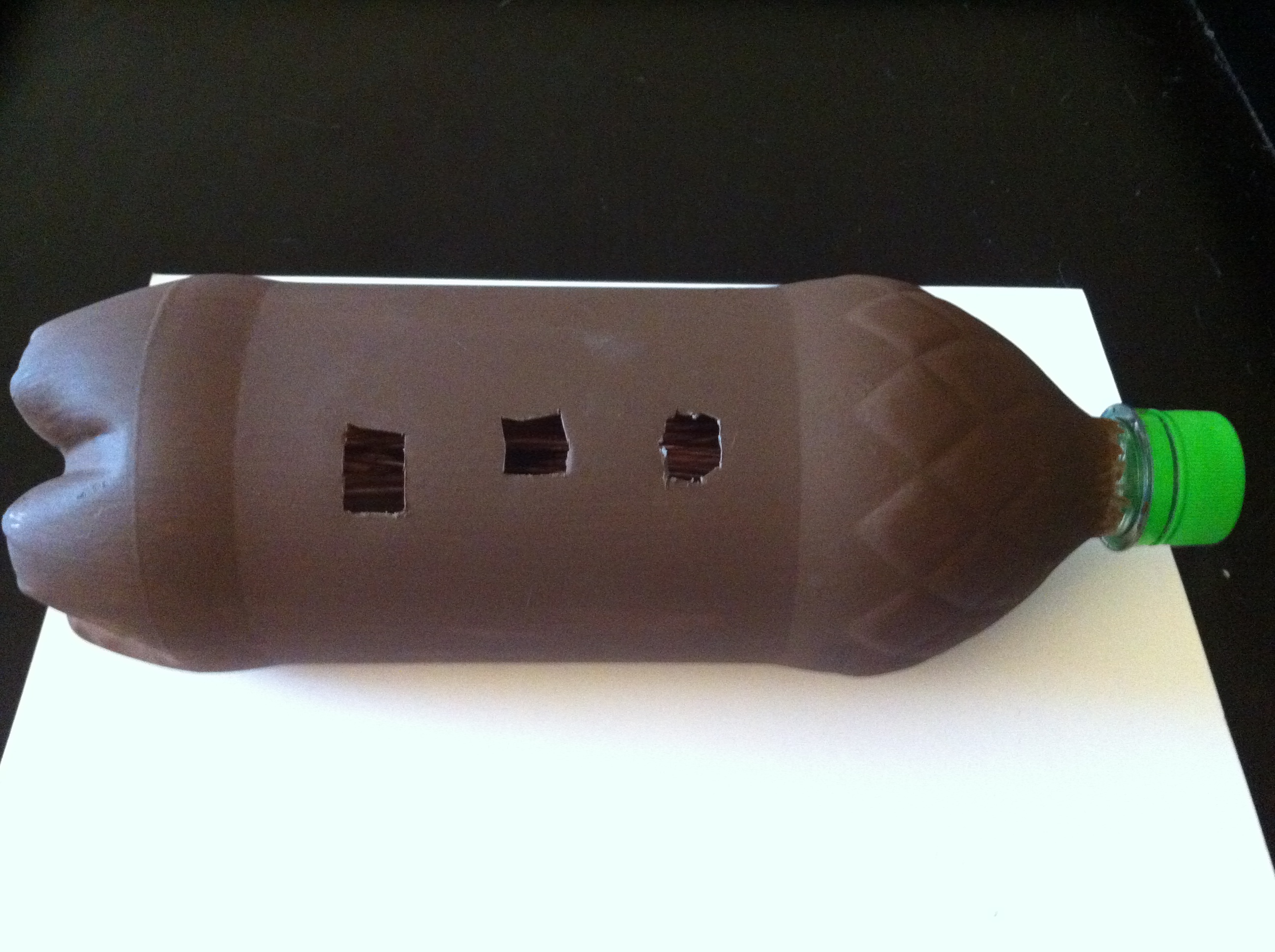
1. Paint your bottle with two coats of paint. You will have wait for the first coat to dry completely before starting the second one. (The bottle is your ant mound)


2. While the paint dries color your dowel with the marker.


3.Then cut your strip of magnet in to small pieces that will fit on the back your buttons and one piece to put on the end of your dowel

4. Glue the magnet pieces to the backs of the buttons and to the end of the dowel.


5. Once the second coat of paint has dried (this make take a while), have an adult take the craft knife and cut 3 holes in the bottle.


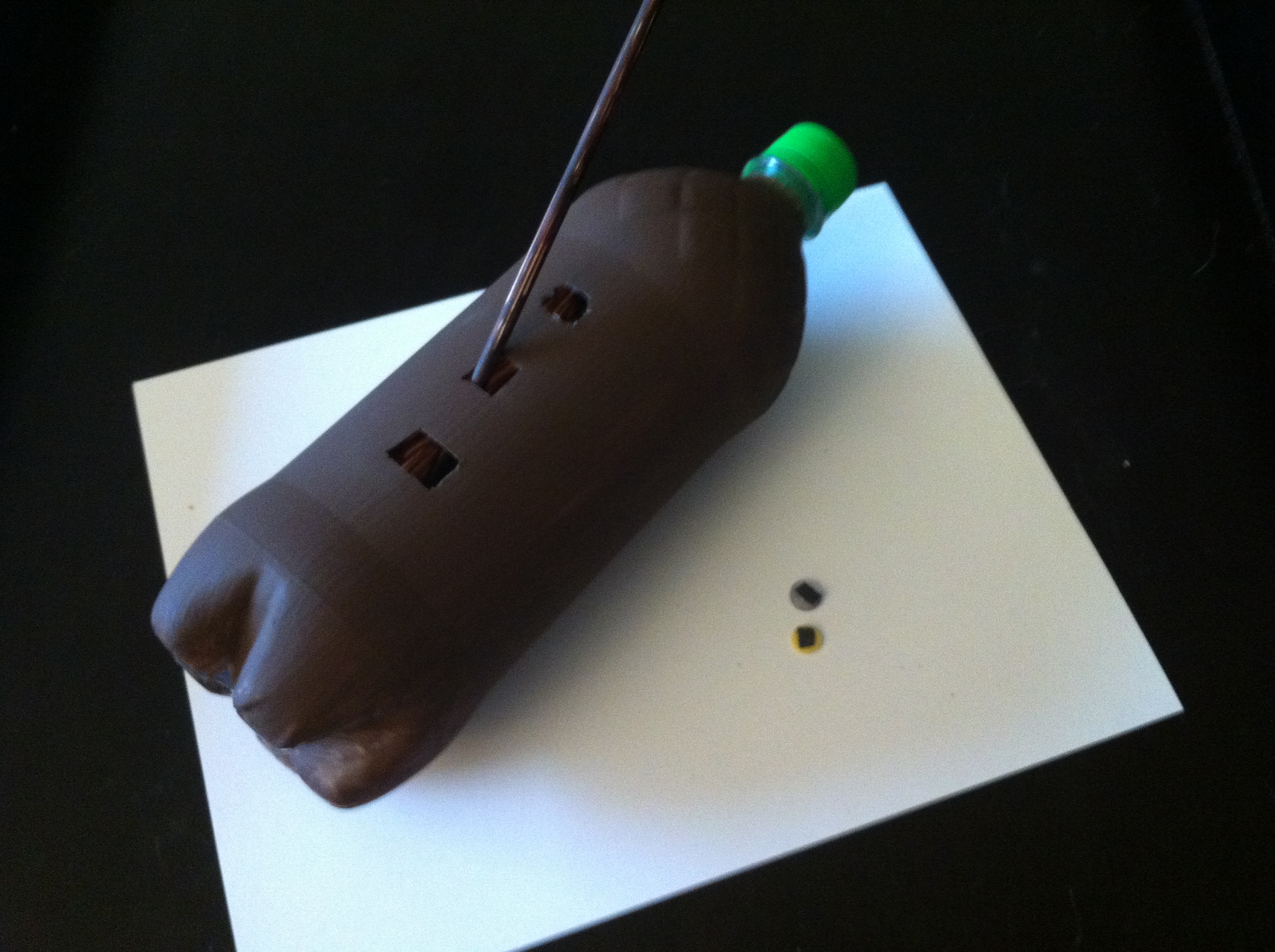
Now you are ready to practice using your stick tool to get ants! Just drop your buttons in and start fishing for button ants!


Categories: adventure, Animals, Children, conservation, crafts, education, Environment, mammals, nature, science, wildlife | Tags: , , , , , , , , , | Leave a comment

Blog at WordPress.com.