adventure

WATERY WEDNESDAY # 82

WATERY WEDNESDAY # 82

 It’s time to get aboard the E & E submarine! We’re going to the Mediterranean Sea to meet a fish who lives on the bottom of the ocean. We better look closely because they can hide in the sand!

e e deep sea

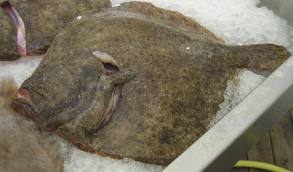
MEET THE TURBOT!

turbot   Range/Habitat: Eastern Northern Atlantic, Mediterranean, Black Sea/ ocean

   Diet: Carnivore: fish, crustaceans

   Length/Weight:  up to 3 ¼ ft/ up to 55 ft

  Conservation Status: common


Fun Facts:

  •          Turbots are flat fish.
  •          They have a round shape.
  •          Turbots have eyes on the left side of their mouths.
  •          Turbots have bony tubercles instead of scales.
  •          Female turbots can produce 10-15 millions eggs.

Turbots are super cool! We love the flat fish of the ocean! They can hide and never be seen until they’re hungry! Hahahaaha!

turbot2    turbot3

Categories: adventure, Animals, Children, conservation, education, Environment, fish, nature, science, wildlife | Tags: , , , , , , , , , | Leave a comment

REPTILIAN TUESDAY # 82

REPTILIAN TUESDAY # 82

We’re back to our regular schedule and we’re heading to Africa today to meet a tiger! Ok, it’s not a real tiger, because we all know that tigers live in Asia! But we are meeting a snake that looks like tiger! So let’s back up our backpacks and our pith helmets and head to the African Savanna!

e  e africa night

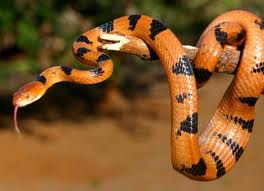
MEET THE AFRICAN TIGER SNAKE!

   Range/Habitat: Southern Africa/ grasslands

   Diet: Carnivore: lizards, rodents

   Length: 3 ¼-4 ft

   Conservation Status: Common


Fun Facts:

  • African Tiger Snakes are nocturnal (active at night).
  • They are slow moving.
  • They have large eyes to help them see at night.
  • African tiger snakes have vertical iris.
  • African tiger snakes are yellowish-brown and orange with black blotches.
  • They are venomous but their venom is not dangerous to humans.

Aren’t these snakes spectacular? They have such wonderful coloration that looks just like a tiger! If you could make a snake look like another animal what pattern would you do? Ellie would like to see a giraffe snake and Edmond wants to see a zebra snake!

african tiger snake2   african tiger snake

Categories: adventure, Animals, Children, conservation, education, Environment, nature, reptiles, science, wildlife | Tags: , , , , , , , , , | 2 Comments

TEDDY BEAR DAY!

TEDDY BEAR DAY!!!

Today is Teddy Bear Day! We’re celebrating these magical stuffed pals and their wild inspirations! Everyone hug their bear at home and send a hug to all those wild amazing bears out there!

Our pal Bertie Bear!

Our pal Bertie Bear!

Do you know where teddy bears came from? They were named after the American president Theodore Roosevelt (he also started the National Park System in the United States!) We found this great history of the teddy bear here!

So why do we love bears? We found this great answer on the New Hampshire Fish and Game website :

“What good are bears?
Throughout history, humans have always been interested in black bears. They occupy many places in our culture — from Native American ceremonies to Teddy bears. Bears have a very positive impact on our environment. Because bears need a variety of habitats to thrive, managing habitat for bears benefits many other species. As a result, bears are a good indicator species of healthy wildlife habitat. If a habitat supports bears, it will support many other creatures.

The bears themselves affect the ecosystem in a multitude of ways. As predators, they help control deer and moose populations; as scavengers they help clean up carcasses; in their search for insects, they act as nutrient recyclers; and by eating a variety of fruits, they help distribute and sow fruiting trees and shrubs which are used by other animals.

Bears also hold some secrets that are worthy of study — such as the ability of denning pregnant female bears to shut down their digestive and excretory systems and still deliver and nurse as many as 5 cubs. Bears also have significant economic value in many parts of the country; hunters, photographers and wildlife enthusiasts all spend significant sums of money in order to hunt or view bears. Hunters utilize harvested bears as a highly prized source of food. Bears enrich our lives in many ways and provide many useful functions. Perhaps the most important function is the knowledge that if you live in an area that can support a healthy bear population, that area is also healthy enough to support you.”

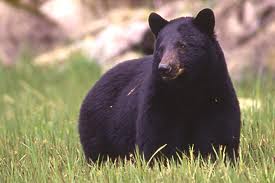
Black bear
Black bear


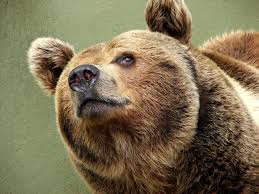
Brown bear

Brown bear


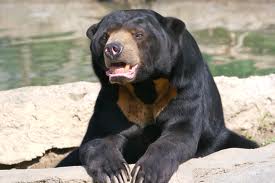
Sun bear

Sun bear

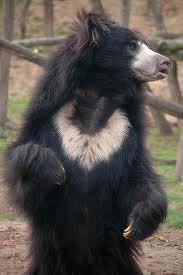
Sloth bear

Sloth bear

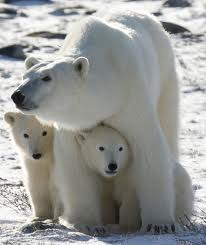
Polar bear

Polar bear


Asiatic Black Bear

Asiatic Black Bear

Spectacled bear

Spectacled bear


Panda bear

Panda bear


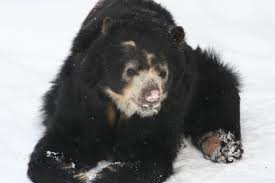
There are 8 species of bears in the world! They include Sun bears, Black bears, Brown bears, Polar bears, Asiatic Black bear, Sloth bear, Spectacled bear, Giant Panda bear. Six of the species are listed as threatened to endangered. There are many groups working to protect all of these bears, including the World Wildlife Fund!

Every time you hug your favorite Teddy friend think of great ways you can help their wild cousins! Happy Teddy Bear Day!


Categories: adventure, Animals, bears, Children, conservation, education, Environment, mammals, nature, science, wildlife | Tags: , , , , , , , , , , | Leave a comment

INTERNATIONAL VULTURE DAY!!

HAPPY INTERNATIONAL VULTURE DAY!!

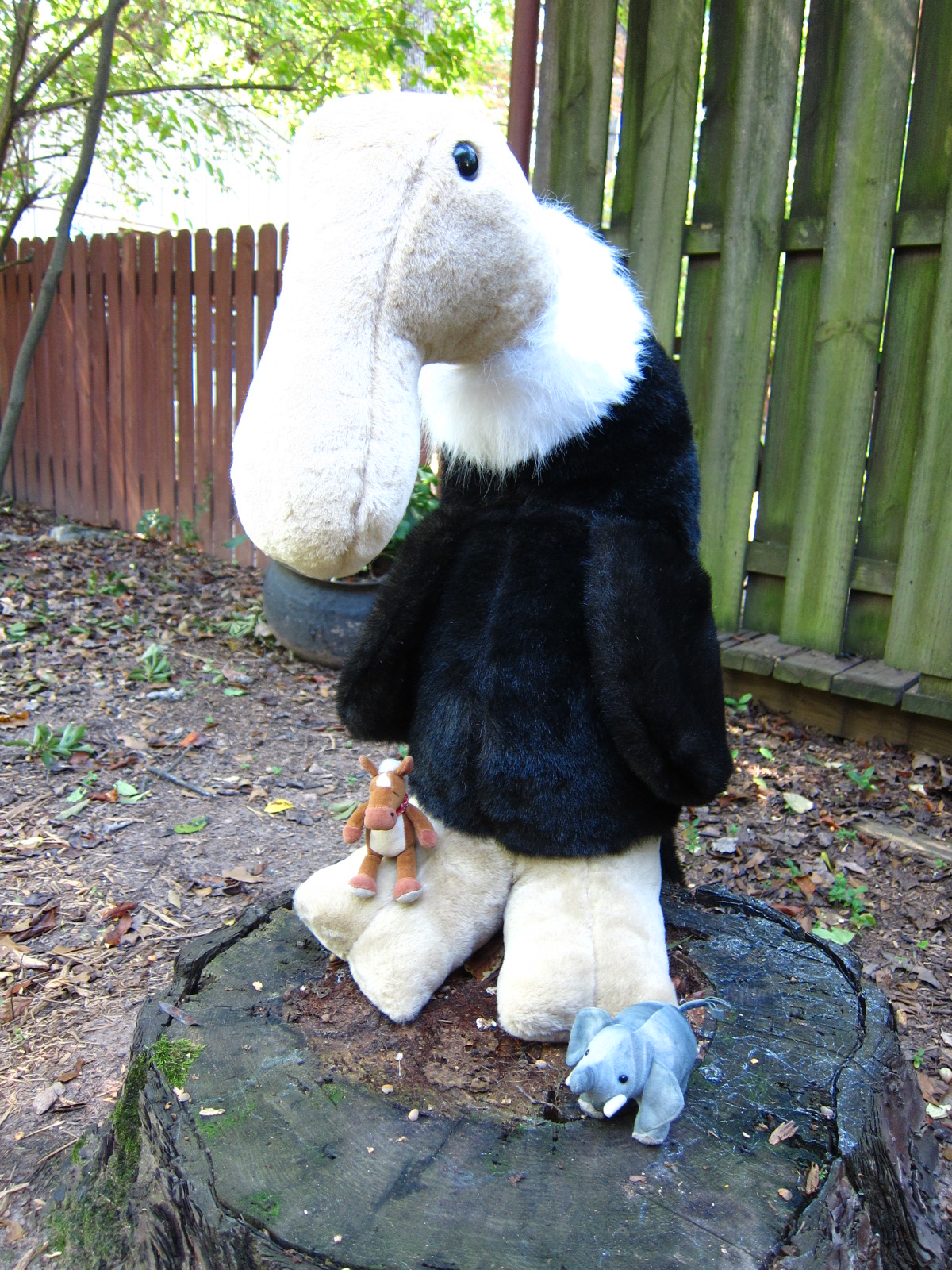
We’re celebrating vultures today! We bet you aren’t ready for your International Vulture Day party are you? Well, we have you covered! We’ve got pictures, fun facts and even some recipes for vulture snacks! Let’s get this party started!

Our pal Vinny!

Our pal Vinny!


FUN FACTS:

  • There are 23 species of vultures in the world. Fourteen of them are listed as endangered.
  • Vultures are classified as Old world (Europe, Asia, Africa) and New world (Americas).
  • Recent DNA shows that Old world and New world vultures are not related and probably have different ancestors.
  • Vultures eat carrion (dead animals). We like to call them the garbage birds of the world as they can eat things no other animal can.
  • Vultures are social animals.
  • A flock of vultures is called a kettle. We wonder if they drink a lot of tea?
  • Vultures have an excellent sense of smell and sight!
  • Vultures have featherless heads. This keeps them free of bacteria and parasites!
  • Vultures also urinate on their legs to keep them cool and free of bacteria. Eeeeewwww!
  • The Andean Condor is the largest species of vulture. They have a 9-10 foot wingspan!
  • The Hooded condor is the smallest species of vulture. They are about the size of a crow.
  • When threatened vultures throw up! Double eeeeeeeewww!!!

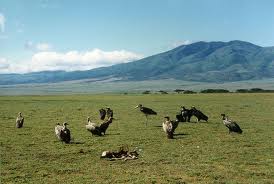
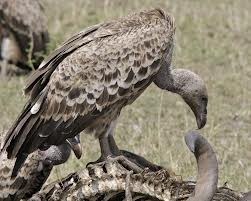
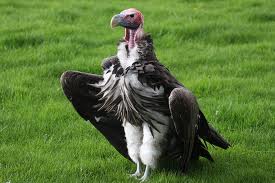
vulture  vulture2


vulture3

vulture4   vulture5


vulture6

So are you ready to serve up some vulture vomit? The keepers at Cheyenne Mountain Zoo have come up with some great recipes to serve all your pals! Check out their blog and get ready to party!


Categories: adventure, Animals, birds, Children, conservation, education, Environment, nature, science, wildlife | Tags: , , , , , , , , , | Leave a comment

BUTTERFLIES!!!

BUTTERFLIES!!

We made a road trip to the Chattahoochee Nature Center a few weeks ago to see their butterfly exhibit! We had a blast! We wanted to share the pictures of our adventure with you on this fine Friday! (We’ll be back to our regular programming next week)!

Hello little frog!

Hello little frog!

Frogs hiding!

Frogs hiding!

Flowers!

Flowers!

This guy has a loooong neck!

This guy has a loooong neck!

We promise he was just napping!

We promise he was just napping!

We're going to meet some butterflies!

We’re going to meet some butterflies!

Butterfly!

Butterfly!

Butterfly!

Butterfly!

Butterfly!

Butterfly!

Butterfly

Butterfly

Butterfly

Butterfly

Butterfly!

Butterfly!

We found a giant butterfly!

We found a giant butterfly!

Edmond had to stop and smell the flowers!

Edmond had to stop and smell the flowers!

There is no better artist than mother nature!

There is no better artist than mother nature!


We can think of no better way to spend an afternoon than with nature! Check out your local nature center or gardens and see what you can find! If you find yourself in Atlanta, check out the Chattahoochee Nature Center!

Categories: adventure, Animals, Children, conservation, education, Environment, nature, science, wildlife | Tags: , , , , , , , , | Leave a comment

SUPER SURPRISE THURSDAY

SUPER SURPRISE THURSDAY!

It’s time to guess the animal! Look at the picture, read the clues and tell us who you think it is!

peacock

  • I am a bird.
  • Males of my species are brightly colored.
  • I am known for my very loud call.

WHO AM I?

Categories: adventure, Animals, Children, conservation, education, Environment, nature, science, wildlife | Tags: , , , , , , , , | 2 Comments

Beach Time!!

BEACH TIME!!

beach

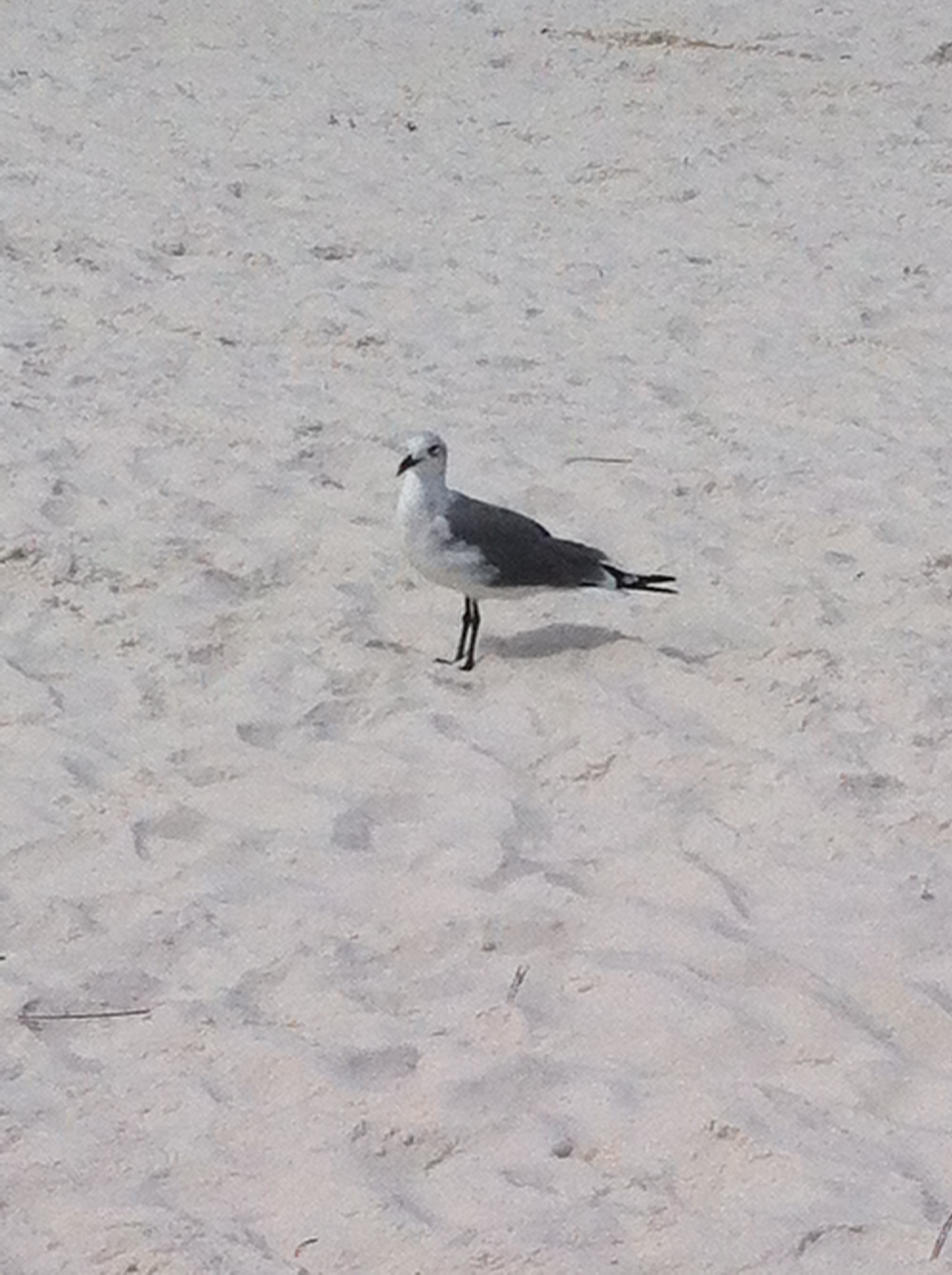
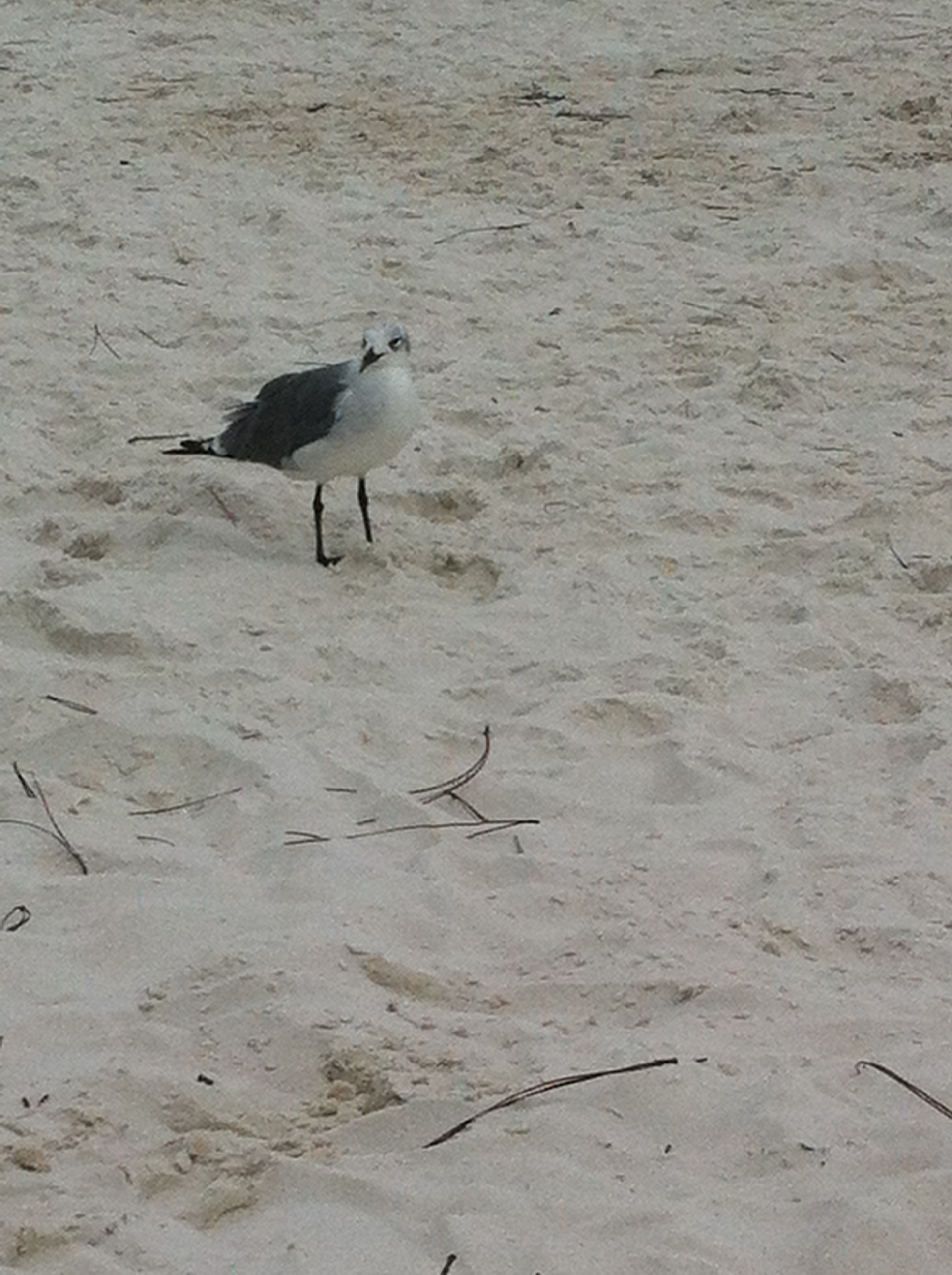
We are back! We spent our holiday on the Gulf coast of Florida to relax on the beach! We found some shells, watched the waves and met some seagulls! Meeting those funny little birds got us to thinking! We don’t know much about seagulls, except for their bad reputation! So we did some research and we’re sharing some fun seagull facts with you!

Hello birdie!

Hello birdie!

FUN FACTS:

  • Seagulls should be called gulls, as some live inland and most rarely venture out to sea.
  • They mate for life and both parents look after the chicks.
  • Gulls can drink salt water. They express the salt through their nostrils!
  • Gulls can move their eyes in the their sockets. This ability gives them excellent vision!
  • Gulls are highly intelligent and have many creative ways of hunting and extracting prey.
  • Adult gulls teach their chicks their own unique ways of hunting.
  • They are highly vocal and have many different calls.
  • The smallest species of gull is the Little gull.
  • The largest species is the Great Black beaked gull.
  • Young gulls live in nursery setting. They are watched after by several male adults.

beach4beach5


We bet you didn’t know that gulls were so cool! They get a bad rap as being annoying and pushy! This reputation is not only undeserved, but is brought on when people feed them. Remember, never feed wildlife, they have everything they need right there and it is not your sandwich! Make sure when you take a trip to the coast, take everything you brought with you. Sea birds can get in big trouble when you leave trash! A clean beach is a happy beach!

Edmond photo bombing a gull!

Edmond photo bombing a gull!


Categories: adventure, Animals, birds, Children, conservation, education, Environment, nature, science, Uncategorized, wildlife | Tags: , , , , , , , , , , | 4 Comments

FEATHERY FRIDAY # 81

FEATHERY FRIDAY #81

Woohoo- it’s time to meet another bird friend and we’re heading to the northern United States to meet today’s feathery friend. The good news is that this bird can be found all over the world! Are you ready? Let’s go!!!!

e e grasslands

MEET THE HEN HARRIER!

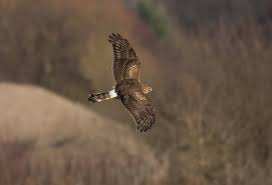
hen harrier    Range/Habitat: North America-Europe-Asia/grasslands

    Diet: Carnivore: small mammals

    Length/Weight: 17-20 ½”/13-19 oz

    Conservation Status: common


Fun Facts:

  •          Hen harriers fly close to the ground.
  •          They have keen eyesight and hearing.
  •          Hen harriers nest on the ground.
  •          Hen harriers females are brown and the males are gray.
  •          Females are larger than the males.

Hen harriers are cool birds of prey. The way the fly close to the ground is very unusual! Watch out animals!

hen harrier2    hen harrier3

Categories: adventure, Animals, birds, Children, conservation, education, Environment, nature, science, wildlife | Tags: , , , , , , , , , | Leave a comment

SUPER SURPRISE THURSDAY #81

SUPER SURPRISE THURSDAY # 81

Time to look at the picture, read the clues and tell us who you think the animal is!

mountain lion

  •  I am one of North America’s largest predators.
  • I am known for my amazing climbing and jumping skills.
  • I have several common names.

WHO AM I?

Categories: adventure, Animals, Children, conservation, education, Environment, nature, science, wildlife | Tags: , , , , , , , , | 2 Comments

WATERY WEDNESDAY #81

WATERY WEDNESDAY # 81

 It’s that fabulous day of the week where we meet a friend who lives in the water! So let’s get this adventure started as we head out to the coral reefs of the Pacific Ocean to meet today’s fish that lights up!!
e & e snorkeling

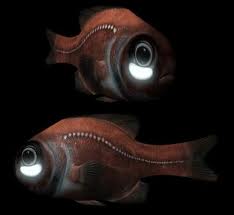
MEET THE FLASHLIGHT FISH!

flashlightfish2   Range/Habitat: West Pacific oceans/coral reefs

   Diet: Carnivore: plankton

   Length: up to 4 ¾”

  Conservation Status: common


Fun Facts:

  •          Flashlightfish have a blunt nose.
  •          They have bacteria in the organ under their eye.
  •          Those bacteria are bioluminescent.
  •          They can use that eyelid to communicate with other flashlightfish.
  •          Flashlightfish feed at night.
  •          Flashlightfish spend their day in caves in deeper water.
  •          They are territorial.

Flashlightfish are super cool! They use that bioluminescent eyelid to communicate with each other. We wonder if they know Morris Code?

flashlightfish

Categories: adventure, Animals, Children, conservation, education, Environment, fish, nature, science, wildlife | Tags: , , , , , , , , , | Leave a comment

Blog at WordPress.com.