adventure

WORLD ENVIRONMENT DAY!!!

WORLD ENVIRONMENT DAY!!!

E-E earth

It’s World Environment Day and we’re celebrating with your help! We kept racking our little elephant and horse brains on the best way to celebrate our planet and its many diverse habitats. We thought we might give you tips on how to preserve, protect and nourish our wonderful home, but we came up with a better plan!

WE WANT YOU!

That’s right, we want you to tell us what you do to help the natural environment! We want to hear what you do on a daily basis to make a difference for our planet and we’re going to take your tips and tricks and make a photo essay to share with everyone! Tell us what you do everyday, like using reusable bags, recycling, reusing items! So let’s get to it and help us celebrate World Environment Day!

Categories: adventure, Animals, Children, conservation, education, Environment, nature, science | Tags: , , , , , , , | 2 Comments

HUG YOUR CAT DAY!

HUG YOUR CAT DAY!

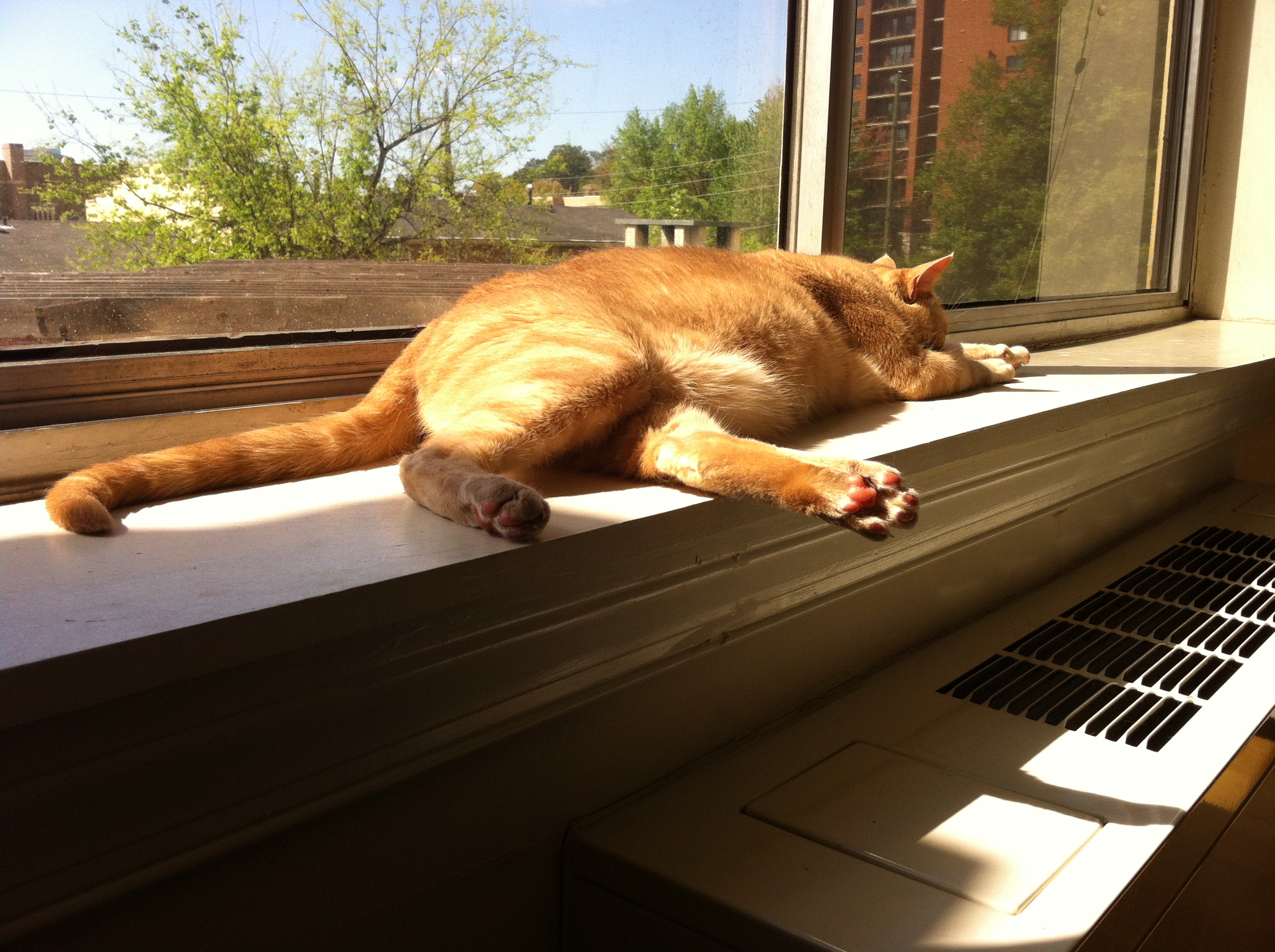
Today is hug your cat day! We live with a cat named Moe and he is rather large and squishy! Occasionally he tries to eat us, but we’ve made peace and now we’re pals!

moe relaxing

He loves a good nap in the sun!

We also thought Hug Your Cat Day would be a good day to give a virtual hug to all the big cats out there! World wide wild cat populations are dwindling! There are several organizations that are working hard to protect these majestic creatures in the wild and protect them from becoming pets or living in captive situations that are unhealthy!

First Up:

PANTHERA! This amazing group works tirelessly to protect habitat for big cats all around the world and to help to stop poaching and the wild animal black market! We’ve actually been to a lecture given by their president and he was great! Be sure to check out their website and learn more about this great group!

Next Up:

BIG CAT RESCUE! Big Cat Rescue Rescue in Florida is a sanctuary that takes in big cats of all sizes. They work with animals who have often suffered abuse and neglect and give them an amazing place to live out their lives. We love sharing headquarters with Moe, but he is a domestic cat that we found at the local Humane Society. He makes a great companion. Large wild cats on the other hand never make good pets. They are large predators with big teeth and claws and belong in the wild or in accredited zoos. Check out Big Cat Rescue’s website. They have beautiful pictures and fun videos!

Now, we’re going to end Hug Your Cat Day with some great photos of big cats who deserve our love and respect!
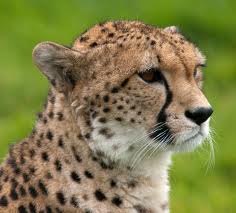
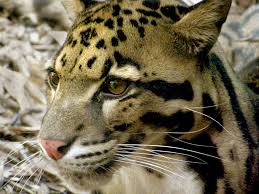
cheetah   clouded leopard

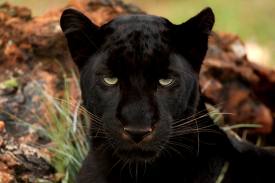
panther

liontiger

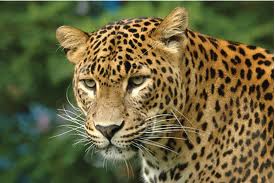
leopard

Moe is given a high paws to all the cats out there!
Moe is given a high paws to all the cats out there!

Categories: adventure, animal rescue, Animals, Children, conservation, education, Environment, mammals, nature, science, wildlife | Tags: , , , , , , , , , , | 6 Comments

MAMMAL MONDAY # 72

MAMMAL MONDAY # 72

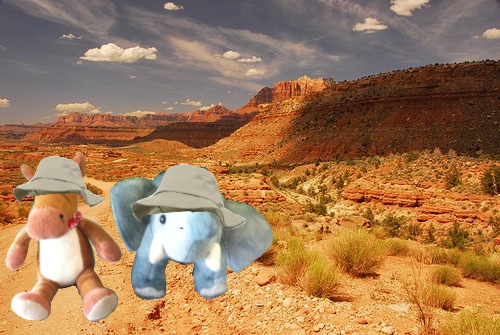
It’s Mammal Monday and we’re going to South Africa to meet a member of the rodent family. We’re heading in to the desert so grab your hat, your mud sunscreen and your sunglasses and let’s goooooo…

e e desert

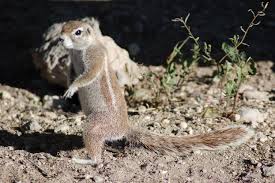
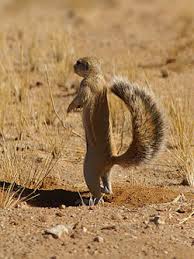
MEET THE CAPE GROUND SQUIRREL!
cape ground squirrel   Range/Habitat: Southern Africa/ desert

   Diet: Omnivore: seeds, bulbs, insects

   Length/Weight: 8-12”/ 12 oz

   Conservation Status: common


Fun Facts:

  •          Cape Ground squirrels live in small colonies.
  •          They have large claws.
  •          Cape ground squirrels burrow underground.
  •          Cape ground squirrels forage for food daily.
  •          They have different calls for predators.

These little rodents are cute! We just love all the squirrels of the world. Do you have a favorite squirrel?

 cape ground squirrel2

Categories: adventure, Animals, Children, conservation, education, Environment, mammals, nature, science, wildlife | Tags: , , , , , , , , , | 1 Comment

WE ARE FANIMALY!!

WE ARE FANIMALY!!!

It’s another installment of We Are Fanimaly! Come learn who’s related to who!

ImageThat’s right everyone- hippos and whales are related to each other. This is recent discovery thanks to DNA. Scientist don’t have a full understanding of this relationship and it’s evolutionary timeline, but we think it is super cool! 

HIPPO FUN FACTS!

  • Hippopotamus means river horse.
  • Hippos have clear membranes that help them see under water.
  • Hippos can not swim. They actually walk along riverbeds.
  • Hippos “sweat” a red/pink mucus that helps keep their skin moist.
  • Hippos spend most of their day in water and their nights on land grazing.
  • Hippos are social animals and live in herds.
  • Hippos have large canine and incisor teeth.
  • Scientist have discovered in recent years that hippos sing songs underwater.

WHALE FUN FACTS!

  • Whales are marine mammals.
  • Blue whales are the largest mammal on earth.
  • Orcas or Killer whales are actually the largest member of the dolphin family.
  • Whales are carnivores.
  • There are toothed whales and baleen whales.
  • Toothed whales are smaller than baleen whales.
  • Some whales, like the humpback sing songs to communicate with each other.
  • Some whales use echolocation to find food.
  • Many whales and dolphins are social animals.
Categories: adventure, Animals, Children, conservation, education, endangered species, Environment, mammals, nature, science, wildlife | Tags: , , , , , , , , , , | 2 Comments

FEATHERY FRIDAY # 71

FEATHERY FRIDAY #71

We’re going to the state of California to meet today’s Feathery friend. Who’s up for today’s adventure? Let’s do this!

e e grasslands2

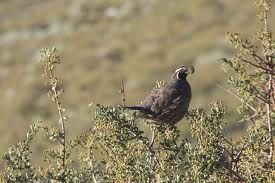
MEET THE CALIFORNIA QUAIL!

california quail   Range/Habitat: Southwest Canada-Western U.S.-Northwest

   Mexico/ desert, scrub, forests

   Diet: herbivore: seeds, leaves, bulbs

   Length/Weight: 10”/6 oz

  Conservation Status: common 


Fun Facts:

  •          California Quails have a long tear drop shaped crest on their head.
  •          They have scaly plumage on their bellies.
  •          California Quails are very shy.
  •          California quails live in small flocks.
  •          They are often heard before they are scene.

California quails are so cute with their little crest of feathers. Their call is also funny; some people say they sound like they’re saying Chicago!

california quail2   california quail3


Categories: adventure, Animals, birds, Children, conservation, education, Environment, nature, science, wildlife | Tags: , , , , , , , , , | 2 Comments

SUPER SURPRISE THURSDAY # 71

SUPER SURPRISE THURSDAY # 71

It’s time to guess the animal. Check out the photo, read the clues and tell us your answer!

great white shark

  • I am a cartilaginous fish.
  • I am a predator.
  • I have a bad reputation, but I am an essential part of the ocean!

WHO AM I?

Categories: adventure, Animals, Children, conservation, education, Environment, fish, science, sharks, wildlife | Tags: , , , , , , , , , | 3 Comments

WATERY WEDNESDAY # 71

WATERY WEDNESDAY # 71

 We’re taking the E & E sub down to the ocean’s floor to find a member of the shark family! These beauties rest on the bottom during the day and look for food at night! We have plenty of room in the sub for everyone! Let’s do this…

e e deep sea

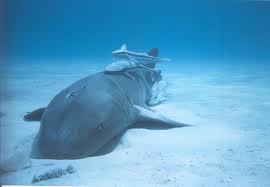
MEET THE NURSE SHARK!

nurse shark   Range/Habitat: East Pacific-Atlantic/ reefs, coastlines

   Diet: Carnivore: invertebrates, crustaceans

   Length/Weight:  9-14 ft/ over 300 lbs

   Conservation Status: common


Fun Facts:

  •          Nurse sharks have barbells on the bottom of their mouth to find food.
  •          They suck prey of the ocean floor.
  •          Nurse sharks are nocturnal.
  •          Nurse sharks rest on the bottom in caves and crevices during the day. They often rest in groups.
  •          They pump water through their mouth and over their gills when they rest.

Nurse sharks are really cool. Not all sharks have the ability to rest like these guys do; most have to swim to keep the water passing over their gills. Too bad we can’t have a nurse shark in our bathtub here at headquarters.

nurse shark2   nurse shark3


Categories: adventure, Animals, Children, conservation, education, Environment, fish, nature, oceans, science, sharks, wildlife | Tags: , , , , , , , , , , , , | Leave a comment

REPTILIAN TUESDAY # 71

REPTILIAN TUESDAY # 71

We’re going to sure the pond in our neighborhood for today’s adventure. Let’s grab some snacks for a picnic and head out to meet today’s reptile friend!  

e e stream

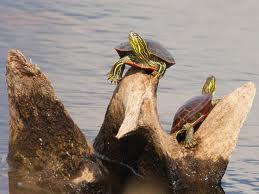
MEET THE RED EARED SLIDER!

red eared slider   Range/Habitat: Southern United States-Mexico/wetlands, ponds,

   rivers

   Diet: Omnivore: fish, tadpoles, plants

   Length: 8-13”

   Conservation Status: common


Fun Facts:

  •          Red eared sliders have red dashes around their ears.
  •          They bask in the sun during the day.
  •          Red eared sliders don’t have saliva and must eat their food under water.
  •          Red eared sliders have claws on their front feet.
  •          They brumate (become less active and hang out on the bottom of rivers/ponds during the fall and winter).

Red eared sliders are so cute. They are very popular pet to have too. Remember, if you do decide a pet turtle is for you; get them from a breeder and not from the wild. And as always do your homework, because all pets have specialized needs.

 red eared slider2  red eared slider3

Categories: adventure, Animals, Children, conservation, education, Environment, nature, reptiles, science, turtles, wildlife | Tags: , , , , , , , , , , | Leave a comment

FEATHERY FRIDAY # 70

FEATHERY FRIDAY #70

We’re heading to South America to meet a little brown bird in the rainforest! Grab your adventure gear and let’s head out on today’s adventure.

e & e rainforest

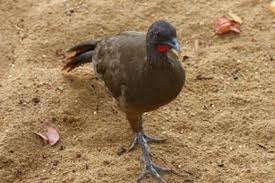
MEET THE LITTLE CHACHALACA!

little chachalaca3   Range/Habitat: Northern South America/rainforest

   Diet: herbivore: berries, fruit

   Length/Weight: 15”/ 21 oz

   Conservation Status: common 


Fun Facts:

  •          Chachalaca are related to curassows.
  •          They are noisy birds.
  •          Chachalaca get their name from their call.
  •          Chachaalca have long tails.
  •          They have molted brown feathers.

These little plain looking birds have a great call! You can check it out here. We think we might practice it the rest of the day!

little chachalaca   little chachalaca2

Categories: adventure, Animals, birds, Children, conservation, education, Environment, nature, science, wildlife | Tags: , , , , , , , , , | 1 Comment

WORLD TURTLE DAY!

WORLD TURTLE DAY!

002

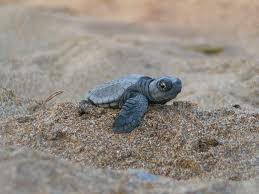
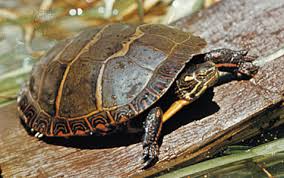
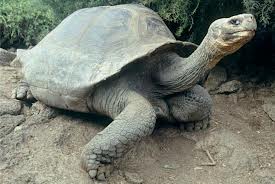
It’s World Turtle Day and we’re celebrating our shelled reptile friends with fun facts and photos! Tell us what you love about turtles and tortoises!

  • Turtles have been on the earth for about 200 million years.
  • Box turtles can live to be over a 100 years old.
  • Turtles live on every continent except Antarctica.

turtle

  • There are seven species of sea turtles. The Leatherback is the largest.
  • The top shell is called the carapace and the bottom shell is the called the plastron.

turtle2

  • Turtles and tortoises are attached to their shells.
  • The shells are part of their skeleton.
  • turtle3The coverings on the top shell are called scutes.
  • Scutes are made up of keratin, the same protein that makes up human hair and nails.
  • turtle4Turtles don’t have ears.
  • There are about 250 species of turtles.
  • turtle8Some sea turtles can dive as deep as 3,000 feet.
  • Turtles are reptiles.
  • turtle7Turtles lay eggs.
  • Hatchlings have a special tooth that they use to crack open their eggs.

turtle6    turtle5

Categories: adventure, Animals, Children, conservation, education, Environment, nature, reptiles, science, turtles, wildlife | Tags: , , , , , , , , , | 1 Comment

Blog at WordPress.com.