Animals

We’re Seaing Lions

We’re Seaing Lions


img_0709      img_14241


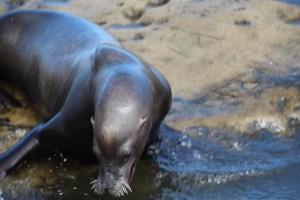
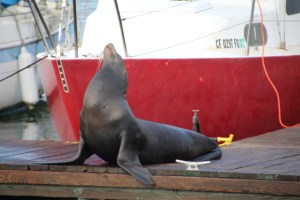
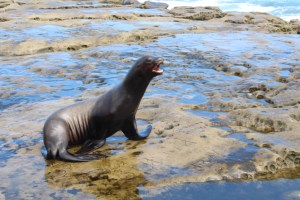
We’re starting off the week on the coast meeting some large, stinky and loud mammals.  Sea lions are so gregarious and fun to watch.

Date: 1/9

Location: California coast

California Sea Lion Fun Facts:

  • The large and in charge California sea lion is the fastest member of the pinniped family. They can reach speeds up to 25 mph.
  • A group of California sea lions is called a colony.
  • They have a thick layer of blubber to keep them warm in the cold waters off the coast of California.
  • They are agile swimmers. Their rear flippers rotate to help navigate when the haul out on land.

img_1425

  • Sea lions can slow their heart rates to help them stay under water for up to 10 mins.
  • Males are larger than females.
  • California sea lions are extremely social. They live in groups with a dominate male and females and their offspring.
  • They are very vocal. Their characteristic bark  is loud.
  • California sea lions are highly intelligent.
 

img_1464

img_1466


We had so much watching the sea lions interact with each other. They made us laugh. But goodness are they loud and they stink of fish :)!
 

Categories: adventure, Animals, Children, conservation, education, Environment, mammals, nature, science, Today's Post, wildlife | Tags: , , , , , , , | 1 Comment

Howdy Otter!
Howdy Otter!

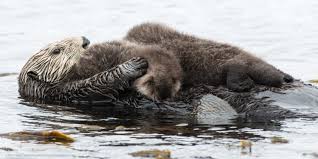
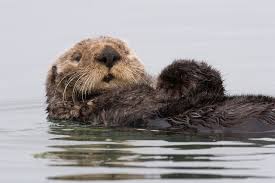
We spent our day on a boat going around the bay. We spotted several otters swimming, eating and snoozing! What a treat!

otter3

img_1312


  • Sea Otters are members of the weasel family.
  • Sea Otters live in the Pacific ocean along the North American shore and the Northern Asian shore.
  • Sea Otters spend most of their time in water. They will occasionally come ashore to rest.
  • Sea Otters’ fur is water repellent and very thick.

img_1372


  • Sea Otters role in order to trap air bubbles in their fur. The air bubbles help keep them warm.
  • Sea Otters are often found floating on the surface of kelp forests. They will even wrap the kelp around themselves to keep anchored while sleeping
  • Sea Otters groom themselves constantly. This helps keep their fur clean and waterproof.
  • Sea Otters use rocks to break some of their prey, including crabs and sea urchins.


otter2

otter


Sea Otters help keep the balance in a kelp forest. One of their favorite prey, sea urchins eat kelp; and without the otters to keep the urchin population in check, the kelp would be gone. We had such a great time watching these furry critters. It never gets old seeing otters in the wild!


Categories: adventure, Animals, Children, conservation, education, endangered species, mammals, oceans, science, Today's Post, wildlife | Tags: , , , , , , | 1 Comment

We Urchin You To Meet Us

We Urchin You To Meet Us

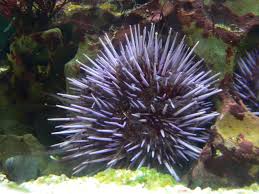
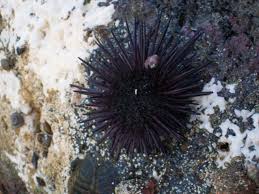
Hehe! Ok, we do love a good pun. Today we strapped on our dive gear (Ellie has a hard time getting her trunk covered) and we headed to ocean floor to see where the purple sea urchins call home. These kelp forest inhabitants are essential to the kelp forest ecosystem. Let’s learn more about them!

psuimg_1311


  • Purple sea urchins have spines that cover their bodies. These spines can move on ball and socket joints (like your shoulder).
  • The urchins use their spines to catch food and to protect themselves.
  • Sea urchins, like their relative the sea star has tiny tube feet that move them along the ocean floor.

img_1313

  • Purple sea urchins have toothlike plates around their mouths called the “Aristotle’s lantern. These strong plates help them dig holes in stones. They dig these as their burrow hideaway.
  • Purple sea urchins live in hordes. A group can decimate an entire kelp forest, by eating the plants from the bottoms up.
  • Purple sea urchins are a favorite food of the sea otter and the sunflower sea star- which swallow the urchin whole! WOW!!
  • Young sea urchins have green spines!
  • Like other echinoderms (the family sea stars belong in), they have five fold symmetry.

psu2purple-sea-urchin

We had such fun diving and watching these animals. Sea urchins don’t have eyes, they have light sensitive cells on the tips and the base of their spines. Soooooo cool!


Categories: adventure, Animals, Children, conservation, education, Environment, nature, oceans, science, Today's Post, wildlife | Tags: , , , , , , , | 1 Comment

Going to Kelp Forest

Going to the Kelp Forest

img_13091


We’re spending the month of January in Monterey, California where we will be exploring the kelp forests just off the coasts. This magnificent habitat is made up of giant algae called kelp. The kelp forests are a diverse habitat that hundreds of species call home. Kelp forests are often compared to rainforests, with a canopy and layers going deeper in the ocean.

Kelp forests fun facts:

  • Giant kelp grows about 10-12 inches a day!
  • Kelp has gas filled bladders along fronds. These help it grow vertical to the surface.
  • Giant kelp can grow up to 175 long.
  • Kelp is flexible and sways in the ocean currents.
  • Kelp does not have roots in the sand,  but it attaches to rocks.
  • Sea urchins can destroy a kelp forest when their populations are out of control.
  • Sea otter wrap kelp around themselves so they do not drift away while sleeping.
  • Many fish and invertebrates call the kelp forest home, including sea stars, garibaldi fish, sharks, anemones and sponges.

fullsizerender86

We are so excited to meet the animals of this amazing habitat! Are you ready to join us?

Categories: Animals, Children, conservation, education, Environment, habitats, nature, oceans, science, Today's Post, wildlife | Tags: , , , , , , , | 1 Comment

Unicorns of the Sea!

Unicorns of the Sea!

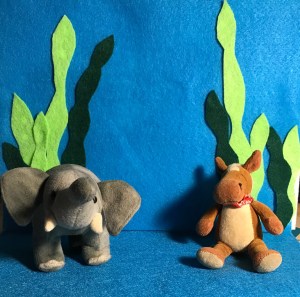
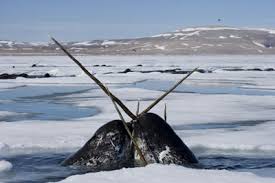
We couldn’t resist to make one last stop in our trip to the Arctic Circle to see some narwhals! They are one of our favorites- we even have two narwhals living at HQs! We had a great time on the SS Ellie and Edmond boat watching these unicorns of the sea!

narwhalimg_0893


ellie_edmund_professors-bear


Date: 12/20

Location: arctic circle

  • The Narwhal is often called the unicorn of the sea.
  • They have the most northerly range of any mammal on the planet.
  • Narwhals have a modified upper incisor tooth that grows up to 9ft long.
  • This tooth looks like a horn. It grows through the upper mouth and is seen mostly in male Narwhals, but females can have small tusks.  Scientists aren’t completely sure what the purpose of the tusk is, but think it might be for attracting females.
  • The long tusk is made of ivory, just like an elephants tusks!

img_08941

  • Narwhals have a thick layer of blubber, like other arctic animals that help keep them warm in the cold water.
  • Narwhals swim in groups called pods. Pods can include as many as 1000 individuals.
  • Narwhals are very communicative and use a wide range sounds, including clicks and whistles.
  • They suck food through their powerful lips and tongue.

narwhalnarwhal2


Narwhals are amazing animals! They survive in very cold waters and grow this awesome long tusk that makes them look unique!  If you could pick a crazy adaptation like tusks what would it be?


Categories: adventure, Animals, Children, conservation, education, Environment, mammals, nature, science, Today's Post, wildlife | Tags: , , , , , , , , , , , | Leave a comment

Foxy

Foxy

We’re meeting our last few animals this week before heading home to HQs at the University for the holidays. We wrapped up in our cold weather gear to head out and find the Arctic Fox. These amazing little mammals survive in some of the worst conditions. It’s amazing!

arctic-fox3img_0844


ellie_edmund_professors-bear


Date: 12/19

Location: Arctic circle

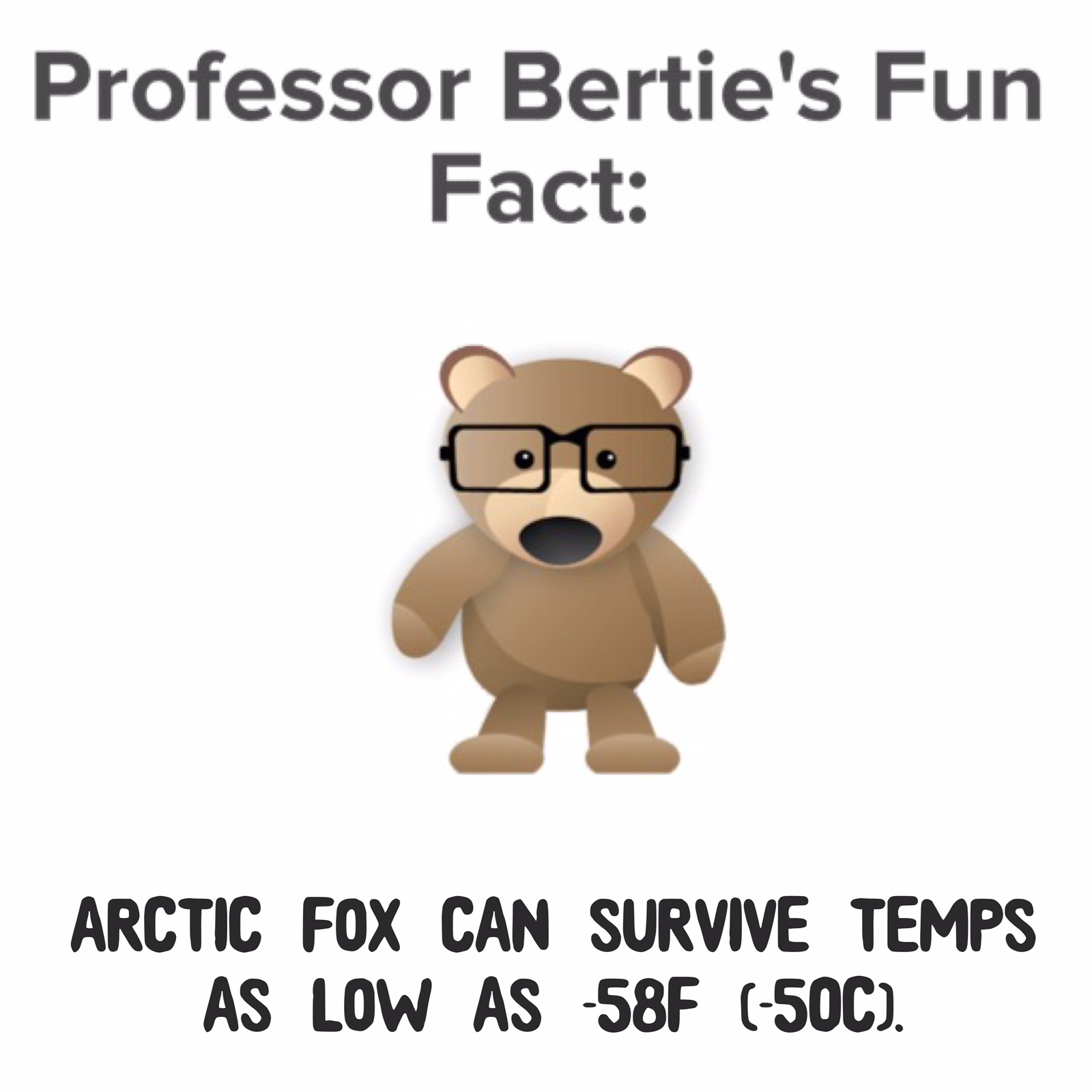
  • Arctic fox have white coats of fur in the winter to help them blend in with snow. In the summer, their coats turn to brown.
  • Arctic fox’s tails are large and bushy. They help them with balance and they help keep them warm on the coldest days of winter.

img_0845

  • Arctic fox don’t hibernate- despite living in such cold conditions.
  • Arctic fox will gain up to 50% of their body weight in the fall to prepare for winter.
  • They live in dens with complex tunnels that are not deep in the ground.
  • Arctic fox are the only native mammal in Iceland.
  • The arctic fox’s range was much larger during the ice age.

arctic-fox2arctic-fox


We had a great time watching a few fox around the tundra. These gorgeous little beauties are cunning hunters and scavengers. We are glad we don’t live where they do for sure! It is cold!


Categories: adventure, Animals, Children, conservation, education, Environment, nature, science, Today's Post, wildlife | Tags: , , , , , , , , , | Leave a comment

Arctic Shark

Arctic Shark

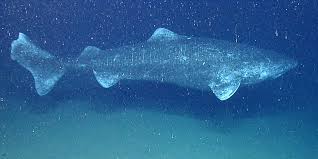
We boarded the E&E submarine to meet our last animal this week- the Greenland shark. We spotted one of these elusive and majestic in the cold waters of the north Atlantic ocean. It was a big thrill!

greenland-sharkimg_0735


ellie_edmund_professors-seahorse(1)


Date: 12/15

Location: North Atlantic

  • Greenland sharks are members of the sleeper shark family.
  • Females are larger than males.
  • Greenland sharks’ upper teeth lack the serration that most shark teeth have. It is the lower teeth that do most of the work.
  • Not much was known about these sharks before the 1930s.

img_0737

  • Greenland sharks only grow about 1 cm a year.
  • These sharks are very slow swimmers and have slow metabolisms. These adaptations help them survive in extremely low temperatures.
  • Greenland sharks will migrate to warmer waters in winter, when they do so they will do to deeper depths.
  • They are the only true arctic dwelling shark.
  • Most Greenland sharks have parasitic copepods attached to their eyes that render them blind.
  • Their flesh is extremely toxic.

We have a great time in the E&E sub on the search for these amazing creatures. Most other sharks could not survive in the temps that Greenland sharks do. Nature continually amazes us; just when you think nothing could live there in that harsh environment- we are proved wrong! Neat!

Categories: adventure, Animals, Children, conservation, education, Environment, nature, science, Today's Post, wildlife | Tags: , , , , , , , , , , | Leave a comment

Meeting the Caribou!

Meeting the Caribou!

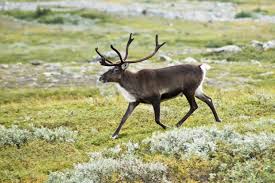
reindeer3img_0734


ellie_edmund_professors-bear


Date: 12/14

Location: Arctic circle

  • Reindeer are also called caribou.
  • They vary in color and size depending on where they live. Reindeer that live closest to the arctic are white in color.
  • Both female and male reindeer have antlers. Males lose their antlers in the winter.
  • Reindeer antlers are covered in a layer of fur called velvet.
  • Their noses are specialized to warm cold air before it enters their lungs.

img_0736

  • Reindeer have a four chambered stomach!
  • One of their favorite foods is called reindeer moss.
  • Some reindeer populations migrate. They can migrate up to 3,000 miles in one year! Whew, they must be tired!

reindeer2reindeer


We have seen reindeer before, but our excitement never diminishes. These graceful members of the deer family with their velvet covered antlers are so amazing! Plus we are always on the lookout for one with a shiny red nose and we have yet to find one! Haha!


Categories: adventure, Animals, Children, conservation, education, Environment, mammals, nature, science, Today's Post, wildlife | Tags: , , , , , , , , , | Leave a comment

Puffins Rock!

Puffins Rock!

After watching walruses we took a late flight over to Nova Scotia so that we would arrive early in the morning. We were on a mission to to meet the awesome bird the puffin! These sea going birds are one of our favorites! We were excited to see them.

puffin3img_0731


ellie_edmund_professors-bfbooby


Date: 12/13

Location: Arctic circle/Nova Scotia

  • The Atlantic Puffin is a highly social bird that lives in large colonies on rocky coasts and islands.
  • They have bright orange beaks that are brighter during mating season. They also have bright orange feet. They’ve been called the “sea parrot” because of their bright coloration.
  • Male and female Atlantic Puffins incubate eggs.
  • Atlantic Puffins spend their winters out in the open ocean.
  • They are excellent swimmers and divers. They can dive up to 200 ft deep.

IMG_5870

  • They can catch several fish at one time.
  • Atlantic Puffins are the Provincial (official) bird of Newfoundland, Canada.
  • Although they look like those flightless birds the penguin, puffins are not related to them.

puffin2puffin


Puffins are so gorgeous with their bright colored feet and beaks. These birds are masters at diving like their cousins the flightless penguin, but they do it from high in the sky! We could have watched them all day!


Categories: adventure, Animals, Children, conservation, education, Environment, nature, science, Today's Post, wildlife | Tags: , , , , , , , , , | Leave a comment

We are the Walrus

We are the Walrus

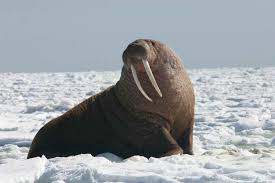
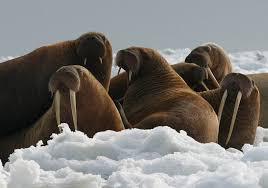
We’re off to the Pacific ocean in Northern Canada to meet the gregarious, fat and funny walrus. We love these giant marine mammals and we couldn’t have been more excited to see them again! We made sure to bundle up before making our way over on the ice!

walrusimg_0730

ellie_edmund_professors-bear

Date: 12/12

Location: Arctic circle

  • Walrus eat prey off the bottom of the oceans and use suction to eat.
  • They can stay underwater for up to 25 minutes and can dive down to 330ft deep.
  • They are highly social and often are seen in large groups, called herds.
  • Male walruses are twice the size of females.
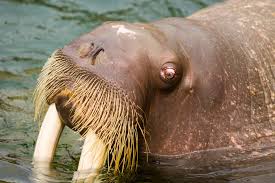
  • They have rough wrinkly skin and very whiskery faces.
  • A walrus’ skin can be up to 4″ thick.


  • Walruses have tusks of ivory. They can grow up to 3 ft 3” long.
  • Walrus babies can weigh up to 174lbs when born.
  • Like seals, they lack external ears.

walrus2walrus3

Those magnificent tusks always remind Ellie of her tusks. These social animals always make us laugh with their grunting and barking sounds. We can’t even handle how they get around- so funny!

Categories: adventure, Animals, Children, conservation, education, Environment, mammals, nature, science, Today's Post, wildlife | Tags: , , , , , , , , , , | Leave a comment

Blog at WordPress.com.