birds

Flying Over the Islands

Flying Over the Islands

img_2584g-hawk


ellie_edmund_professors-bfbooby


Date: 10/20

Location: Galapagos Islands

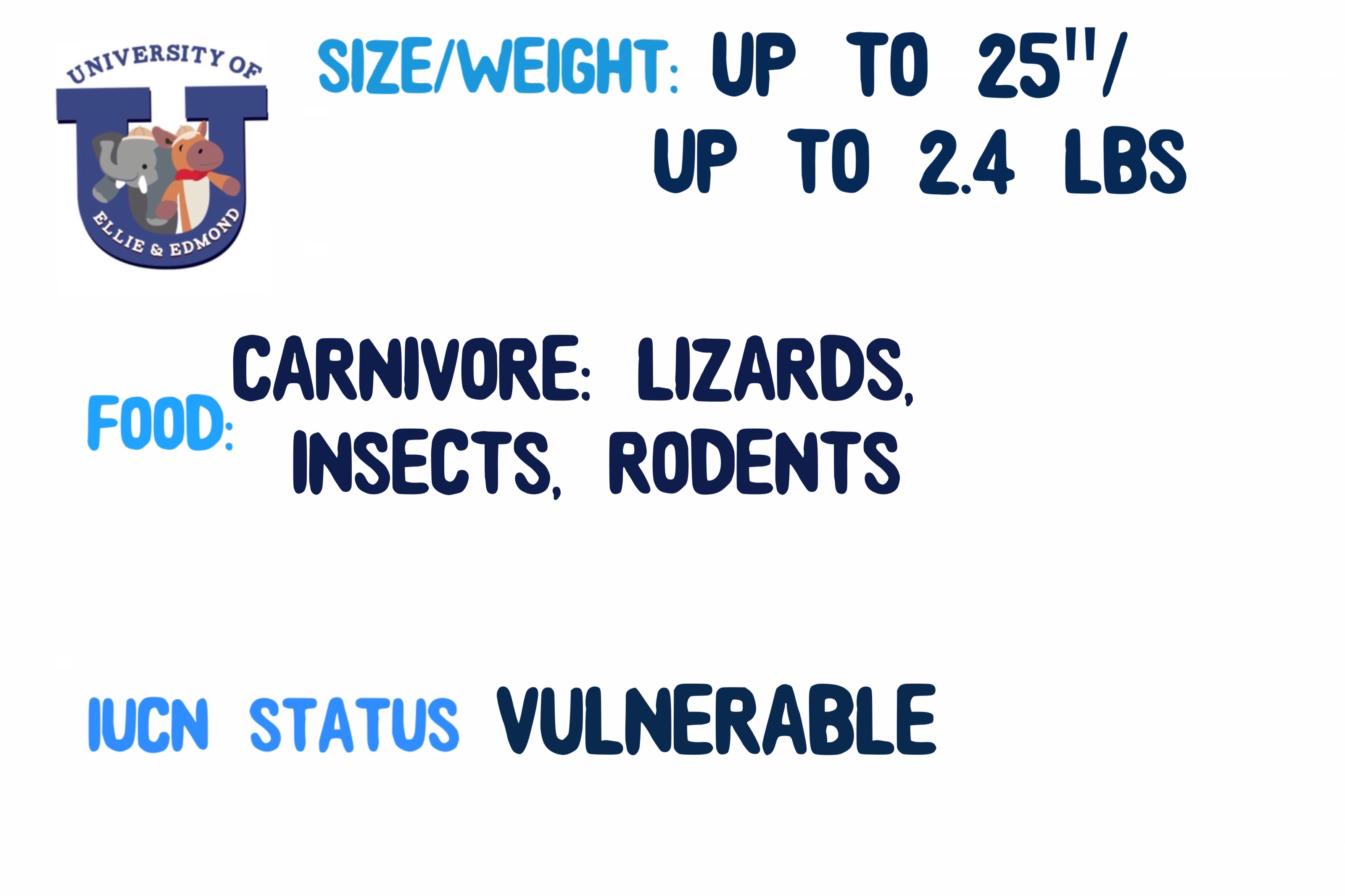
  •          Galapagos hawks are diurnal.
  •          Female Galapagos hawks are larger than the males.
  •          They have large talons.

img_2588

  •          Galapagos hawks catch their prey from the air.
  •          Both the female and male take care of the young.

g-hawk3g-hawk2

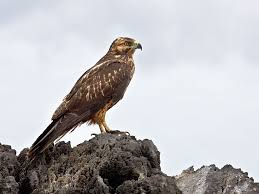
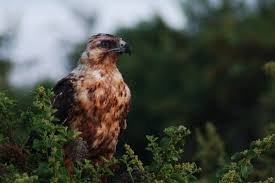
These little hawks are so amazing to watch fly over the islands. We witnessed one catch a lava lizard for breakfast.

Categories: adventure, Animals, birds, Children, conservation, education, Environment, nature, science, Today's Post, wildlife | Tags: , , , , , , , , , | Leave a comment

One Magnificent Frigate Bird!

One Magnificent Frigate Bird!

frigateimg_2535


ellie_edmund_professors-bfbooby


Date: 10/13

Location: Galapagos Islands

  • Magnificent frigate birds feed on flying fish that catch when the fish jump out of the water.
  • They spend most of their lives at sea.

img_2536

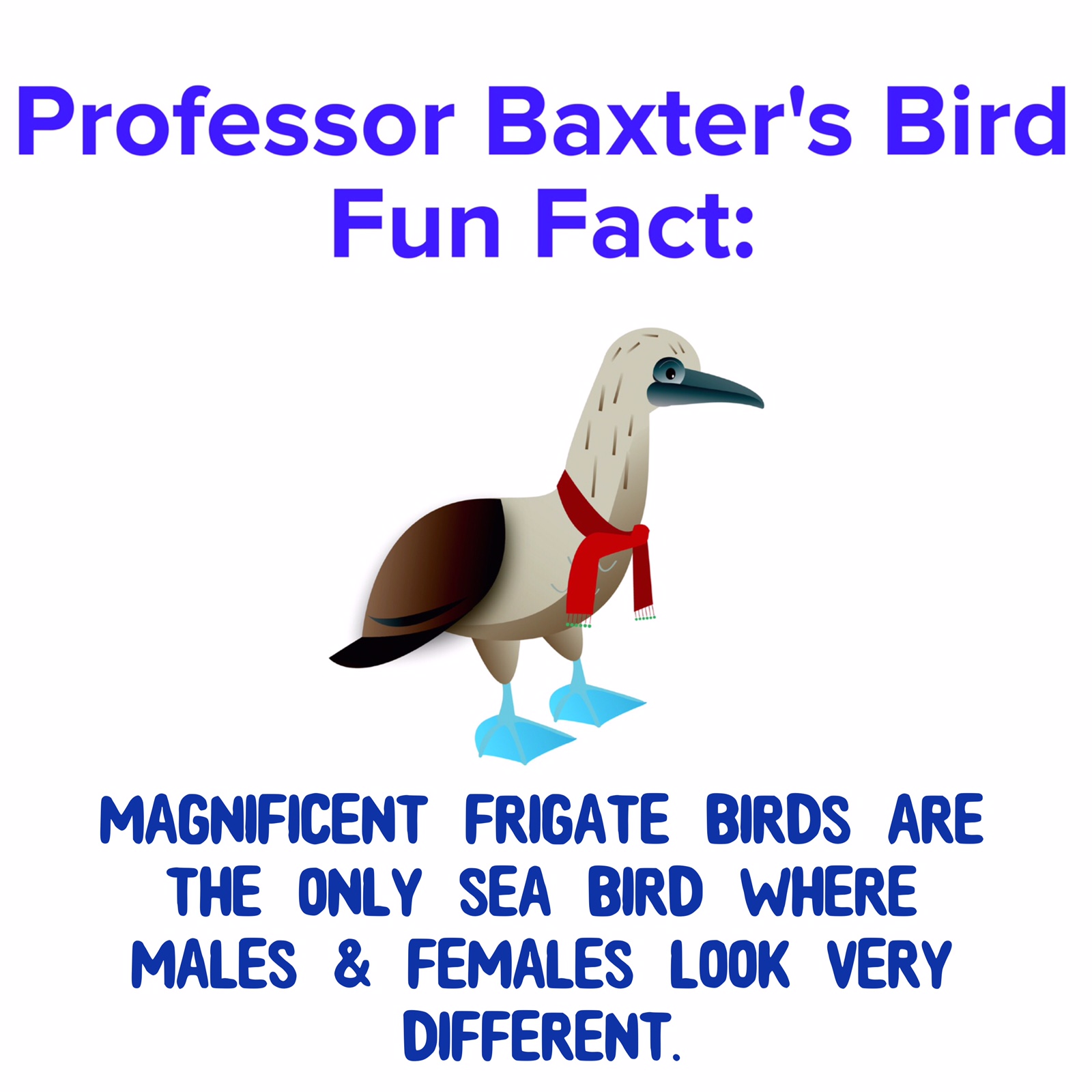
  • Male magnificent frigate birds have large red throat sacs. They use these to attract females during mating season.
  • Females are dark with white coloration. They are also large than the males.
  • They have long hooked bills.
  • You magnificent frigate birds stay with their mother for up to a year.
  • They are also known as the Man-O-War bird.

frigate3frigate2

We watched these birds soar from the boat and then as we were on land watching the Sally Lightfoot crabs. These amazing sea birds are so graceful in the air, diving down to catch their meals. Sea going birds are a favorite at the University- Professor Baxter might be a bit bias though :). Hehehehe!


Categories: adventure, Animals, birds, Children, conservation, education, Environment, nature, science, Today's Post, wildlife | Tags: , , , , , , , , , | Leave a comment

Professor Baxter’s Relatives

Professor Baxter’s Relatives

blue-footed3img_2398


ellie_edmund_professors-bfbooby


Date: 10/6

Location: Galapagos Island

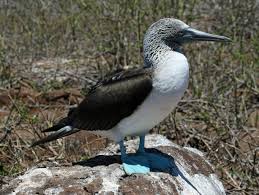
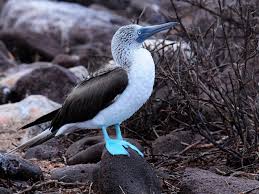
  • We blue footed boobies are excellent swimmers and divers. We can dive in to the ocean from as high as 80 feet in the air.
  • We fly over the ocean to find fish to eat. We often hunt in groups.
  • Our name booby comes from the Spanish word bobo meaning “fool or clown”. They were named that because they are so clumsy when walking on land.

blue-footed

  • We get the blue coloration in our feet from the pigments in the fish we eat!
  • We nest on land.
  • They use their bright blue webbed feet to keep their chicks warm.
  • Both parents take care of the chicks.

img_2399blue-footed2


We had a great time hanging out with Professor Baxter today. It was so fun meeting his relatives. They are quiet the funny lot. As clumsy as they are on land, watching them dive for fish is amazing! They have always been one of our favorite birds and now they are even more so!

Categories: adventure, Animals, birds, Children, conservation, education, Environment, nature, science, Today's Post, wildlife | Tags: , , , , , , , , , | Leave a comment

Military Style!

Military Style!

military-macawimg_2323


ellie_edmund_professors-bfbooby


Date:9/29

Location: Amazon rainforest

  • Military macaws get their name from their green plumage, which reminded someone of green military uniforms.
  • They are not fully green though; they have blue flight feathers and a red bar around the face and a red lined tail.
  • Military macaws live in large flocks.
  • Like other macaws they are very vocal.
  • Those large beaks are perfect for breaking open even the hardest nut.

img_2324

  • Military macaws live in higher elevations than most macaws.
  • They nest at the tops of trees or on cliffs.
  • Military macaws can live up to 65 years in the wild.

We had another high climb today. Whew! We are tired and ready to head back to the University for a few days! Watching the military macaws fly in their large flocks was worth the sore fluff- hehehe! These magnificent birds belong in the wild though. We know macaws are popular pets, but they are high maintenance and often are loud, stressed and can outlive their owners! 


Categories: adventure, Animals, birds, Children, conservation, education, Environment, mammals, nature, science, Today's Post, wildlife | Tags: , , , , , , , , , , | Leave a comment

The King of Vultures!

The King of Vultures!

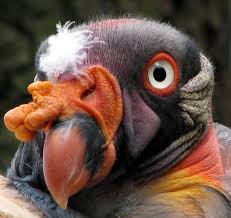
king-vultureimg_18522


ellie_edmund_professors-bfbooby


Date:9/7

Location: Amazon Rainforest

Observations:

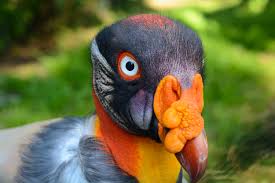
  • They are one of the most brightly colored vultures  on earth.
  • They have mostly white feathers with bright red bald heads. The bald head protects them from getting bacteria in their feathers.
  • King vultures fly high above the trees using the wind currents to glide, rarely flapping their wings.
  • They have keen eyesight and a great sense of smell. They use these to find food or spot other vultures at a carcass.
  • King vultures are the largest new world vulture.

king-vulture2

  • They let other vultures tear open carcasses first and then take over.
  • Females and males look identical.
  • Both parents incubate the egg and help raise the chick.
  • A king vulture doesn’t get it’s full plumage until it is 5 years old.

king-vulture3

img_1847

Name from old Mayan legend that the king vulture was a carrier of message between humans & the Gods

We went to same spot on the edge of the forest to see if we could spot any vultures. We saw a carcass of a large animal across the open grass field the day before and were hoping the vultures would come today. It didn’t take long before the turkey vultures showed up! And then finally a king vulture swooped in and everyone else moved out its way. They definitely are kings of the carcass! Hahahaha!

 
Categories: adventure, Animals, birds, Children, conservation, education, Environment, nature, science, Today's Post, wildlife | Tags: , , , , , , , , , | Leave a comment

Who’s That Bird?

Who’s That Bird?

We have a fabulous Brazilian bird for you today! If you remember from the other day- Brazil is one of the richest bird habitats in the world. Nearly 2,000 species call Brazil home! Wow! Who knew? It’s a bird’s paradise! Today we’re meeting just one of those spectacular birds! Let’s get to it!


Toco Tucan Fun Facts:

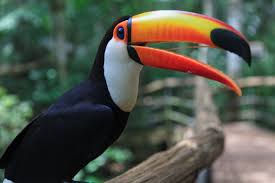
  • Toco toucans live in Central and South America in woodlands, forests and groves.
  • They are omnivores. They eat insects, fruits and frogs.
  • Toco toucans can grow up to 23 inches and weigh up to 1 1/4 lbs.
  • They are listed as Least Concern by the IUCN.
  • Toco toucans are the largest of all toucan species.

toco3

  • They have large orange bills with a black spot. The bills can get up to 7 ½” long (about the length of a pencil).
  • Toco Toucan bills are serrated (like a knife) and this helps them grasp and tear fruit.
  • Their large bills also enable the toucan to get fruit from out of reach branches.
  • Toco toucans nest in trees.
  • You can see Toco toucans in small flocks of up to 6 birds.
  • Both female and male toucans incubate the eggs.

toco

Toco Toucans are really pretty birds with their shiny black feathers and large orange beaks! And man does that beak come in handy when you’re trying to get the fruit on the end of the branch! They also have a really cool call. Take a listen here!


Categories: adventure, Animals, birds, Children, conservation, education, Environment, nature, science, wildlife | Tags: , , , , , , , , | Leave a comment

SHOREBIRDS ROCK!

SHOREBIRDS ROCK!

We’re off to meet some of the birds that live near camp! So let’s get started!

FullSizeRender(55)

Brown Pelican Facts:

They live in Coastal North America.
They are listed as threatened.
They nest in colonies.
Pelicans dive to get their fish.
They are the only pelican to dive head first for prey.

FullSizeRender(56)

Sanderling Sandpiper Fun Facts:
They breed in the Arctic.
Sanderlings spend their winter in the south.
They run back & forth with the waves.
They eat worms, mollusks & crustaceans.
They are very territorial.
FullSizeRender(57)

Herring gulls Fun Facts:
They prefer to drink freshwater- but will drink sea water because they can excrete the salt from nostrils.
Herring gulls have been seen using tools to catch fish (bread as bait).
Herring gulls eat mussels, clams, worms.
They are loud & gregarious.
They are large with pink legs.

FullSizeRender(58)

Piping Plover Fun Facts:
They are a small shorebird.
They have yellow legs.
They have orange bills with black tips.
They are listed as near threatened.
Piping plovers eat insects and small invertebrates.

These are just some of the our bird friends that live by the sea side! We have some worms to share with them at camp!
Do you have any favorite shore bird friends?

Categories: adventure, Animals, birds, Children, conservation, education, Environment, nature, science, wildlife | Tags: , , , , , , , , , , | Leave a comment

That is One Big Parrot!

That is One Big Parrot!

We are off to land down under to meet one extraordinary parrot! Who else is excited?

e & e rainforest2


  • Kakapos live on two islands south of New Zealand. They live in forest and scrublands.
  • Kakapos are herbivores. They eat stems, fruit, shoots and bark. Their favorite fruit is the rimu berry!

kakapo

  • They can grow up to 25 inches and weigh up to 8 lbs.
  • Kakapos are listed by the IUCN as critically endangered. There are only 125 birds left in the wild.
  • Kakapos are the heaviest parrot in the world.

IMG_1788

  • They are nocturnal and solitary.
  • Males make a “boom” sound during mating season. Their mating calls can be heard up to 3 miles away.

kakapo3

  • Kakapos have an excellent sense of smell.
  • They are also excellent climbers and can be seen in the tallest parts of the tree.
  • Kakapos are also called the owl parrot!

IMG_1789


We love these fat little parrots! There is great organization helping protect these birds from man introduced parrots, like rats and cats; Kakapo Recovery! There may only be only a few birds left, but this group is helping!

kakapo2

Categories: adventure, Animals, birds, Children, conservation, education, endangered species, Environment, nature, science, wildlife | Tags: , , , , , , , , , | 1 Comment

NATIONAL BIRD DAY!

NATIONAL BIRD DAY!!

Professor Baxter is sharing some fun facts about his bird friends for us today! Woohoo, we do love our feathered friends!

IMG_1405IMG_1408

IMG_1409

IMG_1410(1)IMG_1411

IMG_1412

IMG_1415IMG_1414

IMG_1413

IMG_1416IMG_1417

IMG_1418

IMG_1419IMG_1420(2)

WOW! Birds have so many fascinating adaptions! With over 9,000 species they very greatly! We love them from the tiniest bee hummingbird to the ostrich!

Categories: adventure, Animals, birds, Children, conservation, education, Environment, nature, science, wildlife | Tags: , , , , , , , | 1 Comment

A Very Helpful Bird!

A Very Helpful Bird!

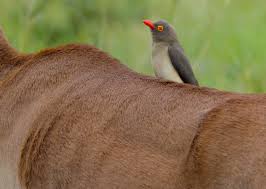
Today we meet a little bird that plenty of animals of the African Savannah know.. the Red-billed oxpecker! These little birds play a vital role out their on the plains, come learn more about them and find out why!

red billed oxpecker

  • Red-billed oxpeckers live in sub-Saharan Africa near savannas.

IMG_0261

  • They grow up to 9 inches long and weigh up to 1.75 ounces.
  • They are listed is least concern by the IUCN.
  • Red-billed oxpeckers insectivores. They eat ticks, fleas and other parasites off the skin of large mammals.
  • They will also feed off the blood of a wound on those same large mammals.
  • Red-billed oxpeckers have light brown feathers.IMG_1403
  • They use a scissor like motion to grab those insects off the animals.
  • Red-billed oxpeckers are known to digest earwax from their host animals. Scientists say it may help them with digestion.
  • Red-billed oxpeckers are social and vocal.

red billed oxpecker2 red billed oxpecker3


Red-billed oxpeckers are interesting little birds. They do share a symbiotic relationship with their host animal, even if they do take in some blood. One bird can eat hundreds of ticks in a day and we know every animal is better off without all those creepy critters!

Categories: adventure, Animals, birds, Children, conservation, education, Environment, nature, science, wildlife | Tags: , , , , , , , , , , | 1 Comment

Blog at WordPress.com.