conservation

MANATEE APPRECIATION DAY!!

MANATEE APPRECIATION DAY!!

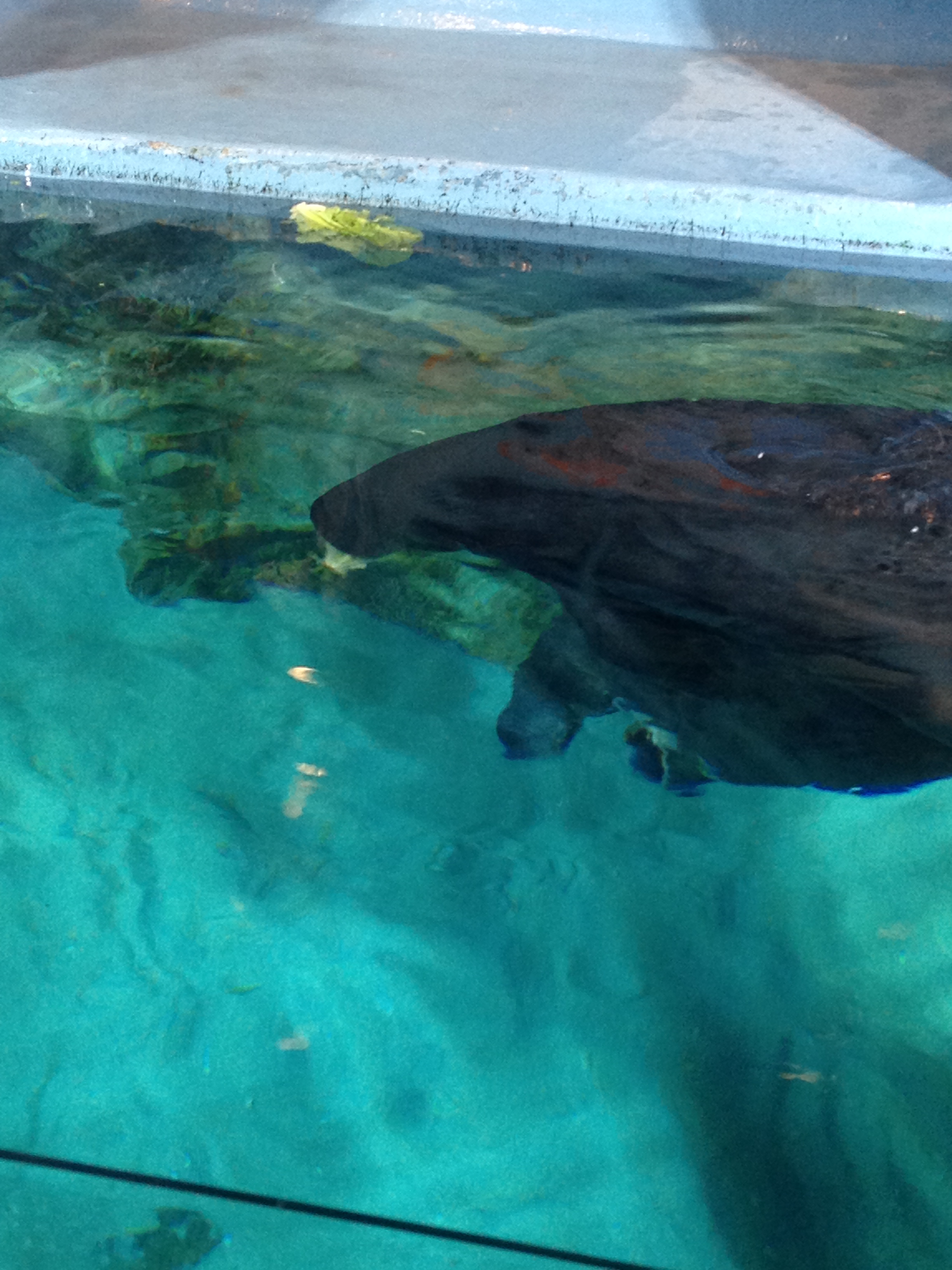
It’s Manatee Appreciation Day! We love these gentle marine mammals! We have visited them in places in Florida before. We’re going to share some fun facts about the fabulous animals and a great craft you can make too!
IMG_6623

  • Manatees are also called sea cows.
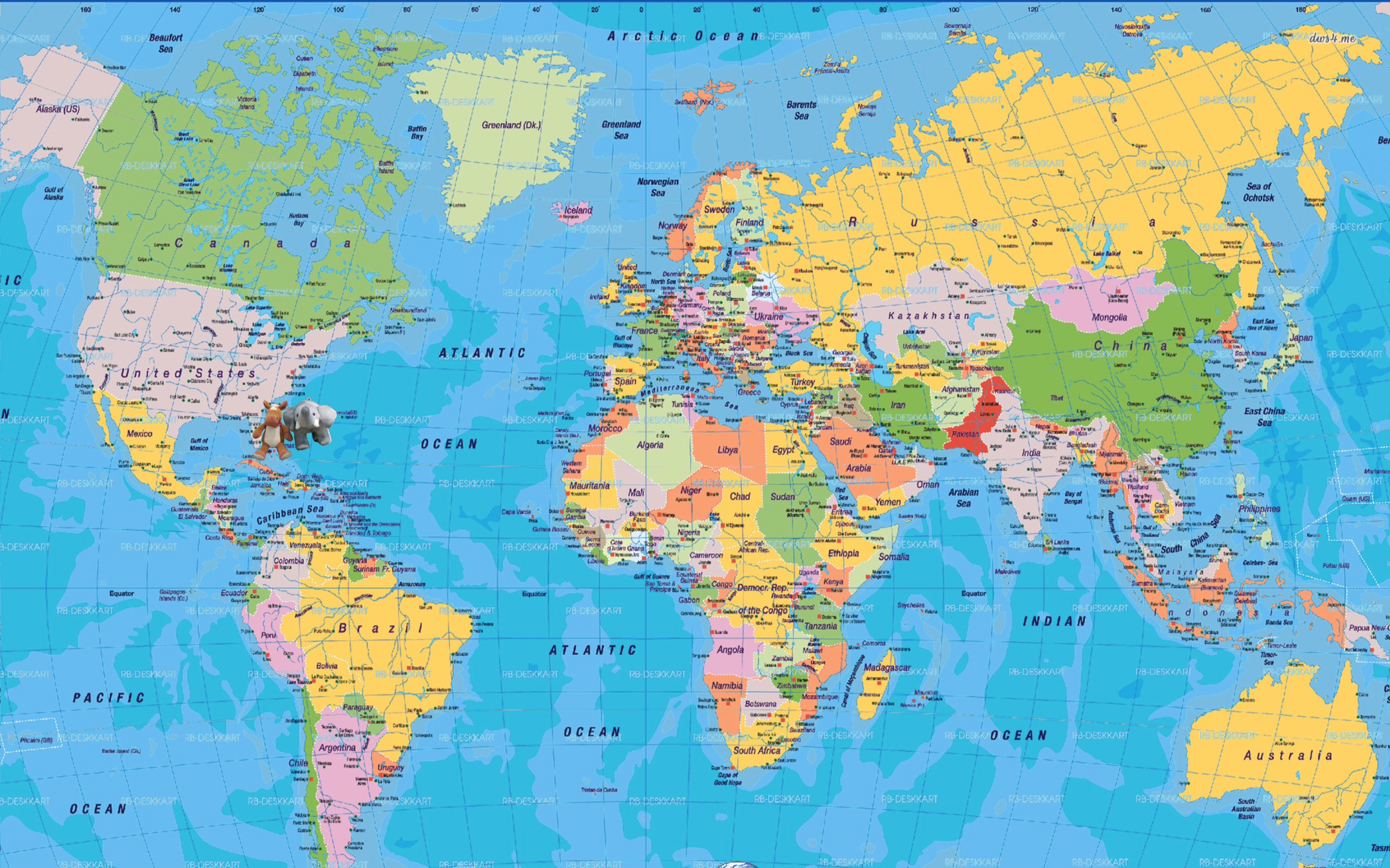
  • They live in coastal waters and rivers in the Southeastern U.S. and Central and South America.
Juxtaposer Image(4)

  • They have strong flat tails.
  • Their nostrils sit on top to help them breathe air.

IMG_0823

  • Manatees are herbivores. They eat algae and grasses.
  • They have no natural predators.
  • Manatees are slow moving.
  • They can weigh up to 1,300 lbs.
  • Manatees are endangered.
  • Their closest relatives are the elephant and the rock hyrax. Hey- they’re related to Ellie!

manatees    manatee2


Manatees are endangered due to things like boat strikes and pollution (they get caught in fishing nets). Many people are working to protect these beautiful gentle giants. A great way to help them- Never put trash in the ocean or rivers! Human’s pollution is devastating on our wild animal friends. Also check out Save the Manatee Club– they work very hard to protect manatees!

You can also make our great manatee bookmark and share your love of these animals with your friends or color our manatee with a cup of tea coloring page!

IMG_0822


Categories: adventure, Animals, Children, conservation, education, Environment, mammals, nature, science, wildlife | Tags: , , , , , , , , , | 1 Comment

WE SPY!!!

WE SPY!!

FullSizeRender

We spy with our four little eyes a large reptile who dominates the Nile! Who did we spy?
guess

Categories: adventure, Animals, Children, conservation, education, Environment, nature, science, wildlife | Tags: , , , , , , , , | 4 Comments

SCIENCE WORD OF THE WEEK!

SCIENCE WORD OF THE WEEK!

swow osteoderm

We’re so glad you could make it to class today! We’re continuing our theme of reptiles this week! Who’s ready to learn the new word of the week!

Osteoderm: a bony plate in the skin. These bony plates form an armor or tough scaly skin to reptiles and amphibians. Many dinosaurs had osteoderms too! The best example of an osteoderm is on an alligator! Those bony plates help protect these large predators, that is if you get past the mouth full of razor sharp teeth! Ha!

osteoderm

Categories: adventure, Animals, Children, conservation, education, Environment, nature, reptiles, science, wildlife | Tags: , , , , , , , , , | 2 Comments

SAVE THE FROGS DAY!

SAVE THE FROGS DAY!

We’re celebrating frogs today! We usually would share some fun frog facts with you, but we learned of this excellent frog the other day and decided to feature it on Save The Frogs Day! Come meet the frog that is often called the Jaba the Hut of frogs! Hahaha!

WAXY MONKEY FROG!

waxy monkey tree frog3

Range/Habitat: South America/dry scrub forests

Juxtaposer Image(3)


 Diet: Insectivore: insects

Length:  2-3 inches

 Conservation Status: least concern

waxy monkey tree frog2

Fun Facts:

  • Females are larger than males.
  • They are also called the painted monkey frog or grasping frog.IMG_0782
  • Waxy monkey frogs hunt at night and bask in the sun during the day.
  • Waxy monkey frogs walk rather than jump in the trees where they live.
  • They get their name from the waxy coating on their skin that help keeps them from drying out.
  • Waxy tree frogs make a nest for their eggs with a leaf that they fold over.

waxy monkey tree frog


We love these amazing an odd looking frogs! They are a great species to help us Save The Frogs Day! Amphibians have been on the earth for millions of years and many ecosystems would not survive without them! Our frog friends are very important! GOOOOO FROGS!!! Can you answer Ellie’s trivia question? (answer below)

IMG_0783


Answer: True

Categories: adventure, amphibians, Animals, Children, conservation, education, Environment, nature, science, wildlife | Tags: , , , , , , , , , , | 2 Comments

DRAGONS ARE REAL!!

DRAGONS ARE REAL!!
IMG_7098(1)

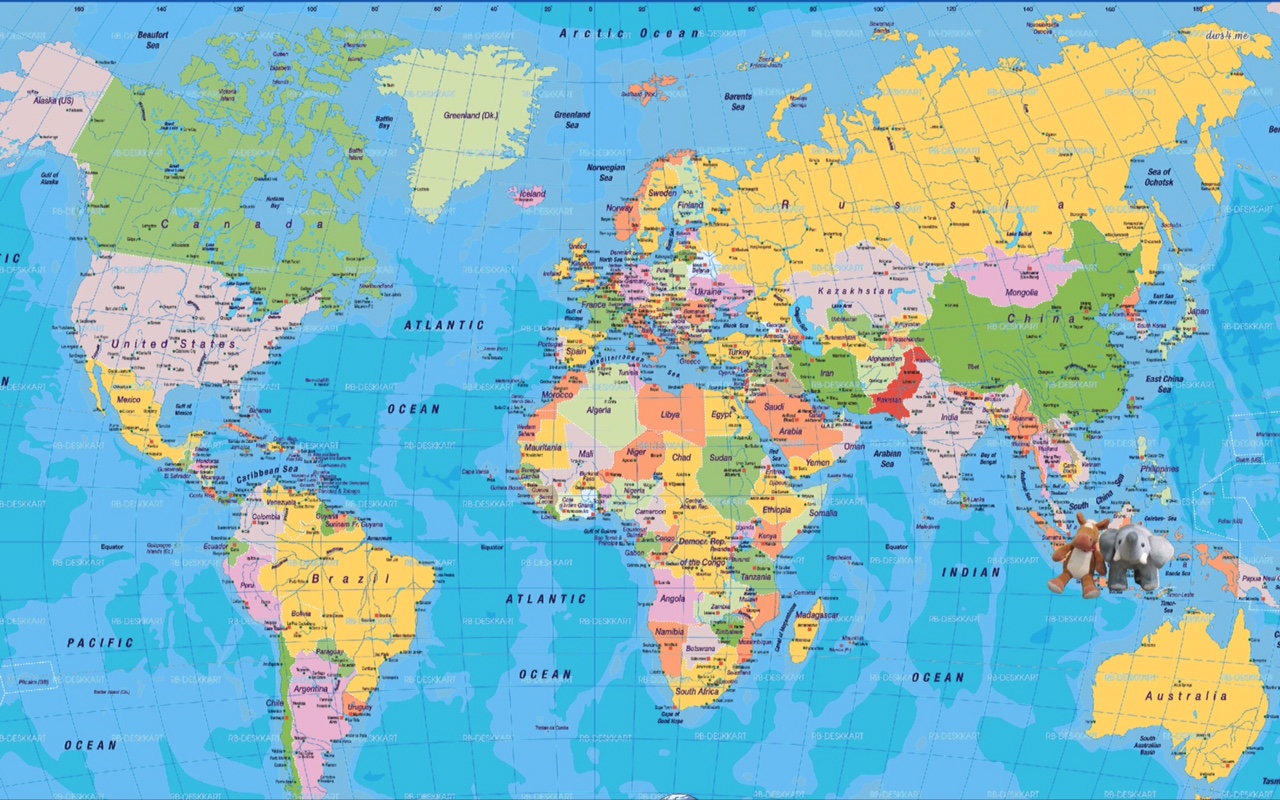
If you guessed yesterday’s animal correct then you’ll be excited to meet them today! We had to travel all the way to the island of Komodo to find this large reptile! That is no easy task! It is a beautiful place though! Are you ready to learn about the amazing Komodo dragon?


komodo3

Range/Habitat: Komodo island and other islands in Indonesia

IMG_7097


 Diet: Carnivore: pigs, deer, buffalo

 Length/Weight:  up to 10ft / 330 lbs

 Conservation Status: vulnerable

komodo2

Fun Facts:

  • Komodo dragons are the largest lizard on earth! IMG_0774
  • Their ancestors have been on earth for 100 million years.
  • Komodo dragons were not discovered by humans until 1912!
  • Komodo dragons are solitary.
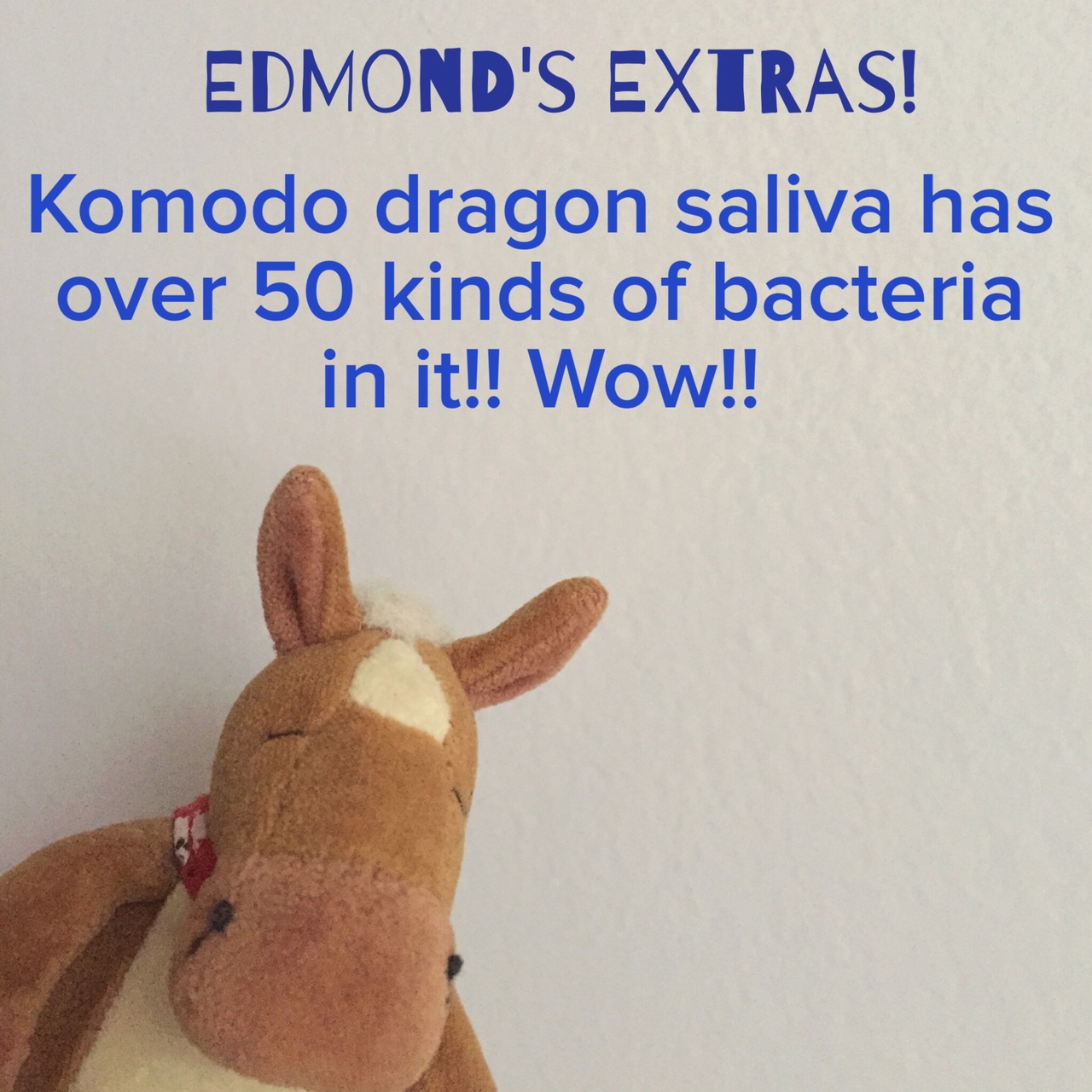
  • Known for their deadly bites, a komodo dragon’s saliva is not poisonous.
  • Komodo dragons have forked tongues.
  • They can use those forked tongues to help them “smell” particles in the air up to a mile away!
  • Komodo dragons can eat up to 5 lbs in just a few minutes!

komodo

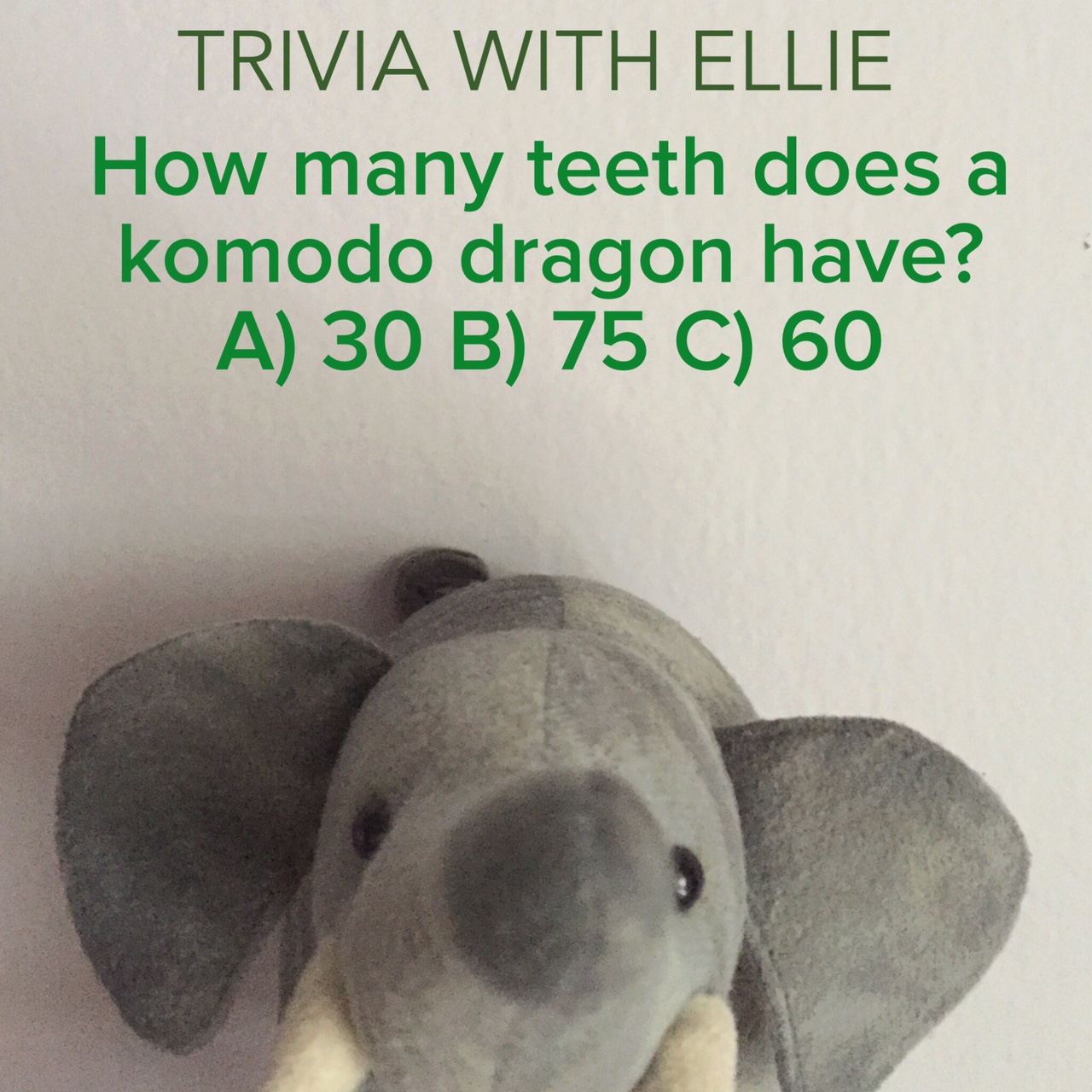
These real life dragons are amazing! Luckily, places like the San Diego Zoo are working in Komodo National Park to protect these ancient and magnificent lizards! Think you know the answer to Ellie’s trivia question? (answer down below)

IMG_0775


-Answer is 60!

Categories: adventure, Animals, Children, conservation, education, Environment, nature, reptiles, science, vocabulary, wildlife | Tags: , , , , , , , , , , | 6 Comments

WE SPY!

WE SPY!!

FullSizeRender

We Spy with our four little eyes this large reptile! Can you guess who this predator is just by looking at its feet?

guess

WHO DO WE SPY?

Categories: adventure, Animals, Children, conservation, education, Environment, nature, reptiles, science, wildlife | Tags: , , , , , , , , , | 3 Comments

We’re feeling a little green today!

We’re feeling a little green today!

FullSizeRender(1)

Happy St Patrick’s Day! In honor of celebrating all things green today we’ve found some fun animals with green in their name to share with you! Do you have a favorite green animal? Come meet some of ours!

green basilisk

Green Basilisk Lizard The natives to Central America are excellent swimmers.

green sea turtle

Green sea turtles get their names for their greenish colored skin.

emerald tree boa

Emerald tree boas have prehensile tails.

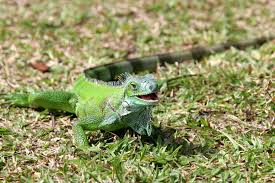
green iguana

Green iguanas can jump from trees as high as 40 feet in the air and land safely on the ground.

green tree frog

Green tree frogs are native to the Southeastern United States.

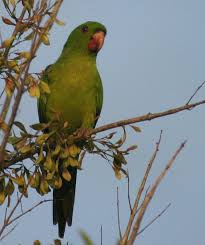
green parakeet

Green parakeets are herbivores!

great green macaw

The Great Green Macaw lives in small family groups in Central America!

Categories: adventure, Animals, Children, conservation, education, Environment, nature, science, wildlife | Tags: , , , , , , , , | 1 Comment

SCIENCE WORD OF THE WEEK!

SCIENCE WORD OF THE WEEK!

swow herpetology

Happy Monday and welcome to the University today! We hope you are having a great day! I’m excited to share this week’s word with you! We’re learning another field of study word! Are you ready? Let’s do this!

Today’s word is Herpetology: herpetology is the branch of biology that studies amphibians and reptiles. A herpetologists can study all of these or just amphibians or just reptiles. There area around 6,500 species of amphibians on earth and 9,500 species of reptiles! That makes for a huge amount of animals that can be studied! If you were a herpetologist what animal would you study?

turtletortoise

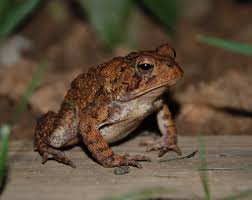
toad

snakesalamander

frog

Categories: adventure, amphibians, Animals, Children, conservation, education, Environment, nature, reptiles, science, wildlife | Tags: , , , , , , , , , , | 4 Comments

LEARN ABOUT BUTTERFLIES DAY!

LEARN ABOUT BUTTERFLIES!

butterfly2

Today is Learn about Butterflies day! So who wants to learn about these amazing insects? We know we love them!

butterfly3

  • Butterflies are insects.
  • They have six legs, two antenna and a segmented body.

butterfly body parts

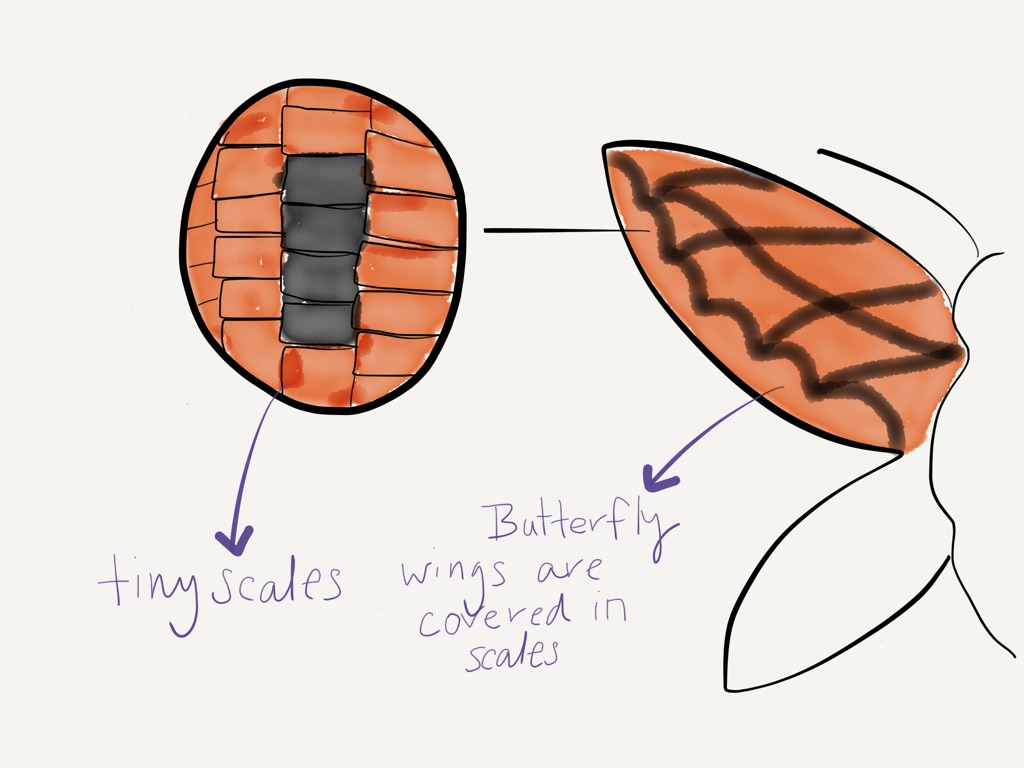
  • They have 4 wings. Those wings are covered in tiny scales.

butterfly scales

  • Butterflies have a 4 stage life cycle; egg, larva (caterpillars), pupa (chrysalis) and adult.
  • Female butterflies lay their eggs on plants.
  • Most caterpillars are herbivores, where as their adult form the butterfly is a nectar eater.
  • Butterflies use proboscis to eat the nectar.
  • There are around 20,000 species of butterflies.
  • Butterflies are found on all continents except Antarctica.

IMG_0703    IMG_0699


Trivia answer: 11 inches

Categories: adventure, Animals, butterflies, Children, conservation, education, Environment, nature, science, wildlife | Tags: , , , , , , , , | 4 Comments

LADYBUGS WE LOVE YOU! LADYBUGS WE LOVE YOU!

LADYBUGS WE LOVE YOU! LADYBUGS WE LOVE YOU!

ladybug3

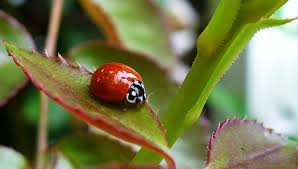
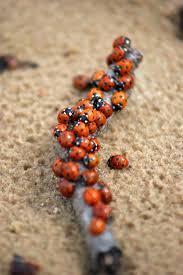
We love ladybugs, ladybirds or lady beetles as they are often called! Those brightly colored insects are so great to find in a  garden or on a window sill! But how well do you know ladybugs? Come learn some fun facts about them today!

ladybug2

Ladybug Fun Facts:

  • Ladybugs eat aphids! Aphids eat plants, so gardeners love to have ladybugs around!
  • There are around 5,000 species of ladybugs.
  • Ladybug bright colors ward off predators.
  • They secret a fluid from their knees that makes them taste bad to predators!
  • Ladybugs can consume thousands of aphids in a lifetime!
  • They can fly.
  • The number of spots on a ladybug’s back does not reflect it’s age.
  • Ladybugs are the official insect of 7 states in the US.
  • They are popular in books, graphics and logos.
  • Ladybugs are thought to be good luck!

7-Spotted Ladybug - Coccinella septempunctata

Ladybugs are so fascinating! Do you love these brightly colored insects as much as we do? Tell us why you like them!

Categories: adventure, Animals, Children, conservation, education, Environment, nature, science, wildlife | Tags: , , , , , , , , | 4 Comments

Blog at WordPress.com.