conservation

NATIONAL BIRD DAY!!

NATIONAL BIRD DAY!!

national bird day

We are so excited to be back! We hope you like the new bold look of our website! Look for more graphics and pictures too! We’re kicking off the year with National Bird Day! Let’s learn some cool facts about ancient and modern birds!

  • The largest bird egg ever was laid by the extinct Elephant Bird.
Elephant bird egg on right next to an ostrich egg.

Elephant bird egg on right next to an ostrich egg.

  • The largest egg known today is laid by the ostrich.
  • The oldest known bird lived 150 million years ago and was called the Archaeopteryx.Archaeopteryx
  • Kiwi and penguins are flightless birds.
penguin

We can fly underwater!

kiwi

I have no wings!


  • About 1/5 of a bird’s weight consists of air sacs.
  • Bird bones are hollow inside.
  • There are 9,865 species of birds today! WOW!!
  • Birds have no teeth!
bird beak

See- no teeth!


  • Hammerkop males build large nests to attract a mate!
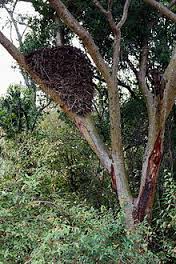
nesthammerkop


We just love birds! They come in so many sizes and colors! They can fly! They can swim! They can dive! Birds are so diverse and amazing! Do you have a favorite bird? We were the proud adopters of a snowy plover this holiday! He’s quiet the fantastic feathery friend!

plover

Categories: adventure, Animals, birds, Children, conservation, education, Environment, nature, science, wildlife | Tags: , , , , , , , , , | 1 Comment

HAPPY HOLIDAYS!!

HAPPY HOLIDAYS!!

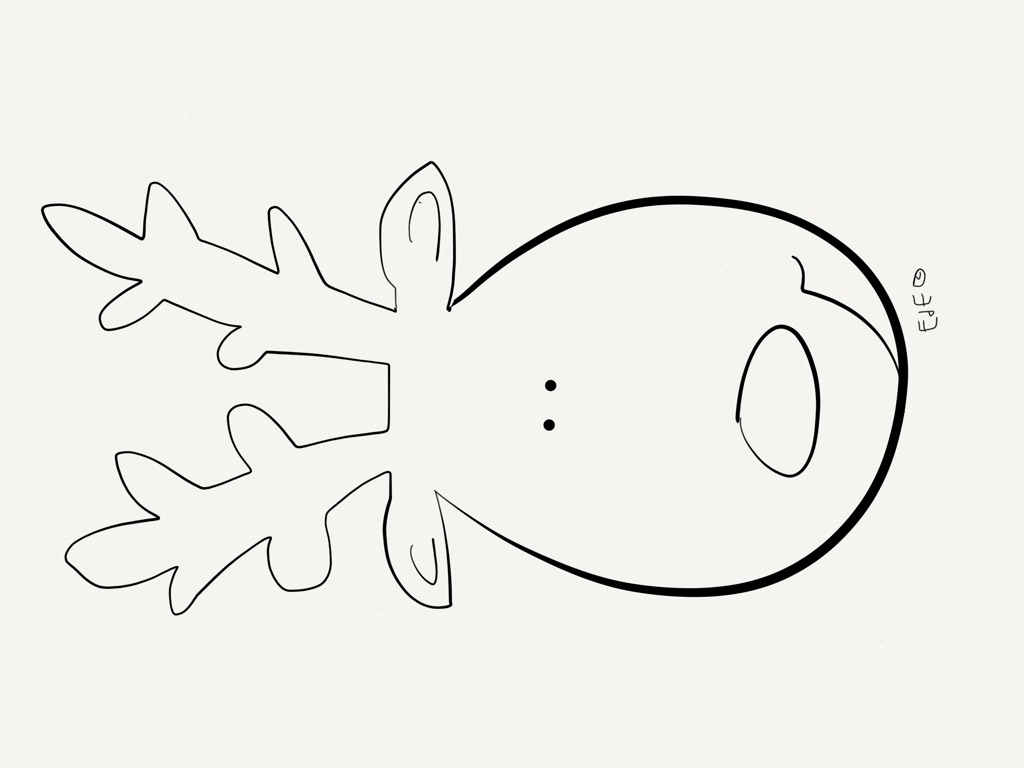
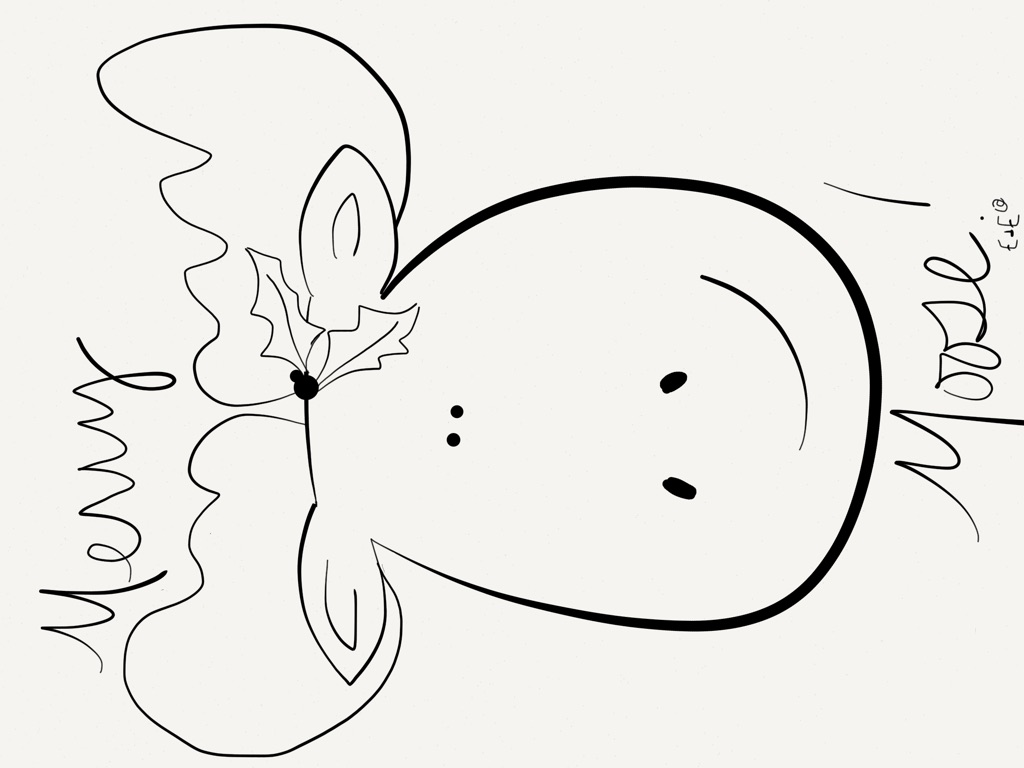
Everyone here at Ellie and Edmond want to wish everyone a safe and Happy Holiday! We have two coloring sheets for you to enjoy!

e e christmas

reindeer

christmoose

Categories: adventure, Animals, Children, conservation, education, Environment, nature, science, wildlife | Tags: , , , , , , | 1 Comment

GETTING WORMY!

GETTING WORMY!

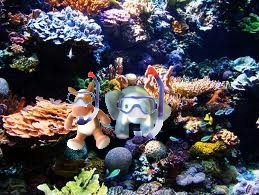
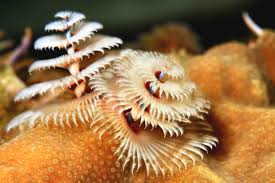
Who thought we would say that so close to the holiday? Well we found a most fabulous creature in the coral reef and these worms are called Christmas Tree Worms! Come learn about these colorful creatures!

e & e snorkeling

  • Christmas tree worms are invertebrates. They live in tropical coral reefs around the world.
  • Christmas tree worms bore into coral and stay put. Most of their body is not visible.ctw3

ctw2


  • The two appendages that are visible are used to help the worm breath. Those feathery tops are used to grab prey too!
  • They can pull those “tree tops” into their tubes when they feel threatened by predators!

ctw4ctw5


  • Christmas tree worms have segmented bodies.
  • They average around 1.5 inches.

ctw

We love these feathery looking worms! Ocean dwelling creatures never fail to amaze us! Now if we could just get some of these trees for HQs; we know they would brighten up our holiday decor!

Categories: adventure, Animals, Children, conservation, education, Environment, nature, science, wildlife | Tags: , , , , , , , , , | Leave a comment

WE LOVE REINDEER!!!

WE LOVE REINDEER!!

Our first adventure takes us to the chilly North pole to meet a VERY Famous animal, who knows the big guy driving the slay! Grab your coats and let’s go meet some reindeer!

e e arctic

MEET THE REINDEER!

reindeer   Range/Habitat: North America-Europe-Asia/Tundra-forest

   Diet:  Herbivore: grasses, moss, lichen

   Length/Weight: 4- 7 ¼ ft/ 260-660 lb

   Conservation Status: common


Fun Facts:

  • Reindeer are also called caribou.
  • They vary in color and size depending on where they live. Reindeer that live closest to the arctic are white in color.
  • Both female and male reindeer have antlers. Males lose their antlers in the winter.
  • Reindeer antlers are covered in a layer of fur called velvet.
  • Their noses are specialized to warm cold air before it enters their lungs.
  • Reindeer have a four chambered stomach!
  • One of their favorite foods is called reindeer moss.
  • Reindeer are the only mammal that can see ultraviolet light!
  • Some reindeer populations migrate. They can migrate up to 3,000 miles in one year! Whew, they must be tired!

Besides being really neat, reindeer are famous for pulling Santa’s sleigh! We were hoping to meet a real reindeer this year, but we weren’t able to. We are making some antlers out of pipe cleaners though! What’s your favorite thing about reindeer?

reindeer   reindeer2


Categories: adventure, Animals, Children, conservation, education, Environment, mammals, nature, science, wildlife | Tags: , , , , , , , , , | Leave a comment

WALRUS ORNAMENT!

WALRUS ORNAMENT!

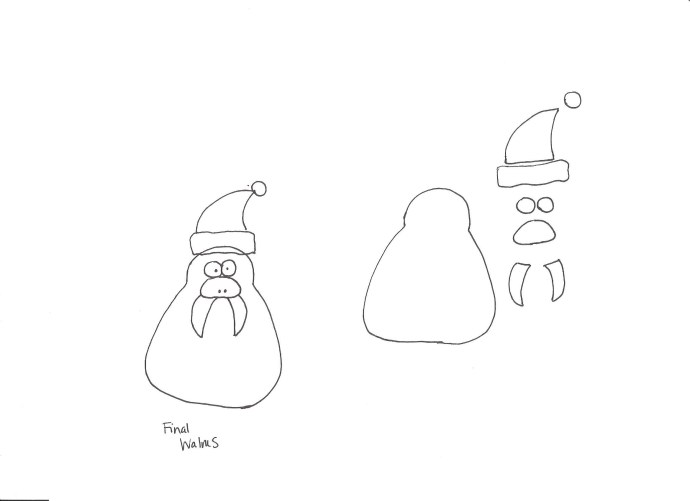
We thought it would be fun to share our popular walrus ornament craft since so many people got the Guess the Animal right!

Let’s get crafty!

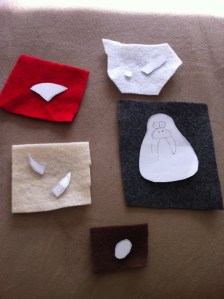
IMG_3770

Materials:

  • Red, white, cream, gray & brown felt (you only need small scraps)
  • Black marker
  • scissors
  • hot glue (to be used by an adult)
  • needle & thread


Instructions:

  • Print out pattern (below)
  • Cut pattern pieces out

IMG_3764

  • Cut out felt pieces


IMG_3765

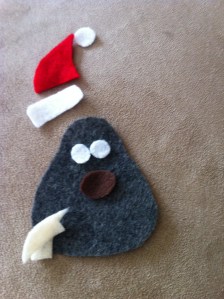
  • Draw black dots on the eyes & two nostrils on brown mussel

IMG_3766

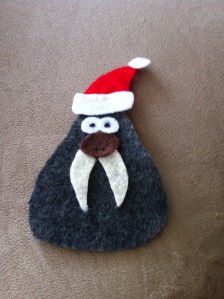
  • Glue face, eyes & tusks on walrus
  • Glue Santa hat

IMG_3767

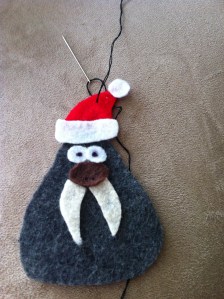
  • Take needle & thread and pull through the hat. Tie a knot in string.

IMG_3769

  • Hang your walrus!

Pattern:

Image

Categories: adventure, Animals, Children, conservation, education, Environment, nature, science, wildlife | Tags: , , , , , , , , , | 1 Comment

GUESS THE ANIMAL!!

GUESS THE ANIMAL!

We hope everyone is doing well! We are going through a website overall, so posts will be a bit sporadic for the next couple of weeks. We’re doing our best, so just hang in there! We have some fun animals and crafts and coloring sheets lined up for you! Today we’re guessing the animal! You’ll only get one clue!

guess

They live in the arctic!

WHO IS IT?

Categories: adventure, Animals, Children, conservation, education, Environment, nature, science, wildlife | Tags: , , , , , , , | 4 Comments

Oh Sea Krait, how we like thee…

Oh Sea Krait, how we like thee..

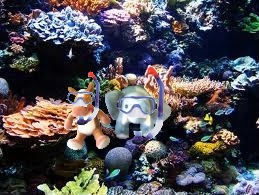
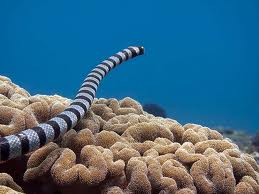
We thought it would be fun to meet a snake today! Snakes get such a bad rap and often are very feared. Snakes are very important to the environment! Without them, rodents would overrun the earth! Did you know that some snakes live in the oceans? We went snorkeling to meet one! Come join us!

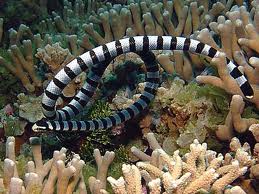
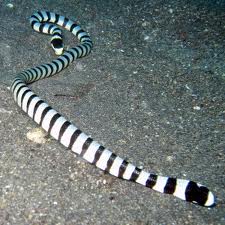
MEET THE BANDED SEA KRAIT!

   Range/Habitat: Southern-South Eastern Asia/ tropical

oceans-coral reefs

   Diet: Carnivore: fish, eels

   Length: 3 ¼-6 ½ ft

   Conservation Status: Common


Fun Facts:

  • Banded Sea Kraits are members of the sea snake families. They spend most of their lives in the ocean.
  • Banded sea kraits are highly venomous. They are more deadly than most land snakes.
  • They are not harmful to humans, because they have short fangs and are very docile.
  • Banded sea kraits have paddle shaped tails that help them swim.
  • They come on shore to lay their eggs.

Sea kraits are incredible snakes! We saw one while we snorkeling in Indonesia! It was awesome! If you could go snorkeling what animals would you like to see?


Categories: adventure, Animals, Children, conservation, education, Environment, nature, reptiles, science, wildlife | Tags: , , , , , , , , , , | Leave a comment

SALAMANDER, SALAMANDER…

SALAMANDER, SALAMANDER…

We just love amphibians! Frogs, salamanders, newts… we could talk about these funny little creatures all day long! Today we wanted to introduce you a salamander that is very toxic! We just looked from a bit of distance!

e & e wetlands

MEET THE FIRE SALAMANDER!

fire salamander

Range/Habitat: Europe/forests, woodlands, mountains

Diet:  Carnivore: slugs, insects, worms

Length: 7-11”

Conservation Status: Common

fire salamander2


Fun Facts:

  • Fire Salamanders have warning coloration. Their bright yellow or orange spots warn predators that they are poisonous.
  • They have poisonous glands behind the eyes and on other parts of their body. They secret toxins when threatened.
  • They are amphibians. They live part of their lives in water and part of it on land.
  • Fire salamanders often hide under moss, leaves, limbs and stones.
  • They are nocturnal (active at night).
  • Fire salamanders spend the winter underground.
  • They are known to have long life spans, up to 55 years old! Hello, grandpa salamander!

fire salamander3

Fire salamanders are a great little amphibian! They sure are pretty with their shiny black bodies and bright yellow spots! Like other amphibians, salamanders can indicate if their habitat is healthy. They need very specific, non polluted habitats to survive. Scientists often count amphibian populations to see if a habitat is doing ok! Cool!


Categories: adventure, Animals, Children, conservation, education, Environment, nature, science, wildlife | Tags: , , , , , , , | Leave a comment

GUESS THE ANIMAL!!

GUESS THE ANIMAL!!

Who’s ready to put your thinking caps on and guess who are our mystery animal is?

Your one clue today: Darwin made this animal famous!

mystery animal

WHO IS IT?

Categories: adventure, Animals, Children, conservation, education, Environment, nature, science, wildlife | Tags: , , , , , , , , , | Leave a comment

SCIENCE WORD OF THE WEEK!

SCIENCE WORD OF THE WEEK!

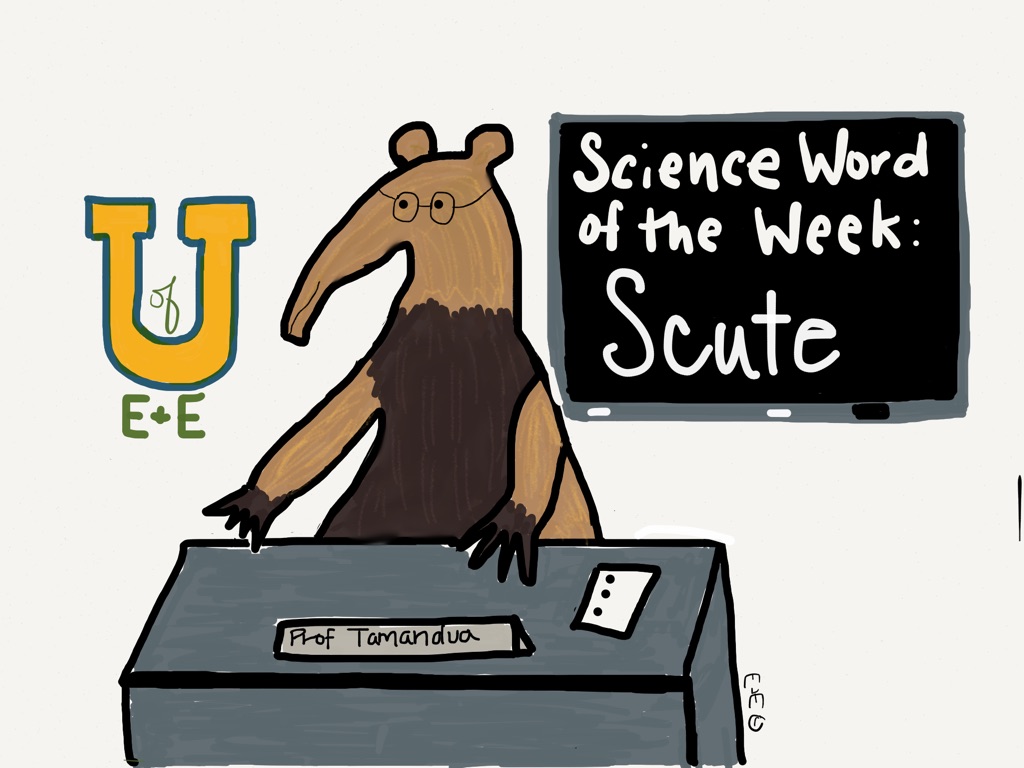
swow scute

Hello everyone! We had a lovely holiday break here at the University! I’m back and ready to talk about our science word of the week! Who’s ready to learn with me?

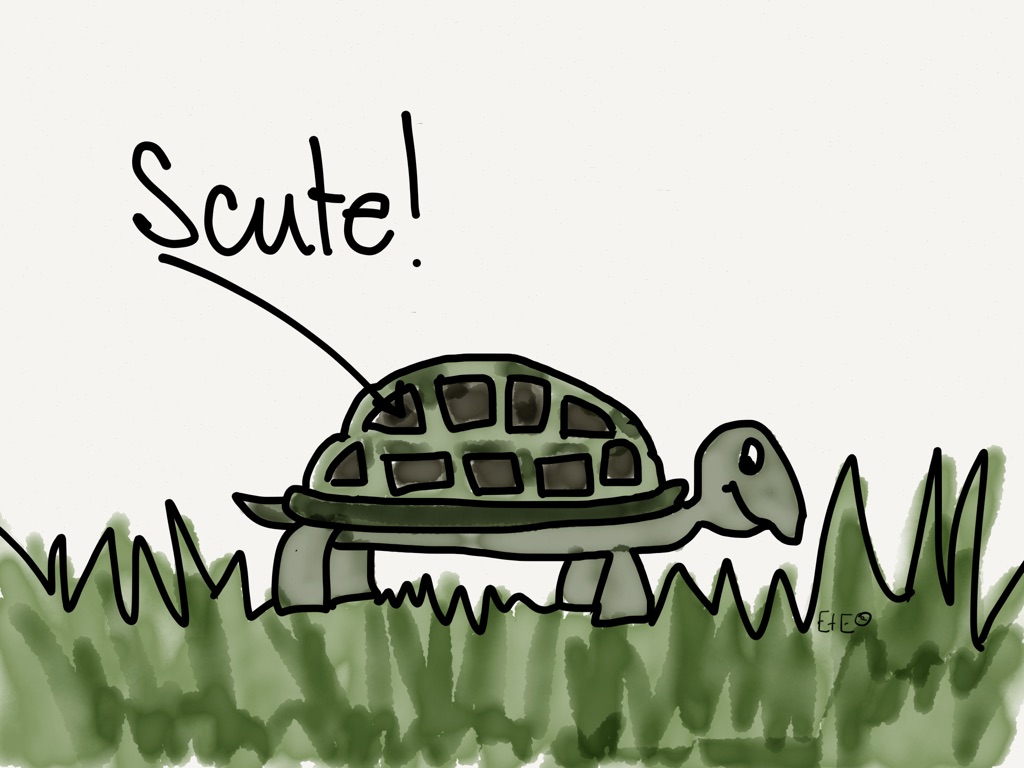
This week’s word is Scute: a scute an external bony plate or scale. Turtles and tortoise have scutes on the outside of their shells. Those scutes are made up of the protein keratin. Keratin makes up human hair and finger nails!

swow scute cartoon

Categories: adventure, Animals, Children, conservation, education, Environment, nature, science, vocabulary, wildlife | Tags: , , , , , , , , | 1 Comment

Blog at WordPress.com.