Environment

MAMMAL MONDAY # 81

MAMMAL MONDAY # 81

Back your bags and let’s get ready to go to Australia to meet a cute little mammal! Brush up on your best accent and let’s go on today’s adventure!

e & e rainforest2

MEET THE QUEENSLAND RINGTAIL!

ringtail2   Range/Habitat: Eastern Australia/ forests, parks, rainforests

   Diet: Herbivore: leaves, eucalyptus

   Length/Weight: 12-14”/ 25-39 oz

   Conservation Status: common


Fun Facts:

  •          Queensland ringtails have reddish/gray fur.
  •          They are also known as the Common Ringtail Possum.
  •          They are arboreal.
  •          Queensland ringtails are nocturnal.
  •          Queensland ringtails have long prehensile tails.


Queensland ringtails are adorable little mammals! Australia is not a huge place, but it sure is full of all kinds of amazing animals!

ringtail3

Categories: adventure, Animals, Children, conservation, education, Environment, mammals, nature, science, wildlife | Tags: , , , , , , , , , | 2 Comments

SUPER SURPRISE THURSDAY # 80

SUPER SURPRISE THURSDAY # 80

Check out the picture, read the clues and tell us who the animal is!

naked mole rat

  • I am a mammal.
  • I live in colony with a queen.
  • Some people say we are quiet ugly, we don’t agree!

WHO AM I?

Categories: adventure, Animals, Children, conservation, education, Environment, nature, science, wildlife | Tags: , , , , , , , , | 2 Comments

WATERY WEDNESDAY # 80

WATERY WEDNESDAY # 80

 We’re putting on our scuba gear and we’re going diving in shallow water to find a really wild looking fish! He’s a member of the shark and ray family! Grab your flippers and let’s goooooooo!

e & e snorkeling

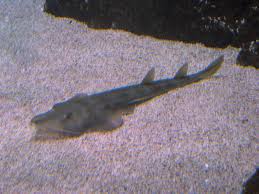
MEET THE SHOVELNOSE GUITARFISH!

shovelnose guitarfish2   Range/Habitat: Eastern Pacific Ocean/ocean-near coast

   Diet: Carnivore: fish, crustaceans, worms

   Length/Weight:  up to 5 ft/ 33-40 lb

   Conservation Status: common


Fun Facts:

  •          Shovelnose Guitarfish have a shovel shaped snout.
  •          They have flat, rounded pectoral fins.
  •          Shovelnose guitarfish bury themselves in the sand.
  •          Shovelnose guitarfish are usually found in shallow waters.
  •          They use their flat snouts to find prey buried in the sand.

These shovelnose guitarfish are super duper! They are so cool looking! We love our cartilaginous pals!

shovelnose guitarfish3

Categories: adventure, Animals, Children, conservation, education, Environment, fish, nature, science, wildlife | Tags: , , , , , , , , , | Leave a comment

REPTILIAN TUESDAY # 80

REPTILIAN TUESDAY # 80

It’s Reptilian Tuesday and we’re going to Southern Africa to meet one cool tortoise! Let’s put on our best safari gear and head out on today’s adventure!

e & e safari van

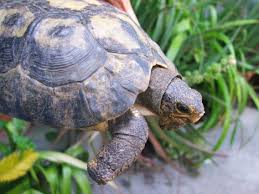
MEET THE ANGULATE TORTOISE!

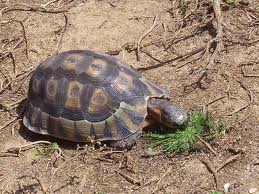
angulate tortoise   Range/Habitat: Southern Africa/ grasslands

   Diet: Herbivore: succulents, grasses

   Length: 6-8”

   Conservation Status: common


Fun Facts:

  •          Angulate Tortoises are also known as the Bowsprit Tortoise.
  •          Male angulate tortoises are larger than females.
  •          Angulate tortoises have high domed carapaces.  
  •          They hibernate during the winter.
  •          Angulate tortoises have black triangle patterns on their shells.

These tortoises are so beautiful with their patterned shells. We love all of our tortoise and turtle pals! They are shelltastic!

 angulate tortoie2  angulate tortoie3

Categories: adventure, Animals, Children, conservation, education, Environment, nature, reptiles, science, wildlife | Tags: , , , , , , , , , | Leave a comment

WORLD ORANGUTAN DAY!!

WORLD ORANGUTAN DAY!

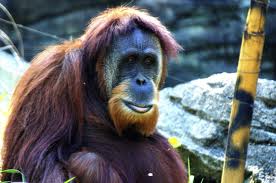
We’re celebrating one of our favorite great apes today! These magnificent beauties are intelligent, amazing and closely related to humans! They have one of the longest periods of child rearing in the animal kingdom, because learning to be an orangutan takes time. Unfortunately they are endangered, but we can help! Let’s learn some fun facts and then see how we all can protect these great apes!

orangutanORANGUTAN FUN FACTS:

  • There are two species of orangutans, Bornean and Sumantran.
  • The name Orangutan means man of the forest.
  • Orangutans are arboreal. They spend most of their lives in the trees.
  • They are mostly solitary.
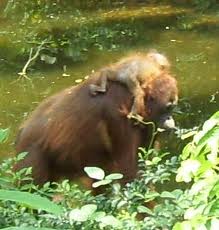
  • Baby orangutans stay with their moms for 8-10  years.
  • Orangutans are extremely intelligent.
  • They have culture. They share their patterns and behavior with their offspring and others.
  • An adult male orangutan has an arm span of about 7 feet.
  • Orangutans are frugivores.
  • Orangutans build nests in the trees each night.
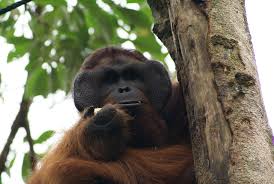
  • Adult male orangutans develop large cheek pads and throat pouches.
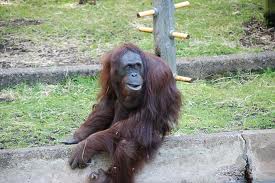
orangutan2  orangutan3


orangutan4orangutan5orangutan6


We love those faces. Orangutans are losing their precious forest homes due to palm oil plantations. Palm oil is used in many products and food. It is very hard to avoid totally. Cheyenne Mountain Zoo has a wonderful resource for consumers to use. They have a list of products that use palm oil that is produced in a sustainable manner and is not taking over orangutans homes. This resource is a great tool to help orangs! Visiting your local zoo and learning more about these apes is a great way to help! Our local zoo, Zoo Atlanta does some fantastic research with orangutans. They are learning to use computers!

Check out the Cheyenne Mountain Zoo website. They even have a nifty app you can take with you when you are shopping!

Learn more about Zoo Atlanta’s Orangutan Learning Tree Project! They are doing some amazing work! We’ll be participating in the Redhead Run here in Atlanta to support orangutans too!

Categories: adventure, Animals, Children, conservation, education, Environment, mammals, nature, orangutans, science, wildlife | Tags: , , , , , , , , , , | 1 Comment

FEATHERY FRIDAY # 79

FEATHERY FRIDAY #79

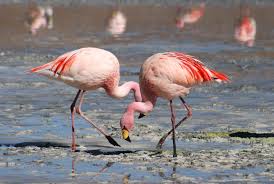
We’re super excited to head down to South America for today’s adventure! We’re going to meet a flamingo and do some flamenco! Hahahaha!  

E & E lake

MEET THE PUNA FLAMINGO!

puna flamingo

   Range/Habitat: West South Amercia/ wetlands-salt lakes

   Diet: herbivores: microscopic algae

   Length/Weight: 8”/3 ½-4 oz

   Conservation Status: near threatened


Fun Facts:

  •          Puna flamingos are also known as James’s Flamingos.
  •          They are pink with red streaks.
  •          Puna flamingos are one of 3 South American flamingo species.
  •          Puna flamingos live in high altitude.
  •          They live in large flocks.

Puna flamingos do a fancy mating dance during breeding season. They even do it as a flock! Get on your dancing shoes!

puna flamingo2  puna flamingo3

Categories: adventure, Animals, birds, Children, conservation, education, Environment, nature, science, wildlife | Tags: , , , , , , , , , | Leave a comment

SUPER SURPRISE THURSDAY #79

SUPER SURPRISE THURSDAY # 79

Look at the picture, read the clues and tell us who the animal is!

orangutan

  • I live in Southeast Asia.
  • I am a great ape.
  • I am endangered.

WHO AM I?

Categories: adventure, Animals, Children, conservation, education, Environment, nature, science, wildlife | Tags: , , , , , , , , | Leave a comment

WATERY WEDNESDAY #79

WATERY WEDNESDAY # 79

 We’re going on a deep sea adventure today to find one crazy looking fish! Hope aboard the sub and let’s go on today’s adventure.

e e deep sea

MEET THE BEARDED ANGLER!

bearded angler   Range/Habitat: Atlantic ocean

   Diet: Carnivore: fish

   Length/Weight:  4”/ up to 11 oz

   Conservation Status: common


Fun Facts:

  •          Bearded Anglers live in the deep sea.
  •          They have a bioluminescent lure on the top of their head to attract prey.
  •          Bearded anglers also have bioluminescent branching barbs on their chin.
  •          Male bearded anglers are much smaller than the females.
  •          They live off the female like a parasite.

Bearded anglers are really alien looking fish! Bioluminescence is such a great adaptation! We wish we could glow! Could you imagine Ellie with large glowing ears?

Categories: adventure, Animals, Children, conservation, education, Environment, fish, nature, science, wildlife | Tags: , , , , , , , , , | Leave a comment

REPTILIAN TUESDAY #78

REPTILIAN TUESDAY # 79

It’s Reptilian Tuesday and we’re off to South Africa to meet one cool lizard! Grab your backpack and safari gear and let’s load up on the Ellie and Edmond safari vehicle!

e e grasslands2

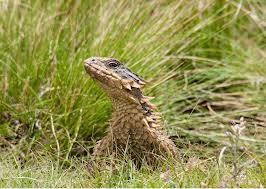
MEET THE SUNGAZER!

sungazer   Range/Habitat: South Africa/grasslands

   Diet: Carnivore: insects, small vertebrates

   Length:  11-15 ½”

   Conservation Status: vulnerable


Fun Facts:

  •          Sungazers are also called the Giant Girdled Lizard.
  •          They bask at the entrance of their burrows.
  •          Sungazers live in burrows. Those burrows usually face north or northwest.
  •          Sungazers have armored tails with pointed scales.
  •          They hibernate in the winter!

These Sungazer lizards are so amazing with their armored tails. When they feel threatened they go in their burrow and leave that pointy tail blocking the entrance to their home! Neat!

sungazer2   sungazer3

Categories: adventure, Animals, Children, conservation, education, Environment, nature, reptiles, science, wildlife | Tags: , , , , , , , , , | 3 Comments

WORLD ELEPHANT DAY!!

WORLD ELEPHANT DAY!!!

???????????????????????????????

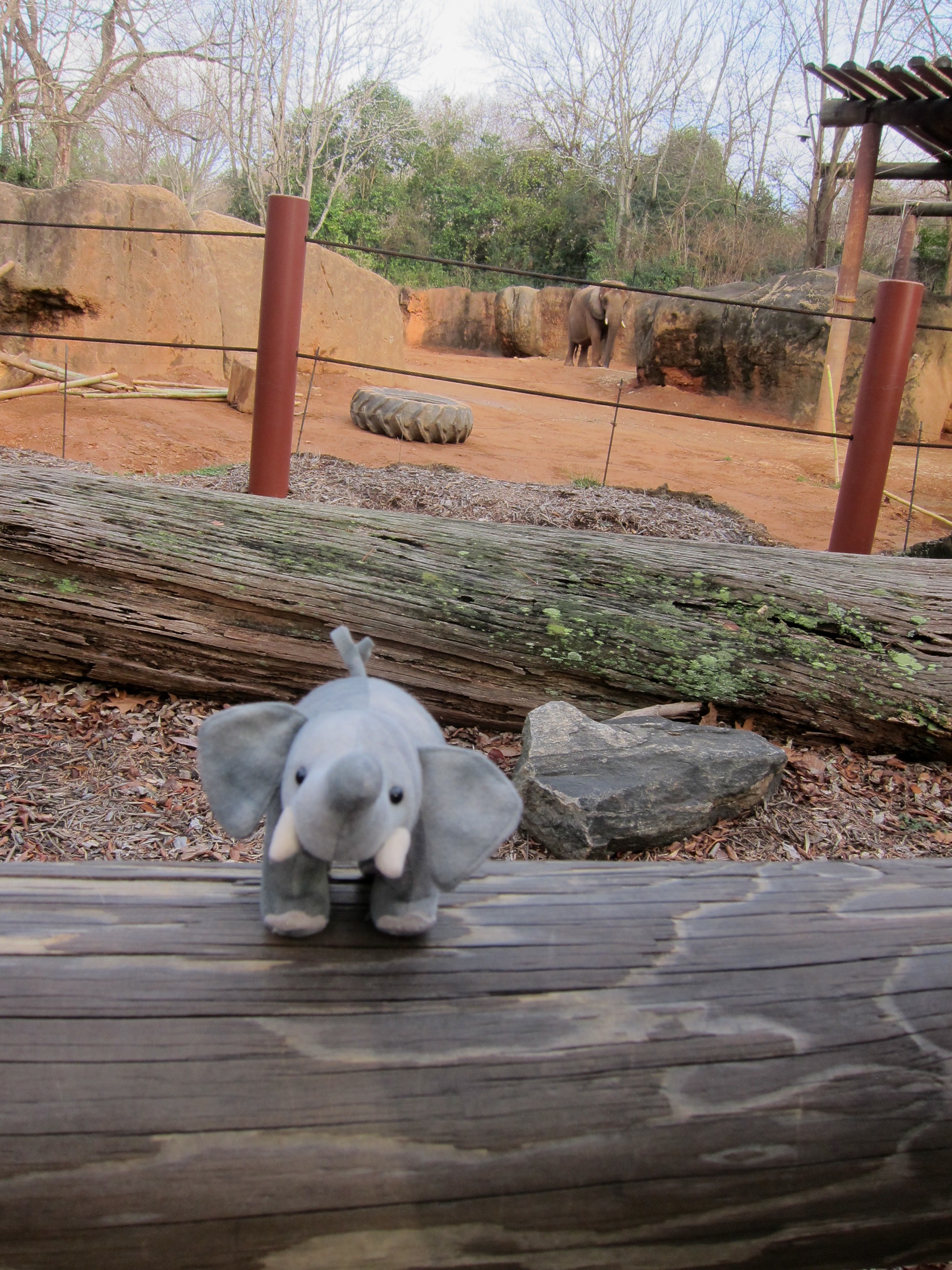
Today is the day to celebrate elephants! Of course the day is super special to Ellie and it’s great day to learn about her fellow elephants and how you can help them! Are you ready to love an elephant!

ELEPHANT FUN FACTS:

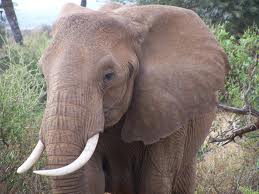
  • There are two species of elephants- Asian and African (Ellie).
  • Only male Asian elephants have tusks.
  • Both female and male African have tusks.
  • Tusks are modified teeth that are made of ivory.
  • All elephants are herbivores.
  • Elephants are the largest land animal on earth.
  • Elephants walk on their tip toes.
  • African elephants can walk up to 50 miles a day.
  • Elephants live in family groups that are made up of females, their female relatives and their offspring. The group is led by the oldest female.
  • Adult male elephants live a solitary live.
  • Elephants use their ears to cool off.

elephants  elephant2


elephant3  elephants4


Asian elephants are endangered and African elephants are vulnerable. Unfortunately elephants are losing their lives for the ivory trade. There are ways we can help Ellie and her wild cousins! There is a wonderful orphanage for baby elephants in Africa called the David Sheldrick Wildlife Trust. They work tirelessly to raise orphan elephants and help protect them in wild! Check out their website and look for our first fundraiser to help them in September!  Tell us your favorite thing about Ellie and her elephant friends!

Categories: adventure, Animals, Children, conservation, education, elephants, Environment, mammals, nature, science, wildlife | Tags: , , , , , , , , , | 3 Comments

Blog at WordPress.com.