fish

Day 8- Arapaima

 Day #8 (1/15/2014) Arapaima

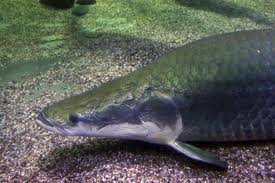
      We packed up camp and headed to Brazil to find a large fish! After a plane ride, we dropped off our stuff and headed straight over to the Amazon River. It didn’t take us long to find the giant we were looking for; they stay near the surface! You see the Arapaima breathes air!
e & e river boat

Their range and habitat: South America/ Amazon River

Their length/weight: 6-8 ft/200-400lbs  Their status: unconfirmed

They are carnivores (fish, crustaceans)
arapiama

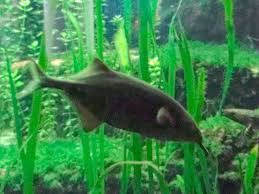
  • Arapaimas have long torpedo shaped bodies.
  • They have large scales.
  • Arapaimas’ fins are placed towards the back of their bodies.
  • Arapaimas feed at the surface.
  • They breathe at the surface air. Their swim bladder acts like a lung.

 arapiama2

Watching the arapaimas all day wore us out! We had such fun on the boat. There are so many things to see in the Amazon River. We could spend weeks here! Thank goodness we packed our MUD bug repellant! The insects down here are nuts! Edmond spent his evening scratching his bum on a tree!

-Ellie and Edmond
Categories: adventure, Animals, Children, conservation, education, Environment, fish, nature, science, wildlife | Tags: , , , , , , , , , | Leave a comment

DAY #3- Off to Africa

Day #3 (1/8/14) Off to Africa

      Well the deep freeze that took over much of the U.S. almost derailed our trip completely! We hopped aboard the E & E plane and made our way to Gabon where will be for a few days. We have set up camp next to a lake. We decided to spend the day looking for a fun little fish. Edmond grabbed his snorkel (Elephants don’t need them) and took a dip. The lake was very murky and dark, but we had such fun looking at all the inhabitants. After swimming for a while we finally found the little fish we were looking for, the elephantnose fish! This little fish is so fun!
E & E lake

Their range and habitat: lakes, rivers and ponds in West and Central Africa.

east west africa map

Their length/weight: up 9” long. Their status: Common

They are carnivores (they eat other small fish).

elephantnose fish

Elephantnose fish have very large brains. They brain body size ratio is almost the same as humans.

Elephantnose fish are very intelligent and playful.

They have a long appendage on their chin that they use to find prey in the mud.

Elephantnose fish have weak electrical system to help them get around the dark waters they live in. (Don’t worry we didn’t touch one).

      They have poor eyesight.

elephantnose fish3   elephantnose fish2

What a wonderful day! I am exhausted. Edmond is cooking up oats and hay stew for our dinner. We had such fun meeting the elephantnose fish! I really wanted to compare my trunk to his barbell, but he didn’t seem to want to do that! It’s time for dinner at our camp! Tomorrow you’ll have to guess the animal we met! See you then!

-Ellie

Categories: adventure, Animals, Children, conservation, education, Environment, fish, nature, science, wildlife | Tags: , , , , , , , , , | 1 Comment

WATERY WEDNESDAY # 85

WATERY WEDNESDAY # 86

 We’re going scuba diving on this Watery Wednesday! Grab your tanks, suits and masks and come join us in the Pacific Ocean as we go looking for a shark! Are you ready?

e & e snorkeling

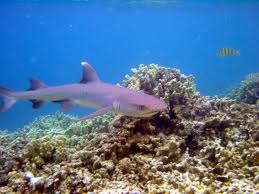
MEET THE WHITETIP REEF SHARK!

whitetip reef sharks   Range/Habitat: Indo-Pacific Oceans/ reefs, oceans

   Diet: Carnivore: fish

   Length/Weight:  up to 5 ½ ft/up to 40 lbs

   Conservation Status: near threatened


Fun Facts:

  •          Whitetip Reef Sharks are also called the blunthead shark.
  •          They do not have to swim to move water over their gills.
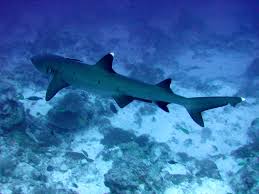
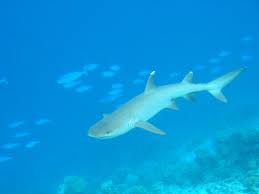
  •          Whitetip reef sharks have white tips on their dorsal fins and tails.
  •          You can find whitetip reef sharks often rest on the ocean floor.
  •          They use sound to detect prey.

Whitetip reef sharks are magnificent animals! Like all sharks they have a skeleton made of cartilage! These beauties are also being threatened by humans. Our oceans are home to many beautiful creatures and we all need to work to keep those oceans clean. Make sure to keep plastics and trash in their proper places and not in our oceans!

whitetip reef sharks3  whitetip reef sharks2

Categories: adventure, Animals, Children, conservation, education, Environment, fish, nature, science, wildlife | Tags: , , , , , , , , , , | 1 Comment

WATERY WEDNESDAY #85

WATERY WEDNESDAY # 85

 It’s time for another watery adventure! We’re going looking for an odd parasite today. We won’t say they are pretty, but they are pretty wild! Hop aboard the sub and let’s see if we can find…

e e deep sea

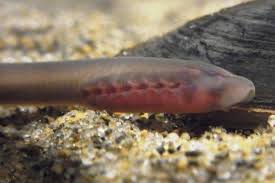
MEET THE SEA LAMPREY!

sea lamprey   Range/Habitat: North Atlantic-Mediterranean (North America-

   Europe) oceans-rivers

   Diet: Carnivore: fish

   Length/Weight:  up to 4 ft/up to 5 ½ lb

   Conservation Status: common


Fun Facts:

  •          Sea Lampreys have suckers full of teeth instead of mouths.
  •          They suck blood from their prey.
  •          Sea lampreys are parasites.
  •          They have rough surfaced tongues.
  •          Sea lampreys have eel-like bodies.
  •          They breed in fresh water.
  •          They have small circular gill openings instead of slits.

Sea lampreys are crazy looking animals! We could have featured them on our creepy animals week! We’ll stay away from those suckers full of teeth!

sea lamprey3   sea lamprey2

Categories: adventure, Animals, Children, conservation, education, Environment, fish, nature, science, wildlife | Tags: , , , , , , , , , | Leave a comment

WATERY WEDNESDAY # 84

WATERY WEDNESDAY # 84

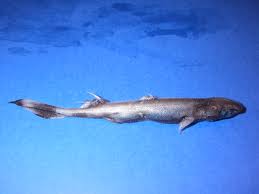
 It’s time to get aboard the E & E submarine and go looking for little sharks! These little sharks might be aglow with bioluminescence so keep an eye out! It’s time for another fun adventure!  

e e deep sea

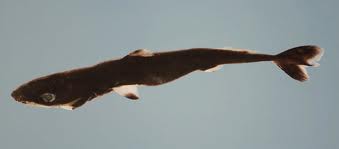
MEET THE PYGMY SHARK!

pygmy sharks   Range/Habitat: North Atlantic, W. Indian Ocean, West Pacific

   Diet: Carnivore: fish

   Length/Weight:  up to 10”

   Conservation Status: common


Fun Facts:

  •          Pygmy sharks are one of the smallest species of sharks.
  •          They have a single dorsal spine.
  •          A pygmy shark’s mouth is on the underside.
  •          Pygmy sharks have light producing organs on their undersides. These are thought to protect them from predators.
  •          Female pygmy sharks have about 8 pups a year.

Pygmy sharks are amazing little creatures. They look so alien and strange with their glowing cells. The ocean always amazes us!

pygmy sharks3

Categories: adventure, Animals, Children, conservation, education, Environment, fish, nature, science, wildlife | Tags: , , , , , , , , , , | Leave a comment

WATERY WEDNESDAY # 83

WATERY WEDNESDAY #83

Happy Watery Wednesday everyone! We hope it’s wonderful so far! Today’s fish is long, lean and full of teeth! But don’t worry they don’t think people are tasty and we’ll be safe in the sub!

e e deep sea

MEET THE GREAT BARRACUDA!

   Range/Habitat: tropical-sub-tropical waters worldwide/ reefs, shallows,

mangroves

   Diet: Carnivore: fish

   Length/Weight: up to 6 ½ ft/ up to 110 lbs

   Conservation Status: Common


Fun Facts:

  • Great Barracuda are long and lean fish.
  • They have powerful jaws full of sharp, knife like teeth.
  • Great barracuda are ambush predators. They stay relatively still and swim forward in one fast move to grab their prey.
  • They’re usually solitary, but juveniles often school together.
  • Great barracudas have few predators, mainly sharks.

Great barracudas are intimidating fish, with their long bodies and mouths full of teeth.  But we think they are pretty awesome! How about you?

barracuda2   barracuda

Categories: adventure, Animals, Children, conservation, education, Environment, fish, nature, science, wildlife | Tags: , , , , , , , , , , | Leave a comment

GREATEST HITS WATERY WEDNESDAY!

GREATEST HITS- WATERY WEDNESDAY!

We’ve had some technical difficulties at HQs we’re posting greatest hits for the rest of week! We hope you enjoy meeting these animals again!

We’re taking the E & E submarine to the cold waters of the South Pole. Luckily the submarine is heated because you wouldn’t want to be caught in these cold waters unless you are one of these amazing fish! All aboard….

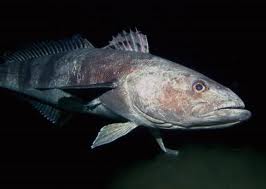
MEET THE ANTARCTIC TOOTHFISH!

   Range/Habitat: Antarctic Circle/ oceans

   Diet: Carnivore: crabs, squid, fish

   Length/Weight: up to 7 ¼ ft/ up to 260 lbs

   Conservation Status: common


Fun Facts:

  • Antarctic Toothfish live in very deep waters.
  • They are very slow growing.
  • Antarctic toothfish have a special protein in their blood that acts as an anti-freeze.
  • Antarctic toothfish have high body fat content and light bones.
  • They have a cartilaginous skull.

Wow, these fish are really cool and kind of creepy! Yet again we are fascinated by the animals that call the deep ocean their home! Those deep dark waters really are like another planet!

Categories: adventure, Animals, Children, conservation, education, Environment, fish, nature, science, wildlife | Tags: , , , , , , , , , | Leave a comment

GREATEST HITS- WATERY WEDNESDAY!!

GREATEST HITS- WATERY WEDNESDAY!!

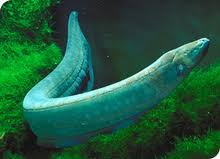
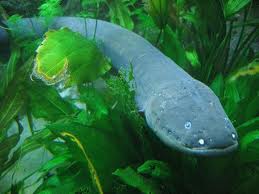
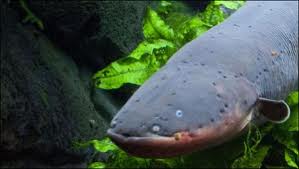
Today we’re jetting to South America to meet one large and unusual fish! These guys don’t have any top fins and they can electrocute a human! Best if we stand next to the river to catch a peek, don’t you think?

e & e river boat

MEET THE ELECTRIC EEL!

electric eel   Range/Habitat: Northern South America/ rivers, streams

   Diet: Carnivore: fish, amphibians, birds

   Length/Weight: 6-8 ft/ up to 44 lbs

   Conservation Status: common


Fun Facts:

  • Electric eels are not true eels; they are actually members of the knifefish family.
  • They are one of the largest fresh water fish in South America.
  • Electric eels have one long fin on their underside. They have no top or tail fins.
  • Electric eels have poor eyesight.
  • They have specialized cells that store electricity like batteries.
  • They use electrical pulses to help them find their way around in murky rivers and streams.
  • Electric eels also use jolts of electricity to stun prey. They can produce jolts up to 600 volts at one time.

WOW! Electric eels are amazing animals. Who knew there were fish out in the world that could light things up? We just never ceased to be amazed by all the cool animal adaptations there are on earth! We do wonder if an electrical eel could light our lamp for us! Hahahaha!

electric eel2   electric eel3


Image

Categories: adventure, Animals, Children, conservation, education, Environment, fish, nature, science, wildlife | Tags: , , , , , , , , , | Leave a comment

AMAZING ANIMAL FACTS- WATERY FRIENDS!

AMAZING ANIMAL FACTS- WATERY FRIENDS!

We have some amazing facts about our ocean dwelling animal friends today! Come learn cool stuff!

e & e eco explorers

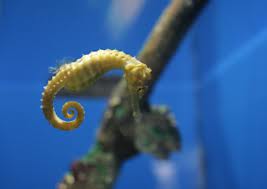
1. SEAHORSES SWIM AT .01 MPH!

Don’t enter these guys in a race.

seahorse

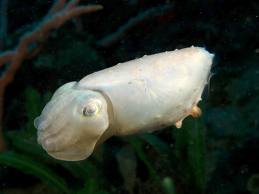
2. A CUTTLEFISH HAS 3 HEARTS.

Does that make Valentine’s complicated for them?

cuttlefish

3. A SAILFISH CAN SWIM UP TO 68 MPH!

Enter this guy in a race!

sailfin

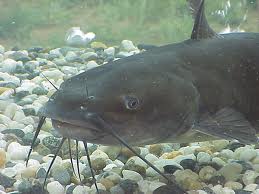
4. CATFISH HAVE OVER 27,000 TASTE BUDS.

These guys would make great food critics.

catfish

5. MUCH OF THE SAND IN PARTS OF THE CARIBBEAN IS ACTUALLY PARROT FISH POOP!

Eeeeeeeeeeeewwwwww!

parrot fish

Categories: adventure, Animals, Children, conservation, education, Environment, fish, nature, science, wildlife | Tags: , , , , , , , , , , | Leave a comment

WATERY WEDNESDAY # 82

WATERY WEDNESDAY # 82

 It’s time to get aboard the E & E submarine! We’re going to the Mediterranean Sea to meet a fish who lives on the bottom of the ocean. We better look closely because they can hide in the sand!

e e deep sea

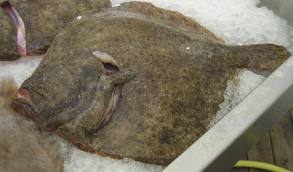
MEET THE TURBOT!

turbot   Range/Habitat: Eastern Northern Atlantic, Mediterranean, Black Sea/ ocean

   Diet: Carnivore: fish, crustaceans

   Length/Weight:  up to 3 ¼ ft/ up to 55 ft

  Conservation Status: common


Fun Facts:

  •          Turbots are flat fish.
  •          They have a round shape.
  •          Turbots have eyes on the left side of their mouths.
  •          Turbots have bony tubercles instead of scales.
  •          Female turbots can produce 10-15 millions eggs.

Turbots are super cool! We love the flat fish of the ocean! They can hide and never be seen until they’re hungry! Hahahaaha!

turbot2    turbot3

Categories: adventure, Animals, Children, conservation, education, Environment, fish, nature, science, wildlife | Tags: , , , , , , , , , | Leave a comment

Blog at WordPress.com.