
SUPER SURPRISE THURSDAY # 64
Time to look at the picture, read the clues and take a guess in the comments!

- I am a four legged mammal.
- My long neck is unlike any animal on earth.
- My tongue is 18-20 inches long.
WHO AM I?
SUPER SURPRISE THURSDAY # 64
Time to look at the picture, read the clues and take a guess in the comments!
WHO AM I?
MAMMAL MONDAY # 64
We sure hope you enjoyed Bear Week; we know we did! It’s Mammal Monday again and we’re going to an island in Indonesia to meet a small four legged animal! So let’s hop aboard the E & E boat and take a trip to the South Seas!
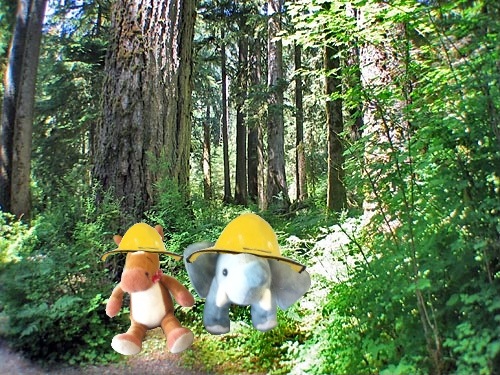
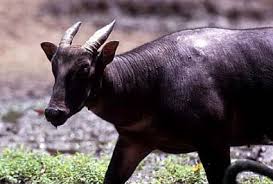
MEET THE ANOA!
 Range/Habitat: Sulawesi (Indonesia)/ rainforests, mountains
Diet: Herbivore: leaves, fruits, ferns
Length/Weight: 5 ¼-5 ½ ft/ 330- 660 lbs
Conservation Status: endangered
Fun Facts:
These little water buffalo are so cute! Who knew that water buffalo came in miniature size? We love our hoofed cousins!

BEAR WEEK DAY #5
It’s the last day of Bear Week and we sure have had a blast meeting some awesome bears! We are off to Alaska to meet our last bear of the week! So let’s back our coats and backpacks and head out to meet…
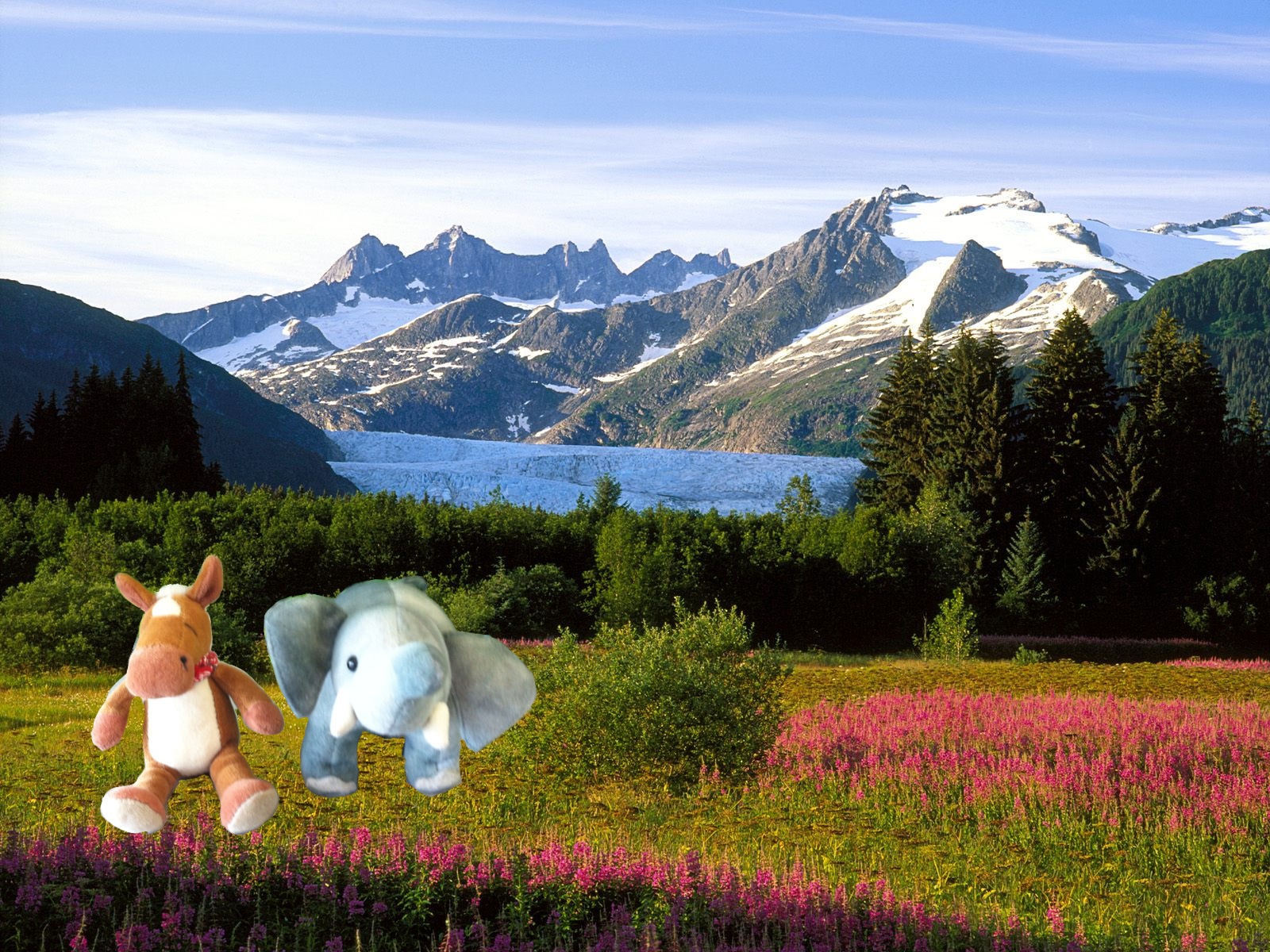
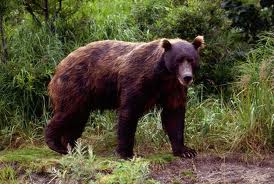
MEET THE BROWN BEAR!
 Range/Habitat: Northern North America-North Europe-Asia/forests,
mountains, grasslands
Diet: Omnivore: fish, roots, berries
Length/Weight: 6 ½-9 ¾ ft/ 220-2,200 lbs
Conservation Status: common
Fun Facts:
Brown bears are large, top of the food chain predators that eat mostly an herbivorous diet! Momma bears and their cubs are not to be messed with though. They are very protective and at 30 mph can run faster than a human!
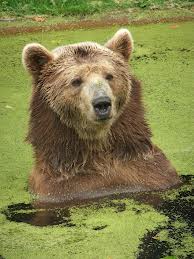
BEAR WEEK- GUESS THE BEAR!
Look at the picture, read the clues and then tell us what bear your think it is in the comments!

Who Am I?
BEAR WEEK DAY #2
We’re traveling to Southeast Asia today to meet a very handsome bear with a funny long tongue! Grab your gear we’re heading into the rainforest!

MEET THE SUN BEAR!
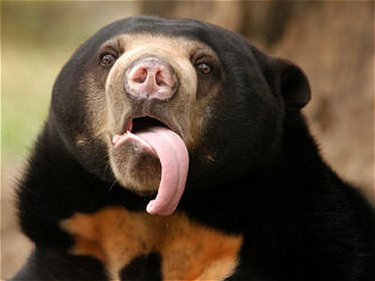 Range/Habitat: Southeast Asia/ rainforest
Diet: Omnivore: fruit, shoots, eggs, honey, termites
Length/Weight: 3 ½-4 ½ ft/ 110-145 lbs
Conservation Status: endangered
Fun Facts:
Sun bears are just so adorable. They are endangered mainly due to habitat loss. There are lots of things that we can do to ensure our rainforests are kept intact. We love The Rainforest Site, because all you have to do is click once a day and money goes to save habitat for great animals such as our Sun Bear pal!


BEAR WEEK!
It is March’s theme week and we’re spotlighting one of our favorite animals- Bears! We’ll be meeting several of the 8 species of bears, making a bear craft and we’ll have guess the bear! Whew! Are you ready to start this unbearleavablely exciting week? Well then, let’s head out to the Appalachian Mountains of North America to meet..

MEET THE BLACK BEAR!
 Range/Habitat: North America-Mexico/ forests, mountains
Diet: Omnivore: berries, grubs, nuts, insects
Length/Weight: 4 ¼-6 ¼ ft/ 120-600 lbs
Conservation Status: common
Fun Facts:
Black bears are agile and cute. They are also smart and are known to get in human food and trash. It’s important for people to keep their trash in containers that are bear proof!


MAMMAL MONDAY # 63
We’ve backed our bags and are going to Europe to find a member of the flying mammal club! And since there’s only one member of this club, it’s obvious we are going to meet a bat! Grab those night vision goggles and let’s head off on today’s adventure.

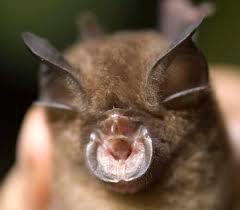
MEET THE LESSER HORSESHOE BAT!
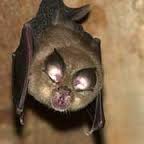 Range/Habitat: Europe-North Africa-W. Asia/ scrub-woods
Diet: Insectivore: insects
Length/Weight: 1 ½”/ 3/8 oz
Conservation Status: common
Fun Facts:
These tiny little flying mammals are ugly and cute and the same time. Bats come in all shapes and sizes and they are all beneficial! Bats rock!

MAMMAL MONDAY # 62
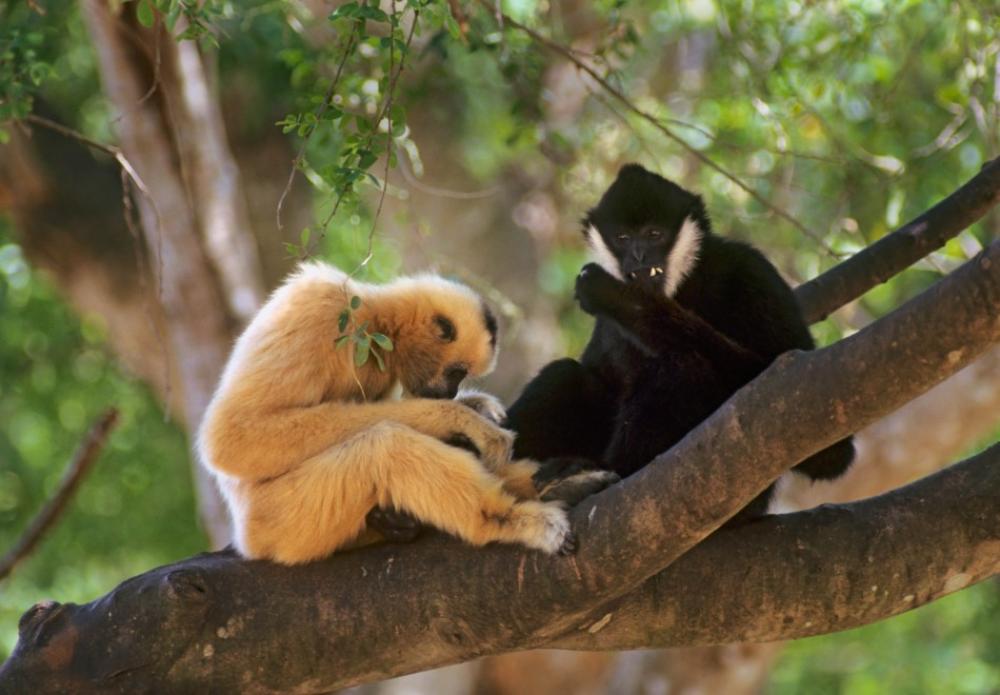
We’re jetting off to Southeast Asia on this Mammal Monday to meet one high flying mammal! Keep your eyes and ears pealed because these apes like to sing! Are you ready?
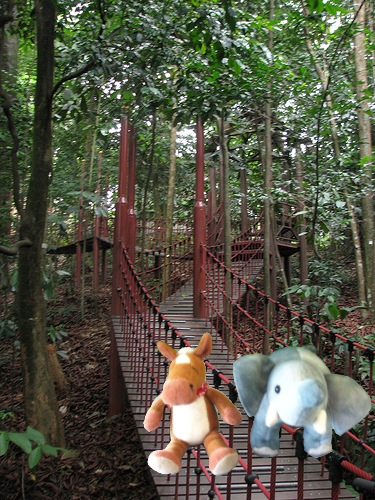
MEET THE BLACK CRESTED GIBBON!
 Range/Habitat: Southeast Asia/ rainforest-mountains
Diet: Herbivore: fruit, leaves, shoots
Length/Weight: 18-25”/10-20 lbs
Conservation Status: critically endangered
Fun Facts:
Black crested gibbons are so gorgeous. Do you know what makes them apes and not monkeys? One key feature is that they do not have tails! Neat!

We Meet Some Extreme Mammals!
We caught a preview of the new exhibit at Fernbank Museum of Natural History – EXTREME MAMMALS! This awesome exhibit goes through the evolution of how mammals came to be! We are one diverse group, we come in all sizes, shapes, coverings and live in all kinds of habitats! We make up one special class, so we’re giving out class superlatives to take you through this amazing exhibit!
Let’s Meet the Ellie and Edmond Extreme Mammal Class Superlatives!
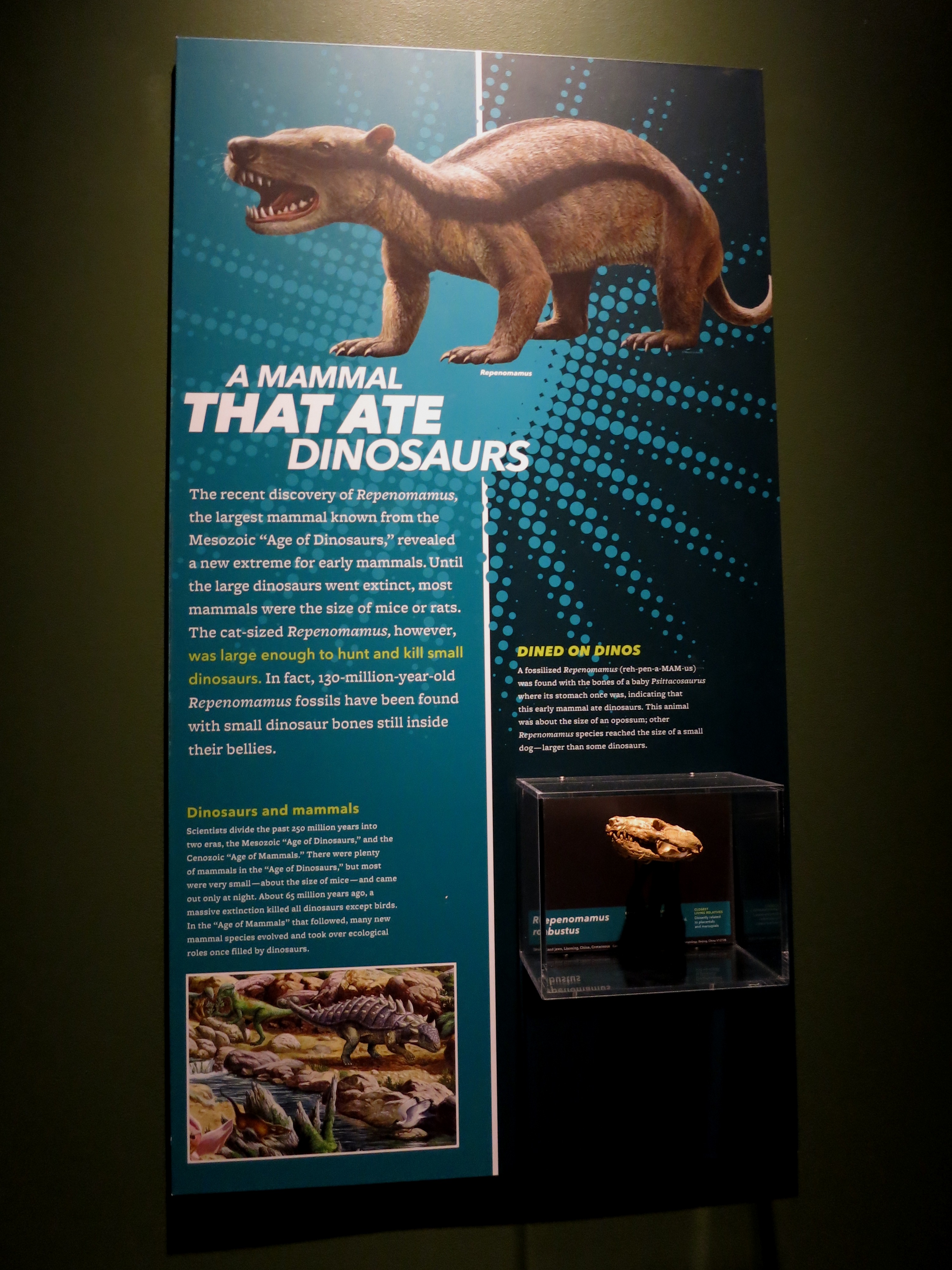
The Repenomamus!
Most Likely to eat a Dinosaur!!
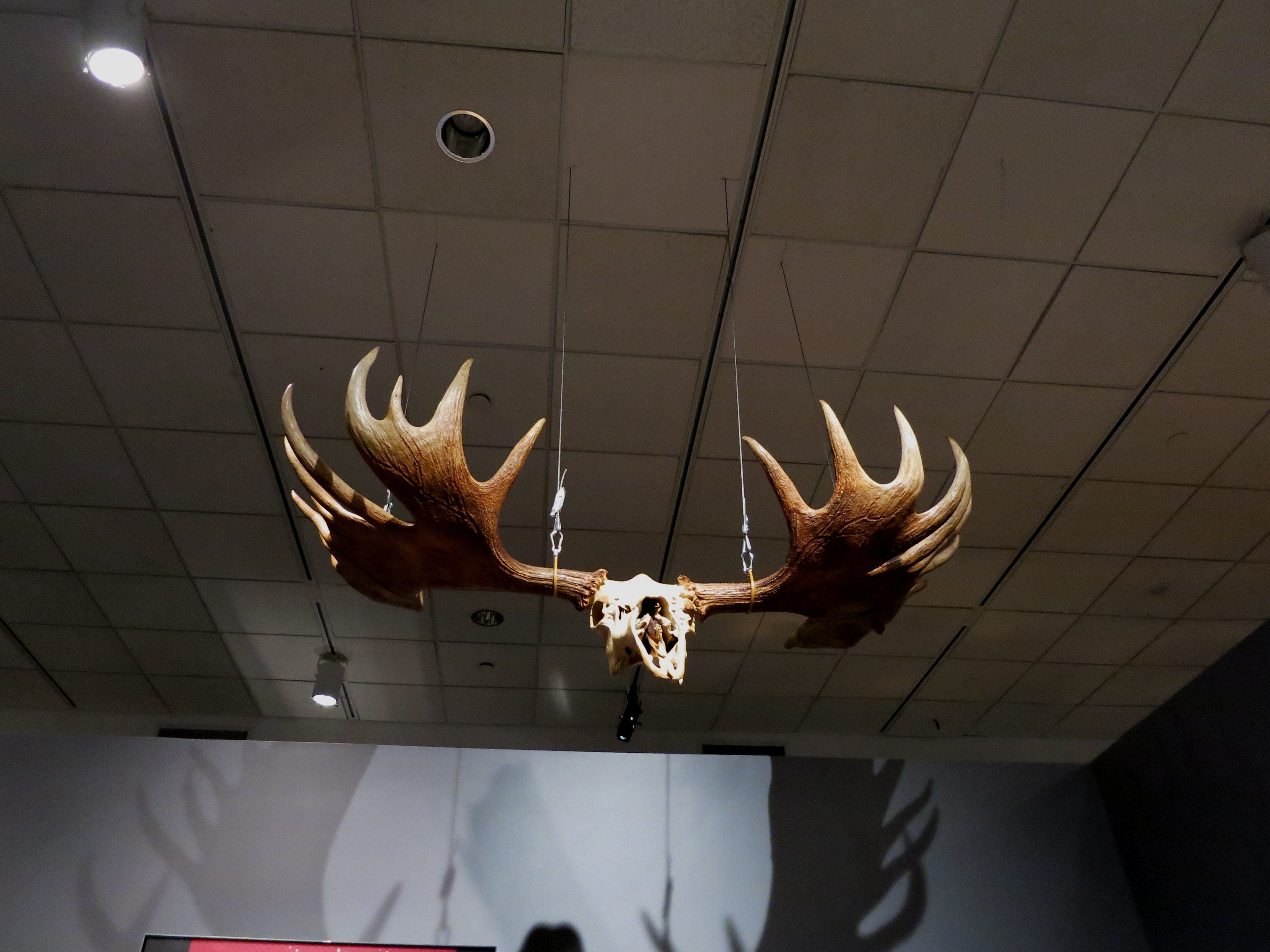
Best Antlers Goes to our pals the modern day moose!
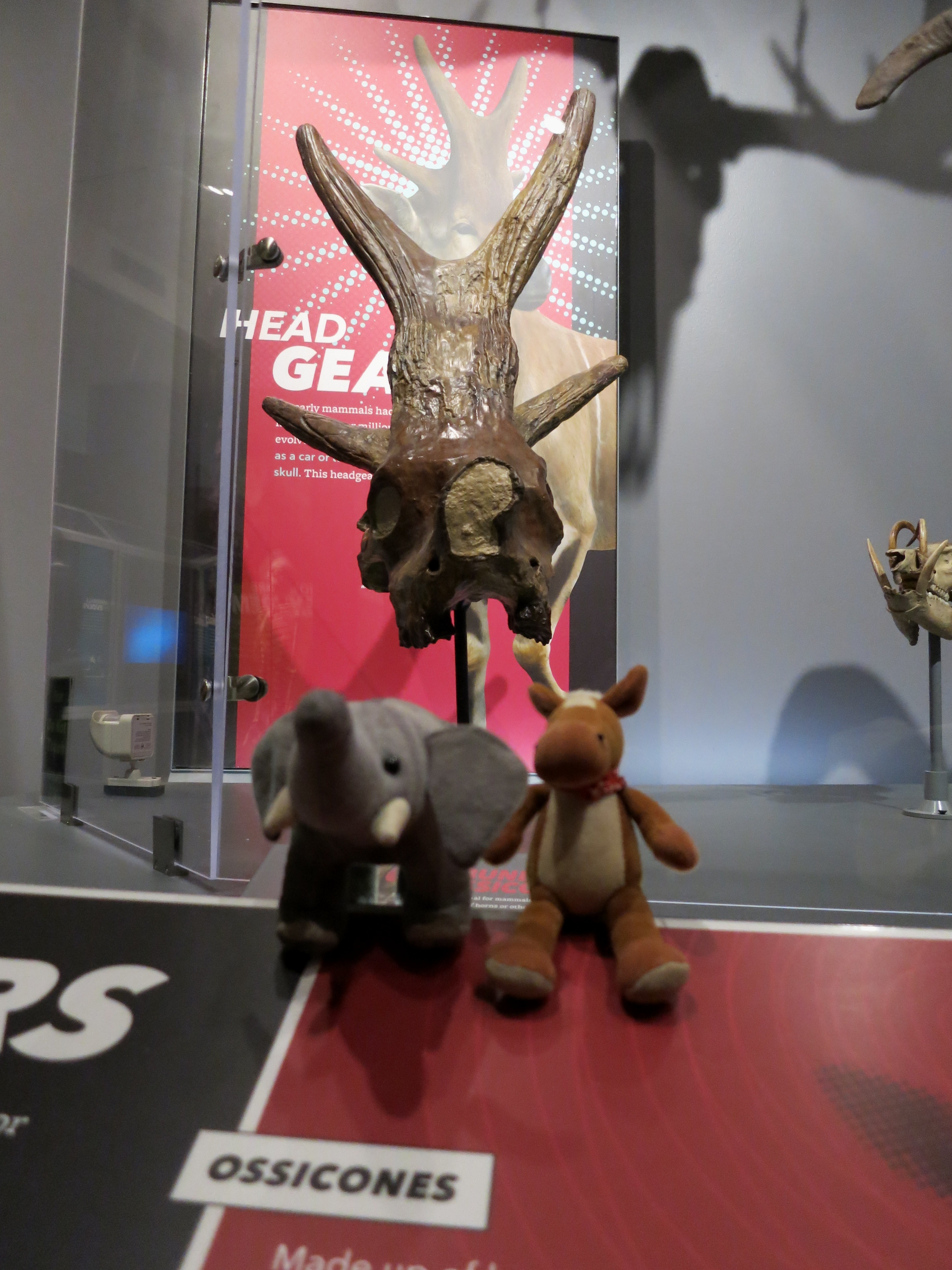
Best Ossicones goes to this guy- he had 5!
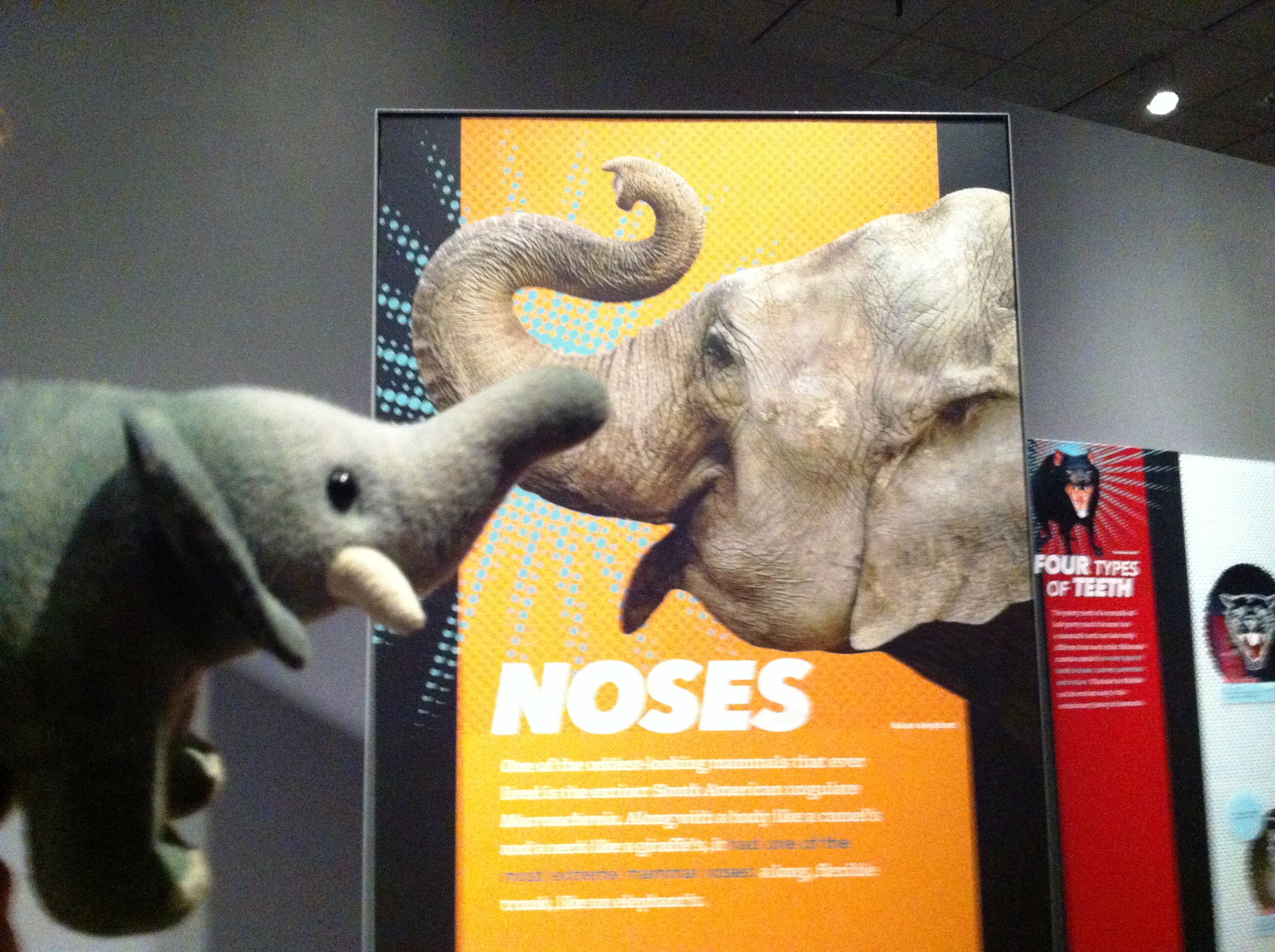
Best Nose goes to Elephants!
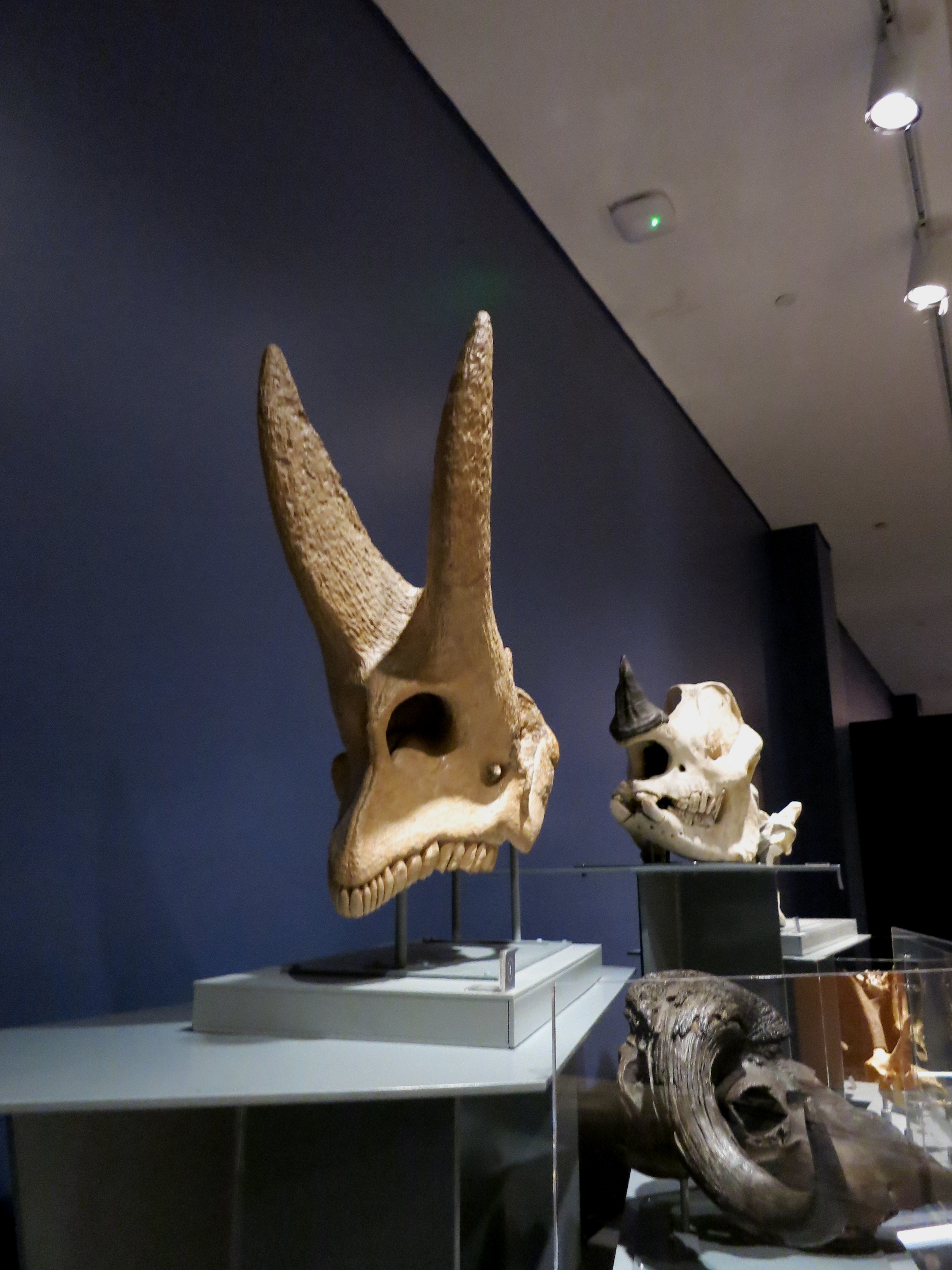
Sharpest!
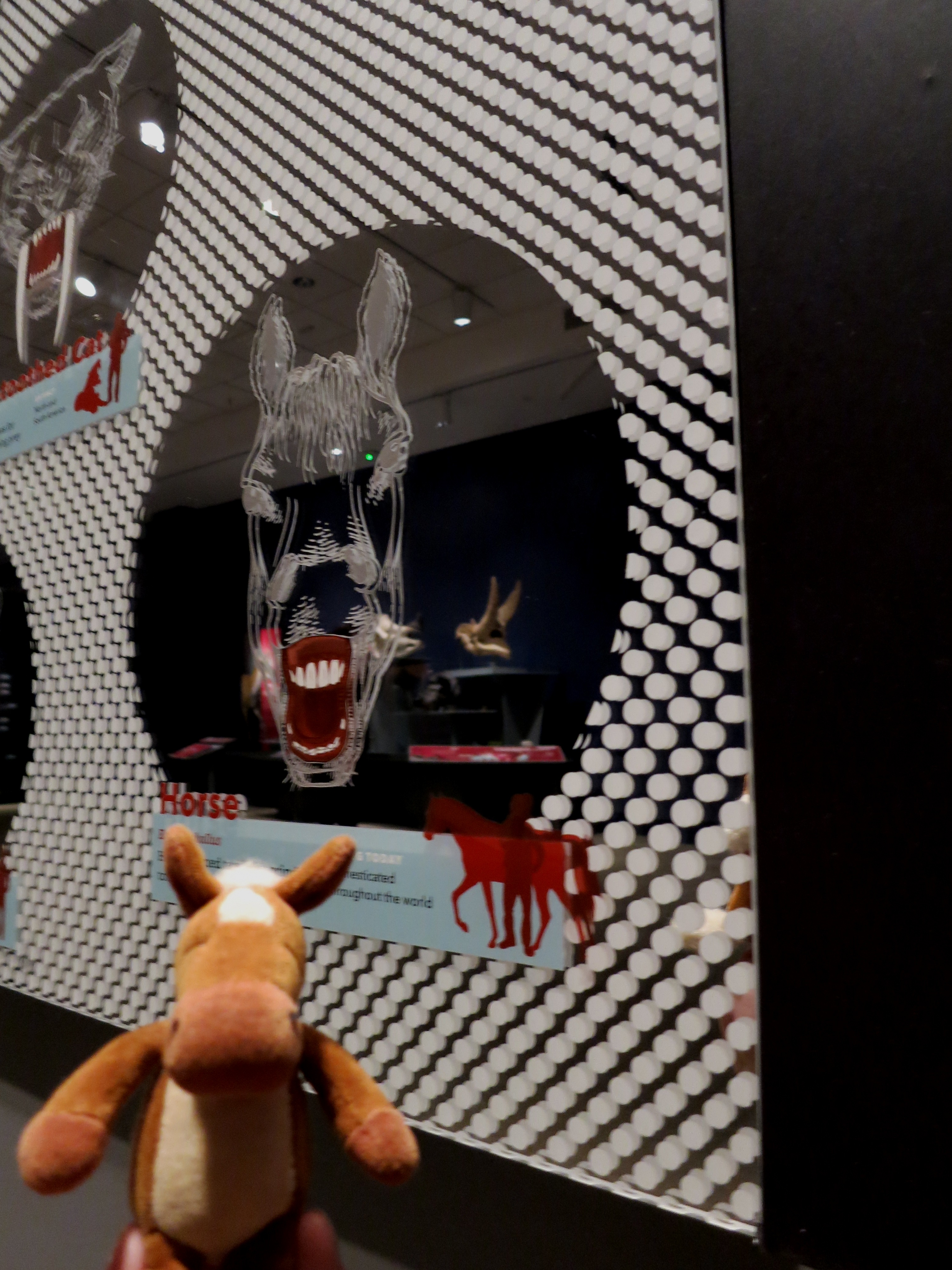
Best smile!
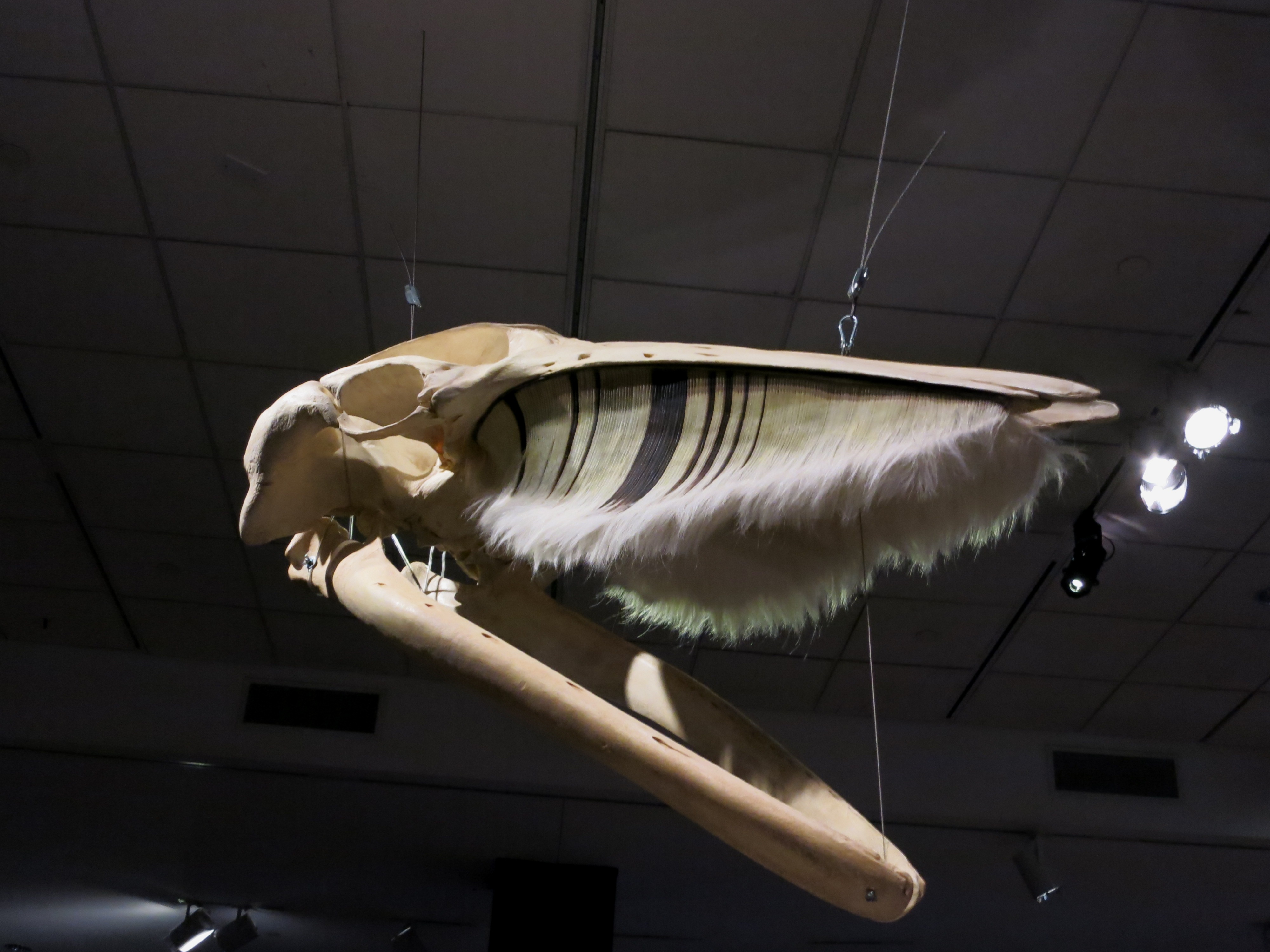
Most Broom Like Teeth goes to our Baleen Whale Friends!
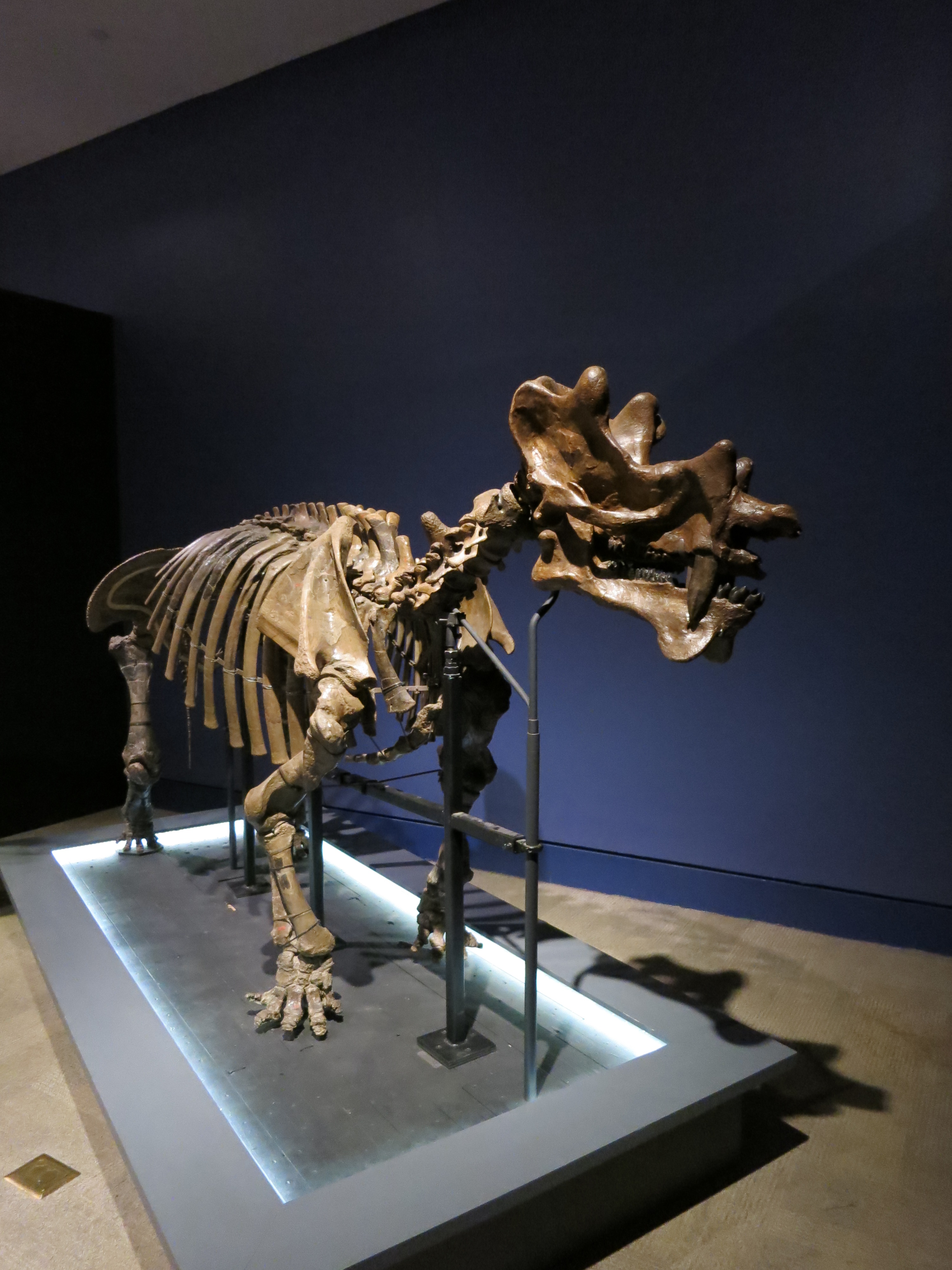
Least likely to find a hat that fits!
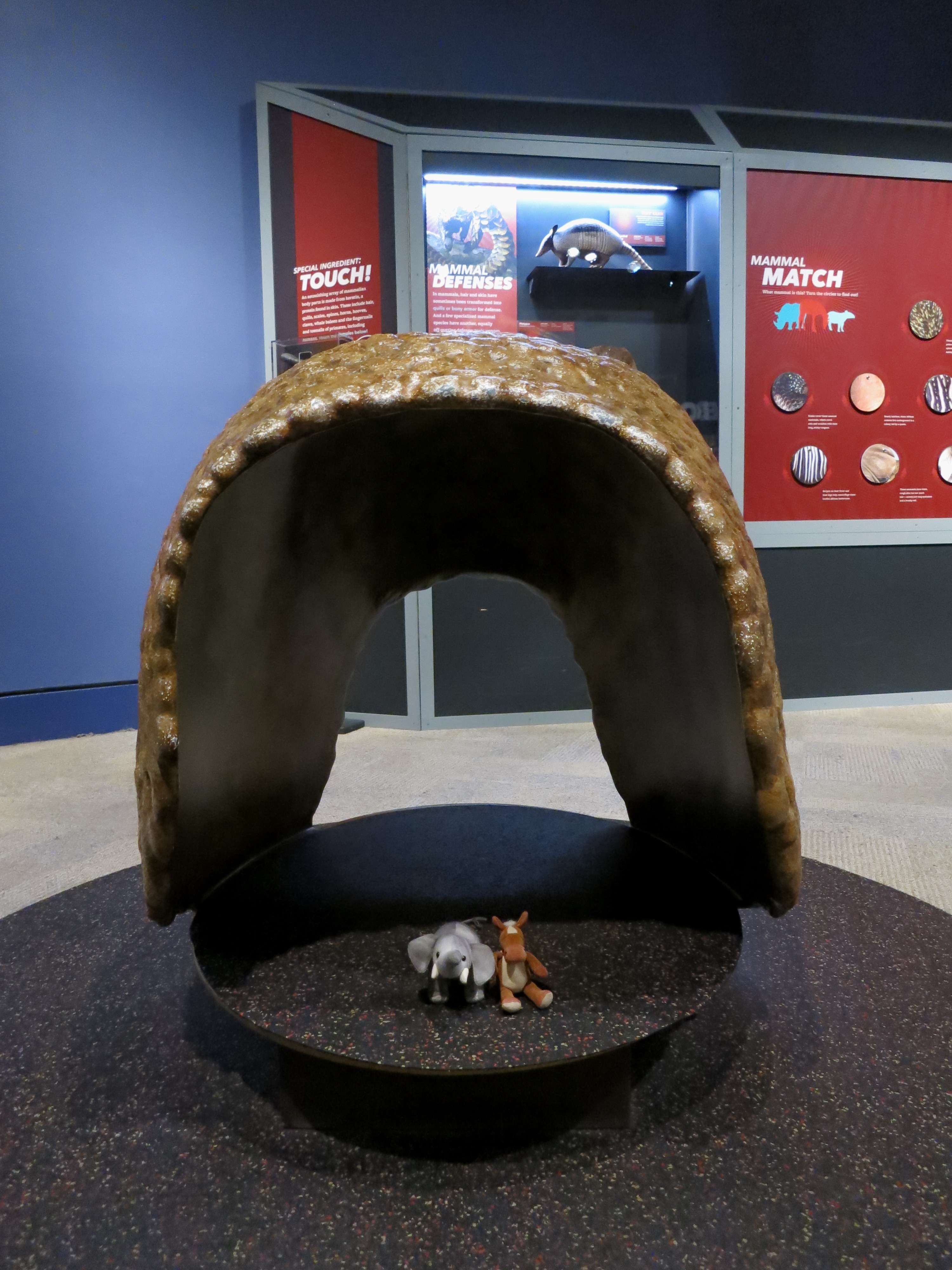
Best Armor goes to the mammal who wore this- the Glyptodont!
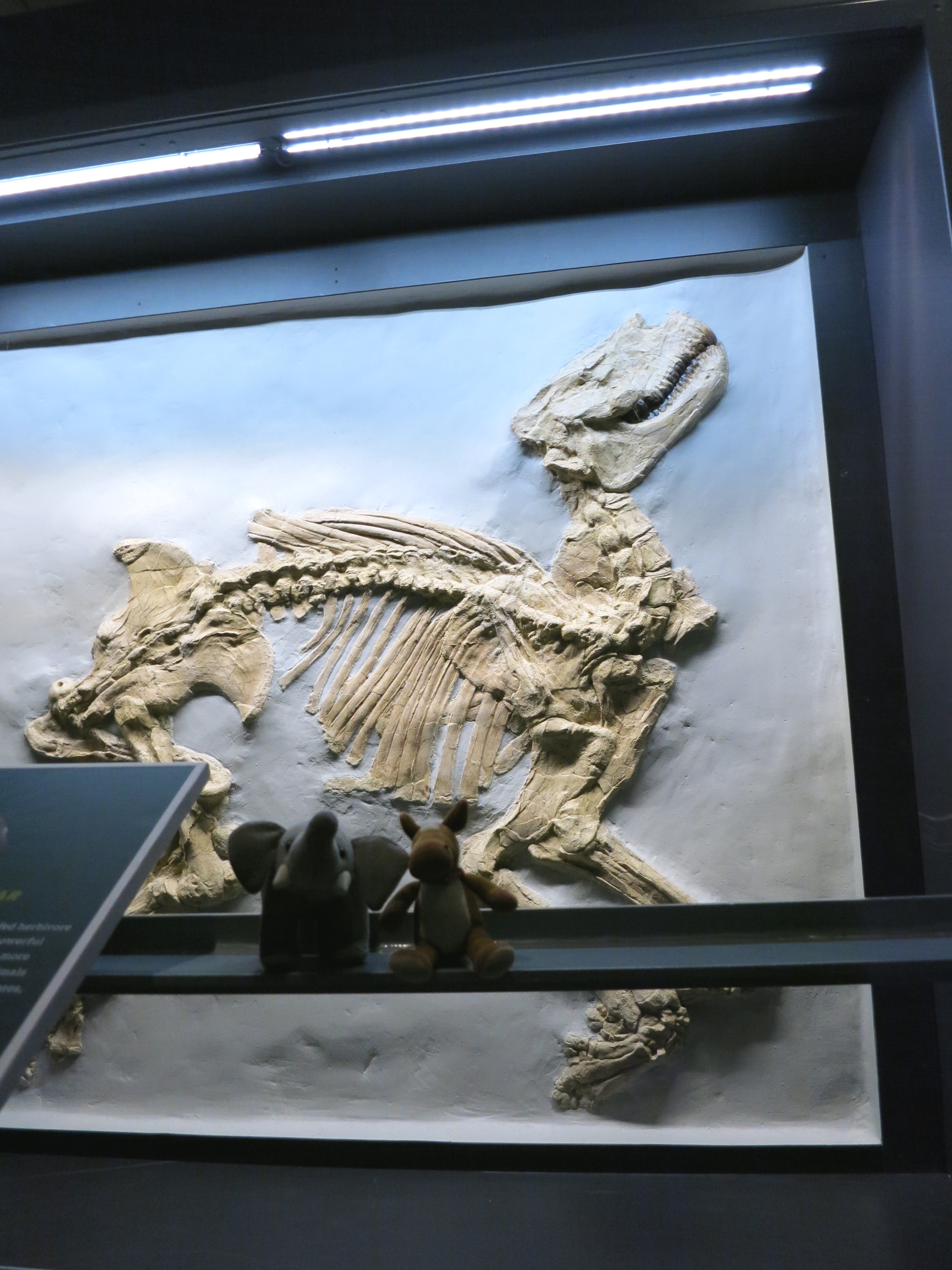
Most Likely to Make a Paleontologist’s Day!
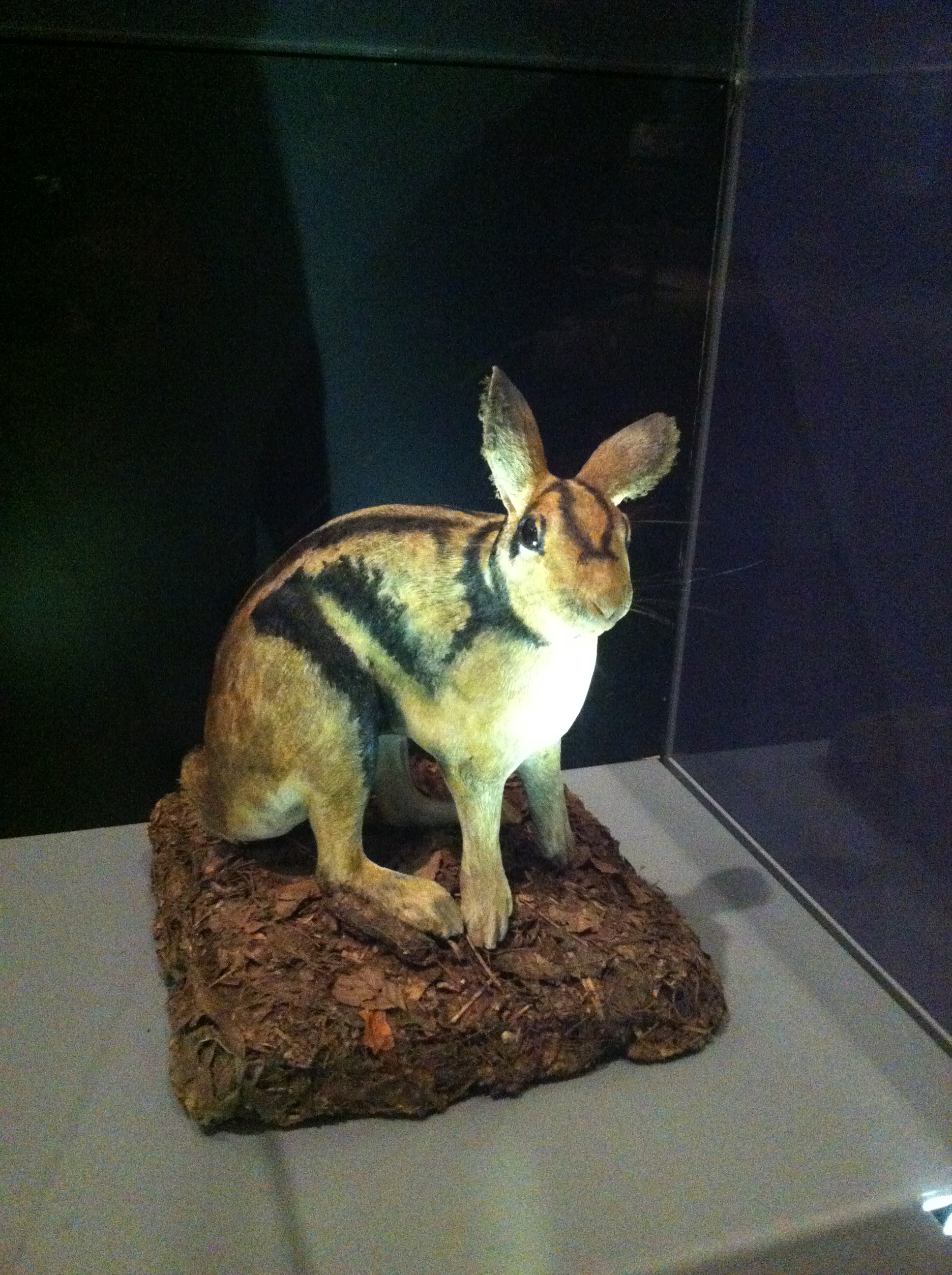
Best Newcomer- The Striped Rabbit who was discovered in 1999!
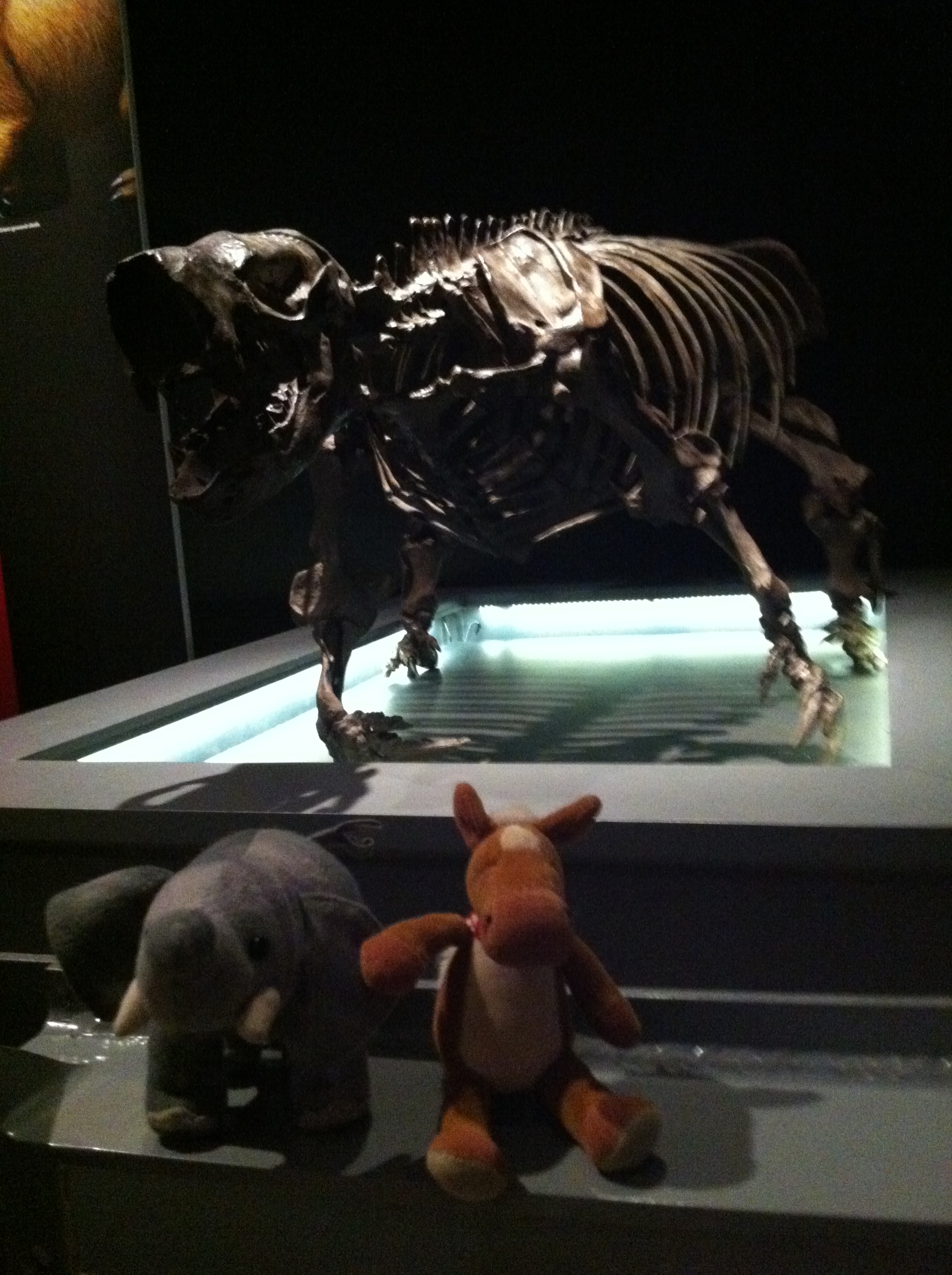
Most Likely to Move Like Molasses- The Giant Ground Sloth!
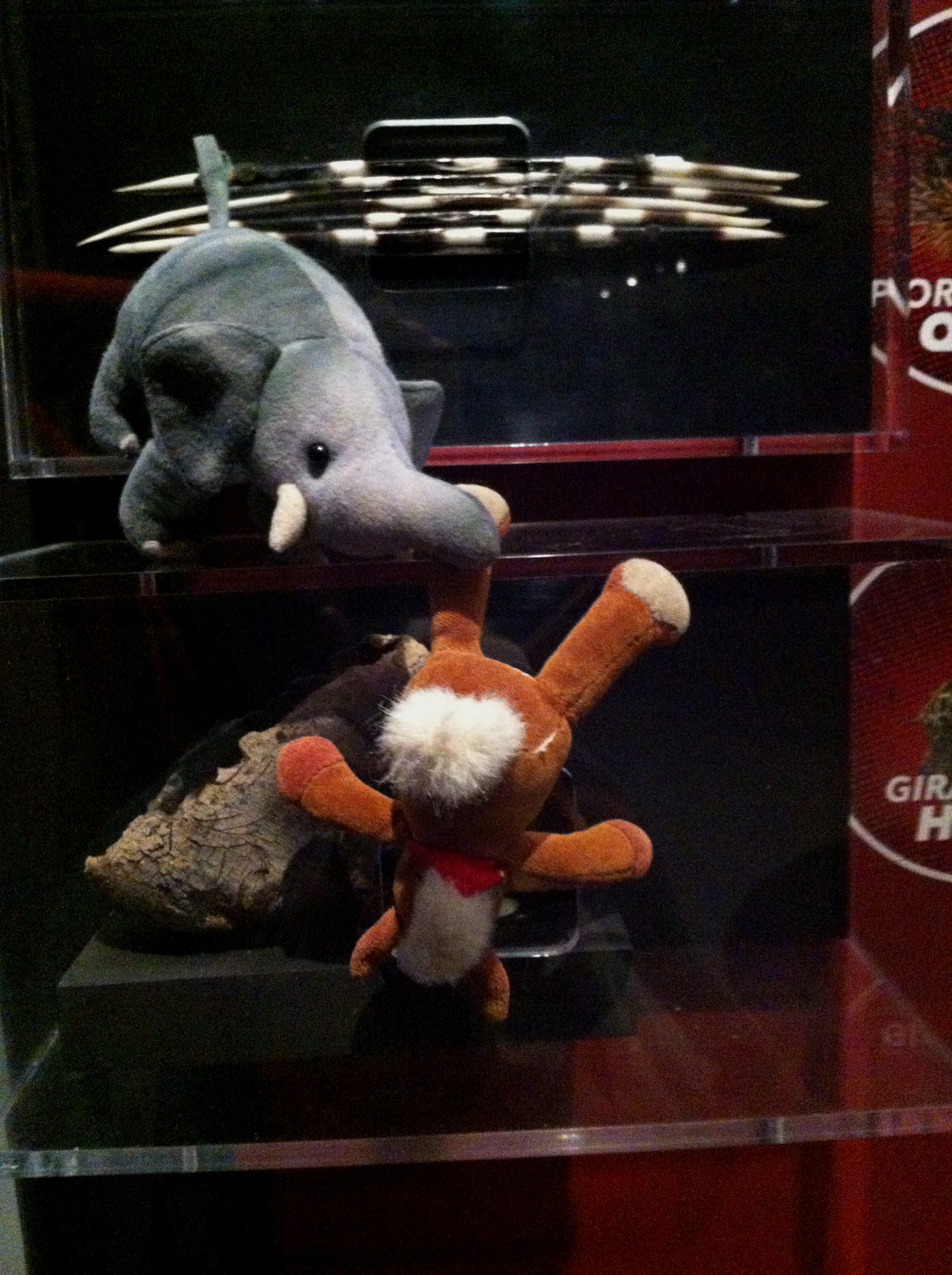
Class Clown- Edmond for his acrobatics trying to touch a giraffe hoof!
We had such a blast exploring and learning about mammals through time! These stand out stars are just the tip of the iceberg (we didn’t want to give away the whole exhibit)!
Make sure you take your bipedal mammal self over to catch EXTREME MAMMALS at Fernbank and learn all about mammals of the past and present! And who knows you might decide if you humans are extreme mammals too :)!
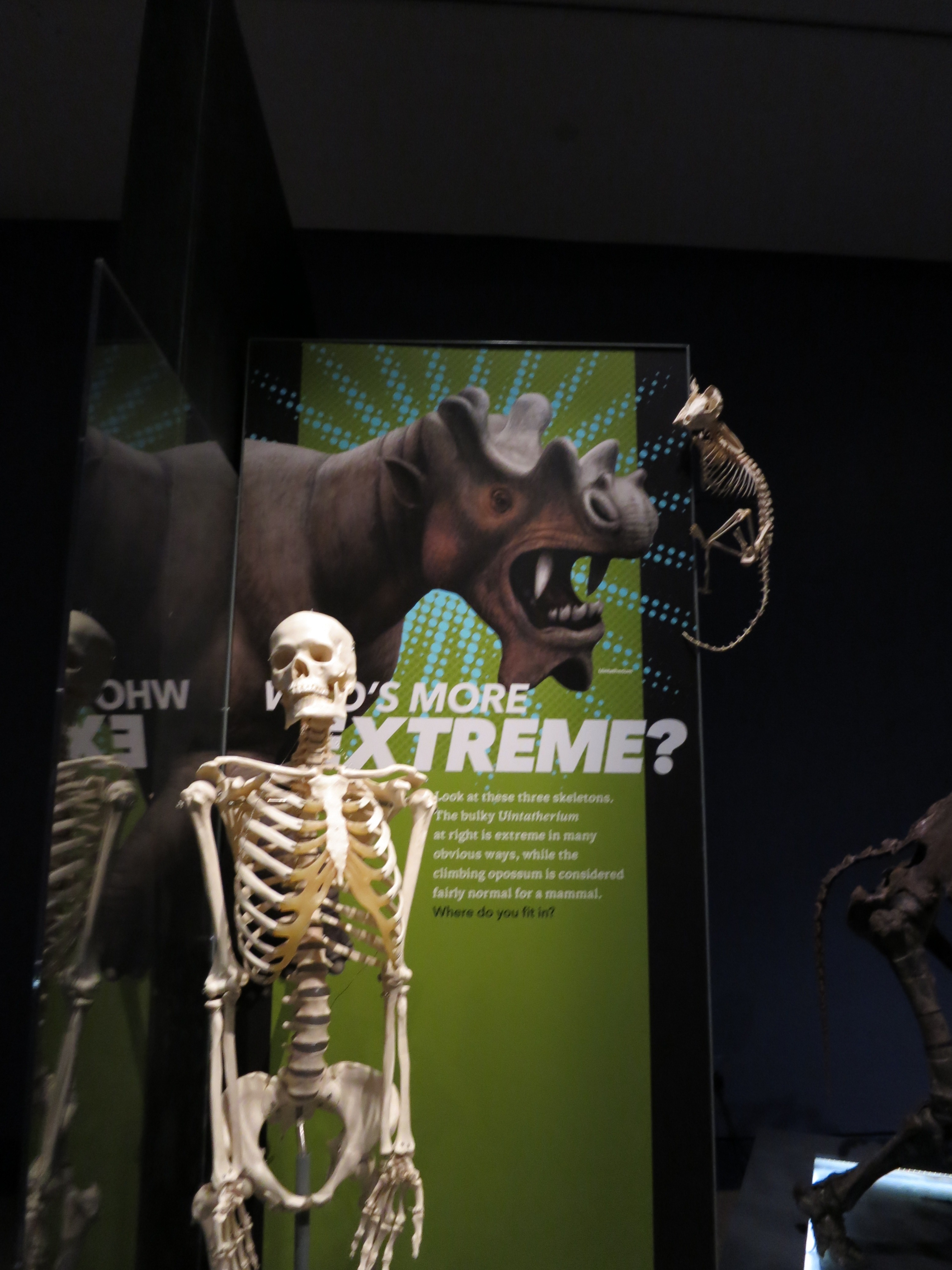
Are you an extreme mammal?
For more information on times and tickets check out Fernbank’s website!
We’re going to leave you with a few more fun photos!
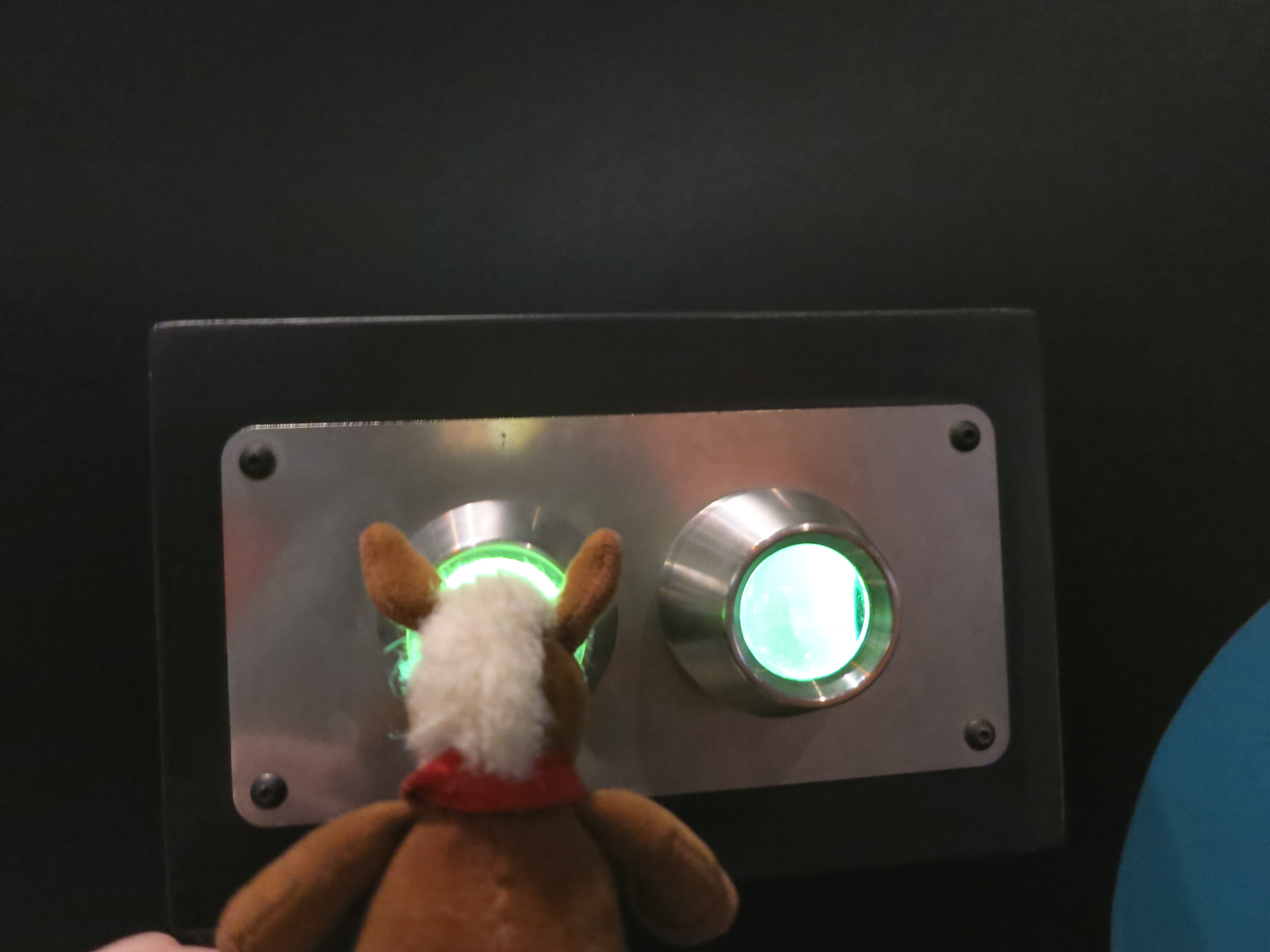
Edmond checking out what’s behind the glasses!
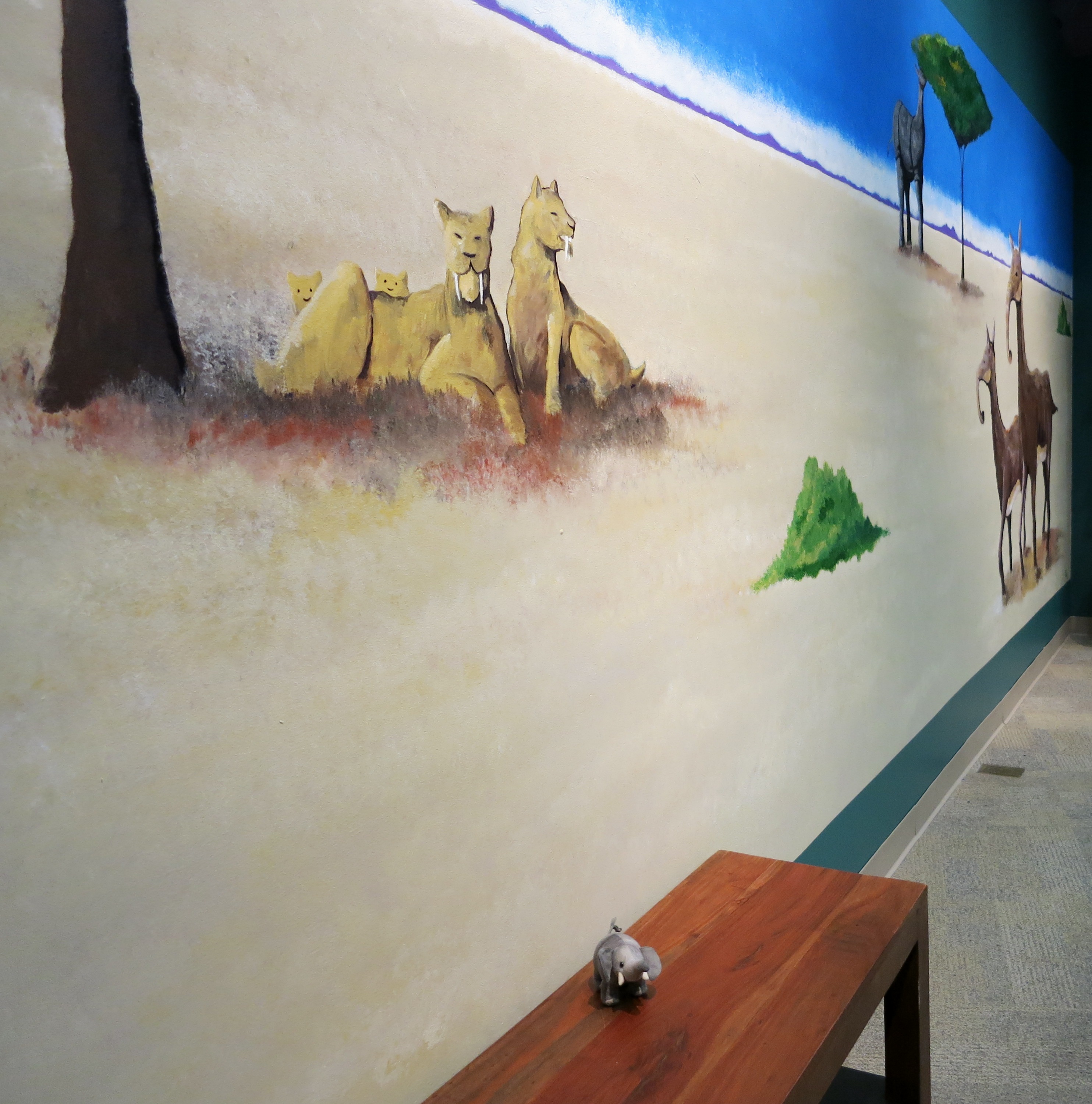
Ellie in an ancient Savannah!
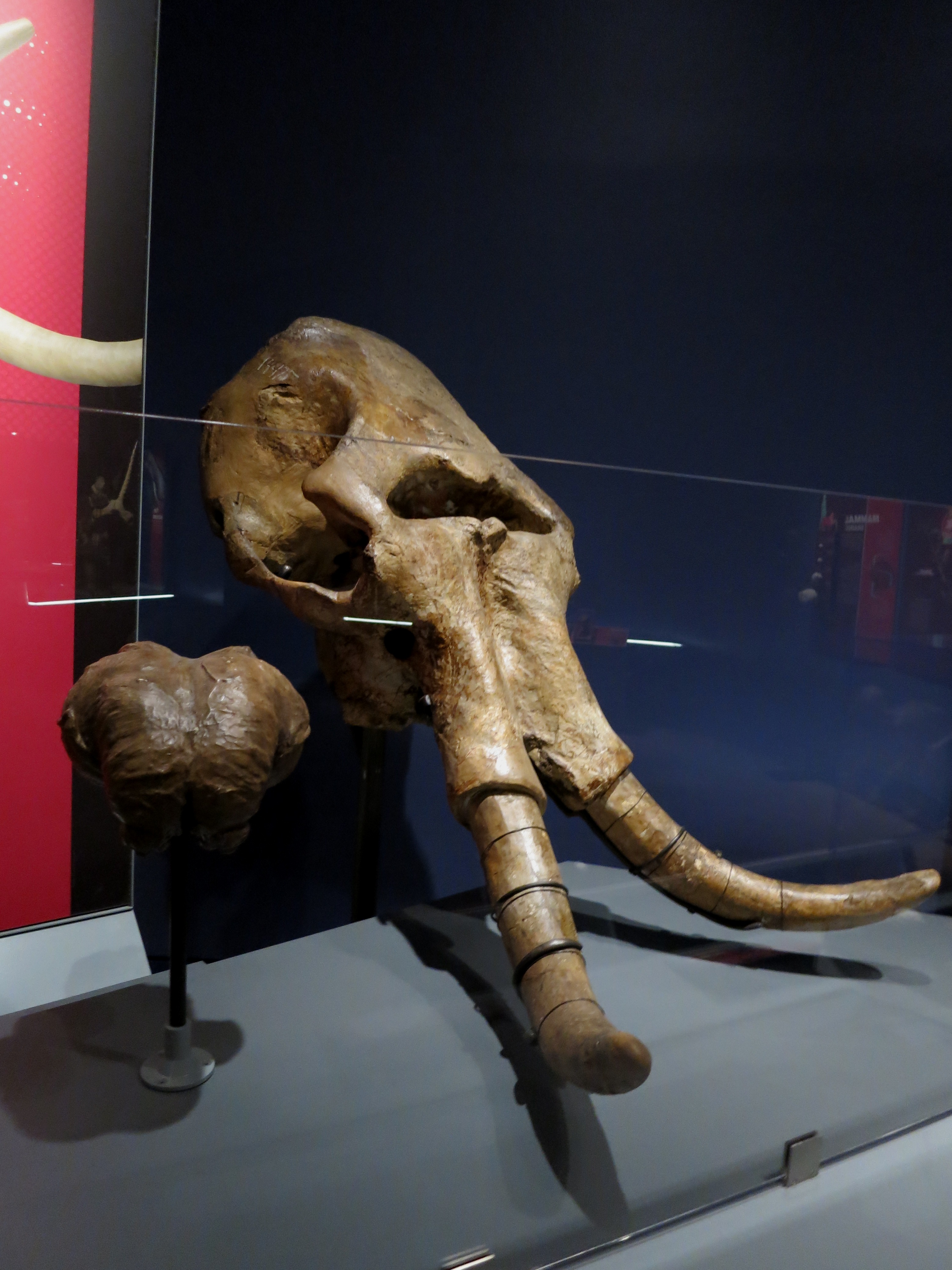
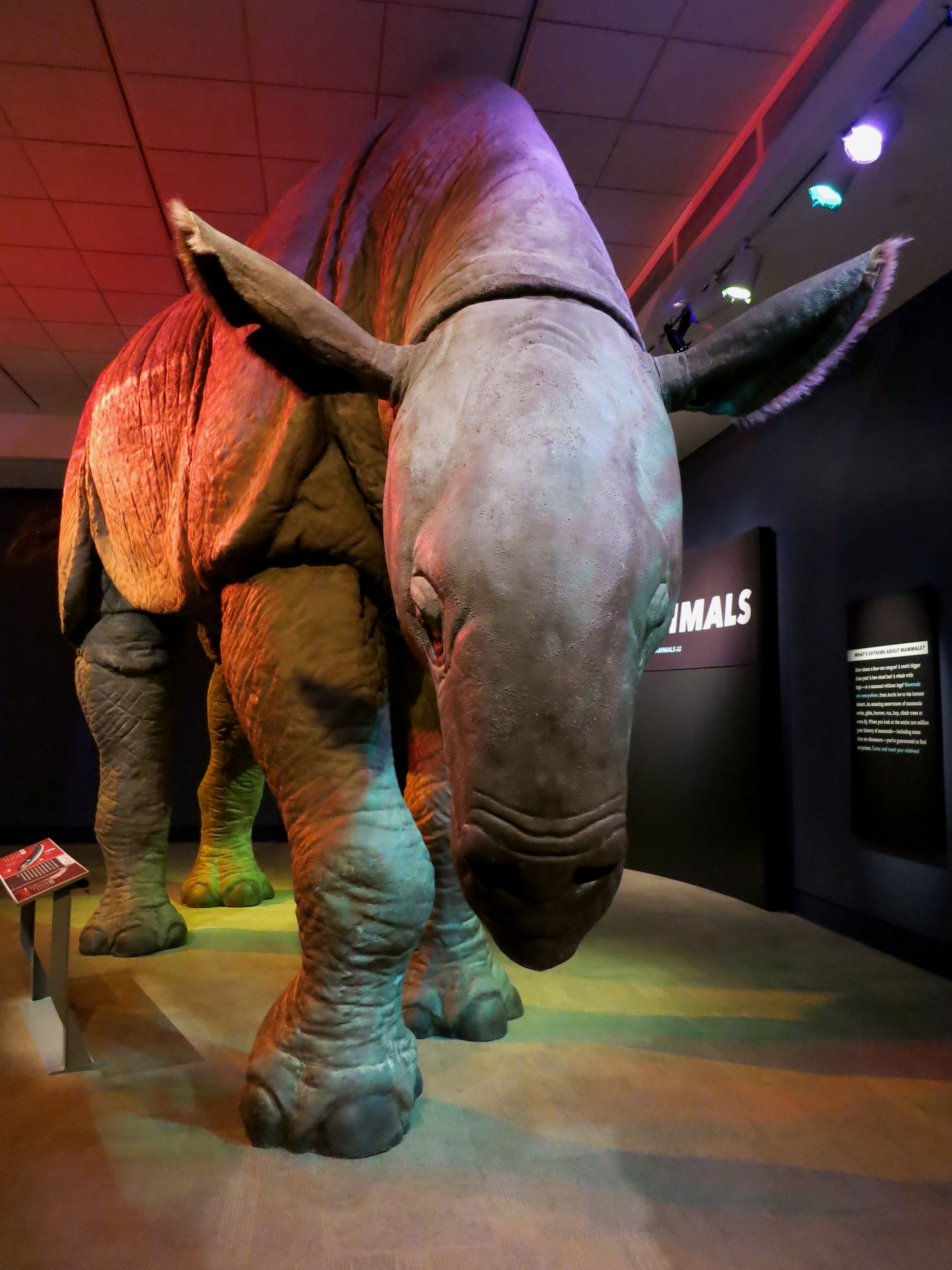
Mammoths had big heads and big brains!
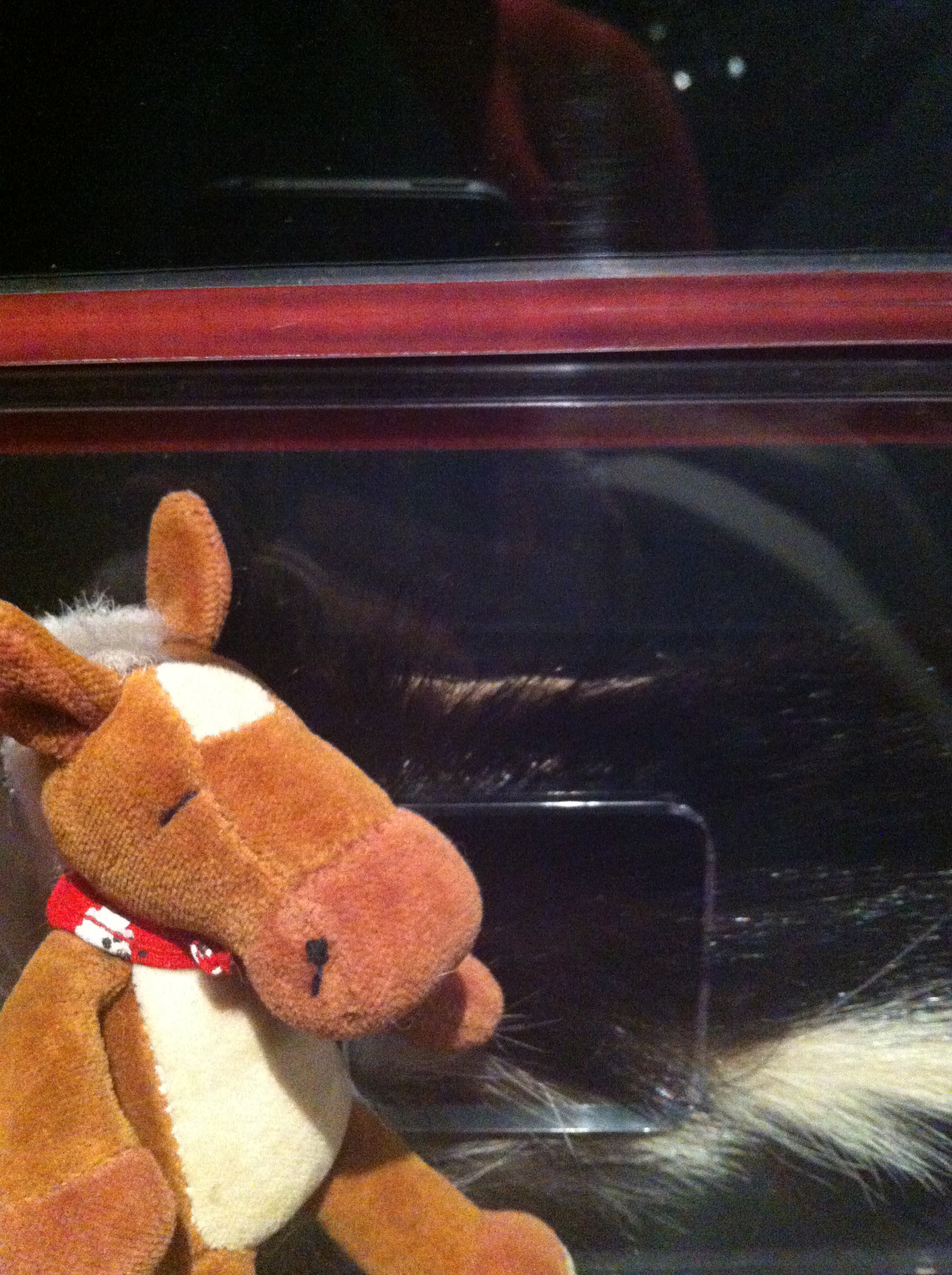
Edmond touching skunk fur!
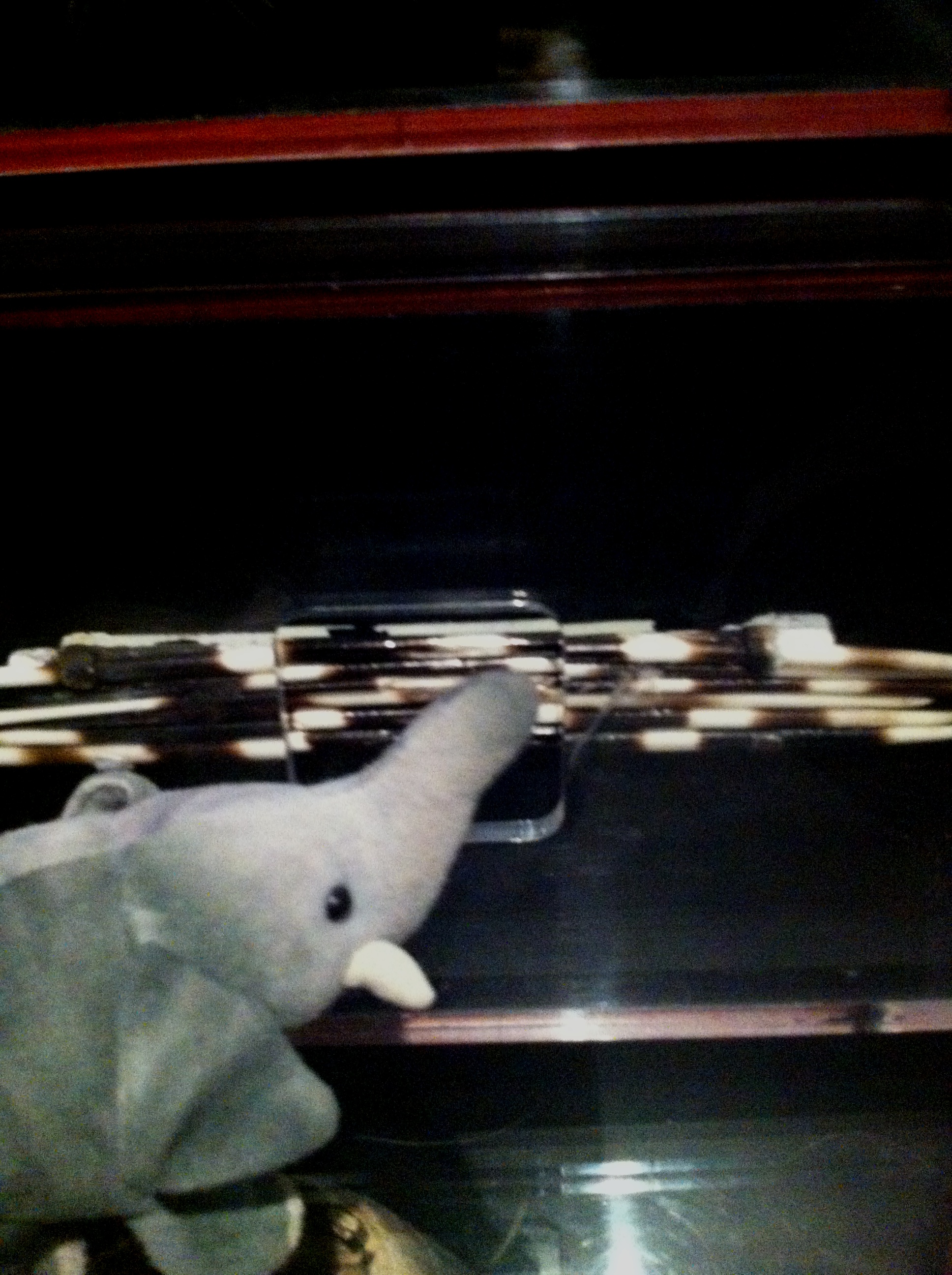
Ellie touching porcupine quills! Watch our for the ends!
SUPER SURPRISE THURSDAY # 61
Read the clues, Guess the Animal and Share your Answer!
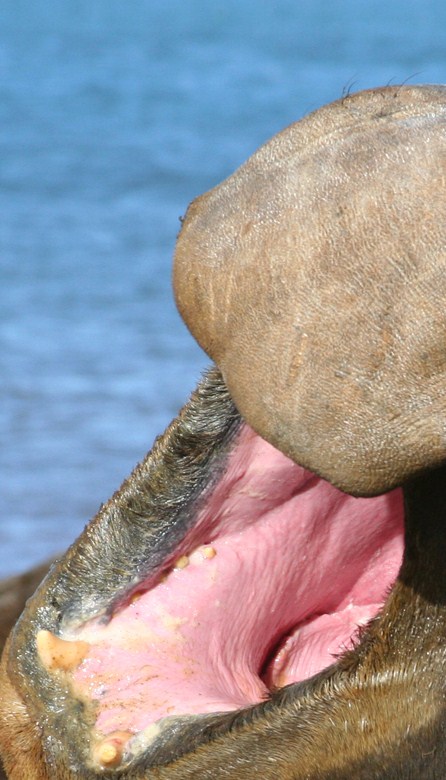
Who Am I?


 The Adventures of Ellie and Edmond