oceans

HABITAT WEEK- DAY #4

HABITAT WEEK DAY #4

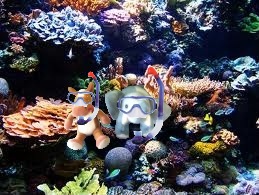
It’s Day 4 of our Habitat Week and we’re grabbing our snorkel gear and going for a dip to find the most diverse habitat in the ocean. We’re going to visit a coral reef. Grab your wetsuit and let’s head out to check out this amazing habitat!
e & e snorkeling

Coral Reef Fun Facts:

  •         Coral reefs are made up of colonies of tiny animals called coral.
  •         Corals are soft bodied polyps that are related to jellies. They have a limestone skeleton.
  •         There are two kinds of coral- soft and hard.
  •         There are three kinds of coral reefs- atolls, barrier reefs and fringing reefs.
  •         The largest coral reefs are in the Indo-Pacific oceans.
  •         Coral reefs are located in tropical waters. The coral need water that is above 64 degrees.
  •         Corals also need light to survive. They share their skeletons with algae called zooxanthellea.
  •         Coral reefs contain one third of the world’s fish species.
  •        Reefs are like rainforest, because of their diversity.


Animals of the Coral Reef:

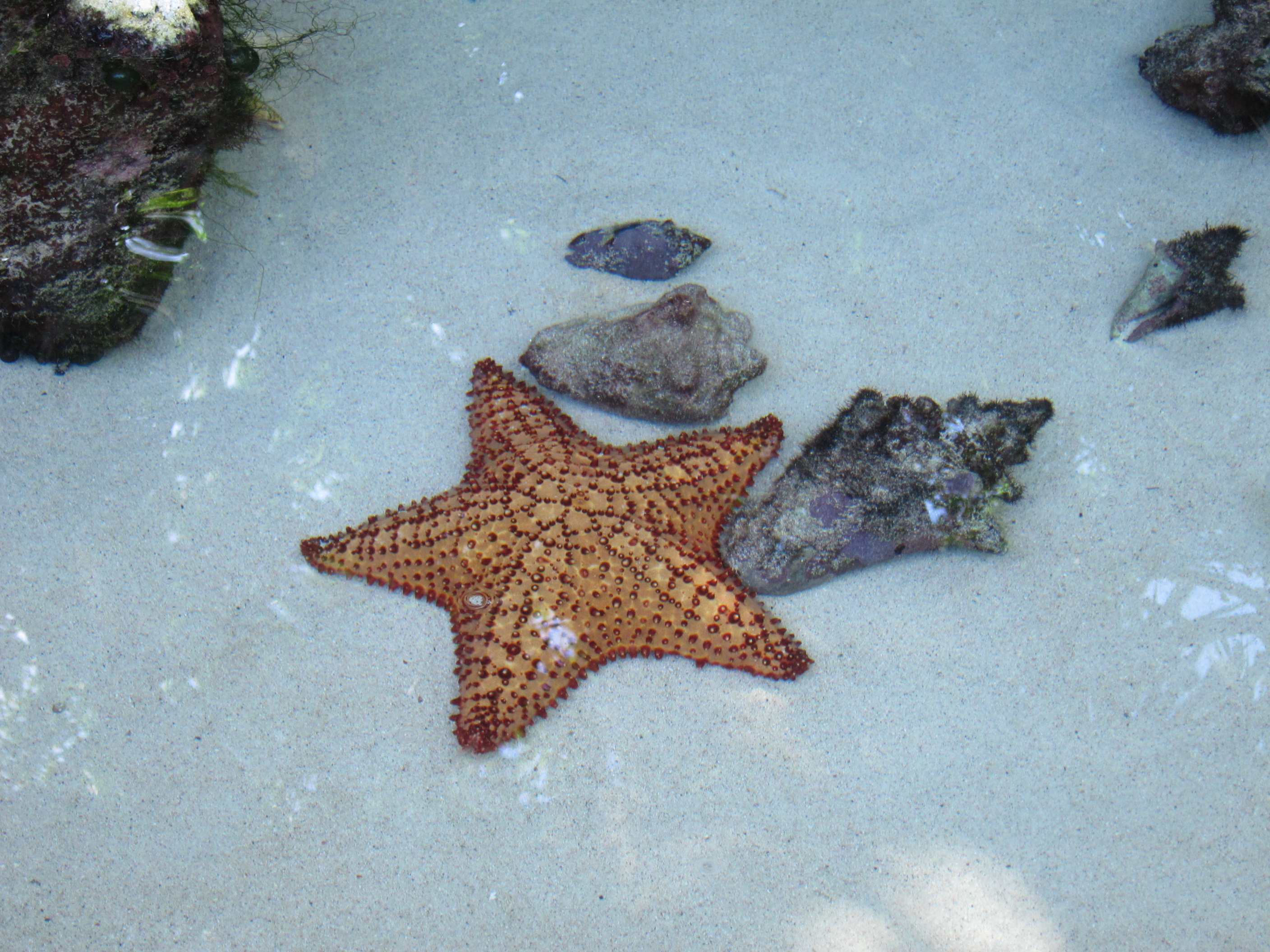
  •         Sea Stars
  •         Sea Turtles
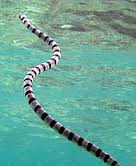
  •         Sea Snakes
  •         Sponges
  •         Anemones
  •         Yellow Tangs
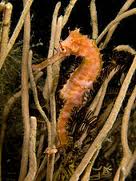
  •         Sea Horses
  •         Stingrays
  •         Coral
  •         Parrot Fish
  •         Clownfish

coral   clownfish

sea horse

yellow tang   anemone

parrot fish

sea snake   sea turtle

seastars

We could spend hours and hours swimming in the reef. There is so much to see! The fish alone are often too many to count. Coral reefs are full of symbiotic relationships (where two organisms depend on each other).  These relationships help the animals survive in these beautiful and amazing habitats. 
 

Categories: adventure, Animals, Children, conservation, education, Environment, nature, oceans, science, wildlife | Tags: , , , , , , , , , | Leave a comment

WORLD OCEANS DAY!

WORLD OCEANS DAY!!

???????????????????????????????

We’re celebrating the oceans on this special day! Did you know that around 75% of the world’s surface is covered by oceans and yet we’ve explored so very little of it. Every year scientists are discovering new species. The oceans are full of fascinating, creepy and down right mind blowing creatures. There are mammals, reptiles, fish, crustaceans, invertebrates and things we don’t know even how to classify!

There are all kinds of habitats in the oceans! Coral reefs are like rainforests and the vast open ocean is like a desert. There are also icy habitats and deep dark habitats with no light! These wonderful habitats need to be protected and we can all do our part! We’re going to share some photos and some great ways that we can all keep trash out of the ocean!

120   080

???????????????????????????????

  • Recycling aluminum take 5% of the energy used to make things with new aluminum.
  • It takes up to 1,000 years for a plastic bag to break down.
  • Sea turtles mistake trash for food.

041  073

091

  • If everyone would recycle 1/10th of the newspaper bought, it would save 25 million trees.
  • Five recycled plastic bottles can make enough fiberfill to stuff a ski jacket.
  • There are 46,000 pieces of plastic per square mile of ocean.
  • Approximately 380 billion plastic bags are used in the U.S. alone each year!

081

So what can we do to help our ocean friends?

  • Recycle everything you can, especially those plastics. Plastics labeled 1-6 can be recycled.
  • Give unwanted clothes, books and other things to charity.
  • Make sure you pick up your trash when at the beach.
  • Say no thank you to plastic bags and bring your own reusable ones!
e e usable bag

We packed our bag!

For more information on how you can protect our precious oceans check out the Ocean Conservancy’s website.

Categories: adventure, Animals, Children, conservation, education, Environment, nature, oceans, science, wildlife | Tags: , , , , , , , , , , | 2 Comments

WATERY WEDNESDAY # 71

WATERY WEDNESDAY # 71

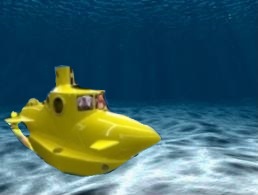
 We’re taking the E & E sub down to the ocean’s floor to find a member of the shark family! These beauties rest on the bottom during the day and look for food at night! We have plenty of room in the sub for everyone! Let’s do this…

e e deep sea

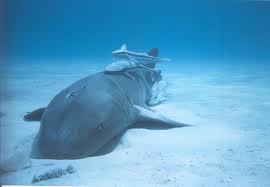
MEET THE NURSE SHARK!

nurse shark   Range/Habitat: East Pacific-Atlantic/ reefs, coastlines

   Diet: Carnivore: invertebrates, crustaceans

   Length/Weight:  9-14 ft/ over 300 lbs

   Conservation Status: common


Fun Facts:

  •          Nurse sharks have barbells on the bottom of their mouth to find food.
  •          They suck prey of the ocean floor.
  •          Nurse sharks are nocturnal.
  •          Nurse sharks rest on the bottom in caves and crevices during the day. They often rest in groups.
  •          They pump water through their mouth and over their gills when they rest.

Nurse sharks are really cool. Not all sharks have the ability to rest like these guys do; most have to swim to keep the water passing over their gills. Too bad we can’t have a nurse shark in our bathtub here at headquarters.

nurse shark2   nurse shark3


Categories: adventure, Animals, Children, conservation, education, Environment, fish, nature, oceans, science, sharks, wildlife | Tags: , , , , , , , , , , , , | Leave a comment

WATERY WEDNESDAY # 70

WATERY WEDNESDAY # 70

 We’re taking the E & E sub out today to meet one cool and amazing fish! These fish can fly, but beware of that mouth full of teeth! We’re starting the engines and getting ready to dive down and head out on today’s adventure!

e e deep sea

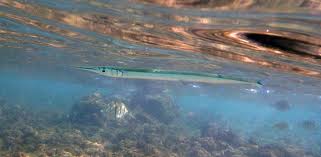
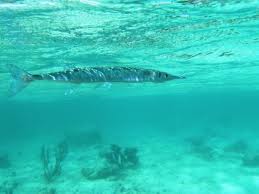
MEET THE GIANT NEEDLEFISH!

needlefish2   Range/Habitat: Tropical-temperate oceans worldwide

   Diet: Carnivore: fish, squid

   Length/Weight:  3-5ft/ up to 7 lbs

   Conservation Status: common


Fun Facts:

  •          Giant needlefish are the largest species member of the needle fish family.
  •          They have long slender bodies.
  •          Giant needlefish have a mouth full of sharp teeth.
  •          Giant needlefish can leap out of water.

Needlefish are crazy looking with their long snouts and large pointy teeth. They can harm people when they leap out of the water to escape predators and land in boats. So watch for flying fish!

needlefish


Categories: adventure, Animals, Children, conservation, education, Environment, fish, nature, oceans, science, wildlife | Tags: , , , , , , , , , , | Leave a comment

WORLD PENGUIN DAY!!

WORLD PENGUIN DAY!!!

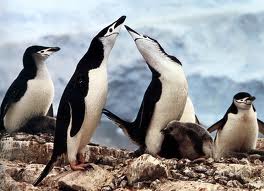
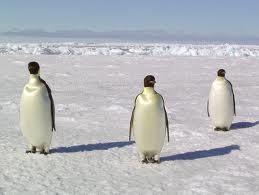
We’re celebrating World Penguin Day with some fun facts and picture about the fabulous flightless birds! We’re wearing our orange tufts to look like Macaroni Penguins, our favorites!

e e macaroni hair

  • There are 18 species of penguins in the world.
  • All penguins live in the Southern Hemisphere.
  • Only 8 species of penguins actually live in cold climates.
penguin8   penguin7


  • The Emperor Penguin is the largest species.
  • The Fairy Penguin is the smallest species.
  • Penguins live in colonies.
  • Penguins are marine birds. They spend 75% of their life at sea.

penguin6    penguin2


  • Penguins have up to 70 feathers per square inch.
  • Penguins have excellent hearing.
  • Emperor Penguins can stay under water for up to 15 minutes.

penguin3   penguin4


  • Fossilized penguins have been found that are 58 million years old.
  • Penguins do not have teeth. They have barbs on their tongue and throat.
  • Penguin wings are called flippers.

penguin5   penguin1


Tell us why you love penguins!!

Categories: adventure, Animals, birds, Children, conservation, nature, oceans, penguins, science, wildlife | Tags: , , , , , , , , , , , | 4 Comments

WATERY WEDNESDAY # 67

WATERY WEDNESDAY # 67

 We’re taking the E &E boat to New Zealand today to meet a fast and fabulous mammal on the Watery Wednesday! So practice your bad accent and let’s get moving on today’s adventure!  

e e coast

MEET THE HECTOR’S DOLPHIN!

hector's dolphin   Range/Habitat: New Zealand/ ocean

   Diet: Carnivore: fish, squid

   Length/Weight: 4-5 ft/ up to 125 lbs

   Conservation Status: endangered


Fun Facts:

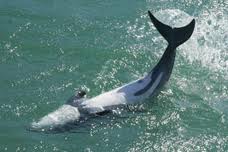
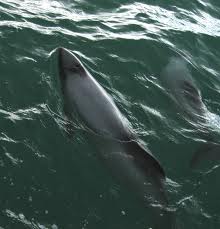
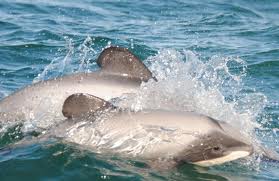
  •          Hector’s Dolphins are one of the smallest dolphins on earth.
  •          They live in small schools.
  •          Hector’s dolphins are grey with black fins, tails and flippers.
  •          Hector’s dolphins are very social.
  •          They have short beaks.
  •          Hector’s dolphins are the only dolphin native to New Zealand.


Hector’s dolphins are gorgeous! The look like small orcas to us! What do you think?

hector's dolphin3   hector's dolphin2

Categories: adventure, Animals, Children, conservation, education, Environment, mammals, nature, oceans, science, wildlife | Tags: , , , , , , , , , , | Leave a comment

SUPER SURPRISE THURSDAY #66

SUPER SURPRISE THURSDAY #66

Check out the picture, read the clues and give it a guess on what animal it is!

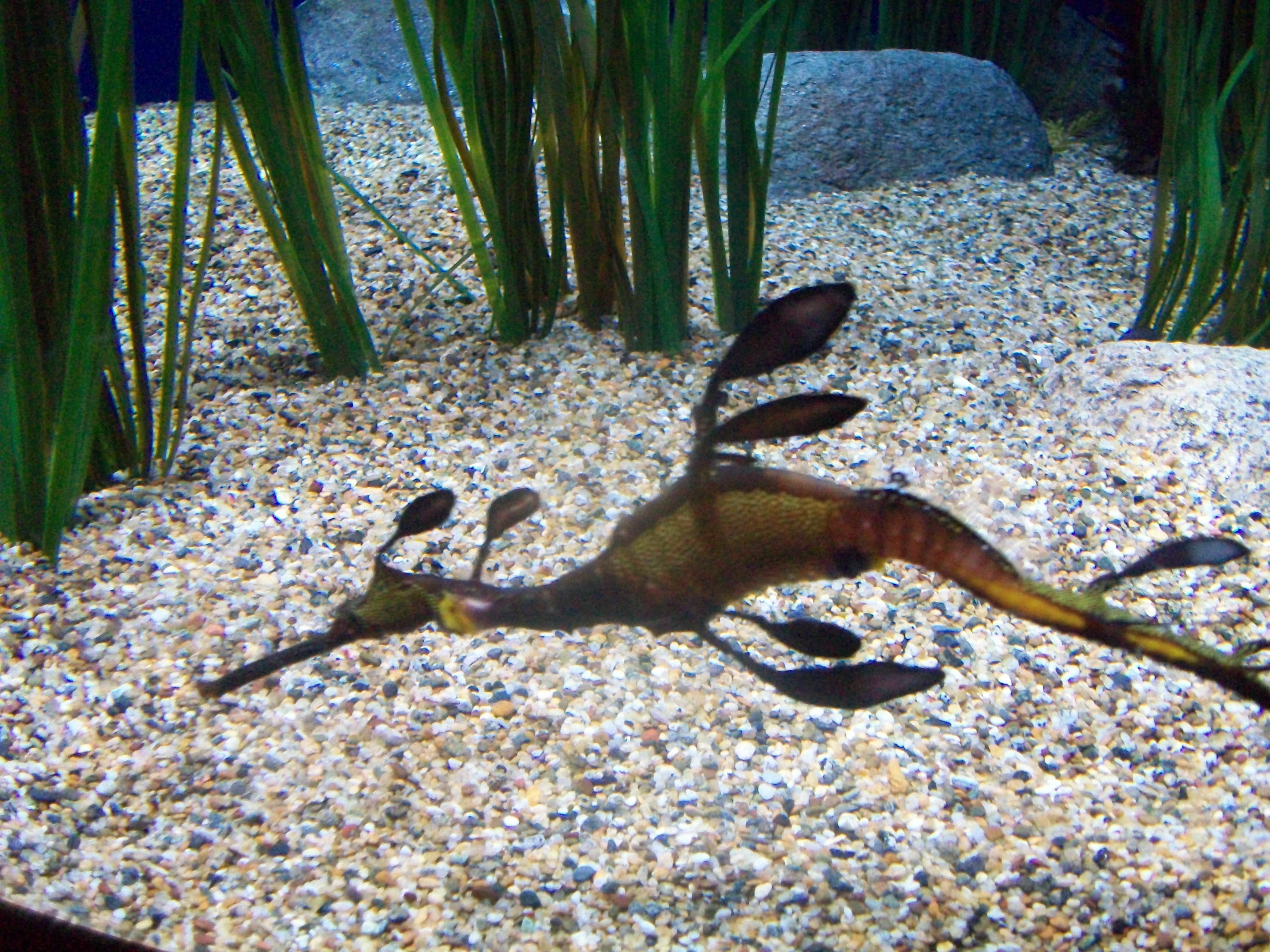
weedy sea dragon-g

  • I live in the ocean.
  • I can only be found in the waters off Australia.
  • I can not breathe fire.

WHO AM I?

Categories: adventure, Animals, Children, conservation, dragons, education, Environment, oceans, science, wildlife | Tags: , , , , , , , , , | 2 Comments

WATERY WEDNESDAY # 66

WATERY WEDNESDAY # 66

 We’re going to the coasts of Southern California to meet a small fish with a big reputation! Grab your beach towel and let’s head off on today’s adventure!

e e beach

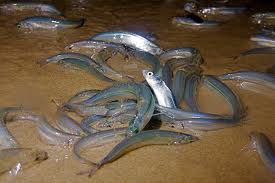
MEET THE CALIFORNIA GRUNION!

grunion   Range/Habitat: Eastern North Pacific/ oceans, coasts

   Diet: Carnivore: plankton

   Length/Weight: up to 7 ½”/ up to 3 5/8 oz

   Conservation Status: common


Fun Facts:

  • California grunions are members of the silverside family.
  • California grunions live close to the shore.
  • They swim in large schools.
  • California grunions strand themselves on beaches at night during mating season.
  • They have a blue-silver stripe down each side.

These little fish cause quiet the splash during their mating season! People come from all over to see this spectacular feat of nature! Would you make the trip to see them?

grunion2


Categories: adventure, Animals, Children, conservation, education, Environment, fish, nature, oceans, science, wildlife | Tags: , , , , , , , , , , | Leave a comment

FEATHERY FRIDAY # 65

FEATHERY FRIDAY #65

We’re going to Southwest Asia today to meet one nifty bird with one big beak! Grab your backpack and sunscreen and let’s head out on today’s adventure!

e e coast


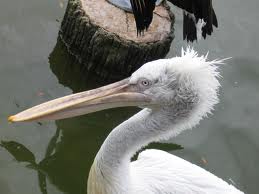
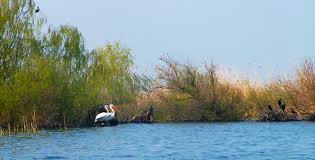
MEET THE DALMATIAN PELICAN!

dalmation pelican   Range/Habitat: Southeast Europe-South Asia/ coasts, wetlands, oceans

   Diet: Carnivore: fish

   Length/Weight: 5 ¼- 6ft/ 22 -29 lb

  Conservation Status: common


Fun Facts:

  • Dalmatian Pelicans are the largest pelican in Europe.
  • They have large broad wings.
  • Dalmatian pelicans eat about 2 ½ lbs of fish a day.
  • Dalmatian pelicans have large orange-red pouches.
  • They are known to hunt in groups. They force schools of fish into shallow waters so they are easier to catch.

Pelicans are one of our favorite birds! Those giant pouches are not only functional but make them look quite comical! They just make us smile! How about you?

dalmation pelican2   dalmation pelican3

Categories: adventure, Animals, birds, Children, conservation, education, Environment, nature, oceans, science, wildlife | Tags: , , , , , , , , , , | 1 Comment

WATERY WEDNESDAY # 65

WATERY WEDNESDAY # 65

 We’re taking the E & E sub to the waters off of Europe to meet a small shark! We love those cartilaginous fish and they come in all shapes and sizes! Hop aboard and let’s go on today’s adventure!

e e deep sea

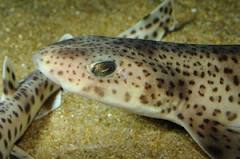
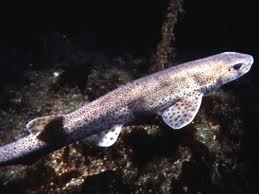
MEET THE SMALL SPOTTED CATSHARK!

small spotted catshark   Range/Habitat: Eastern North Atlantic- Mediterranean/ ocean

   Diet: Carnivore: fish, mollusks

   Length/Weight: up to 3 ¼ ft/ 6 ½ lbs

   Conservation Status: common


Fun Facts:

  • Small Spotted Catsharks are also known as the Lesser Spotted Catshark.
  • Small spotted catsharks are the most common shark in Europe.
  • They have smooth skin.
  • They have spots to help them camouflage in with the ocean floor.
  • Female small spotted catsharks lay eggs called mermaids purses.


These little sharks are great! We love that shark eggs are called mermaid purses! Hehe- can you imagine a mermaid with a purse!? We giggle every time we think of it!

small spotted catshark2   small spotted catshark3

Categories: adventure, Animals, Children, conservation, education, Environment, fish, nature, oceans, science, sharks, wildlife | Tags: , , , , , , , , , , | 1 Comment

Blog at WordPress.com.