reptiles

Apartment Builders of the Wild!

Apartment Builders of the Wild!

Since we we’re talking about burrows this week, we wanted to feature one of the best burrowers of animal world! These cute reptiles are the state reptile of Georgia too (our home state)!
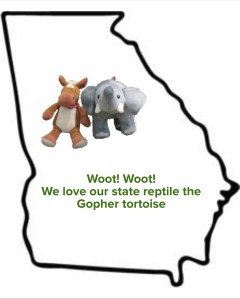
IMG_0239

gopher tortoise

  • Gopher tortoises live in the sandy soil habitats of the Southeastern United States.
  • Gopher tortoises grow up to 12 inches long and have an average weight of 9 lbs.
  • They are listed as Vulnerable by the IUCN.
  • These tortoises are herbivores. They eat up to 300 varieties of plants.
  • They rarely drink water because they get it from plants.IMG_6686
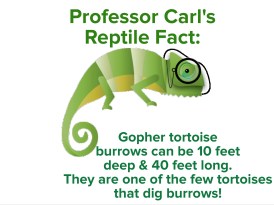
  • Gopher tortoises are a keystone species. The burrows they dig are important, as they provide shelter for many animals, including indigo snakes, burrow owls and rabbits. Scientists think up to 400 species of animals use gopher tortoise burrows!
  • Like other tortoises, gophers do not swim and spend their life on land.
  • Gopher tortoises front feet are shaped like shovels to help them dig those burrows.
  • These tortoises have suffered major habitat loss and are now protected in every state the live in, because of this! Without them, many animals would not have shelter.

gopher tortoise3gopher tortoise2

Let’s give three cheers for these amazing reptiles! Go Gopher Tortoises!

Categories: adventure, Animals, Children, conservation, education, endangered species, Environment, nature, reptiles, science, wildlife | Tags: , , , , , , , , , | 1 Comment

CARL THE CHAMELEON!

CARL THE CHAMELEON!

ellie_edmund_professors-chameleon

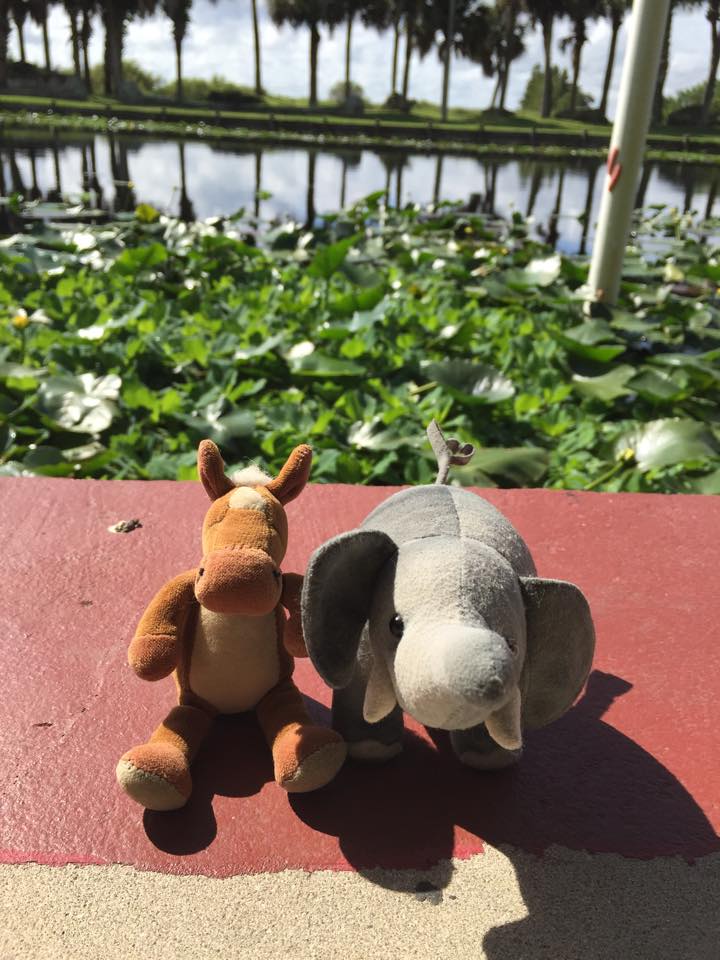
Howdy! I’m Carl the Chameleon! I’m the new professor of reptiles and amphibians here at the University. I know my reptile and amphibian friends don’t get the same love as the mammals or birds, but we are a very important part of habitats of the earth. Along with Ellie and Edmond we want everyone to love reptiles and amphibians!
I’m a Panther Chameleon and I’ve traveled all the way from home on the island of Madagascar to be here. That’s right I lived on the island off the coast of Africa that is famous for lemurs, see it’s always the mammals that get all the attention. Well, I live in the same forests that some of those guys did and I too am an important part of the ecosystem. I love to eat insects! I use my lightning fast and super long tongue to catch them! Deeeelicious!
I have two toes that are fused together and three more that fused together, these toes help me grip and climb! My eyes rotate separately from each other and they give me a 360 degree view of the world. I can also see ultraviolet light, I bet most of you mammals can’t do that!
And yes I can change color, but I do not do it to match my surroundings. My color is changes when the temperature changes or according to my mood. It’s not easy being green or yellow or orange!

Categories: adventure, Animals, Children, conservation, education, Environment, nature, reptiles, science, wildlife | Tags: , , , , , , , , , | 1 Comment

REPTILES ARE HERE!!

REPTILES ARE HERE!!

IMG_0884

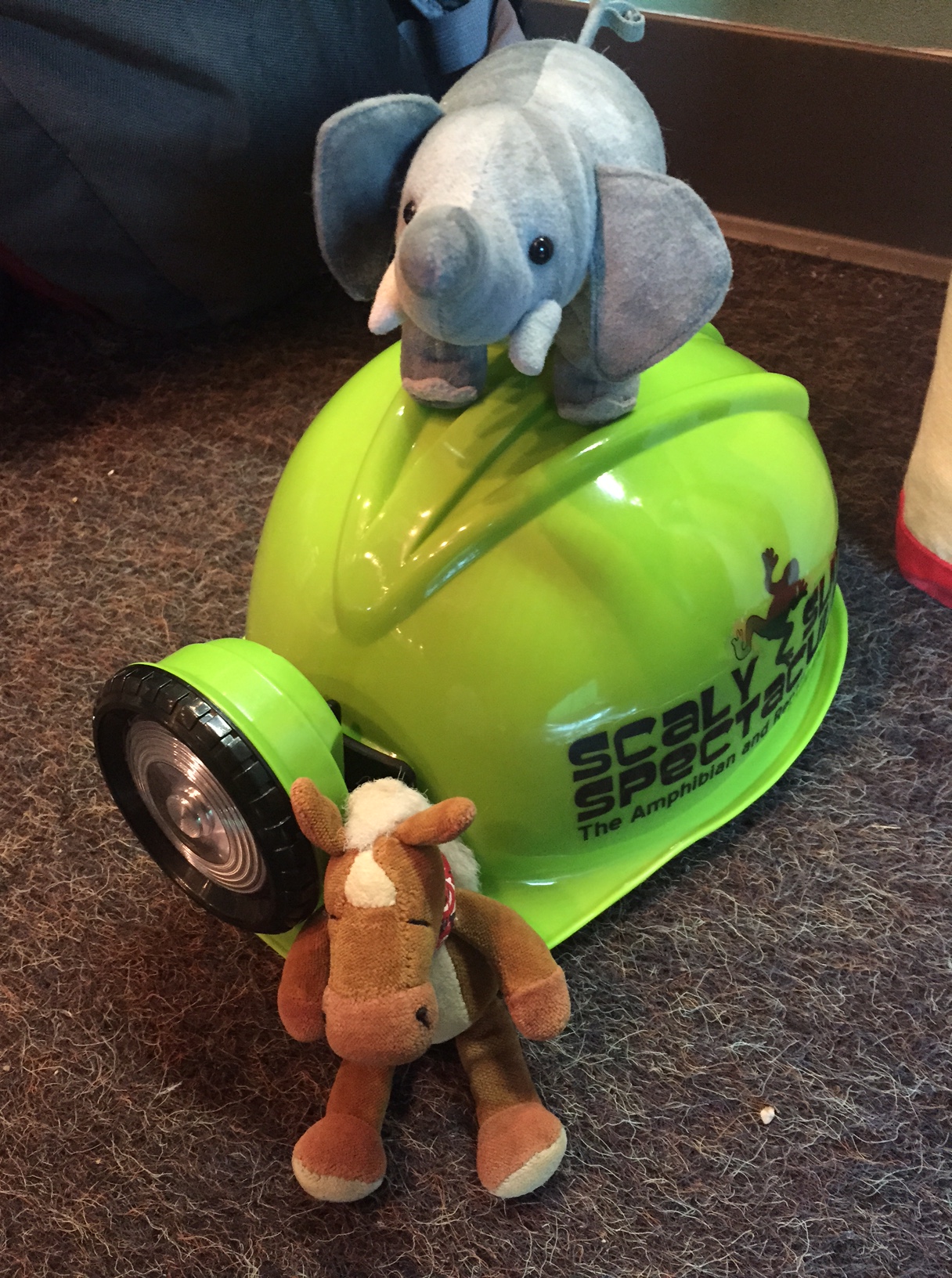
We had a special opportunity to spend the night at Zoo Atlanta in their new reptile house Scaly Slimy Spectacular! This great new space open today! If you’re in the Atlanta, Zoo Atlanta needs to be top on your list of places to visit! We’re giving you our top ten reasons to check out Scaly Slimy Spectacular!

IMG_0931(1)

TOP TEN REASONS TO VISIT SCALY SLIMY SPECTACULAR!

  1. There are cool reptile and amphibian benches! Seriously- we love a good spot to rest and take in the views!IMG_0899
  2. Speaking of views, this is one amazing one! This dome is 45 ft tall and is covered in white squares to protect feathery friends from flying into it!IMG_0946
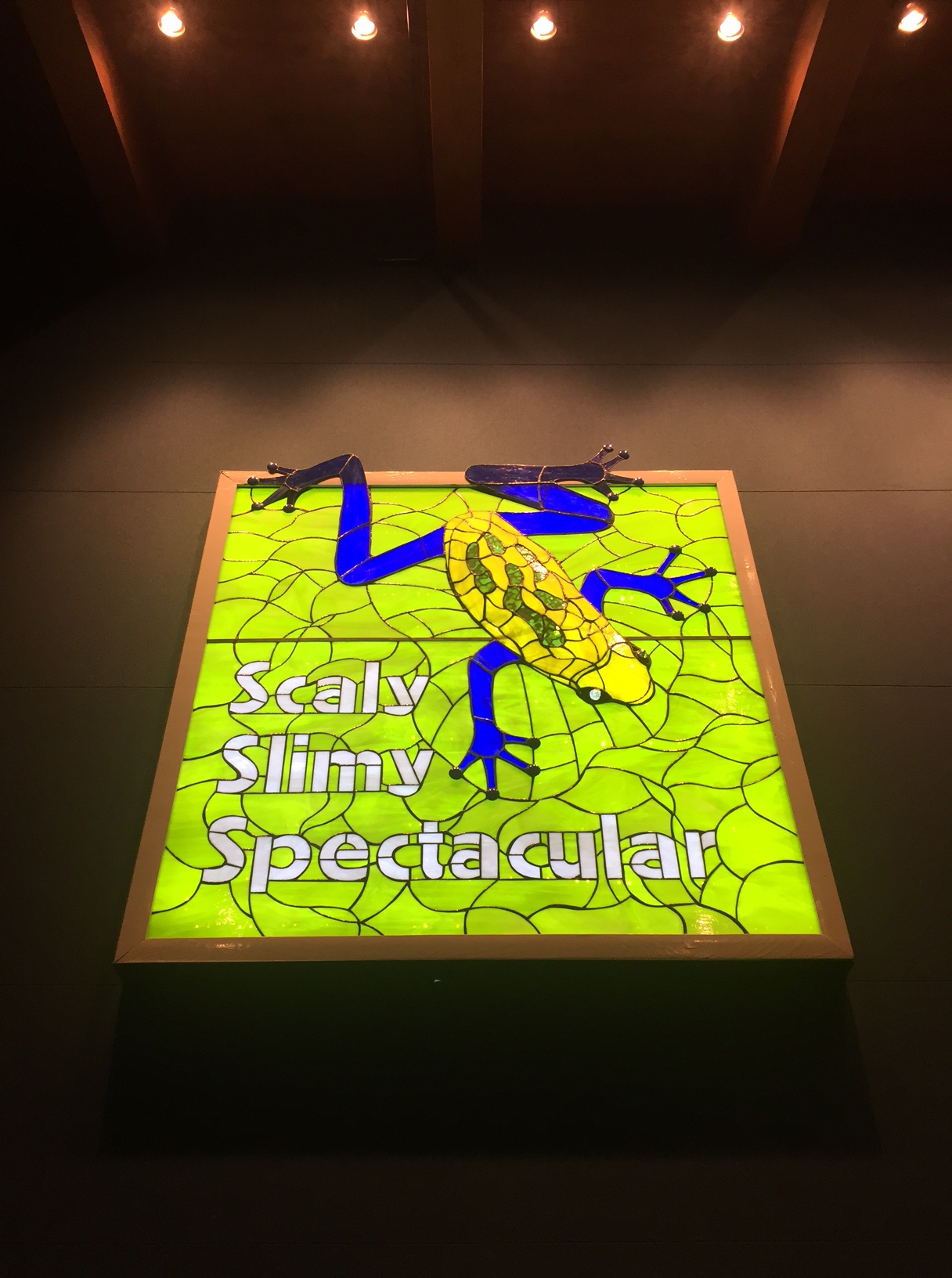
  3. An education supervisor made this beautiful sign as you enter the building! Wowee!IMG_0904
  4. There’s a whole room dedicated to Georgia animals called Georgia Extremes!IMG_0889
  5. Sleepy Caiman Lizard- ssssshhhh!IMG_0921
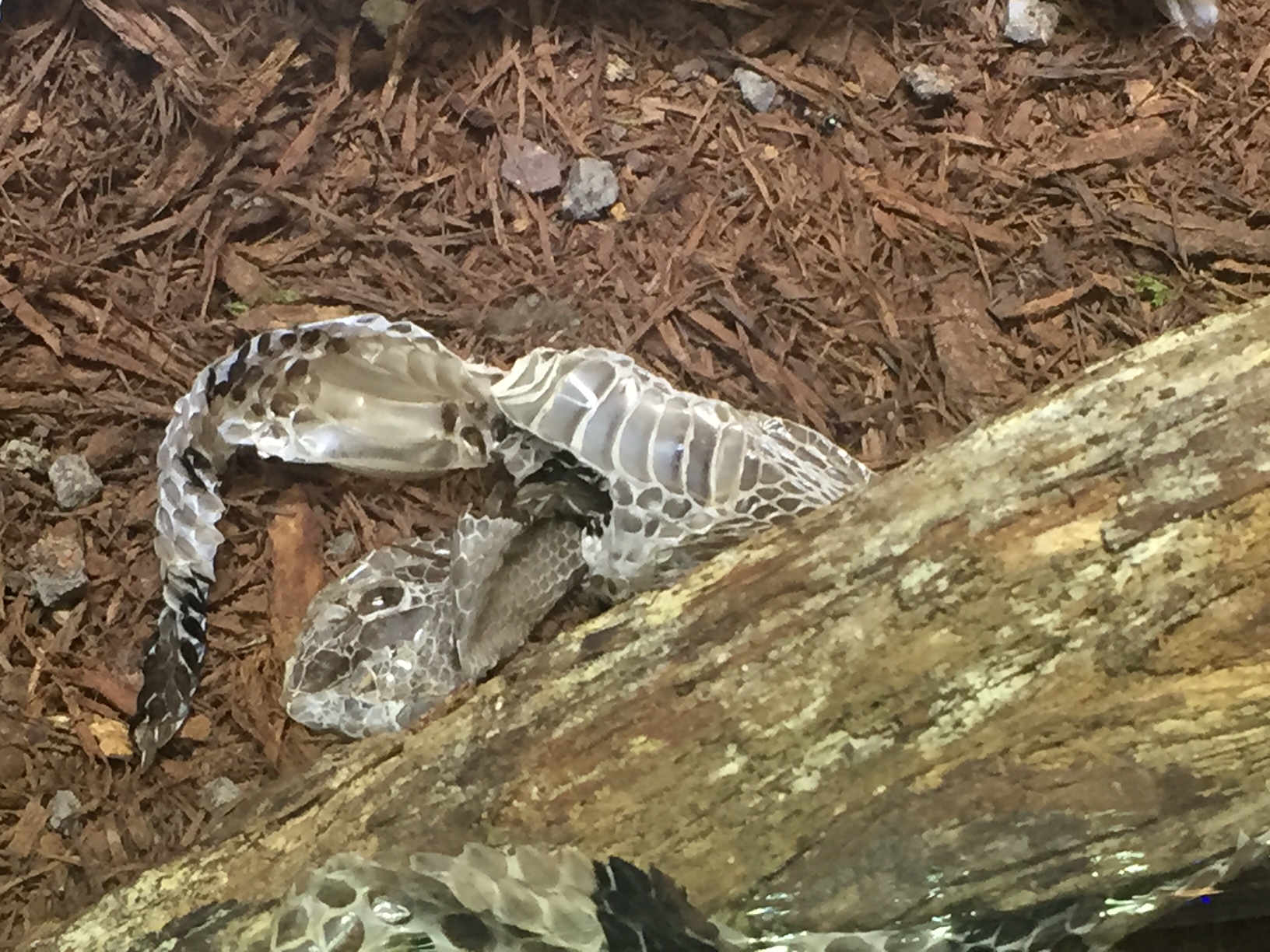
  6. You might find someone has lost their scales! IMG_0944
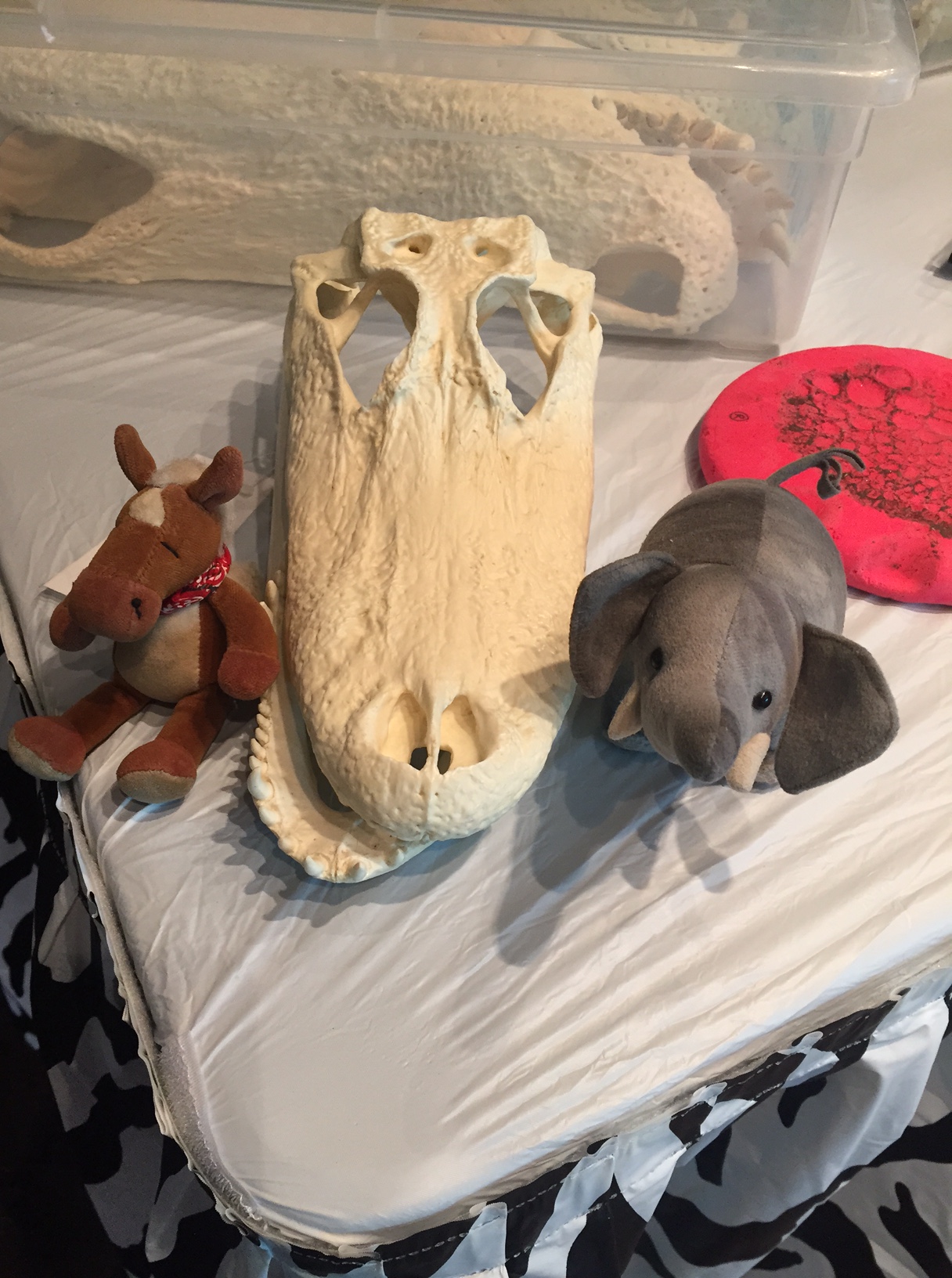
  7. Biofacts! Have you ever seen an alligator skull?IMG_0887
  8. Who’s hungry for pancakes after meeting a pancake tortoise? Hehehe!

IMG_0915

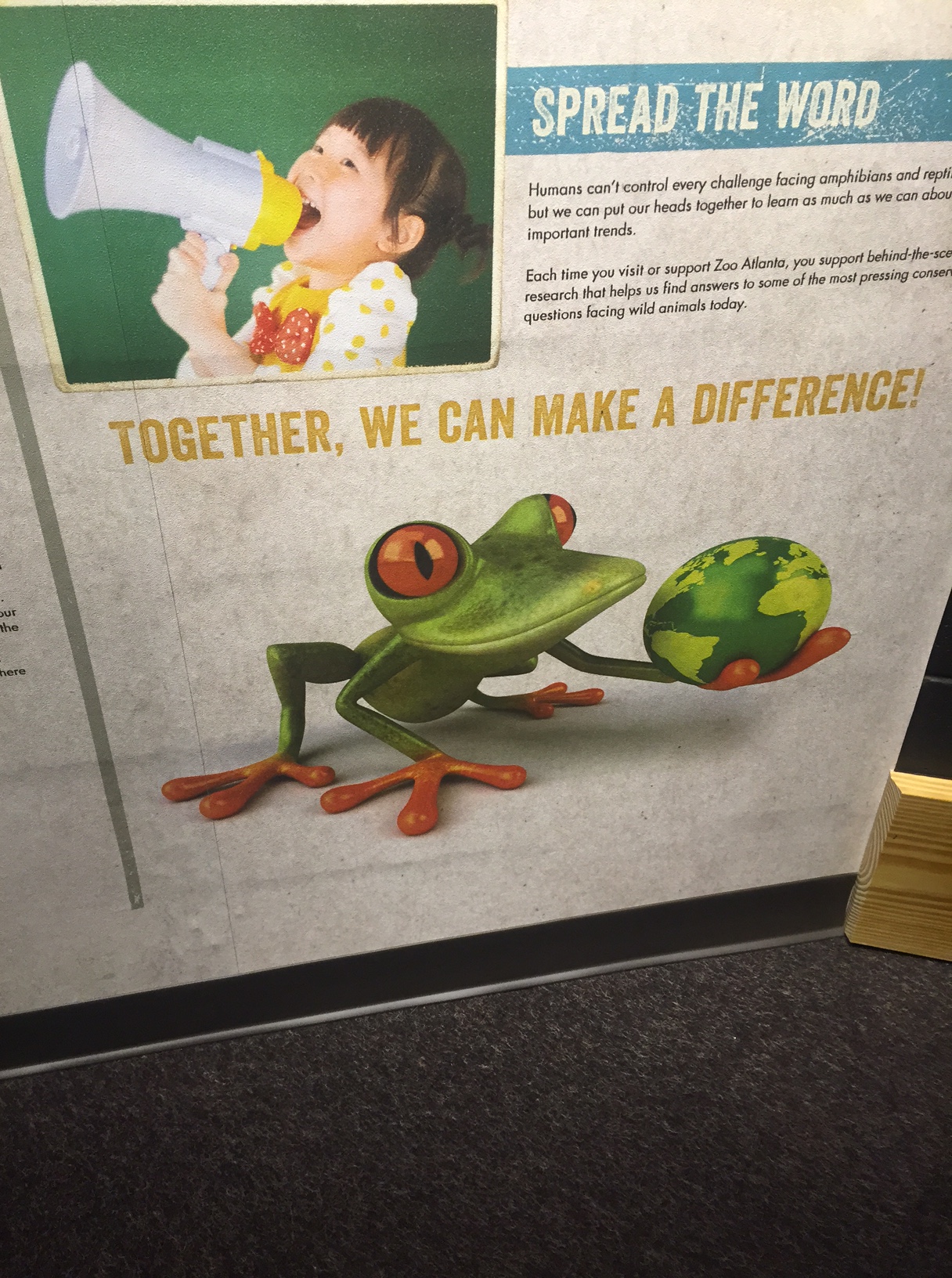
9.You can learn how to make a difference! Reptiles and amphibians need love too!

IMG_0919

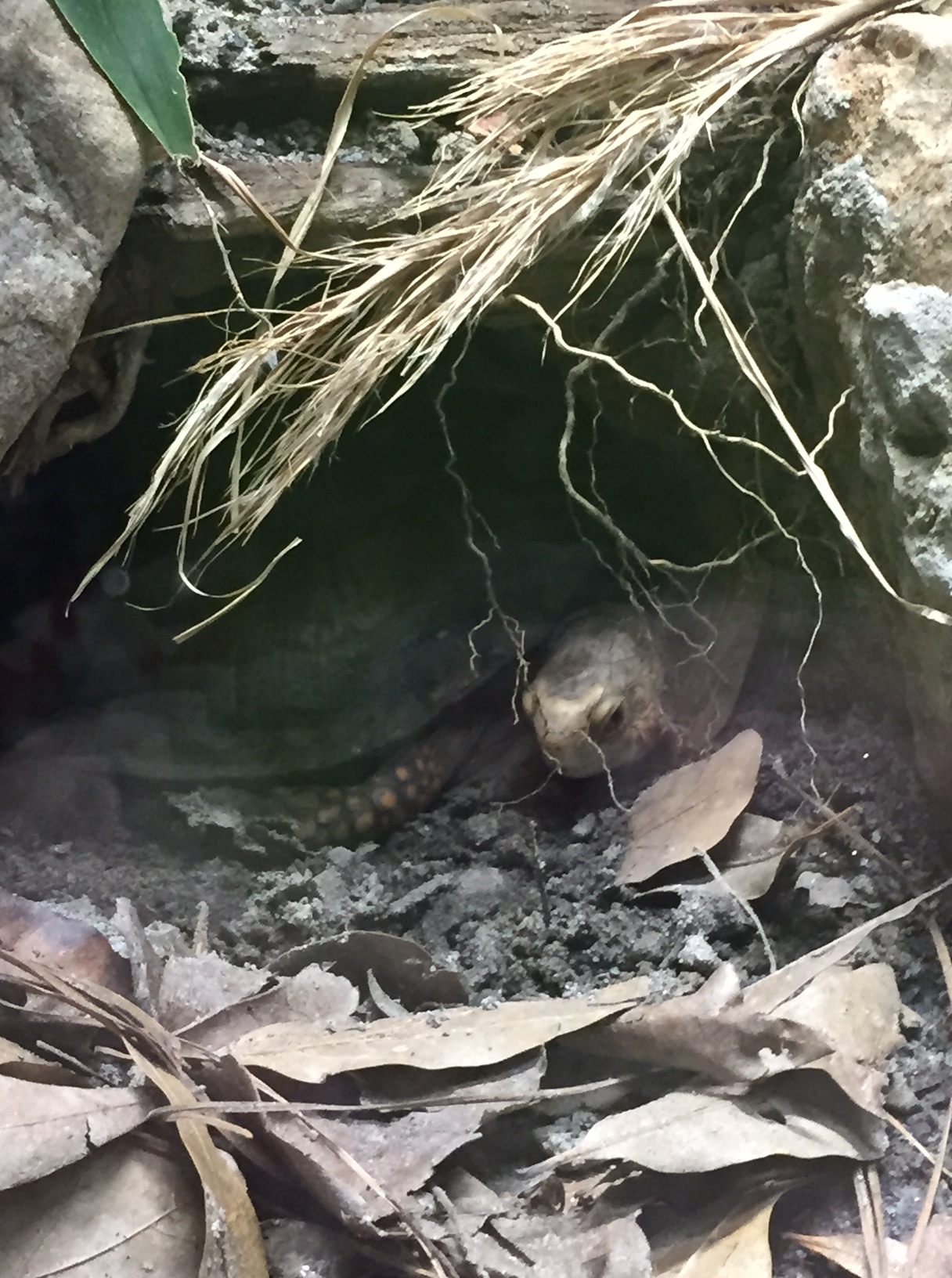
10.Mexican Box Turtle! We slept next to his habitat and he’s very quiet! 🙂

IMG_0940

Scaly and slimy animals often don’t get the same respect and love that their mammal and bird friends do! But we think they are great! Come explore this state of the art exhibit with 67 habitats and 100 different species of reptiles and amphibians to enjoy! It is Ssssssssssspectacular!! Learn more about Zoo Atlanta and the Scaly Slimy Spectacular check out the zoo’s website!

Categories: adventure, Animals, Children, conservation, education, Environment, nature, reptiles, science, wildlife | Tags: , , , , , , , , , , | 1 Comment

SCIENCE WORD OF THE WEEK!

SCIENCE WORD OF THE WEEK!

swow osteoderm

We’re so glad you could make it to class today! We’re continuing our theme of reptiles this week! Who’s ready to learn the new word of the week!

Osteoderm: a bony plate in the skin. These bony plates form an armor or tough scaly skin to reptiles and amphibians. Many dinosaurs had osteoderms too! The best example of an osteoderm is on an alligator! Those bony plates help protect these large predators, that is if you get past the mouth full of razor sharp teeth! Ha!

osteoderm

Categories: adventure, Animals, Children, conservation, education, Environment, nature, reptiles, science, wildlife | Tags: , , , , , , , , , | 2 Comments

DRAGONS ARE REAL!!

DRAGONS ARE REAL!!
IMG_7098(1)

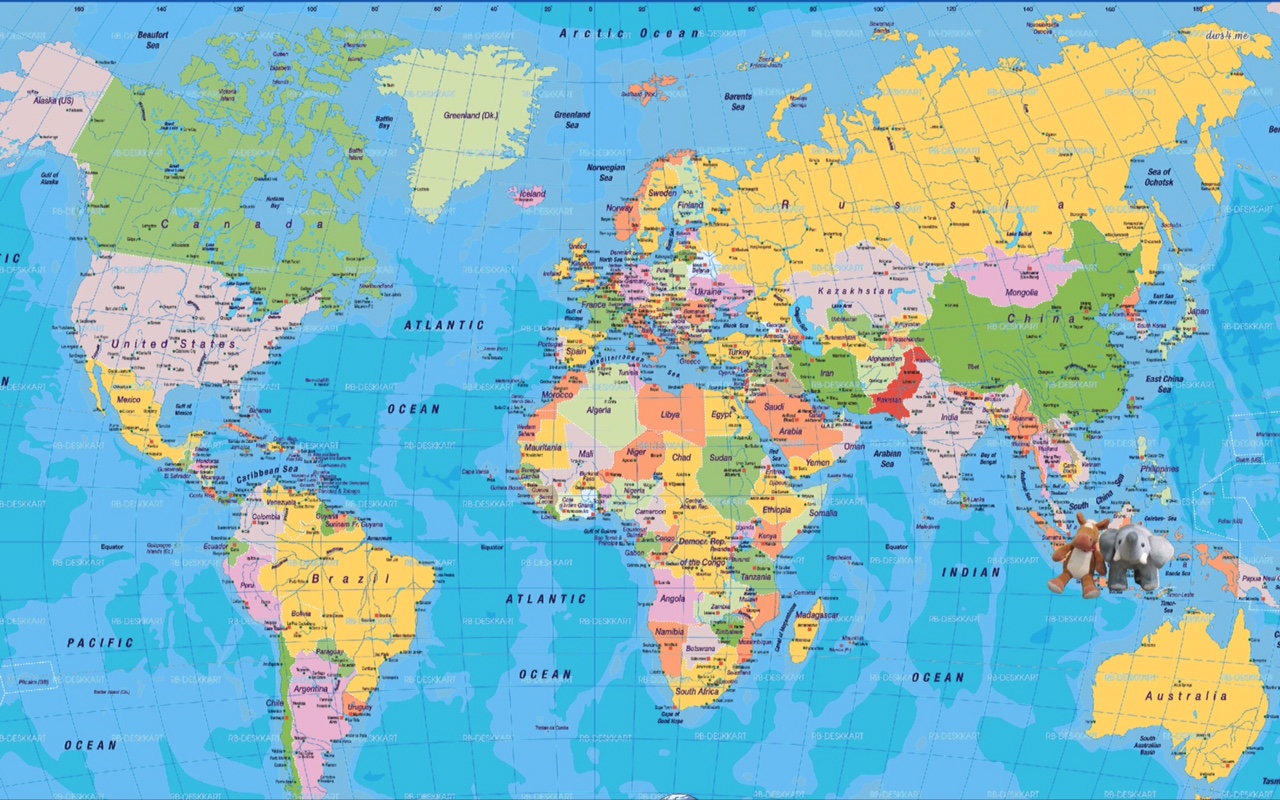
If you guessed yesterday’s animal correct then you’ll be excited to meet them today! We had to travel all the way to the island of Komodo to find this large reptile! That is no easy task! It is a beautiful place though! Are you ready to learn about the amazing Komodo dragon?


komodo3

Range/Habitat: Komodo island and other islands in Indonesia

IMG_7097


 Diet: Carnivore: pigs, deer, buffalo

 Length/Weight:  up to 10ft / 330 lbs

 Conservation Status: vulnerable

komodo2

Fun Facts:

  • Komodo dragons are the largest lizard on earth! IMG_0774
  • Their ancestors have been on earth for 100 million years.
  • Komodo dragons were not discovered by humans until 1912!
  • Komodo dragons are solitary.
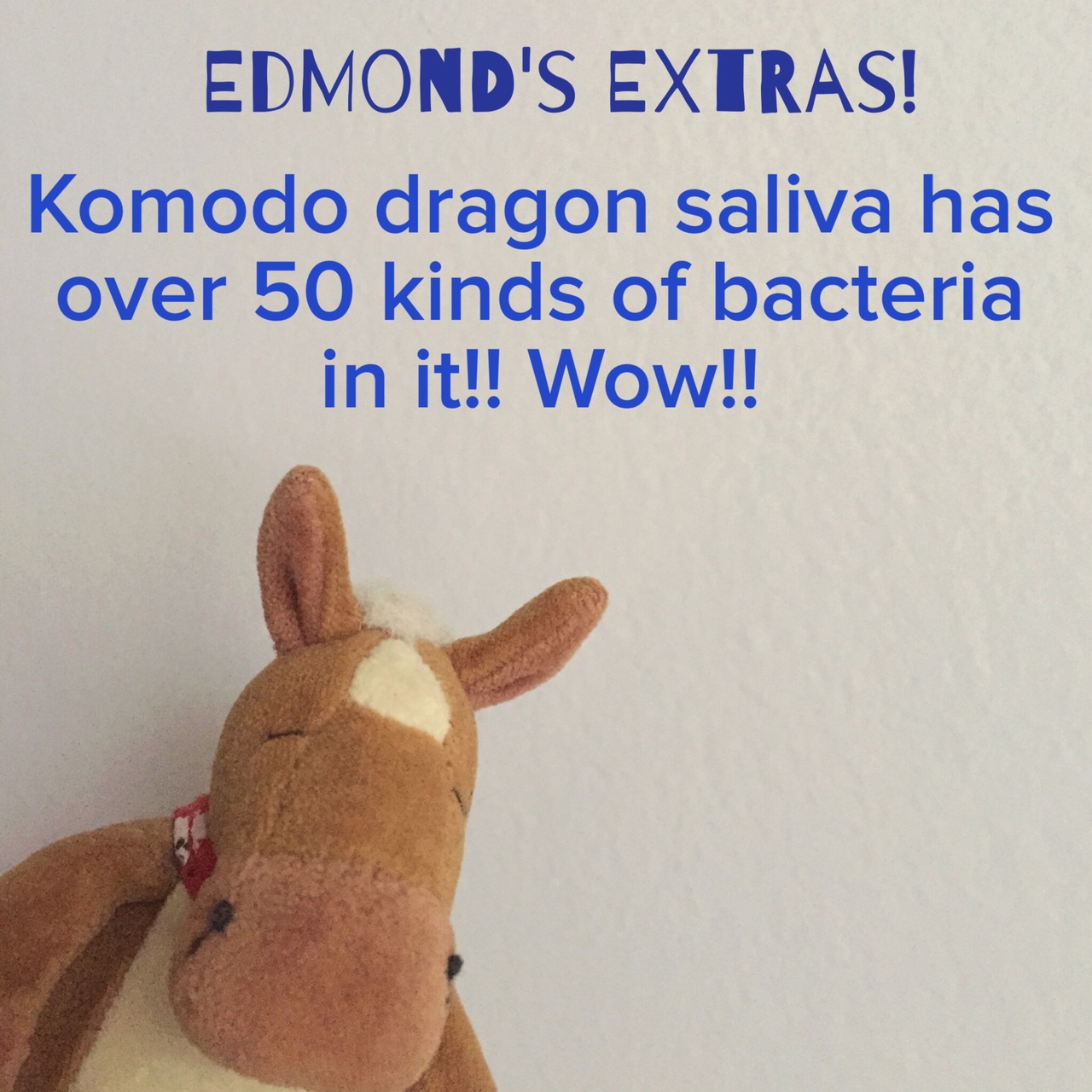
  • Known for their deadly bites, a komodo dragon’s saliva is not poisonous.
  • Komodo dragons have forked tongues.
  • They can use those forked tongues to help them “smell” particles in the air up to a mile away!
  • Komodo dragons can eat up to 5 lbs in just a few minutes!

komodo

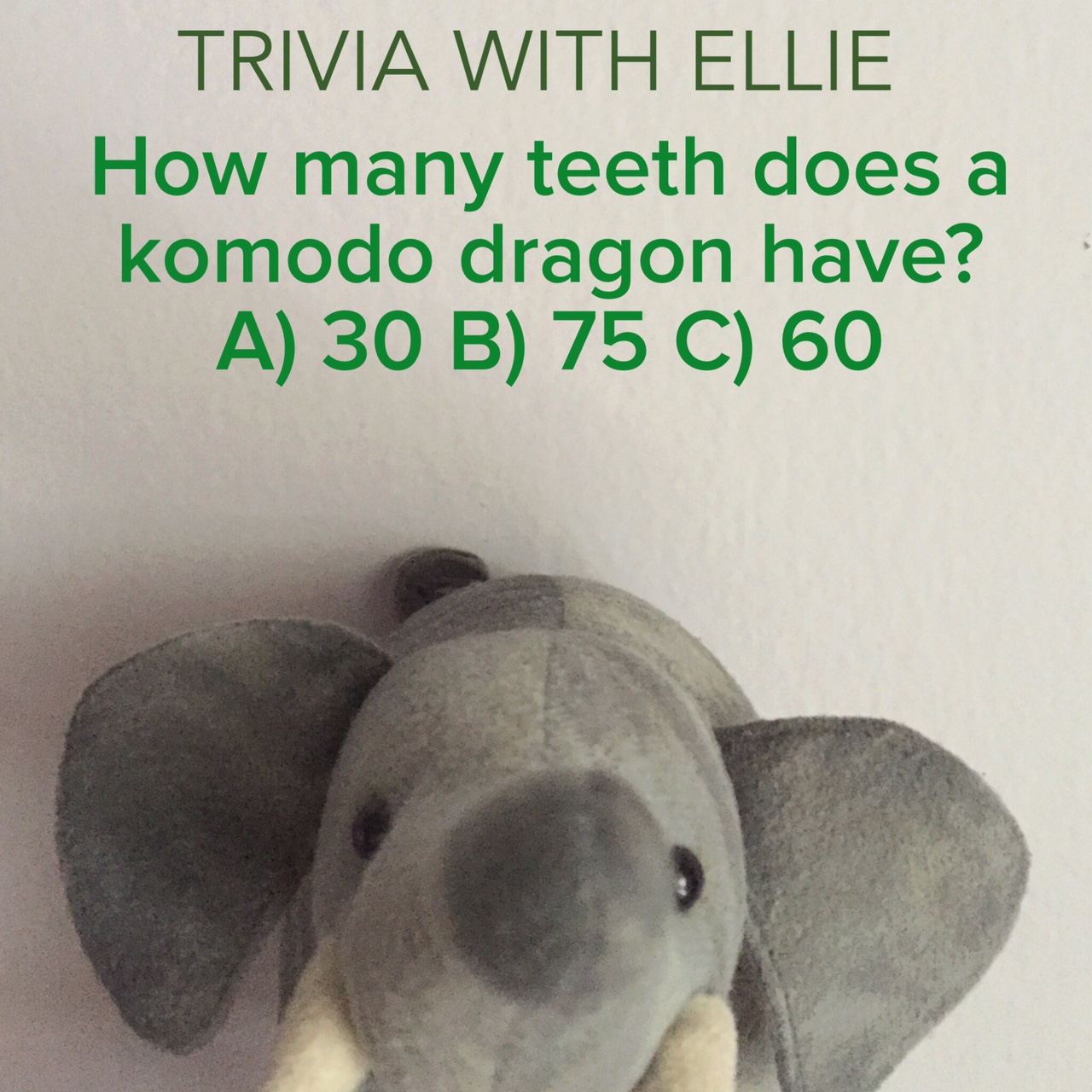
These real life dragons are amazing! Luckily, places like the San Diego Zoo are working in Komodo National Park to protect these ancient and magnificent lizards! Think you know the answer to Ellie’s trivia question? (answer down below)

IMG_0775


-Answer is 60!

Categories: adventure, Animals, Children, conservation, education, Environment, nature, reptiles, science, vocabulary, wildlife | Tags: , , , , , , , , , , | 6 Comments

WE SPY!

WE SPY!!

FullSizeRender

We Spy with our four little eyes this large reptile! Can you guess who this predator is just by looking at its feet?

guess

WHO DO WE SPY?

Categories: adventure, Animals, Children, conservation, education, Environment, nature, reptiles, science, wildlife | Tags: , , , , , , , , , | 3 Comments

SCIENCE WORD OF THE WEEK!

SCIENCE WORD OF THE WEEK!

swow herpetology

Happy Monday and welcome to the University today! We hope you are having a great day! I’m excited to share this week’s word with you! We’re learning another field of study word! Are you ready? Let’s do this!

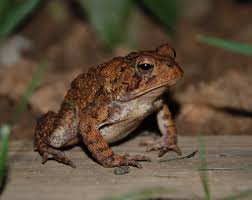
Today’s word is Herpetology: herpetology is the branch of biology that studies amphibians and reptiles. A herpetologists can study all of these or just amphibians or just reptiles. There area around 6,500 species of amphibians on earth and 9,500 species of reptiles! That makes for a huge amount of animals that can be studied! If you were a herpetologist what animal would you study?

turtletortoise

toad

snakesalamander

frog

Categories: adventure, amphibians, Animals, Children, conservation, education, Environment, nature, reptiles, science, wildlife | Tags: , , , , , , , , , , | 4 Comments

Oh Sea Krait, how we like thee…

Oh Sea Krait, how we like thee..

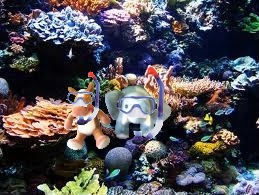
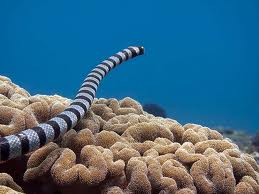
We thought it would be fun to meet a snake today! Snakes get such a bad rap and often are very feared. Snakes are very important to the environment! Without them, rodents would overrun the earth! Did you know that some snakes live in the oceans? We went snorkeling to meet one! Come join us!

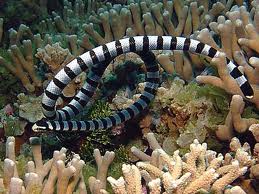
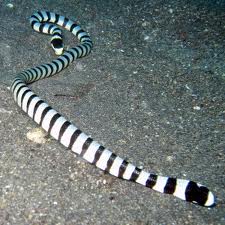
MEET THE BANDED SEA KRAIT!

   Range/Habitat: Southern-South Eastern Asia/ tropical

oceans-coral reefs

   Diet: Carnivore: fish, eels

   Length: 3 ¼-6 ½ ft

   Conservation Status: Common


Fun Facts:

  • Banded Sea Kraits are members of the sea snake families. They spend most of their lives in the ocean.
  • Banded sea kraits are highly venomous. They are more deadly than most land snakes.
  • They are not harmful to humans, because they have short fangs and are very docile.
  • Banded sea kraits have paddle shaped tails that help them swim.
  • They come on shore to lay their eggs.

Sea kraits are incredible snakes! We saw one while we snorkeling in Indonesia! It was awesome! If you could go snorkeling what animals would you like to see?


Categories: adventure, Animals, Children, conservation, education, Environment, nature, reptiles, science, wildlife | Tags: , , , , , , , , , , | Leave a comment

FEATURED ANIMAL!!


FEATURED ANIMAL:
AMERICAN ALLIGATOR!

e e swamp

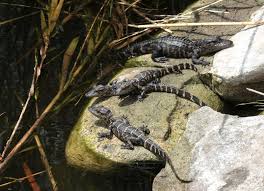
We spent the weekend in Florida and took an awesome air boat ride to see if we could find alligators and WE DID! We saw several areas where there were babies and we saw one mother alligator warming herself in the sun! Come learn about these ancient reptiles!


alligator2   Range/Habitat: Southwestern United States/ wetlands, swamps,

rivers,lakes, ponds

   Diet: Carnivore: fish, deer, mammals

   Length/Weight: 9 ½-16 ft/ 200-500 lbs

   Conservation Status: common


Fun Facts:

  • Alligators are large, territorial and fierce reptiles.
  • They have been on the planet for millions of years.
  • Male alligators bellow or roar to attract females.
  • Female alligators lay 25- 60 eggs in a nest build of mud and vegetation.
  • They guard the nest from predators, such as raccoons.
  • When the baby alligators hatch they are all female or male.  The temperature of the nest determines the sex of the babies.
  • The temperature at which their gender is determined is 90 degrees.
  • Once they begin to hatch, the mother helps dig open the nest.
  • She protects them from predators by carrying them around on her head or in her mouth.
  • Baby alligators stay with their moms for around 3 years.

alligators   IMG_8307


Alligators are so cool. The males can get up to 1,000 lbs. They get a bad rap, but they really want to mind their own business. Alligators were on the verge of extinction 40 years ago, but with great effort they are thriving in the Southeastern United States! We love a great conservation success story!

Categories: adventure, Animals, Children, conservation, education, Environment, nature, reptiles, science, Uncategorized, wildlife | Tags: , , , , , , , , , | Leave a comment

WORLD TURTLE DAY!!

HAPPY WORLD TURTLE DAY!!!

It’s World Turtle Day and we’re celebrating our shelled reptile friends with fun facts and photos! Tell us what you love about turtles and tortoises! Check out our coloring sheet after all the fun facts and pictures!

  • Turtles have been on the earth for about 200 million years.
  • Box turtles can live to be over a 100 years old.
  • Turtles live on every continent except Antarctica.

turtle

  • There are seven species of sea turtles. The Leatherback is the largest.
  • The top shell is called the carapace and the bottom shell is the called the plastron.

turtle2

  • Turtles and tortoises are attached to their shells.
  • The shells are part of their skeleton.
  • turtle3The coverings on the top shell are called scutes.
  • Scutes are made up of keratin, the same protein that makes up human hair and nails.
  • Turtles don’t have ears.
  • There are about 250 species of turtles.
  • Some sea turtles can dive as deep as 3,000 feet.
  • Turtles are reptiles.
  • Hatchlings have a special tooth that they use to crack open their eggs.

turtle6    turtle5


turtle day

Categories: adventure, Animals, Children, conservation, education, Environment, nature, reptiles, science, turtles, wildlife | Tags: , , , , , , , , , , | 4 Comments

Blog at WordPress.com.