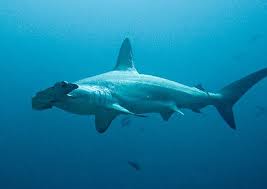
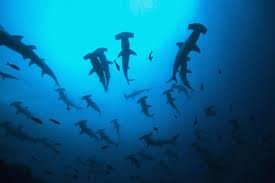
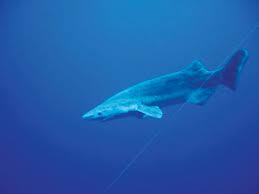
sharks

WATERY WEDNESDAY # 65

WATERY WEDNESDAY # 65

 We’re taking the E & E sub to the waters off of Europe to meet a small shark! We love those cartilaginous fish and they come in all shapes and sizes! Hop aboard and let’s go on today’s adventure!
e e deep sea

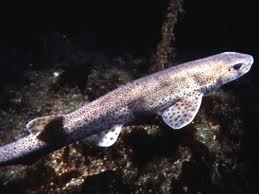
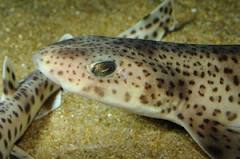
MEET THE SMALL SPOTTED CATSHARK!

small spotted catshark   Range/Habitat: Eastern North Atlantic- Mediterranean/ ocean

   Diet: Carnivore: fish, mollusks

   Length/Weight: up to 3 ¼ ft/ 6 ½ lbs

   Conservation Status: common


Fun Facts:

  • Small Spotted Catsharks are also known as the Lesser Spotted Catshark.
  • Small spotted catsharks are the most common shark in Europe.
  • They have smooth skin.
  • They have spots to help them camouflage in with the ocean floor.
  • Female small spotted catsharks lay eggs called mermaids purses.


These little sharks are great! We love that shark eggs are called mermaid purses! Hehe- can you imagine a mermaid with a purse!? We giggle every time we think of it!

small spotted catshark2   small spotted catshark3

Categories: adventure, Animals, Children, conservation, education, Environment, fish, nature, oceans, science, sharks, wildlife | Tags: , , , , , , , , , , | 1 Comment

WATERY WEDNESDAY # 62

WATERY WENESDAY # 62

We’re taking the E & E sub out today to meet a member of the shark family! We have plenty of room for everyone, so come join us on today’s adventure to meet…

e e deep sea

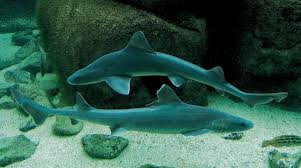
MEET THE SMOOTH HOUND SHARK!

smooth hound shark   Range/Habitat: Atlantic Ocean, Mediterranean

   Diet: Carnivore: mollusks, crabs, lobsters

   Length/Weight: up to 5 1/4 ft/ 29 lbs

   Conservation Status: common


Fun Facts:

  • Smooth Hound Sharks have short snouts.
  • Smooth hound sharks have smooth skin.
  • They are often seen in schools.
  • Smooth hound sharks are nocturnal.
  • They have flat teeth for crushing their prey.

These small sharks are really cool and their mouths are on the bottom! Did you know that when a shark or ray’s mouth is on the underside it indicates that their prey lives on the bottom of the ocean floor? Pretty cool!

smooth hound shark2   smooth hound shark3


Categories: adventure, Animals, Children, conservation, entertainment, Environment, nature, science, sharks, wildlife | Tags: , , , , , , , , , , | 2 Comments

WATERY WEDNESDAY # 55

WATERY WEDNESDAY # 55

We’re taking the E & E submarine out today to meet one of the oceans’ predators! These cartilaginous fish have mouths full of teeth, so we’ll be on the lookout from the safety of the sub!

e e sharks

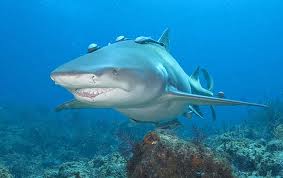
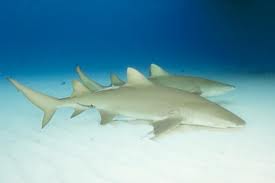
MEET THE LEMON SHARK!

lemon shark    Range/Habitat: Eastern Pacific-Western Atlantic/ oceans-near coasts

    Diet: Carnivore: stingrays, fish

    Length/Weight: up to 11 ft/over 400 lbs

    Conservation Status: common


Fun Facts:

  • Lemon sharks are also called Sharptooth sharks.
  • They are yellowish-brown in color.
  • Lemon sharks can go in brackish waters.
  • They have large blunt noses.
  • Lemon sharks have two rows of long, thin triangular shaped teeth to catch prey with; then rows of extra teeth behind those.

Lemon sharks are fierce predators, but they are also amazing animals. Ecosystems are dependent on top predators in the food chain and without them the oceans would be in big trouble. It is important that we respect sharks and help protect them!

lemon sharks2   lemon shark3

Categories: adventure, Animals, Children, conservation, education, Environment, nature, oceans, science, sharks, wildlife | Tags: , , , , , , , , , | Leave a comment

WATERY WEDNESDAY # 51

 WATERY WENESDAY # 51

We’re off in the E & E sub to meet a small and spotty shark! Are you ready to meet this cartilaginous fish? We have room for everyone! Let’s do this!

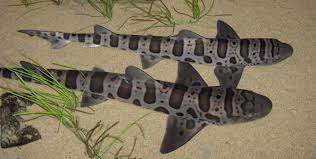
MEET THE LEOPARD SHARK!

   Range/Habitat: Eastern North Pacific/ oceans-near estuaries

   Diet: Carnivore: invertebrates, crabs

   Length/Weight: up to 7 ft/ up to 71 lb

   Conservation Status: common


Fun Facts:

  • Leopard Sharks have spots on their backs and sides.
  • They have long slender bodies and a large dorsal fin.
  • Leopard sharks are harmless to humans.
  • Leopard sharks have short round snouts.
  • They have strong jaws full of flat teeth for crushing prey.


Leopard Sharks certainly earned their name from another famous predator! It sure seems that spots and stripes help you camouflage in with your habitat! What kind of coloration would you want to help you camouflage in with your habitat?


Categories: adventure, Animals, Children, conservation, education, entertainment, nature, oceans, science, sharks, wildlife | Tags: , , , , , , , , , , , | Leave a comment

SHARK CRAFT!!

AUGUST CRAFT

    SHARK KOOZIE!!!!

We’re celebrating Shark Week at Ellie and Edmond Headquarters, so for this month’s craft we’re making a shark koozie! This shark’s bite will keep your drink cool! Chomp!! Chomp!! As usual, if you make the craft share your pictures with us on Facebook or Twitter @EllieandEdmond.

Materials:


Blue Koozie (we purchased ours at Michael’s)

Light Blue Fun Foam

Scissors

Hot glue gun

Wiggly eyes


Instructions:

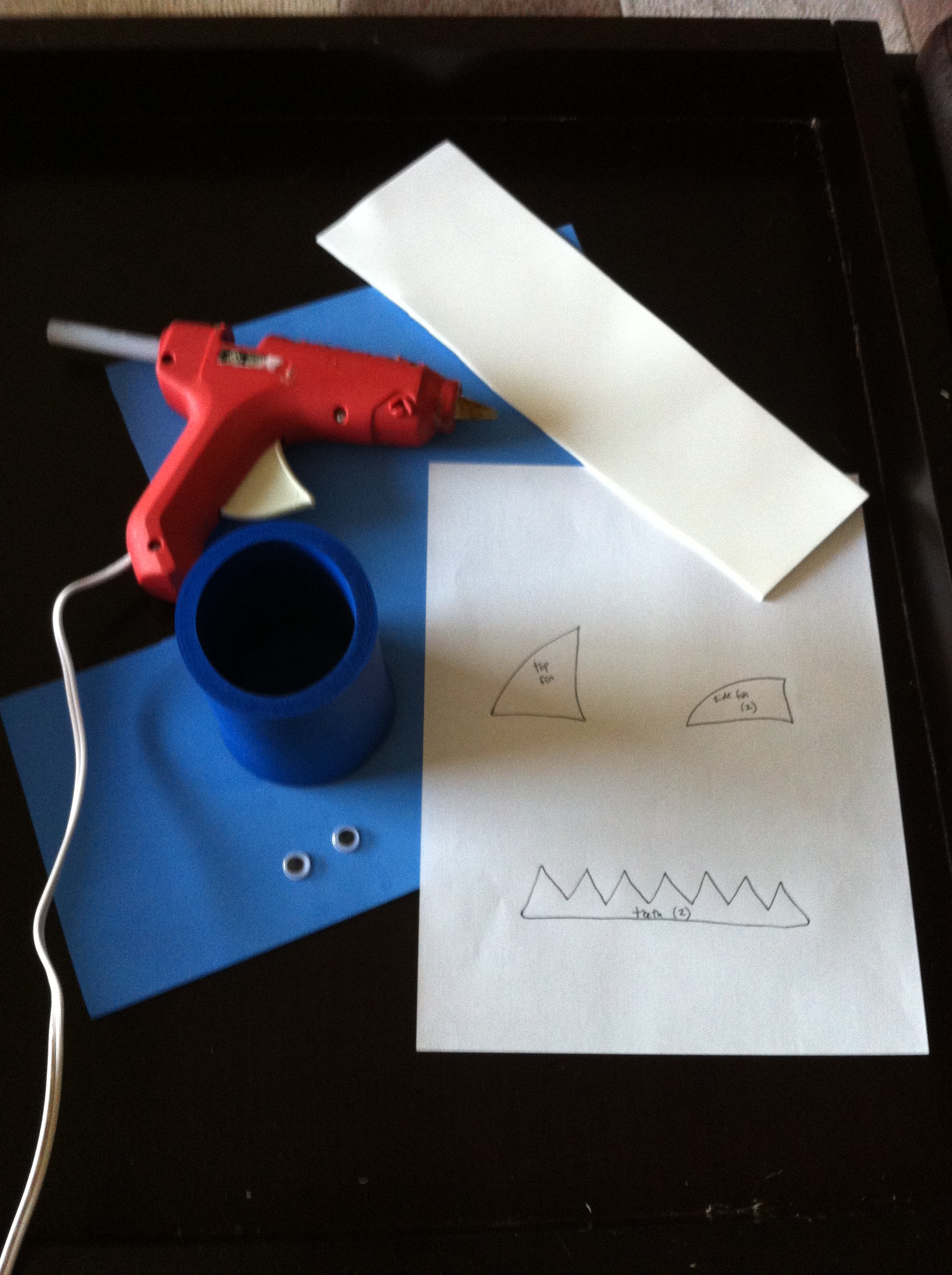
1)   Print patterns for teeth & fins (below)


2)   Cut out two rows of teeth, two side fins, two top fins

3)   Glue teeth around the opening.


4)   Glue on top fin.

5)   Glue on eyes.


6)   Glue on side fins.


Be sure to recycle your can when you are done with your beverage!


Categories: Animals, Children, crafts, education, Environment, nature, oceans, sharks, wildlife | Tags: , , , , , , , , | 4 Comments

SHAAAAARKS!!

SHAAAAARKS!!!

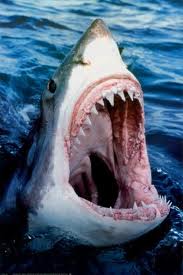
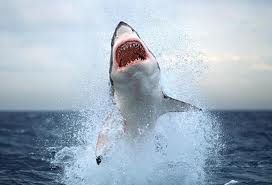
This Watery Wednesday we’re celebrating Sharks, the ocean’s top predators! These amazing animals are often feared, which is sad because they do not deserve such a terrible reputation. They come in all shapes and sizes and eat everything from large mammals to tiny plankton!

SHARK FUN FACTS:

1) Sharks have been on the planet for 400 million years.

2) Some species of sharks have not changed much in the last 64 million years!

3) There are over 400 species of sharks and they are found in every ocean on earth!

4) Sharks can smell 1 drop of blood in a million drops of water!

5) A shark skeleton is made of cartilage, the same tissue that makes up your ears and nose!

6) Whale sharks are the largest species of shark!

7) Some sharks will use thousands of teeth in a lifetime.

8) Bull sharks can live in fresh water habitats.

9) Sharks are covered in dermal denticles. They are enamel covered plates.

10) Sharks have a lateral line that is made up of jelly filled canals. This helps them detect movement or prey.

Sharks are seriously cool! They are also in serious trouble and it’s up to us to help them out! One great way to adopt a shark! No, we don’t mean bring one home!

Check out the for ways to help!


Categories: adventure, Animals, Children, conservation, education, Environment, fish, nature, oceans, science, sharks, wildlife | Tags: , , , , , , , , , , | Leave a comment

WATERY WEDNESDAY # 42

WATERY WENESDAY # 42

We’re taking the E & E sub down to the bottom of the ocean floor to find a strange and rare member of the shark family! These sharks are harmless to humans, but their skin definitely makes them not snuggly! Come on aboard and let’s go!

MEET THE BRAMBLE SHARK!

   Range/Habitat: Indo-Pacific & W Atlantic/ deep water ocean

   Diet: Carnivore: sharks, fish, rays

   Length/Weight: up to 13 ft/ up t 490 lbs

   Conservation Status: unknown


Fun Facts:

  • Bramble sharks are deep water, bottom dwelling sharks.
  • They are considered rare.
  • Bramble sharks have thorny denticles all over there body.
  • They get their name because the thorny denticles resemble the thorns on bramble bushes.
  • Bramble sharks are a purplish-brown color.
  • Bramble sharks are slow moving.

Wow! These sharks are amazing! We really think they are kind of creepy and cool! The ocean floor has so much for us to explore and see!

Categories: adventure, Animals, Children, conservation, education, Environment, fish, oceans, science, sharks, wildlife | Tags: , , , , , , , , | Leave a comment

WATERY WEDNESDAY # 41

WATERY WEDNESDAY# 41

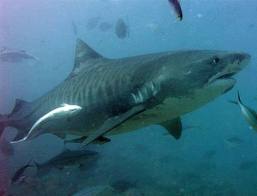
We’re taking the submarine today, because we’re off in search of one the ocean’s top predators. There’s plenty of room everyone, so hop in and let’s see if we can find this fish with a mammal’s name! You ready?

MEET THE TIGER SHARK!

   Range/Habitat: Tropical-sub tropical oceans worldwide/ coastal-

open waters

   Diet: Carnivore: fish, invertebrates, mammals, birds

   Length/Weight: 18-25 ft/ 1,900 lbs plus

   Conservation Status: near threatened


Fun Facts:

  • Tiger sharks are considered to be an aggressive shark.
  • Tiger sharks have stripes that may disappear when they are adults.
  • They are nocturnal hunters.
  • Tiger sharks have large tails used for speed!
  • They have large blunt heads.
  • Tiger sharks are known to go into brackish water (a mix of fresh and salt water) habitats, such as estuaries and river mouths.
  • They are known to eat almost eat anything.


We sure are glad we have the sub to watch these mighty predators. People are always so afraid of sharks, but they really aren’t terrible animals. Sharks are beautiful & powerful animals. They’re a very very important part of the ocean ecosystem, so let’s keep them there!


Categories: Animals, Children, education, Environment, fish, nature, oceans, science, sharks, wildlife | Tags: , , , , , , , , , | 2 Comments

SUPER SURPRISE THURSDAY # 39

SUPER SURPRISE THURSDAY# 39

We’re staying in the ocean today, but we’re not staying in the coral reef. Instead we’re heading off to the Georgia coast to meet a small and strange member of the shark family! We’re in the submarine today and we have room for others, so hop in and let’s go find…

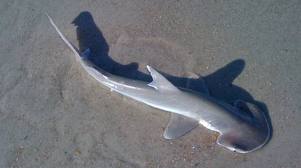
MEET THE BONNETHEAD SHARK!

   Range/Habitat: Eastern Atlantic-Western Pacific/ temperate-

tropical waters near reefs & estuaries

   Diet: Carnivore: fish, crustaceans, shrimp

   Length: 3-5 ft

   Conservation Status: Common


Fun Facts:

  • Bonnetheads are the smallest member of the hammerhead shark family.
  • They often swim in small schools.
  • Bonnetheads have broad heads that are shovel shaped.
  • They have sharp teeth in the front of their mouths and broad molars in the back.
  • Bonnetheads must swim constantly to breathe.
  • Bonnetheads are migratory.
  • The purpose of the bonnet shaped head is still debated.  It does seem to help them swim and hold prey down in the sand.
  • They can live up to 12 years.


These neat looking little sharks are great! Sharks come in so many shapes and sizes. They are fascinating creatures! Can you imagine having to continually move your entire life just to stay alive? Whew, just the thought of it makes us tired!


Categories: Animals, Children, education, Environment, fish, nature, oceans, science, sharks, wildlife | Tags: , , , , , , , , | Leave a comment

Blog at WordPress.com.