Posts Tagged With: animals

MAMMAL MONDAY # 69

MAMMAL MONDAY # 69

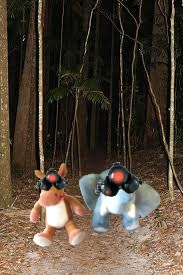
We’re going to South America to meet a rodent today! Grab your night vision goggles, backpacks and let’s head out on today’s adventure to meet our mammal buddy!

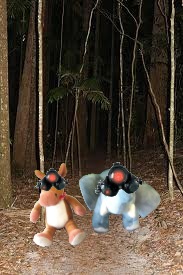
e & e night rainforest

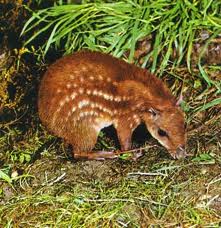
MEET THE PACA!

paca   Range/Habitat: South Mexico-East South America/rainforest, grasslands,

   mangroves

   Diet: Herbivore: flowers, fruits, buds

   Length/Weight: 23 ½-32”/13-26 lbs

   Conservation Status: common


Fun Facts:

  •          Pacas have short bodies and legs.
  •          They are solitary.
  •          Pacas are excellent swimmers.
  •          Pacas have 4 spotty stripes down their sides.
  •          They live in burrows or hollow trees.
  •          Pacas are nocturnal.

Pacas are cute little mammals. There are so many different species of larger rodents in South America. Do you have a favorite?

 paca2  paca3

Categories: adventure, Animals, Children, conservation, education, Environment, mammals, nature, science, wildlife | Tags: , , , , , , , , , | 1 Comment

IMAGINARY WORLDS!!!

IMAGINARY WORLDS!

We went to the Atlanta Botanical Gardens this week to catch a preview of their new plant sculpture exhibit Imaginary Worlds! It is Amazing! This exhibit traveled all the way from Montreal, Canada to wow us here in Atlanta. We’re giving you 10 reasons (and there are more) to check out these live works of art!

It was snowing blooms!

It was snowing blooms!


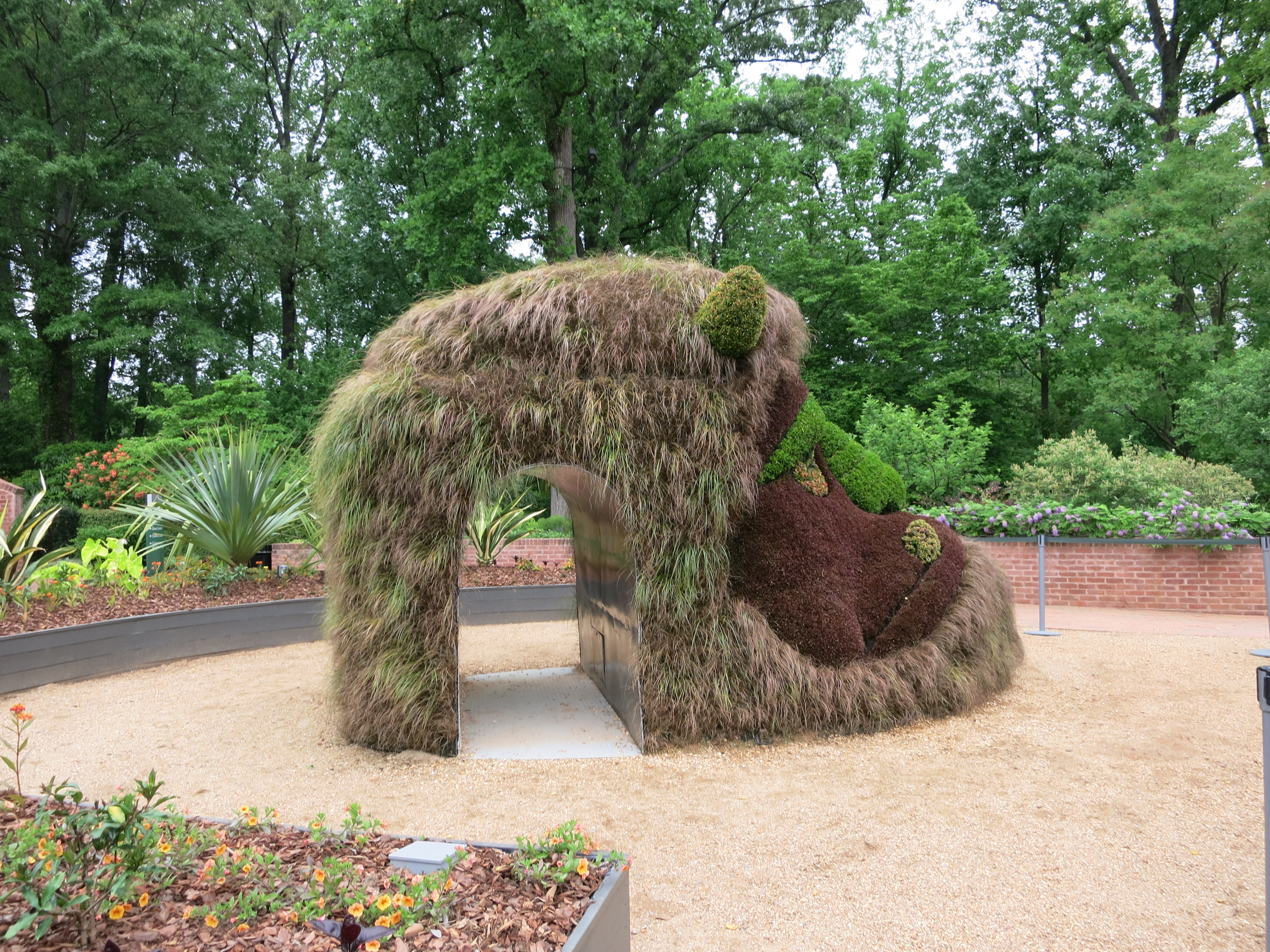
There’s an Ogre! (Don’t worry he’s friendly.)

            This friendly giant is colorful, whimsical and you can explore all around his funny face. During the exhibit this guy and all the sculptures will get regular pruning and trims.
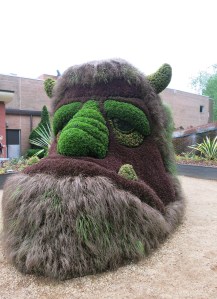
Ogre!!

Ogre!!


You can go right trough him!

You can go right trough him!

Making our ogre faces!

Making our ogre faces!

COBRAS!!! (Not to worry, they aren’t the spitting variety.)

            These two towering cobras look fierce but they aren’t. These rising reptiles required cranes to get them this good looking. Look for the papyrus plants near this pair!

Check out this cobras "scales"! Gorgeous!

Check out this cobras “scales”! Gorgeous!

You guys ok up there?

You guys ok up there?

Fishy Friends!

            This pair of fish joyfully have water spouting out of their mouths as they spin around and around. The cool part is they turn so that each plant on the fish gets equal sunlight!
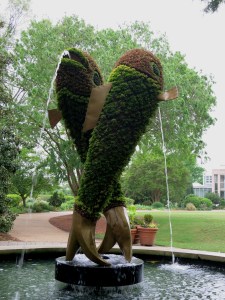
Fishy fountain!

Fishy fountain!


BUNNIES!! (We just have to yell that!)

            There are adorable little bunnies hoping all over the gardens. You don’t have to feed this species just water them.
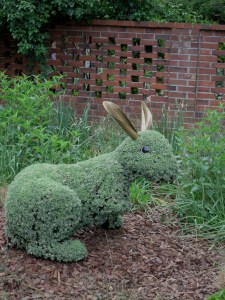
Isn't he adorable?

Isn’t he adorable?


There are Giant Strawberries!

            We were hoping they would let us take a nibble, but sadly no. These large sculptures are located in the edibles garden where they have blueberries, pomegranates and asparagus. This place is an herbivore’s dream!

Yum!

Yum!


Learn How to Make Large Plant Sculptures Yourself (Ok- not really)

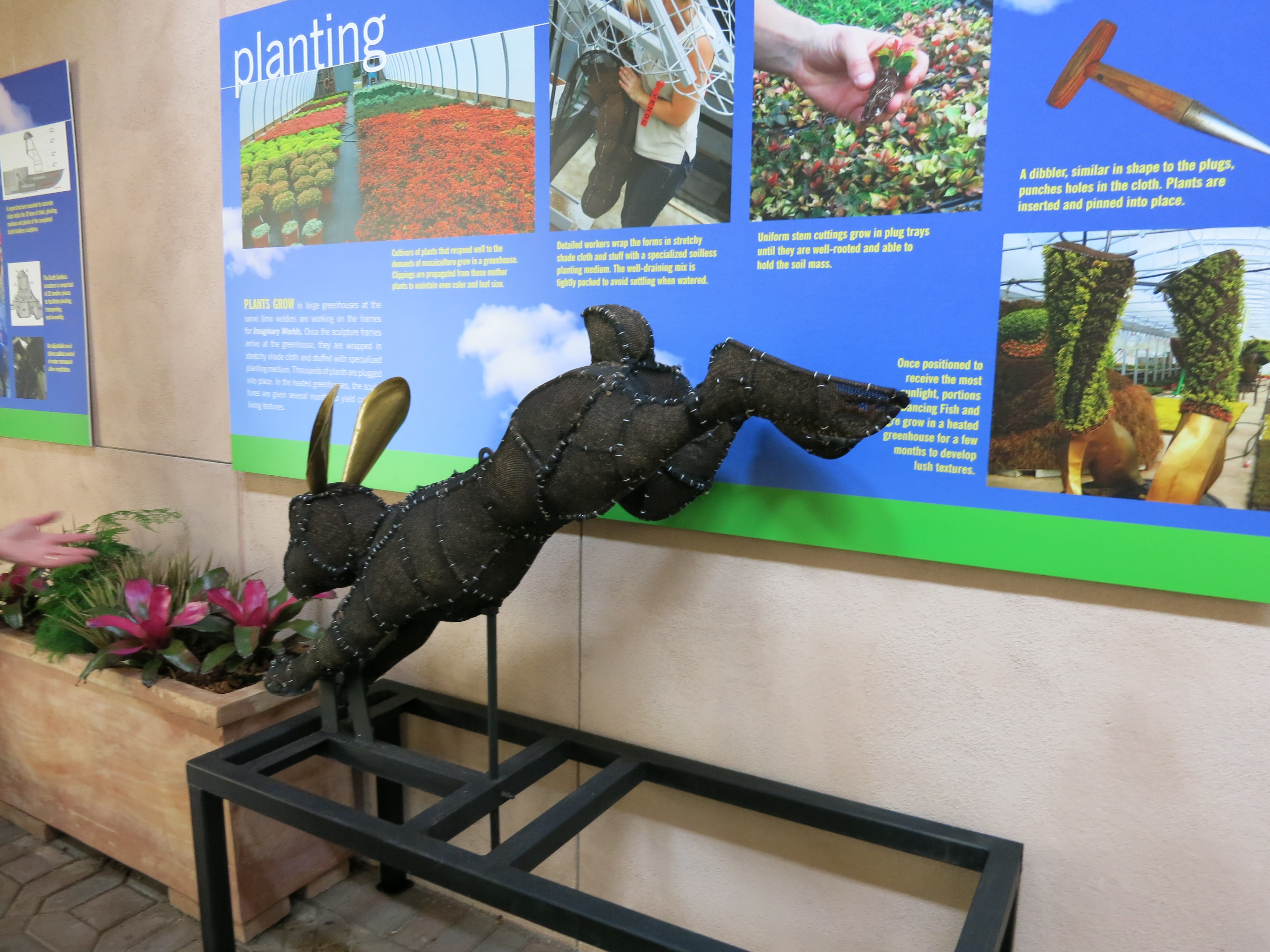
            You can learn how The International Mosaiculture of Montreal makes these super sculptures though and it is a huge job. It took 15 refrigerated trucks and 140,000 plants to get the exhibit to Atlanta.  

This is how the sculptures look without the plants!

This is how the sculptures look without the plants!


Frog fountains!

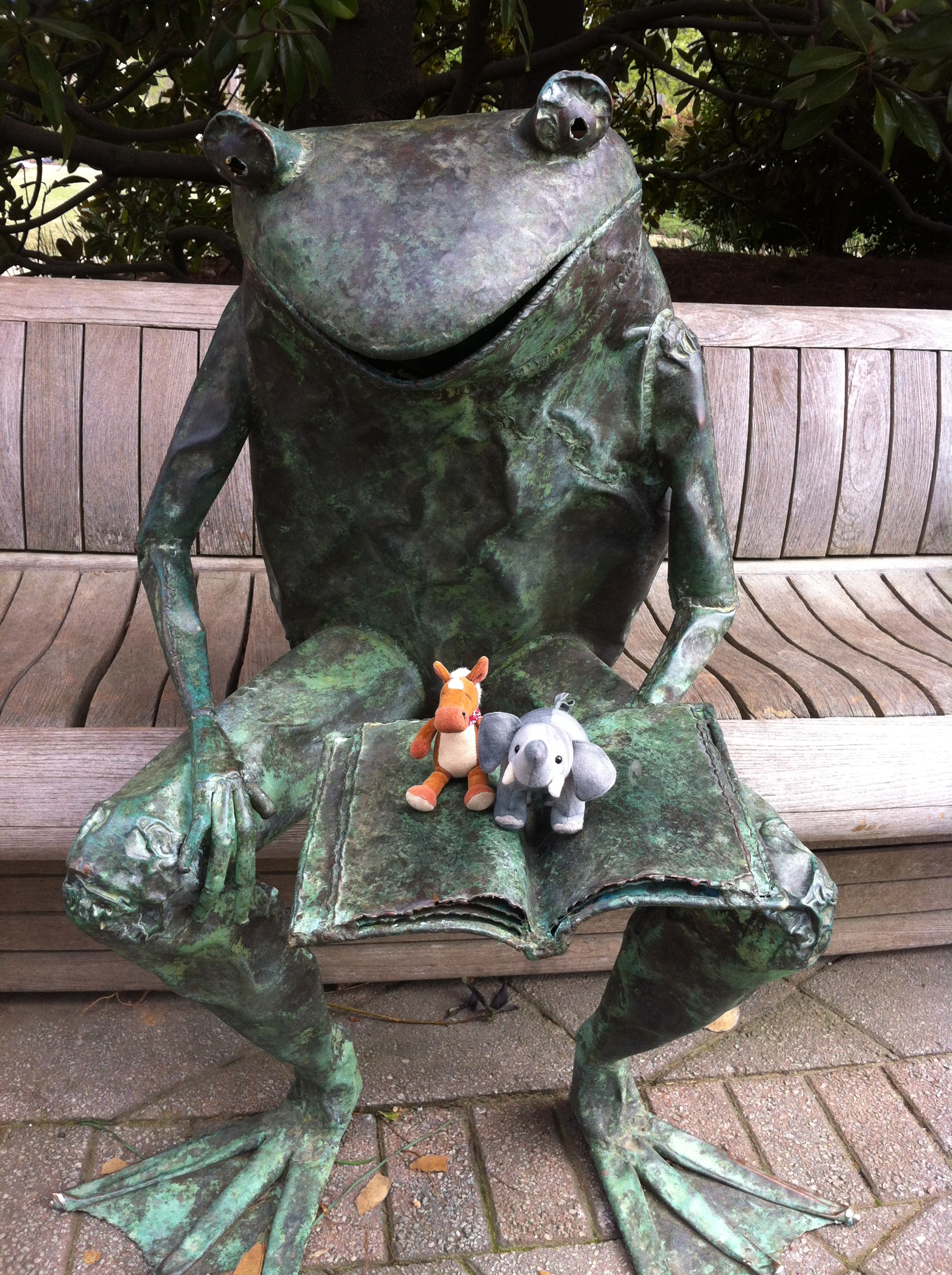
            To celebrate the work the Atlanta Botanical Gardens does with amphibian conservation, they have frog fountains!  The gardens are also entering a masioculture competition at the Montreal Botanical Gardens this summer with four more frogs!
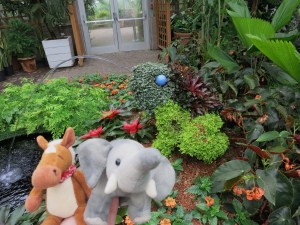
Frog!!!

We like his outfit!


Butterflies!

            They have two large butterflies that have lantana on their backs! Lantana is great to grow in your own garden to attract regular sized butterflies!

Check out this butterflies proboscis (the tongue)!

Check out this butterflies proboscis (the tongue)!


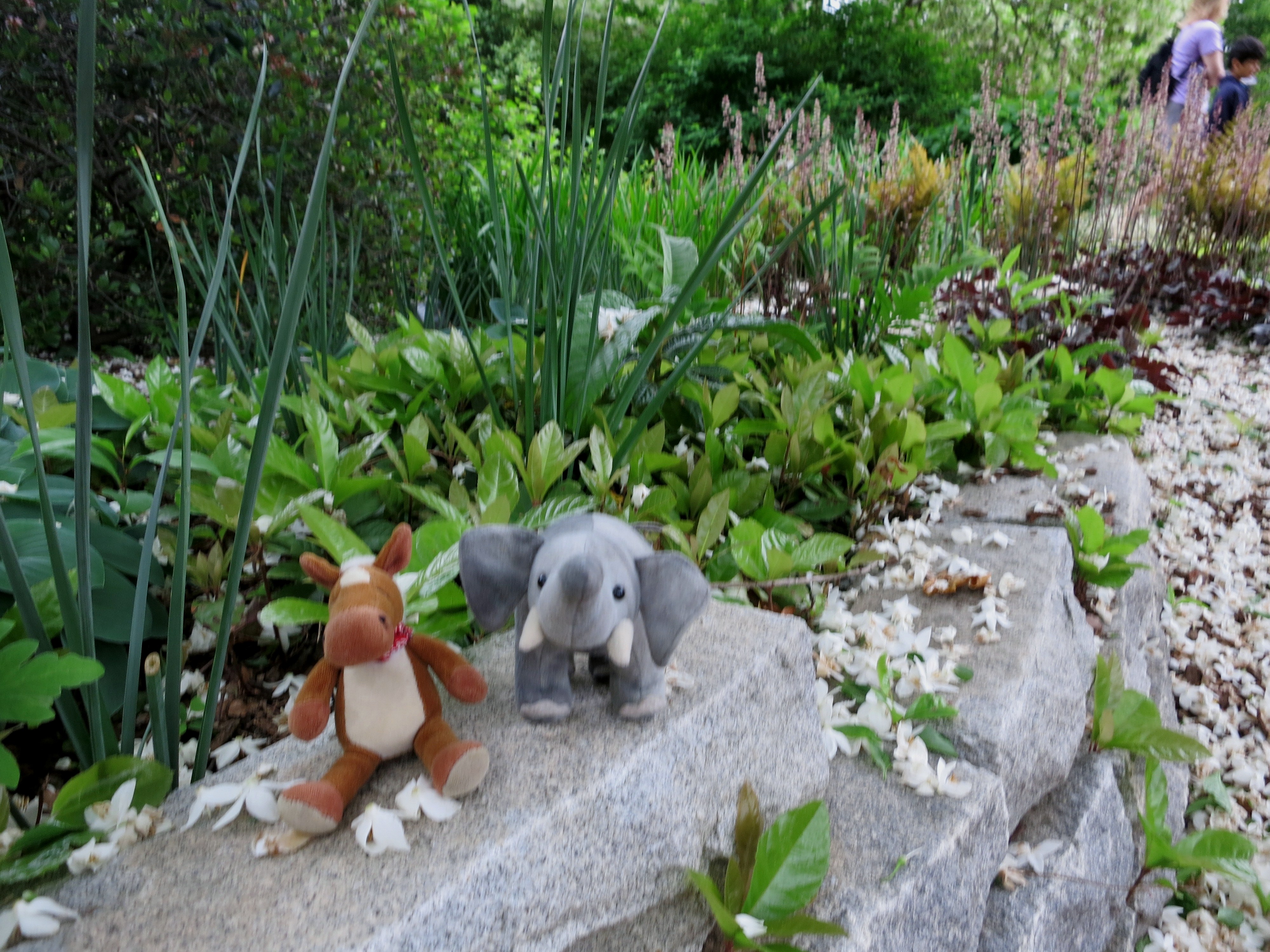
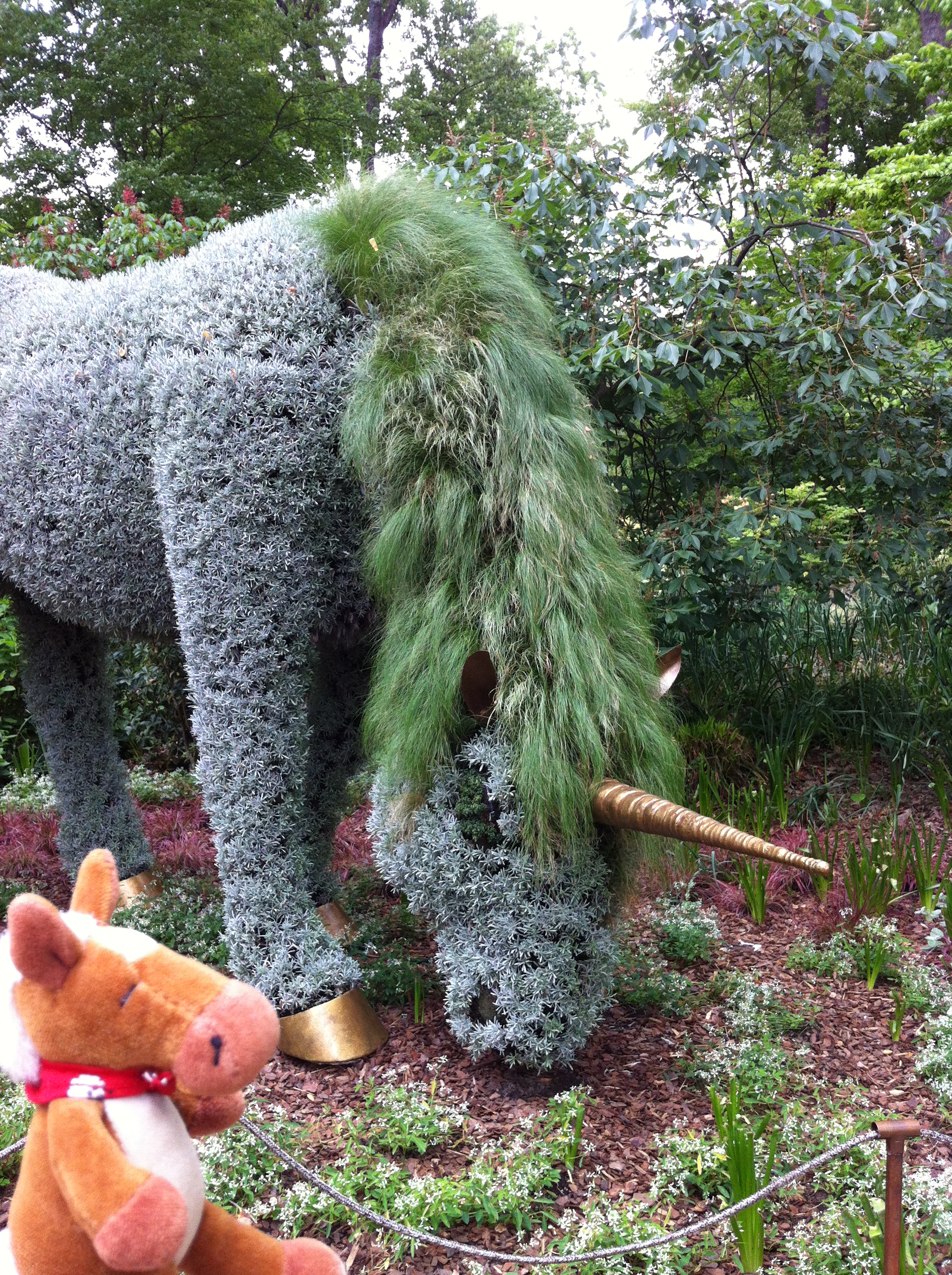
Edmond found a Unicorn!!

            Edmond found a unicorn eating grass in the garden! Oh how he wants to be a unicorn! Who doesn’t love unicorns?

Edmond wants a magical horn!

Edmond wants a magical horn!


There’s a Goddess!

            This lovely lady looks over the Cascades Gardens. She is HUGE too! She is 25 feet tall and weighs around 29 tons! It took 40,000 plants just to get her to this look like this! And Ellie thought it took a lot to make her beautiful!

Gorgeous Earth Goddess!

Gorgeous Earth Goddess!


We really enjoyed this extraordinary exhibit and the beautiful gardens! There are more sculptures to be found as you make your way through the grounds. These amazing sculptures have a soilless mixture for the plants to grow in and the large structures have their own irrigation systems. Wow!

Grab the kids, your camera and your sense of wonder and head to the Atlanta Botanical Gardens to be immersed in a magical world! The exhibit opens today and runs through October! Check out the Atlanta Botanical Gardens website for tickets and information!
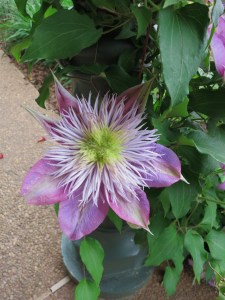
Beautiful Purple Flower!

Beautiful Purple Flower!


Categories: adventure, Animals, Atlanta, butterflies, Children, education, Environment, frogs, gardens, nature, science, wildlife | Tags: , , , , , , , , , , | 7 Comments

FEATHERY FRIDAY # 68

FEATHERY FRIDAY #68

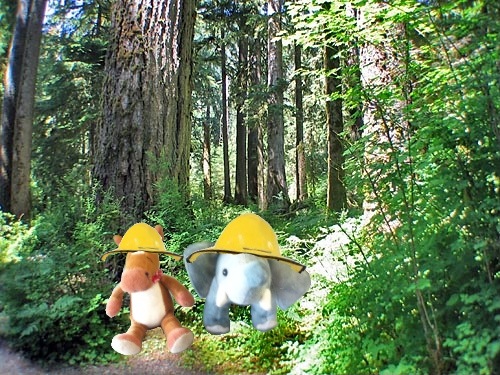
We’re staying in Central America this Feathery Friday to meet today’s bird! Whoooooo do you think it will be? Let’s get our night vision goggles out see if we can find them!

e & e night rainforest

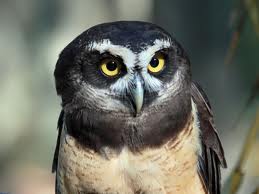
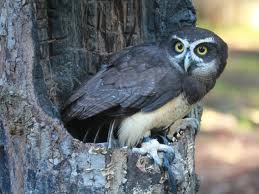
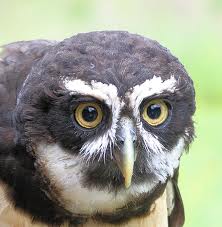
MEET THE SPECTACLED OWL!

spectacled owl   Range/Habitat: South Mexico-Central South America/ rainforest-

   woodlands

   Diet: Carnivore: small mammals, fish, crabs

   Length/Weight: 17- 20”/ 21- 36 oz

   Conservation Status: common 


Fun Facts:

  •          Spectacled owls have a ring of white feathers around their eyes.
  •          They have brown bellies.
  •          They hunt from a perch.
  •          Spectacled owls are solitary.
  •          Spectacled owls are nocturnal.
  •         Check out their haunting call.

Spectacled owls are gorgeous! Their call reminds us of a night around a campfire telling animal stories! What do you think?

spectacled owl2   spectacled owl3

Categories: adventure, Animals, birds, Children, conservation, education, Environment, nature, science, wildlife | Tags: , , , , , , , , , , | Leave a comment
SUPER SURPRISE THURSDAY # 68

SUPER SURPRISE THURSDAY #68

It’s time to check out the picture, read the clues and guess the animal! Post your answers in the comments below!

nake mole rat

  • I live in colonies.
  • Some say I am ugly.
  • I am a rodent.

WHO AM I?

Categories: adventure, Animals, Children, conservation, education, Environment, mammals, science, wildlife | Tags: , , , , , , , , , | 4 Comments

SAVE THE RHINO DAY- ART CONTEST!

SAVE THE RHINO DAY!!

ART CONTEST!!

We’re celebrating rhinos with an art challenge! We want to see your creativity! We have drawn a rhino for you and we want you to color them! You can do a design in your rhino, add a habitat or color a bunch of rhinos and make a collage! Ellie drew a rhino with swirls!

Image

Dig out the markers, crayons, pastels and pencils. Get creative and show us your love of rhinos! This is a contest and we’ll be picking one winner on May 18th. All ages are encouraged to join! The winner will get a donation made in their name to the World Wildlife Fund Rhinos campaign! Are you ready? Let’s get creative to Save the Rhinos!

Image (2)

Categories: adventure, Animals, Children, conservation, contest, crafts, education, Environment, mammals, nature, rhinos, science, wildlife | Tags: , , , , , , , , , , , | Leave a comment

REPTILIAN TUESDAY # 68

REPTILIAN TUESDAY # 68

We’re leaving Africa and taking a jet plane to Central America to meet a cool reptile that looks like a dinosaur. Grab your passports, backpacks and snacks and let’s gooooooo….

e & e rainforest

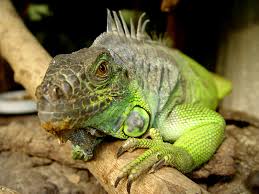
MEET THE GREEN IGUANA!

green iguana   Range/Habitat: Central-North South America/ rainforests

   Diet: omnivore: insects, flowers, leaves

   Length/Weight: 3 ¼-6 ft/ up to 11 lbs

   Conservation Status: common


Fun Facts:

  •          Green iguanas are excellent climbers.
  •          They have long legs and claws for climbing.
  •          Green iguanas are the largest lizard in the Americas.
  •          Green iguanas have a crest of pointed scales down their back.
  •          They have long tails to help them balance and defend themselves.
  •          Male green iguanas have large dewlaps under their chins.

We’ve met the Marine Iguana and now we’re meeting the Green iguana! Iguanas are such amazing lizards with their prehistoric scales and long legs!

green iguana2   green iguana3

Categories: adventure, Animals, Children, conservation, education, Environment, nature, reptiles, science, wildlife | Tags: , , , , , , , , , | Leave a comment

MAMMAL MONDAY # 68

MAMMAL MONDAY # 68

It’s off to Africa for us today to meet a member of the canine family! We’re heading into the desert so grab your mud sunscreen SPF 35 and your sunglasses and let’s head out on today’s adventure!

e e desert

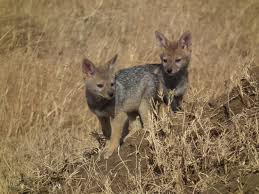
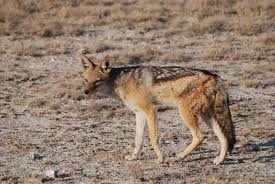
MEET THE BLACK BACKED JACKAL!

black backed jackal   Range/Habitat: East-Southern Africa/ desert, scrub

   Diet: Omnivore: plants, reptiles, eggs

   Length/Weight: 18-35”/ 13-26 lbs

   Conservation Status: common


Fun Facts:

  •          Black backed jackals are red brown in color with a black saddle of fur on their backs.
  •          They are territorial.
  •          Black backed jackals mate for life.
  •          Black backed jackals have bushy tails.
  •          They live in small family groups.

These jackals are gorgeous with their colors. The canine family is so diverse, which one is your favorite?

black backed jackal2  black backed jackal3

Categories: adventure, africa, Animals, Children, conservation, education, Environment, mammals, nature, science, wildlife | Tags: , , , , , , , , , | 1 Comment

SAVE THE FROGS DAY 2013!!

SAVE THE FROGS DAY 2013!!

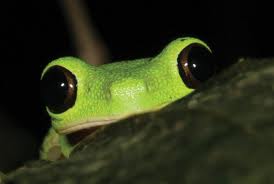
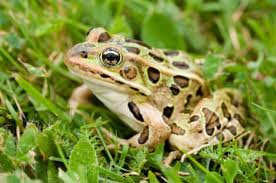
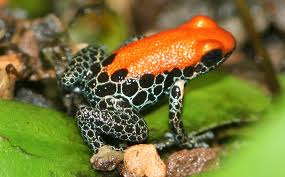
We’re celebrating FROGS for Save the Frogs Day! We had a great time last week celebrating these fabulous amphibians for our own frog week! We’re sharing some great photos, fun facts, videos and an INTERVIEW WITH A FROG CONSERVATION SCIENTIST!

IMG_4536

  • Frogs are amphibians
  • They live on all continents except Antarctica.
  • The Goliath Frog is the larges species of frog in the world.
  • Wood frogs can “freeze” solid and survive the winter.
  • The Golden Dart Frog is the most toxic frog in the world.
  • Bullfrog tadpoles are toxic.
  • Frogs are cold blooded.
  • There are about 4,900 species of frogs in the world.
  • A group of frogs is called an army. A group of toads is called a knot.
  • Frogs do have ears! They are located right behind their eyes.
  • Frogs have been around for 200 million years.

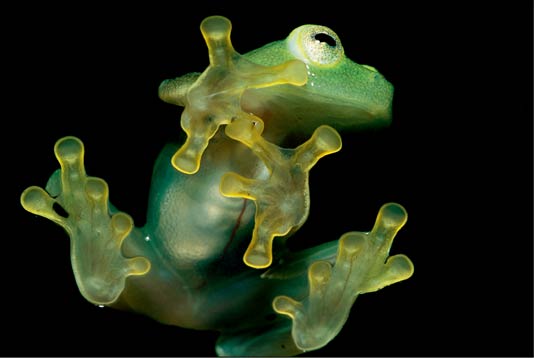
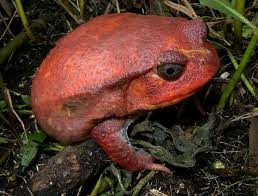
frog   frog2


frog4

frog8  frog6


We met with the Amphibian Conservation Coordinator at Atlanta Botanical Gardens and talked frogs- read the interview here! We promise it is super cool!

We couldn’t celebrate Save the Frogs Day without some tips on how you can help:

  • Create a frog friendly backyard. Let your grass grow and reduce trash and chemicals in your yard. Also provide a water feature.
  • Learn about the frogs in your area.
  • Conserve water.
  • Recycle! Recycle! Recycle!
  • Check out organizations like SAVE THE FROGS!

Save the Frogs Day wouldn’t be complete without a little music from our favorite frog- Kermit!

It’s Not Easy Being Green and Frogs in the Glen!

kermit & frogs

Categories: adventure, amphibians, Animals, Children, conservation, education, Environment, frogs, nature, science, wildlife | Tags: , , , , , , , , , , | 1 Comment

FEATHERY FRIDAY # 67

FEATHERY FRIDAY #67

We’re going to that island country of Japan to see if we can find a very special and gorgeous bird! So pack your bags, cameras and binoculars and let’s head out on today’s adventure!

e e woods

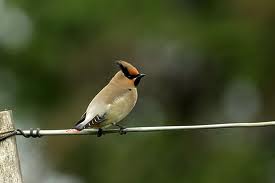
MEET THE JAPANESE WAXWING!

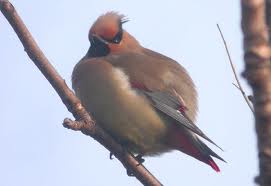
japanese waxwing2   Range/Habitat: Northeast Asia/ forests

   Diet: Omnivore: fruit, berries, insects

   Length: 6 ½”

   Conservation Status: near threatened


Fun Facts:

  •          Japanese Waxwings are pinkish-brown.
  •         They have black bibs and eye markings.
  •          Japanese waxwings have a large crest of feathers on their head.
  •          Japanese waxwings lack the waxing covering on the end of her wings.
  •     They are sociable.

Japanese waxwings are so cute! We love meeting little birds from all over the world! What birds do you like seeing?

japanese waxwing3   japanese waxwing

Categories: adventure, Animals, birds, Children, conservation, education, Environment, nature, science, wildlife | Tags: , , , , , , , , , | Leave a comment

WORLD PENGUIN DAY!!

WORLD PENGUIN DAY!!!

We’re celebrating World Penguin Day with some fun facts and picture about the fabulous flightless birds! We’re wearing our orange tufts to look like Macaroni Penguins, our favorites!

e e macaroni hair

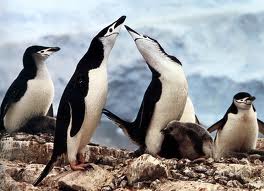
  • There are 18 species of penguins in the world.
  • All penguins live in the Southern Hemisphere.
  • Only 8 species of penguins actually live in cold climates.

penguin8   penguin7


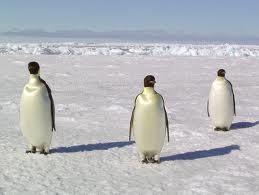
  • The Emperor Penguin is the largest species.
  • The Fairy Penguin is the smallest species.
  • Penguins live in colonies.
  • Penguins are marine birds. They spend 75% of their life at sea.

penguin6    penguin2


  • Penguins have up to 70 feathers per square inch.
  • Penguins have excellent hearing.
  • Emperor Penguins can stay under water for up to 15 minutes.

penguin3   penguin4


  • Fossilized penguins have been found that are 58 million years old.
  • Penguins do not have teeth. They have barbs on their tongue and throat.
  • Penguin wings are called flippers.

penguin5   penguin1


Tell us why you love penguins!!

Categories: adventure, Animals, birds, Children, conservation, nature, oceans, penguins, science, wildlife | Tags: , , , , , , , , , , , | 4 Comments

Blog at WordPress.com.