Posts Tagged With: animals

WATERY WEDNESDAY # 65

WATERY WEDNESDAY # 65

 We’re taking the E & E sub to the waters off of Europe to meet a small shark! We love those cartilaginous fish and they come in all shapes and sizes! Hop aboard and let’s go on today’s adventure!
e e deep sea

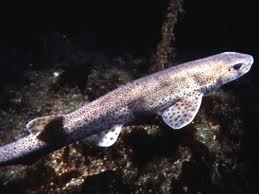
MEET THE SMALL SPOTTED CATSHARK!

small spotted catshark   Range/Habitat: Eastern North Atlantic- Mediterranean/ ocean

   Diet: Carnivore: fish, mollusks

   Length/Weight: up to 3 ¼ ft/ 6 ½ lbs

   Conservation Status: common


Fun Facts:

  • Small Spotted Catsharks are also known as the Lesser Spotted Catshark.
  • Small spotted catsharks are the most common shark in Europe.
  • They have smooth skin.
  • They have spots to help them camouflage in with the ocean floor.
  • Female small spotted catsharks lay eggs called mermaids purses.


These little sharks are great! We love that shark eggs are called mermaid purses! Hehe- can you imagine a mermaid with a purse!? We giggle every time we think of it!

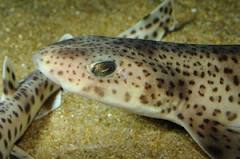
small spotted catshark2   small spotted catshark3

Categories: adventure, Animals, Children, conservation, education, Environment, fish, nature, oceans, science, sharks, wildlife | Tags: , , , , , , , , , , | 1 Comment

REPTILIAN TUESDAY # 65

REPTILIAN TUESDAY # 65

We’re off to some of the most famous islands on planet earth; where Charles Darwin himself discovered and honed his theory of evolution! Today’s reptile isn’t what most would call pretty, but man are they cool! So let’s head out to meet…

e e galapagos

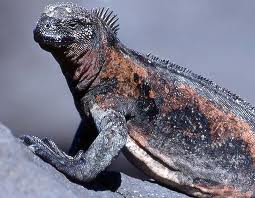
MEET THE MARINE IGUANA!

marine iguana   Range/Habitat: Galapagos Islands, coast-oceans

   Diet: herbivore: algae, seaweed

   Length/Weight: 4-5 ft/ 1-3.3 lbs

   Conservation Status: vulnerable


Fun Facts:

  • Marine Iguanas colors vary by the island they live on.
  • They have large flat tails to help them swim along the rocky coasts.
  • Marine Iguanas have razor sharp teeth to eat seaweed and algae.
  • Marine iguanas sneeze to get rid of excess salt.
  • They sun themselves on lava rocks after being the cold ocean waters.

Marine Iguanas may be one of our most favorite animal of all times! They are so prehistoric looking and wonderful! Plus what could be cooler than having the ability to sneeze salt?

 marine iguana2


Categories: adventure, Animals, Children, conservation, education, Environment, nature, oceans, reptiles, science, wildlife | Tags: , , , , , , , , , , | 1 Comment

MAMMAL MONDAY # 65

MAMMAL MONDAY # 65

We’re going exploring in the woods just down the road today to meet today’s animal. They can be quiet shy and elusive, but are found all over the world! We bet loads of you have even met this mammal! Are you ready for today’s adventure?

e e woods

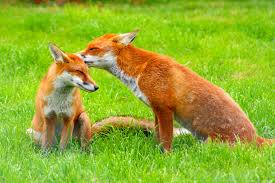
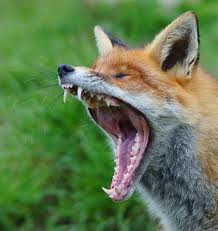
MEET THE RED FOX!

red fox   Range/Habitat: North America-Europe-North Africa-Asia/ forests,

grasslands, mountains, suburbs

   Diet: Omnivore: rodents, vegetation, birds

   Length/Weight: 18-33”/ 6.5-24 lbs

   Conservation Status: common


Fun Facts:

  • Red foxes are intelligent.
  • They are solitary.
  • Red foxes have thick tails to keep them warm in winter and to help them communicate with other foxes.
  • Red fox babies are gray or brown when they are born.
  • They often mark their territory.
  • Both red fox parents help rear the kits.

We love when we find a red fox in our neighborhood! They are fast and smart! They often get a bad rap, which confuzzles this elephant and horse!

red fox2 red fox3

Categories: adventure, Animals, Children, conservation, education, Environment, mammals, nature, science, wildlife | Tags: , , , , , , , , , | 1 Comment

FEATHERY FRIDAY # 64

FEATHERY FRIDAY #64

It’s Feathery Friday and we’re finally leaving Southeast Asia to head to Africa! We’re going to search for a bird who eats honey! So get your gear and let’s go on another fabulous adventure!

e e woods

MEET THE BLACK THROATED HONEYGUIDE!

greater honeyguide   Range/Habitat: Africa- South of Sahara/ jungles, woodland

   Diet: Omnivore: honey, bees, insects

   Length/Weight: 8”/ 1 ¾ oz

   Conservation Status: common


Fun Facts:

  • Black throated honeyguides are also known as the Greater Honeyguide.
  • They get their name from their ability to guide humans and people to bee hives.
  • They are black and white.
  • Black throated honeyguides lay their eggs in the nests of other birds and do not raise their young.
  • Black throated honeyguides have bright pink bills.


We know some honey loving bears who might like to have a Honeyguide living in their neighborhood. It is amazing how people and other animals use their vocal cues to locate beehives!

greater honeyguide2

Categories: adventure, Animals, birds, Children, conservation, education, Environment, nature, science, wildlife | Tags: , , , , , , , , , | 1 Comment

SUPER SURPRISE THURSDAY # 64

SUPER SURPRISE THURSDAY # 64

Time to look at the picture, read the clues and take a guess in the comments!

giraffe

  • I am a four legged mammal.
  • My long neck is unlike any animal on earth.
  • My tongue is 18-20 inches long.

WHO AM I?

Categories: adventure, Animals, Children, conservation, education, Environment, mammals, nature, science, wildlife | Tags: , , , , , , , , | 1 Comment

WATERY WEDNESDAY # 64

WATERY WENESDAY # 64

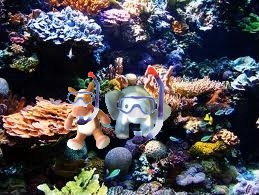
 We’re taking the E & E sub out to the coral reefs of Indonesia today! Anyone notice a theme this week? Apparently our travel budget is getting smaller and we have to stay in one area! J We’re on the lookout for a small, funny looking fish on this adventure so keep your eyes peeled!

e & e snorkeling

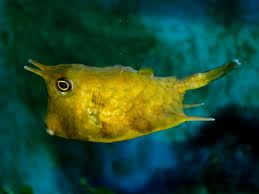
MEET THE BOXFISH!

boxfish   Range/Habitat: Pacific-Indian Oceans/ coral reefs

   Diet: Carnivore: invertebrates

   Length/Weight: up to 18”

   Conservation Status: common


Fun Facts:

  • Boxfish have rigid outer skeletons.
  • Boxfish are squared in shape.
  • They are also called the long-horned cowfish.
  • They have two hornlike projections on top of their head.
  • Boxfish swim very awkwardly because of small fins.
  • Boxfish have large eyes on top of their eyes.


Ooooooo… Boxfish sure are funny looking. We wish they had only one horn so we could rename them the unicorn fish. Hahahahaha!

boxfish2


Categories: adventure, Animals, Children, conservation, education, Environment, fish, nature, oceans, science, wildlife | Tags: , , , , , , , , , , | 2 Comments

REPTILIAN TUESDAY # 64

REPTILIAN TUESDAY # 64

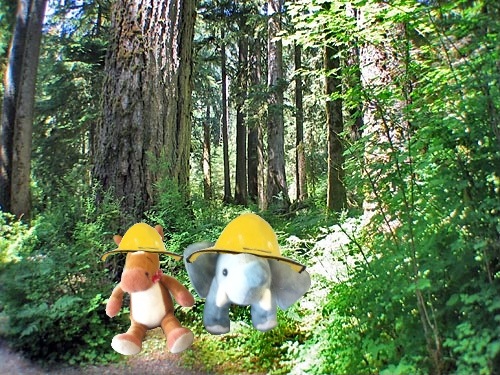
Happy Reptilian Tuesday! We’re staying in Southeast Asia today to meet a beautiful snake who lives high in the trees! These guys really identify with the song “It’s Not Easy Being Green”! Grab your backpack and let’s go!

e & e rainforest2

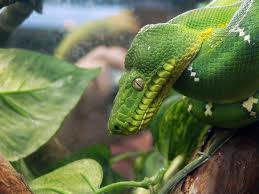
MEET THE GREEN TREE PYTHON!

green tree python   Range/Habitat: New Guinea and surrounding islands/ rainforests

   Diet: Carnivore: small mammals, birds

   Length:  6- 7 ¾ ft

   Conservation Status: common


Fun Facts:

  • Green Tree Pythons are arboreal (spend most of their time in trees).
  • They are bright green.
  • Green Tree Pythons are ambush predators.
  • They coil around branches with their head hanging down.
  • Green tree pythons have prehensile tails that help them hang from branches.
  • Green tree python babies are bright yellow.

These snakes are so gorgeous with their bright coloration. You would think they would stand out, but that color helps them camouflage in the rainforests!

green tree python2  green tree python3

Categories: adventure, Animals, Children, conservation, education, Environment, nature, reptiles, wildlife | Tags: , , , , , , , , , | 2 Comments

MAMMAL MONDAY # 64

MAMMAL MONDAY # 64

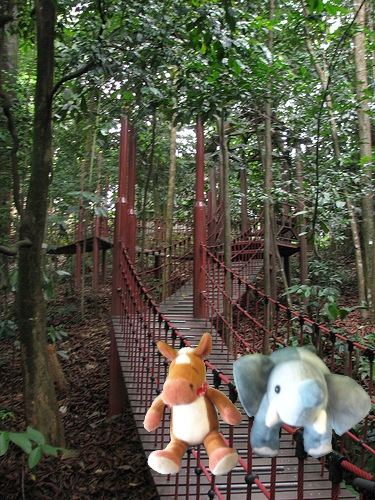
We sure hope you enjoyed Bear Week; we know we did! It’s Mammal Monday again and we’re going to an island in Indonesia to meet a small four legged animal! So let’s hop aboard the E & E boat and take a trip to the South Seas!

e & e rainforest

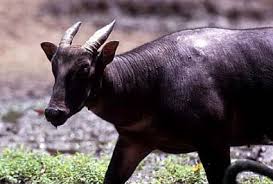
MEET THE ANOA!

anoa Range/Habitat: Sulawesi (Indonesia)/ rainforests, mountains

Diet: Herbivore: leaves, fruits, ferns

Length/Weight: 5 ¼-5 ½ ft/ 330- 660 lbs

Conservation Status: endangered


Fun Facts:

  • Anoas are also known as the midget buffalo.
  • They have plump bodies and short legs.
  • Anoas have horns that face backwards, to help them run through the thick forests.
  • Anoas are solitary.
  • There are two species of Anoa, the lowland and the mountain.

These little water buffalo are so cute! Who knew that water buffalo came in miniature size? We love our hoofed cousins!

anoa2 anoa3


Categories: adventure, Animals, Children, conservation, education, Environment, mammals, nature, science, wildlife | Tags: , , , , , , , , , | 2 Comments

BEAR WEEK DAY # 5

BEAR WEEK DAY #5

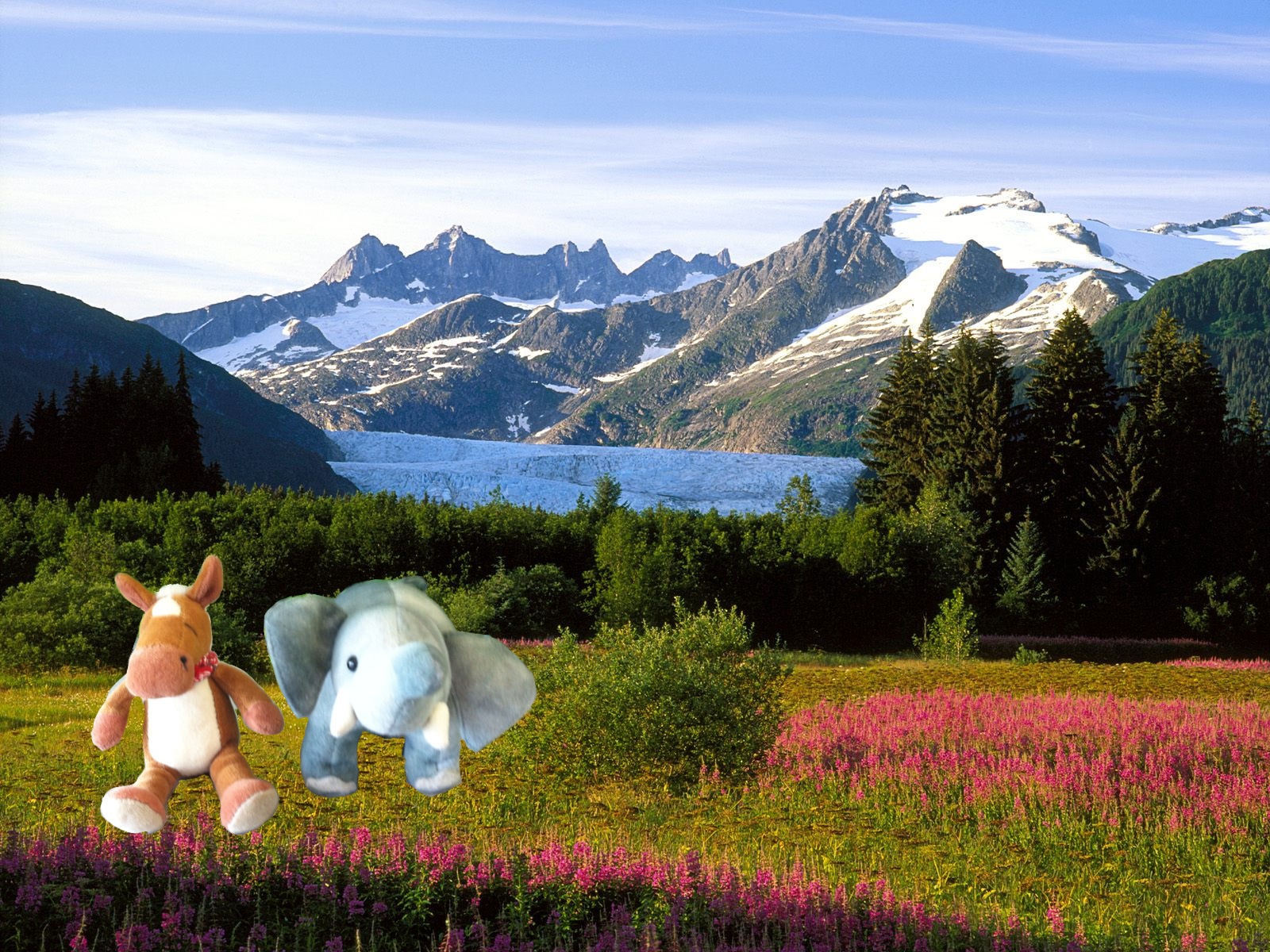
It’s the last day of Bear Week and we sure have had a blast meeting some awesome bears! We are off to Alaska to meet our last bear of the week! So let’s back our coats and backpacks and head out to meet…

e e alaska

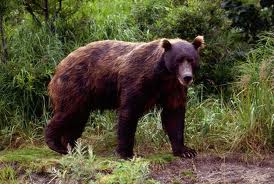
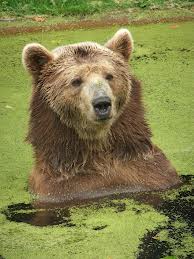
MEET THE BROWN BEAR!

brown bear   Range/Habitat: Northern North America-North Europe-Asia/forests,

mountains, grasslands

   Diet: Omnivore: fish, roots, berries

   Length/Weight: 6 ½-9 ¾ ft/ 220-2,200 lbs

   Conservation Status: common


Fun Facts:

  • Brown Bears are the most widely distributed bear in the world.
  • They have long claws.
  • There are several subspecies of the brown bear, including the Grizzly and Kodiak.
  • Brown bears have large humps on their shoulders.
  • Brown bears hibernate during the winter.
  • They can reach speeds of 30 mph.

Brown bears are large, top of the food chain predators that eat mostly an herbivorous diet!  Momma bears and their cubs are not to be messed with though. They are very protective and at 30 mph can run faster than a human!

brown bear2   brown bear3

Categories: adventure, Animals, Children, conservation, education, Environment, mammals, nature, science, wildlife | Tags: , , , , , , , , | 2 Comments

BEAR WEEK- GUESS THE BEAR!

BEAR WEEK- GUESS THE BEAR!

Look at the picture, read the clues and then tell us what bear your think it is in the comments!

panda

  • I live in China.
  • I only eat bamboo.
  • I am the size of a stick of butter when I am born.

Who Am I?

Categories: adventure, Animals, bears, Children, conservation, education, Environment, mammals, nature, science, wildlife | Tags: , , , , , , , , , , , | 6 Comments

Blog at WordPress.com.