Posts Tagged With: children

Dogs in Africa

Dogs in Africa

We spent our day watching a pack of wild dogs. These amazing canines are so fascinating. Let’s learn more about them!


wild-dog4


img_2094


Date: 2/7

Location: Serengeti

African Wild Dog Fun Facts:

  • African wild dogs’ name in Latin means painted wolf.
  • They are highly social. They live in a pack with a dominate breeding pair.
  • African wild dogs hunt in packs.
  • They can reach speeds of up to 35 mph. They generally can not outrun a prey animals, but instead can wear it out.

img_2095

  • Females are the ones who leave the pack when they are mature adults.
  • The entire pack eats together with no show of aggression to each other.
  • The pack also helps raise the pups.

wild-dog3

wild-dog


These gorgeous canines need a large territory. Unfortunately as their habitat disappears, so do the dogs. Many zoos in the US are working with partners in Africa to make sure these dogs are around for future generations.

Categories: adventure, Animals, Children, conservation, education, endangered species, Environment, mammals, nature, science, Today's Post, wildlife | Tags: , , , , , , , , , | 1 Comment

We’re Monitoring a Monitor

We’re Monitoring a Monitor

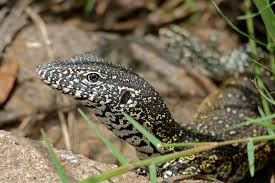
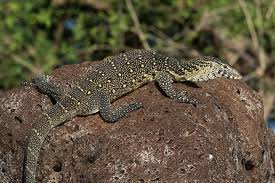
We’re spent our day looking for a large lizard that calls the Serengeti home. The monitor family includes the famous Komodo dragon! The lizard we were searching for does not get to be as big as a komodo, but they are just as cool!

nile-monitor3

img_2025


Date: 2/6

Location: Serengeti

Nile Monitor Fun Facts:

  • Nile monitor lizards are known by many names including the African small grain lizard.
  • Nile monitor lizards have long sharp claws for climbing, digging and ripping apart prey.
  • They have a range of colors from olive to to brown.
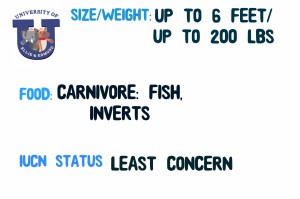
  • Nile monitors are the largest lizard in Africa.
  • They have a stout strong tail to help ward off predators.

img_2026

  • Those forked tongues give the Nile monitor a keen sense of smell.
  • They are known to hunt cooperatively. One monitor will lead a crocodile away from the  nest, while another eats the eggs.
  • Nile monitors are excellent swimmers and will take to water to escape a predator.

nile-monitor2

nile-monitor


We watched a monitor for quiet a while. These amazing lizards are intimidating to see in the wild. They are often kept as pets. As with all exotic pets, it is important to do your homework before getting a pet that will grow large and possibly unruly. There are now populations of Nile monitors in California and Florida. These lizards can be harmful to the local wildlife.

Categories: adventure, africa, Animals, Children, conservation, education, Environment, nature, reptiles, science, Today's Post, wildlife | Tags: , , , , , , , , , , | 1 Comment

Spots! Spots Everywhere!

Spots! Spots Everywhere!

After spending our first night and day adjusting, we stayed up in to the wee hours of the night to go exploring for some spotted hyenas! These social mammals are mostly nocturnal, so it was best to try and spot them at night. One of our guides is even teaching us and Professor Rita, Swahili! She’ll be sharing some of the vocabulary with you each day!

img_1836

spotted-hyena2


Date: 2/2

Location: Serengeti plain

Spotted Hyena Fun Facts

  • Spotted hyenas are the largest species of hyena.
  • They live in large clans that are led by the dominant females. The females are larger then the males.
  • Their have very complex social structures that look more like that of primates then of any other carnivore.
  • Hyenas are intelligent and resourceful predators and scavengers.

img_1842

  • They can digest every part of prey- including skin and bone!
  • Hyena have stout forelimbs and shoulders. They can run for long distances without getting tired.
  • Their large strong heads can produce a bite more than 40% stronger than that of a leopard.
  • Hyenas are very vocal and use a rang of sounds, including the famous “laughing” sound. That “laugh” is a signal of agitation or aggression.

spotted-hyena

spotted-hyena3


These marvelous animals can out hunt lions and chase them away from a kill. They are one of the most successful predators in the Serengeti. They have earned a bad reputation over years- one that is not deserved. These intelligent amazing animals have much to teach us. Remember, even the predators of the plains deserve our love and respect (from a distance of course :)!


Categories: adventure, africa, Animals, Children, conservation, Environment, mammals, nature, science, Today's Post, wildlife | Tags: , , , , , , , , | 1 Comment

Welcome to the Serengeti

Welcome to the Serengeti
fullsizerender

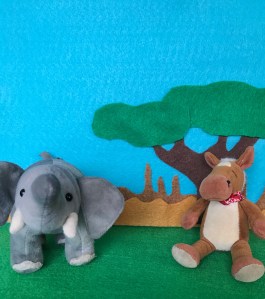
Whew! After heading back to HQs at the University, we unloaded all our ocean adventurer stuff and began packing for a three weeks in the Serengeti. We need rain gear as the wet season is just beginning and warm weather gear for the days and sweaters for the cool nights. Many think these dry plains are always hot, but it can get quiet cold at night. We packed our trunks – the box ones- not Ellie’s and we head all the way Africa!

We arrived at camp- it is lovely. We have a nice tent/cabin and great rangers to help us find the animals we are looking for this trip! We learned more about this magical place. The Serengeti is home to many species, including Ellie’s wild cousins- the African Elephant! There are many more fun facts about the Serengeti! Let’s learn more before we meet our first official animal tomorrow!

serengeti2

  • The Serengeti is not just flat savannas. It has hills, mountains, volcanic craters and forests.
  • The Serengeti National Park sits in Tanzania and Kenya. The park was originally established in the 1920s.
  • The Maasai tribe of people are probably one of the areas most famous group of people! They are known for their cattle.
  • There is one active volcano in the Serengeti- Ol Doinyo Lengai.
  • Many people know of the annual migration of wildebeest, zebras and antelopes. There are over a million animals that travel miles and miles to get to areas where fresh are.
  • Many animals call the Serengeti home, including antelope, buffalo, leopard, elephants, baboons, giraffes, wild dogs and many many more.
  • Some of the oldest human ancestors were found here- including Lucy, one of the most famous fossils ever found.

serengeti3

We’re super excited to meet the animals of the amazing habitat! We’ll see you tomorrow to meet an amazing predator!


Categories: adventure, africa, Animals, Children, conservation, education, Environment, nature, science, Today's Post, wildlife | Tags: , , , , , , , , | 1 Comment

It’s a Ray! It’s a Bat Ray!

It’s a Ray! It’s a Bat Ray!

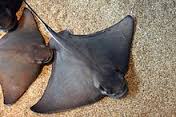
We wrapped up our last day on the west coast diving and we found this amazing ray. Rays are such graceful and neat fish and we were super excited to meet the bat ray!

img_1692

bat-ray


Date: 1/26

Location: Kelp forest

Bat Ray Fun Facts:

  • Bat rays belong in the eagle ray family.
  • They use their pectoral fins to swim and to stir-up sand and reveal prey.
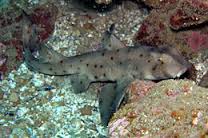
  • When these rays “dig” out holes from the sand, they leave holes that other fish, like the horn shark use to hide in.
  • Bat rays have strong crushing plates that they use to crush hard shells.

img_1694

  • Bat rays give live birth. The pups have the venomous spine, but it is soft and covered in a sheath to protect the mother.
  • Bat rays have spiracles that move water over their gills when they are resting on the ocean floor.
  • Bat rays are mostly solitary.

bat-ray2

Wow! We so enjoyed watching the rays swim so gracefully in the waters just off the coast! We couldn’t have picked a better last day! We did miss many animals though; that just means we’ll have to come back! For now, we’ll head back to our HQs at the University and get our things back for the Serengeti! That’s right, we’re going to Africa and back to Ellie’s home! We are so excited!!!

Categories: adventure, Animals, Children, conservation, Environment, fish, nature, science, Today's Post, Uncategorized | Tags: , , , , , , , , , , | 1 Comment

Walking a Shark

Walking a Shark!

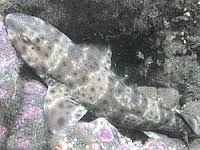
We are enjoying our last few days here in the kelp forest. After early morning smoothies (at 4am) we boarded the SS Ellie and Edmond and headed out for one last dive. We were hoping to find a little shark who is super neat!

img_1691

horn-shark3


Date: 1/25

Location: Kelp forest

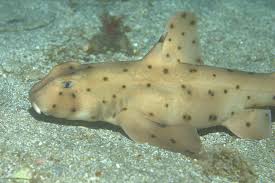
Horn Shark Fun Facts:

  • Horn sharks have blunt snouts.
  • They have a sharp spine on each dorsal fin that helps protect them from predators.
  • Horn sharks are nocturnal and solitary.

img_1693

  • Horn sharks stay in a small home territory.
  • Female horn sharks lay cone shape eggs they wedge in between rocks.
  • Young sharks live in the kelp forests in rock crevices or holes made by bat rays.
  • They use their strong jaws to suck in prey. They then crush the outer shells and eat the meat inside.

horn-shark2

horn-shark

We had such a great time on our dive. Luckily we spotted another elasmobranch on our trip and we’ll tell you more about them tomorrow!


Categories: adventure, Animals, Children, conservation, education, Environment, fish, nature, oceans, science, Today's Post, wildlife | Tags: , , , , , , , | 1 Comment

Hello Birdie!

Hello Birdie!

After spending the day on the boat whale watching, we decided to chill on the shore and have a picnic while bird watching. We found a group of black birds called pelagic cormorants who were quiet entertaining!


img_1673

comorants


Date:1/23

Location: coast near the kelp forests

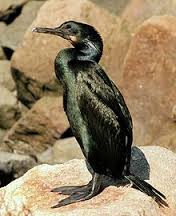
Pelagic Cormorant Fun Facts:

  • Male and females look the same.
  • They are not very efficient flyers, due to short wings.
  • Those short wings help with diving for prey.
  • Pelagic cormorants are also clumsy walkers on land.
  • Unlike other water birds, cormorants do not have waterproof feathers. They must dry and preen them on shore.
  • They do not nest in large colonies, but in small groups.

img_1674

  • Both male and females help incubate the eggs and raise the chicks.

comorants2

comorants3


We had a lovely afternoon watching the cormorants and the other shore birds. Pelicans are still our favorites with their big beaks. Having a healthy population of shore birds is often an indicator for healthy oceans. But like marine mammals, our shore bird friends suffer from ingesting plastic! So keep up the recycling and throw away that trash!


Categories: Animals, birds, Children, conservation, education, nature, science, Today's Post, wildlife | Tags: , , , , , , , | 1 Comment

We’re Having a Whale of a Time

We’re Having a Whale of a Time

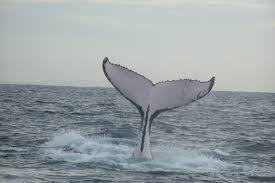
We’re entering our last week here at the Kelp Forest. We sure have had a blast. Today we boarded the SS Ellie and and Edmond and went whale watching. We have met humpbacks off the coast of California, but we have never spotted the gray whale. So we headed out to find these giants of the deep.

img_1668

grey-whale3


Date: 1/23

Location: Off the California coast

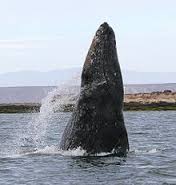
Gray Whale Fun Facts:

  • Gray whales are baleen whales. They have plates of fine hair to filter out the tiny food they eat.
  • Their baleen is a cream color, unlike other baleen whales with black colored baleen.
  • Most gray whale lay on their right side to scoop sediment from the ocean floor.
  • Gray whales have two v-shaped blowholes on top of their head.
  • Gray whales have no dorsal fin, instead sport a bumpy dorsal ridge.

img_1672

  • They are often covered in barnacles.
  • The Northern pacific population of grey whales is the largest population in the world.

grey-whale2

grey-whale


We had such a fabulous time watching for these migrating giants. We love whales. Gray whales were almost hunted to extinction, but with protections put in place their populations grew and the Pacific populations are now stable.

Categories: adventure, Animals, Children, conservation, education, endangered species, nature, oceans, science, Today's Post, wildlife | Tags: , , , , , , , | 1 Comment

It’s An Orange Fish

It’s An Orange Fish

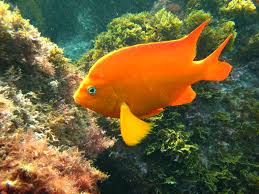
On our first dive yesterday, one of the most striking fish we saw was the Garibaldi fish. These orange fish get their name from a famous Italian politician who often work bright orange/red. Mother nature gave this fish their color and thank goodness it did!

garibaldi3

img_15751


Date: 1/19

Location: Kelp forest

Garibaldi fish fun facts:

  • Garibaldi are members of the damselfish family.
  • They are the largest member of the damselfish family.
  • Garibaldi are very territorial.
  • Males will aggressively defend eggs while they are incubating. They are even known to bite divers who get to close.
  • When they charge, they make a grunting noise as a warning.

img_15761

  • Garibaldi are the state marine fish of California.
  • Females choose their mates by how much they like the nest a male has. Females can check out over a dozen nests before choosing the right one.
  • They often choose a nest that has other females’ eggs in it. This means the male defends the nest well.

garibaldi2

garibaldi

It’s amazing how nature works. Who knew that female Garibaldi were so picky. But who can blame them, when there are many predators in the sea who find your eggs to be so tasty.

Categories: adventure, Animals, Children, conservation, education, Environment, nature, oceans, science, Today's Post, wildlife | Tags: , , , , , , , , , | 1 Comment

One Swell Shark

One Swell Shark

We went diving again today in the kelp forest. Our goal was to meet some of the fish who call this special place home! First up is one cool shark! Don’t worry- they are pretty shy and small :)!

img_1453

swell-shark

Date: 1/18

Location: Kelp forest

Swell Shark Fun Facts:

  • Swell sharks get their name from their unique defense mechanism. They grab their tail in their mouth and pump air or water in their stomach and swell to double their normal size.
  • They let out a barking noise when releasing the excess air.
  • Swell sharks are not strong swimmers.
  • They spend their days hiding in caves or crevices.
  • Swell sharks are mostly nocturnal and venture out to find prey.

img_14541

  • They lay eggs, called mermaids purses. The eggs are attached to hard structure to stay in play.
  • Swell sharks are biofluorescent. They absorb light electromagnetic light waves and re-emit as a different color. This neat adaptation was only discovered a few years ago.

swell-shark2

swell-shark3

We dove at two separate times -once during the day and once at night. We knew the little swell shark would be out at night. We were so excited to spot on swimming in the water. They are very shy and often when they see divers, freeze. It’s a shark that plays opossum- hehehe!

Categories: adventure, Animals, Children, conservation, education, Environment, nature, oceans, sharks, Today's Post, wildlife | Tags: , , , , , , , , , | 1 Comment

Blog at WordPress.com.