
WE SPY!

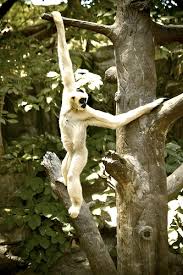
We Spy with our four little eyes this ape who lives in the trees! Can you guess who we spy?

WE SPY!
We Spy with our four little eyes this ape who lives in the trees! Can you guess who we spy?
SCIENCE WORD OF THE WEEK!

Welcome to class this week! We have a big word this week, so let’s get right to it!
Today’s word is Brachiation: to brachiate \ˈbrā-kē-ˌāt\ or swing using one arm at a time. Lesser apes such as gibbons brachiate through the trees. Humans are capable of this, but not like apes or monkeys! Apes and monkeys use this form of movement to get through trees quickly and efficiently.


REPTILES ARE HERE!!
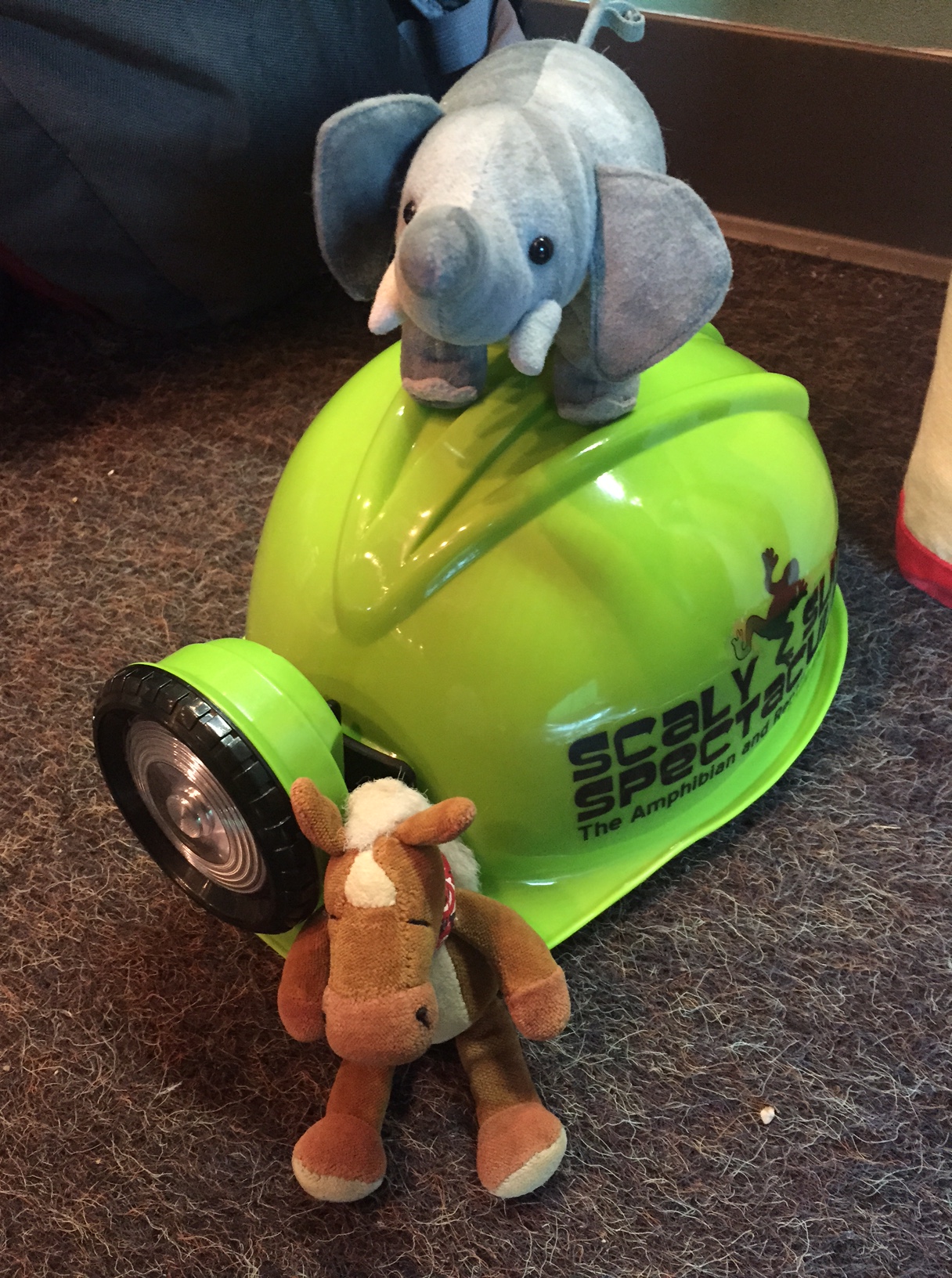
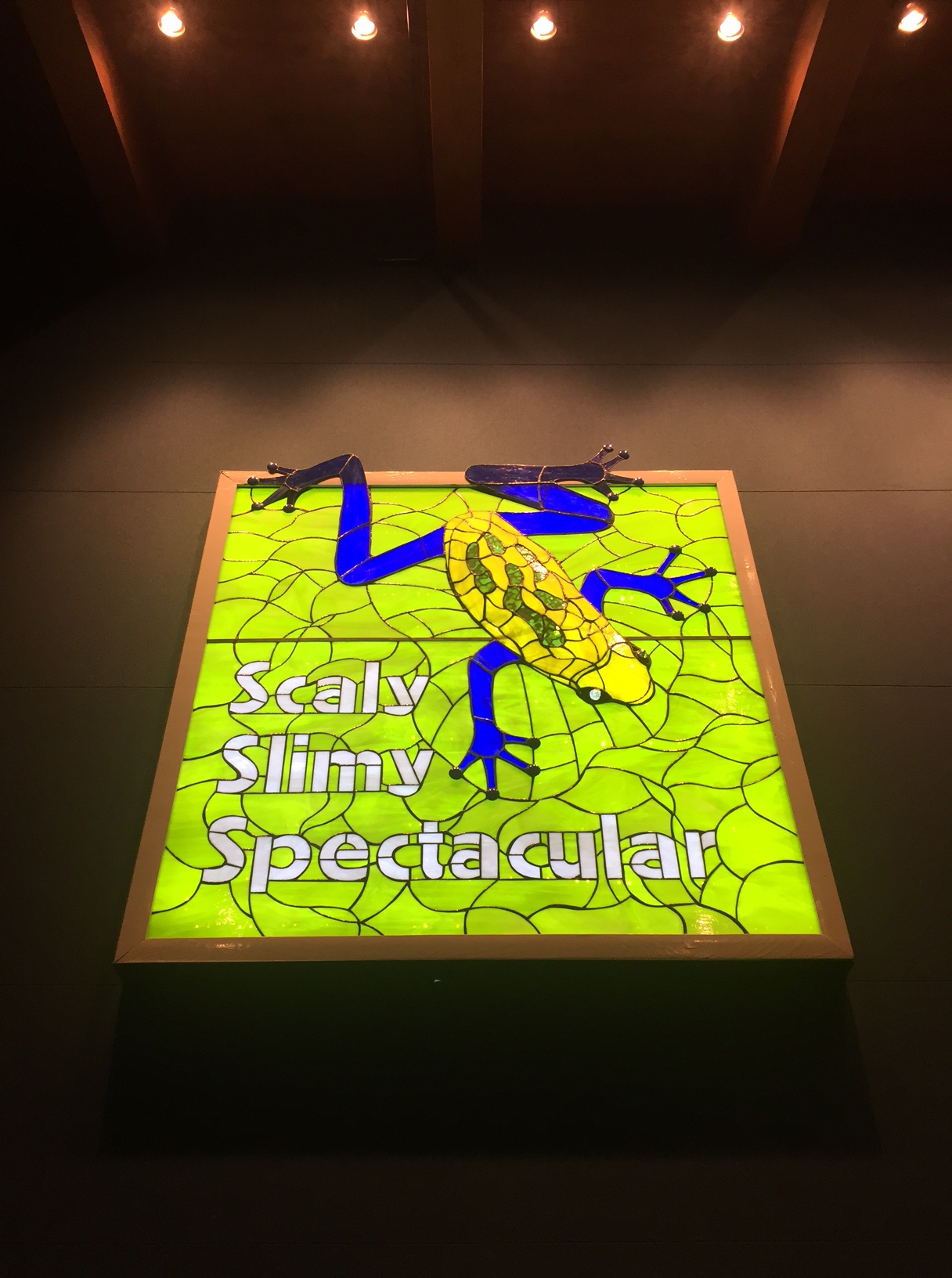
We had a special opportunity to spend the night at Zoo Atlanta in their new reptile house Scaly Slimy Spectacular! This great new space open today! If you’re in the Atlanta, Zoo Atlanta needs to be top on your list of places to visit! We’re giving you our top ten reasons to check out Scaly Slimy Spectacular!
TOP TEN REASONS TO VISIT SCALY SLIMY SPECTACULAR!




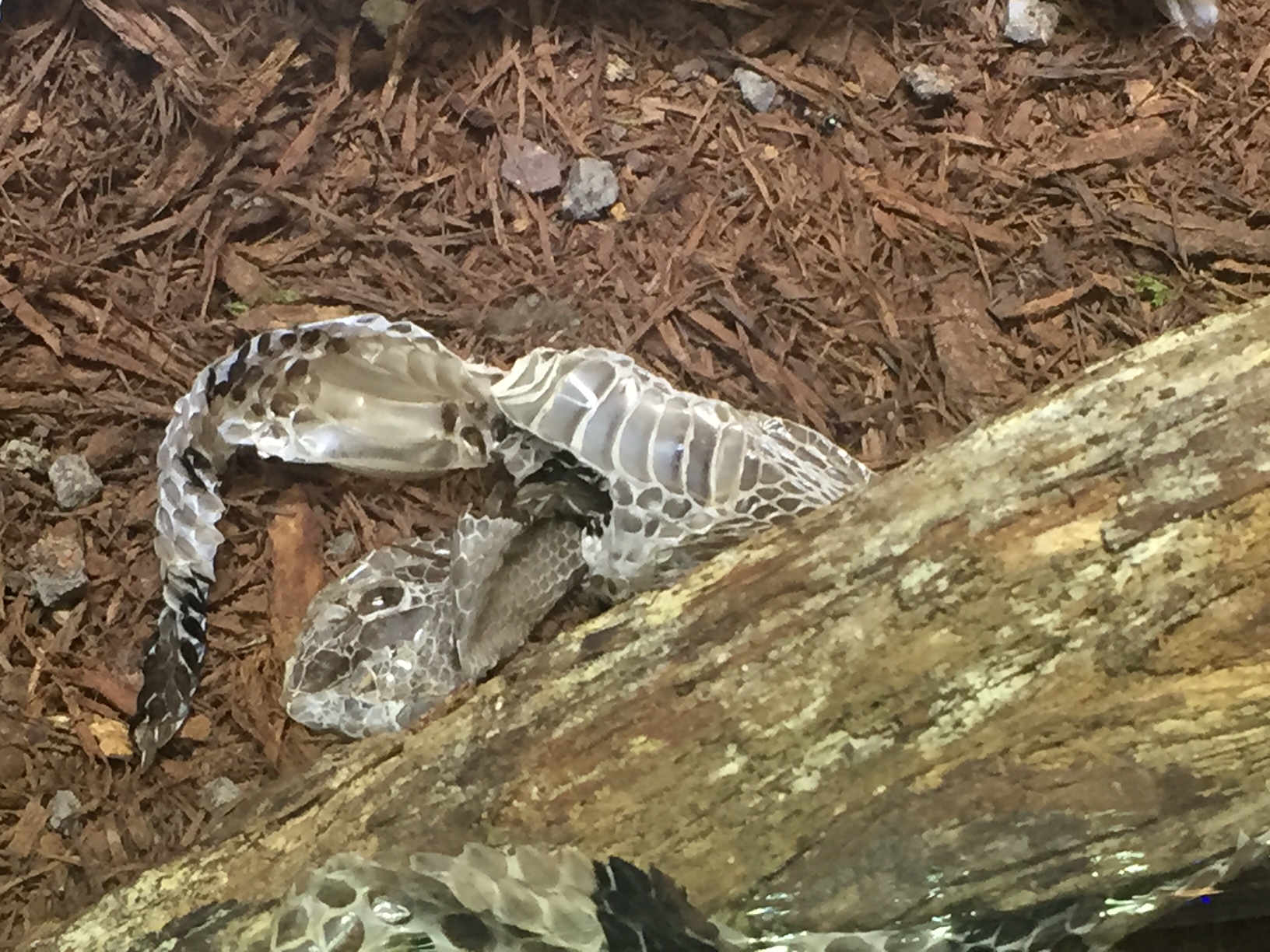
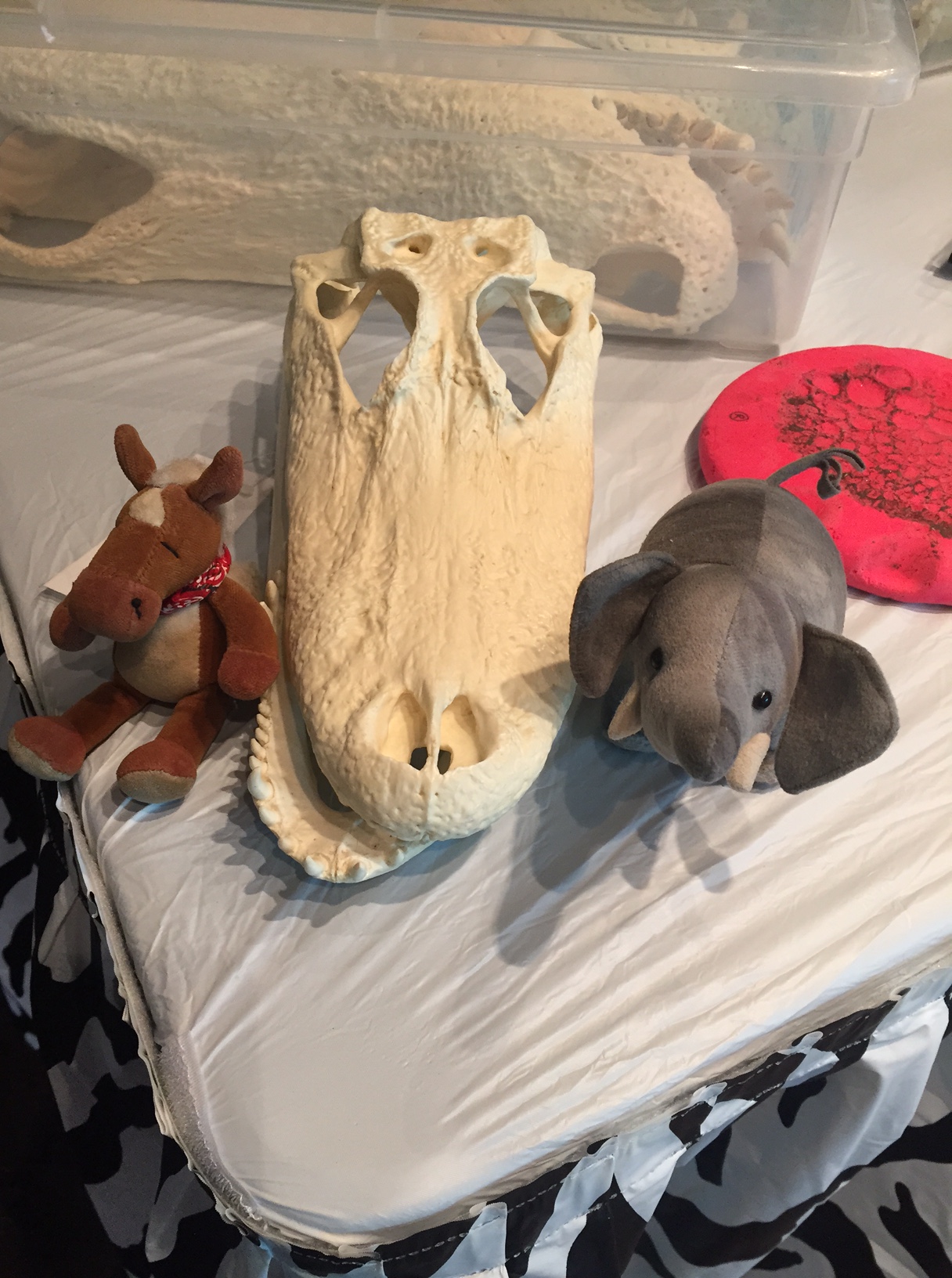

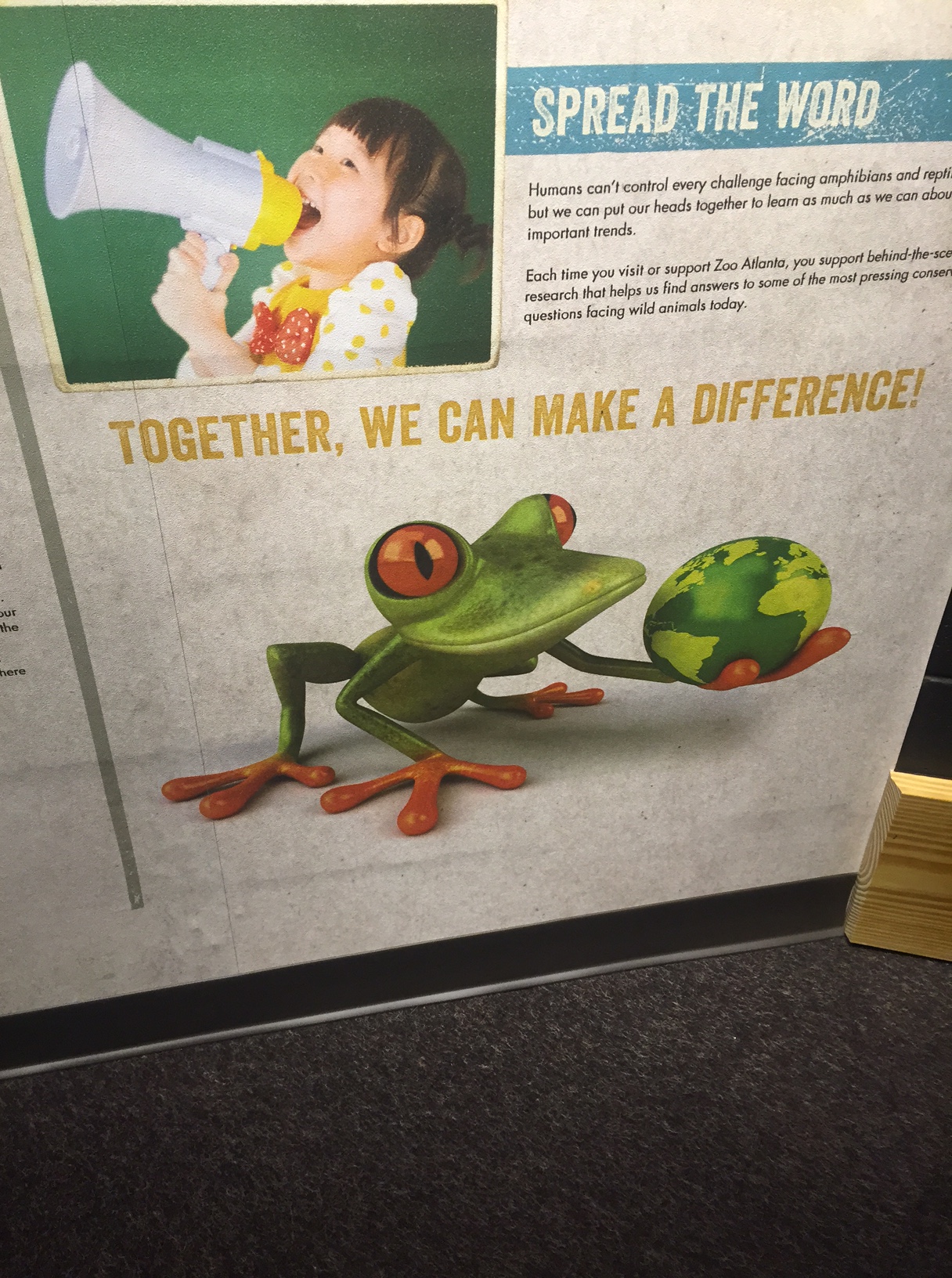
9.You can learn how to make a difference! Reptiles and amphibians need love too!
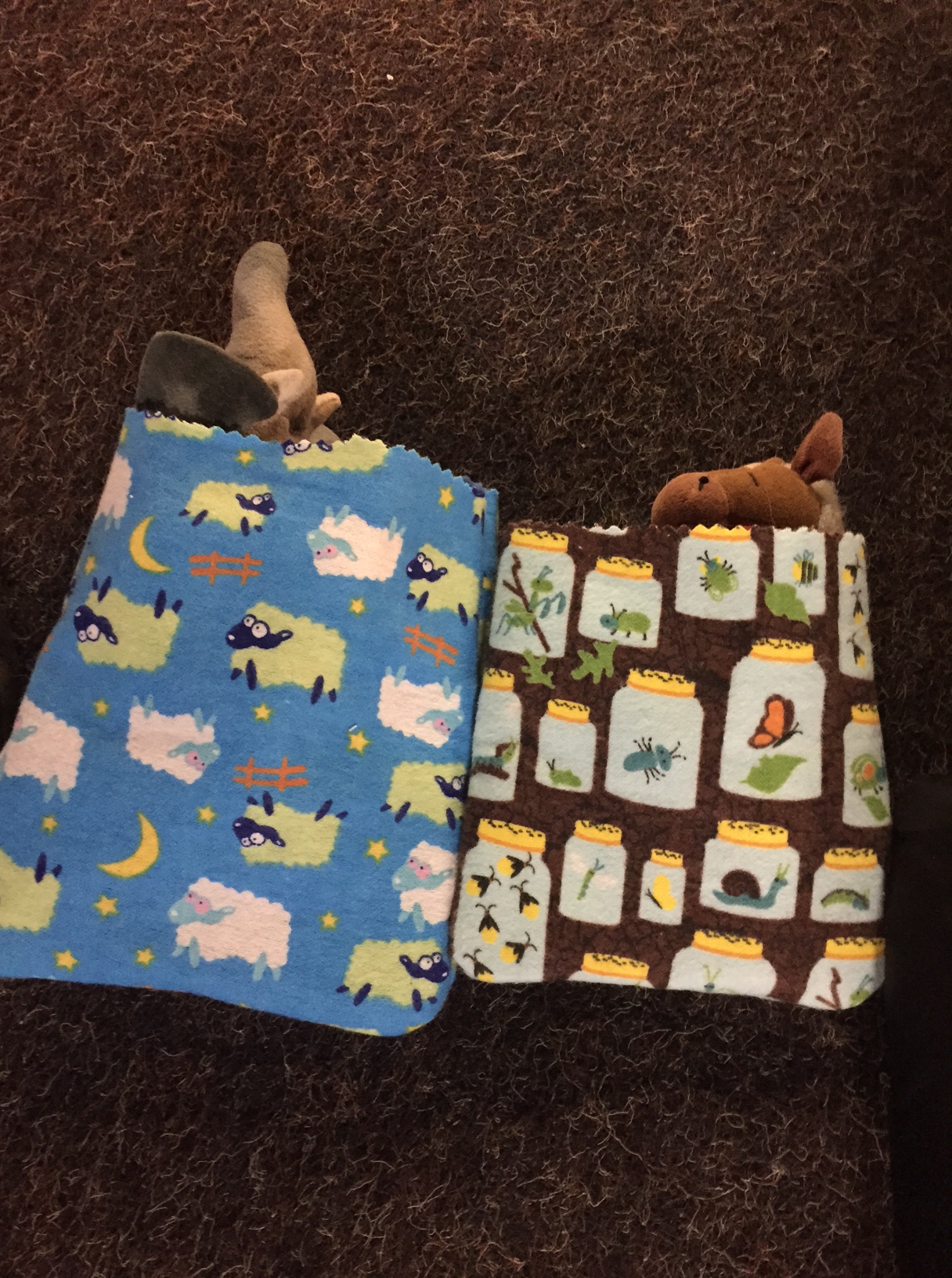
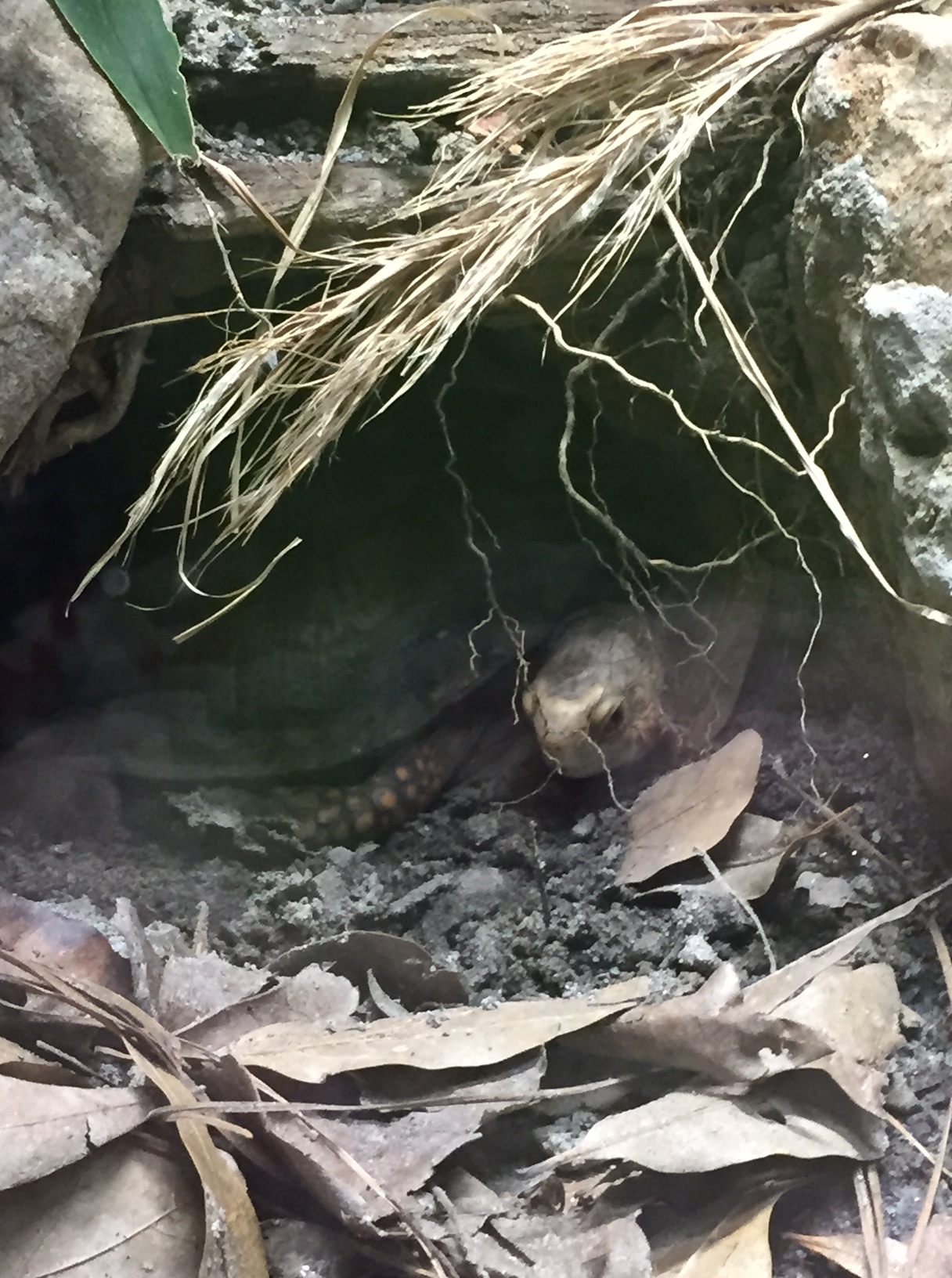
10.Mexican Box Turtle! We slept next to his habitat and he’s very quiet! 🙂
Scaly and slimy animals often don’t get the same respect and love that their mammal and bird friends do! But we think they are great! Come explore this state of the art exhibit with 67 habitats and 100 different species of reptiles and amphibians to enjoy! It is Ssssssssssspectacular!! Learn more about Zoo Atlanta and the Scaly Slimy Spectacular check out the zoo’s website!
Home, Home on the Prairie!
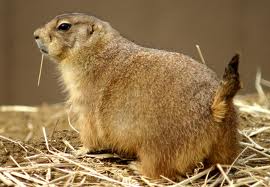
We’re so excited to have found these little rodents on the plains of North America. They have such gregarious personalities and are so fun to observe! Let’s all meet the prairie dog!
Range/Habitat: North America/ prairie

Diet: Herbivore: seeds, plants
Length/Weight: 12-15 inches/ 2-4 lbs
Conservation Status: lease concern
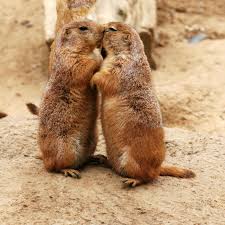
Fun Facts:
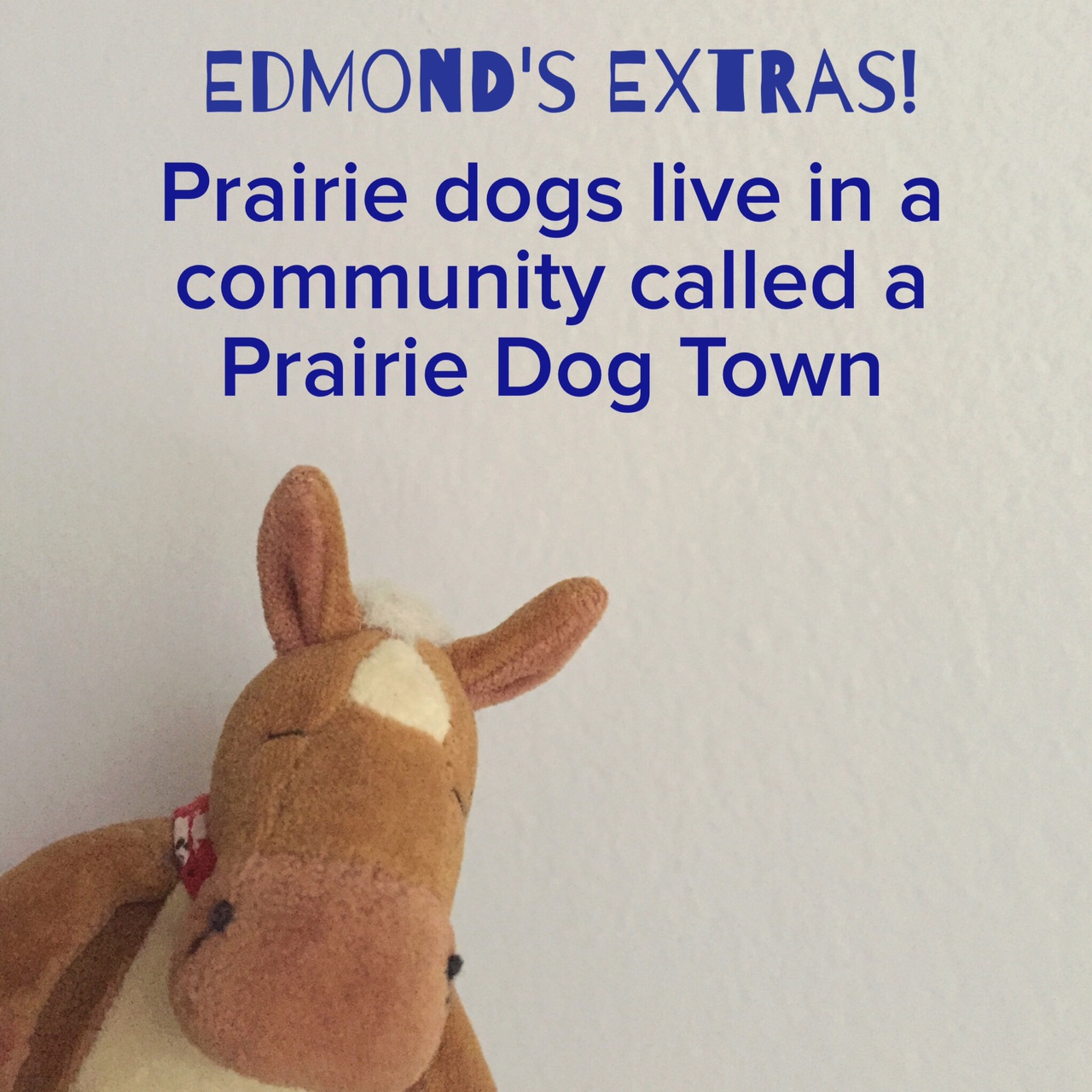

These rodents have one our hearts! Their chirps and kisses just can’t be beat! Who else is with us? Enjoy our coloring sheet too- there’s a new sheriff in this Prairie Dog Town!


Answer: True!
WE SPY!
We Spy with our four little eyes this animal that lives on the prairie! This member of the canine family is found not just on the prairie, but across North America. Can you guess who we spy?
SCIENCE WORD OF THE WEEK!

Welcome to class and Happy Monday! We’ve had a big week here at the University! Ellie and Edmond will be posting some fun posts about their adventure sleeping at Zoo Atlanta and meeting an amphibian scientist! We’ll also be meeting an animal that is associated with today’s Science word! Are you ready to learn it?
Today’s Science Word is Prairie: a large tract of grassland. There are prairies found in North America. They have a temperate climates. These prairies are flat. They have a great diversity of life too.

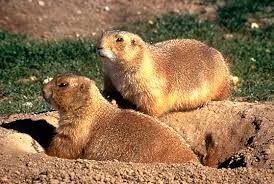
prairie dog

elk

Coyote

Burrowing owl
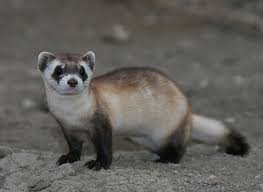
Black Footed Ferret
MANATEE APPRECIATION DAY!!
It’s Manatee Appreciation Day! We love these gentle marine mammals! We have visited them in places in Florida before. We’re going to share some fun facts about the fabulous animals and a great craft you can make too!
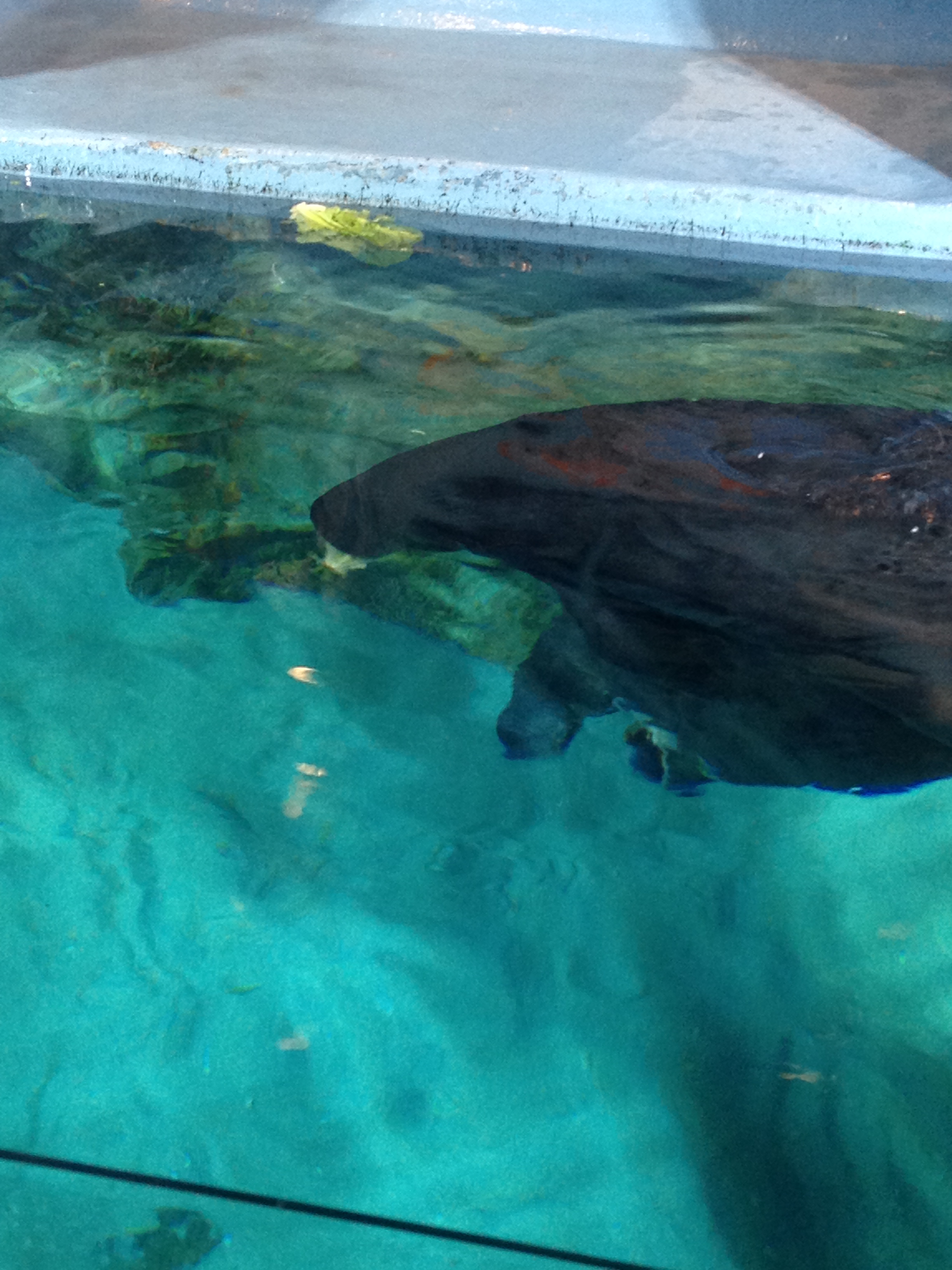



Manatees are endangered due to things like boat strikes and pollution (they get caught in fishing nets). Many people are working to protect these beautiful gentle giants. A great way to help them- Never put trash in the ocean or rivers! Human’s pollution is devastating on our wild animal friends. Also check out Save the Manatee Club– they work very hard to protect manatees!
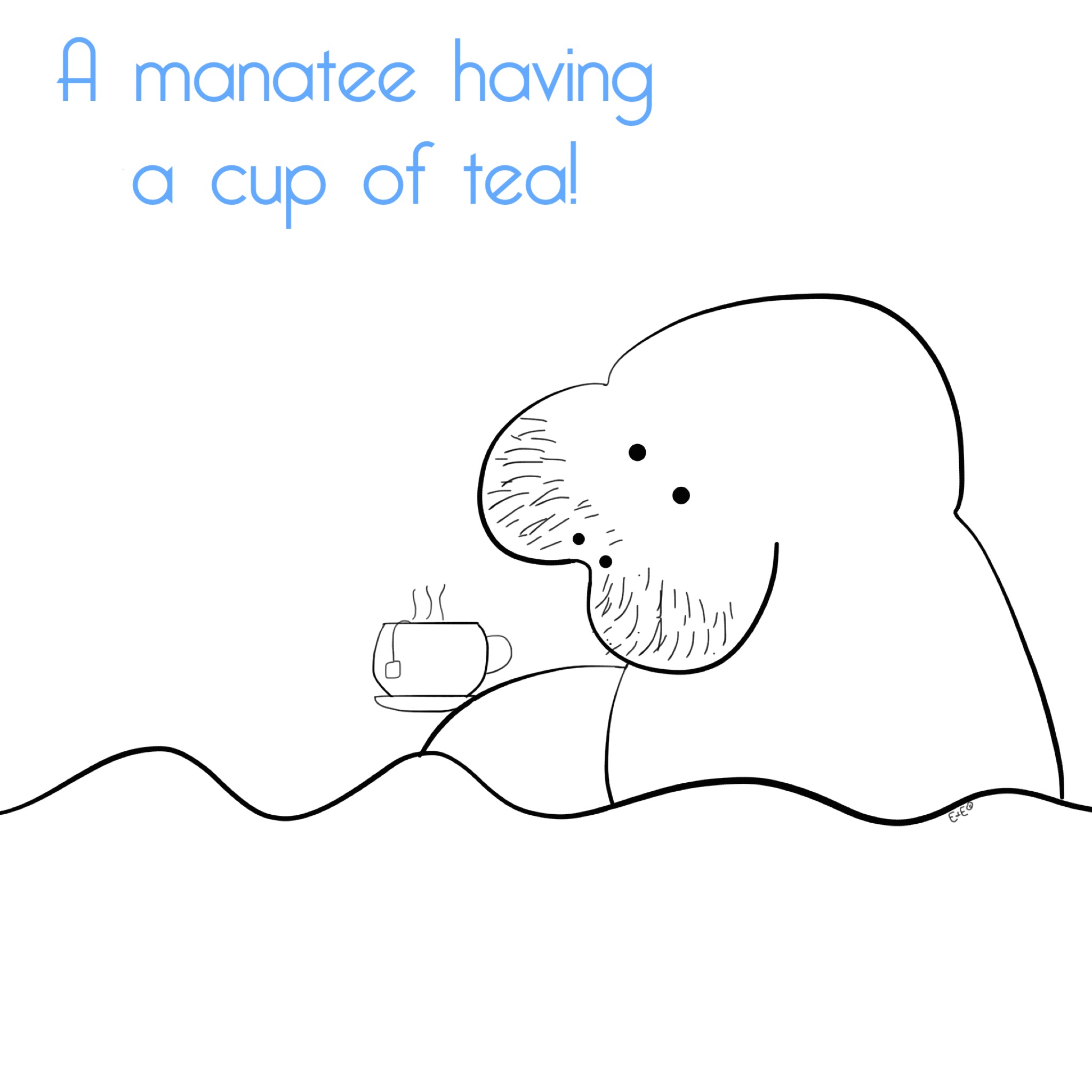
You can also make our great manatee bookmark and share your love of these animals with your friends or color our manatee with a cup of tea coloring page!
WE SPY!!
We spy with our four little eyes a large reptile who dominates the Nile! Who did we spy?

SCIENCE WORD OF THE WEEK!

We’re so glad you could make it to class today! We’re continuing our theme of reptiles this week! Who’s ready to learn the new word of the week!
Osteoderm: a bony plate in the skin. These bony plates form an armor or tough scaly skin to reptiles and amphibians. Many dinosaurs had osteoderms too! The best example of an osteoderm is on an alligator! Those bony plates help protect these large predators, that is if you get past the mouth full of razor sharp teeth! Ha!

SAVE THE FROGS DAY!
We’re celebrating frogs today! We usually would share some fun frog facts with you, but we learned of this excellent frog the other day and decided to feature it on Save The Frogs Day! Come meet the frog that is often called the Jaba the Hut of frogs! Hahaha!
WAXY MONKEY FROG!

Range/Habitat: South America/dry scrub forests

Diet: Insectivore: insects
Length: 2-3 inches
Conservation Status: least concern

Fun Facts:

We love these amazing an odd looking frogs! They are a great species to help us Save The Frogs Day! Amphibians have been on the earth for millions of years and many ecosystems would not survive without them! Our frog friends are very important! GOOOOO FROGS!!! Can you answer Ellie’s trivia question? (answer below)

Answer: True

 The Adventures of Ellie and Edmond