Posts Tagged With: endangered species

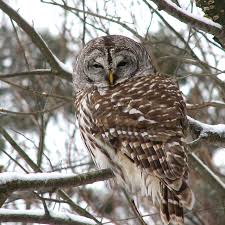
We Spot a Spotted Owl

We Spot a Spotted Owl

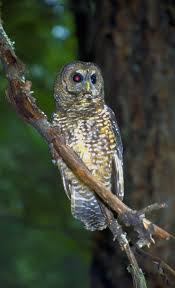
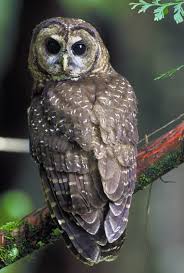
After spending the day watching Clark’s Nutcrackers, we took a nap and had dinner by the fire. We wanted to stay up to find another bird. These raptors were are threatened by habitat loss, so we were very lucky to find them in the dark of night.
spotted3img_0310


ellie_edmund_professors-bfbooby


Date: 11/17

Location: Temperate Rainforest

  • Spotted owls are rather large.
  • They are known to eat flying squirrels and bats in flight!
  • Spotted owls have dark colored eyes, as opposed to yellow or orange like most owls.
  • Spotted owls prefer old growth forests.

img_0311

  • Like other raptors, the females are larger than the males.
  • They do mate for life.

spotted2spotted


We loved spotting these rare birds. The three subspecies are scattered and with their forest disappearing it is making harder to for them to survive. We can all help,  by using less paper and recycling as  much paper as you can! Every little bit helps!


Categories: adventure, Animals, birds, Children, conservation, education, Environment, nature, science, Today's Post, wildlife | Tags: , , , , , , , , , , | 1 Comment

Brown Bear Brown Bear

Brown Bear Brown Bear

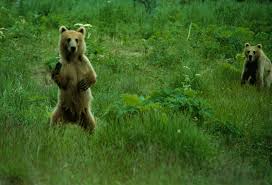
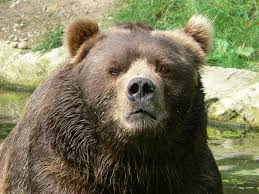
We headed up to Alaska to meet one special resident- the Kodiak Bear. They are a subspecies of the brown bear and they are only found on the islands west of Alaska! We had to bundle up to watch these bears as they get ready for winter! But, wow- what a day watching these massive creatures!
kodiakimg_02531


ellie_edmund_professors-bear


Date: 11/14/16

Location: Kodiak Islands, Alaska

  • The Kodiak bears are the largest subspecies of brown bears.

img_02541

  • Kodiak bears colors vary from light blond to orange to brown.
  • Kodiak bears are mostly diurnal.
  • You can find them together more than their cousin the grizzly bear.
  • Kodiak bears have been on the islands for around 12,000 years.
  • Kodiak bears are considered to be very intelligent.

kodiak3kodiak2


We had a fabulous day observing these magnificent bears! And  man are they huge! We were glad to have a guide show us the bears. It is crucial that humans (and horses & elephants) do not interfere with the bears. There are few reports of bears attacking humans, but making sure they don’t get used to humans and more importantly their food, makes it safe for bears and people alike!
Categories: adventure, Animals, Children, conservation, education, Environment, mammals, nature, science, Today's Post, wildlife | Tags: , , , , , , , , , | Leave a comment

Flying Over the Islands

Flying Over the Islands

img_2584g-hawk


ellie_edmund_professors-bfbooby


Date: 10/20

Location: Galapagos Islands

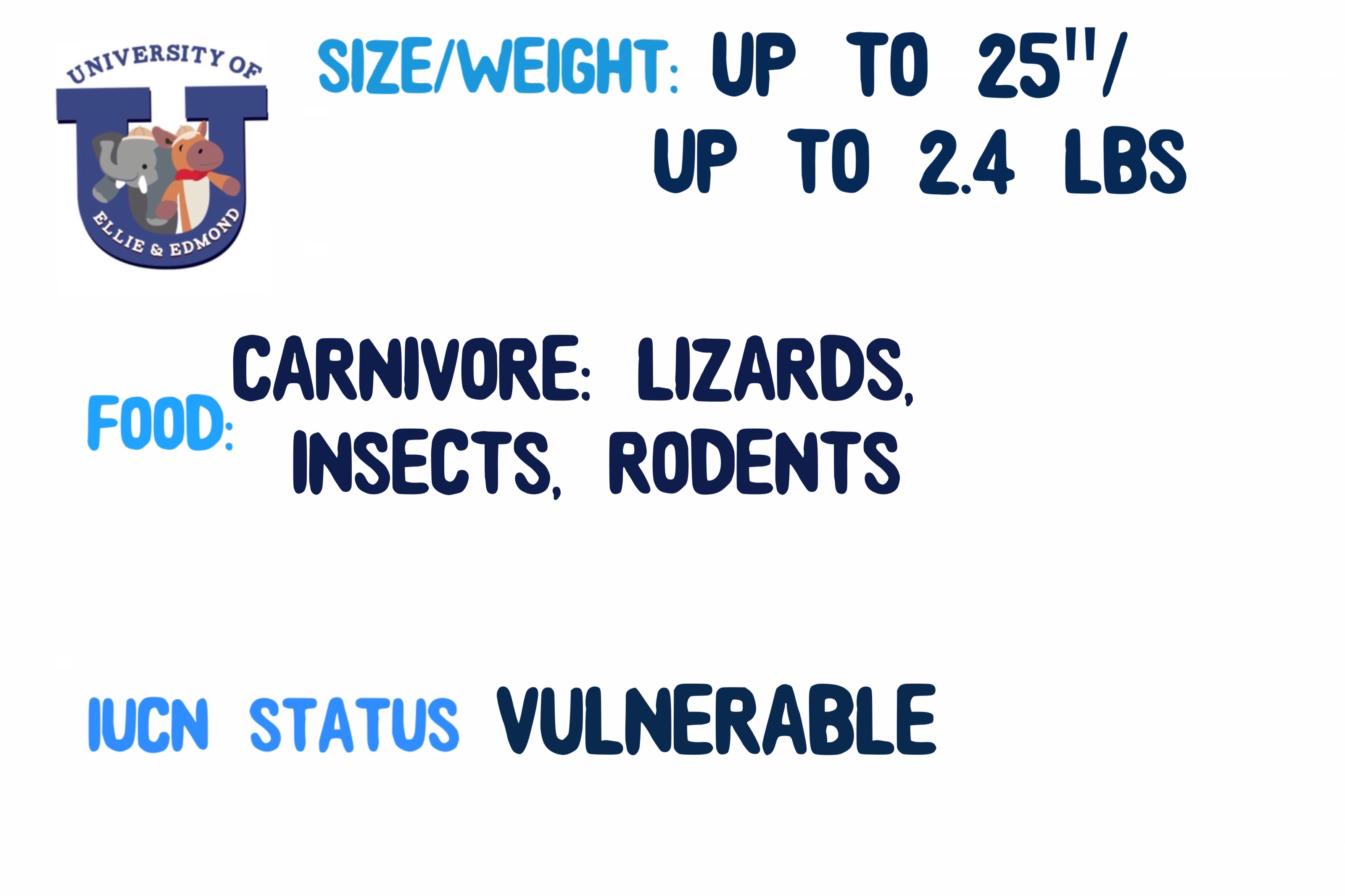
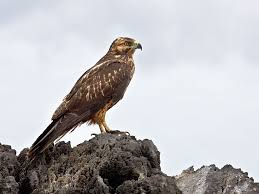
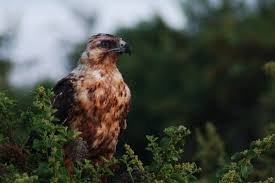
  •          Galapagos hawks are diurnal.
  •          Female Galapagos hawks are larger than the males.
  •          They have large talons.

img_2588

  •          Galapagos hawks catch their prey from the air.
  •          Both the female and male take care of the young.

g-hawk3g-hawk2

These little hawks are so amazing to watch fly over the islands. We witnessed one catch a lava lizard for breakfast.

Categories: adventure, Animals, birds, Children, conservation, education, Environment, nature, science, Today's Post, wildlife | Tags: , , , , , , , , , | Leave a comment

Island Sea Lions

Island Sea Islands

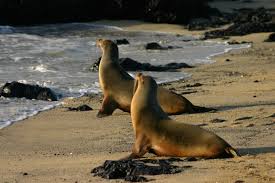
img_2581sea-lion2

ellie_edmund_professors-bear

Date: 10/17

Location: Galapagos Islands

  • Galapagos sea lion are smaller than their California sea lion cousins.
  • Galapagos sea lions love sardines. They can suffer in years when the sardine population is low.

img_2585

  • Like other sea lions are also very vocal. They communicate with each other with barks and grunts.
  • Galapagos sea lions have long pointy snouts.
  • Males have large crests on their heads.
  • Dominate males have a territory that they share with a group of females.
  • Non-dominate males live in small bachelor groups.

sea-lion3sea-lion

We sat and watched the sea lions all afternoon today. They are very gregarious and loud, not to mention a bit smelly! Hehehe! The islands have very strict rules on watching these social pinnipeds- you must not get too close. That is a good rule for the wildlife and the people who love to watch them.

Categories: adventure, Animals, Children, conservation, education, Environment, mammals, nature, science, Today's Post, wildlife | Tags: , , , , , , , , , | Leave a comment

Is That an Iguana in the Ocean?

Is That an Iguana in the Ocean?

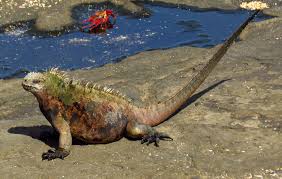
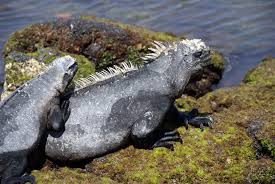
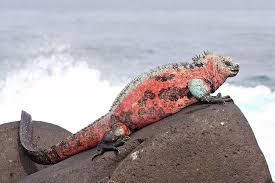
iguanaimg_2531


ellie_edmund_professors-chameleon(1)


Date: 10/11

Location: Galapagos Islands

  • Marine Iguanas colors vary by the island they live on.
  • The iguanas on Espanola are nicknamed “Christmas Iguanas” because of their red coloration.
  • They have large flat tails to help them swim along the rocky coasts.
  • Only the largest iguanas swim often. They do not lose body heat as much.
  • Marine Iguanas have razor sharp teeth that they use to scrape off algae and eat seaweed.

img_2532

  • They sun themselves on lava rocks after being the cold ocean waters.
  • During years when food is in shortage, marine iguanas actually get smaller. They are the only known vertebrate to be able to shrink.
  • Marine iguanas can live up to 60 years.

iguana2iguana3


We woke up a little late after our evening excursion looking for the rice rats. Once we were up, we headed back on the island to meet it’s little dinosaur looking iguanas! Marine iguanas may not be the cutest, but they are spectacular! We love their knobby heads and spiky spines. Watching them sneeze, is so funny too!

Categories: adventure, Animals, Children, conservation, education, Environment, nature, reptiles, science, Today's Post, wildlife | Tags: , , , , , , , , , , | Leave a comment

That is One Big Tortoise

That is One Big Tortoise

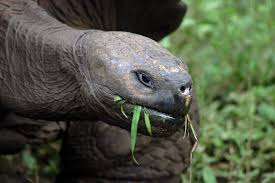
gal-tortoiseimg_2393


ellie_edmund_professors-chameleon(1)


Date: 10/3

Location:  Galapagos Islands

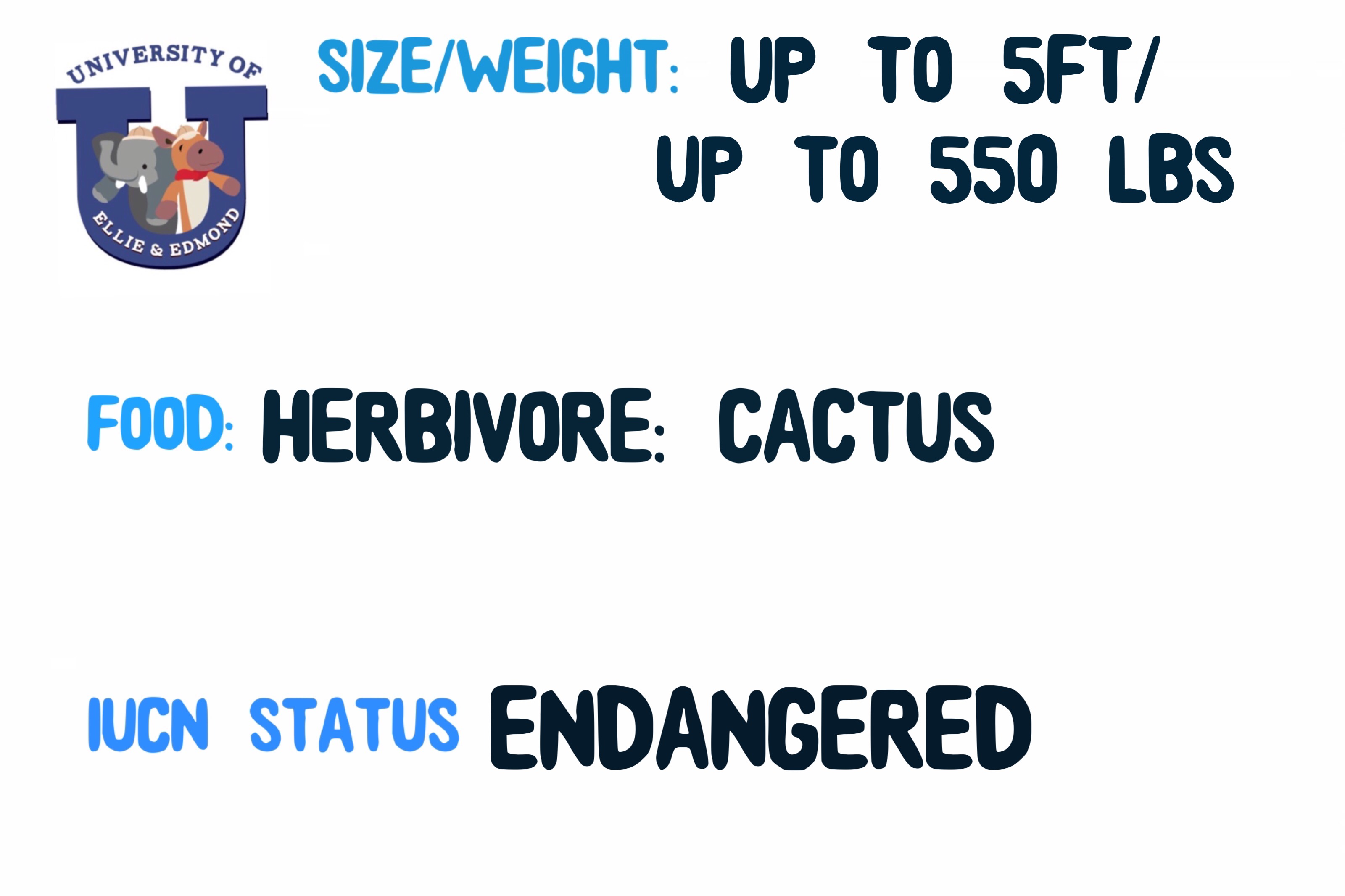
  • Galapagos tortoises are the largest tortoise species on earth.

img_2394

  • These large reptiles can spend up to 16 hours a day sleeping.
  • They can also go up to a year without food or water, due to slow metabolisms.
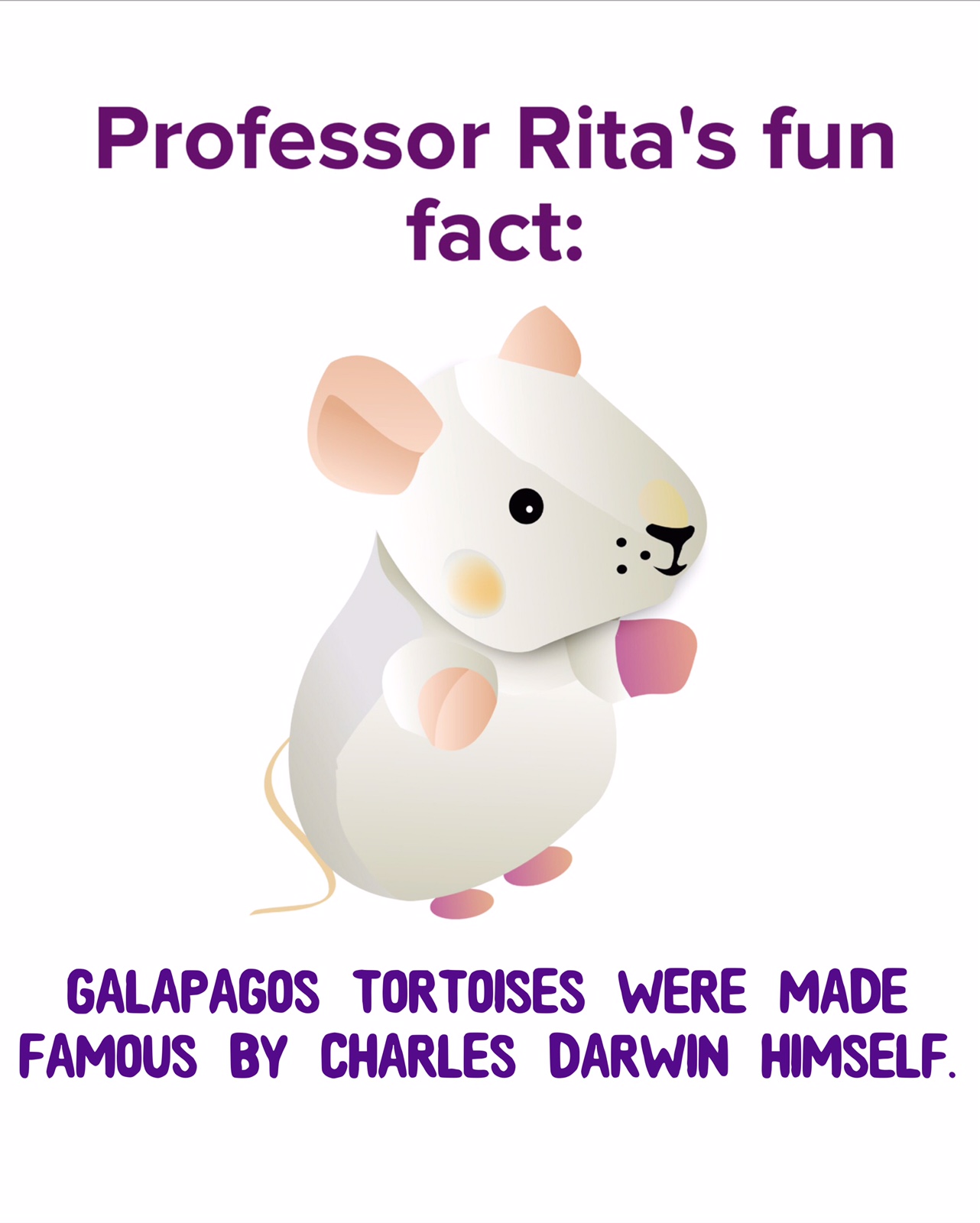
  • The Galapagos Islands were actually  named after these gentle giants. Galapago is Spanish for tortoise!
  • There are 11 subspecies of Galapagos tortoise. They can be found on the different islands.
  • Galapagos finches are known to “clean” the tortoises by eating parasites off their skin. This mutual symbiotic relationship benefits the birds and the tortoise.

img_2395gal-tortoise3

We found a guide to help us through our tour of these special islands. Most of the Galapagos are now protected and people and horse & elephant adventurers can not just go exploring around on their own. These magnificent animals, were once hunted to near extinction with only 3,000 of them left. Conservationists have worked with captive breeding programs to bring those numbers up to around 19,000. Thank goodness we have such great people to protect these old reptiles!

We can not wait to go on to our next island to see an insect! We’ll need to get Edmond some sea sickness medicine first!

Categories: adventure, Animals, Children, conservation, education, endangered species, Environment, nature, reptiles, science, Today's Post, wildlife | Tags: , , , , , , , , , , | Leave a comment

Military Style!

Military Style!

military-macawimg_2323


ellie_edmund_professors-bfbooby


Date:9/29

Location: Amazon rainforest

  • Military macaws get their name from their green plumage, which reminded someone of green military uniforms.
  • They are not fully green though; they have blue flight feathers and a red bar around the face and a red lined tail.
  • Military macaws live in large flocks.
  • Like other macaws they are very vocal.
  • Those large beaks are perfect for breaking open even the hardest nut.

img_2324

  • Military macaws live in higher elevations than most macaws.
  • They nest at the tops of trees or on cliffs.
  • Military macaws can live up to 65 years in the wild.

We had another high climb today. Whew! We are tired and ready to head back to the University for a few days! Watching the military macaws fly in their large flocks was worth the sore fluff- hehehe! These magnificent birds belong in the wild though. We know macaws are popular pets, but they are high maintenance and often are loud, stressed and can outlive their owners! 


Categories: adventure, Animals, birds, Children, conservation, education, Environment, mammals, nature, science, Today's Post, wildlife | Tags: , , , , , , , , , , | Leave a comment

Is That a Lion in the Tree?

Is that a Lion in the Tree?

golden-lion-tamarinimg_2326


ellie_edmund_professors-bear


Date: 9/28

Location: Brazilian Rainforest


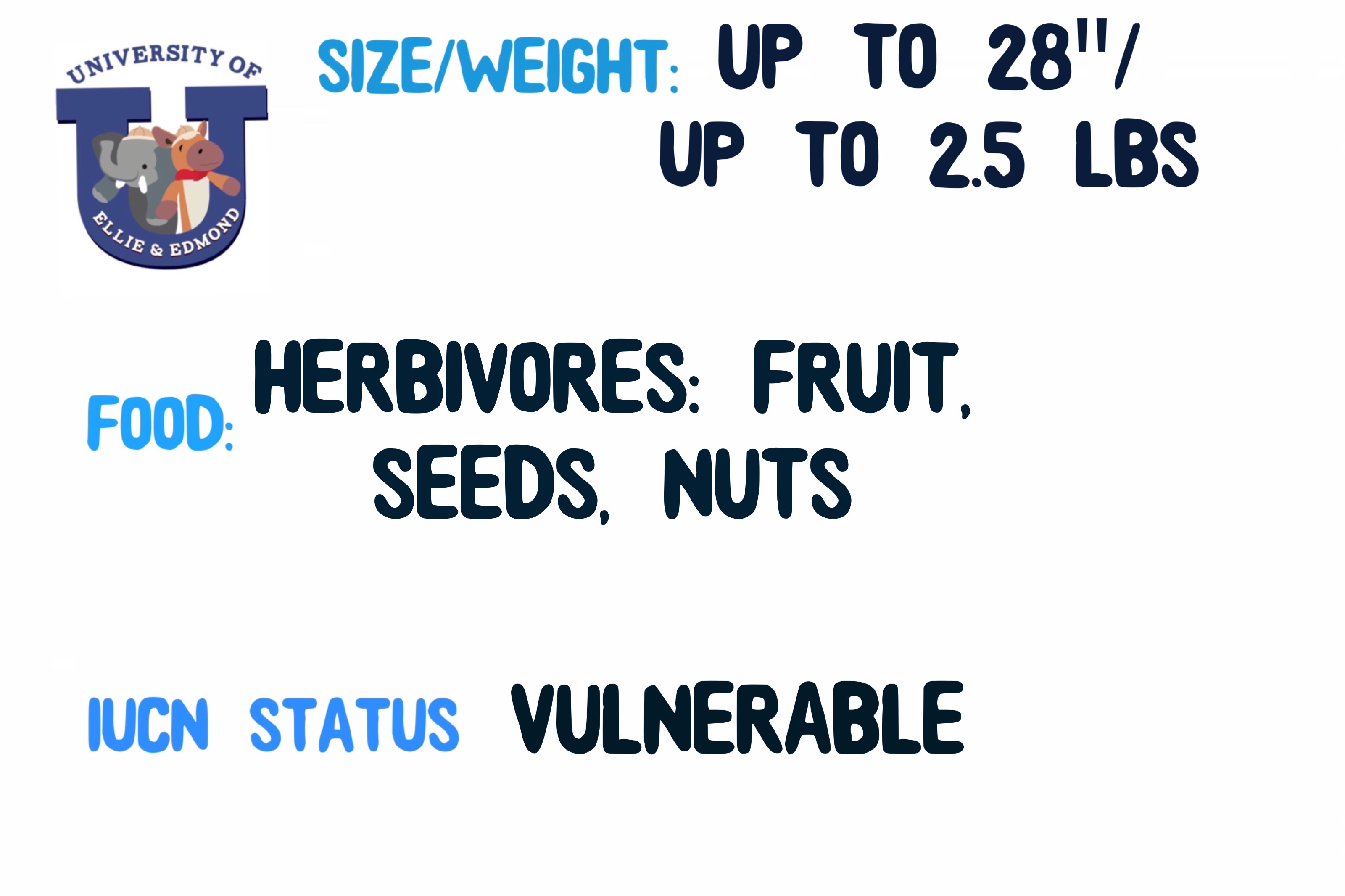
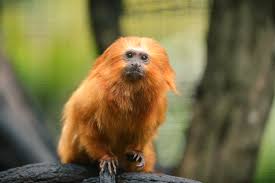
  • Golden Lion Tamarins have beautiful golden coats and fluffy manes around their faces.
  • They are diurnal (active during the day) and arboreal (live in the trees).
  • Golden Lion Tamarins live in small family groups led by a female-male breeding pair.
  • Mother Golden lion tamarins give birth to 1 or 2 offspring.
  • Father Golden lion tamarins take care of the babies and carry them on their backs. They give them to their mom when it’s time for feeding.

img_2325 golden-lion-tamarin3

golden-lion-tamarin2


Golden lion tamarins are adorable, but they are endangered. We saw a group because ranchers have saved parts of their land to give the monkeys a home. Zoos in America are raising these tamarins and sending them back to the wild to be released. They are tagged with radio collars and followed by scientists! This is conservation at work. It takes all of us!

Categories: adventure, Animals, Children, conservation, education, Environment, mammals, nature, science, Today's Post, wildlife | Tags: , , , , , , , , , , | Leave a comment

Soooooo Slow!

Sooooo Slow!

sloth3img_2146


ellie_edmund_professors-bear


Date: 9/21

Location: Amazon Rainforest

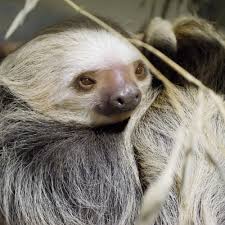
  • Sloths are related to armadillos and anteaters.
  • Two-toed sloths are arboreal. They spend most of their lives in the tops of the trees.
  • They only come down once a month to use the bathroom.
  • Like other sloths, they have algae and insects growing in their fur.

img_2147

  • Toe-toed sloths are nocturnal, they spend their evenings eating flowers and leaves.
  • They are excellent swimmers.
  • Two-toed sloths are larger than their cousins the three-toed sloths.
  • Two-toed sloths have no canines or incisor teeth.

sloth2sloth


Sloths have always been a favorite of ours. It was a treat to find one on our adventures in the rainforest this week. Of course, we needed binoculars to look so high up in the trees. Can you imagine spending most of your life hanging upside down in the trees? It works for the sloth!

Categories: adventure, Animals, Children, conservation, education, Environment, mammals, nature, science, Today's Post, wildlife | Tags: , , , , , , , , , | Leave a comment

One Big Rodent!

One Big Rodent!

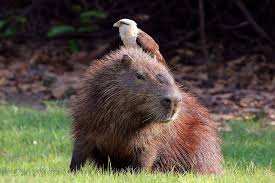
We’ve met the jaguar yesterday and today we’re off to find another animal that calls Brazil home! These super cuties are often called rodents of unusual size! Hahaha! Let’s meet the capybara!

capybara3

Fun Facts:

  • Capybaras can be found in Central and South America in marshes, ponds and lakes.
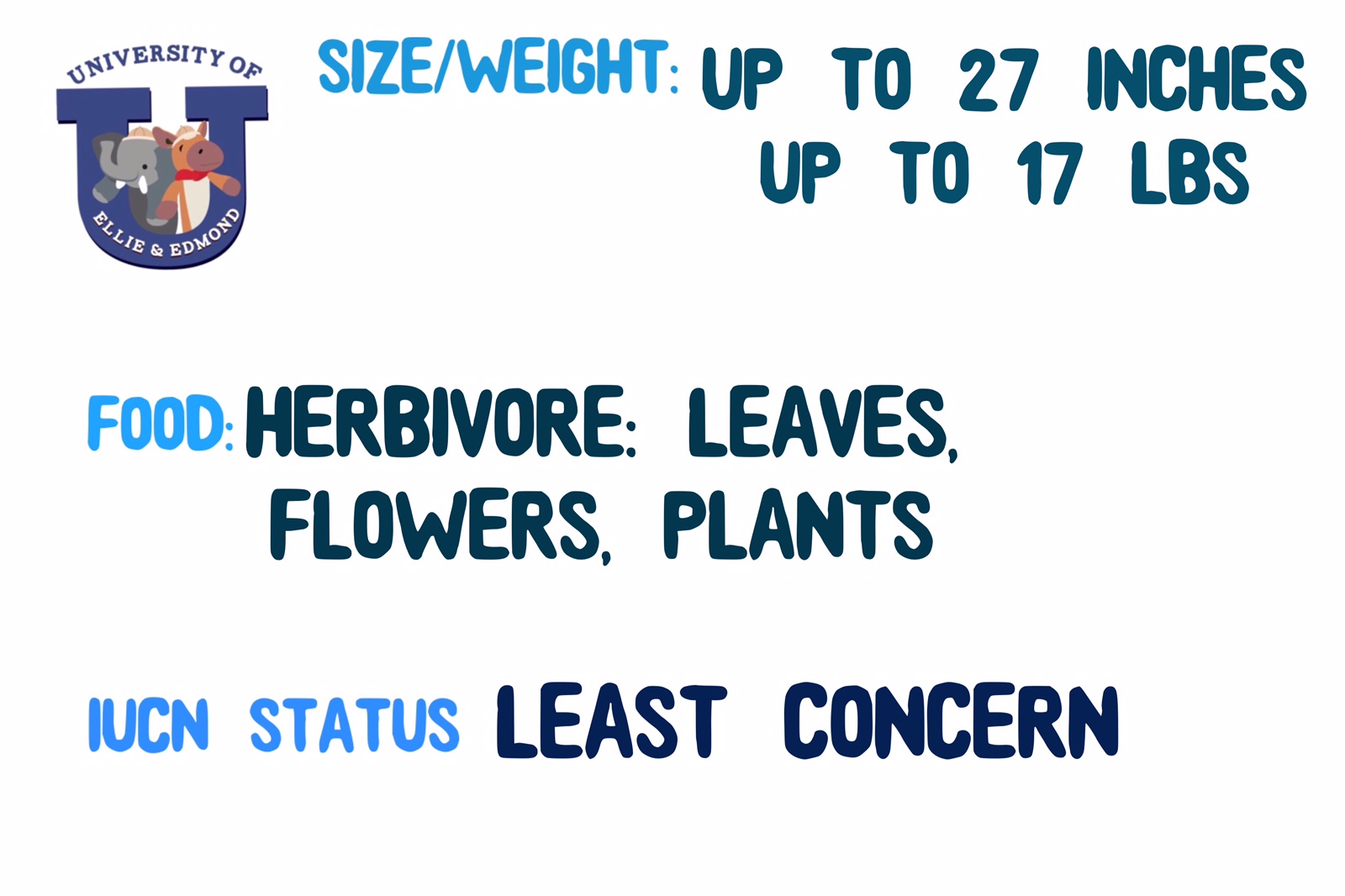
  • They can grow up to 4 feet long and weigh up to 150 lbs.
  • Capybaras are herbivores. They eat grasses, plants and fruit. They eat up to 8lbs of vegetation a day.
  • They are listed as least concern by the IUCN.
  • Capybaras are the largest rodent in the world.
  • They have webbed feet.
  • They are excellent is swimmers and often spend most of their time in water.

capybara

  • A capybara’s eyes, nose and ears are on top of their head. This allows them to just have those body parts above the water while their bodies are underwater.
  • Their teeth grow throughout their lifetime.
  • Capybaras chew their food from side to side.
  • Capybaras live in small groups.
  • They are very vocal.
  • Capybaras got their name from the Tupi people of Brazil, an old native tribe of Brazil. The name means “grass eater”.

capybara2

These furry little rodent pigs are so fun to watch! Who doesn’t love them? We know we do!!

Categories: adventure, Animals, Children, conservation, education, Environment, mammals, nature, science, Uncategorized, wildlife | Tags: , , , , , , , , , , | Leave a comment

Blog at WordPress.com.