Posts Tagged With: fish

WATERY WEDNESDAY # 51

 WATERY WENESDAY # 51

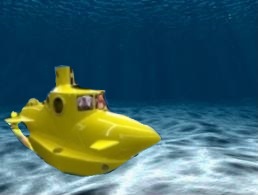
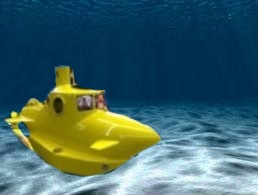
We’re off in the E & E sub to meet a small and spotty shark! Are you ready to meet this cartilaginous fish? We have room for everyone! Let’s do this!

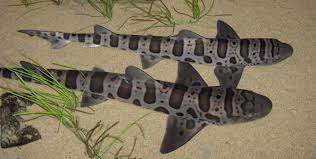
MEET THE LEOPARD SHARK!
   Range/Habitat: Eastern North Pacific/ oceans-near estuaries

   Diet: Carnivore: invertebrates, crabs

   Length/Weight: up to 7 ft/ up to 71 lb

   Conservation Status: common


Fun Facts:

  • Leopard Sharks have spots on their backs and sides.
  • They have long slender bodies and a large dorsal fin.
  • Leopard sharks are harmless to humans.
  • Leopard sharks have short round snouts.
  • They have strong jaws full of flat teeth for crushing prey.


Leopard Sharks certainly earned their name from another famous predator! It sure seems that spots and stripes help you camouflage in with your habitat! What kind of coloration would you want to help you camouflage in with your habitat?


Categories: adventure, Animals, Children, conservation, education, entertainment, nature, oceans, science, sharks, wildlife | Tags: , , , , , , , , , , , | Leave a comment

SUPER SURPRISE THURSDAY # 50

SUPER SURPRISE THURSDAY #50

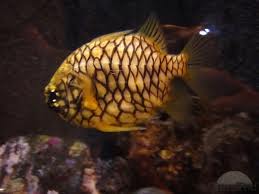
We’re taking the E & E sub out today to find a fish who looks like a fruit! Whaaaaat you ask! Well, we are in search of a cool and amazing fish who is yellow and black! We have room for everyone, so let’s head out to meet…

MEET THE PINEAPPLE FISH!

   Range/Habitat: Indo-Pacific Oceans

   Diet: Carnivore: fish, invertebrates

   Length/Weight: up to 11”/ up to 18 oz

   Conservation Status: common


Fun Facts:

  • Pineapple Fish get their name from their shape and color.
  • They have sharp spines on their dorsal and pelvic fins.
  • Pineapple fish have a bioluminescent organ on their lower jaw that they use to attract prey.
  • Pineapple fish are nocturnal (active at night).
  • They are found in deeper waters.
  • Pineapple fish have armor-like scaled covering their bodies.

Pineapple fish are really cute, but our favorite thing about them is their bioluminescent organ! How neat it is that they have their own build in glow stick :)!


Categories: adventure, Animals, Children, conservation, education, Environment, fish, nature, oceans, science, wildlife | Tags: , , , , , , , , , , | Leave a comment

WEIRD WATERY WEDNESDAY!!!

HALLOWEEN WEEK!

WEIRD WATERY WEDNESDAY!

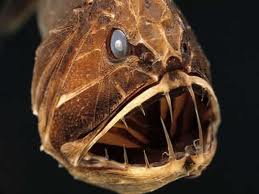
We’re taking the E & E sub down to the deep depths of the ocean for this Weird Watery Wednesday! We’re on the lookout for a fish with fangs! Don’t worry they don’t bite and suck blood; they use their large teeth for eating prey! Is everyone ready?

MEET THE FANGTOOTH FISH!

   Range/Habitat: Tropical-temperate Ocean waters worldwide

   Diet: Carnivore: fish

   Length: up to 7”

   Conservation Status: common


Fun Facts:

  • Fangtooth fish are also named the orgefish.
  • Fangtooth live in the deep depths of the ocean.
  • They have large heads and small bodies.
  • Fangtooth fish can eat prey that is almost as large as they are.
  • Fangtooth have the largest teeth of any fish in proportion to their body.
  • Their lower teeth fit into specialized pockets in their skulls when their mouths are closed.


Wow! Fangtooth fish are crazy weird looking! The deep, deep ocean is full of alien looking creatures! Would you love to be a deep sea explorer?


Categories: adventure, Animals, Children, conservation, education, entertainment, fish, nature, oceans, science, wildlife | Tags: , , , , , , , , , | 2 Comments

WATERY WEDNESDAY # 49

WATERY WENESDAY # 49

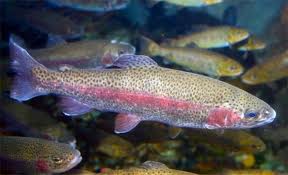
We’re going to the Northwest U.S. today to meet a freshwater and ocean going fish! That’s right folks; there are fish who spend part of their lives in both habitats! You ready?

MEET THE RAINBOW TROUT!


   Range/Habitat: Northern Pacific/ North America

   Diet: Carnivore: insects, fish, snails

   Length/Weight: up to 4 ft/ up to 53 lbs

  Conservation Status: common


Fun Facts:

  • Rainbow trout are members of the salmon family.
  • Some rainbow trout are called steelheads.
  • Steelhead rainbow trout live their adult lives in the ocean, but spawn in freshwater habitats.
  • Some rainbow trout spend their whole lives in freshwater habitats.
  • Rainbow trout are blue green with yellow and a pink streak down their side.

Rainbow trout are really colorful fish! They have been introduced around the U.S. and now are a popular sporting fish.


Categories: adventure, Animals, Children, conservation, education, Environment, fish, nature, oceans, rivers, science, wildlife | Tags: , , , , , , , , , , | Leave a comment

MYSTERY FISH EYEBALL!

MYSTERY EYEBALL!

Last week beachcombers found a giant eyeball in Florida! Scientists have figured out that it belong to a swordfish! We met those guys a few weeks ago! Come check out the eyeball story and our SUPER SURPRISE THURSDAY adventure where we met these magnificent fish! Woohoo!

Categories: adventure, Animals, education, Environment, fish, nature, oceans, wildlife | Tags: , , , , , , , , | Leave a comment

WATERY WEDNESDAY # 48

WATERY WENESDAY # 48

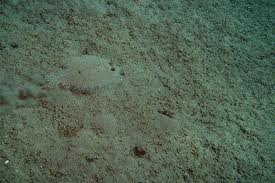
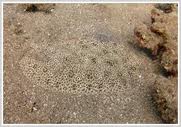
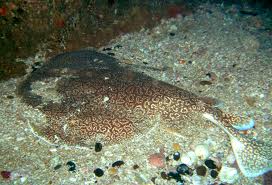
We’re taking the E & E submarine out today to find a fish who lives on the bottom of the ocean floor. Get out your best observation eyes because they are masters of camouflage! Are you ready? We have plenty of room!

MEET THE SOLE!

   Range/Habitat: Eastern North Atlantic- Mediterranean/ oceans-

estuaries

   Diet: Carnivore: mollusks, worms

   Length/Weight: up to 28”/ up to 66 lbs

  Conservation Status: vulnerable


Fun Facts:

  • Soles have flat bodies.
  • Soles are brown with dark blotches.
  • They burrow in the sandy or muddy ocean floor.
  • Soles have both eyes on the right side of their bodies.
  • They have an excellent sense of smell that helps them locate their prey.

Soles are cousins of flounders, both have those flat bodies. Our favorite part of the Sole is their funny side faces. What’s your favorite part?


Categories: adventure, Animals, Children, conservation, education, Environment, fish, nature, oceans, science, wildlife | Tags: , , , , , , , , , | Leave a comment

WATERY WEDNESDAY # 47

WATERY WENESDAY # 47

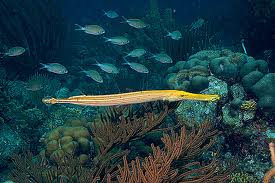
It’s Watery Wednesday and we’re going diving in a Pacific coral reef to meet a fish who can blow a mean horn! Ok, they can’t actually play the trumpet, but they are pretty cute! Let’s do this!

MEET THE TRUMPETFISH!

   Range/Habitat: Pacific-Indian Ocean/ coral reef

   Diet: Carnivore: small fish

   Length: up to 32”

   Conservation Status: common


Fun Facts:

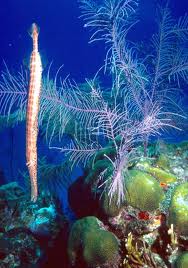
  • Trumpetfish have long slender bodies and long snouts.
  • They are ambush predators.
  • Trumpetfish are yellow or brown in color.
  • They camouflage among the coral by floating vertically head down.
  • Trumpetfish have small jaws and usually suck in their prey.


Trumpetfish are masters of camouflage! They just float around looking like coral til their prey swims by and grabs them! If you could camouflage in any habitat what would it be?


Categories: adventure, Animals, Children, conservation, education, Environment, fish, nature, oceans, science, wetlands | Tags: , , , , , , , , , | Leave a comment

WATERY WEDNESDAY # 46

WATERY WENESDAY # 46

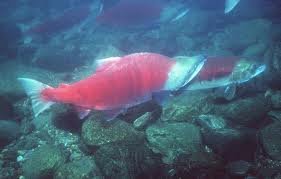
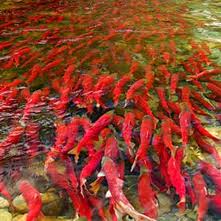
Let’s all get on our sweaters, hiking boots and grab a walking stick because we’re going for a hike in Northwestern US to meet a fish that starts and ends its life in freshwater.  Be on the lookout, because the river will be full of them!

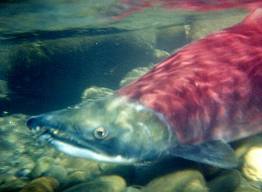
MEET THE SOCKEYE SALMON!

   Range/Habitat: Northeast Asia-North Pacific-Northwest America/

rivers-oceans

   Diet: Carnivore: zooplankton

   Length/Weight: up to 33”/up to 15 lbs

   Conservation Status: locally common


Fun Facts:

  • Sockeye salmon spawn in rivers and lakes.
  • They are also known as red salmon.
  • Sockeye salmon have blue heads and backs as adults.
  • Sockeye salmon live in the ocean for most of their adult lives.
  • They travel up to 900 miles to spawn (release their eggs & sperm to make new salmon).
  • When they go into freshwater systems to spawn they turn bright green and red.
  • A group of sockeye salmon is called a run.

Sockeye salmon are really cool fish! They die in the same freshwater habitat that they were born in. Can you imagine swimming all those miles? Sockeye salmon must get very tired!

Categories: adventure, Animals, Children, conservation, education, Environment, fish, nature, rivers, science, wildlife | Tags: , , , , , , , , , | Leave a comment

SUPER SURPRISE THURSDAY # 45

SUPER SURPRISE THURSDAY #45

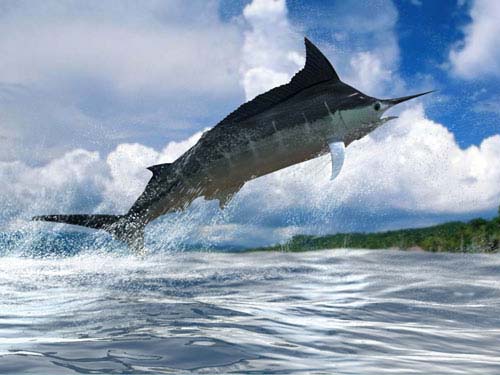
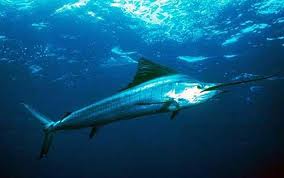
We’re taking the E & E sub down into the deep blue today! We’re off to find one fast, large and crazy looking fish! There’s always plenty of room in the sub for you! So let’s zoom off to meet…

MEET THE SWORDFISH!

   Range/Habitat: Tropical-Sub tropical oceans worldwide

   Diet: Carnivore: fish, squid

   Length/Weight: up to 15 ft/ up to 1,300 lbs

   Conservation Status: common


Fun Facts:

  • Swordfish have a broad, flat sword.
  • They are very fast swimmers.
  • Swordfish use their sword snouts to impale fish and squid.
  • Swordfish are generally solitary as adults.
  • They have large dorsal (top) fins.
  • Swordfish have no teeth.
  • Female swordfish are larger than the males.

These fish are so fast and gorgeous! And man, are those sword snouts crazy! The ocean never ceases to amaze us with its inhabitants! It sure would be fun to watch these swordfish fence!


Categories: adventure, Animals, Children, conservation, education, Environment, fish, nature, oceans, science, wildlife | Tags: , , , , , , , , , | 1 Comment

WATERY WEDNESDAY # 45

WATERY WEDNESDAY # 45

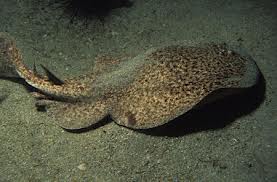
Today we’re taking the E & E sub to the Mediterranean Sea to find a creature who hides in the sand of the ocean floor and has a charge! Are you ready? We’ve got plenty of room in the sub!

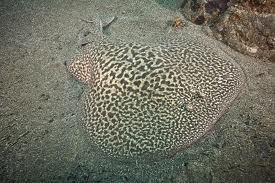
MEET THE MARBLED ELECTRIC RAY!

   Range/Habitat: Eastern Atlantic-Mediterranean Ocean

   Diet: Carnivore: fish

   Length/Weight: up to 23 ½”/ 22- 29 lbs

   Conservation Status: common


Fun Facts:

  • Marbled electric rays are brownish gray in color. Their coloration helps them camouflage in their habitat.
  • They rest in sand on the ocean floor.
  • Their skeletons are made of cartilage (the same tissue that makes up your ears and nose).
  • Marbled electric rays use an electrical charge to kill their prey.
  • Marbled electric rays can be harmful to humans.
  • They are diurnal (active during the day).


Wow, these rays actually use their own electrical charges to catch prey! Isn’t that cool? We just want to know where they plug themselves into to charge up at the bottom of the ocean J!


Categories: adventure, Animals, Children, conservation, education, Environment, fish, nature, oceans, science, wildlife | Tags: , , , , , , , , , | 2 Comments

Blog at WordPress.com.