Posts Tagged With: nature blog

Amphibian Friend at Lake Salamander

Amphibian Friend at Lake Salamander

We are so happy to meet our first friend of the summer! Camp E&E sits next to one beautiful lake- Lake Salamander. This special spot was named because of the special amphibians who live here! We are always so thrilled to find a few chilling in the woods.

Today we are meeting the Southern Zigzag salamander. Woohoo!
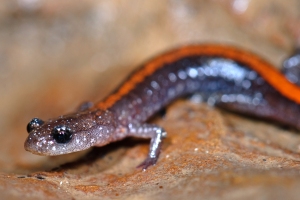
03895B5D-FD41-4D4B-ADFC-8D73BB7270AD

Southern Zigzag Salamander Fun Facts: 

  • These adorable amphibians are carnivores. They eat mostly insects.
  • They only grow to about 3 1/2 inches long! Not a big animal for sure.
  • They call the forest floor their home, so watch where you are stepping while on hikes campers.
  • They have a zigzag stripe down their back. It can vary in color from red to yellow.
  • Females lay eggs in burrows. They guard their eggs until they hatch. Unlike a lot of salamanders, they do not go through an aquatic larva phase. When they are born, they look like miniature adults!
  • They are listed by the IUCN as Least Concern.

Can you imagine how cute teeny tiny zigzag salamanders are? We would hardly be able to stand it! We hear that Crafty Crab is coming up with a cute salamander craft later in the week! YAY!

Categories: adventure, amphibians, Animals, camp, Children, conservation, education, Environment, nature, science, Today's Post, wildlife | Tags: , , , , , , , , , , , | 1 Comment

Puffins!!

Puffins!

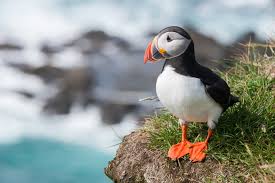
We headed to the coast line to meet one of the most iconic birds of Norway’s coastline- the Atlantic Puffin! These adorable birds are so much fun to watch. We wish one would come live with us the University.

puffin

Atlantic Puffin Fun Facts:

  • These little handsome birds grow up to 10 inches long and can weigh up to 17 oz.
  • They are nicknamed the “sea parrot”.
  • These carnivores eat fish.
  • Their brightly colored beaks are duller in color during the winter. They bright colors are brightest during breeding season.
  • These sea birds spend most of their life at sea. They can swim under water using a flying motion. They can even dive up to 200 feet deep.
  • In the air, they can fly up to 55 mph.
  • Both parents incubate the egg and then feed the chick.
  • They are listed as Vulnerable by the IUCN.

puffin2

These amazing birds form large breeding colonies. They breed in the same place every year. Scientists are not sure how the birds navigate back to the same place yet.

Categories: adventure, Animals, birds, Children, conservation, education, endangered species, Environment, nature, science, Today's Post, wildlife | Tags: , , , , , , , , , , | 1 Comment

We Spots a Spotted Owl

We Spots a Spotted Owl

When people think of Africa, people think of all the big animals, but rarely do they think of owls! Well, Africa is home to many species of owls. We went looking for the Spotted Eagle and we found one! Come learn more about them with us!

spotted eagle owl

Spotted Eagle-Owl Fun Facts:

  • Spotted eagle-owls have a 3 foot wing span!
  • They have large ear tufts and bright yellow eyes.
  • Like many owls they are nocturnal.
  • These carnivores eat mammals, birds and amphibians. They are also known to eat carrion.
  • Spotted eagle-owls are known to bond for life.
  • They are listed as Least Concern by the IUCN.

spotted eagle owl2

Seeing an owl in the wild is always a treat! These owls have a fun musical call. We could listen to them all night.

Categories: adventure, Animals, birds, Children, conservation, education, Environment, nature, science, Today's Post, wildlife | Tags: , , , , , , , , , , , , | 1 Comment

Hello Antelope!

Hello Antelope!

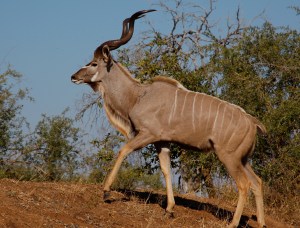
Happy Monday and we are so excited for you to meet the animal we spotted this weekend. They have some fantastic antlers! Are you ready to meet the kudu?

Kudu,_Living_Desert_3-15_(16792801682)

Greater Kudu Fun Facts:

  • Greater Kudu can grow up to 96 inches long and weigh up to 700 pounds.
  • Only the males have those impressive spiral horns.
  • Those horns can grow up to 3 feet long!
  • They have a crest of fur that runs down their back.
  • They live in family groups that consist of females and their offspring. The males are solitary or live in small bachelor groups.
  • These herbivores eat vegetation, fruit and grasses.
  • Greater kudu are listed as Least Concern by the IUCN.

Male_greater_kudu

It was fun to spot some males with their spectacular antlers! Can you imagine having those attached to your head all the time?

Categories: adventure, Animals, Children, conservation, education, Environment, mammals, nature, science, Today's Post, wildlife | Tags: , , , , , , , , , | 1 Comment

Oh Those Ear Tufts!

Oh Those Ear Tufts!

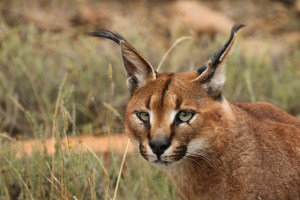
We headed out in a Jeep to find a predator on the plains today! We were looking for a feline, but not a lion, cheetah or leopard. So who were we looking for you ask? This cat is small, but mighty and they have some of the greatest ears around.

CA71DC92-76DD-46C7-B6C4-69B9355E0CCA

Caracal Fun Facts: 

  • These medium sized cats can grow up to 42 inches long and weigh up to 44 lbs. The males are larger than the females.
  • They are the largest member of the small cats in Africa.
  • They are famous for their large ear tufts or tassels. It is thought that they use these to communicate with other caracals.
  • These agile carnivores eat small mammals and birds.
  • They are able to leap 10 feet into the air to catch birds in flight.
  • Caracals are mostly solitary and highly territorial.
  • They mark their territories with scents and physical marks like claw marks on trees.
  • They are listed as Least Concern by the IUCN.

94EDFD65-2F97-4FDF-A24D-7279F183F8B3


We were so excited to spot this sleak predator. They remind us of the house cat that lives at HQs, except he is a bit plumper and lazier.

Categories: adventure, Animals, Children, conservation, education, Environment, mammals, nature, science, Today's Post, wildlife | Tags: , , , , , , , , , , | 1 Comment

Hello Shrew

Hello Shrew

We are off to the southern part of the country for a day trip to locate one small mammal. They are named after elephants, but we can assure you they are not elephants. Grab your gear and let’s head off on today’s adventure to meet the cape elephant shrew.

cape elephant shrew

Cape Elephant Shrew Fun Facts:

  • Shrews are distantly related to moles. They are not rodents.
  • They are also called the Cape Elephant Sengi.
  • The cape elephant shrew weighs around 50 grams.
  • These insectivores eats insects of all kinds.
  • They get their names from their long noses like look like and elephant’s trunk.
  • Their scientific name includes the word- Elephantulus.
  • They prefer dry, rocky and arid habitats.
  • They are listed as LEAST CONCERN by the IUCN.


What a joy it was to spot this tiny little animal. It’s not easy and it took some patience waiting in an area where they are known to hunt for insects. Sometime we forget that habitats all around the world have some amazing little animals. These forgotten creatures are important too.

Categories: adventure, africa, Animals, Children, conservation, education, elephants, Environment, mammals, nature, science, Today's Post, wildlife | Tags: , , , , , , , , , , | 2 Comments

Off to South Africa

Off to South Africa

Did you guess where are our next adventure will be? If you guessed South Africa- you are correct! Yay! We are off to meet some of the iconic animals of this beautiful country, but first let’s learn more about South Africa today!

BE4E1BBA-5794-42BA-9D14-6F298F57892E

South Africa Fun Facts: 

  • Table Mountain in Cape Town in one of the oldest mountains in the world.
  • The waters off the coast of South Africa can be quiet dangerous. It is believed that 2,000 shipwreck are in the waters there.
  • South Africa is the 2nd largest producer of fruits in the nation.
  • The largest land mammal, the elephant calls South Africa home, as does the smallest mammal in the world- the least dwarf shrew.
  • Around 900 species of birds call South Africa home.
  • South Africa is home to Kruger National Park. The park is a huge! It is nearly 500,000 acres.
  • Kruger is home to cheetah, elephants, springbok, rhinos, zebra, giraffe and many other species.
  • Kruger was established in 1898.


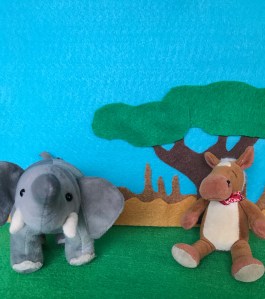
Kruger is where we will be setting up our base camp for most of this trip! We are so excited to see of the animals of this amazing spot- especially Ellie’s relatives.

Categories: adventure, Animals, Children, conservation, education, elephants, endangered species, Environment, nature, science, Today's Post, wildlife | Tags: , , , , , , , , , , , | 2 Comments

Macaques!

Macaques!

Hello! Today we are meeting one of the most popular primates in Asia- the Rhesus Macaque! They are super cool and we hope you think so too!

66339FE0-5EEE-4D24-8B21-F411D28DD484

Rhesus Macaques Fun Facts: 

  • Rhesus macaques live in large troupes, of around 40 individuals.
  • Their groups of matriarchal, led by females.
  • Males leave their troup when they are mature.
  • These omnivores eat insects, roots, leaves and pine needles.
  • They can become a nuisance when they live near humans. They are known to steal food.
  • Rhesus macaques are highly intelligent.
  • They are excellent climbers and swimmers.
  • They are listed as Least Concern by the IUCN.

E7AB0C8C-9CBF-47EB-ACD5-FF48E31DDC71

We had such fun watching a troup of macaques in the afternoon. They spend it finding food and grooming each other and lounging. Their little faces are all so different and each individual has their own personality.

Categories: adventure, Animals, Children, conservation, education, Environment, mammals, nature, science, Today's Post, wildlife | Tags: , , , , , , , , , | 1 Comment

Flying Rodent!

Flying Rodent!

We headed out to meet to a flying rodent today.  We stayed up during the evening to spot this creature.

Red Giant Flying Squirrel


Red Giant Flying Squirrel Fun Facts: 

  • These nocturnal rodents are can grow up to 17 inches long.
  • They have flaps of skin that help them glide (not fly) in the trees.
  • Red giant flying squirrels have large eyes to help them see at night.
  • These herbivores eats leaves, cones, fruits and nuts.
  • They migrate areas to find food.
  • Females have liters twice a year.
  • They are listed as Least Concern by IUCN.

It is so cool to see these squirrels gliding in the trees! And who knew squirrels could get so big!

Categories: adventure, Animals, Children, conservation, education, Environment, nature, science, Today's Post, wildlife | Tags: , , , , , , , , , , | 1 Comment

A Dragon in the Water

A Dragon in the Water

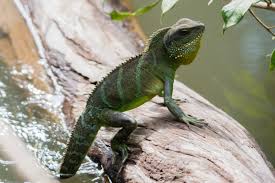
We are off to meet a little reptile who is called a dragon! They don’t look like dragons, but they are neat!

A5602AC0-66DD-44AA-8296-CB5B37FE4935

Chinese Water Dragon Fun Facts: 

  • Chinese water dragons grow to around 3 ft long. Their tail is about 2/3 of their body length.
  • Those tails can aide in balance, swimming and protecting themselves from predators.
  • Males are slightly larger and have larger crests on their heads.
  • The crests under their throats can be all kinds of colors, including purple, peach and blue.
  • These arboreal lizards are diurnal.
  • They are omnivores that eat insects, small fish and some vegetation.

F2B3D231-69D2-4357-BC45-CA6DFDA90054

We love spotting small animals as much as we love seeing the big, famous ones. For habitats and ecosystems to be healthy, all the animals that live there must have healthy populations.

Categories: adventure, Animals, Children, conservation, education, Environment, nature, reptiles, science, Today's Post, wildlife | Tags: , , , , , , , , , , , | 1 Comment

Blog at WordPress.com.