Posts Tagged With: oceans

GIVE THANKS TO MANATEES!

GIVE THANKS TO MANATEES!

November is Manatee Appreciation Month and we’re giving thanks to these gentle creatures today with fun fact and pictures! Who else wants to smooch those sweet faces?
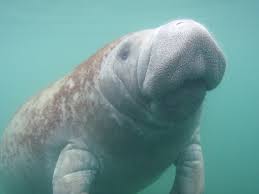
manatee3

  • Manatees are also called sea cows. These sea cows are distance relatives of Ellie’s!
  • They live in coastal waters and rivers in Southern Coastal United States, South America and Western Africa. There are 3 species of manatees.
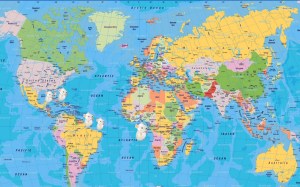
IMG_0218

  • They have strong flat tails they use to swim!
  • Their nostrils sit on top to help them breathe air.
  • Manatees are herbivores. They eat algae and grasses.
  • They can eat 1/10th of their weight in a day.
IMG_5615

  • They can weigh up to 1,300 lbs.
  • These slow swimmers have very little blubber to keep them warm. They must stay in waters above 68 degrees to survive.
  • Manatees are endangered, due to pollution- getting caught in trash, hunting and boating accidents.

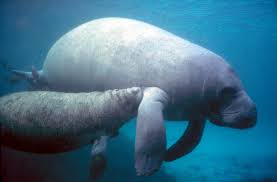
manateemanatee2


We know we appreciate manatees and we sure hope you do too! Let’s give thanks by keeping our oceans and waterways clean!

Categories: adventure, Animals, Children, conservation, education, Environment, mammals, nature, oceans, science, wildlife | Tags: , , , , , , , , , , | 2 Comments

A WHALE OF A TRIP!

A WHALE OF A TRIP!

e e boat

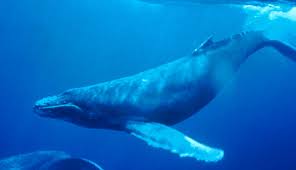
We headed to Monterey California in October and went on a whale watching trip! We spotted the famous Humpback whale! These gorgeous giants make the longest migration of any mammal on earth! Some populations travel farther than others, so let’s all learn more about these cetaceans!

 IMG_0884

  • Humpback whales live in oceans all over the world.

IMG_0194

  • Humpback whales are baleen whales. They eat small prey like krill, plankton and small fish.
  • They are listed as least concern by the IUCN. Some populations like the one we saw in Monterey Bay had been decimated at one time!
  • They are 48-63 feet long and can weigh up to 40 tons.
  • Male humpback whales sing songs! These can be heard over great distances and can go on for hours! These haunting sounds make us wish we could speak whale!
  • Some populations head to waters near the poles where food is abundant in the summer and then migrate to warmer waters to calve. This migration can be as long as 1
  • Humpback whales are thought to live around 80 years.

IMG_5538

  • Humpback whales have two v-shaped blowholes on top of their head.
  • Females tend to be bigger than males.
  • Humpback whales have long pectoral flippers that are 1/3 of their body length.
  • Humpback whales have tubricales (bumps) on their head. These are unique to them and contain hair that may act like whiskers on a cat!

humpback2humpback


Humpback whales are amazing gentle giants! We had such fun looking for their tale-tail spouts when they came to the surface to breath! We saw some pectoral flipper slaps and several flukes!

Categories: adventure, Animals, Children, conservation, education, Environment, mammals, nature, oceans, science, wildlife | Tags: , , , , , , , , , , | 1 Comment

Eight is Great!

World Octopus Day!

octopus

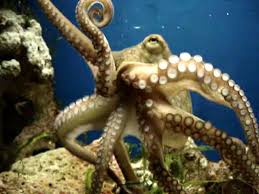
Woohoo- we’re celebrating thew wonderful and intelligent Octopus today! With eight great arms to hug you with- we couldn’t think of a better way to wrap up Cephalopod Appreciation Week!

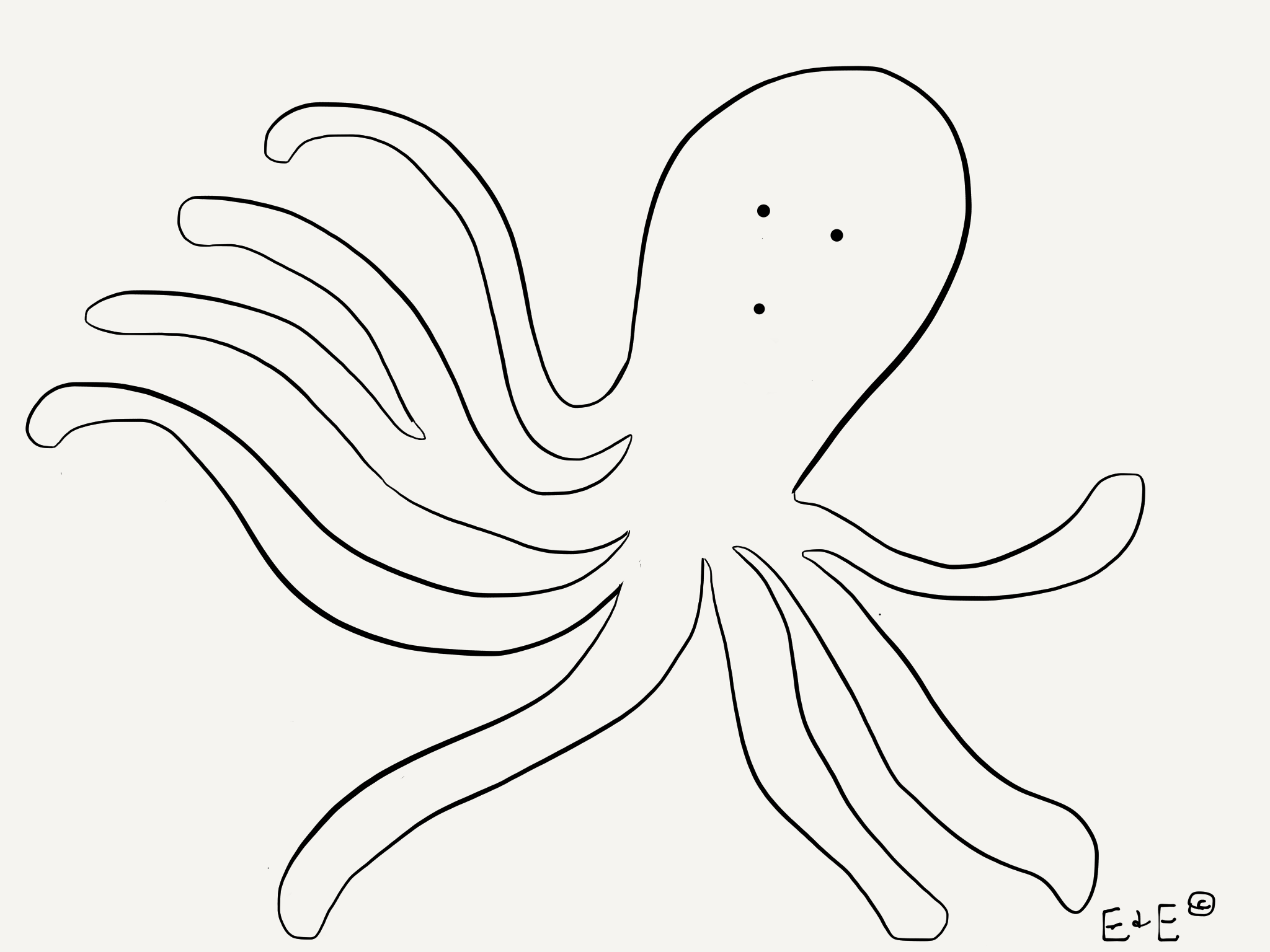
Let’s learn some fun facts about octopus and print our coloring sheet!

octopus3

  • There are over 100 species of octopus in the world’s oceans.
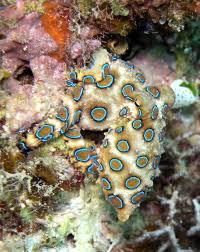
  • The Blue-ringed octopus has venom that can paralyze an adult human.
  • Octopuses are known to use tools.
  • Octopuses are masters of camouflage.
  • A common octopus has 240 suckers on each arm.
  • The oldest known octopus fossil found is 296 million years old.
  • Octopuses have 3 hearts.
  • The word octopus comes from a Greek word that means, eight foot.
  • Octopuses have blue blood.

octopus4octopus2


octopus coloring

Categories: adventure, Animals, Children, conservation, education, Environment, nature, oceans, science, wildlife | Tags: , , , , , , , , , | Leave a comment

Who wants to cuttle?

Who wants to cuttle?

e & e snorkeling

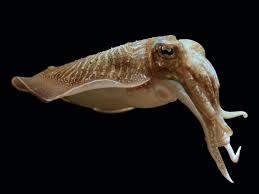
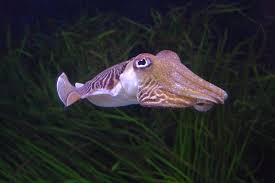
Today’s cephalopod is a common cuttlefish! We are so excited introduce this little invertebrate to you!

cuttlefish2

  • Common cuttlefish live off the west coast of Britain to the Baltic Sea to South Africa.IMG_0195
  • Cuttlefish are carnivores. They eat shrimp, copepods and small fish.
  • IUCN Conservation status: least concern.
  • They grow to about 15 inches and weigh up to 8 lbs.
  • Cuttlefish have one long fin around their body that runs behind the head.
  • Cuttlefish, like squid have 8 arms with suckers and two tentacles to grab prey. IMG_4380
  • Cuttlefish are able to change their color and texture in seconds. They are masters in camouflage.
  • Cuttlefish have a shell inside their body which is called the cuttlebone. It helps the cuttlefish with buoyancy.
  • They can use jet propulsion to help them get away quickly. They expel water in from their body to move fast!
  • Cuttlefish can also release ink to deter predators.

cuttlefish3cuttlefish


Cuttlefish are intelligent creatures. We have met several over the years. They are so amazing to watch. Their ability to change color and texture is fascinating.


Categories: adventure, Animals, Children, conservation, education, Environment, nature, oceans, science, wildlife | Tags: , , , , , , , , , | Leave a comment

Meet a Giant!

Meet a Giant!

e e deep sea

We are celebrating Cephalopod Appreciation Week with a giant- a giant squid that is! We are super excited to share some great facts about these amazing creatures!

giant squid

There isn’t much known about these mysterious animals, but what we do know is fascinating!

  • Giant squid inhabit the deep oceans all over the world.IMG_0194
  • Giant squid are the largest invertebrates in the world!
  • They can growth up to 60 feet in length and weigh almost a 1,000 lbs! WOW!
  • Giant squids are carnivores, they eat squid, fish and maybe even small whales.
  • It wasn’t until 2006, that researchers took a picture of a live giant squid!
  • Giant squid have eight arms and two tentacles that use to get food.

IMG_4379

  • Like other squid, they have sharp beaks to eat their prey.
  • The only known predator of a giant squid is the sperm whale.
  • Giant squid arms have small suction cups that have serrated edges to help them catch their prey! Just imagine a cup with a rim like a knife! Ouch!


Wowzers! Giant squid are just mind blowing! There have been tales told of these “monsters” for hundreds of years told by sailors! Luckily these deep sea dwellers aren’t out hunting boats! The oceans are full of animals that we have know so little about!


Categories: adventure, Animals, Children, conservation, education, Environment, nature, oceans, science, wildlife | Tags: , , , , , , , , , | Leave a comment

WE SPY!!

WE SPY!!

FullSizeRender

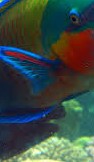
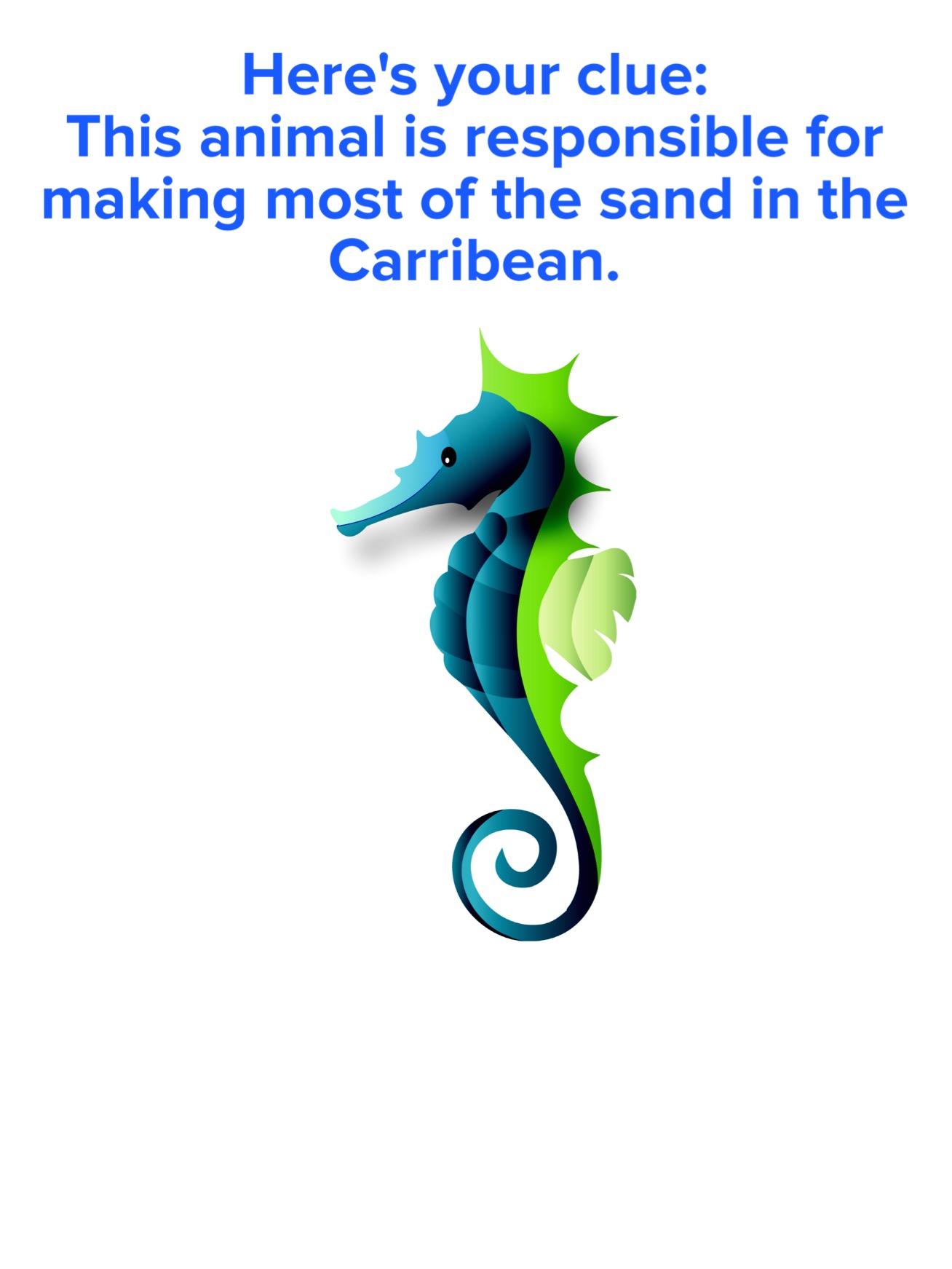
We’re back with an all new we spy! Today’s clue will be given by Sylvia the Seahorse! Get those thinking caps on and tell us who we spy!

we spy

IMG_9982

Categories: adventure, Animals, Children, conservation, education, Environment, nature, science, wildlife | Tags: , , , , , , , , , , | Leave a comment

SYLVIA THE SEAHORSE!

SYLVIA THE SEAHORSE!

ellie_edmund_professors-seahorse(1)

Hi everyone! I’m Sylvia the Seahorse! I’m the last of the new professors to introduce myself here at the University of Ellie and Edmond! I’m named after Sylvia Earl, the famous ocean explorer! I’ll be here to teach you all about the fish of the world’s oceans and freshwater habitats. Fish come in all sizes and shapes and we live at the very deepest parts of the oceans to the rivers at the tops of mountains! Some of us are colorful and oddly shaped and others of us are plain.
Most people don’t know that I am a fish, but I am! I live in the Great Barrier Reef off the coast of Australia! I’m not the strongest swimmer as my dorsal fin is very small, so I stay close to the corals, where I hang on with my tail. I eat small plankton and crustaceans that I suck into my snout. I must constantly eat because I have no stomach. I can eat up to 3,000 shrimp a day! They sure are tasty. I have a mate who incubates our young. That’s right the male seahorse has a pouch that he carries the eggs in until the hatch.
I am so excited to share more about myself and my fish friends here at The University! I hope you’re excited too!

Categories: adventure, Animals, Children, conservation, education, Environment, fish, nature, science, wildlife | Tags: , , , , , , , , , , | 1 Comment

WHALE SHARK DAY!!

WHALE SHARK DAY!!

 whale shark2

Today it International Whale Shark Day! So let’s celebrate these gentle giants of the oceans!

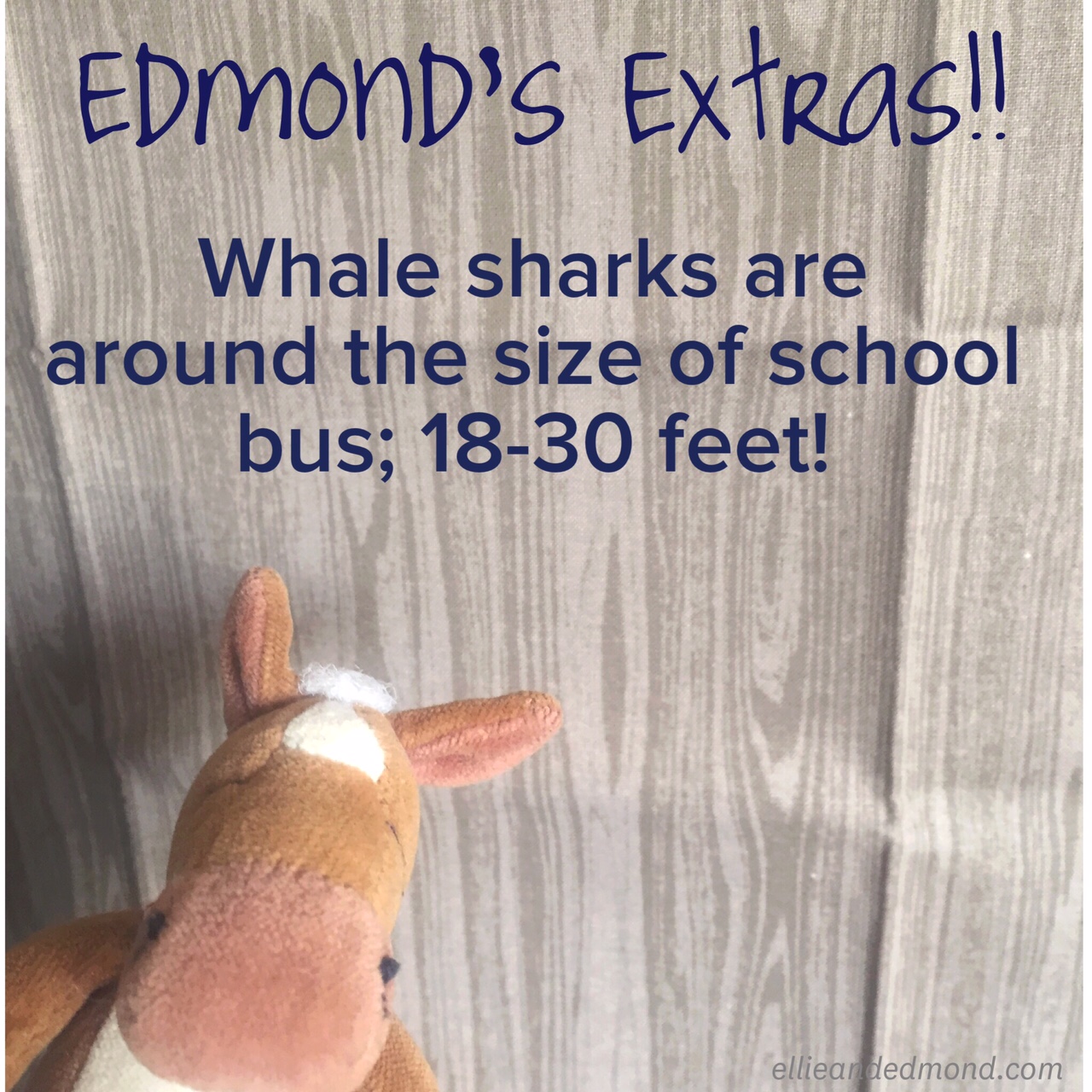
  • Whale sharks are the largest fish in the oceans!
  • They are sharks, with full cartilaginous skeletons!
  • Whale sharks are filter feeders! They eat plankton that they filter out of the water.

IMG_3785

  • Whale sharks prefer temperate to tropical waters.
  • Whale sharks are listed as vulnerable on the IUCN list.
  • Whale sharks can live up to 70 years!
  • Every whale shark has a unique spot pattern.
  • Whale sharks are classified as carpet sharks, which include nurse sharks and our favorite the wobbegong!

whale sharks

IMG_3786


Answer: A) 3 feet

Categories: adventure, Animals, Children, conservation, education, Environment, fish, nature, oceans, science, wildlife | Tags: , , , , , , , , , , | 3 Comments

WE SPY!!

WE SPY!!

FullSizeRender

We Spy with our four little eyes an echinoderm that you might find on the beach!

we spy

Categories: adventure, Animals, Children, conservation, education, Environment, nature, science, wildlife | Tags: , , , , , , , , , | Leave a comment

GOING TO THE BEACH!

GOING TO THE BEACH!

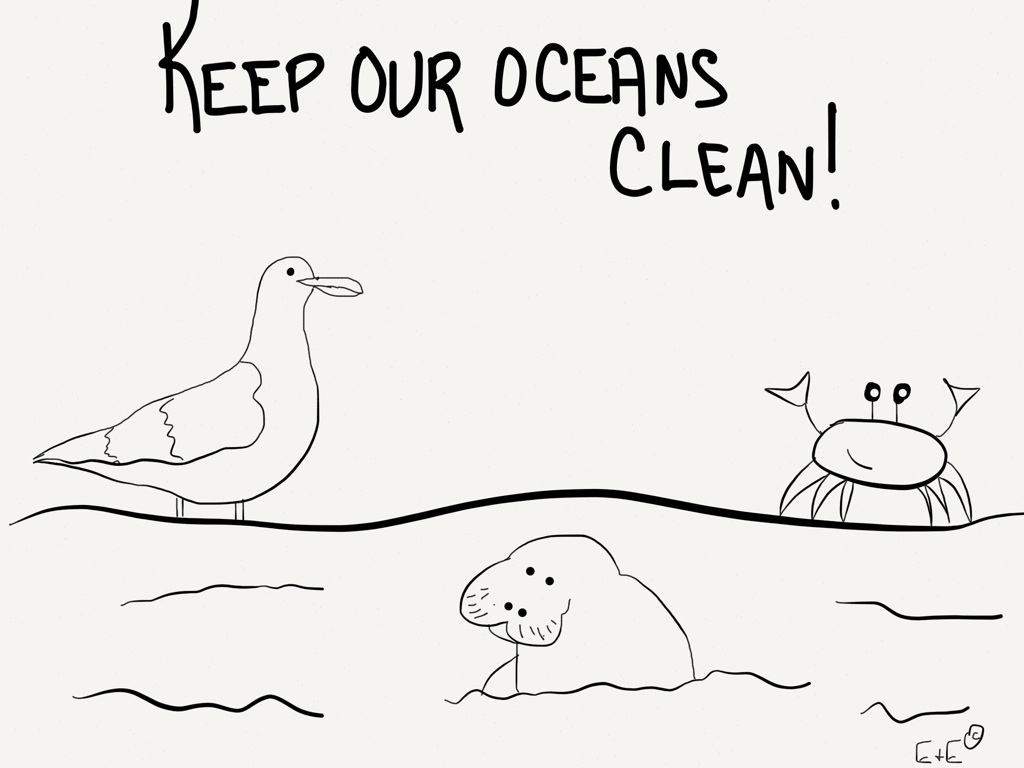
We here at The University and Headquarters are getting ready to go to the beach! We’ll have some fun posts ready for you and today we’re starting with a beach coloring sheet!

 keep oceans clean coloring

Categories: adventure, Animals, Children, conservation, education, Environment, nature, science, wildlife | Tags: , , , , , , , , , , | 1 Comment

Blog at WordPress.com.