Posts Tagged With: reptiles

REPTILIAN TUESDAY #83

REPTILIAN TUESDAY # 83

 We’re off to Africa today to meet a breakfast tortoise! Hahaha- ok they won’t be making us breakfast and we’ll not be eating with them but they are quiet flat!  Flat you say? Flat! Come meet…

e e desert

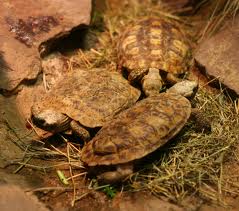
MEET THE PANCAKE TORTOISE!

   Range/Habitat: E Africa (Tanzania/Kenya)/rocky outcrops and savannas

   Diet: Herbivore: grasses, leaves, fruit

   Length/Weight: 5 ½”-7”/ 1 lb

   Conservation Status: Vulnerable


Fun Facts:

  • Pancake Tortoises have flat carapaces (top shell) that are flexible. This is a very unusual adaptation.
  • Pancake tortoises can squeeze into narrow crevices. This helps protect them from predators.
  • They don’t move to far from their shelter.
  • Pancake tortoises are actually quick and agile climbers.
  • They live in small colonies and share their shelters.
  • They can live up to 25 years old.
  • Pancake tortoises are crepuscular (most active at dusk and dawn).

Pancake tortoises are really neat little tortoises with their flat shells and ability to climb. And they have pancake in their name and who doesn’t love pancakes!

pancake tortoise   pancake tortoise2


Categories: adventure, Animals, Children, conservation, education, Environment, nature, reptiles, science, wildlife | Tags: , , , , , , , , , | 1 Comment

GREATEST HITS- REPTILIAN TUESDAY

GREATEST HITS- REPTILIAN TUESDAY

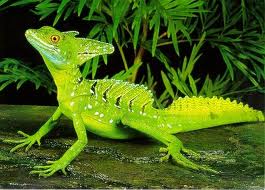
We’re off to the rainforests of Central America to meet a really cool reptile that has a special adaptation! Can you run on top of water? We didn’t think so! Let’s head out on today’s adventure!

MEET THE PLUMED BASILISK!

   Range/Habitat: Central America/ rainforests-wetlands

   Diet: Omnivore: insects, rodents, fruits

   Length: 23 ½-30”

   Conservation Status: common


Fun Facts:

  • Plumed Basilisks are arboreal (they live in trees).
  • They live near streams and rivers.
  • Plumed basilisks run across the surface of the water on their hind feet.
  • Plumed basilisks have 3 crests on body; on their head, back and tails.
  • They are excellent swimmers and can stay under water for 30 minutes.
  • Male plumed basilisks are very territorial. They preside over a territory with numerous females.

These lizards are sooo cool! Can you believe they can run on water? We wish we could do that, alas we only doggie paddle, or elephant and horse paddle in this case!


Categories: adventure, Animals, Children, education, Environment, nature, reptiles, science, wildlife | Tags: , , , , , , , , , | Leave a comment

AMAZING ANIMAL FACTS- REPTILES AND AMPHIBIANS!

AMAZING ANIMAL FACTS- REPTILES & AMPHIBIANS!

We’ve found some great reptile facts today! What’s your favorite reptile fact?

e & e eco explorers

1. A MUDPUPPY HAS 30 TIMES MORE DNA, IN EACH CELL, THAN A HUMAN DOES.

That is just cool!

mudpuppy2

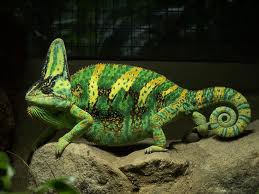
2. CHAMELEONS CHANGE THEIR COLOR DUE TO THEIR EMOTIONAL STATE NOT TO CAMOUFLAGE IN WITH THEIR HABITAT!

Feeling blue today?

chameleon

3. CROCODILES AND ALLIGATORS CAN NOT STICK THEIR TONGUES OUT!

Aw man! Now how do I tell Bob off?

alligator

4. SOUTHERN CRICKET FROGS CAN JUMP TO A HEIGHT OF 60 TIMES ITS BODY!

Whaaaaaa? Take that frog to a jumping contest!

southern criket frog

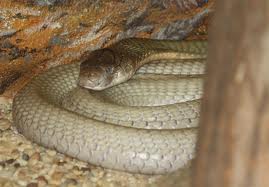
5. ONE BITE FROM A KING COBRA (around 7 milliliters) CAN KILL 20 HUMANS.

Best to leave this guy alone!

king cobra

Categories: adventure, Animals, Children, conservation, education, Environment, nature, reptiles, science, wildlife | Tags: , , , , , , , , , | Leave a comment

REPTILIAN TUESDAY # 82

REPTILIAN TUESDAY # 82

We’re back to our regular schedule and we’re heading to Africa today to meet a tiger! Ok, it’s not a real tiger, because we all know that tigers live in Asia! But we are meeting a snake that looks like tiger! So let’s back up our backpacks and our pith helmets and head to the African Savanna!

e  e africa night

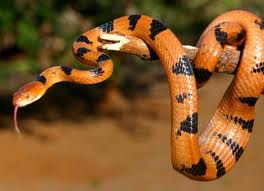
MEET THE AFRICAN TIGER SNAKE!

   Range/Habitat: Southern Africa/ grasslands

   Diet: Carnivore: lizards, rodents

   Length: 3 ¼-4 ft

   Conservation Status: Common


Fun Facts:

  • African Tiger Snakes are nocturnal (active at night).
  • They are slow moving.
  • They have large eyes to help them see at night.
  • African tiger snakes have vertical iris.
  • African tiger snakes are yellowish-brown and orange with black blotches.
  • They are venomous but their venom is not dangerous to humans.

Aren’t these snakes spectacular? They have such wonderful coloration that looks just like a tiger! If you could make a snake look like another animal what pattern would you do? Ellie would like to see a giraffe snake and Edmond wants to see a zebra snake!

african tiger snake2   african tiger snake

Categories: adventure, Animals, Children, conservation, education, Environment, nature, reptiles, science, wildlife | Tags: , , , , , , , , , | 2 Comments

REPTILIAN TUESDAY # 80

REPTILIAN TUESDAY # 80

It’s Reptilian Tuesday and we’re going to Southern Africa to meet one cool tortoise! Let’s put on our best safari gear and head out on today’s adventure!

e & e safari van

MEET THE ANGULATE TORTOISE!

angulate tortoise   Range/Habitat: Southern Africa/ grasslands

   Diet: Herbivore: succulents, grasses

   Length: 6-8”

   Conservation Status: common


Fun Facts:

  •          Angulate Tortoises are also known as the Bowsprit Tortoise.
  •          Male angulate tortoises are larger than females.
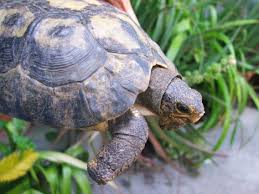
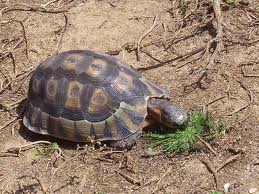
  •          Angulate tortoises have high domed carapaces.  
  •          They hibernate during the winter.
  •          Angulate tortoises have black triangle patterns on their shells.

These tortoises are so beautiful with their patterned shells. We love all of our tortoise and turtle pals! They are shelltastic!

 angulate tortoie2  angulate tortoie3

Categories: adventure, Animals, Children, conservation, education, Environment, nature, reptiles, science, wildlife | Tags: , , , , , , , , , | Leave a comment

REPTILIAN TUESDAY #78

REPTILIAN TUESDAY # 79

It’s Reptilian Tuesday and we’re off to South Africa to meet one cool lizard! Grab your backpack and safari gear and let’s load up on the Ellie and Edmond safari vehicle!

e e grasslands2

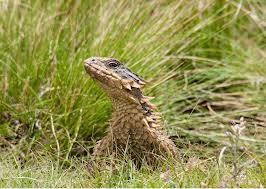
MEET THE SUNGAZER!

sungazer   Range/Habitat: South Africa/grasslands

   Diet: Carnivore: insects, small vertebrates

   Length:  11-15 ½”

   Conservation Status: vulnerable


Fun Facts:

  •          Sungazers are also called the Giant Girdled Lizard.
  •          They bask at the entrance of their burrows.
  •          Sungazers live in burrows. Those burrows usually face north or northwest.
  •          Sungazers have armored tails with pointed scales.
  •          They hibernate in the winter!

These Sungazer lizards are so amazing with their armored tails. When they feel threatened they go in their burrow and leave that pointy tail blocking the entrance to their home! Neat!

sungazer2   sungazer3

Categories: adventure, Animals, Children, conservation, education, Environment, nature, reptiles, science, wildlife | Tags: , , , , , , , , , | 3 Comments

REPTILE DAY!!!

REPTILE DAY!

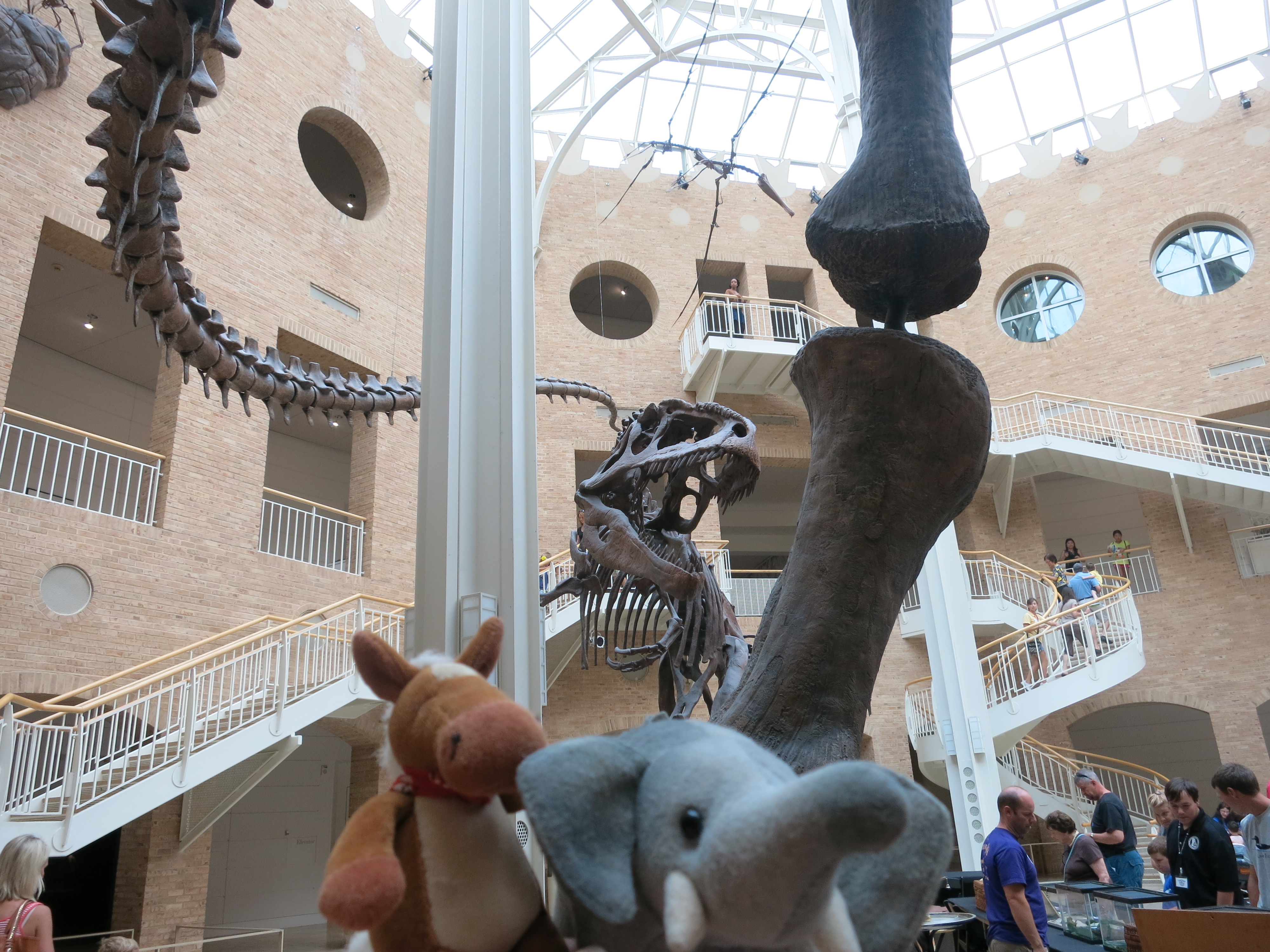
Instead of our regular Reptilian Tuesday, we’re taking you on an adventure to our local natural history museum, Fernbank in Atlanta, GA. A few weekends ago, we went to their annual reptile day and had a blast! Come check out this amazing day!

IMG_5151

Here we are looking on the great hall of Fernbank!

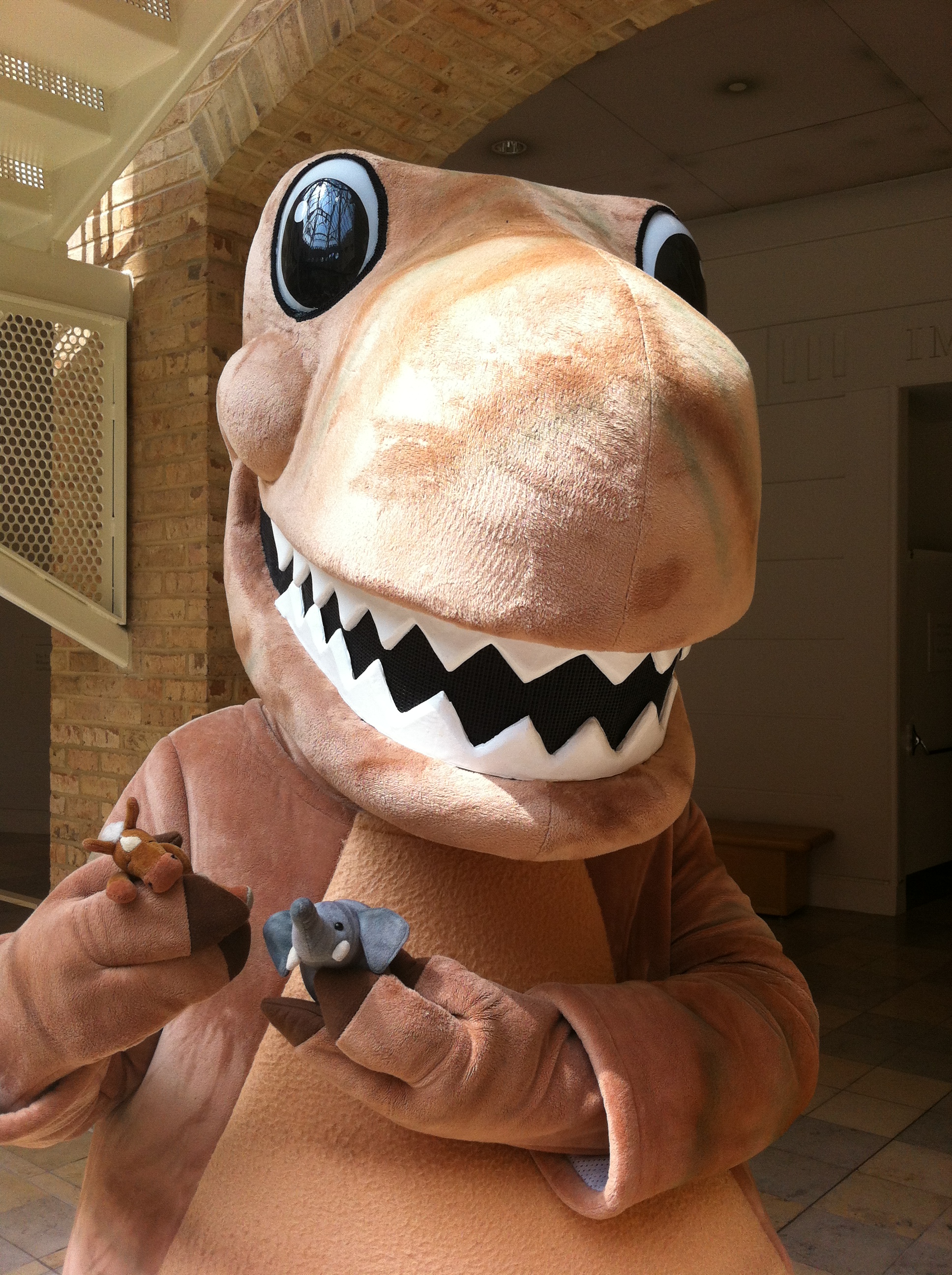
Fernbank had groups from the Georgia Herpetology Society, Atlanta Botanical Gardens, Zoo Atlanta and others at the museum. There were reptiles, amphibians and dinos of all kinds! We started this party off right, by meeting our pal, Giggy Dinosaur, the museum’s mascot!

IMG_5135

Our pal Giggy Dinosaur! He is one cool dude!

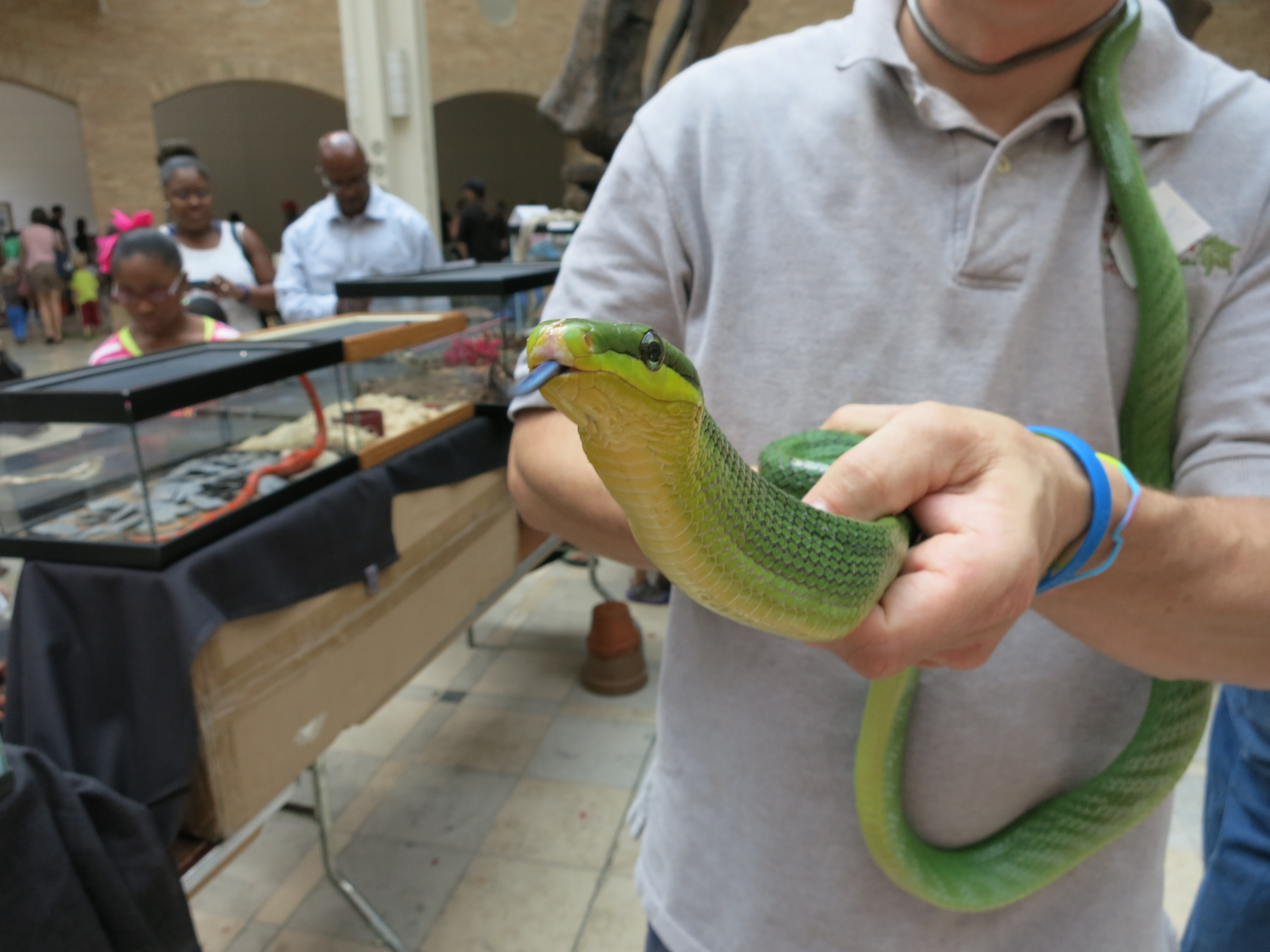
Red Tail Rat Snake!

Red Tail Rat Snake!

Red Tail Rat Snake! Check out that forked tongue!

Red Tail Rat Snake! Check out that forked tongue!


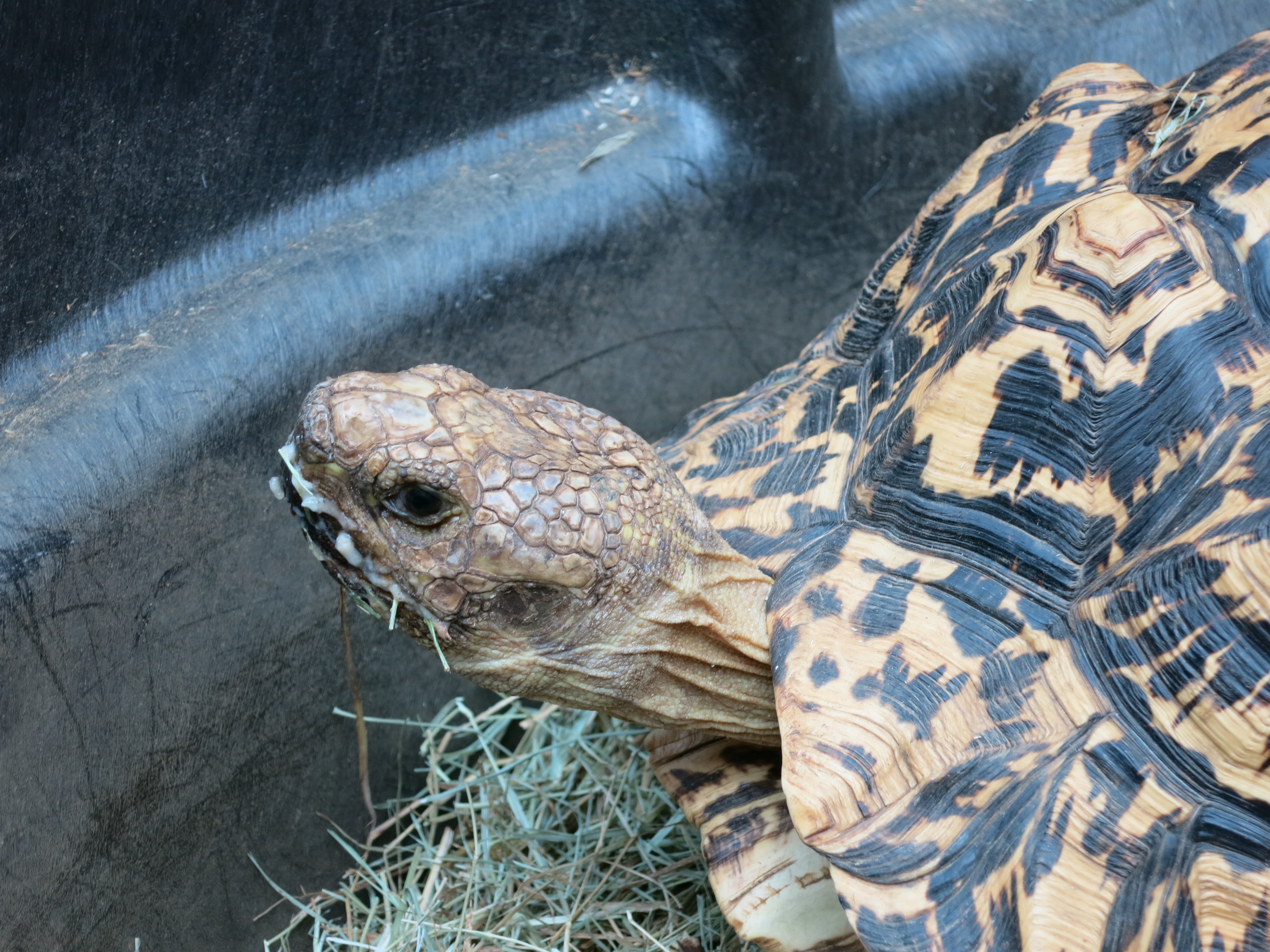
Tortoise with banana on his face! Get him a napkin :)!

Tortoise with banana on his face! Get him a napkin :)!

Boa on his handler! Check out those eyes!

Boa on his handler! Check out those eyes!
 

Corn snake! Corn snakes don't eat corn, they eat the rodents that live in corn fields though!

Corn snake! Corn snakes don’t eat corn, they eat the rodents that live in corn fields though!


IMG_0449

Wow! This guy is moving!

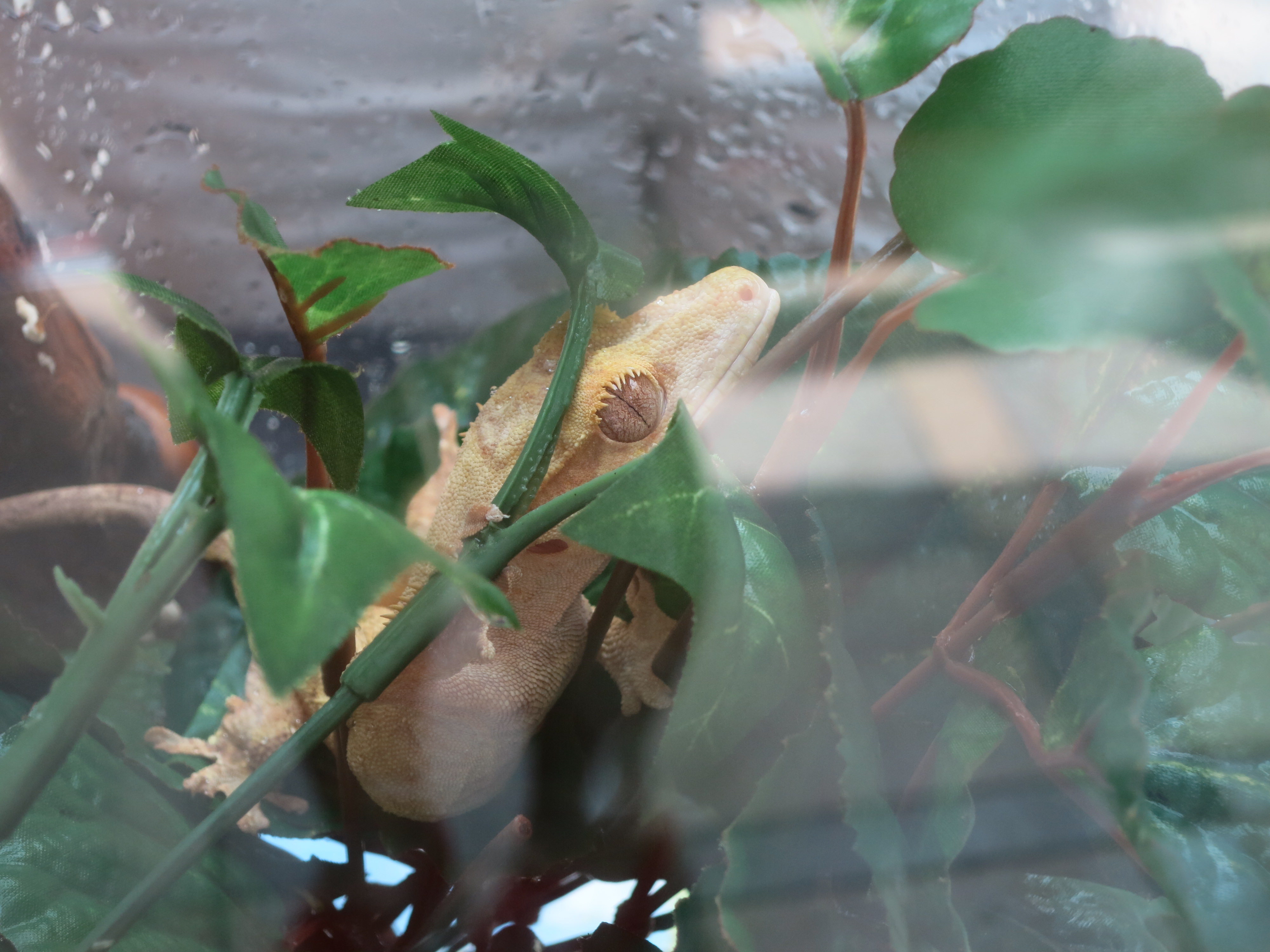
Gecko! He sure has some lovely "eyelashes"!

Gecko! He sure has some lovely “eyelashes”!


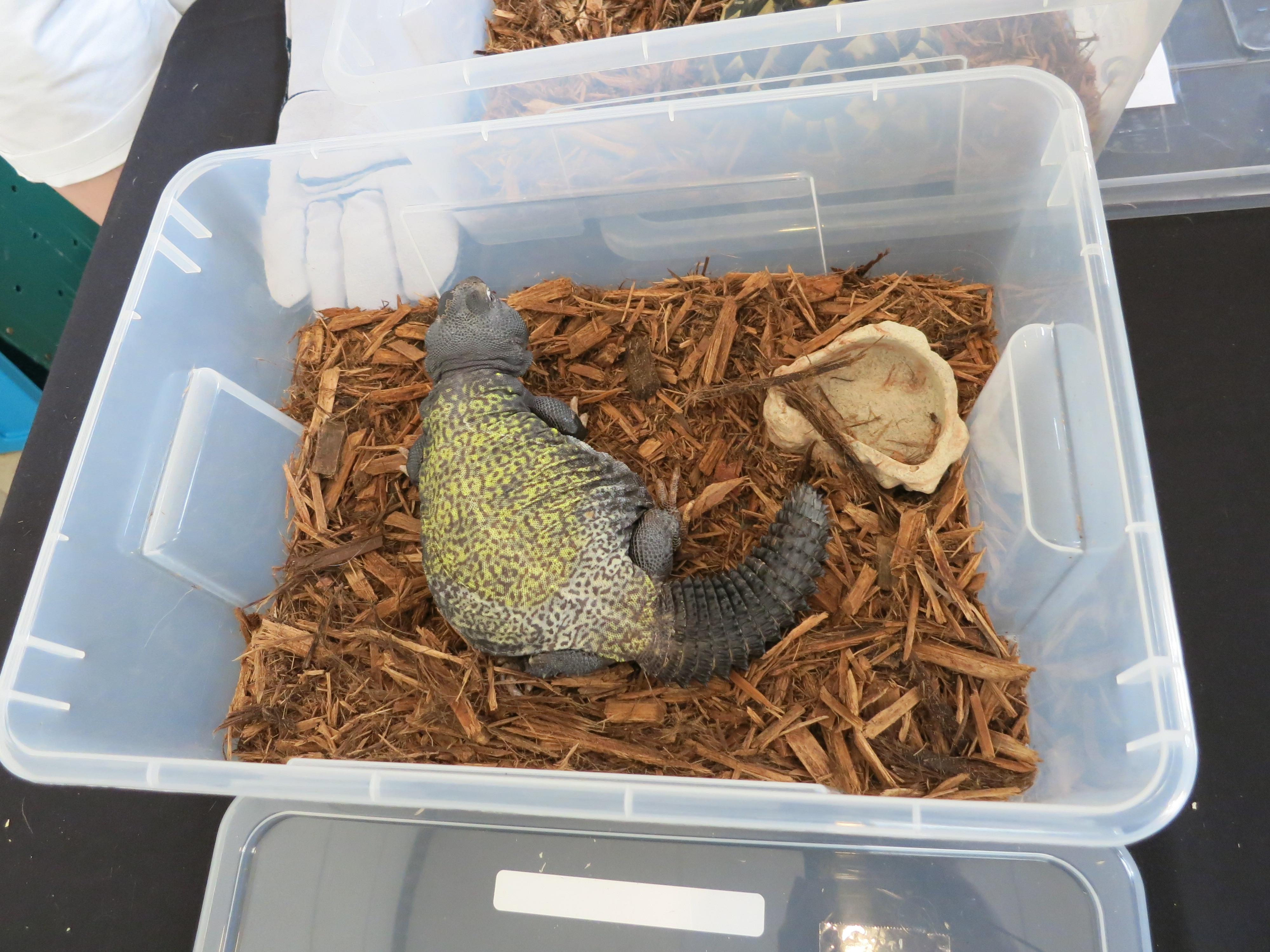
Egyptian Uromastyx! What a cool lizard!

Egyptian Uromastyx! What a cool lizard!


Wow! We sure are glad this is just a skull of a black caiman!

Wow! We sure are glad this is just a skull of a black caiman!

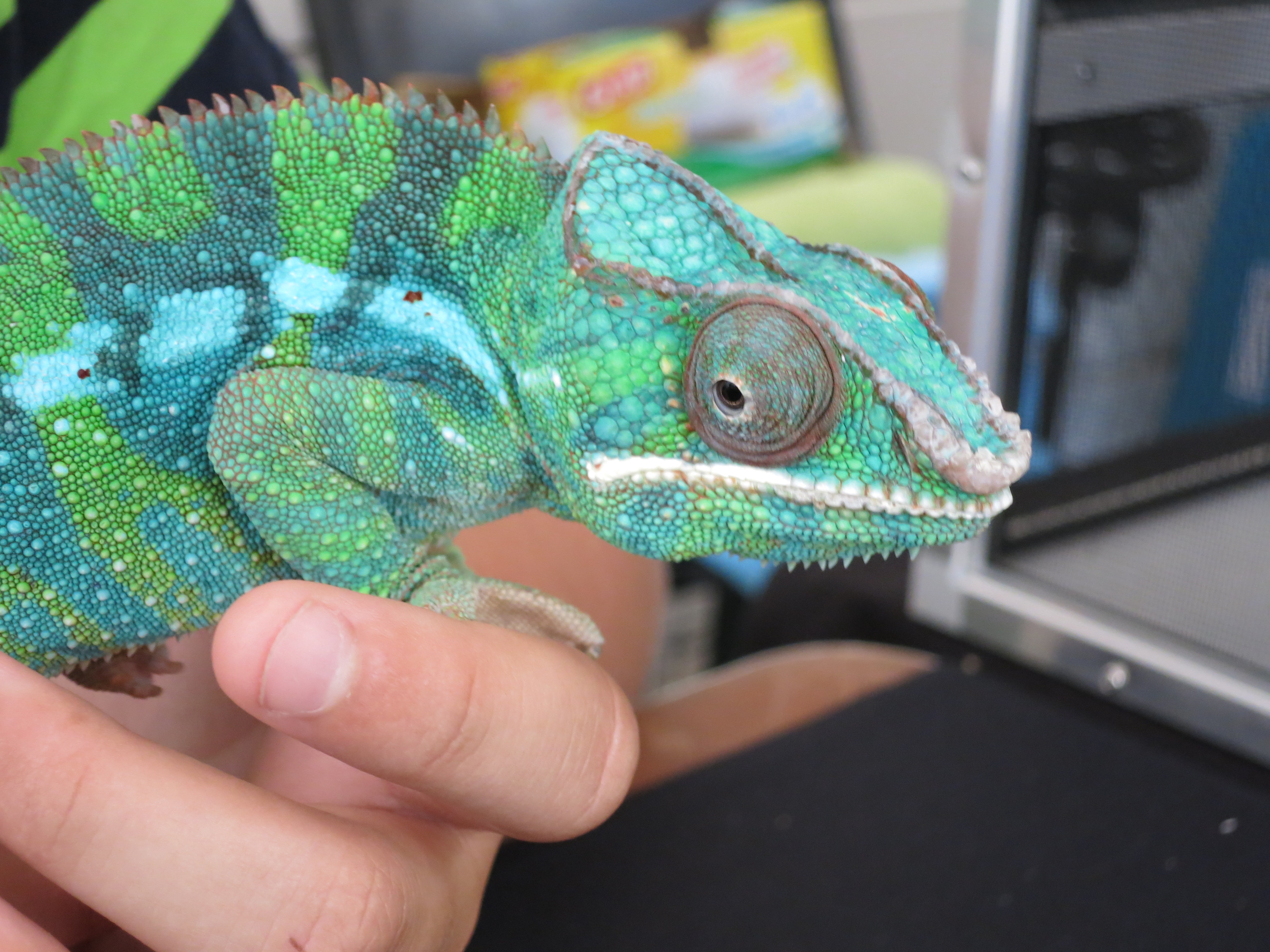
Chameleon!

Chameleon!

IMG_0500

Who wouldn’t want to hold hands with a chameleon?


Dinos!!!

Dinos!!!

Mata Mata!

Mata Mata!

Sleeeeepy iguana!

Sleeeeepy iguana!


African bullfrog! He's bigger than us!

African bullfrog! He’s bigger than us!

Snake in the sand!

Snake in the sand!


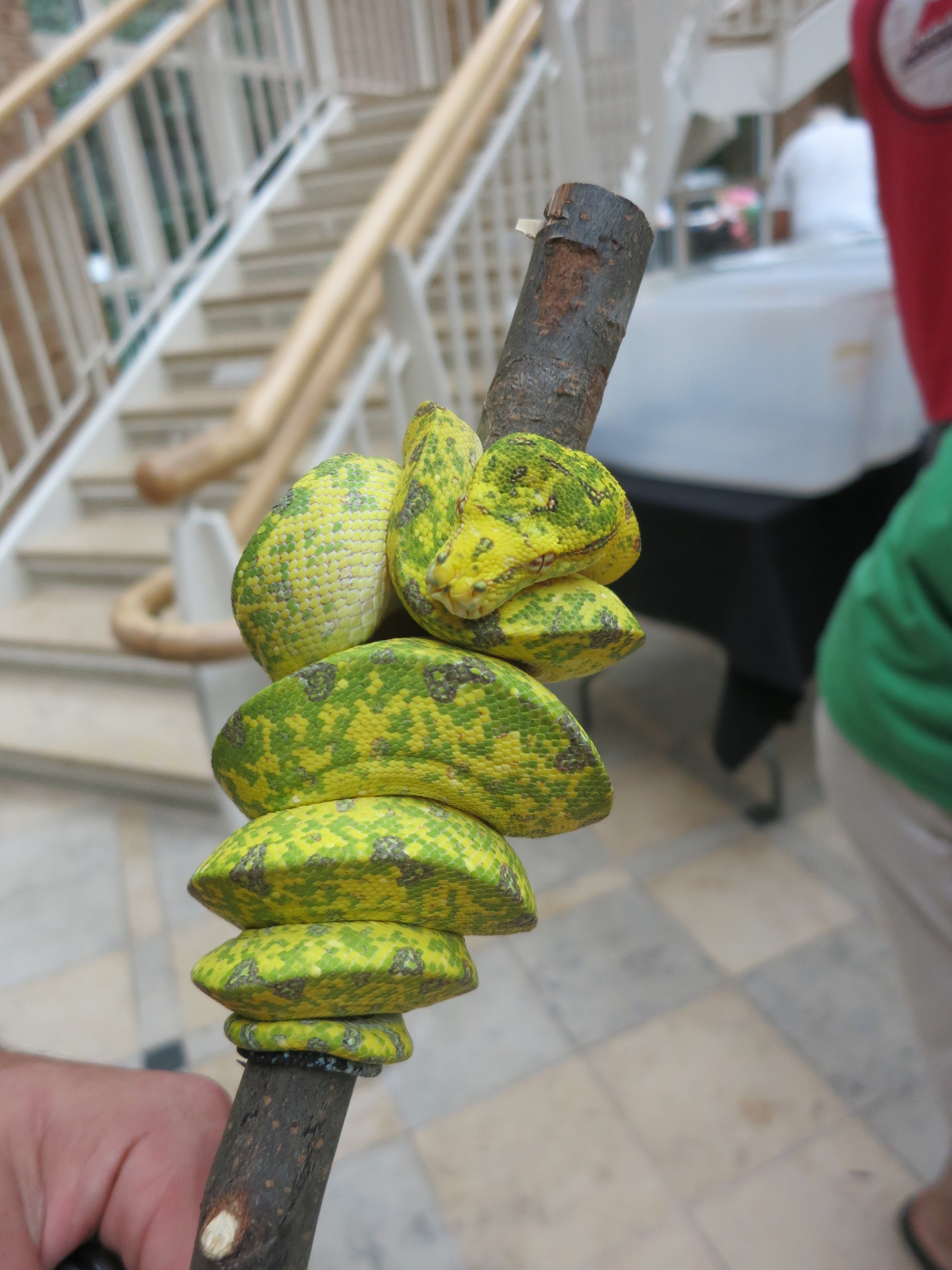
Snake on a stick!

Snake on a stick!


African bullfrog! He's bigger than us!

African bullfrog! He’s bigger than us!

We had the most fun meeting all the reptiles and amphibians! Everyone there was eager to answer questions and talk about the animals they had brought with them. You were even able to touch most of the animals! A snake feels like a basketball if you want to know! Reptiles often get a bad rep, but without them our ecosystems would be out of whack! These wondrous creatures are vital to the health of our planet and we applaud Fernbank Natural History Museum for celebrating them! If you’re in Atlanta, put Fernbank on your To Do List! You can learn more about this amazing place on their website!

Categories: adventure, Animals, Children, conservation, education, Environment, nature, reptiles, science, wildlife | Tags: , , , , , , , , , | 3 Comments

REPTILIAN TUESDAY # 77

REPTILIAN TUESDAY # 77

Woohoo, we’re excited that it’s Reptilian Tuesday! We’re going to southern Africa to meet an adorable little tortoise! Grab your sunscreen and gear and let’s go on an adventure!

e & e safari van

MEET THE SPECKLED PADLOPER TORTOISE!

speckled padloper   Range/Habitat: West Southern Africa/ desert-scrub

   Diet: Herbivore: succulent plants

   Length:  2 ¼- 3 ¼”

   Conservation Status: near threatened


Fun Facts:

  •          Speckled Padloper tortoises are the smallest tortoise in the world.
  •          They are also known as the Speckled Cape Tortoise.
  •          The males are smaller than the females.
  •          Speckled padloper tortoises hide under rocks for protection.
  •          Their shells are covered in tiny black spots.

These little tortoises are so cute! Tortoises come in such different sizes; from these tiny ones to the giant Galapagos tortoise! Which one is your favorite?

speckled padloper2   speckled padloper3

Categories: adventure, Animals, Children, conservation, education, Environment, nature, reptiles, science, wildlife | Tags: , , , , , , , , , | Leave a comment

REPTILIAN TUESDAY # 75

REPTILIAN TUESDAY # 75

We’re going to Asia to meet today’s reptile! We’ll be going in the woods, so step carefully because these guys know how to camouflage in with the leaves!

e & e wetlands

MEET THE ASIAN LEAF TURTLE!

asian leaf turtle   Range/Habitat: Southeast Asia/ wetlands

   Diet: Omnivore: invertebrates, tadpoles, plants

   Length:  6-9 1/2”

   Conservation Status: common


Fun Facts:

  •          Asian leaf turtles have an oval shape carapace (top shell).
  •          Their plastron (bottom shell) is hinged.
  •          Asian leaf turtles hide in the mud in creeks and rivers when threatened.
  •          Male Asian leaf turtles are smaller than the females.
  •          Asian leaf turtles have serrated shells that help them blend in.

Asian leaf turtles are cute! There are so many kinds of turtles out there! We love each and every one of them!


asian leaf turtle2

Categories: adventure, Animals, Children, conservation, education, Environment, nature, reptiles, science, wildlife | Tags: , , , , , , , , , | Leave a comment

REPTILIAN TUESDAY # 74

REPTILIAN TUESDAY # 74

So we’re taking a boat from Madagascar to the continent of Africa to meet a very menacing snake. Get your safari gear on and your binoculars because we’ll be looking for this reptile from the safety of the E & E safari vehicle.

e & e safari van

MEET THE PUFF ADDER!

puff adder   Range/Habitat: Africa (south of the Sahara)/ grasslands

   Diet: Carnivore: small mammals, birds

   Length:  3 ¼ ft

   Conservation Status: common


Fun Facts:

  •          Puff Adders are thick bodied and wide snakes.
  •          They are yellow-brown in color with white chevrons.
  •          Puff Adders are highly venomous.
  •          Male puff adders are smaller than the females.
  •          Puff Adders are ambush predators.

Puff adders are very scary looking snakes. None the less they deserve our respect! All snakes are essential parts of their ecosystems whether they are cute or not.

puff adder2   puff adder3

Categories: adventure, Animals, Children, conservation, education, Environment, nature, reptiles, science, wildlife | Tags: , , , , , , , , , | Leave a comment

Blog at WordPress.com.