Posts Tagged With: science

SQUIRREL APPRECIATION DAY!

SQUIRREL APPRECIATION DAY!!

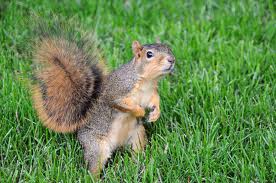
We’re celebrating those adorable and often misunderstood little rodents today! There are more than 200 species of squirrels all over the world! To celebrate these bushy tailed animals we’re going to share some fun facts, pictures and a fun squirrel craft!

We have our squirrel tails!

We have our squirrel tails!

  • There are more than 200 species of squirrel in the world.
  • Squirrels live on every continent except Australia and Antarctica.
  • The African Pygmy Squirrel is the smallest species of squirrel. They are 5 inches long.
  • The Indian Ground Squirrel is the largest at 3 feet long!
  • There are tree squirrels, ground squirrels and flying squirrels.
  • Flying squirrels do not actually fly, but glide using a flap of skin on each side.
  • Some squirrels can run as fast as 20 mph.
  • A squirrel’s teeth grow throughout their lifetime.
  • Squirrels are omnivores. They eat bugs, eggs, nuts, seeds and fruit.
  • Squirrels that bury their food for winter, find it by rubbing their scent on it first. They use their keen noses to find it later.
  • The average squirrel eats about a pound of food a week!

squirrel

Wow! Who knew that squirrels were so fascinating! We had no idea that there were so many species! We’ve only featured two: The Gambian Sun Squirrel and the Prevost’s Squirrel! We had better get to learning about the other 200 species!

In the meantime we’re going to wear our squirrel tails and be honorary squirrels for the day! We’ll also be making these cute squirrel pencil toppers! How will you be celebrating our favorite rodent friends?
squirrel2squirrel3


squirrel4

squirrel6  squirrel8

Categories: adventure, Animals, Children, conservation, education, Environment, mammals, nature, squirrels, wildlife | Tags: , , , , , , , , , , | 11 Comments

PENGUIN WEEK DAY # 5

PENGUIN WEEK DAY #5

It’s the last day of Penguin Week and we sure have had a blast meeting some of these flightless feathery friends and hope you’ve had fun too. Our last day of adventure takes us back to Antarctica to meet yet another cute penguin species!

e e arctic

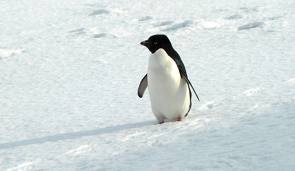
MEET THE ADELIE PENGUIN!

adelie penguins   Range/Habitat: Circumpolar Antarctica/ coasts-ice

   Diet: Carnivore: krill, small fishes

   Length/Weight: 18-24”/ 8 ¾-12 lb

   Conservation Status: common


Fun Facts:

  • Adelie penguins nest on the mainland of Antarctica.
  • They have blue-black feathers with pure white fronts.
  • Adelie penguins have white rings around the eyes.
  • Adelie penguins breed in colonies of up to 200,000 birds.
  • They build nest with rocks.
  • Adelie penguins have been seen stealing rocks from other penguins to make their nests.


Adelie penguins are so proper looking with their white bellies and sharp looking blue-black feathers. All they need now is a bowtie!

adelie penguins2    adelie penguins3


Categories: adventure, Animals, birds, education, Environment, nature, oceans, penguins, science, wildlife | Tags: , , , , , , , , , , | 10 Comments

PENGUIN WEEK DAY # 3

PENGUIN WEEK DAY #3

We’re off to South Georgia Island to meet a crested penguin who spends most of their life in the ocean, but form gigantic colonies during breading season! So let’s grab our coats and head down towards the south pole!

e e arctic

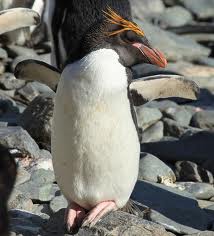
MEET THE MACARONI PENGUIN!

macaroni penguin   Range/Habitat: South Chile, South Atlantic/ rocky islands-oceans

   Diet: Carnivore: krill

   Length/Weight: 28”/ 7 ¾-14 lb

   Conservation Status: vulnerable


Fun Facts:

  • Macaroni penguins have a yellow crest of feathers on their head.
  • They were named after the macaroni hat of the 1800s.
  • Macaroni penguins are very vocal.
  • Macaroni penguins spend most of their time at sea.
  • They come ashore and form large breeding colonies.
  • Macaroni penguins form lifelong pair bonds.
  • Both male and female macaroni penguins incubate the egg.


We just love these little penguins with their fun name and their yellow crest of feathers on their head! We must see what we would look like with a fun crest on our heads!

macaroni penguin2  macaroni penguin3


e e macaroni hair

Categories: adventure, Animals, birds, Children, conservation, education, Environment, nature, penguins, science, wildlife | Tags: , , , , , , , , , , | 4 Comments

PENGUIN WEEK DAY # 2

PENGUIN WEEK DAY #2

For day two of Penguin Week we’re going South America! That’s right; we’re going to the temperate climates of South America to meet one cute little bird! Are you ready for today’s adventure?

e & e coast

MEET THE HUMBOLDT PENGUIN!

humboldt penguin   Range/Habitat: Western South America/ coasts-oceans

   Diet: Carnivore: anchovies, sardines

   Length/Weight: 22-26”/10-11 lb

   Conservation Status: vulnerable


Fun Facts:

  • Humboldt penguins were named after a cold weather current that goes in their habitat.
  • They have a black u shaped stripe on their chest.
  • Humboldt penguins have pink faces at the base of their beaks.
  • Humboldt penguins nest in underground burrows.
  • They form monogamous pairs.

Humboldt penguins are adorable! It’s so cool that they live in rocky outcrops on the coasts and not on an icy continent!

humboldt penguin2   humboldt penguin3


Categories: adventure, Animals, birds, Children, conservation, education, Environment, nature, oceans, penguins, science, wildlife | Tags: , , , , , , , , , , | Leave a comment

PENGUIN THEME WEEK!

PENGUIN WEEK!!

It is theme week and this year we’ve decided to focus theme weeks on one group of animals! Because it’s winter our first theme week is focusing on a flightless and well feathered bird that we associate with coooooold habitats.  Ironically, only eight species of penguins live in cold weather habitats. All other species of penguins live in temperate habitats. Our first adventure of penguin week is taking us to islands off of Antarctica! So let’s grab a jacket and head out to meet…

e e arctic

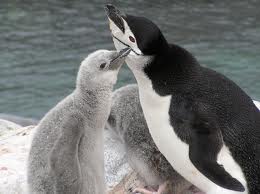
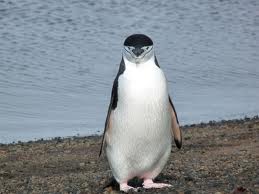
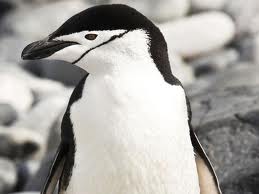
MEET THE CHINSTRAP PENGUIN!

chinstrap penguin   Range/Habitat: Antarctica/ rocky outcrops-oceans

   Diet: Carnivore: krill, shrimp, fish

   Length/Weight: 28-30”/ 6 ½-10 lbs

   Conservation Status: common


Fun Facts:

  • Chinstrap penguins have thing black lines that run ear to ear.
  • They live on islands off the continent of Antarctica.
  • Chinstrap penguins breed in large colonies.
  • They build their nests with stones.
  • Both female and male chinstraps incubate the eggs.

Chinstrap penguins are so cute with their black and white attire and little straps. These little birds are one of our favorites!

chinstrap penguin2   chinstrap penguin3


Categories: adventure, Animals, birds, Children, conservation, education, Environment, nature, science, wildlife | Tags: , , , , , , , , | Leave a comment

FEATHERY FRIDAY # 56

FEATHERY FRIDAY #56

We’re so excited for the first Feathery Friday of the year! We’re off to China today to meet one handsome bird! Let’s get out there and go bird watching!

e e grasslands

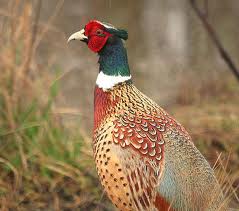
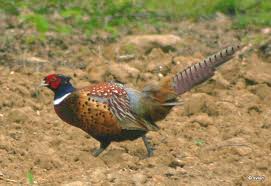
MEET THE RING-NECKED PHEASANT!

ring necked pheasant Range/Habitat: North America-Europe-Asia/ grasslands-farmlands

Diet: Omnivore: grains, seeds, insects

Length/Weight: 35”/1 ¾-4 ½ lb

Conservation Status: common


Fun Facts:

  • Male Ring-necked Pheasants have bright green heads and white rings around their necks.
  • Female ring-necked pheasants are drab brown.
  • They have long tails.
  • Ring-necked pheasants tend to stay, feed and nest on the ground.
  • The young fly within two weeks of being born.

Ring-necked pheasants are really neat birds. We love the males’ bright green heads. They must look good to attract the lady birds! Hehehehe!

ring necked pheasant2 ring necked pheasant3

Categories: adventure, Animals, birds, Children, conservation, education, Environment, nature, science, wildlife | Tags: , , , , , , , , | Leave a comment

SUPER SURPRISE THURSDAY- NEW & IMPROVED!!

SUPER SURPRISE THURSDAY

We spent some time brainstorming here at headquarters about ways to jazz up the blog and we’ve come up with a new and improve Super Surprise Thursday! Instead of going on an adventure we’re going to post an up-close picture and give you a few hints and you’ll have to guess the Surprise Animal! We sure hope you enjoy our new feature!

jagur

  • I live in South America.
  • My name is derived from a word that means “he who kills in one leap”.
  • I am a good swimmer.
  • My spots are called rossets.

WHO AM I?

Categories: adventure, Animals, Children, conservation, education, Environment, mammals, nature, science, wildlife | Tags: , , , , , , , , , | 6 Comments

WATERY WEDNESDAY # 56

WATERY WENESDAY # 56

Today we’re jetting to South America to meet one large and unusual fish! These guys don’t have any top fins and they can electrocute a human! Best if we stand next to the river to catch a peek, don’t you think?

e & e river boat

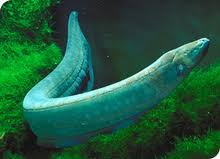
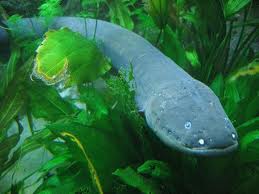
MEET THE ELECTRIC EEL!

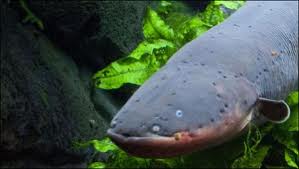
electric eel   Range/Habitat: Northern South America/ rivers, streams

   Diet: Carnivore: fish, amphibians, birds

   Length/Weight: 6-8 ft/ up to 44 lbs

   Conservation Status: common

Fun Facts:

  • Electric eels are not true eels; they are actually members of the knifefish family.
  • They are one of the largest fresh water fish in South America.
  • Electric eels have one long fin on their underside. They have no top or tail fins.
  • Electric eels have poor eyesight.
  • They have specialized cells that store electricity like batteries.
  • They use electrical pulses to help them find their way around in murky rivers and streams.
  • Electric eels also use jolts of electricity to stun prey. They can produce jolts up to 600 volts at one time.

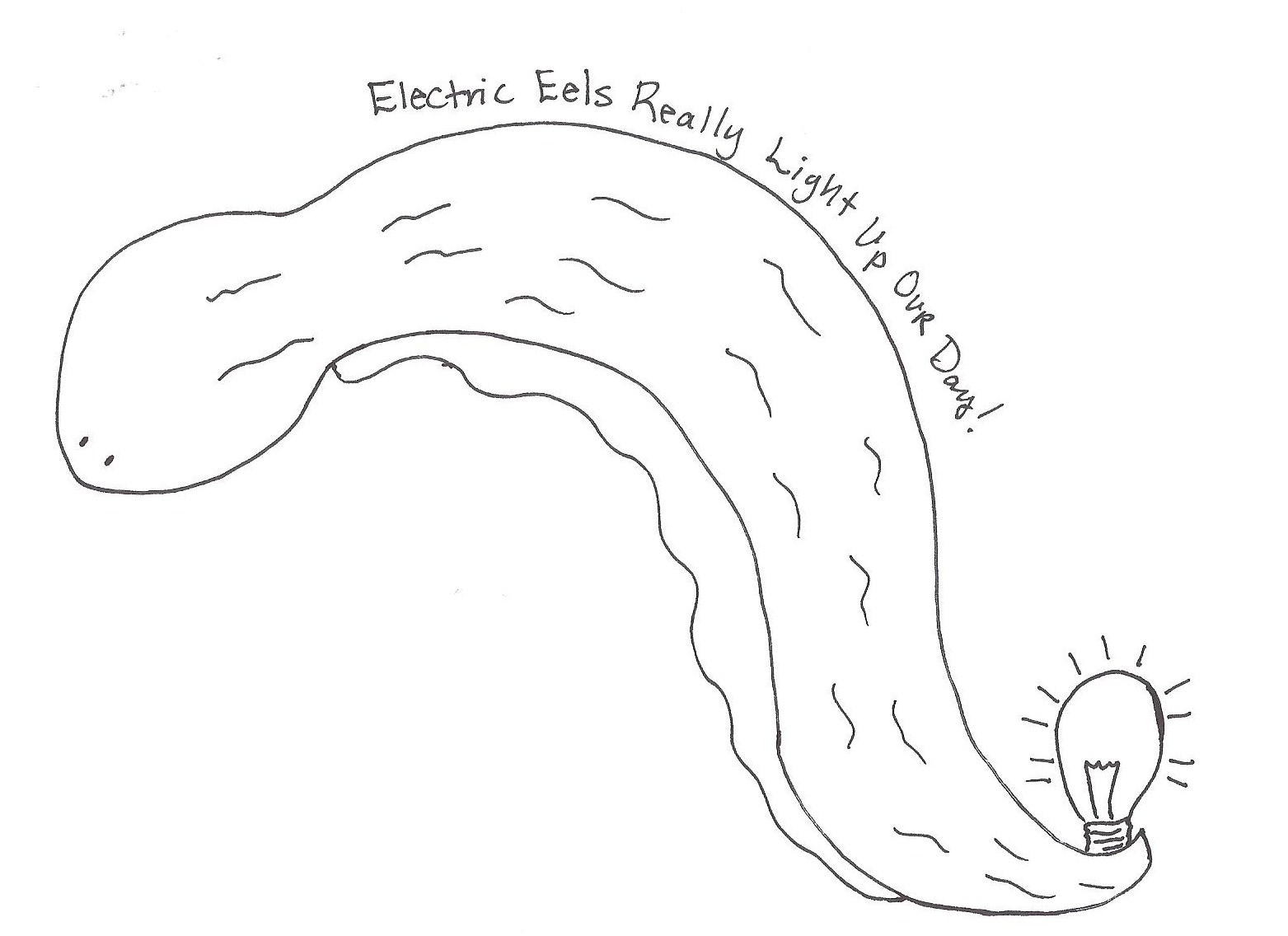
WOW! Electric eels are amazing animals. Who knew there were fish out in the world that could light things up? We just never ceased to be amazed by all the cool animal adaptations there are on earth! We do wonder if an electrical eel could light our lamp for us! Hahahaha!

electric eel2   electric eel3


Image

Categories: adventure, Animals, Children, conservation, education, Environment, fish, nature, rivers, science, wildlife | Tags: , , , , , , , , | Leave a comment

REPTILIAN TUESDAY #56

REPTILIAN TUESDAY #56

We’re off to the rainforests of East Africa on this first Reptilian Tuesday of 2013.  We’ll be heading towards the canopy of the rainforest! Keep your eyes peeled, because we’ll need to observe today’s reptile from a distance!

e & e rainforest2

MEET THE EAST AFRICAN GREEN MAMBA!

east african green mamba   Range/Habitat: Eastern-Southeastern Africa/ forests-rainforests

   Diet: Carnivore: rodents, birds

   Length: 5-8 ½ ft

   Conservation Status: common


Fun Facts:

  • East African Green Mambas are bright green.
  • They have long bodies and tails.
  • East African green mambas are arboreal (spend most of their time in trees).
  • They are fast moving and agile among the branches.
  • East African green mambas are highly venomous.
  • They have smooth scales.

East African green mambas are gorgeous snakes. They are best when watched from a distance though. Best to leave venomous snakes alone in their habitats!

east african green mamba2


Categories: adventure, Animals, Children, conservation, education, Environment, nature, reptiles, science, wildlife | Tags: , , , , , , , , , | Leave a comment

MAMMAL MONDAY # 56

MAMMAL MONDAY #56

We’re baaaack! We hope everyone had a lovely holiday! We’ve been gearing up here at HQs for a most exciting 2013! Our first adventure of the new year takes us to the deserts of Africa to meet a member of the canine family. Let’s grab our safari hats as we head out to meet our first mammal of the year!

e e desert

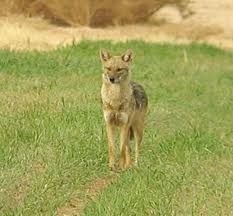
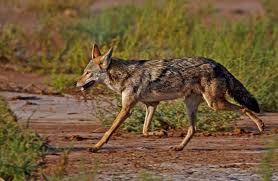
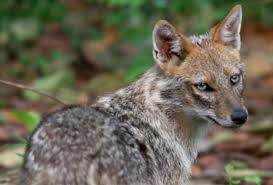
MEET THE GOLDEN JACKAL!

golden jackal   Range/Habitat: Northeast Africa-Southern Asia/ mountains-deserts

   Diet: Omnivore: fruits, insects, mammals

   Length/Weight: 23 ½-43”/ 15-33 lbs

   Conservation Status: common


Fun Facts:

  • Golden jackals have yellow-golden coats.
  • They live in pairs and mate for life.
  • Golden jackals are more closely related to wolves and coyotes than true jackals.
  • They have long legs.
  • Golden jackals have life spans of about 15 years.

Golden jackals are gorgeous with their beautiful coats of fur. Unlike most members of the canine family, they live in pairs and not in a pack! Pretty neat!

golden jackal2    golden jackal3

Categories: adventure, Animals, Children, conservation, education, Environment, mammals, nature, science, wildlife | Tags: , , , , , , , , , | 2 Comments

Blog at WordPress.com.