Posts Tagged With: science

NARWHAL ORNAMENT!!

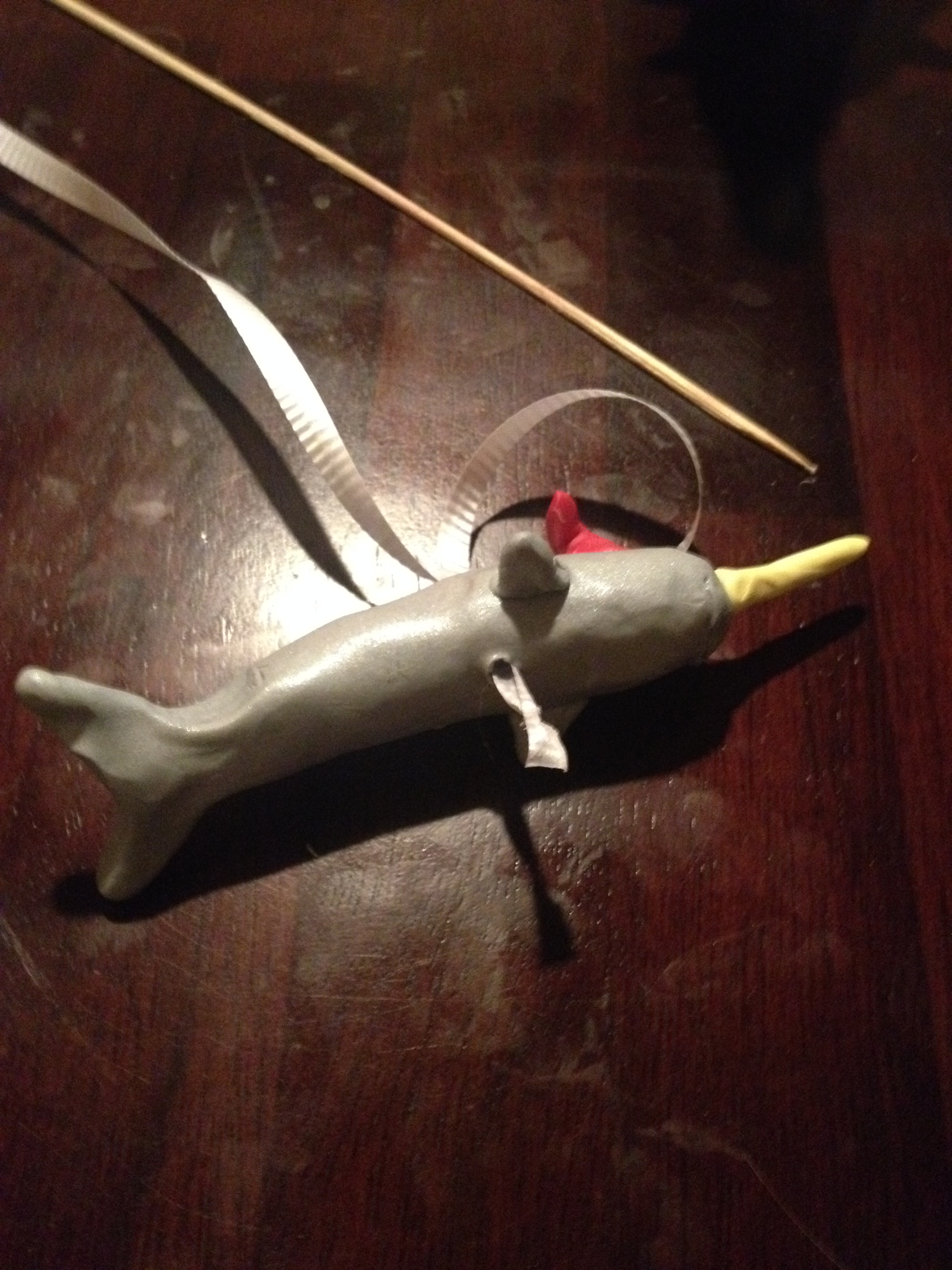
NARWHAL ORNAMENT!

We’re making a clay narwhal ornament to add to your tree!


Materials:

·      Sculpey Clay (grey, white or yellow, and red)

·      Ribbon (not shown)

·      Paper clip or skewer (not shown)

e e narwhal

Instructions:

1.  First role the grey into a tube shape.

e e narwhal2

2.  Then sculpt the tail.

e e narwhal3

3.  Role two balls for fins. Shape into triangles and attach to the body.

e e narwhal4

4.  Roll a tube of the white or yellow for the tooth.

e e narwhal6

5.  Shape into a point and attach to the head.
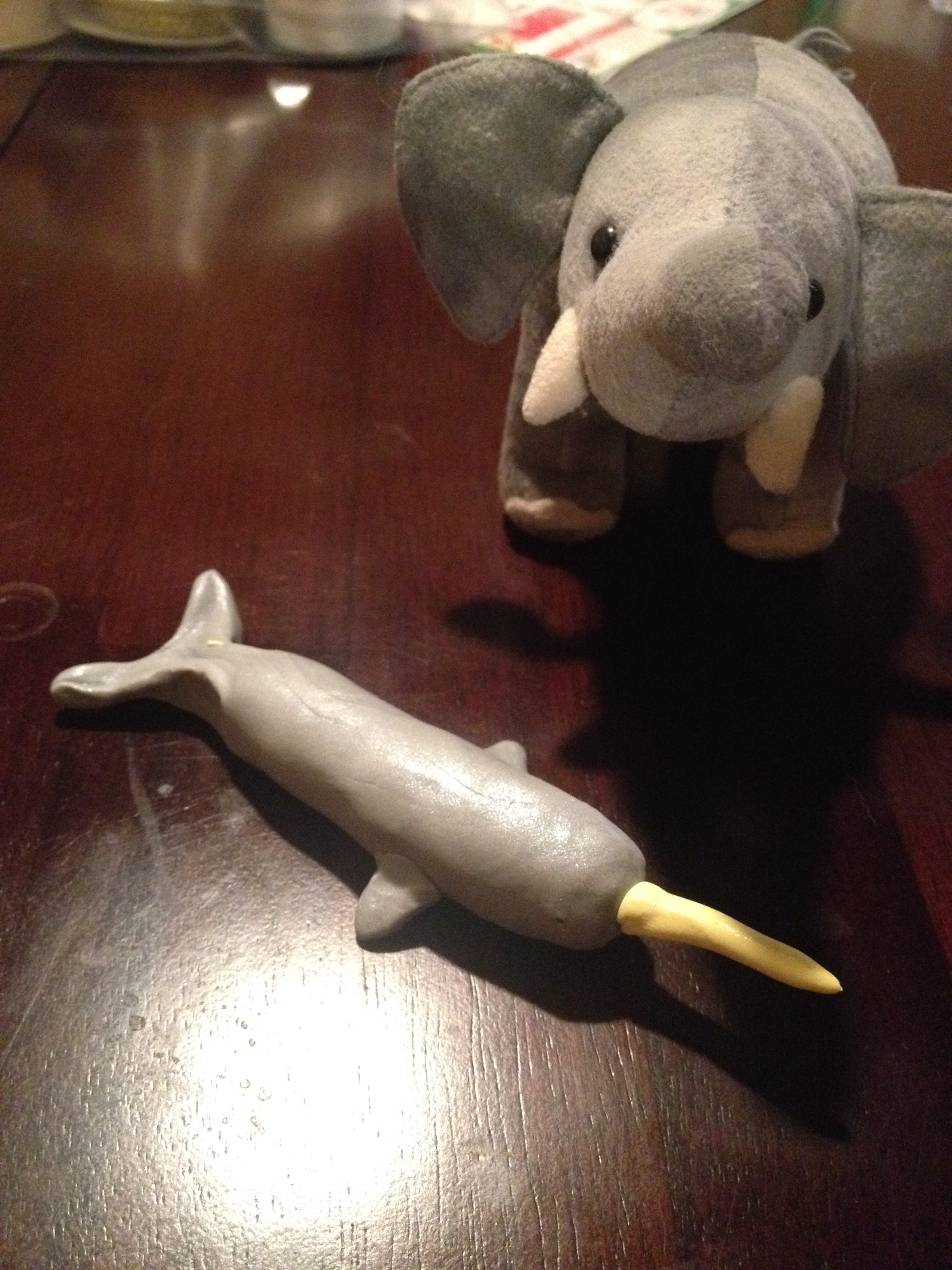
e e narwhal8

6.  Role a red ball and then shape into cone for hat. Then attach to head.

e e narwhal9

7.  Take your skewer or paper clip and poke eyes and draw mouth.

8.  Poke a hole through your Narwhal.

e e narwhal11

9.  Bake your Narwhal according to package directions.

10.                   When cool- poke ribbon through hole in body and tie a knot on underside of Narwhal!
e e narwhal12            e e narwhal7

Categories: adventure, Animals, Children, conservation, crafts, education, Environment, mammals, nature, science, wildlife | Tags: , , , , , , , , , , | 1 Comment

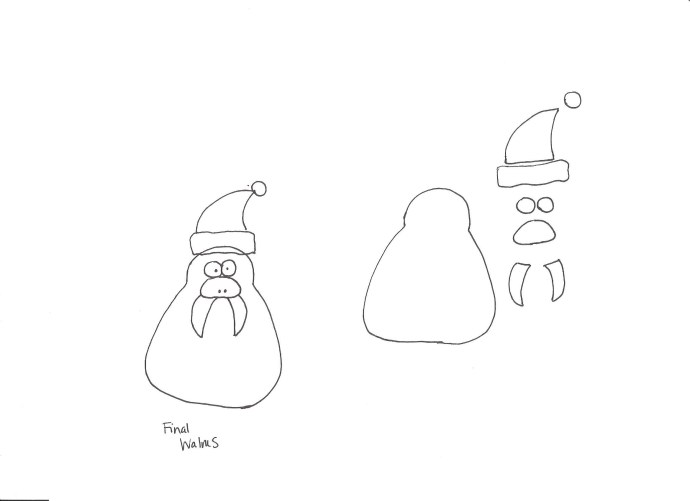
WALRUS ORNAMENT

We’re reposting last year’s ornament! Look for the NEW NARWHAL Ornament tomorrow!

Santa Walrus Ornament!

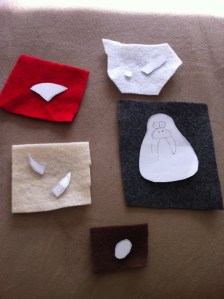
We’re making ornaments this month for craft time and we’re so excited to be making this adorable little felt walrus ornament! Let’s get crafty!

IMG_3770

Materials:

  • Red, white, cream, gray & brown felt (you only need small scraps)
  • Black marker
  • scissors
  • hot glue (to be used by an adult)
  • needle & thread


Instructions:

  • Print out pattern (below)
  • Cut pattern pieces out

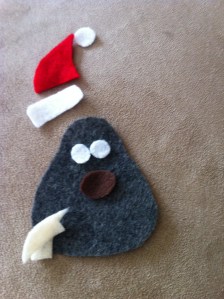
IMG_3764

  • Cut out felt pieces

IMG_3765

  • Draw black dots on the eyes & two nostrils on brown mussel

IMG_3766

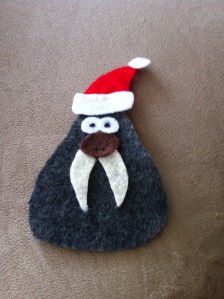
  • Glue face, eyes & tusks on walrus
  • Glue Santa hat

IMG_3767

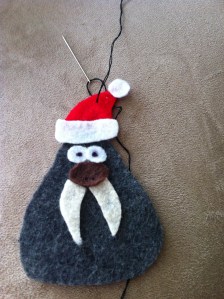
  • Take needle & thread and pull through the hat. Tie a knot in string.

IMG_3769

  • Hang your walrus!

Pattern:

Image

Categories: adventure, Animals, Children, conservation, crafts, education, Environment, nature, science, wildlife | Tags: , , , , , , , , , | Leave a comment

BLUBBER WEEK- DAY 5

BLUBBER WEEK- DAY 5

It’s the last day of Blubber Week! There will be a an ornament craft tomorrow! We’re extra excited for today’s animal, because it is BIG! And when we say big we mean bigger than elephant big! So are you ready to meet this extreme mammal? Let’s do this…

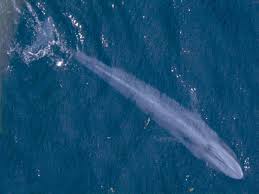
MEET THE BLUE WHALE!

   Range/Habitat: Oceans worldwide except the Mediterranean-

Arabic Gulf

    Diet: Carnivore: eats only krill

   Length/Weight: 66-98 ft/110-176 tons

   Conservation Status: endangered

Fun Facts:

  • Blue Whales are the largest animal on the planet!
  • They can have 50 tons of blubber.
  • Blue whales have baleen. Baleen is a hair like structure in their mouths that filter out tiny krill from the water. Baleen is made of keratin (the same stuff that makes up your nails and hair).
  • They can eat up to 40 million krill a day! Whew, that is a bunch of tiny little animals.
  • Blue whales throats can swell to 4 times their normal size when taking in water and krill. They expel the water and swallow the krill.
  • They feed mostly in the summer in cold waters and migrate to warmer waters in the winter.
  • Blue whales have slender bodies with one small dorsal fin.
  • Blue whales can dive to depths of 655 ft.
  • The calves (babies) are up to 23ft long and 2 ½ tons when born! That’s about the weight of a car!
  • Blue whales also produce the loudest sound of any animal on earth at 180 decibels. That is louder than the jet engine of an airplane. WOW! It’s so loud that it could cause damage to your eardrums!
  • Blue whales produce many different sounds, calls and songs!

We could go on all day about the largest animal on our planet Earth! These special giants are endangered, but are protected now! Our oceans wouldn’t be the same without these amazing singing creatures! You can find a few really neat models in museums around the world! The one at the American Natural History Museum even tweets (@NatHistoryWhale).

Here’s a video of researchers catching the songs of blue whales from National Geographic!

blue whale  blue whale2

Categories: adventure, Animals, Children, conservation, education, Environment, mammals, nature, science, wildlife | Tags: , , , , , , , , , , | Leave a comment

BLUBBER WEEK- GUESS THE ANIMAL!

BLUBBER WEEK- GUESS THE ANIMAL!!

It’s time to look at the picture, read the clues and tell us who the animal is!

walrus

  • I live in cold weather habitats.
  • I have a whiskery face.
  • I have two large teeth.

WHO AM I?

Categories: adventure, Animals, Children, conservation, education, Environment, mammals, nature, science, wildlife | Tags: , , , , , , , , , | 1 Comment

BLUBBER WEEK- DAY 3

BLUBBER WEEK- DAY #3

Do you have your coat on for day 3 of blubber week? Well, if you don’t you better grab it because all this week we are heading to the chilly arctic circle! Today we meet a large and in charge bear! Are you all bundled up? Let’s go!

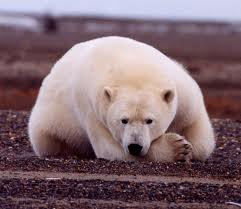
MEET THE POLAR BEAR!

   Range/Habitat: Arctic/ice, shoreline

   Diet: Carnivore: seals, carrion

   Length/Weight: 7-11ft/800- 1500lb

   Conservation Status: Vulnerable


Fun Facts:

  • Polar bears are the largest members of the bear family and the largest land carnivore on earth.
  • They have two coats of fur, an outer translucent coat that absorbs the sun’s heat and a dense undercoat.
  • Polar bears have black skin that helps them absorb heat.
  • They also have a thick layer of blubber to help them stay warm.
  • Polar bears have rough pads on their paws that help prevent them from slipping and sliding on the ice.
  • They are excellent swimmers and are often seen in open waters.
  • They use their large front paws to swim.
  • Polar bears can smell a seal from a half mile away.
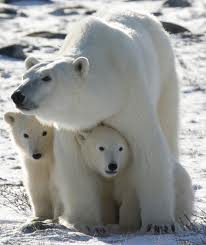
  • Female polar bears dig dens in winter and stay there to give birth to 1 to 3 cubs.
  • Polar bear cubs stay with their moms until around the age of 2. They spend that time learning to hunt and be polar bears!

Polar bears are amazing animals! They are built to live in the cold arctic! These large and in-charge bears are a protected species! We hope to have them around for a very long time!

polar bear

Categories: adventure, Animals, Children, conservation, education, Environment, mammals, nature, science, wildlife | Tags: , , , , , , , , , , | 1 Comment

BLUBBER WEEK DAY 2

BLUBBER WEEK- DAY #2

We’ve staying in the E&E sub in the cold Arctic waters for day 2 of blubber week! Today’s marine mammal has quiet the melon!!  Are you ready to meet the white whale? Let’s go…

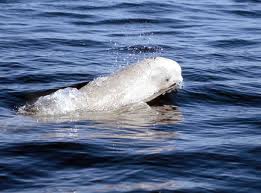
MEET THE BELUGA WHALE!

   Range/Habitat: Arctic Ocean

   Diet: Carnivore: fish, mollusks, crustaceans

   Length/Weight: 13-18ft/ 1-1 ½ tons

   Conservation Status: Threatened


Fun Facts:

  • Beluga whales are white to ivory in color. This helps them blend in with the arctic ice.
  • Beluga whales are highly social and can be seen in groups called pods.
  • They are very vocal too. They make all kinds of sounds, including clicks, whistles, and squeaks.
  • They are often called the sea canary because they are so vocal.
  • Beluga whales use echolocation to find prey. Echolocation is when an animal sends out a sound wave and it come back (echoes) to the animal giving them the distance and size of the object.
  • Beluga whales have large melons on top of their head that is full of oils, tissue and fats. It is thought that the melons help them with echolocation and sound production.
  • Baby beluga whales are gray when they are born and turn white by the age of 5.
  • Beluga whales can swim backwards and turn their heads, unlike most other whales.
  • They have a mouth full of teeth used to eat their prey, but they also use suction to suck up their prey.

Beluga whales are a very special member of the whale family! Their closest relative is the narwhal. Want to hear some of the sounds they can make? You should try out your Beluga whale impression after you watch the video! Edmond will be trying his all day, much to the dismay of Ellie J!

Listen here.

beluga whalebeluga whale2

Categories: adventure, Animals, Children, conservation, education, Environment, mammals, nature, science, wildlife | Tags: , , , , , , , , , | 2 Comments

BLUBBER WEEK!!

BLUBBER WEEK!!

For the past two years in December we’ve featured animals who live in the North Pole! This year we’ve decided to feature animals who have blubber! Blubber is found in marine mammals. This layer of fat between the skin and muscle keeps the animal warm in cold waters. Since we don’t have blubber, we’ll be taking the E & E sub out on today’s adventure! Are you read to meet the unicorn of the sea! A unicorn you say, but unicorns aren’t real! You’re right, unicorns aren’t real, but this wild looking whale is real! Come find out more about…

MEET THE NARWHAL!

   Range/Habitat: Arctic/Arctic Ocean

   Diet:  Carnivore: cod, mollusks, crustaceans

   Length/Weight: 13-20 ft/ 2000-3,500 lbs

   Conservation Status: Near Threatened


Fun facts:

  • The Narwhal is often called the unicorn of the sea.
  • They have the most northerly range of any mammal on the planet.
  • Narwhals have a modified upper incisor tooth that grows up to 9ft long.
  • This tooth looks like a horn. It grows through the upper mouth and is seen mostly in male Narwhals, but females can have small tusks.  Scientists aren’t completely sure what the purpose of the tusk is, but think it might be for attracting females.
  • The long tusk is made of ivory, just like an elephants tusks! Tusks are spiraled.
  • Narwhals have a thick layer of blubber, like other arctic animals that help keep them warm in the cold water.
  • Narwhals swim in groups called pods. Pods can include as many as 1000 individuals.
  • Narwhals are very communicative and use a wide range sounds, including clicks and whistles.
  • They suck food through their powerful lips and tongue.

Narwhals are amazing animals! They survive in very cold waters and grow this awesome long tusk that makes them look unique!  If you could pick a crazy adaptation like tusks what would it be? We’re still deciding on what we would like! Look for our narwhal Christmas ornament craft later this week too!

narwhal  narwhal2

Categories: adventure, Animals, Children, conservation, education, Environment, mammals, nature, science, wildlife | Tags: , , , , , , , , , , | 1 Comment

FEATHERY FRIDAY #88

FEATHERY FRIDAY #88

 It’s Feathery Friday and we’re going to Central America to meet a bird who is great flier! Let’s grab our binoculars and our backpacks and go to find these flocks!

e e grasslands

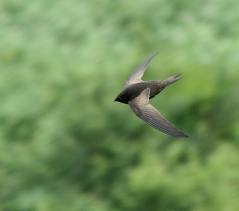
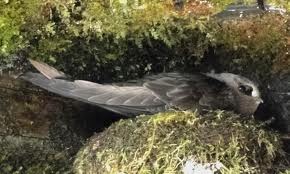
MEET THE BLACK SWIFT!

black swift   Range/Habitat: Western North America-Central America/forest-

   woodland

   Diet: carnivore: insects

   Length/Weight: 7-8”/ 1 5/8 oz

   Conservation Status: common


Fun Facts:

  •          Black swifts have long pointed wings.
  •          They spend most of their time flying.
  •          Black swifts are fast fliers.
  •          Black swifts often fly in large flocks.
  •          They have sooty black feathers.

Black swifts are so fun to watch when they fly in their large flocks. They are amazing aerial acrobats!  

black swift3 black swift2


Categories: adventure, Animals, birds, Children, conservation, education, Environment, nature, science, wildlife | Tags: , , , , , , , , , | Leave a comment

SUPER SURPRISE THURSDAY #88

SUPER SURPRISE THURSDAY #88

It’s time to looks at the picture, read the clues and tell us who you think it is!

red eyed tree frog

  • I live in the rainforests of Central America.
  • I am an Amphibian.
  • I have brightly colored eyes.

WHO AM I?

Categories: adventure, Animals, Children, conservation, education, Environment, nature, science, wildlife | Tags: , , , , , , , , | 1 Comment

BIG CHANGES!


Dear Ellie and Edmond Fans,

We’re making some big changes to Ellie and Edmond.com! Coming in January you will see a whole new look and style! While the changes are taking place the site will be down off and on! We’ll post as much as possible! We are super excited about this big change and how you’ll meet our animal friends in the upcoming year! We appreciate your patience and even more we appreciate your support! We thank our readers and fans and hope that you will enjoy the brand new adventures of Ellie and Edmond coming in 2014!!!


Many thanks,

Ellie and Edmond

e e park

Categories: adventure, Animals, Children, conservation, education, Environment, nature, science, wildlife | Tags: , , , , , , , , | 2 Comments

Blog at WordPress.com.