Posts Tagged With: science

HABITAT WEEK- DESERTS!

HABITAT WEEK DAY #2

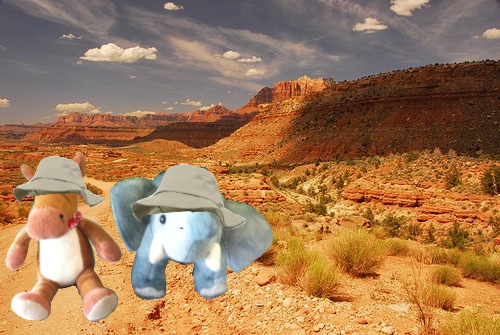
We’re going to explore the world’s deserts today. We think deserts are void of plant and animal life, but these habitats are wonderful places full of life that has adapted to survive in a harsh environment. Let’s go exploring this amazing habitat!

e e desert

Desert Fun Facts:

  •         Deserts receive less than 10 inches of rain a year.
  •         Deserts cover 1/3 of the earth’s surface.
  •         Only 20% of deserts are covered in sand.
  •         Polar deserts are in the Arctic and Antarctic. They are areas that are free of ice.
  •         The largest desert on earth is the Sahara.
  •         Deserts are often hot during the day and cold at night.
  •         Most animals in true deserts are nocturnal.
  •         Some animals, who call the desert their home, never drink water.
  •         There are deserts on every continent on earth.

Animals that live in the desert:

·        Camels

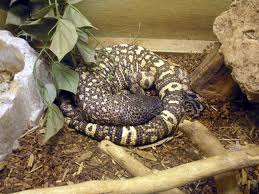
  •         Gila monsters
  •         Kangaroo Rats
  •         Desert Bighorn sheep
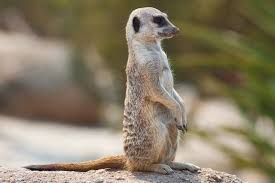
  •         Meerkats
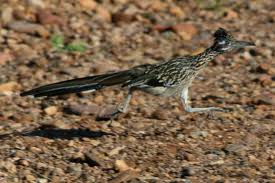
  •         Roadrunner
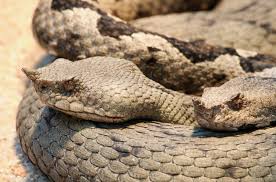
  •         Horned Viper
  •         Western Spadefoot Toad
  •         Fennec Fox
  •         Desert Tortoise

desert tortoise

  western spadefoot toad

horned viper

roadrunner   camel

desert bighorn sheep

kangaroo rat   gila monster

meerkat

Deserts are fascinating places! Animals and plants have come up with some of the most amazing adaptations to live here. There are cactuses that live up to 200 years. Camels can go days without water because they store fat in those famous humps! What is your favorite desert animal?
Categories: adventure, Animals, Children, conservation, education, Environment, habitats, nature, science, wildlife | Tags: , , , , , , , , , | Leave a comment

HABITAT WEEK!!

HABITAT WEEK!

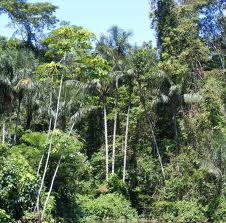
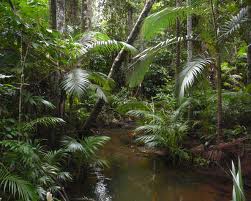
It’s Habitat Week here at Headquarters. We meet so many amazing animals and we talk about their habitats, but never in detail. So we thought it was high time that we learn more about these amazing habitats that make up our planet. First up, tropical rainforests!

e & e rainforest

Fun Rainforests Facts:

  •        Tropical Rainforests are found near the equator in South America, Africa and parts of Asia.
  •        Tropical rainforests are warm and humid all year round.
  •         Tropical rainforests have four layers, the emergent (top), the canopy (just below the emergent layer), the understory and the forest floor.
  •         The emergent layer trees grow tall to compete for sunlight.
  •        The canopy houses most of the animal life in the tropical rainforest.
  •         The forest floor is full of decomposing plant material. Not much grows in this part of the rainforest due to lack of sunlight.

rainforest2

  •         Rainforest cover about 2-6% of the earth’s surface, but are home to numerous species (many of which have not even been discovered)
  •         Tropical rainforests are home to nearly 50 % of all animal and plant species on earth.
  •         Tropical rainforests have helped people, not only do all those plants help produce oxygen for everyone to breath, but many medicines have been derived from plants only found in the rainforests.
  •         The largest tropical rainforest is the Amazon rainforest in Brazil.

rainforest


Animals you can find in the Amazonian Rainforest:

  •         Jaguars
  •         Ants
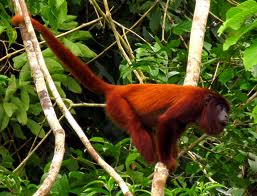
  •         Howler Monkeys
  •         Sloths
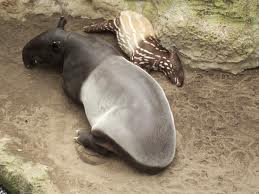
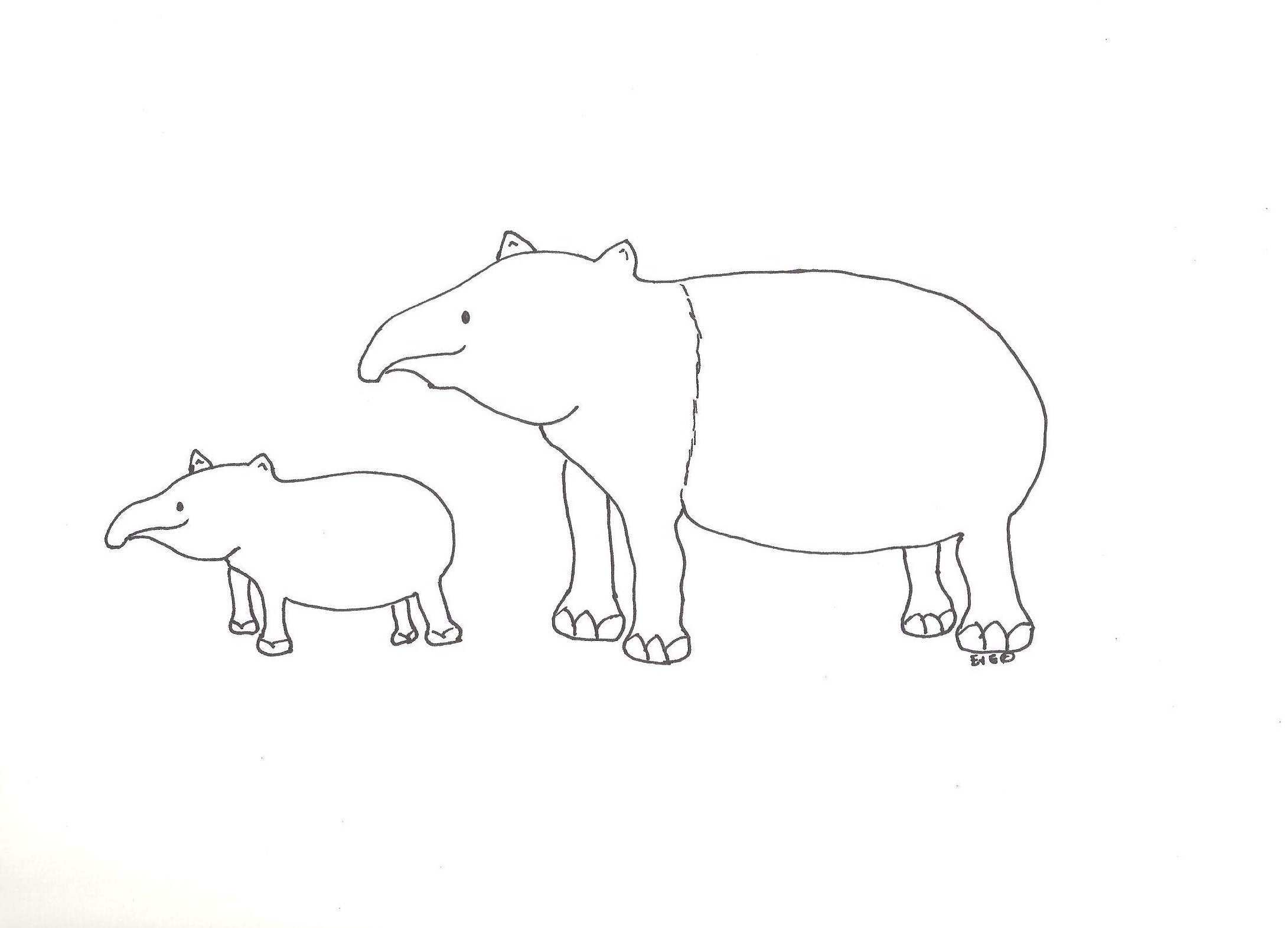
  •         Tapirs (Check out Ellie’s Coloring Sheet Below)
  •         Forest Eagles
  •         Poison Dart Frogs
  •         Bats
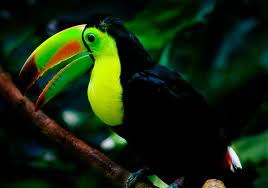
  •         Toucans
  •         Macaws
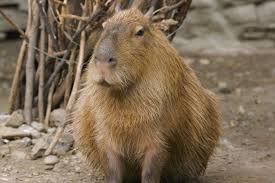
  •         Capybara
  •         Caiman
  •         Emerald Tree Boas


jaguars   capybara

tapir

toucan      howler monkey

The rainforest is an amazing place. It is so full of life and wonderful things to discover. We can’t even begin to pick our favorite thing about this special habitat. What do you love about rainforests? Check out The Rainforest Foundation for ways to help protect rainforests and their inhabitants around the world.

 Image


Categories: adventure, Animals, Children, conservation, education, endangered species, Environment, habitats, nature, rainforests, science, wildlife | Tags: , , , , , , , , , , | 2 Comments

WORLD OCEANS DAY!

WORLD OCEANS DAY!!

???????????????????????????????

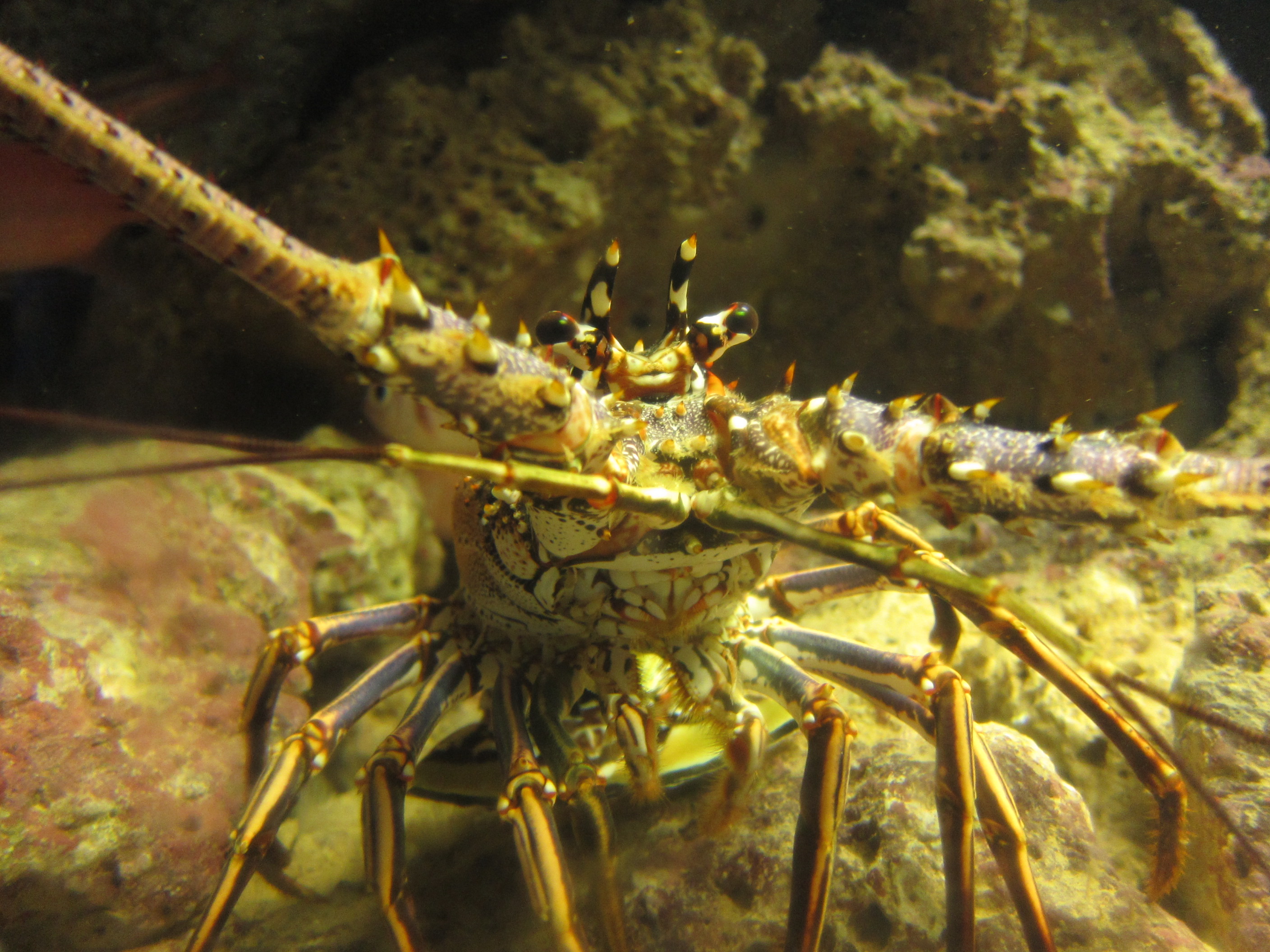
We’re celebrating the oceans on this special day! Did you know that around 75% of the world’s surface is covered by oceans and yet we’ve explored so very little of it. Every year scientists are discovering new species. The oceans are full of fascinating, creepy and down right mind blowing creatures. There are mammals, reptiles, fish, crustaceans, invertebrates and things we don’t know even how to classify!

There are all kinds of habitats in the oceans! Coral reefs are like rainforests and the vast open ocean is like a desert. There are also icy habitats and deep dark habitats with no light! These wonderful habitats need to be protected and we can all do our part! We’re going to share some photos and some great ways that we can all keep trash out of the ocean!

120   080

???????????????????????????????

  • Recycling aluminum take 5% of the energy used to make things with new aluminum.
  • It takes up to 1,000 years for a plastic bag to break down.
  • Sea turtles mistake trash for food.

041  073

091

  • If everyone would recycle 1/10th of the newspaper bought, it would save 25 million trees.
  • Five recycled plastic bottles can make enough fiberfill to stuff a ski jacket.
  • There are 46,000 pieces of plastic per square mile of ocean.
  • Approximately 380 billion plastic bags are used in the U.S. alone each year!

081

So what can we do to help our ocean friends?

  • Recycle everything you can, especially those plastics. Plastics labeled 1-6 can be recycled.
  • Give unwanted clothes, books and other things to charity.
  • Make sure you pick up your trash when at the beach.
  • Say no thank you to plastic bags and bring your own reusable ones!
e e usable bag

We packed our bag!

For more information on how you can protect our precious oceans check out the Ocean Conservancy’s website.

Categories: adventure, Animals, Children, conservation, education, Environment, nature, oceans, science, wildlife | Tags: , , , , , , , , , , | 2 Comments

FEATHERY FRIDAY # 72

FEATHERY FRIDAY #72

It’s Feathery Friday and we’re going to South America to meet a bird who lives in the wetlands. So grab your wadders and bug spray and let’s head out on today’s adventure.

e & e wetlands

MEET THE WATTLED JACANA!

wattled jacana   Range/Habitat: South Central America-South America/wetlands

   Diet: omnivore: aquatic insects, invertebrates, rice seeds

   Length/Weight: 6 ½-10”/ 3 ¼-4 oz

   Conservation Status: common 


Fun Facts:

  •          Wattled Jacanas have large red wattles on their bottom bill.
  •          They have spurs on their wings.
  •          Wattled Jacanas have extremely long toes.
  •          Wattled Jacanas are able to stand on aquatic plants.
  •          Male wattled jacanas incubate eggs and raise the young.

Wattled jacanas are neat little birds with their long legs and long skinny toes. Those dads are also great! Woohoo Wattled Jacana!

wattled jacana2   wattled jacana3

Categories: adventure, Animals, birds, Children, conservation, education, Environment, nature, science, wildlife | Tags: , , , , , , , , , | Leave a comment

SUPER SURPRISE THURSDAY #72

SUPER SURPRISE THURSDAY # 72

It’s time to check out the picture, read the clues and guess the animal in the comments below!

rainbow looriket

  • I am member of the parrot family.
  • I am native of the land down under, Australia.
  • I eat pollen and nectar.

WHO AM I?

Categories: adventure, Animals, birds, Children, conservation, education, Environment, nature, wildlife | Tags: , , , , , , , , , | 3 Comments

WORLD ENVIRONMENT DAY!!!

WORLD ENVIRONMENT DAY!!!

E-E earth

It’s World Environment Day and we’re celebrating with your help! We kept racking our little elephant and horse brains on the best way to celebrate our planet and its many diverse habitats. We thought we might give you tips on how to preserve, protect and nourish our wonderful home, but we came up with a better plan!

WE WANT YOU!

That’s right, we want you to tell us what you do to help the natural environment! We want to hear what you do on a daily basis to make a difference for our planet and we’re going to take your tips and tricks and make a photo essay to share with everyone! Tell us what you do everyday, like using reusable bags, recycling, reusing items! So let’s get to it and help us celebrate World Environment Day!

Categories: adventure, Animals, Children, conservation, education, Environment, nature, science | Tags: , , , , , , , | 2 Comments

HUG YOUR CAT DAY!

HUG YOUR CAT DAY!

Today is hug your cat day! We live with a cat named Moe and he is rather large and squishy! Occasionally he tries to eat us, but we’ve made peace and now we’re pals!

moe relaxing

He loves a good nap in the sun!

We also thought Hug Your Cat Day would be a good day to give a virtual hug to all the big cats out there! World wide wild cat populations are dwindling! There are several organizations that are working hard to protect these majestic creatures in the wild and protect them from becoming pets or living in captive situations that are unhealthy!

First Up:

PANTHERA! This amazing group works tirelessly to protect habitat for big cats all around the world and to help to stop poaching and the wild animal black market! We’ve actually been to a lecture given by their president and he was great! Be sure to check out their website and learn more about this great group!

Next Up:

BIG CAT RESCUE! Big Cat Rescue Rescue in Florida is a sanctuary that takes in big cats of all sizes. They work with animals who have often suffered abuse and neglect and give them an amazing place to live out their lives. We love sharing headquarters with Moe, but he is a domestic cat that we found at the local Humane Society. He makes a great companion. Large wild cats on the other hand never make good pets. They are large predators with big teeth and claws and belong in the wild or in accredited zoos. Check out Big Cat Rescue’s website. They have beautiful pictures and fun videos!

Now, we’re going to end Hug Your Cat Day with some great photos of big cats who deserve our love and respect!

cheetah   clouded leopard

panther

liontiger

leopard

Moe is given a high paws to all the cats out there!

Moe is given a high paws to all the cats out there!

Categories: adventure, animal rescue, Animals, Children, conservation, education, Environment, mammals, nature, science, wildlife | Tags: , , , , , , , , , , | 6 Comments

MAMMAL MONDAY # 72

MAMMAL MONDAY # 72

It’s Mammal Monday and we’re going to South Africa to meet a member of the rodent family. We’re heading in to the desert so grab your hat, your mud sunscreen and your sunglasses and let’s goooooo…

e e desert

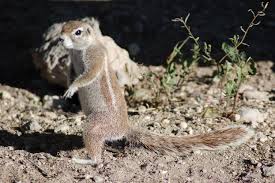
MEET THE CAPE GROUND SQUIRREL!

cape ground squirrel   Range/Habitat: Southern Africa/ desert

   Diet: Omnivore: seeds, bulbs, insects

   Length/Weight: 8-12”/ 12 oz

   Conservation Status: common


Fun Facts:

  •          Cape Ground squirrels live in small colonies.
  •          They have large claws.
  •          Cape ground squirrels burrow underground.
  •          Cape ground squirrels forage for food daily.
  •          They have different calls for predators.

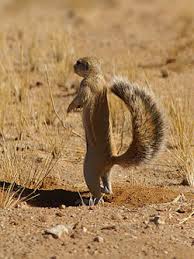
These little rodents are cute! We just love all the squirrels of the world. Do you have a favorite squirrel?

 cape ground squirrel2

Categories: adventure, Animals, Children, conservation, education, Environment, mammals, nature, science, wildlife | Tags: , , , , , , , , , | 1 Comment

WE ARE FANIMALY!!

WE ARE FANIMALY!!!

It’s another installment of We Are Fanimaly! Come learn who’s related to who!

ImageThat’s right everyone- hippos and whales are related to each other. This is recent discovery thanks to DNA. Scientist don’t have a full understanding of this relationship and it’s evolutionary timeline, but we think it is super cool! 

HIPPO FUN FACTS!

  • Hippopotamus means river horse.
  • Hippos have clear membranes that help them see under water.
  • Hippos can not swim. They actually walk along riverbeds.
  • Hippos “sweat” a red/pink mucus that helps keep their skin moist.
  • Hippos spend most of their day in water and their nights on land grazing.
  • Hippos are social animals and live in herds.
  • Hippos have large canine and incisor teeth.
  • Scientist have discovered in recent years that hippos sing songs underwater.

WHALE FUN FACTS!

  • Whales are marine mammals.
  • Blue whales are the largest mammal on earth.
  • Orcas or Killer whales are actually the largest member of the dolphin family.
  • Whales are carnivores.
  • There are toothed whales and baleen whales.
  • Toothed whales are smaller than baleen whales.
  • Some whales, like the humpback sing songs to communicate with each other.
  • Some whales use echolocation to find food.
  • Many whales and dolphins are social animals.
Categories: adventure, Animals, Children, conservation, education, endangered species, Environment, mammals, nature, science, wildlife | Tags: , , , , , , , , , , | 2 Comments

FEATHERY FRIDAY # 71

FEATHERY FRIDAY #71

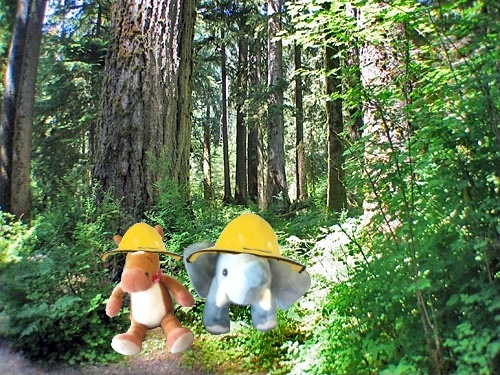
We’re going to the state of California to meet today’s Feathery friend. Who’s up for today’s adventure? Let’s do this!

e e grasslands2

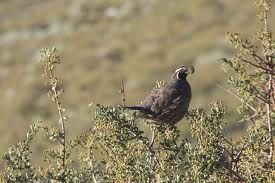
MEET THE CALIFORNIA QUAIL!

california quail   Range/Habitat: Southwest Canada-Western U.S.-Northwest

   Mexico/ desert, scrub, forests

   Diet: herbivore: seeds, leaves, bulbs

   Length/Weight: 10”/6 oz

  Conservation Status: common 


Fun Facts:

  •          California Quails have a long tear drop shaped crest on their head.
  •          They have scaly plumage on their bellies.
  •          California Quails are very shy.
  •          California quails live in small flocks.
  •          They are often heard before they are scene.

California quails are so cute with their little crest of feathers. Their call is also funny; some people say they sound like they’re saying Chicago!

california quail2   california quail3


Categories: adventure, Animals, birds, Children, conservation, education, Environment, nature, science, wildlife | Tags: , , , , , , , , , | 2 Comments

Blog at WordPress.com.