
ENDANGERED SPECIES WEEK- GUESS THE ANIMAL
WHO AM I?

- I live in the mountains in Asia.
- I am able to jump 50 feet in one leap.
- I am large cat.
WHO AM I?
ENDANGERED SPECIES WEEK- GUESS THE ANIMAL
WHO AM I?
WHO AM I?
ENDANGERED SPECIES WEEK
DAY #2
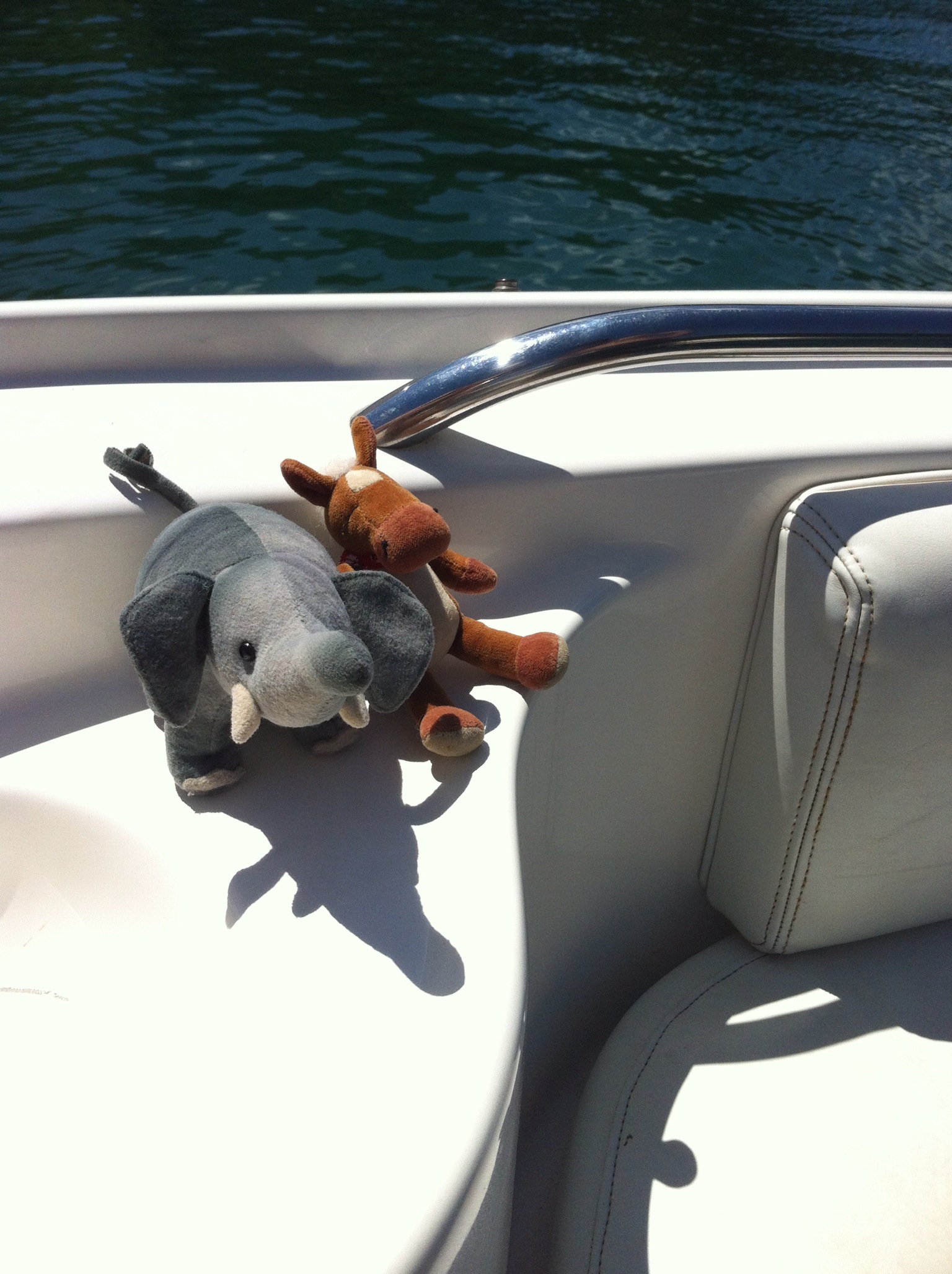
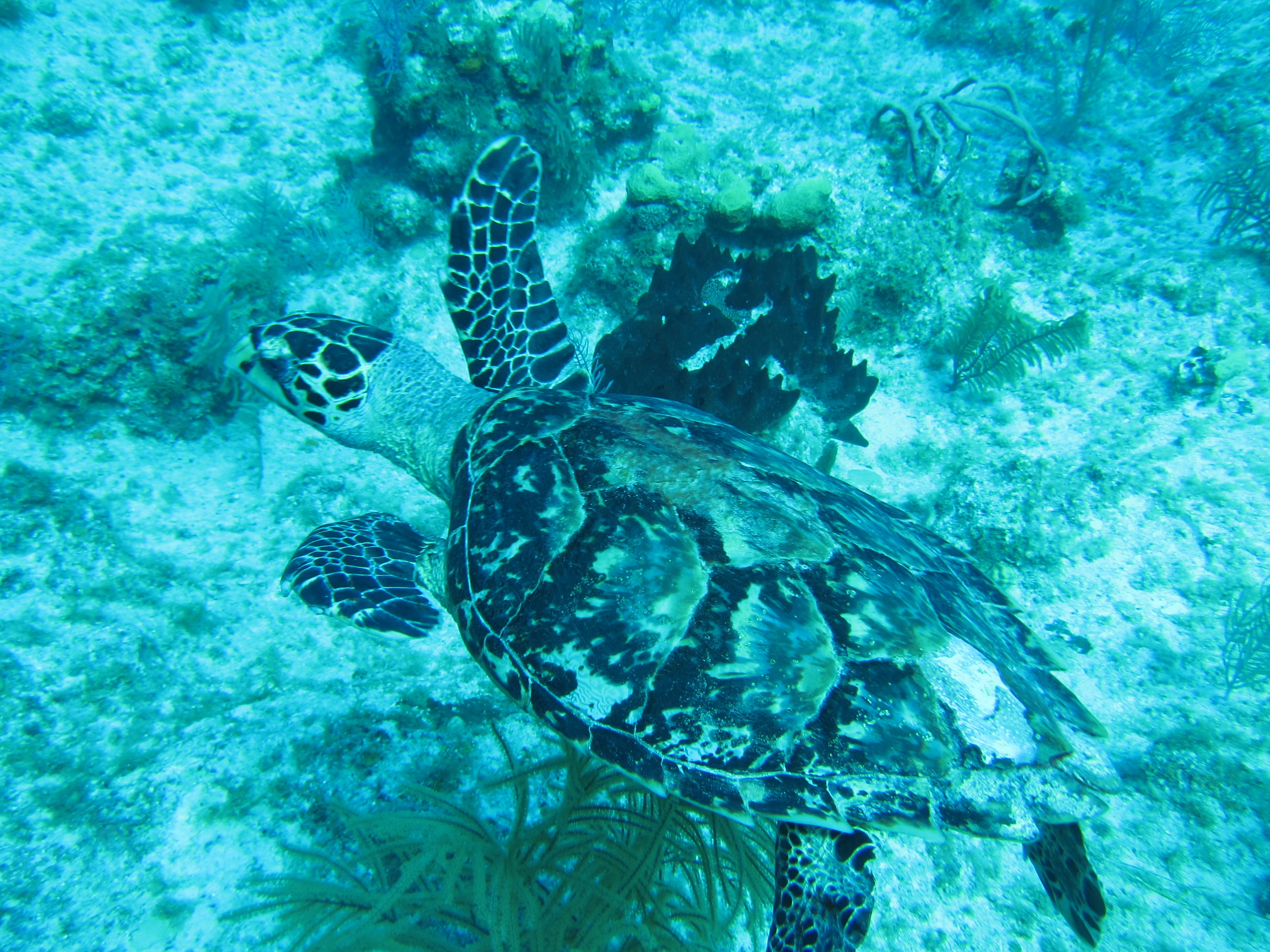
Day two of Endangered Species Week takes us to the Caribbean to meet a large swimming reptile. We’ve met these turtles before, but are happy to go and find them again! Let’s hop aboard the E & E boat and grab our snorkeling gear to meet today’s endangered species.
MEET THE GREEN SEA TURTLE!
 Range/Habitat: tropical-subtropical-temperate oceans worldwide
Diet: Herbivore: sea grass, roots, jellies
Length/Weight: 3 ¼-4 ft/145-600 lbs
Conservation Status: endangered
Fun Facts:
Green sea turtles are beautiful reptiles. They have been on the planet for about 65 million years and we sure hope they stick around. One great way to help sea turtles is pick up your trash! Turtles often mistake trash for food. If we make sure our oceans our clean, then the turtles only have their food to eat!

ENDANGERED SPECIES WEEK
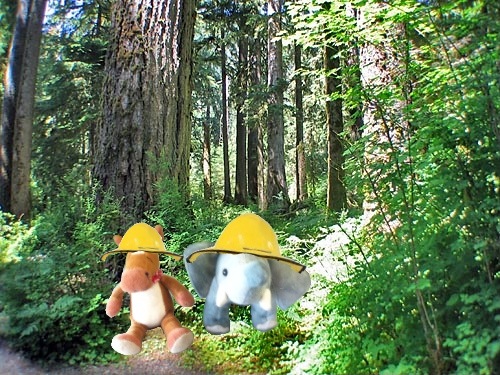
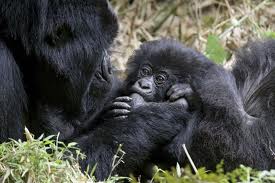
Our theme week this month is focusing on Endangered Species. We’ll spotlight 3 animals and giving you ways in which you can help. We’ll also have a guess the endangered animal post and a craft! We’re going to the mountainous rainforests of Africa to meet today’s endangered species. Grab your raincoats and let’s go meet this great ape.
MEET THE MOUNTAIN GORILLA!
 Range/Habitat: Central East Africa/ mountain rainforest
Diet: Omnivore: leaves, shoots, fruit, insects
Length/Weight: 4 ¼-6 /14 ft/ 150-460 lbs
Conservation Status: critically endangered
Fun Facts:
Mountain gorillas are such amazing creatures. They are gentle, social and intelligent. Habitat loss is just one reason these gorillas are endangered. The Dian Fossey Gorilla Fund helps these special apes, by tracking them and helping them in the wild. Check out their website. Another great way to help gorillas in the wild is by recycling your cell phone at your local zoo. Our zoo has a program as do many others. Remember everything little thing can help our endangered friends!
FEATHERY FRIDAY #69
It’s time for that fabulous day of the week when we meet a feathery friend. We’re going to South America to meet a little bird with an extra long bill!

MEET THE SWORD BILLED HUMMINGBIRD!
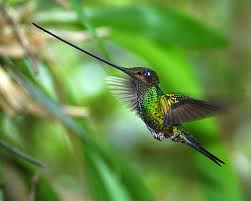 Range/Habitat: Northwest South America/Andes mountains
Diet: Omnivore: insects, nectar
Length/Weight: 6 ½-9”/ 7/16-9/16 oz
Conservation Status: common
Fun Facts:
These tiny little hummingbirds are crazy looking with their looooooong beaks. Those little beaks must help them get to the good nectar.

SUPER SURPRISE THURSDAY!!!
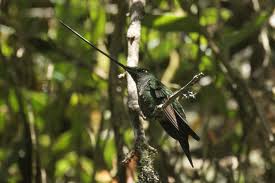
Look at the picture, read the clues and guess the animal in the comments below.

WHO AM I?
WATERY WEDNESDAY # 69
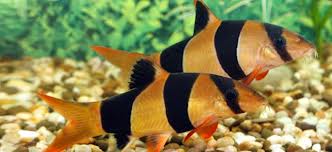
It’s off to South East Asia to find a little fish with a funny face. Are you ready to head out on today’s adventure?
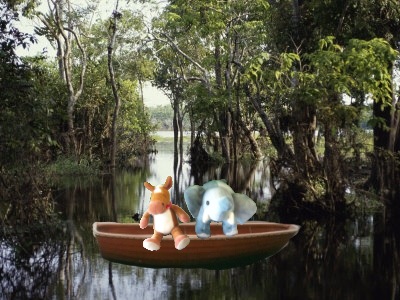
MEET THE CLOWN LOACH!
 Range/Habitat: Southeast Asia/ lakes, streams
Diet: Carnivore: Invertebrates
Length: up to 12”
Conservation Status: common
Fun Facts:
These cute little fish are funny looking with their barbells. Those barbells are used to find prey. That is a cool adaptation!
REPTILIAN TUESDAY # 69
It’s that great day of the week when we head out to meet a reptile! We’re staying close to South America and off to meet a tiny little lizard. Are you ready for this tropical adventure?

MEET THE STRIPED DAY GECKO!
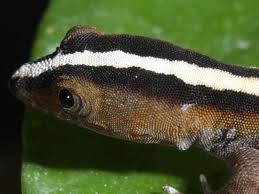 Range/Habitat: South Caribbean-Trinidad/ rainforests
Diet: carnivore: insects, spiders
Length/Weight: 2 ¾-3”
Conservation Status: common
Fun Facts:
Striped Day Geckos are really adorable little lizards. Like other geckos they have suction cup feet. We wish we had suction cup feet so we could climb like geckos!

MAMMAL MONDAY # 69
We’re going to South America to meet a rodent today! Grab your night vision goggles, backpacks and let’s head out on today’s adventure to meet our mammal buddy!
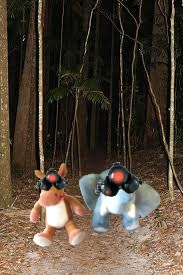
MEET THE PACA!
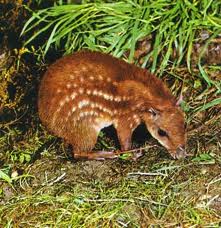 Range/Habitat: South Mexico-East South America/rainforest, grasslands,
mangroves
Diet: Herbivore: flowers, fruits, buds
Length/Weight: 23 ½-32”/13-26 lbs
Conservation Status: common
Fun Facts:
Pacas are cute little mammals. There are so many different species of larger rodents in South America. Do you have a favorite?


IMAGINARY WORLDS!
We went to the Atlanta Botanical Gardens this week to catch a preview of their new plant sculpture exhibit Imaginary Worlds! It is Amazing! This exhibit traveled all the way from Montreal, Canada to wow us here in Atlanta. We’re giving you 10 reasons (and there are more) to check out these live works of art!
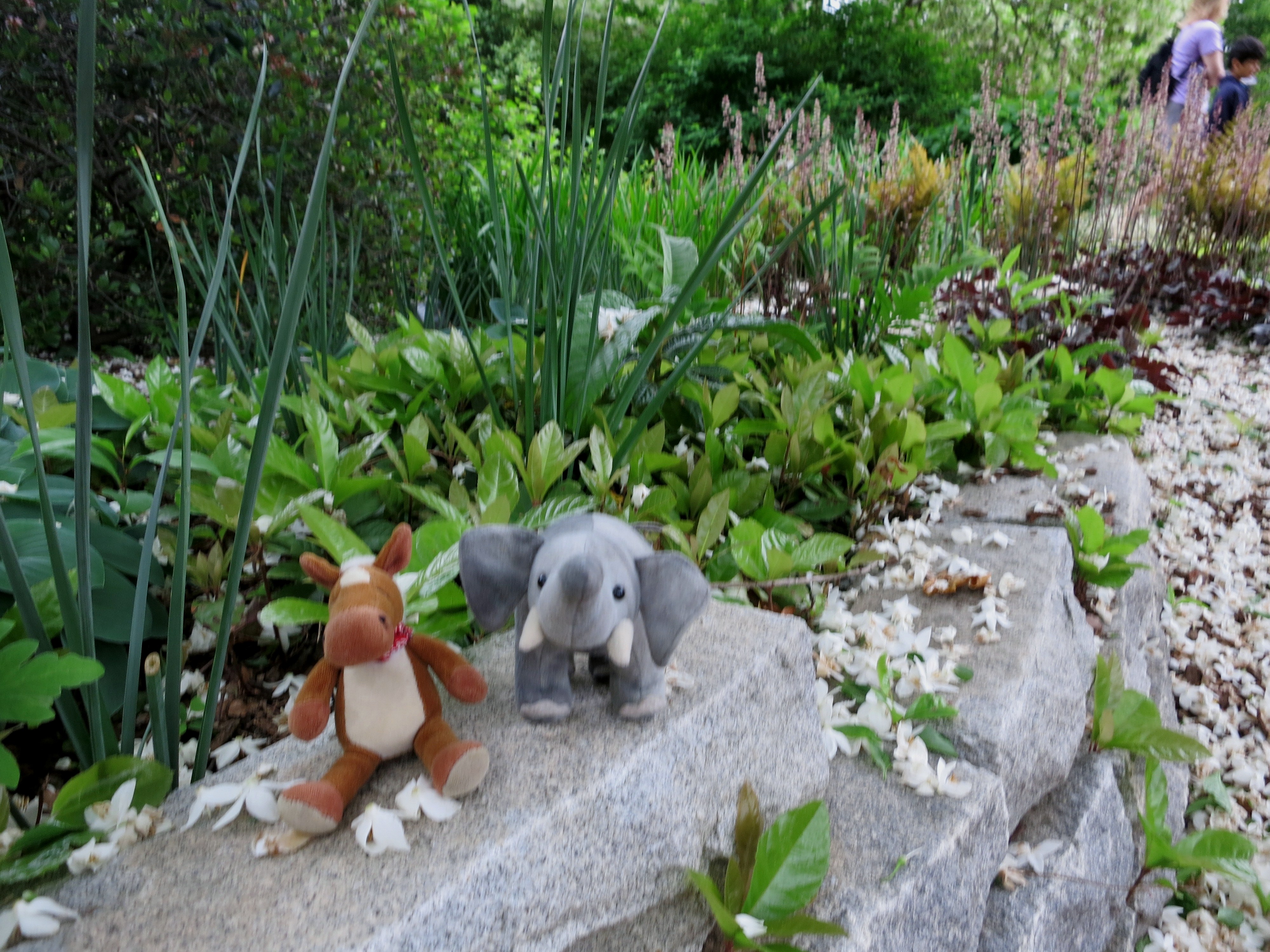
It was snowing blooms!
There’s an Ogre! (Don’t worry he’s friendly.)
This friendly giant is colorful, whimsical and you can explore all around his funny face. During the exhibit this guy and all the sculptures will get regular pruning and trims.

Ogre!!
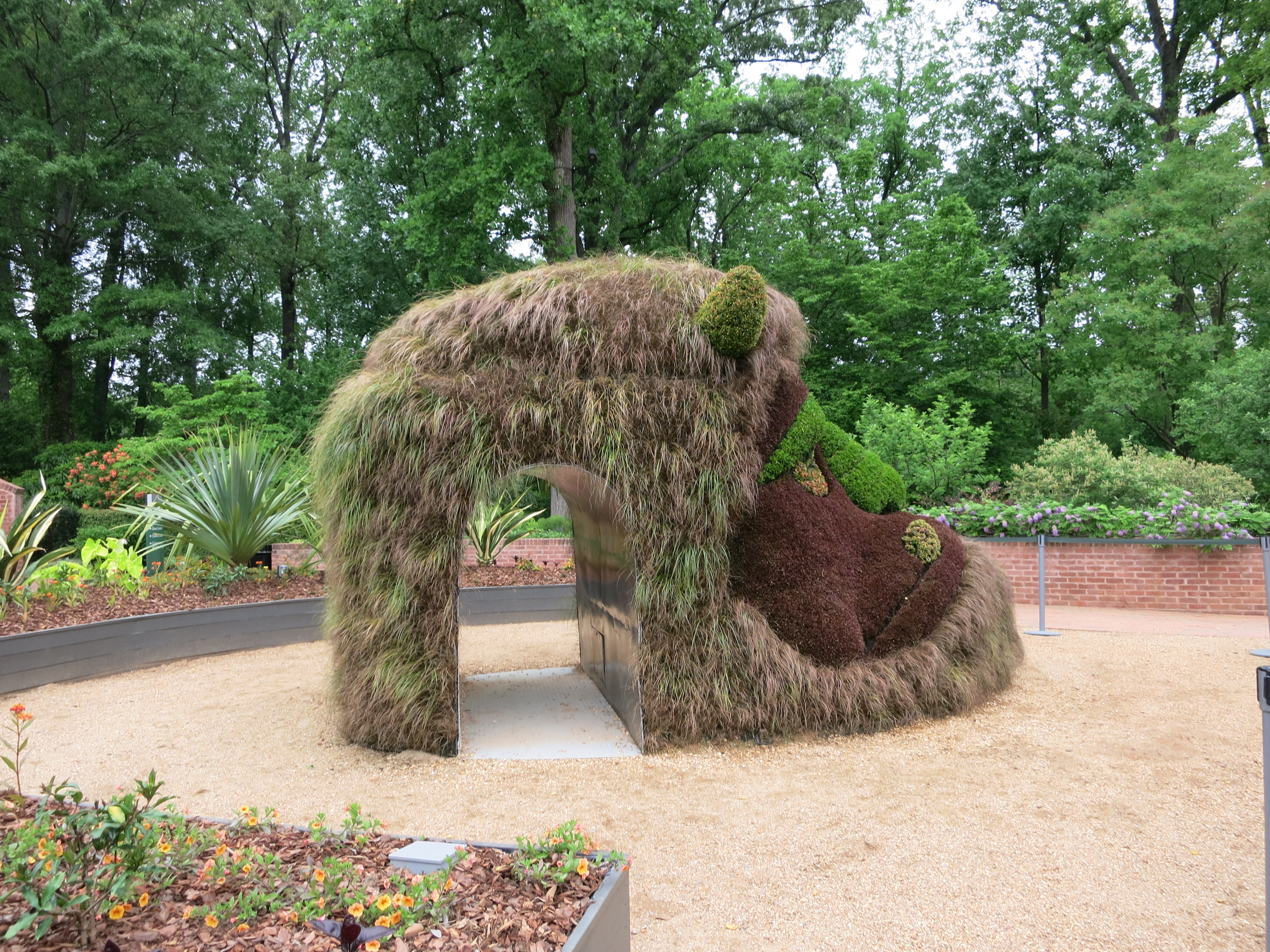
You can go right trough him!

Making our ogre faces!
COBRAS!!! (Not to worry, they aren’t the spitting variety.)
These two towering cobras look fierce but they aren’t. These rising reptiles required cranes to get them this good looking. Look for the papyrus plants near this pair!

Check out this cobras “scales”! Gorgeous!

You guys ok up there?
Fishy Friends!
This pair of fish joyfully have water spouting out of their mouths as they spin around and around. The cool part is they turn so that each plant on the fish gets equal sunlight!

Fishy fountain!
BUNNIES!! (We just have to yell that!)
There are adorable little bunnies hoping all over the gardens. You don’t have to feed this species just water them.

Isn’t he adorable?
There are Giant Strawberries!
We were hoping they would let us take a nibble, but sadly no. These large sculptures are located in the edibles garden where they have blueberries, pomegranates and asparagus. This place is an herbivore’s dream!

Yum!
Learn How to Make Large Plant Sculptures Yourself (Ok- not really)
You can learn how The International Mosaiculture of Montreal makes these super sculptures though and it is a huge job. It took 15 refrigerated trucks and 140,000 plants to get the exhibit to Atlanta.
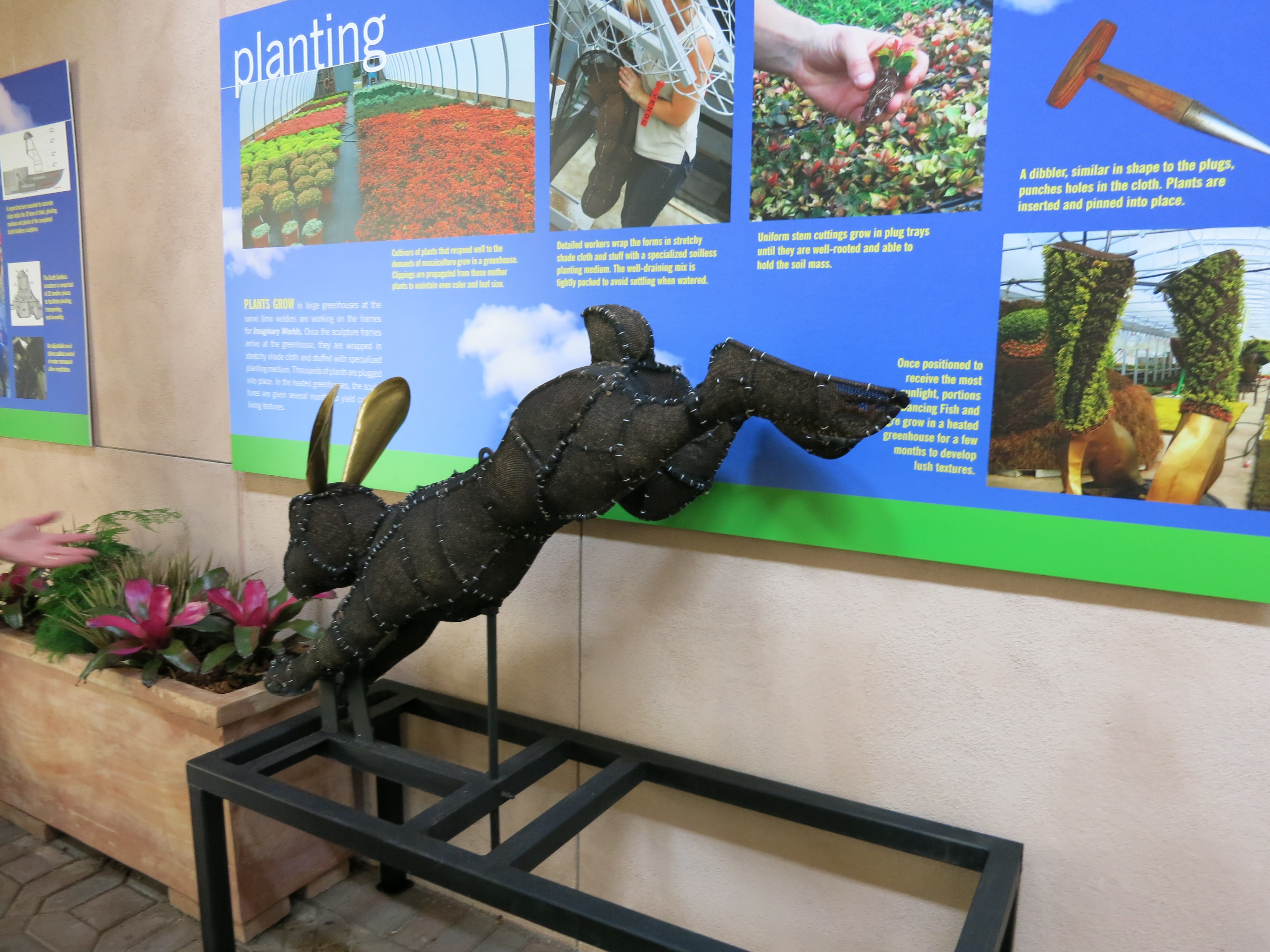
This is how the sculptures look without the plants!
Frog fountains!
To celebrate the work the Atlanta Botanical Gardens does with amphibian conservation, they have frog fountains! The gardens are also entering a masioculture competition at the Montreal Botanical Gardens this summer with four more frogs!

We like his outfit!
Butterflies!
They have two large butterflies that have lantana on their backs! Lantana is great to grow in your own garden to attract regular sized butterflies!

Check out this butterflies proboscis (the tongue)!
Edmond found a Unicorn!!
Edmond found a unicorn eating grass in the garden! Oh how he wants to be a unicorn! Who doesn’t love unicorns?
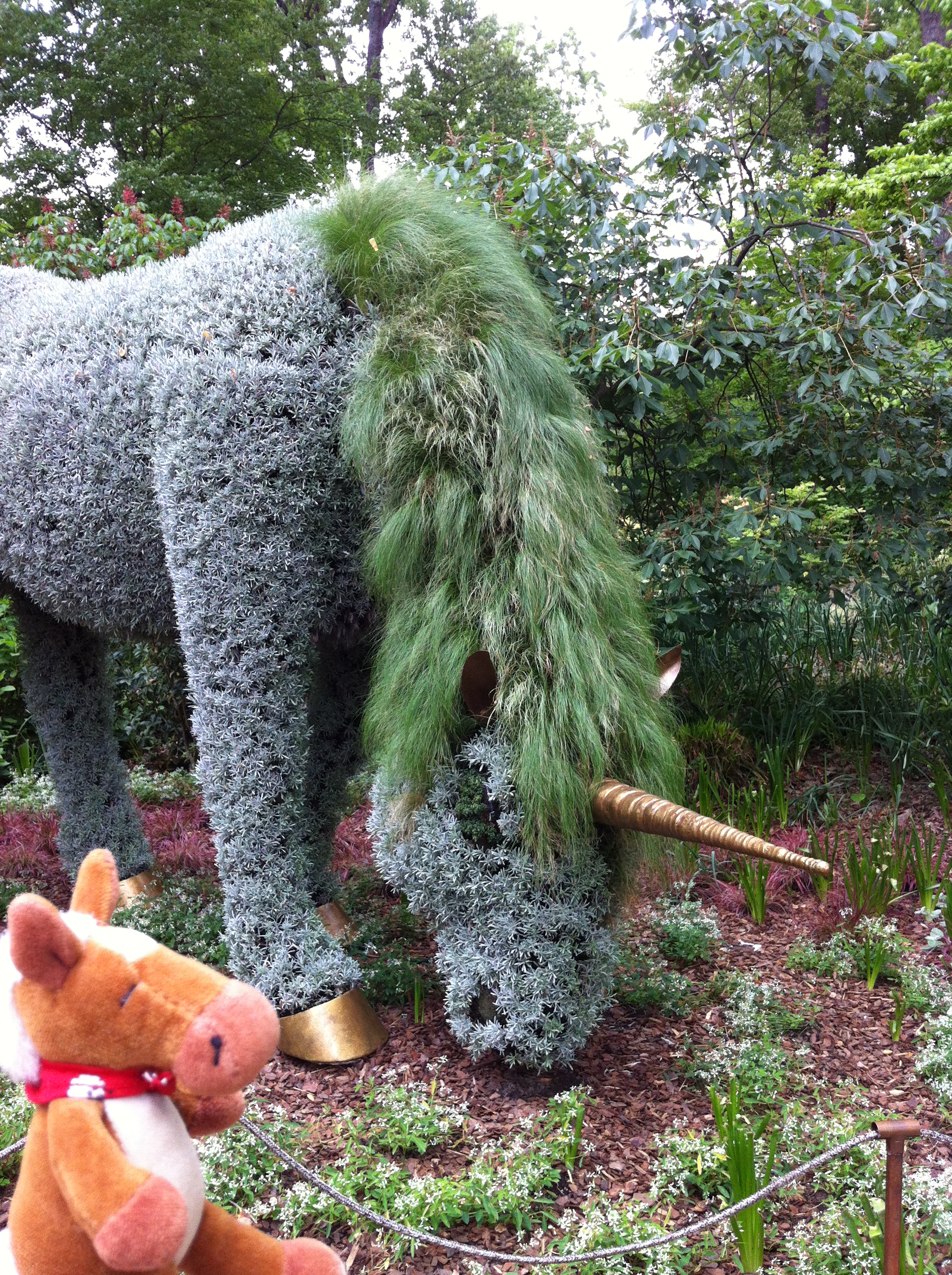
Edmond wants a magical horn!
There’s a Goddess!
This lovely lady looks over the Cascades Gardens. She is HUGE too! She is 25 feet tall and weighs around 29 tons! It took 40,000 plants just to get her to this look like this! And Ellie thought it took a lot to make her beautiful!

Gorgeous Earth Goddess!
We really enjoyed this extraordinary exhibit and the beautiful gardens! There are more sculptures to be found as you make your way through the grounds. These amazing sculptures have a soilless mixture for the plants to grow in and the large structures have their own irrigation systems. Wow!
Grab the kids, your camera and your sense of wonder and head to the Atlanta Botanical Gardens to be immersed in a magical world! The exhibit opens today and runs through October! Check out the Atlanta Botanical Gardens website for tickets and information!

Beautiful Purple Flower!
FEATHERY FRIDAY #68
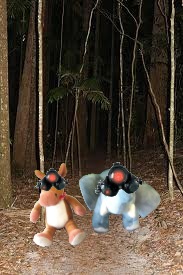
We’re staying in Central America this Feathery Friday to meet today’s bird! Whoooooo do you think it will be? Let’s get our night vision goggles out see if we can find them!
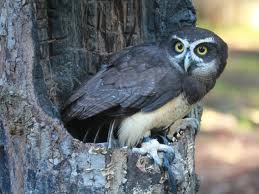
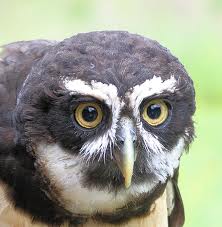
MEET THE SPECTACLED OWL!
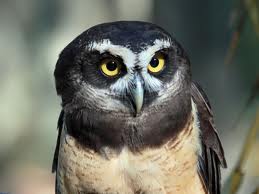 Range/Habitat: South Mexico-Central South America/ rainforest-
woodlands
Diet: Carnivore: small mammals, fish, crabs
Length/Weight: 17- 20”/ 21- 36 oz
Conservation Status: common
Fun Facts:
Spectacled owls are gorgeous! Their call reminds us of a night around a campfire telling animal stories! What do you think?


 The Adventures of Ellie and Edmond