adventure

SUPER SURPRISE THURSDAY # 54

SUPER SURPRISE THURSDAY #54

We’re going to the rainforests of South America today to meet one gorgeous and colorful bird! We’ll have to climb to the top to find them! Are you ready?

e & e rainforest2

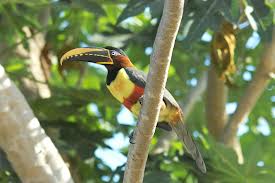
MEET THE CHESTNUT-EARED ARACARI!

chestnut eared aracari   Range/Habitat: Central- Northern South America/ rainforests

   Diet: Frugivore: fruit, insects

   Length/Weight: 13-16”/ 11 oz

   Conservation Status: common


Fun Facts:

  • Chestnut-eared aracari have black feathers with yellow bellies.
  • They live in the canopies of the rainforest.
  • Chestnut-eared aracari have large bills with yellow teeth like looking markings.
  • They are members of the toucan family.
  • Chestnut-eared aracari live in small groups.

We just love these gorgeous birds! Those beaks are just perfect for picking fruit from the trees! What do you think?
chestnut eared aracari3


Categories: adventure, Animals, birds, Children, conservation, education, Environment, nature, rainforests, science, wildlife | Tags: , , , , , , , , , | Leave a comment

WATERY WEDNESDAY #54

 WATERY WENESDAY # 52

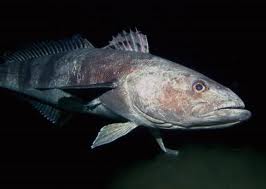
We’re taking the E & E submarine to the cold waters of the South Pole. Luckily the submarine is heated because you wouldn’t want to be caught in these cold waters unless you are one of these amazing fish! All aboard….

MEET THE ANTARCTIC TOOTHFISH!

   Range/Habitat: Antarctic Circle/ oceans

   Diet: Carnivore: crabs, squid, fish

   Length/Weight: up to 7 ¼ ft/ up to 260 lbs

   Conservation Status: common

Fun Facts:

  • Antarctic Toothfish live in very deep waters.
  • They are very slow growing.
  • Antarctic toothfish have a special protein in their blood that acts as an anti-freeze.
  • Antarctic toothfish have high body fat content and light bones.
  • They have a cartilaginous skull.

Wow, these fish are really cool and kind of creepy! Yet again we are fascinated by the animals that call the deep ocean their home! Those deep dark waters really are like another planet!

Categories: adventure, Animals, Children, conservation, education, Environment, fish, nature, oceans, science, wildlife | Tags: , , , , , , , , , , | Leave a comment

REPTILIAN TUESDAY # 54

REPTILIAN TUESDAY #54

It’s that wondrous day of the week, where we go on an adventure to meet a reptile and today we are off to the marshes of North America to find one colorful turtle! Apparently they like painting! Hahahaha!

e & e wetlands

MEET THE PAINTED TURTLE!

painted turtle   Range/Habitat: North America/lakes, rivers, ponds

   Diet: Omnivores: bugs, plants

   Length: 6-10”

   Conservation Status: common


Fun Facts:

  • Painted turtles are freshwater turtles.
  • They have a flat, smooth carapace (top shell).
  • Painted turtles have yellow stripes on their necks and orange coloration on their bottom shells.
  • Painted turtles bask in the sun in groups.
  • They sleep on the bottom of the river at night.
  • In colder climates Painted turtles hibernate during the winter.

Painted turtles are so gorgeous. They are great additions to any watery habitat! We love to count turtles piled on logs and rocks in the summertime! How about you?

painted turtle2     painted turtle3


Categories: adventure, american, Animals, Children, conservation, education, Environment, nature, reptiles, rivers, science, turtles, wildlife | Tags: , , , , , , , , , , | Leave a comment

MAMMAL MONDAY # 54

MAMMAL MONDAY #54

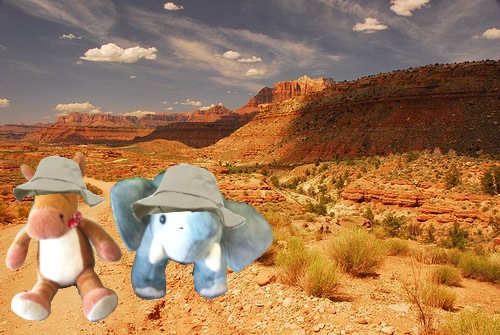
We’re back from vacation and it’s time to head off to the deserts of North Africa to meet a special little member of the feline family! Let’s grab the mud SPF 30 sunscreen & our favorite hats and head out on a new adventure across the sands!

e e desert

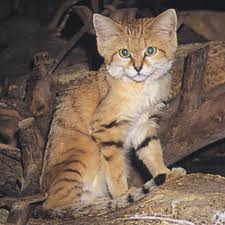
MEET THE SAND CAT!

sand cat   Range/Habitat: Northern Africa-Western Asia/ desert

   Diet: Carnivore: gerbils, rodents

   Length/Weight: 18-22 ½”/ 3 ½-7 ¾ lb

   Conservation Status: near threatened


Fun Facts:

  • Sand cats are solitary and nocturnal.
  • They have yellow-sandy fur with stripes.
  • Sand cats are the smallest cat species in Arabia.
  • They live in burrows or dens during harsh conditions.
  • Sand cats have fur on the pads of their feet to protect them.
  • Sand cats get their water from the good they eat.

Sand cats are super cute. They have great adaptations for living in the harsh desert habitat! We just love how animals have such different adaptations to survive all over the world.

sand cat2   sand cat3


Categories: adventure, africa, Animals, Children, conservation, education, Environment, mammals, nature, science, wildlife | Tags: , , , , , , , , , | Leave a comment

SUPER SURPRISE THURSDAY GREATEST HITS!!

SUPER SURPRISE THURSDAY GREATEST HITS

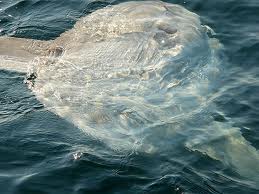
Happy Super Surprise Thursday! We’ve gone back to the ocean today to find an amazing animal friend for you to meet! This large, slow moving fish is pretty special, because you won’t see any fish like them! Let’s meet…

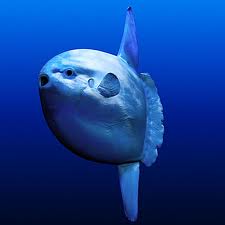
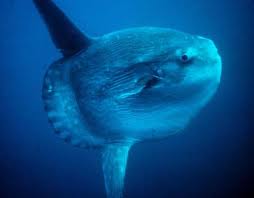
MEET THE OCEAN SUNFISH!

   Range/Habitat: Tropical-Temperate Waters Worldwide

   Diet:  Carnivore: jellies, squid, crustaceans

   Length/Weight: 6 ft-13 ft/ 1-2 tons

   Conservation Status: Common


Fun Facts:

  • Ocean Sunfish are the heaviest bony fish in the world.
  • They have disk shaped bodies and elongated dorsal (top) and anal (bottom) fins.
  • Ocean sunfish have beak like mouths for snipping at jellies.
  • Their skeletons are made up of lots of cartilage (the tissue in your ears and nose) as well as bone.
  • Ocean sunfish are fairly slow moving and clumsy looking when swimming.
  • Ocean sunfish can be seen basking in the sun near the surface of the ocean.
  • Ocean sunfish scientific name is Mola Mola. It comes from the Latin that means millstone, because they look like giant round stones!

Mola mola or Ocean Sunfish sure are some crazy looking fish! And isn’t mola mola fun to say? We continue to be fascinated by the different creatures who inhabit our oceans!

Categories: adventure, Animals, Children, conservation, education, Environment, fish, nature, oceans, science, wildlife | Tags: , , , , , , , , , , | Leave a comment

FEATHERY FRIDAY GREATEST HITS!

FEATHERY FRIDAY GREATEST HITS!

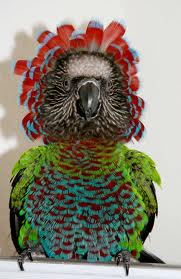
It’s another fabulous Feathery Friday and we have a resident of the Amazon rainforest for today’s animal. Are you ready this little bird with two different names? Well, let’s do this…

MEET THE RED FANNED PARROT!

   Range/Habitat: Northern South America/Amazon Rainforest

   Diet: Herbivore: fruit, seeds, flowers, nuts

   Length/Weight: 14”/ 8 oz

   Conservation Status: Common


Fun Facts:

  • Red Fanned Parrots are also known as the Hawk-headed parrot.
  • They have red feathers on the back of their necks. They raise the feathers up when threatened or alarmed. It gives them an appearance of being larger than they are.
  • They have long tail feathers also that resemble some birds of prey.
  • Red fanned parrots are found in pairs or small groups.
  • They often nest in tree hollows.

Red Fanned Parrots are really neat little birds! We think they look like lions with their feathers up! We wonder if they know how to roar? We doubt it :)!

Categories: adventure, Animals, birds, Children, conservation, education, Environment, nature, rainforests, science, wildlife | Tags: , , , , , , , , , | 1 Comment

WATERY WEDNESDAY GREATEST HITS!!

WATERY WEDNESDAY GREATEST HITS!

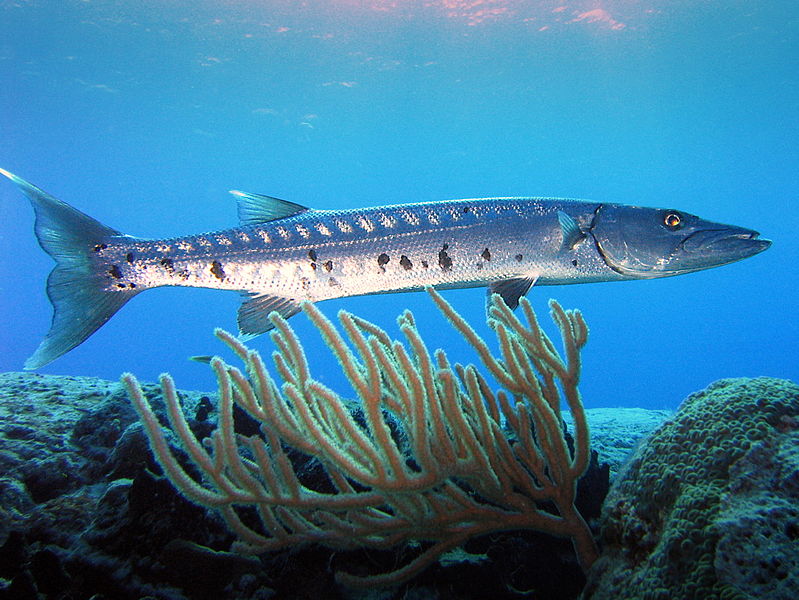
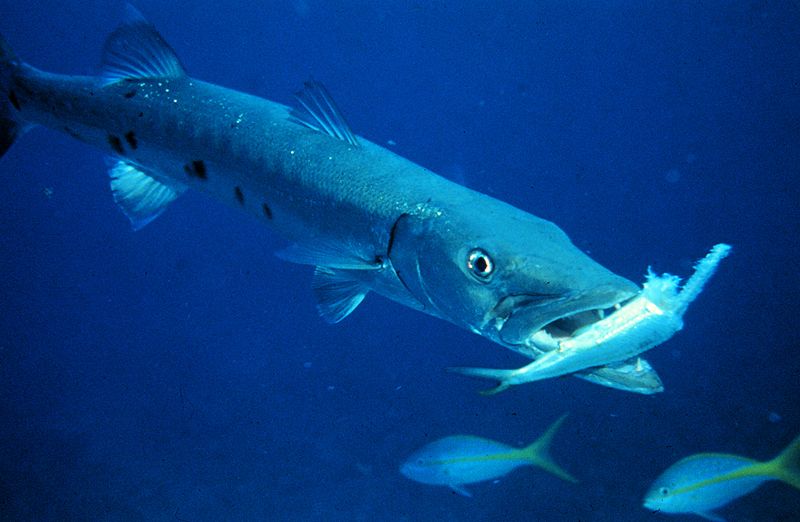
Happy Watery Wednesday everyone!  Today’s fish is long, lean and full of teeth! But don’t worry they don’t think people are tasty! Phew!

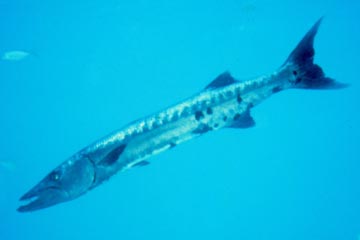
MEET THE GREAT BARRACUDA!

   Range/Habitat: tropical-sub-tropical waters worldwide/ reefs,

shallows, mangroves

   Diet: Carnivore: fish

   Length/Weight: up to 6 ½ ft/ up to 110 lbs

    Conservation Status: Common


Fun Facts:

  • Great Barracuda are long and lean fish.
  • They have powerful jaws full of sharp, knife like teeth.
  • Great barracuda are ambush predators. They stay relatively still and swim forward in one fast move to grab their prey.
  • They’re usually solitary, but juveniles often school together.
  • Great barracudas have few predators, mainly sharks.

Great barracudas are intimidating fish, with their long bodies and mouths full of teeth.  But we think they are pretty awesome! How about you?

Categories: adventure, Animals, Children, conservation, education, Environment, fish, nature, oceans, science, wildlife | Tags: , , , , , , , , , , | Leave a comment

GREATEST HITS REPTILIAN TUESDAY!

REPTILIAN TUESDAY GREATEST HITS!

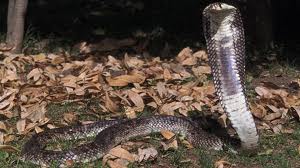
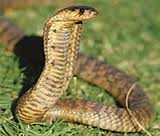
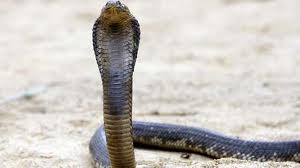
We’re going to Egypt today to revisit a reptile with a bad reputation on this day of greatest hits! Grab your gear and let’s head off to North Africa, but remember to keep your distance from this snake!

MEET THE EGYPTIAN COBRA!

   Range/Habitat: Northwest Africa and East Africa/ desert and

grasslands

   Diet:  Carnivore: small mammals, snakes, birds and eggs

   Length: 3 ½-8ft

   Conservation Status: Common

Fun Facts:

  • Egyptian Cobras are highly venomous snakes.
  • They are nocturnal (active at night).
  • They are known to be aggressive and are quick to defend themselves.
  • Egyptian Cobras will “stand up” and spread open their hoods to make themselves look bigger.
  • Egyptian cobras are highly territorial and will often fight each other for territory.
  • Their venom is fatal to humans if not treated.

Egyptian cobras are quite intimating but are awesome! Remember that every animal has a place on this earth and even the ones that seem scary belong in their habitat! Just think, if we didn’t have snakes, we’d have tons and tons of rats and mice! They’re all part of the food web!

Recently an Egyptian Cobra made the news when she escaped from enclosure at the Bronx Zoo. Luckily she was found curled up in a corner of the reptile house!

Categories: adventure, Animals, Children, conservation, education, Environment, reptiles, science, wildlife | Tags: , , , , , , , , , | Leave a comment

MAMMAL MONDAY GREATEST HITS!

MAMMAL MONDAY GREATEST HITS! 

We’re on vacation this week, but we’ve left you with a week of our greatest hits and the first stop is the chilly north! Enjoy!

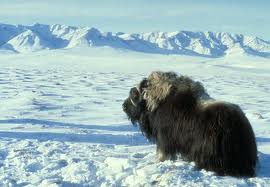
Is it chilly outside or is it just us? We’ve traveled up into the cold arctic to find today’s animal! So put on your coats, gloves, scarves and hats and let’s meet this very furry mammal! Snow shoes ready? Come meet…

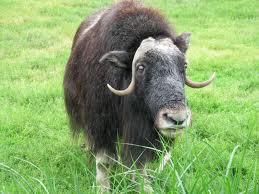
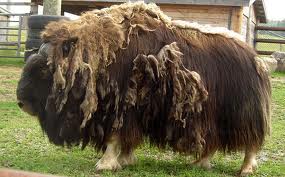
MEET THE MUSK OX!

   Range/Habitat: Northern Canada-Greenland (Arctic)/tundra

   Diet: Herbivore: grasses

   Length/Weight: 6 ¼-7 ½ ft/450-900lbs

   Conservation Status: common


Fun Facts:

  • Musk Ox get their names from their strong odor.
  • They have double coats to keep them warm in the cold arctic. The outer coat protects them from snow and rain. The soft undercoat provides insulation.
  • Musk Ox look larger than they are, because of their thick fur coats.
  • Both female and male musk ox have large, broad, curved horns.
  • Musk Ox are more closely related to goats and sheep than other oxen.
  • They live in herds that are led by a dominant female.
  • Musk ox form circles around their calves when threatened by predators.

Musk ox are large extra furry mammals! You need all that fur to stay warm in the cold arctic winters! They are not animals you want to challenge either, being charged by a musk ox does not look like fun!

Categories: adventure, Animals, Children, conservation, education, Environment, mammals, nature, science, wildlife | Tags: , , , , , , , , , | Leave a comment

FEATHERY FRIDAY # 53

FEATHERY FRIDAY #53

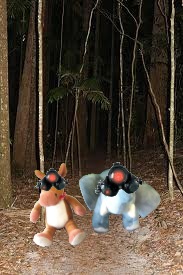
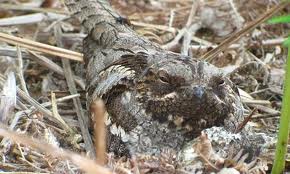
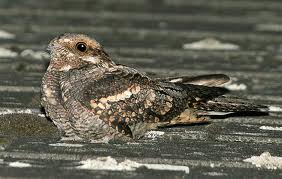
Let’s head off to Europe today to meet a little bird who is an expert at camouflage. We’ll need our night vision goggles to catch these night flying birds! Are you ready for a night adventure?

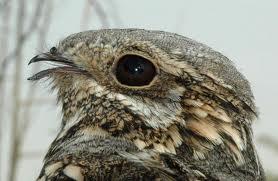
MEET THE EUROPEAN NIGHTJAR!

   Range/Habitat: Europe-Asia-Africa/ forests, grasslands

   Diet: Insectivore: flying insects

   Length/Weight: 10-11”/ 1 ¾-3 5/8 oz

   Conservation Status: common


Fun Facts:

  • European Nightjars are nocturnal.
  • They have silent flight.
  • European nightjars have brown molted colored feathers that are perfect for camouflaging in with the ground.
  • They do not build nests, but rest on the ground.
  • Male European nightjars are territorial.
  • European nightjars winter in Africa.

European Nightjars are such gorgeous birds and man you can hardly spot them when they are resting in leaves and twigs! Camouflage is one of favorite defense mechanisms! We may just have to do a post of awesome camouflage photos!


Categories: adventure, Animals, birds, Children, education, Environment, nature, science, wildlife | Tags: , , , , , , , , , | Leave a comment

Blog at WordPress.com.