adventure

REPTILIAN TUESDAY # 49

REPTILIAN TUESDAY #49

We’re jetting off to the island of Madagascar today to find one of their many species of chameleons! They may be using their camouflage super powers, so we will have to use our expert observation skills! You ready? Let’s do this!
MEET THE PANTHER CHAMELEONS!
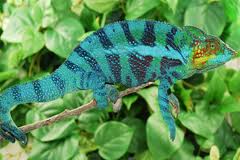
 

   Range/Habitat: Madagascar/ rainforests

   Diet: Carnivore: insects, small animals

   Length: 16-20”

  Conservation Status: common


Fun Facts:

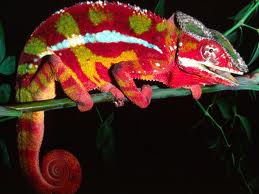
  • Male Panther Chameleons are the most colorful of all chameleons.
  • They can change color to blend in with their habitat.
  • Male Panther Chameleons also change their colors to attract females.
  • Each Panther Chameleon eye moves independently of each other. They can point them in two different directions at the same time!
  • They have long sticky tongues that they use to capture their prey!
  • Panther Chameleon tongues can be longer than their bodies!
  • They are slow movers.

Panther Chameleons are gorgeous with their bright colors. Did you know that even a blind chameleon could still blend in with its habitat? Cool, huh? We just love chameleons; how about you?


Categories: adventure, Animals, Children, conservation, education, Environment, rainforests, reptiles, science, wildlife | Tags: , , , , , , , , , | Leave a comment

MAMMAL MONDAY # 49

MAMMAL MONDAY #49

Pack your bags, because we’re going to South America today to find a resident of the rainforest! Keep your binoculars and tree climbing gear ready because this primate lives in the trees. Let’s head out on today’s animal adventure!

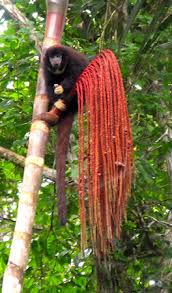
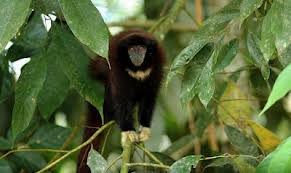
MEET THE YELLOW-HANDED TITI MONKEY!

   Range/Habitat: Northwest South America/ rainforest

   Diet: Omnivore: fruit, seeds, insects

   Length/Weight: 12-18”/ 2 ¼- 3 ¼ lbs

   Conservation Status: common


Fun Facts:

  • Yellow-handed titi monkeys have stocky bodies covered with thick black fur.
  • They have a white fur collar around their neck and bright yellow hands.
  • Yellow-handed titi monkeys have long bushy tails.
  • They are arboreal.
  • They live in small family groups.
  • Yellow-handed titi monkeys pair bond for life.
  • Male yellow-handed titi monkeys help carry the young.

These fluffy little glove wearing monkeys are so cute! Ok, they don’t really wear gloves, but their little yellow hands are great!

Categories: adventure, Animals, Children, conservation, education, Environment, mammals, nature, rainforests, science, wildlife | Tags: , , , , , , , , , | 1 Comment

FEATHERY FRIDAY # 48

FEATHERY FRIDAY #48

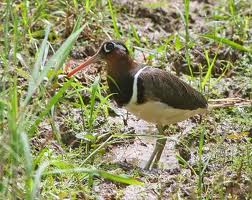
It’s Feathery Friday and we’re going to Africa to meet an inhabitant of the marshes! These colorful birds love wading through the mud to find a tasty meal. So let’s put on our waders and go meet…

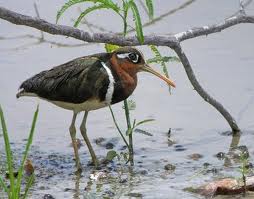
MEET THE GREATER PAINTED-SNIPE!

   Range/Habitat: Africa-Southeast Asia-Australia/ wetlands, marshes

   Diet: Omnivore: invertebrates, seeds, grasses

   Length/Weight: 9-11”/ 3 ¼-7 oz

   Conservation Status: common


Fun Facts:

  • Greater Painted-Snipes have white eye patches and colorful tan-cream feathers.
  • They use their long beaks to find prey in the mud.
  • Greater Painted-Snipes have long legs for wading.
  • They are not graceful or good fliers.
  • Greater Painted-Snipes are shy and are often hard to spot.
  • Male Greater Painted-Snipes incubate the eggs and raise the chicks.

These fun little birds are built to live in their marshy habitats. How cool is it that the dads do all the work raising the chicks? Way to go dads!


Categories: adventure, africa, Animals, birds, Children, conservation, education, Environment, nature, science, wetlands, wildlife | Tags: , , , , , , , , , | Leave a comment

WATERY WEDNESDAY # 48

WATERY WENESDAY # 48

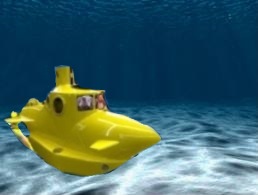
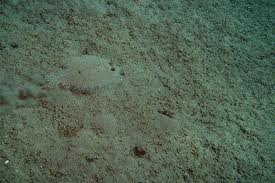
We’re taking the E & E submarine out today to find a fish who lives on the bottom of the ocean floor. Get out your best observation eyes because they are masters of camouflage! Are you ready? We have plenty of room!

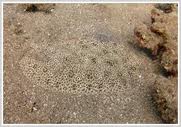
MEET THE SOLE!

   Range/Habitat: Eastern North Atlantic- Mediterranean/ oceans-

estuaries

   Diet: Carnivore: mollusks, worms

   Length/Weight: up to 28”/ up to 66 lbs

  Conservation Status: vulnerable


Fun Facts:

  • Soles have flat bodies.
  • Soles are brown with dark blotches.
  • They burrow in the sandy or muddy ocean floor.
  • Soles have both eyes on the right side of their bodies.
  • They have an excellent sense of smell that helps them locate their prey.

Soles are cousins of flounders, both have those flat bodies. Our favorite part of the Sole is their funny side faces. What’s your favorite part?


Categories: adventure, Animals, Children, conservation, education, Environment, fish, nature, oceans, science, wildlife | Tags: , , , , , , , , , | Leave a comment

REPTILIAN TUESDAY # 48

REPTILIAN TUESDAY #48

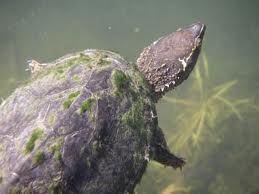
We’re going on a short road trip today to meet one cute but stinky reptile! These turtles inhabit our local area and we’ve even met a few on twitter! So let’s get on our hiking shoes and go looking for these great reptiles!

MEET THE STINKPOT!

   Range/Habitat: Southeastern United States/ wetlands, ponds

   Diet: Omnivore: plants, insects, mollusks

   Length: 3 ¼-5”

   Conservation Status: common


Fun Facts:

  • Stinkpots are also known as the Common Musk Turtle.
  • They expel a foul musk odor as a defense mechanism.
  • Stinkpots spend most of the lives in water.
  • They are often covered in algae.
  • Stinkpot males have longer tails than females.
  • They have barbells on their chin that help them find food.
  • Stinkpots use their tongues to breathe underwater.

Stinkpots are such cute little turtles! So many animals use the defense of emitting a stinky smell, so it must work! The best part of these little turtles is their fun name- Stinkpots! Try saying it without smiling!


Categories: adventure, Animals, Children, conservation, education, Environment, reptiles, science, turtles, wildlife | Tags: , , , , , , , , , | 2 Comments

MAMMAL MONDAY #48

MAMMAL MONDAY #48!

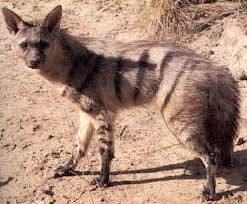
Grab your safari hats and night vision goggles and let’s head off to Africa today to meet a relative of the hyena! These bug loving mammals may look like their relatives, but they are very different! Are you ready? Let’s go!

MEET THE AARDWOLF!

   Range/Habitat: Eastern South Africa/ desert-scrub

   Diet: Insectivore: termites, insects

   Length/Weight: 26”/ 20 lbs

   Conservation Status: common


Fun Facts:

  • Aardwolves have longer front legs than back legs.
  • They have 3 stripes on each side.
  • Aardwolves have a crest of fur down their backs. They puff the fur up when they are threatened to look bigger.
  • Aardwolves are nocturnal (active at night) and solitary.
  • They have sticky tongues that they use to eat insects!
  • Aardwolves can eat up to 200,000 termites a night!

Aardwolves are really cool. Unlike their hyena cousins who eat carrion or kill their prey, these guys eat bugs and lots of them! If you could pick, which would you be a carnivore or an insectivore?


Categories: adventure, africa, Animals, Children, conservation, education, Environment, mammals, nature, science, wildlife | Tags: , , , , , , , , , | Leave a comment

SUPER SURPRISE THURSDAY # 47

SUPER SURPRISE #47

We’re going bird watching in North Africa today! We’re on the lookout for a brightly colored bird with funny feathers around the beak! Grab your binoculars and let’s head on today’s adventure!

MEET THE BEARDED BARBET!

   Range/Habitat: North Africa/ woodlands

   Diet: Omnivore: fruit, figs, insects

   Length/Weight: 10”/ 2 ½-4 oz

   Conservation Status: common


Fun Facts:

  • Bearded Barbets are black and red.
  • They have bristly feathers around their beaks. These feathers give them their name.
  • Bearded barbets are related to toucans and woodpeckers.
  • Bearded barbets live in groups of 4-5 birds.
  • They are plump birds.
  • Bearded barbets use their bills to pound open holes in trees.

These gorgeous birds are funny looking with their feathery beards. Did you know that birds who eat fruit such as figs, help grow more fig trees? That’s right, when these birds poop, they redistribute the seeds and help another tree grow! Neat!


Categories: adventure, Animals, birds, Children, conservation, education, Environment, nature, science, wildlife | Tags: , , , , , , , , | 1 Comment

WATERY WEDNESDAY # 47

WATERY WENESDAY # 47

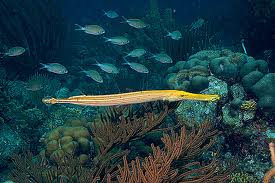
It’s Watery Wednesday and we’re going diving in a Pacific coral reef to meet a fish who can blow a mean horn! Ok, they can’t actually play the trumpet, but they are pretty cute! Let’s do this!

MEET THE TRUMPETFISH!

   Range/Habitat: Pacific-Indian Ocean/ coral reef

   Diet: Carnivore: small fish

   Length: up to 32”

   Conservation Status: common


Fun Facts:

  • Trumpetfish have long slender bodies and long snouts.
  • They are ambush predators.
  • Trumpetfish are yellow or brown in color.
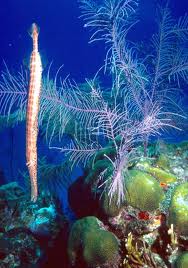
  • They camouflage among the coral by floating vertically head down.
  • Trumpetfish have small jaws and usually suck in their prey.


Trumpetfish are masters of camouflage! They just float around looking like coral til their prey swims by and grabs them! If you could camouflage in any habitat what would it be?


Categories: adventure, Animals, Children, conservation, education, Environment, fish, nature, oceans, science, wetlands | Tags: , , , , , , , , , | Leave a comment

REPTILIAN TUESDAY # 47

REPTILIAN TUESDAY #47

We docked the boat from our trip off the coast of South America and jumped on a plane to the northern part of the continent. We’re going on the wetlands to find one cool reptile. Grab your hats and let’s go!

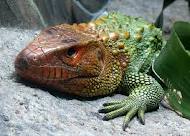
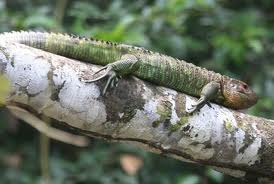
MEET THE CAIMAN LIZARD!

   Range/Habitat: Northern South America/rainforest-wetlands

   Diet: Carnivore: snails, crabs

   Length: 3- 3 ½ ft

   Conservation Status: not listed


Fun Facts:

  • Caiman lizards have large cone shaped scales on their backs and tails.
  • Male Caiman lizards have green bodies and orange throats and females have gray throats.
  • Caiman lizards have strong jaws for crushing snail shells.
  • They are excellent swimmers.
  • Caiman lizards spend most of their time in or near water.

Caiman lizards are so colorful and cool! They look like little dinosaurs, well if they had feathers they would! If you could color a lizard any color, what colors would you use?


Categories: adventure, Animals, Children, conservation, education, Environment, nature, rainforests, reptiles, science, wildlife | Tags: , , , , , , , , | 1 Comment

MAMMAL MONDAY # 47

MAMMAL MONDAY #47!

This Mammal Monday we’re going a boat to South America to find one amazing and beautiful marine mammal! What’s black and white and swims? Let’s go find out!

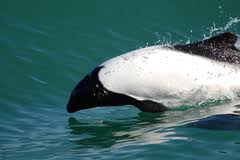
MEET THE COMMERSON’S DOLPHIN!

   Range/Habitat: Tip of South America/ Indian Ocean/ oceans-coastlines

   Diet: Carnivore: sea stars, fish, crabs

   Length/Weight: 4 ½-5 ½ ft

   Conservation Status: common


Fun Facts:

  • Commerson’s Dolphins are black and white and look like small killer whales.
  • Commerson’s Dolphins calves are gray and develop their coloration as adults.
  • They live in schools of around 10 individuals.
  • Commerson’s Dolphins are also called the Panda Dolphin.
  • They are very acrobatic swimmers.
  • Commerson’s Dolphins are known to swim upside down to find their prey on the ocean floor.

Wow, these fast and graceful dolphins are gorgeous! They really do look like mini orcas! Did you know that Orcas are the largest members of the dolphin family? Neat!


Categories: adventure, Animals, Children, conservation, education, Environment, mammals, nature, oceans, science, wildlife | Tags: , , , , , , , , , , , | 2 Comments

Blog at WordPress.com.