adventure

WATERY WEDNESDAY # 83

WATERY WEDNESDAY #83

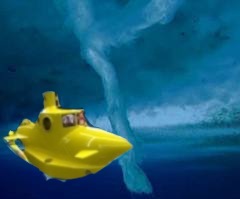
Happy Watery Wednesday everyone! We hope it’s wonderful so far! Today’s fish is long, lean and full of teeth! But don’t worry they don’t think people are tasty and we’ll be safe in the sub!

e e deep sea

MEET THE GREAT BARRACUDA!

   Range/Habitat: tropical-sub-tropical waters worldwide/ reefs, shallows,

mangroves

   Diet: Carnivore: fish

   Length/Weight: up to 6 ½ ft/ up to 110 lbs

   Conservation Status: Common


Fun Facts:

  • Great Barracuda are long and lean fish.
  • They have powerful jaws full of sharp, knife like teeth.
  • Great barracuda are ambush predators. They stay relatively still and swim forward in one fast move to grab their prey.
  • They’re usually solitary, but juveniles often school together.
  • Great barracudas have few predators, mainly sharks.

Great barracudas are intimidating fish, with their long bodies and mouths full of teeth.  But we think they are pretty awesome! How about you?

barracuda2   barracuda

Categories: adventure, Animals, Children, conservation, education, Environment, fish, nature, science, wildlife | Tags: , , , , , , , , , , | Leave a comment

REPTILIAN TUESDAY #83

REPTILIAN TUESDAY # 83

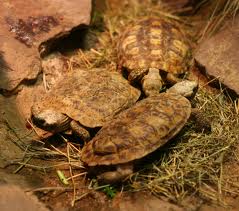
 We’re off to Africa today to meet a breakfast tortoise! Hahaha- ok they won’t be making us breakfast and we’ll not be eating with them but they are quiet flat!  Flat you say? Flat! Come meet…

e e desert

MEET THE PANCAKE TORTOISE!

   Range/Habitat: E Africa (Tanzania/Kenya)/rocky outcrops and savannas

   Diet: Herbivore: grasses, leaves, fruit

   Length/Weight: 5 ½”-7”/ 1 lb

   Conservation Status: Vulnerable


Fun Facts:

  • Pancake Tortoises have flat carapaces (top shell) that are flexible. This is a very unusual adaptation.
  • Pancake tortoises can squeeze into narrow crevices. This helps protect them from predators.
  • They don’t move to far from their shelter.
  • Pancake tortoises are actually quick and agile climbers.
  • They live in small colonies and share their shelters.
  • They can live up to 25 years old.
  • Pancake tortoises are crepuscular (most active at dusk and dawn).

Pancake tortoises are really neat little tortoises with their flat shells and ability to climb. And they have pancake in their name and who doesn’t love pancakes!

pancake tortoise   pancake tortoise2


Categories: adventure, Animals, Children, conservation, education, Environment, nature, reptiles, science, wildlife | Tags: , , , , , , , , , | 1 Comment

MAMMAL MONDAY #83

MAMMAL MONDAY  #83

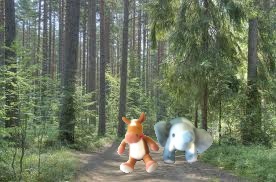
Happy Mammal Monday! We’re traveling to the land down under-Australia to find today’s animal! Australia is a large continent with wild and strange animals that are found no other place on earth and today’s mammal is no exception! In fact this mammal is a rare exception to the rule, instead of giving birth to live young it lays eggs! WHAAAAT? You heard right, this mammal lays eggs! Let’s meet…

e e woods

MEET THE PLATYPUS!

   Range/Habitat: Eastern Australia-Tasmania/rivers-streams-rainforest

   Diet: Carnivore: worms, shrimp, crayfish

   Length/Weight: 16-23 ½”/ 1 ¾-5 ½ lbs

   Conservation Status: common


Fun Facts:

  • Platypus are strange looking mammals, with long slender bodies, webbed feet and a duck-like bill for a mouth.
  • They have long tails that look like beaver tails.
  • Platypus are built for water. They are excellent swimmers and can dive to deep depths looking for prey.
  • They eat about 20% of their body weight a day (about 2lbs), so they can spend up to 12 hours a day feeding.
  • Platypus have no teeth!
  • Male platypus have venomous spurs in the back feet. The venom is not fatal to humans, but can be very painful.
  • Platypus can detect the electrical fields of other animals. They use this extra sense to find their prey!
  • They are one of two mammals on earth that lay eggs. Do you know the other one?
  • Platypus moms to provide milk to their offspring.

Platypus are one of our favorites, with their crazy looking bill mouths and their webbed feet! They are much loved in Australia too! You can find a platypus on the back of their 20 cent coins! Neat! Edmond wants to be on a coin! Ellie told him he’d have to learn to lay eggs first!

platypusplatypus2

Categories: adventure, Animals, Children, conservation, education, Environment, mammals, nature, science, wildlife | Tags: , , , , , , , , , | 2 Comments

GREATEST HITS- FEATHERY FRIDAY!!

GREATEST HITS- FEATHERY FRIDAY

It’s that special day of the week dedicated to our feathery friends! So are you ready to head to Central America to meet a duck who doesn’t quack? Let’s head out on today’s adventure!

e & e wetlands

MEET THE MUSCOVY DUCK!

muscovy duck   Range/Habitat: Central-South America/ wetlands, lakes, rivers

   Diet: Omnivore: roots, leaves, fish, insects

   Length/Weight: 26-33”/ 7-15 lbs

   Conservation Status: common


Fun Facts:

  • Muscovy Ducks have wild and domesticated populations.
  • They are not very vocal and only make a few noises, including hisses!
  • Muscovy ducks have black and white feathers.
  • They have wide flat tails.
  • Muscovy ducks perch in trees.
  • Muscovy ducks have claws on their feet.

Muscovy ducks are super cute! Who knew there were ducks out there that didn’t quack! Neat! Hiss! Hiss!

muscovy duck2   muscovy duck3

Categories: adventure, Animals, birds, Children, conservation, education, Environment, nature, science, wildlife | Tags: , , , , , , , , , | Leave a comment

GREATEST HITS- SUPER SURPRISE THURSDAY!!

GREATEST HITS- SUPER SURPRISE THURSDAY

We’re going to the rainforests of South America today to meet one gorgeous and colorful bird! We’ll have to climb to the top to find them! Are you ready?

e & e rainforest2

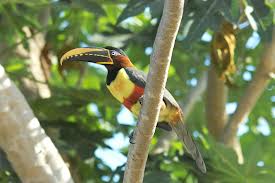
MEET THE CHESTNUT-EARED ARACARI!

chestnut eared aracari   Range/Habitat: Central- Northern South America/ rainforests

   Diet: Frugivore: fruit, insects

   Length/Weight: 13-16”/ 11 oz

   Conservation Status: common


Fun Facts:

  • Chestnut-eared aracari have black feathers with yellow bellies.
  • They live in the canopies of the rainforest.
  • Chestnut-eared aracari have large bills with yellow teeth like looking markings.
  • They are members of the toucan family.
  • Chestnut-eared aracari live in small groups.

We just love these gorgeous birds! Those beaks are just perfect for picking fruit from the trees! What do you think?

chestnut eared aracari3


Categories: adventure, Animals, birds, Children, conservation, education, Environment, nature, science, wildlife | Tags: , , , , , , , , , | 1 Comment

GREATEST HITS WATERY WEDNESDAY!

GREATEST HITS- WATERY WEDNESDAY!

We’ve had some technical difficulties at HQs we’re posting greatest hits for the rest of week! We hope you enjoy meeting these animals again!

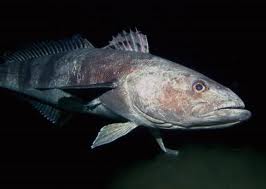
We’re taking the E & E submarine to the cold waters of the South Pole. Luckily the submarine is heated because you wouldn’t want to be caught in these cold waters unless you are one of these amazing fish! All aboard….

MEET THE ANTARCTIC TOOTHFISH!

   Range/Habitat: Antarctic Circle/ oceans

   Diet: Carnivore: crabs, squid, fish

   Length/Weight: up to 7 ¼ ft/ up to 260 lbs

   Conservation Status: common


Fun Facts:

  • Antarctic Toothfish live in very deep waters.
  • They are very slow growing.
  • Antarctic toothfish have a special protein in their blood that acts as an anti-freeze.
  • Antarctic toothfish have high body fat content and light bones.
  • They have a cartilaginous skull.

Wow, these fish are really cool and kind of creepy! Yet again we are fascinated by the animals that call the deep ocean their home! Those deep dark waters really are like another planet!

Categories: adventure, Animals, Children, conservation, education, Environment, fish, nature, science, wildlife | Tags: , , , , , , , , , | Leave a comment

GREATEST HITS- FEATHERY FRIDAY!!

GREATEST HITS- FEATHERY FRIDAY!!

We’re off to Africa today to find a colorful and most famous bird! We all know these pinkies! Have you guessed it by now? That’s right; it’s time to meet a flamingo! Grab your wellies again, we’re going wading!

e e grasslands

MEET THE LESSER FLAMINGO!

   Range/Habitat: West-Central-Southern Africa/ wetlands, lakes

   Diet: Herbivore: blue-green algae

   Length/Weight: up to 3 ¼ ft/ up to 4 ½ lbs

   Conservation Status: Near threatened


Fun Facts:

  • Lesser flamingos are the smallest of all flamingos.
  • They are light to dark pink in coloration.
  • Lesser flamingos have long dark beaks.
  • They feed at dusk and dark.
  • Lesser flamingos live in large colonies. There have been flocks of up to 1 million birds.
  • You can see hundreds are of flamingos move together in elaborate courtship rituals.
  • Lesser flamingos build mud mounds to lay their one egg on.
  • They can live up to 50 years.

We just love flamingos! They’re long legs and bright pink feathers make them one of the most iconic birds on the planet! And yes they do sleep on one leg; it helps them conserve body heat! Hhhmm… we might practice being flamingos, but that is hard with four legs!


Categories: adventure, Animals, birds, Children, conservation, education, Environment, nature, science, wildlife | Tags: , , , , , , , , , | Leave a comment

GRESTEST HITS- SUPER SURPRISE THURSDAY!!

GREATEST HITS- SUPER SURPRISE THURSDAY!!

We have a new post today! It’s Super Surprise Thursday and it’s time to check out the picture, read the clues and tell us who you think it is!

beach

  • We’re best friends!
  • We love adventure!
  • Teaching about animals and conservation is our thing!

WHO ARE WE?

Categories: adventure, Animals, Children, conservation, education, Environment, nature, science, wildlife | Tags: , , , , , , , , | 2 Comments

GREATEST HITS- WATERY WEDNESDAY!!

GREATEST HITS- WATERY WEDNESDAY!!

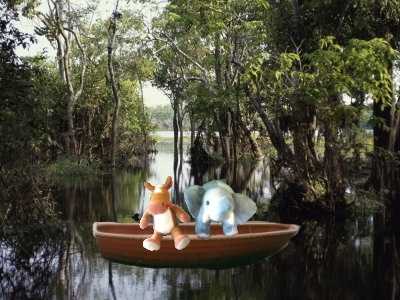
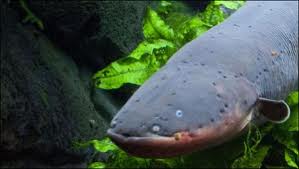
Today we’re jetting to South America to meet one large and unusual fish! These guys don’t have any top fins and they can electrocute a human! Best if we stand next to the river to catch a peek, don’t you think?

e & e river boat

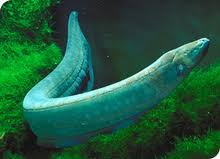
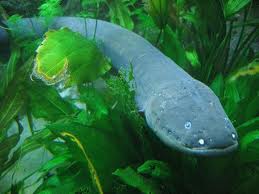
MEET THE ELECTRIC EEL!

electric eel   Range/Habitat: Northern South America/ rivers, streams

   Diet: Carnivore: fish, amphibians, birds

   Length/Weight: 6-8 ft/ up to 44 lbs

   Conservation Status: common


Fun Facts:

  • Electric eels are not true eels; they are actually members of the knifefish family.
  • They are one of the largest fresh water fish in South America.
  • Electric eels have one long fin on their underside. They have no top or tail fins.
  • Electric eels have poor eyesight.
  • They have specialized cells that store electricity like batteries.
  • They use electrical pulses to help them find their way around in murky rivers and streams.
  • Electric eels also use jolts of electricity to stun prey. They can produce jolts up to 600 volts at one time.

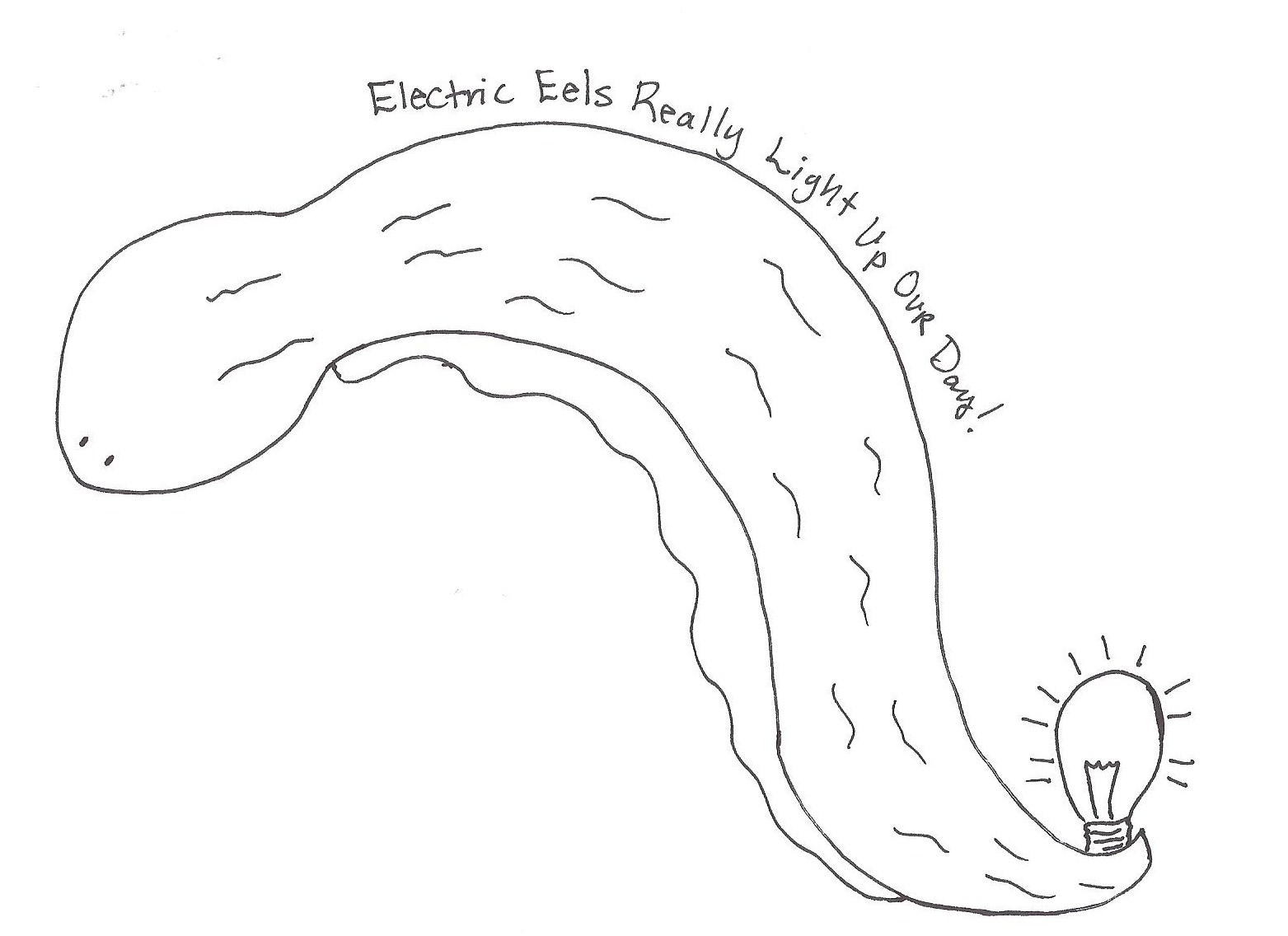
WOW! Electric eels are amazing animals. Who knew there were fish out in the world that could light things up? We just never ceased to be amazed by all the cool animal adaptations there are on earth! We do wonder if an electrical eel could light our lamp for us! Hahahaha!

electric eel2   electric eel3


Image

Categories: adventure, Animals, Children, conservation, education, Environment, fish, nature, science, wildlife | Tags: , , , , , , , , , | Leave a comment

GREATEST HITS- REPTILIAN TUESDAY

GREATEST HITS- REPTILIAN TUESDAY

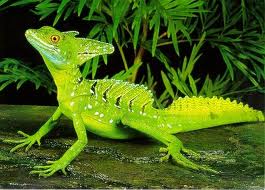
We’re off to the rainforests of Central America to meet a really cool reptile that has a special adaptation! Can you run on top of water? We didn’t think so! Let’s head out on today’s adventure!

MEET THE PLUMED BASILISK!

   Range/Habitat: Central America/ rainforests-wetlands

   Diet: Omnivore: insects, rodents, fruits

   Length: 23 ½-30”

   Conservation Status: common


Fun Facts:

  • Plumed Basilisks are arboreal (they live in trees).
  • They live near streams and rivers.
  • Plumed basilisks run across the surface of the water on their hind feet.
  • Plumed basilisks have 3 crests on body; on their head, back and tails.
  • They are excellent swimmers and can stay under water for 30 minutes.
  • Male plumed basilisks are very territorial. They preside over a territory with numerous females.

These lizards are sooo cool! Can you believe they can run on water? We wish we could do that, alas we only doggie paddle, or elephant and horse paddle in this case!


Categories: adventure, Animals, Children, education, Environment, nature, reptiles, science, wildlife | Tags: , , , , , , , , , | Leave a comment

Blog at WordPress.com.